
2027 Most Valuable MBA Degree Programs Ranking in Cambridge

Co-Founder and Chief Data Scientist
Choosing the right MBA program can be a challenging journey, especially in Cambridge where options are diverse and competitive. This article presents the 2027 Most Valuable MBA Degree Programs Ranking in Cambridge, developed by the Research.com team of data scientists to guide you through this important decision.
By exploring this ranking, you'll uncover which MBA programs stand out in value, helping you invest your time and resources wisely. Pursuing an MBA is an exciting step towards career growth, new opportunities, and personal development.
Let this guide inspire and empower your next educational adventure in Cambridge.
Key benefits of getting MBA degree in Cambridge
- MBA graduates in Cambridge often pursue careers in management, consulting, or finance, where average salaries in the US range from $75,000 to $120,000, reflecting strong earning potential.
- An MBA from a well-known Cambridge school can open doors to diverse career paths, including leadership roles in technology, marketing, and entrepreneurship, providing exciting growth opportunities.
- Obtaining an MBA online from a Cambridge university offers flexibility to balance work and study while still gaining valuable networking and practical experience, making it ideal for busy professionals.
- 2027 Most Valuable MBA Degree Programs Ranking in Cambridge
- What can I expect from MBA degree in Cambridge?
- Where can I work with MBA degree in Cambridge?
What can I expect from MBA degree in Cambridge?
The average annual tuition cost for an MBA degree in Cambridge, specifically at Harvard Business School, is about $73,440 for the 2023-2024 academic year, excluding living expenses. Many graduates reflect on this expense as a valuable investment, considering the exceptional educational environment and career opportunities the program offers.
Students often navigate this financial commitment by proactively seeking scholarships and financial aid, which Harvard provides to many qualified candidates. One graduate recalled leveraging a combination of aid and summer internships in Boston's thriving consulting and biotech sectors to offset living costs, making the experience more manageable.
While the upfront cost feels significant, the average base salary for graduates hovers around $150,000, illustrating strong post-MBA job prospects. This considerable return on investment is a key reason why those choosing Cambridge's MBA are confident about their future, supported by the school's extensive alumni network and vibrant entrepreneurial ecosystem.
Where can I work with MBA degree in Cambridge?
Graduates with an MBA from Cambridge, such as those from the University of Cambridge Judge Business School, often find themselves quickly embedded in dynamic career paths. Many successfully enter the finance sector, securing roles in investment banking and asset management at major banks and investment firms located in the city. This is supported by reports showing nearly 30% of Cambridge MBA graduates step into finance roles within six months, highlighting the strong local market demand.
Others leverage their degree to join leading consulting firms like McKinsey, BCG, or Bain, where they apply strategic thinking to solve complex business challenges. These positions offer exciting opportunities to work across industries while gaining accelerated leadership experience-a common theme in the career stories of Cambridge MBA alumni.
With Cambridge's renowned "Silicon Fen" innovation cluster nearby, MBA graduates also thrive in technology and biotech startups. Many manage product development or lead marketing strategies in these fast-growing companies, experiencing firsthand the entrepreneurial energy of the region.
Healthcare management roles attract Cambridge MBAs, combining business acumen with medical sector expertise at hospitals and pharmaceutical firms. Likewise, higher education and nonprofit sectors provide fulfilling leadership opportunities, aligning with the passion many graduates have for making social impact locally.
An MBA graduate from Cambridge's Judge Business School typically sees a substantial salary boost after completing the program. Graduates report an average annual salary of around $122,000 USD within three years, up from about $75,000 before their MBA. This reflects a nearly 63% increase in earning power, a strong testament to the value of this degree in competitive industries.
Many graduates transition into consulting or financial services roles, often securing salaries above $140,000 USD. For example, a graduate moving into a consulting firm in Boston or New York can expect lucrative offers that reflect both the school's global prestige and strategic location advantages.
Additional financial benefits include average signing bonuses close to $25,000 USD, which enhance immediate earning potential. Graduates who engage with tech startups or multinational companies based in Cambridge also benefit from strong industry connections, helping them land high-paying roles quickly.
Choosing Cambridge means joining a network that consistently positions its MBA students for fast, rewarding career growth with salaries competitive among top U.S. programs.
- MBA tuition and fees in Cambridge typically range from $60,000 to $90,000, with additional living costs possibly adding $20,000 or more per year.
- The average starting salary for MBA graduates in Cambridge is around $110,000 annually, rising to about $150,000 or higher with experience.
- Employment rates for MBA graduates in Cambridge often exceed 85% within three months after graduation.
- Key industries hiring MBA graduates include technology, finance, and consulting, with opportunities in both established companies and startups.
- Cambridge's location near Boston expands job prospects and networking possibilities in the wider metropolitan area.
Completing an MBA degree in Cambridge typically takes between one and two years, depending on your chosen program. Full-time MBA programs usually last 12 to 21 months, offering an intensive, immersive experience that many graduates find highly rewarding. For example, students at Harvard Business School often complete their degree in about 20-21 months, including valuable summer internships that enhance professional growth.
If you need greater flexibility, part-time or executive MBA programs extend the timeline to two years or more. These options let you balance work and study, attending classes mainly in evenings or weekends. Graduates from these programs frequently share how this flexibility helped them maintain career momentum while earning their degree.
Keep in mind that program length directly affects both tuition and living costs. For instance, Harvard's MBA tuition runs around $73,440 per year, so shorter programs can mean significant savings. Planning your schedule with these factors in mind can make your MBA journey both efficient and financially manageable.
On-campus MBA programs in Cambridge, such as those at popular universities and colleges, immerse students in face-to-face learning, with direct access to professors and vibrant networking opportunities. Graduates often recall invaluable experiences attending live lectures and participating in campus events, which helped build strong local business connections and soft skills through teamwork and internships.
Alternatively, online MBAs offer flexibility essential for working professionals juggling jobs and family commitments. Many students appreciate being able to study on their own schedules using digital platforms while still engaging in meaningful discussions through virtual collaboration tools. This option is particularly suited to those who want a respected degree without relocating or pausing their careers.
Cost differences also play a role. On-campus programs in Cambridge can cost between $60,000 and $100,000, reflecting comprehensive campus resources. Online programs, typically $40,000 to $70,000, reduce expenses by delivering content remotely without compromising quality.
Choosing between these depends largely on whether you value direct interaction and local networking or flexible learning that fits a busy lifestyle.
Beyond rigorous academics, MBA candidates also thrive through vibrant student life and active campus engagement in Cambridge, MA. Many programs offer a diverse array of clubs, networking events, and peer-led initiatives that enrich the overall MBA experience. From industry speaker sessions and case competitions to cultural events and alumni mixers, students cultivate lasting relationships that extend well beyond the classroom. These extracurricular activities not only enhance learning but also foster leadership, creative problem-solving, and global perspectives essential for business success. For those balancing work and studies, flexible online options are increasingly popular. In fact, discovering the benefits of the most affordable executive mba can provide a gateway to both flexibility and a rich network, allowing students to gain unparalleled access to career-boosting opportunities. Overall, a thriving campus life significantly contributes to personal growth and professional development, making the MBA journey in Cambridge an immersive and transformative experience.
The average cost of a MBA degree in Cambridge typically centers around $62,845, reflecting total expenses including tuition, fees, and additional costs. While the tuition at prominent institutions like Harvard Business School can be near $73,440 per year, many students find that scholarships and financial aid help manage these expenses. Graduates often recall balancing living costs and supplies with rigorous study and networking opportunities, emphasizing that the total expenses for MBA programs Cambridge are more than tuition alone.
Living in Cambridge adds to the investment but also enhances the overall experience. Students at Harvard and other local programs appreciate the city's vibrant business ecosystem, which offers valuable connections and post-graduation opportunities. Some relate how adjusting to the city's cost was challenging initially but rewarding as they accessed top-tier faculty and career services that contributed directly to their professional growth.
Financial strategies such as securing fellowships, need-based aid, or part-time work help graduates soften the financial impact while making the most of their time in Cambridge. Prospective students can also compare costs effectively by researching different programs and considering the return on investment. For those interested in related fields, exploring options like a logistics bachelor's degree may provide alternative pathways that complement an MBA focus.
Overall, understanding the average cost of MBA degree in Cambridge is essential for planning, but the value comes from leveraging the city's unique resources and opportunities.

Studying for an MBA in Cambridge comes with diverse financial aid options that can make the investment manageable. Many students at Harvard Business School and MIT Sloan benefit from need-based scholarships tailored to their financial situations, reducing tuition by up to half. Merit-based awards also recognize leadership and academic achievements, often transforming applicants' financial outlooks.
Graduate assistantships and fellowships provide another practical route to funding. These roles, which involve supporting faculty research or campus initiatives, not only cover stipends or tuition but also build valuable experience for future careers. MIT Sloan's fellowships stand out for combining merit and need, creating opportunities without repayment stress.
Federal Direct Loans offer up to $20,500 annually, supplemented by private loans with competitive Cambridge lender rates, allowing students flexible repayment plans. Employer tuition reimbursement is common among MBA candidates juggling work, especially in Cambridge's strong business network, offering relief and motivation.
External scholarships from industry groups targeting diversity or entrepreneurship bring additional hope, illustrating the community's commitment to rewarding potential beyond academics.
Understanding the true value of an MBA goes beyond prestige and curriculum-it hinges on when and how you’ll recoup your financial outlay. In Cambridge, MA, top programs command tuition and living costs totaling approximately $200,000 over two years. Yet, graduates report average starting salaries between $120,000 and $150,000, creating a strong income boost that often translates into a payback period of 2 to 3 years. Key factors influencing ROI: • Net Cost vs. Salary Uplift: By subtracting financial aid and scholarships-often covering 20% to 50% of tuition-from total expenses, students can lower their breakeven point. • Opportunity Cost: Full-time students forgo 2 years of earnings, which should be factored into payback calculations. Part-time and online pathways reduce this cost, sometimes extending the payback to 4 years but preserving current income. • Career Trajectory: Alumni data indicates that 5 years post-MBA, average salaries in consulting and finance exceed $200,000, yielding a lifetime earnings premium exceeding $1 million compared to bachelor’s degree holders. • Alternative Pathways: For those prioritizing cost efficiency, consider our Inexpensive Online Master's in MBA Degree Programs Ranking in Gainesville, GA, where reduced tuition can shorten your payback period to under 2 years. By modeling your expected scholarship awards, income growth rates, and opportunity costs, you can estimate your personal MBA payback timeline and make a data-driven decision that aligns with both your career goals and financial realities.
To enroll in an MBA program in Cambridge, you must first hold a bachelor's degree from an accredited institution, ideally with a GPA of 3.0 or higher. Many successful graduates recall how having a solid academic foundation, even from diverse fields, helped them tackle Cambridge's rigorous coursework confidently.
Professional experience is equally crucial. Top programs typically expect two to five years of full-time work, which enriches classroom discussions with real-world insights. Alumni often mention that sharing their challenges and successes from prior roles made learning deeply practical and engaging.
Another key prerequisite is strong standardized test scores, typically a GMAT above 700 or a competitive GRE result. These scores reflect critical skills graduates found essential to thrive in data-driven courses at Cambridge colleges.
- Secure compelling letters of recommendation from supervisors or professors who know your work ethic and leadership potential firsthand
- Craft personal essays that clearly articulate your goals and why an MBA in Cambridge aligns with your ambitions
- Prepare for interviews that assess your communication skills and genuine fit with Cambridge's collaborative environment
Planning ahead financially is wise, as tuition can exceed $70,000 annually; early exploration of scholarships and aid options is recommended by recent graduates to ease this burden.
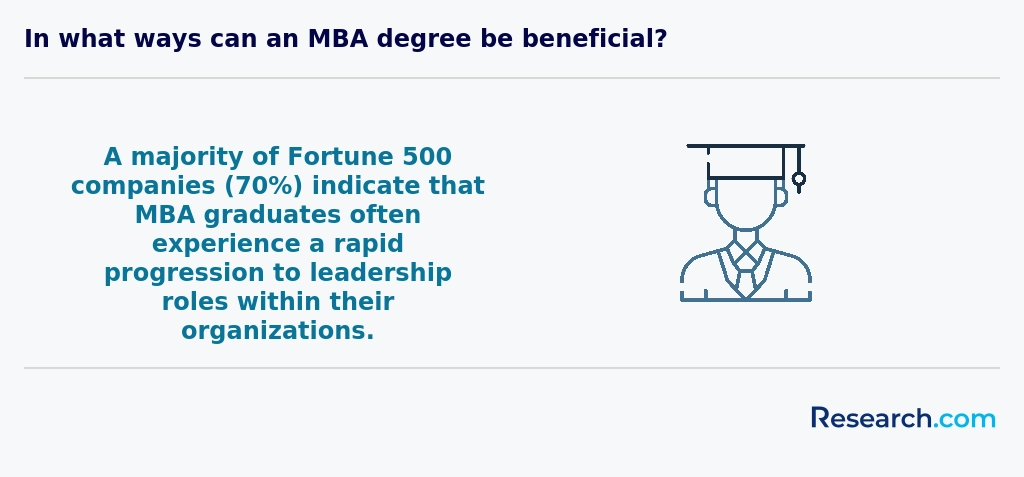
The pursuit of an MBA degree in Cambridge, MA, is a significant investment that can have a substantial impact on one's career trajectory and financial future. Understanding the value of such a degree is crucial for prospective students. By analyzing the benefits and challenges associated with an MBA, individuals can make informed decisions about their educational investments. For those interested in exploring valuable mba programs in massachusetts, it is essential to consider factors such as program reputation, curriculum, and networking opportunities. The feedback loop in MBA programs also plays a critical role in shaping future professionals, as it fosters a culture of continuous improvement and refinement of skills. By considering these factors, prospective students can assess the value of an MBA degree in the context of their personal and professional goals, ultimately making a decision that aligns with their aspirations and financial realities.
MBA programs in Cambridge typically offer a well-rounded blend of core courses designed to build strong managerial and leadership skills. Graduates from local institutions often highlight courses like Financial Accounting and Reporting, which equips them to analyze business financials with confidence, an essential skill for any leadership role.
Courses such as Managerial Economics and Marketing Management help students apply economic theories to real business challenges and understand customer behavior, making marketing strategies more effective. Those studying at Cambridge-based colleges often recall projects that involved creating market entry plans for emerging tech firms, grounding this theory in hands-on experience.
Operations Management and Organizational Behavior and Leadership are other key components, often praised by graduates for improving their ability to lead teams and optimize processes. Many applaud the opportunity to collaborate with local startups, where they apply these concepts in dynamic, real-world environments.
Electives in areas like digital transformation and data analytics also set Cambridge MBAs apart, reflecting the region's innovative spirit. This practical curriculum helps students tailor their expertise toward sectors thriving in Cambridge's unique ecosystem.
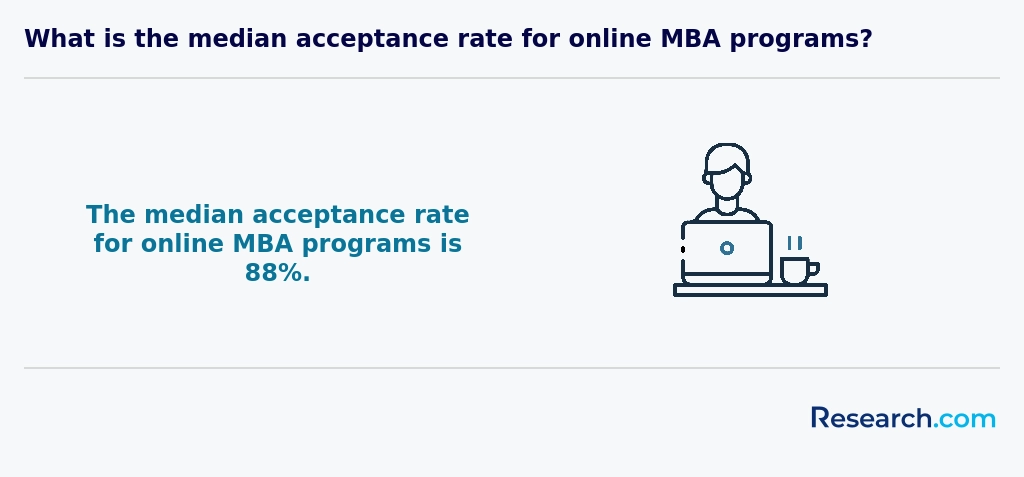
MBA degree concentration options in Cambridge typically include Finance, Marketing, Entrepreneurship, Technology Management, Healthcare Management, and Supply Chain and Operations Management. Graduates from well-known universities in Cambridge often highlight how specializing in Finance opened doors to Boston's financial district, giving them hands-on experience with investment firms. Those focusing on Technology Management benefited from proximity to Route 128's tech corridor, working on real projects with local startups and established companies.
Students pursuing Entrepreneurship usually collaborate with incubators and venture capitalists nearby, gaining practical insights that textbooks alone can't provide. For example, graduates share how their connections made through these programs led to launching successful ventures shortly after graduation. Marketing specializations often emphasize digital strategies and consumer behavior, directly linking classroom learning to regional business demands.
Prospective students should carefully explore program formats to balance their career goals with available specializations. For applied skills in accounting in particular, following the accounting schools rankings Texas can also provide complementary options within broader business studies.
When choosing an MBA degree in Cambridge, focus first on programs that align with your career goals. Graduates from Harvard Business School often emphasize how selecting a curriculum with relevant specialization options, such as finance or technology management, made a tangible difference in their job prospects. Many find that targeting programs with concentrations tailored to their ambitions fosters a sense of purpose throughout their studies.
Cost is another crucial factor. Several students pursuing affordable MBA degrees Cambridge appreciate have shared that factoring in tuition, living expenses, and other fees early helps avoid unexpected financial strain. Exploring scholarships and employer sponsorships can significantly ease the burden of the roughly $70,000+ tuition typical for top-tier programs in the area.
Consider the program's duration and format as well. Busy professionals often choose part-time or executive MBA tracks to balance work and study comfortably. Remember, programs in Cambridge offer diverse options to fit different lifestyles, so you can continue earning while advancing your education without overwhelming yourself.
Networking is a key benefit graduates highlight, especially in Cambridge's thriving biotech and tech startup scenes. Programs with solid industry connections help connect students to internships and job placements, often jump-starting careers in competitive fields. Look for opportunities that bolster your access to these networks.
Lastly, explore programs that support specialized career paths, as these can open doors to niche roles and enhance long-term job satisfaction. Choosing the best MBA programs in Cambridge means balancing your professional aspirations, budget, and the network you want to build to maximize your return on investment.

MBA graduates in Cambridge find a wealth of career paths tailored to their skills and ambitions. Many graduates from prestigious universities in the city transition into management consulting, leveraging analytical skills honed during their studies to solve real-world business challenges. This sector thrives locally, offering access to well-established firms eager to recruit from Cambridge's talent pool. For those inclined towards finance, careers in private equity, corporate finance, and venture capital provide lucrative opportunities, with Cambridge's proximity to financial hubs reinforcing these options.
Graduates pursuing entrepreneurship benefit from Cambridge's vibrant innovation ecosystem, including incubators and accelerators that support startups. MBA programs here often integrate electives and networking focused on entrepreneurship, enabling students to launch ventures with confidence. Other popular roles for MBA holders include technology management, marketing leadership, and operations management, where skills gained open doors across industries like healthcare and manufacturing.
Students seeking to broaden their expertise can also explore accounting courses Utah, complementing their MBA knowledge with specialized financial training to enhance career scope. These diverse options illustrate the wide range of MBA career opportunities in Cambridge, reflecting the city's dynamic academic and professional environment.
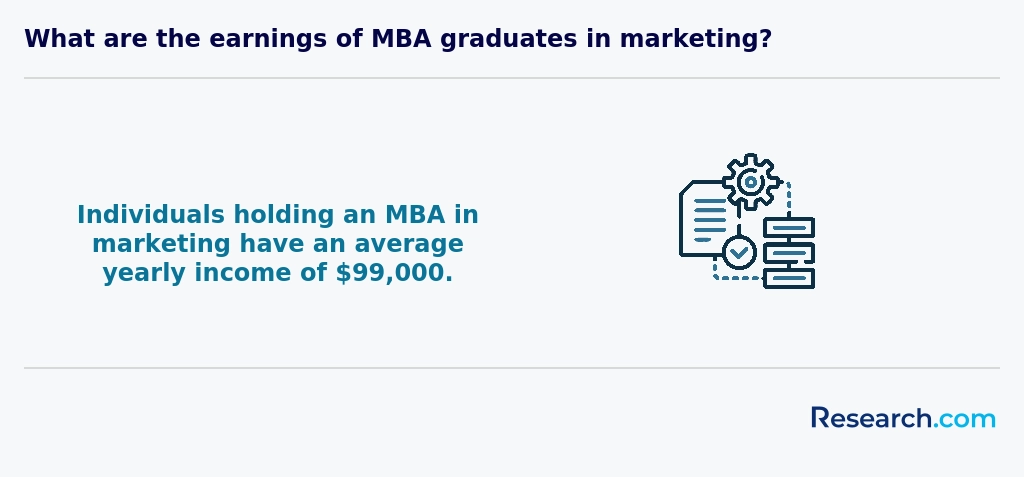
MBA career opportunities in Cambridge are flourishing thanks to the city's strong biotech and technology industries, combined with close ties to Boston's financial and healthcare sectors. Graduates from prestigious institutions like Harvard Business School find themselves in high demand, often securing roles in management consulting, finance, and healthcare administration. These positions require the leadership and strategic skills honed through rigorous MBA programs.
Networking within Cambridge's vibrant academic and business communities plays a critical role in job placement. Many graduates share stories of how connections made through local business schools opened doors with companies such as Moderna and Biogen, emphasizing that proactive relationship-building is key to success. The competitive salaries, often exceeding $115,000 annually, reflect the value employers place on MBA expertise in this region.
For those considering an MBA in Cambridge, it's vital to evaluate programs with strong job placement records and industry connections. Exploring valuable mba programs in massachusetts helps prospective students align their goals with schools that provide both excellent education and robust employment support. Understanding the job outlook for MBA graduates Cambridge offers will empower you to make informed decisions for your business career.
2027 Most Valuable MBA Degree Programs Ranking in Cambridge
Investing in your education is a significant decision that can shape your professional future, and the Research.com team is keenly aware of the importance of making well-informed choices. To support prospective MBA candidates, we have diligently developed the "2027 Most Valuable MBA Degree Programs Ranking in Cambridge." Our dedication to quality, credibility, and accuracy is demonstrated through thorough research and analysis underpinning this ranking.
We utilized the following reputable data sources to ensure a comprehensive evaluation of MBA programs:
By exploring this ranking, readers will obtain valuable insights into the most outstanding MBA programs in Cambridge, empowering them to make confident and strategic decisions about their education. For more information on how this ranking was crafted, please visit our Research.com methodology page.


Frequently Asked Questions About MBA
Students pursuing an MBA degree in Cambridge can enhance their learning by actively engaging with faculty and peers. Collaborating in study groups and participating in case competitions cultivates critical thinking and practical skills. According to the Graduate Management Admission Council (GMAC), 76% of MBA students report improved teamwork abilities through such activities.
Utilizing Cambridge's network of alumni and local industry connections also provides valuable real-world insights and internship opportunities. Regularly attending seminars and workshops hosted by business schools enriches understanding of current market trends. Strong time management and leveraging campus resources, such as career services, further maximize academic and professional growth.
The MBA field is evolving, with several emerging niches gaining traction in US business schools, including those near Cambridge. One notable area is technology management, reflecting the growth of tech industries around Boston and Cambridge. Programs often focus on AI, data analytics, and digital transformation.
Healthcare management is another fast-growing niche, driven by Boston's prominent healthcare sector. MBA students can specialize in healthcare administration, biotech, or pharmaceutical management.
Additionally, sustainability and social impact MBAs are increasingly popular, addressing environmental and corporate responsibility challenges. According to a 2023 report by Poets&Quants, nearly 30% of top US MBA programs offer sustainability tracks.
Lastly, entrepreneurship remains strong, especially in innovation hubs like Cambridge, supported by incubators and venture capital networks.
Preparing for the job market after completing an MBA degree in Cambridge involves strategic planning and leveraging university resources. Graduates should prioritize networking through alumni events and career fairs offered by top institutions such as Harvard Business School and MIT Sloan, both located in Cambridge, Massachusetts. According to the Graduate Management Admission Council, 87% of MBA graduates secure full-time employment within three months of graduation when actively engaged with career services.
Developing soft skills like leadership and communication is crucial, alongside technical expertise gained during the program. Internships or consulting projects during studies enhance practical experience valued by employers.
Finally, utilizing Cambridge's strong connections to industries like finance, technology, and consulting can open doors to diverse career opportunities.
Employers in Cambridge highly value a combination of leadership, analytical, and communication skills in MBA graduates. According to recent data from the Graduate Management Admission Council (GMAC), 85% of employers seek candidates with strong problem-solving abilities and strategic thinking. This reflects the importance of critical analysis in complex business environments typical in Cambridge's competitive market.
Interpersonal skills remain crucial; 78% of surveyed employers emphasize teamwork and effective communication. MBA programs in Cambridge often focus on experiential learning to enhance these competencies.
Additionally, adaptability and digital literacy are increasingly important, with 65% of employers prioritizing candidates who can leverage technology to drive innovation.
Finding internships relevant to an MBA degree in Cambridge involves leveraging both university resources and the local business ecosystem. Many MBA programs in Cambridge maintain strong career services offices that provide exclusive access to internships with top firms in finance, technology, and consulting sectors.
Students should also explore connections through professional networking events and alumni networks, which can introduce opportunities unavailable through traditional job platforms. According to the Graduate Management Admission Council, over 60% of MBA students secure internships through their schools' career services.
Additionally, Cambridge's proximity to Boston offers access to a larger job market, including multinational companies and startups seeking MBA talent.
Online platforms such as Handshake and LinkedIn can supplement the search but are most effective when paired with active networking efforts.
In Cambridge, obtaining an MBA degree significantly enhances career mobility and advancement, particularly within the competitive US job market. According to the Graduate Management Admission Council (GMAC) 2023 survey, over 80% of MBA graduates report positive career progression within three years post-graduation. The strong business networks and practical leadership skills built during an MBA in Cambridge often lead to higher managerial positions and salary increases.
Top local programs also benefit from proximity to industries such as technology and finance, common career paths for MBA holders. For US-based students, earning an MBA in Cambridge can open opportunities both domestically and internationally through respected global alumni networks.
Studying for an MBA degree in Cambridge offers a unique preparation for interdisciplinary roles by blending rigorous business education with exposure to diverse fields. Cambridge MBA programs emphasize collaboration across sectors such as technology, healthcare, and finance, enabling students to develop versatile problem-solving skills. According to the Cambridge Judge Business School, about 40% of MBA students engage in cross-industry projects, honing their ability to integrate knowledge from various disciplines.
The curriculum often incorporates case studies and real-world challenges that require understanding multiple perspectives. This approach aligns well with the increasing demand for leaders who can navigate complex business environments in the US and beyond.
Choosing between a thesis and a non-thesis MBA program in Cambridge depends largely on your career goals and learning preferences. Thesis-based MBAs typically require original research, appealing to those interested in academic or analytical roles. Cambridge's top business schools, such as Harvard Business School, offer thesis options focusing on strategic management or finance research.
Non-thesis programs emphasize practical skills and case studies, ideal if you want to enter or advance in business sectors quickly. According to the U.S. Department of Education, about 70% of MBA candidates opt for non-thesis paths due to flexible schedules and real-world applications.
Consider your time availability: thesis tracks often take longer, involving extensive writing and defense. Non-thesis MBAs might complete within two years or less. Research faculty interests and program structure at Cambridge institutions to align your choice with your professional aspirations.
Students based in Cambridge interested in pursuing an MBA abroad often consider programs within the United States, known for their diverse curriculum and strong career outcomes. Many top US schools offer full-time, part-time, and executive MBA options catering to different professional stages. According to the Graduate Management Admission Council's 2023 report, US MBAs maintain global appeal due to networking opportunities and post-graduation salaries averaging over $115,000.
Cambridge residents can explore US MBA programs through various routes, including online formats which provide flexibility for international candidates. Notable programs include those at Harvard, Wharton, and Stanford, frequently ranking in the top 10 worldwide by U.S. News & World Report 2024.
Admission requirements typically include GMAT/GRE scores, professional experience, and TOEFL or IELTS results for non-native speakers. Financial aid and scholarships from US institutions may also assist Cambridge-based students in managing tuition fees.
Cambridge offers diverse part-time job opportunities that complement MBA studies, especially for US-based students focusing on practical experience. Many MBA candidates find roles in local startups and tech firms where skills in business analysis and project management are highly valued. According to recent data from the Cambridge Economic Development Office, approximately 35% of part-time MBA students engage in consultancy or market research roles, gaining hands-on experience aligned with their coursework.
Additionally, positions in financial services and nonprofit management are accessible, allowing students to apply financial modeling and strategic planning concepts. The proximity to innovation hubs also means MBA students can often secure internships or part-time roles in venture capital firms, an experience that strengthens understanding of investment and entrepreneurship. These opportunities enhance career readiness alongside academic growth.
Cambridge offers MBA students extensive networking opportunities through its strong ties with the local business community and global corporations. Students can connect via frequent events such as industry panels, workshops, and alumni meetups hosted by programs affiliated with institutions like Harvard and MIT Sloan, both located nearby. Data from the Graduate Management Admission Council (GMAC) highlights that 85% of MBA graduates in the Boston-Cambridge area report substantial career benefit from networking events held during their studies. These connections often lead to internships and job placements within top sectors including technology, finance, and consulting.
Additionally, MBA students in Cambridge benefit from access to numerous startup incubators and innovation hubs in the Kendall Square area. These venues foster collaboration between students, entrepreneurs, and venture capitalists, facilitating real-world experience and professional growth. Alumni networks specific to Cambridge business schools provide ongoing support, mentoring, and exclusive opportunities. According to the latest Career Services reports, nearly 70% of MBA students attribute successful career transitions to these networking resources.
Alumni networks play a crucial role in enhancing the MBA experience for students in Cambridge. These networks provide access to a diverse community of graduates, enabling current students to build valuable professional connections. According to the Graduate Management Admission Council, 85% of MBA alumni in the US reported that their networks helped them secure job opportunities post-graduation. Cambridge programs often leverage strong alumni ties in key industries such as finance and technology, offering mentorship and insider insights.
Additionally, alumni networks facilitate collaboration on projects and provide platforms for knowledge exchange, often through exclusive events. For MBA students in Cambridge, tapping into these networks can boost career growth by opening doors to internships, leadership roles, and funding opportunities.
Customizing an MBA degree in Cambridge offers several pathways to align studies with your career ambitions. Many programs provide elective courses that allow you to specialize in areas such as finance, entrepreneurship, or technology management. At top Cambridge institutions, you can often choose projects or consulting assignments tailored to specific industries.
Additionally, internships and networking events held through local business partnerships enrich practical learning. According to the Graduate Management Admission Council's 2023 report, 58% of MBA students in Cambridge select concentrations to target niche roles, enhancing employability.
Leveraging faculty expertise and joining relevant student clubs also helps refine your focus. This flexibility supports building skills that closely match your professional goals.
MBA students in Cambridge often face the challenge of balancing rigorous coursework with networking and career development activities. According to the Graduate Management Admission Council (GMAC), 61% of MBA candidates report stress related to time management during their studies. Cambridge's proximity to major industries adds pressure to perform well and secure competitive internships or job placements.
Another common difficulty is adapting to diverse peer groups. Cambridge MBA programs attract candidates from various professional and cultural backgrounds, which can create challenges in group collaboration and communication. Studies from the US Chronicle of Higher Education indicate that 45% of students experience initial adjustment issues in diverse academic settings.
Finally, managing financial costs is a significant concern. Although Cambridge programs can offer strong returns, the average tuition and living expenses often exceed $70,000 annually, as reported by Poets&Quants, which can weigh heavily on students from the US.
An MBA degree from Cambridge provides a strong foundation for pursuing various professional certifications that enhance career prospects in the US market. Graduates often pursue certifications such as the Project Management Professional (PMP), which is highly regarded across industries for leadership skills. Another popular choice is the Certified Public Accountant (CPA) credential, useful for MBA holders interested in finance and accounting. Additionally, many MBA graduates seek the Chartered Financial Analyst (CFA) designation to deepen investment and financial analysis expertise. According to the Graduate Management Admission Council, over 60% of MBA graduates in 2023 planned to pursue at least one professional certification.
Writing a winning application for an MBA program in Cambridge requires a clear strategy focused on showcasing your leadership potential, academic strength, and career aspirations. Admissions committees value candidates who demonstrate meaningful professional experience combined with strong analytical skills. According to the Graduate Management Admission Council, 89% of MBA programs prefer applicants with at least three years of work experience.
Start by crafting a compelling personal statement that highlights your unique story and how the MBA aligns with your goals. Focus on specific achievements and quantify results where possible to strengthen your narrative. Additionally, secure strong recommendation letters from supervisors or mentors who can attest to your leadership abilities and teamwork skills.
Most Cambridge-based MBA programs require a competitive GMAT or GRE score. For instance, the MIT Sloan School of Management, located in Cambridge, reported an average GMAT score of 730 in their 2023 class profile. Prepare thoroughly to meet or exceed this benchmark.
Finally, ensure your resume is concise and tailored to MBA admissions, emphasizing career progression and impact rather than simple job descriptions. Attention to detail, clarity, and professionalism in your application materials are critical components that can set you apart in a highly competitive pool.
The global perspectives on an MBA career emphasize its significant value in enhancing leadership and management skills across industries. In the US, MBA graduates from prestigious institutions often report higher median salaries-around $115,000 annually as per the Graduate Management Admission Council (GMAC) 2023 Corporate Recruiters Survey. This wage premium reflects the demand for MBA-trained professionals worldwide.
For Cambridge-based students, the international recognition of US MBA programs supports global mobility and diverse career opportunities. Employers value graduates who understand both local and global business dynamics, a focus central to many MBA curriculums.
The cross-cultural learning environment fosters a broad worldview, essential for roles in multinational corporations, consulting, and entrepreneurship. According to a 2022 GMAC report, 73% of MBA alumni work in leadership roles within five years, highlighting the degree's potential for long-term career growth.
Students pursuing an MBA degree in Cambridge can enhance their learning through various practical experiences. Many programs encourage internships in local and multinational companies situated in the area, offering hands-on exposure to real business challenges. For example, Cambridge hosts a thriving tech cluster, providing opportunities in startups and established firms alike.
Additionally, numerous MBA courses incorporate live case studies and consulting projects with regional businesses. This approach helps students apply theoretical knowledge in practical settings.
Networking events and workshops, often organized by Cambridge's business schools and alumni groups, facilitate connections with industry leaders and potential employers.
According to the Financial Times, over 60% of MBA students in Cambridge engage in internships during their studies, which significantly boosts their post-graduation employment prospects.
Choosing the right concentration within an MBA program in Cambridge requires understanding your career goals and interests. Concentrations often include finance, entrepreneurship, marketing, and technology management, aligning with Cambridge's strong innovation and business environment.
Students should consider how each specialization matches local industry trends. For example, Cambridge's proximity to major biotech and tech firms means concentrations like technology management or innovation could offer valuable networking opportunities.
According to the Graduate Management Admission Council (GMAC), 45% of MBA candidates prioritize concentrations that improve job placement rates and salary potential. Researching program outcomes and alumni success in Cambridge can guide your decision.
Finally, review curriculum flexibility and internship opportunities to enhance practical experience while studying.
- 2027 Most Valuable MBA Degree Programs Ranking in Boston
- 2027 Most Valuable MBA Degree Programs Ranking in Waltham
- 2027 Most Valuable MBA Degree Programs Ranking in Worcester
- 2027 Most Valuable MBA Degree Programs Ranking in Providence
- 2027 Most Valuable MBA Degree Programs Ranking in Springfield
- 2027 Most Valuable MBA Degree Programs Ranking in West Hartford
- 2027 Most Valuable MBA Degree Programs Ranking in New Haven
- 2027 Most Valuable MBA Degree Programs Ranking in Albany
- 2027 Most Valuable MBA Degree Programs Ranking in Bronx
- 2027 Most Valuable MBA Degree Programs Ranking in Burlington
- The Growing Demand for Niche Jobs and MBA Specializations https://www.clearadmit.com/2025/05/the-growing-demand-for-niche-jobs-and-mba-specializations/
- What Work Experience Do You Need For an MBA? | Articles | Unimy https://www.unimy.com/article/blog-mba-preparation-admissions-mba-work-experience
- Why Employers Prize a Global Perspective from MBA Graduates | WU Executive Academy https://executiveacademy.at/en/knowledge/career/why-employers-prize-a-global-perspective-from-mba-graduates
- Follow These 10 Steps To Write Your MBA Application Essays - ApplicantLab https://www.applicantlab.com/blog/10-steps-to-write-your-mba-application-essay/
- Future-Proof Your Career with an MBA in India : MIT-WPU Blog https://mitwpu.edu.in/blog/emerging-specialisations-in-mba---how-to-future-proof-your-business-career-in-india
- What to Expect From the MBA Experience at Cambridge Judge Business School [Episode 407] https://blog.accepted.com/what-to-expect-from-the-mba-experience-at-cambridge-judge-business-school-episode-407/
- MBA Requirements: What do you really need for an MBA degree https://www.obseducation.org/en/blog/mba-requirements-what-do-you-really-need-for-an-mba-degree
- 5 Tips on How to Choose the Best MBA Concentration https://www.pointloma.edu/resources/business-leadership/5-tips-how-choose-best-mba-concentration
- Considering applying for the Cambridge MBA? Read this first https://www.cambridgembastories.com/2024/08/22/considering-applying-for-the-cambridge-mba-read-this-first/
- 10 Highest-Paying MBA Specializations in 2026 (With Salary Data) - Paris School of Management (PSM) https://www.psm-paris.fr/en/10-highest-paying-mba-specializations-in-2026/


