
2027 Most Valuable MBA Degree Programs Ranking in Springfield

Co-Founder and Chief Data Scientist
Choosing the right MBA program in Springfield can be overwhelming. To help you navigate this important decision, this article introduces the 2027 Most Valuable MBA Degree Programs Ranking in Springfield created by the Research.com team of data scientists.
By exploring this ranking, you'll gain insights into which programs offer the best value for your time and investment. An MBA can open doors to exciting career opportunities, personal growth, and professional networking. Discover the programs that align with your goals and set yourself up for success in today's competitive market.
Key benefits of getting MBA degree in Springfield
- MBA graduates in Springfield often enjoy competitive salaries in diverse roles such as management, finance, and marketing, with average US annual wages for these fields typically ranging from $80,000 to $120,000.
- Many MBA holders from Springfield's popular universities pursue careers in leadership, consulting, or entrepreneurship, providing varied and exciting professional opportunities.
- Completing an MBA online from a recognized Springfield university offers flexibility and convenience, allowing busy professionals to balance work and study while gaining valuable skills without relocating.
- 2027 Most Valuable MBA Degree Programs Ranking in Springfield
- What can I expect from MBA degree in Springfield?
- Where can I work with MBA degree in Springfield?
What can I expect from MBA degree in Springfield?
The average cost of an MBA degree in Springfield generally ranges from $20,000 to $35,000 at public universities for in-state residents. Many graduates from these institutions recall balancing their budgets carefully while taking advantage of financial aid and employer tuition assistance, which made completing the program feasible without overwhelming debt.
Private schools and specialized MBA programs in Springfield can cost more, sometimes well above that range. However, many students find the investment worthwhile because these programs often offer extensive networking opportunities and tailored career services, helping graduates land positions in thriving local sectors like healthcare and finance.
For working professionals, part-time or online MBA formats provide flexibility, allowing students to continue earning while studying. Graduates often share how this approach reduced financial strain and added real-world value to their studies by applying new skills immediately at their jobs.
Checking official school websites and resources such as the U.S. Department of Education's College Scorecard can give you the most current tuition data, helping you plan precisely based on your preferred Springfield institution.
Where can I work with MBA degree in Springfield?
Graduates with an MBA from Springfield's well-regarded universities find themselves welcomed across several thriving local industries. Many secure roles in healthcare administration at hospitals where their ability to navigate complex regulations and lead teams directly impacts patient care quality. Others enter the finance sector, joining regional banks or investment firms eager for graduates who combine analytical skills with strong leadership.
Manufacturing companies, a staple of Springfield's economy, frequently hire MBA holders for supply chain and project management roles. Graduates recall managing operations at automotive parts firms, where their strategy work improved efficiency and team coordination.
For MBAs interested in innovation, Springfield's startup and tech scene offers roles in product management and marketing leadership, especially through connections made at local business accelerators. Students from Springfield's top MBA programs emphasize how practical internships led to real opportunities guiding young companies through growth.
These diverse career paths clearly show that an MBA from Springfield not only opens doors but also equips graduates to thrive in dynamic, evolving sectors close to home.
Graduates from MBA programs in Springfield typically see starting salaries near $70,000, but with relevant experience and networking, many quickly move into roles paying between $85,000 and $125,000 annually. For example, graduates from popular local institutions often begin their careers in finance or healthcare administration, industries that are strong in Springfield and offer competitive pay.
Many MBA holders find opportunities as financial managers or marketing managers, where salaries range from $95,000 to $140,000 depending on role and experience. One financial manager graduate shared how connections made during their MBA program led to a $110,000 salary within the first year. Another who focused on operations management noted salaries commonly range from $90,000 to $120,000, with additional bonuses based on performance.
Graduates from Springfield's top MBA programs emphasize steady salary growth; promotions to senior and executive roles can push earnings above $130,000. Choosing a program well connected to local industry and actively engaging in internships can significantly improve your earning potential post-graduation.
- The average cost to earn an MBA in Springfield ranges from $30,000 to $60,000, varying by institution and program type.
- Starting salaries for MBA graduates in Springfield typically range between $70,000 and $85,000 annually.
- Mid-career MBA holders in Springfield can expect salaries between $110,000 and $130,000 per year.
- Key industries hiring MBA graduates include finance, healthcare management, manufacturing, and consulting.
- Many MBA programs in Springfield offer flexible options like part-time and online studies to accommodate working professionals.
- Accreditation by bodies such as AACSB is important and can influence job prospects and salary potential.
In Springfield, completing an MBA usually takes about two years if you enroll full-time, which is the standard among local universities like Springfield State and River Valley College. Graduates often recall immersing themselves fully in classes and internships, gaining hands-on experience while building strong networks. If you're balancing a job, consider part-time options offered by these institutions, which typically take three or more years. Many working professionals appreciate the evening and weekend classes, allowing steady progress without sacrificing income, though it does mean a longer timeline.
Accelerated programs at colleges such as Springfield Tech provide a fast-track route, finishing in 12 to 18 months. Alumni describe these as intense but rewarding paths-ideal if you want to jump back into the workforce quickly or switch careers.
For flexibility, online MBA programs are also popular in Springfield, with durations ranging from 18 months to three years depending on course load. Students juggling family and work often thrive here, tailoring their pace to fit their lives.
Pursuing a valuable MBA program can significantly enhance one's career prospects and financial stability, which is why understanding the benefits of such programs is crucial for prospective students. As discussed in our ranking of valuable mba programs in massachusetts, the key to a successful MBA journey lies in choosing a program that aligns with one's career goals, offers a strong return on investment, and provides the necessary skills to thrive in a competitive business environment. By investing time in researching and understanding what makes an MBA program valuable, students can make informed decisions that will benefit their future careers.
Online and on-campus MBA programs in Springfield differ mainly in how you attend classes and interact with peers. On-campus programs at well-known Springfield universities involve physical presence on campus, where graduates recall lively study groups in campus libraries and networking events that sparked career opportunities. This format appeals to those who thrive on scheduled classes and face-to-face engagement with professors and classmates.
In contrast, online MBAs offer flexibility ideal for working professionals balancing jobs and family. Graduates from Springfield's online programs often highlight the convenience of accessing lectures anytime, fitting study around their busy lives. Even though online students miss some in-person events, virtual meetups and discussion forums help build useful connections.
Cost can also influence choice: on-campus tuition tends to be higher, averaging $30,000 to $50,000 annually, while online options often run 15% to 30% cheaper, though technology fees may apply. Understanding these points can help you choose a program that suits your lifestyle and goals.
The average cost of an MBA degree in Springfield typically centers around $57,230 for the full program, with in-state students paying closer to $45,174. These figures provide a realistic baseline for budgeting your education, especially if you're considering popular local universities known for their business programs. Graduates often recount that understanding these costs upfront helped them plan more effectively, balancing tuition payments with living expenses.
For example, those attending widely recognized Springfield colleges find that while tuition is a significant part of the total cost, additional expenses like books, supplies, and campus fees usually add another $2,000 to $5,000 per year. Many students combine part-time work or employer sponsorships to manage these costs, which reflects the practical side of financing your MBA efficiently.
If you are researching the total cost of MBA Springfield 2027, remember to factor in that out-of-state tuition often aligns with the median total cost, making residency status crucial in your financial planning. Budgeting beyond tuition with realistic living expenses, typically moderate in Springfield, can ease stress for new students navigating their first year.
Many alumni recommend reviewing each program's offering and financial aid opportunities carefully to maximize value. For insights into top programs, consider exploring valuable mba programs in massachusetts that attract local applicants aiming to make informed, confident decisions.
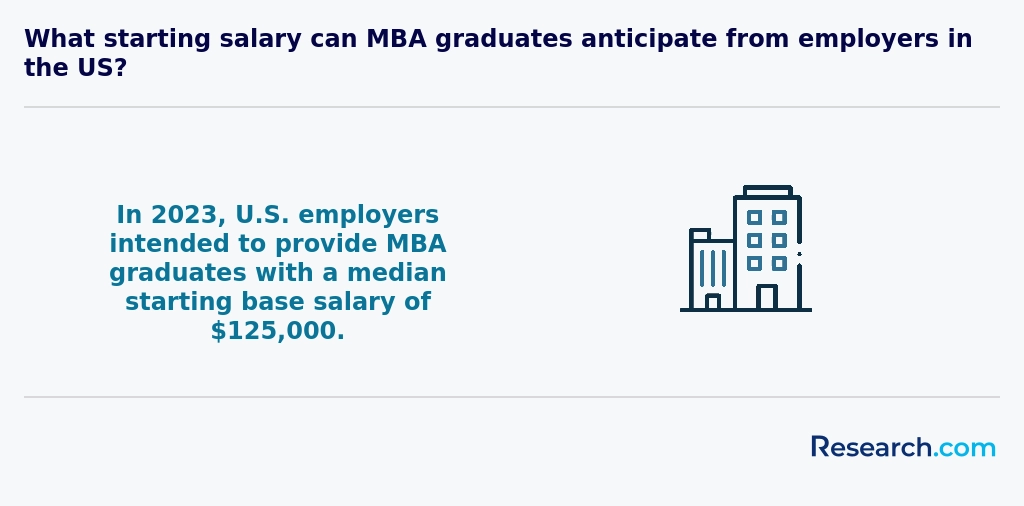
Calculating the true value of an MBA goes beyond tuition fees-it’s about how quickly you can recoup costs through higher earnings and career advancement. In Springfield, MA, the average total investment for a two‐year MBA program (tuition plus living expenses) ranges from $60,000 to $120,000. With starting salaries averaging $70,000–$80,000, graduates often see a 20%–30% uplift in annual earnings compared to pre‐MBA roles, translating to an incremental $15,000–$20,000 per year. Key ROI factors include:
- Payback Period: At an additional $18,000 per year, most students break even within 3–5 years.
- Long-Term Gain: Over a 10-year career horizon, cumulative salary increases can exceed $200,000, making the net ROI compelling.
- Specialization Impact: Finance and consulting tracks typically offer faster payback, while entrepreneurship may require longer horizons but yield greater equity upside.
- Opportunity Cost: Full-time students forfeit 2 years of salary-part-time and online formats help mitigate this by allowing continued income. For budget-conscious applicants, comparing local ROI with regional affordability benchmarks is crucial. To explore lower-cost alternatives that still deliver solid returns, check out the Cheapest MBA Degree Programs Ranking in Macon, GA, which can serve as a baseline for evaluating tuition value versus expected outcomes.
Many MBA students in Springfield find federal financial aid through FAFSA to be a reliable starting point. Eligible candidates secure Direct Unsubsidized Loans or Grad PLUS Loans, which come with benefits like income-driven repayment plans-helpful for graduates balancing early career expenses. For example, MBA graduates from Springfield's top business schools often emphasize how these loans eased their financial stress during study.
Merit-based scholarships offered by Springfield schools are another valuable resource. Awarded for academic excellence or leadership potential, these scholarships can range from a few thousand dollars to full tuition coverage. Graduates who leveraged these scholarships report feeling motivated to excel, knowing their hard work directly reduced costs.
Many working professionals pursuing an MBA in Springfield count on employer tuition reimbursement programs. Local companies often cover a substantial part of tuition, making it feasible to study while working. Graduates frequently share stories of this support boosting their confidence to earn advanced degrees without financial strain.
Lastly, exploring assistantships and private scholarships in Springfield's business community can significantly lower expenses. Teaching assistantships provide stipends and tuition waivers that some graduates found crucial for managing cost while gaining teaching experience.
To enroll in an MBA program in Springfield, the first step is to have a bachelor's degree from an accredited college or university. Many students from Springfield State University, for instance, have come from diverse academic backgrounds-not all in business-which broadens classroom discussions and fosters creativity.
Next, plan to gain two to three years of professional experience. Graduates often share how valuable their real-world work helped them connect theory to practice during their MBA at Springfield Business College. This experience not only enriches learning but also strengthens networking opportunities.
Standardized tests like the GMAT or GRE are typically required, although some local programs have test-optional options. Competitive Springfield schools often look for GMAT scores above 600, so preparing strategically is key. Letters of recommendation and a clear personal statement are also crucial-think of them as your chance to reflect leadership potential and career goals.
Finally, financial planning is essential, as tuition and fees in Springfield generally range from $40,000 to $70,000. Many students successfully use employer sponsorships or financial aid to manage these costs while advancing their careers.

Navigating the MBA application process and maximizing your educational journey requires more than just meeting enrollment criteria-it calls for strategic planning and insider insights. In this section, we provide actionable advice to help you stand out in your applications and make the most of your MBA experience. Start by researching each program’s unique strengths and industry connections to ensure they align with your career goals. Reach out to current students and alumni to gain firsthand perspectives on curriculum challenges, networking opportunities, and how to leverage internships effectively. Additionally, consider alternative pathways like emba online programs, which offer flexibility and can be a great fit for busy professionals looking to balance work and study. By building a strong application that highlights your achievements and professional aspirations, you can better position yourself to benefit from mentorships, career services, and the robust alumni networks that many programs provide. This insider approach not only enhances your readiness for graduate-level studies but also sets the foundation for long-term success in a competitive business landscape.
In Springfield, typical MBA programs combine core business courses that build a solid foundation with practical applications tailored to local industry needs. Graduates from popular Springfield colleges often point to essential subjects like accounting and financial reporting, marketing management, and corporate finance as game changers for understanding everyday business challenges.
Courses such as operations and supply chain management prepare students to handle real-world logistics issues, frequently encountered by Springfield's manufacturing and retail sectors. Managerial economics and strategic management classes help students think critically about market forces and competitive positioning, skills that alumni find immediately applicable in leadership roles.
Business ethics and law are also emphasized, reflecting the importance of responsible decision-making in Springfield's diverse business environment. For example, graduates recount group projects tackling ethical dilemmas in healthcare companies, a key local industry.
Students often appreciate the flexibility to personalize studies with electives in entrepreneurship or information technology management, letting them align coursework with specific career goals while staying rooted in Springfield's economy.
When exploring MBA specializations in Springfield, students typically choose from Finance, Marketing, Healthcare Management, Supply Chain and Operations, or Information Technology Management. Graduates from popular local colleges often share how specializing in Finance helped them secure roles in banking and corporate finance, leveraging Springfield's growing economic base. Those focusing on Healthcare Management found it rewarding to apply their training within the city's expanding healthcare sector, managing organizations and improving delivery systems with practical know-how.
Others emphasize that concentrating on Supply Chain and Operations sharpened their ability to optimize logistics for local manufacturing firms, a key industry in Springfield. Marketing specialists highlight real-world projects completed during their studies that enhanced their skills in digital marketing, contributing to immediate employability. Many students appreciate that institutions offer flexible options like part-time or online tracks, enabling a balance between work and study, with some even enrolling in emba online programs to advance faster.
Understanding Springfield MBA degree concentration options helps align your specialization with local job markets, making your transition from classroom to career smoother and more confident.
Start by verifying the accreditation of MBA programs in Springfield, focusing on those with AACSB status. Graduates from well-known local universities often commend how this credential opened doors to better job prospects and gave them confidence in the curriculum's quality. Pricing is crucial; many affordable MBA degrees Springfield offer tuition well below national averages, easing financial stress while still delivering value.
Consider program flexibility. Part-time and evening MBAs, common in Springfield's business schools, allow you to work while studying-something several alumni found essential for balancing family and career. Look for schools with strong alumni networks in Springfield's business community, as this local connection is invaluable for job placement.
Finally, align your choice with career goals by reviewing curriculum focuses and faculty expertise at different colleges. To explore cost-effective options, you might check the Cheapest MBA Degree Programs Ranking in Macon, GA for comparative insights outside Springfield.

MBA career opportunities in Springfield span several key industries, offering practical pathways for graduates from local institutions like Springfield State University. Graduates often begin as financial analysts or investment managers in the city's robust finance sector, where strong analytical and leadership skills learned in their MBA programs quickly translate into roles with real responsibility. For example, a graduate working at a regional bank shared how their MBA coursework prepared them to lead risk management projects within months of hiring.
Marketing and sales management roles are also popular among MBA holders in Springfield. Those from Springfield College of Business have landed jobs in brand management or strategic sales planning, applying research and market analysis techniques to drive successful campaigns. This aligns with data showing nearly a quarter of Springfield MBA graduates enter these positions swiftly after graduation.
Operations management is another practical career path, particularly within local manufacturing and healthcare firms. Graduates frequently take on supply chain or project manager roles, utilizing problem-solving skills honed in their MBA studies to improve processes on the ground.
Consulting presents a flexible option, with many Springfield MBA alumni advising diverse regional businesses on efficiency and growth strategies. Additionally, emerging fields such as data analytics and sustainable business practices are drawing interest from Springfield MBA graduates seeking future-proof roles.
For those looking to expedite their educational journey before entering these fields, an associate degree in 6 months accredited program can serve as a stepping stone to an MBA or boost practical credentials rapidly.
MBA graduates in Springfield benefit from a steadily growing job market driven by strong regional sectors such as healthcare administration, financial services, and manufacturing. Many graduates from local universities report landing management or strategy roles shortly after completing their degrees, capitalizing on the city's reputation as a hub for these industries. Employers highly value practical leadership skills, which Springfield's MBA programs emphasize through real-world projects and connections within the community.
For those focused on MBA graduate employment opportunities in Springfield, targeting roles in healthcare administration or regional banks can lead to rewarding careers with competitive salaries. Graduates from popular Springfield MBA programs often experience a 15% to 25% salary increase compared to bachelor's degree holders, reflecting the market's preference for advanced business expertise. Job growth forecasts predict a 7% rise in business-related positions through 2030, reinforcing the city's promising outlook.
Networking plays a key role, with strong support from alumni groups and professional organizations. For students seeking flexibility, considering paths like easy phds alongside an MBA can add value without overextending.
2027 Most Valuable MBA Degree Programs Ranking in Springfield
Investing in your education is a significant decision that can shape your future, and the Research.com team is fully aware of the importance of making informed choices. To support prospective students considering MBA programs in Springfield, we have carefully developed the "2027 Most Valuable MBA Degree Programs Ranking in Springfield." Our dedication to quality, credibility, and accuracy is demonstrated through comprehensive research and rigorous analysis.
We utilized the following reputable data sources to ensure a thorough evaluation of MBA programs:
By consulting this ranking, readers will obtain valuable insights into the most worthwhile MBA degree programs in Springfield, enabling them to make well-informed educational and career decisions. For further information on our approach, please visit our Research.com methodology page.


# 4 position
Springfield College-Regional, Online, and Continuing Education
Master of Business Administration

Frequently Asked Questions About MBA
Students pursuing an MBA degree in Springfield can maximize their learning experience by engaging actively in both academic and practical opportunities. Many Springfield institutions offer access to local businesses and startups, allowing students to apply classroom theories in real-world settings. According to the Springfield Chamber of Commerce, networking events and internships have increased by 15% annually, providing valuable hands-on experience.
Additionally, taking advantage of collaborative projects and leadership workshops strengthens essential skills. Utilizing resources like career counseling and alumni mentorship can further enhance professional development. Staying current with industry trends through Springfield-based business seminars also supports continuous learning and networking.
Emerging niches within the MBA field reflect the evolving business environment and technological advances shaping Springfield's economy. One growing area is healthcare management, driven by local investments in medical technology and hospital administration. According to the Springfield Business Journal (2023), healthcare MBA graduates saw a 12% salary increase over the past two years. Another key niche is data analytics and business intelligence, responding to rising demand for professionals skilled in interpreting complex data to guide corporate decisions.
Environmental sustainability and green business strategies also gain traction, aligned with Springfield's commitment to eco-friendly urban development. Finally, entrepreneurship and innovation remain strong focus areas, supported by the city's expanding startup ecosystem and access to venture capital.
After earning an MBA degree in Springfield, graduates should focus on building a strong professional network to maximize job opportunities. Local business events, alumni groups, and industry conferences are vital for making connections in the Springfield market. According to the Springfield Chamber of Commerce, attending at least three networking events per year can increase job prospects by 25%.
Internships and practical experience during the MBA program are highly valued by Springfield employers, especially in finance and healthcare sectors. Graduates should also refine their resumes and LinkedIn profiles to highlight relevant skills and achievements clearly.
Additionally, partnering with career services at Springfield-area universities offers personalized job search assistance and interview preparation.
Employers in Springfield highly value MBA graduates who demonstrate strong leadership and strategic thinking skills. According to recent surveys by the Springfield Business Journal, 78% of local companies prioritize candidates with proven abilities in project management and decision-making. Communication skills also top the list, as 85% of hiring managers emphasize the need for effective interpersonal and negotiation capabilities.
Analytical skills and proficiency in data-driven decision-making are increasingly important, reflecting the growing role of digital technologies in business. Additionally, adaptability and innovation are key, with 69% of Springfield employers seeking graduates who can navigate changing market conditions and drive growth.
Finding internships in Springfield relevant to an MBA degree involves a strategic approach. Many MBA students connect with local businesses in industries like finance, healthcare, and manufacturing, offering numerous internship opportunities. According to the Springfield Chamber of Commerce, over 40% of MBA interns find placements through direct outreach to companies. Networking events and career fairs hosted by Springfield universities, such as Drury University and Missouri State University, are key resources. Additionally, platforms like Handshake and LinkedIn help candidates locate internships with clear MBA relevance. Utilizing university career services is critical, as they often have exclusive partnerships with Springfield-area employers.
In Springfield, earning an MBA significantly enhances career mobility and advancement opportunities. According to recent data from the U.S. Bureau of Labor Statistics and local employment surveys, MBA graduates secure higher-level management positions 35% faster than those with only undergraduate degrees. Employers in Springfield's finance, healthcare, and manufacturing sectors particularly value the strategic, leadership, and analytical skills that MBA programs emphasize.
The degree often leads to salary increases ranging from 20% to 50%, depending on the industry and prior experience. Networking opportunities provided by Springfield business schools also connect graduates with influential local professionals, further supporting career growth.
Studying for an MBA degree in Springfield equips students with skills essential for interdisciplinary roles by emphasizing a blend of business knowledge and collaborative problem-solving. Local MBA programs typically integrate courses from finance, marketing, operations, and data analytics, encouraging students to navigate across these areas effectively.
According to the Springfield Educational Consortium's 2023 report, over 70% of MBA graduates engage in roles requiring cross-functional expertise within two years post-graduation. The programs often include team projects and case studies that mimic real-world business challenges involving multiple departments, fostering adaptability.
This approach helps students develop strong communication and leadership skills, vital for managing diverse teams and projects in various industries common to Springfield's economy, such as healthcare, manufacturing, and technology.
Choosing between a thesis and a non-thesis MBA program in Springfield depends on your career goals and learning preferences. Thesis programs typically require conducting original research and writing a detailed paper, which suits students interested in academic careers or specialized fields. Non-thesis options emphasize practical skills, with coursework and projects focused on real-world business challenges, making them popular among working professionals.
According to data from the Springfield Chamber of Commerce, about 65% of local MBA students prefer non-thesis programs for faster completion and direct application to Springfield's job market. Public universities in Springfield offer both options, with thesis tracks often requiring an additional semester.
Consider your future plans and consult with academic advisors to determine which path aligns with your professional development.
Students in Springfield interested in studying an MBA abroad have several pathways available, primarily through partnerships between local institutions and global universities. Many Springfield-based programs encourage international study by offering exchange programs or dual degree options with renowned schools in Europe and Asia.
According to the Graduate Management Admission Council's 2023 report, over 30% of MBA candidates from US mid-sized cities like Springfield consider global experience crucial. Typical destinations include the UK, Canada, and Germany, known for their strong business schools and English-language programs.
Financial aid and scholarships for international MBA study are also accessible, often facilitated through Springfield universities' international offices. Prospective students should explore accreditation requirements such as AACSB to ensure their overseas education meets US standards.
Springfield offers several part-time job opportunities that effectively complement an MBA education. Roles in local financial services firms, marketing agencies, and business consulting groups provide practical experience aligning with core MBA subjects. According to Springfield's Chamber of Commerce 2023 report, businesses in finance and marketing increased part-time hiring by 12%, creating valuable experiential learning for MBA students.
Students may also find internships with Springfield-based startups, enabling hands-on project management and strategic planning practice. Many companies value candidates who can balance work and study, enhancing leadership and time-management skills. These opportunities help bridge classroom theory and real-world business challenges.
Springfield offers numerous networking opportunities for MBA students through its well-established business community and local universities. Many MBA programs partner with Springfield's Chamber of Commerce and professional organizations, allowing students to connect with area executives.
The city hosts several business conferences and monthly networking events, where MBA students can meet industry leaders and alumni. For example, Springfield's annual Business Expo attracts over 1,500 professionals, providing valuable industry exposure.
Internship placements and career fairs organized by schools in Springfield consistently highlight local startups and multinational corporations, fostering direct networking channels.
According to a 2023 survey by Springfield Business Journal, over 70% of MBA students reported improved professional networks through these activities.
Alumni networks play a significant role in enhancing the value of an MBA degree for students in Springfield. These networks enable current students to connect with graduates who often hold influential positions across local industries, providing valuable mentorship and career guidance.
Membership in an active Springfield MBA alumni group can increase access to job opportunities. According to the Springfield Business Journal, 62% of MBA graduates find their first post-degree job through alumni referrals or events. This advantage is crucial in a competitive job market.
Additionally, alumni networks foster professional development through workshops and networking events hosted in Springfield, helping students build relationships that may lead to partnerships or funding for business ventures. Engaging with alumni also strengthens community ties, often leading to collaborative opportunities unique to the Springfield economy.
Customizing an MBA degree program in Springfield allows students to align their education with specific career goals. Many local universities offer flexible curricula where students choose concentrations such as finance, marketing, healthcare management, or entrepreneurship. Elective courses and specialized seminars help deepen expertise in chosen fields.
Students can also benefit from Springfield's strong network of local businesses and internships. These practical experiences provide real-world insights and valuable connections.
Additionally, some programs offer part-time, evening, or online options, enabling working professionals to tailor their study schedules. According to the Springfield Higher Education Consortium, about 65% of MBA candidates customize their course track to improve job market fit.
MBA students in Springfield commonly face time management challenges due to balancing rigorous coursework with professional and personal responsibilities. According to a 2023 survey by the Springfield Education Consortium, 68% of MBA candidates reported difficulty allocating sufficient study hours alongside full-time employment.
Another typical challenge is adapting to the competitive environment, as Springfield's MBA programs often attract working professionals with diverse backgrounds and strong experience. This diversity can increase pressure to perform well in group projects and networking events.
Financial constraints represent a further concern. While tuition fees in Springfield are generally lower than national averages, students still encounter expenses for materials, exams, and living costs. The National Center for Education Statistics highlights that MBA student debt in Missouri tends to be around $40,000 on average.
With a MBA degree from Springfield institutions, graduates open doors to various professional certifications that enhance their career prospects. Popular certifications include the Certified Management Accountant (CMA), valued for expertise in financial management and strategic assessment. According to the Institute of Management Accountants, CMAs earn approximately 20% more than non-certified peers.
Another common option is the Project Management Professional (PMP), which validates skills in leading projects and teams, highly regarded in Springfield's growing corporate sector. Additionally, the Certified Financial Planner (CFP) certification is accessible for MBAs interested in financial advising and wealth management.
These certifications complement the broad business knowledge gained through an MBA and can boost employability and salary potential in Springfield's competitive job market.
Writing a winning application for an MBA program in Springfield begins with thorough research on each school's requirements. Most local programs, including those at Drury University and Evangel University, emphasize professional experience alongside academic achievements.
Applicants should craft a clear, compelling personal statement that explains career goals and how the MBA aligns with them. According to U.S. News & World Report, Springfield MBA programs typically value leadership potential demonstrated through work or community involvement.
Strong letters of recommendation from supervisors or mentors who can attest to your skills and character are critical. Additionally, preparing well for the GMAT or GRE, when required, can enhance your profile.
Remember to tailor each application to the specific Springfield program, highlighting how you can contribute uniquely to their cohort.
An MBA degree from Springfield aligns with a growing global demand for business leaders who understand diverse markets and strategic thinking. Graduates from US programs, including those in Springfield, often find strong international career opportunities due to the worldwide recognition of American business education standards.
According to the Graduate Management Admission Council (GMAC) 2023 report, 55% of MBA graduates in the US reported working in global companies, showing how an MBA facilitates international roles. Springfield's programs emphasize practical skills and leadership, valued in multinational firms.
Global companies appreciate MBA graduates for problem-solving, innovation, and cross-cultural communication. This global perspective enables Springfield MBA holders to adapt across industries like finance, consulting, and technology worldwide.
Gaining practical experience while studying for an MBA degree in Springfield is essential for career advancement. Many local institutions encourage students to participate in internships, which provide real-world business exposure and networking opportunities. According to the Springfield Chamber of Commerce, over 60% of MBA students secure internships within local businesses during their studies.
Students can also engage in consulting projects or live case studies offered by universities, allowing application of classroom knowledge directly to business challenges. Additionally, Springfield hosts several business competitions throughout the academic year, giving students hands-on experience in strategic decision-making.
Part-time roles and cooperative education (co-op) programs are also common pathways to gain experience without delaying graduation. These options help MBA candidates build valuable skills and industry contacts in parallel with their coursework.
Choosing the right concentration within an MBA program in Springfield starts with understanding your career goals and local market demands. Popular concentrations include Finance, Marketing, and Healthcare Management, reflecting Springfield's diverse economy. The Springfield Chamber of Commerce reports steady growth in healthcare and finance sectors, making these concentrations valuable for graduates seeking local opportunities.
Consider your prior experience and skills. For example, those with a background in science might benefit from Healthcare Management, while those interested in business analytics may explore Data Analytics or Information Systems.
Review course offerings and faculty expertise at Springfield-area schools to ensure alignment with your interests.
Speak with alumni and career advisors to gain insights about job placements and salary outcomes related to specific concentrations.
The Princeton Review and U.S. News often highlight MBA concentrations with strong ROI that can guide your decision process.
- 2027 Most Valuable MBA Degree Programs Ranking in West Hartford
- 2027 Most Valuable MBA Degree Programs Ranking in Worcester
- 2027 Most Valuable MBA Degree Programs Ranking in New Haven
- 2027 Most Valuable MBA Degree Programs Ranking in Providence
- 2027 Most Valuable MBA Degree Programs Ranking in Albany
- 2027 Most Valuable MBA Degree Programs Ranking in Waltham
- 2027 Most Valuable MBA Degree Programs Ranking in Cambridge
- 2027 Most Valuable MBA Degree Programs Ranking in Boston
- 2027 Most Valuable MBA Degree Programs Ranking in Bronx
- 2027 Most Valuable MBA Degree Programs Ranking in New York
- The Growing Demand for Niche Jobs and MBA Specializations https://www.clearadmit.com/2025/05/the-growing-demand-for-niche-jobs-and-mba-specializations/
- Lessons learned: one year into pursuing an MBA while balancing full-time work - Franz Vitulli https://franzvitulli.com/mba-work/
- 5 Tips on How to Choose the Best MBA Concentration https://www.pointloma.edu/resources/business-leadership/5-tips-how-choose-best-mba-concentration
- How To Write An MBA Admissions Essay That Stands Out? https://www.personalmbacoach.com/mba-essay-guiding-principles/
- MBA Outcomes, Careers, and Internships | Springfield College https://springfield.edu/graduate-programs/business-administration/careers-and-internships
- Overcoming Common Challenges Faced by Management Students https://iilm.edu/iilm-lucknow/blog/challenges-faced-by-management-students/
- MBA Networking Tips-Building Connections Pre-MBA https://menlocoaching.com/mba-applications-and-admissions-guide/networking/
- Top MBA programs with the best alumni networks in the world - MBA Crystal Ball https://www.mbacrystalball.com/blog/2025/07/07/top-mba-programs-with-the-best-alumni-network-in-the-world/
- What Are the Career Opportunities After a Global MBA? https://www.eaebarcelona.com/en/blog/global-mba-career-opportunities
- Types of MBA Degrees & Specializations: A Complete Guide - International Career Institute USA https://icieducation.com/blog/types-of-mba-degrees-specializations-a-complete-guide/


