
2027 Most Valuable MBA Degree Programs Ranking in Maine

Co-Founder and Chief Data Scientist
Choosing the right MBA program can be a key step toward advancing your career in Maine's competitive market. This article presents the 2027 Most Valuable MBA Degree Programs Ranking in Maine, created by the Research.com team of data scientists. It's designed to help you make an informed decision about which MBA programs offer the best value for your goals.
Reading this guide will give you clear insights into top programs, so you can confidently invest in your education and future. An MBA can open doors, boost your skills, and connect you with opportunities that matter.
Key benefits of getting MBA degree in Maine
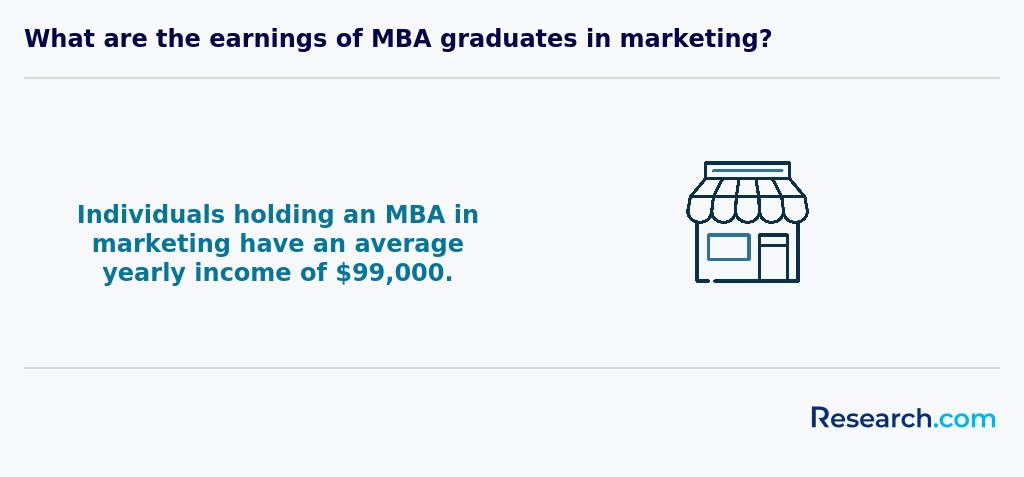
- MBA graduates in Maine can expect competitive salaries, with many US MBA-related roles averaging between $90,000 and $120,000 annually, reflecting rewarding financial opportunities.
- Career paths for MBA holders include leadership roles in finance, marketing, and healthcare management, exemplified by graduates from the University of Maine who gain versatile skills valued across industries.
- Online MBA programs, like those offered by the University of Southern Maine, provide flexible schedules and lower costs, making advanced education accessible while balancing work and family life.
- 2027 Most Valuable MBA Degree Programs Ranking in Maine
- What can I expect from MBA degree in Maine?
- Where can I work with MBA degree in Maine?
What can I expect from MBA degree in Maine?
When considering the cost of an MBA in Maine, you'll find it offers a strong balance between quality and affordability. Graduates from universities like the University of Southern Maine or the University of Maine often highlight how their investment was reasonable compared to other regions. Public universities here typically charge around $12,000 per year in tuition for in-state students. This affordability allows many to pursue advanced education without overwhelming debt.
Imagine attending a hybrid MBA program that lets you continue working while gaining new skills-this flexibility often helps students manage costs more effectively. Many graduates appreciate that, alongside tuition, Maine's lower cost of living makes daily expenses more manageable, transforming the dream of earning an MBA into a very achievable goal.
Students often share how smaller class sizes and close faculty connections made their experience feel personal and valuable, creating opportunities that extend beyond the classroom. This means your tuition pays not only for education but also for networking that can propel your career locally.
Where can I work with MBA degree in Maine?
Graduates with an MBA degree from institutions like the University of Maine or Husson University discover diverse career paths across the state's vibrant economy. Many find rewarding roles at MaineHealth, where their leadership skills help improve healthcare management and hospital operations. Imagine working alongside industry leaders making critical decisions that impact community health-this is a common reality for MBA holders in Maine.
Others leverage their education in finance by joining local banks such as Bangor Savings Bank, stepping into roles like financial analyst or investment advisor. These positions offer not only strong salaries but also the chance to influence Maine's $4.5 billion financial sector. Many MBA graduates relish the challenge of navigating Maine's manufacturing hubs, like Bath Iron Works, where strategic project management boosts productivity and innovation.
Entrepreneurial-minded graduates thrive in the state's tech incubators, applying their skills in marketing and business development to launch startups. Even government roles in budgeting and policy are popular, allowing MBAs to shape Maine's future directly. The passion graduates share about their work is inspiring-they feel empowered, knowing their skills make a real difference locally.
Earning an MBA degree in Maine can open doors to rewarding career opportunities with competitive salaries. Graduates from well-regarded programs at universities like the University of Southern Maine often start with salaries between $65,000 and $85,000 a year. Imagine stepping into a management role or becoming a marketing manager, knowing your skills are valued and recognized in Maine's growing business scene.
As you gain experience, your earning potential typically rises, with mid-career salaries reaching up to $120,000. This progression reflects not only your growing expertise but also the strong networks forged through top Maine MBA programs. Graduates who focus on healthcare administration, especially in cities like Portland, often earn above $100,000, thanks to the area's robust medical industry.
Choosing an AACSB-accredited program in Maine can significantly influence your salary trajectory by providing deeper professional connections. Many graduates find that these affiliations help them land roles in finance or consulting with salaries ranging from $80,000 up to $110,000, preparing them for long-term career growth and financial success.
- Tuition for MBA programs in Maine ranges from $30,000 to $55,000, with public universities generally offering lower costs than private ones.
- Entry-level MBA graduates earn about $65,000 annually, with salaries often exceeding $110,000 after five to ten years of experience.
- Key industries hiring MBA holders include healthcare management, finance, manufacturing, and technology.
- Many programs offer part-time and online options to accommodate working professionals in rural areas.
- Networking opportunities are strong due to close connections between students, faculty, and employers in Maine's smaller population.
Completing an MBA degree in Maine generally takes about two years for full-time students, a timeline that many graduates from institutions like the University of Southern Maine find manageable and rewarding. This pace allows you to fully engage with core courses and electives, building a strong foundation for your business career without feeling rushed.
If you're balancing work and studies, part-time options offered at colleges such as Husson University can extend the timeline to three or four years. Many students appreciate this flexibility, as it lets them apply what they learn in real time while maintaining income and family commitments.
For those eager to accelerate their journey, some Maine schools now offer intensive programs that wrap up in just 12 to 18 months. Graduates from these fast-track paths often recall the challenge but also the exhilarating momentum that propelled their careers forward quickly.
Online MBA programs mirror this flexible approach, spanning 18 months to four years, making them perfect for students across Maine's varied communities who need adaptable schedules to thrive.
Investing in an MBA in Maine is a significant commitment, so understanding your potential return is key. On average, graduates from Maine’s top programs report a salary uplift of 30–40% within three years, translating into an annual increase of $20,000–$30,000 over pre-MBA earnings. To calculate your payback period, divide total program costs (tuition, fees, and living expenses) by the expected annual salary gain. For example, if your MBA costs $60,000 and you anticipate a $25,000 raise, your payback period is roughly 2.4 years. Beyond raw figures, factor in intangible benefits: advanced leadership skills, networks, and access to higher-level roles. Comparing costs across states can also guide your decision. For instance, while Maine offers competitive tuition, you may explore affordability benchmarks like the Most Affordable MBA Degree Programs Ranking in Florida to see how different regions stack up on cost-vs-value metrics. To maximize ROI: – Select specializations aligned with high-demand sectors in Maine, such as healthcare management or finance. – Leverage career services and alumni networks to secure internships and job placements that elevate starting salaries. – Investigate employer tuition assistance or scholarship opportunities to reduce upfront costs. By systematically assessing costs, salary prospects, and non-monetary advantages, you can confidently project the financial payoff of your MBA in Maine and ensure your investment accelerates both personal growth and professional advancement.
Choosing between an online and an on-campus MBA in Maine truly hinges on how you envision your learning journey. Graduates from the University of Southern Maine often cherish the face-to-face energy on campus-picture engaging in lively discussions, spontaneous study groups, and networking over coffee with professors and peers. This environment creates a deep sense of community and belonging, which many find invaluable for professional growth.
On the other hand, alumni from the University of New England praise the flexibility of their fully asynchronous online MBA. Imagine fitting your coursework smoothly around family dinners or work deadlines without the pressure of set class times. This freedom empowers busy professionals to learn at their own pace while maintaining full control over their schedules.
Financially, Maine's on-campus MBA programs generally cost between $25,000 and $35,000, while online options might offer pay-per-credit models that can ease upfront costs. Both paths come with unique rewards-whether it's the immersive campus life or the unmatched convenience of remote study-making your choice a personal reflection of your lifestyle and professional goals.
The average MBA degree cost in Maine offers a compelling opportunity for many aspiring business leaders. For in-state students, the total cost typically hovers around $19,231, making Maine an attractive destination compared to the national median, which can easily exceed $40,000. Graduates from public universities like the University of Southern Maine often share stories of balancing affordable tuition with a quality curriculum, allowing them to pursue advanced education without overwhelming debt.
Out-of-state students can expect the total cost to rise considerably, sometimes doubling the in-state rate, with median expenses around $42,510. This broader cost perspective helps learners weigh their options carefully, especially if they are considering private institutions such as Husson University, where tuition tends to be higher but complemented by a close-knit academic community. Many graduates find the investment worthwhile, having benefited not only from the knowledge gained but also from strong local networks that MBA programs in Maine foster.
Incorporating these figures, students looking for ways to minimize financial strain often explore part-time or online formats, which Maine's programs widely support. If you're curious about the most accessible paths and want to see a variety of options side-by-side, check out these affordable mba programs in maine. This approach reflects a smart strategy that many successful graduates recommend to keep education costs manageable while still advancing professionally.
When considering an MBA program in Maine, one of the crucial factors to evaluate is the affordability and the potential return on investment. Many prospective students find that pursuing an MBA can be a costly endeavor, but it's essential to weigh these costs against the potential benefits, including increased earning potential and enhanced career opportunities. For those interested in exploring affordable mba programs in maine, there are several factors to consider, such as tuition fees, additional expenses, and financial aid options. By understanding these aspects, students can make informed decisions about their educational investment and choose a program that offers the best value for their future career goals.
When pursuing an MBA in Maine, financial aid can truly transform your experience, making your goals feel within reach. Many graduates from the University of Southern Maine recall how merit-based scholarships, awarded for academic excellence and leadership, significantly lightened their financial load-some scholarships reached over $10,000 per year. This kind of support plays a crucial role, especially given tuition costs ranging between $20,000 and $40,000 annually.
Federal loans are another key resource. Through FAFSA, you can access Direct Unsubsidized Loans and Graduate PLUS Loans with manageable terms tailored to graduate students. Though federal grants are scarce for MBAs, these loans help bridge the gap when scholarships don't cover everything.
Some MBA candidates find assistantships at Maine's colleges, exchanging teaching or research support for stipends and tuition relief. This professional involvement often enriches their studies while helping financially.
Additionally, many employed students tap employer tuition reimbursement programs, which ease costs if your work aligns with your MBA goals. Private scholarships from local foundations further expand your options, especially for those seeking support in specific industries or communities.
To enroll in an MBA program in Maine, you'll need to hold a bachelor's degree from an accredited institution-a common foundation for all aspiring business leaders. Whether your undergraduate studies were in business, economics, or a different field, Maine's top schools like the University of Southern Maine and Husson University focus more on your leadership potential than just your major.
Standardized test scores, such as the GMAT or GRE, are usually required, but if you have strong professional experience, some schools may offer waivers. Imagine a graduate from the University of New England who leveraged years of industry experience to bypass testing, seamlessly moving into their classes with confidence.
Speaking of experience, most programs expect two to three years in the workforce, so your real-world knowledge enriches discussions and projects. You'll also prepare application materials like recommendation letters, a resume, and a personal essay-tools to showcase your aspirations and readiness vividly.
These prerequisites ensure you're equipped to thrive in Maine's MBA community, turning your ambition into leadership success.
Immersing yourself in an MBA program goes beyond coursework-it’s about building relationships, discovering your passions, and engaging in a vibrant community that supports your professional and personal growth. In Maine, many students relish the dynamic campus culture, where extracurricular activities, student organizations, and networking events create numerous opportunities to forge lifelong connections and enhance career prospects. From interactive career fairs and leadership workshops to informal meetups, these experiences help you develop essential soft skills that are as critical as technical competencies. Additionally, if you are evaluating various delivery modes, consider exploring the ranking of most affordable online executive mba programs to find a blend of flexibility and community engagement that suits your lifestyle. Whether you are attending on-campus events or participating in virtual networking sessions, your MBA journey in Maine is designed to help you thrive in a collaborative and supportive environment.
The typical MBA degree in Maine offers a solid foundation in essential business disciplines that truly prepare you for leadership roles. Graduates from popular institutions like the University of Southern Maine often speak about how courses in Accounting taught them to analyze financial statements and manage budgets with confidence, skills they apply daily in their careers.
You'll also dive deep into Finance, exploring corporate finance and investment strategies that empower you to make smart financial decisions. Marketing classes focus on understanding consumer behavior and digital tactics, something graduates from Maine's flagship universities find immediately useful when launching campaigns or consulting projects.
Operations Management highlights real-world supply chain challenges, while Organizational Behavior unpacks team leadership and effective communication. Strategy courses help you craft long-term plans by applying competitive analysis, all of which Maine students often say boosts their problem-solving mindset in practical settings.
Many MBA students appreciate how these core courses blend theory with case studies and group work, making the learning experience at Maine colleges both rigorous and deeply applicable to local and global business challenges.
Pursuing an MBA in Maine means unlocking a variety of tailored specializations designed to fit both local industry needs and broader career aspirations. Graduates from popular institutions like the University of Southern Maine often share how specializing in Healthcare Management propelled them into leadership roles within Maine's thriving healthcare sector. Others focused on Finance, gaining skills in investment analysis and corporate finance that suited booming regional financial services. Choosing Marketing specializations offers the chance to master brand strategies and digital campaigns, meeting the demands of media and advertising fields in the state.
Among the MBA specializations offered in Maine, Entrepreneurship stands out as a path for those eager to launch innovative startups and small businesses, weaving creativity with practical funding knowledge. Supply Chain Management, another key track, equips students for logistics and operations roles crucial to Maine's manufacturing hubs. If affordability matters, consider the ranking of most affordable online executive mba programs for flexible options that fit your budget.
Choosing the best MBA degree in Maine means looking beyond just the name of the school. Graduates from the University of Southern Maine often share how the AACSB accreditation gave them confidence in the program's quality and opened doors nationally. Meanwhile, those who pursued their degree at the University of Maine appreciate how affordable MBA degrees Maine can be, with tuition costs significantly lower than the national average-allowing them to focus on learning without the heavy financial strain.
Flexibility is also key. Many students juggling work and family find part-time or hybrid formats ideal, blending online coursework with in-person sessions to maximize both convenience and connection. Pay close attention to the program's curriculum to ensure it aligns with your career goals-whether that's leadership, entrepreneurship, or finance-as this will shape your growth and future opportunities.
Finally, explore the rich alumni networks and career services available, which former students credit for valuable professional support. For more options, check the Most Affordable MBA Degree Programs Ranking in Florida to expand your perspective on affordable and flexible education paths beyond Maine.
Graduates with an MBA degree in Maine discover a variety of rewarding career paths shaped by the state's diverse economy. Whether pursuing leadership roles in management consulting or corporate strategy, many find their skills in high demand. For instance, MBA graduates from universities like the University of Maine often step into roles where they can drive business growth and improve operational efficiency in both local and national companies. These positions reflect some of the best MBA jobs in Maine, offering a fulfilling mix of challenge and impact.
Finance professionals are consistently sought after, especially in Maine's expanding financial sector. Graduates working as financial analysts or investment managers enjoy competitive salaries and career growth, thanks to institutions such as Bangor Savings Bank. Another common path is healthcare management, where many MBA graduates join well-known organizations like MaineHealth, using their expertise to blend business acumen with healthcare operations.
Maine's vibrant entrepreneurial scene also inspires MBAs to launch startups or consult for emerging companies, taking advantage of resources available at local business centers. Those interested in faster qualifications often explore 6 month certificate programs that lead to high paying careers as complementary steps. Business development, sales, HR, and marketing roles also present exciting options in Maine's tech and manufacturing sectors, ensuring plenty of diverse opportunities for MBA holders.
The job market for MBA graduates in Maine offers promising opportunities, especially for those who embrace the state's unique economic mix. Graduates from institutions like the University of Southern Maine often find themselves stepping into roles in management, finance, and healthcare sectors that are steadily expanding. Many MBA graduates describe the satisfaction of helping local businesses and healthcare organizations grow, highlighting how skills learned in their programs apply directly to real-life challenges in Maine's communities.
Within cities such as Portland and Augusta, financial services firms and nonprofits eagerly seek MBA graduates for strategic roles. The employment outlook for MBA graduates in Maine shows steady demand in these hubs, where smaller organizations appreciate graduates who combine practical business know-how with a passion for regional development. Salary levels may be slightly below the national average, but the lower living costs and accessible tuition fees at popular programs ensure a strong return on investment.
Networking remains invaluable. Many graduates connect through groups like the Maine Association of Business Schools to unlock hidden job opportunities. For those deciding their next educational move, exploring the easiest phd programs in Maine can be a smart step to complement an MBA or strengthen career prospects in specialized fields.
2027 Most Valuable MBA Degree Programs Ranking in Maine
Investing in your education is a significant decision that can shape your future, and the Research.com team fully understands the importance of making informed choices. To support prospective students in Maine, we have carefully developed the "2027 Most Valuable MBA Degree Programs Ranking in Maine." Our dedication to quality, credibility, and accuracy is demonstrated through the thorough research and rigorous analysis undertaken to create this ranking.
We utilized the following reputable data sources to ensure a comprehensive evaluation of MBA programs:
By consulting this ranking, readers will gain valuable insights into the most valuable MBA programs in Maine, empowering them to make well-informed decisions about their educational investments. For further information on how this ranking was created, please visit our Research.com methodology page.


# 3 position
Thomas College
Business Administration MBA


Frequently Asked Questions About MBA
MBA students in Maine can maximize their learning experience by engaging actively with local business communities. Maine's economy, which includes sectors like tourism, healthcare, and manufacturing, offers practical opportunities to apply classroom knowledge through internships and networking events.
Enrolling in programs accredited by the Association to Advance Collegiate Schools of Business (AACSB) ensures a high standard of education, as seen in schools such as the University of Southern Maine. According to U.S. News & World Report, AACSB accreditation is often correlated with better career outcomes for graduates.
Students should also leverage Maine's relatively small class sizes to build strong relationships with professors and peers, fostering collaboration and mentorship. Participating in case competitions and consulting projects can boost problem-solving skills and real-world experience. Utilizing Maine's online databases, like Maine's Bureau of Labor Statistics, helps students stay informed on regional business trends and employment forecasts.
Emerging niches within the MBA field reflect evolving industry demands and technological advancements. In Maine, specialties like sustainable business and healthcare management are gaining traction, fueled by the state's growing focus on renewable energy and an expanding healthcare sector. According to the U.S. Bureau of Labor Statistics, healthcare jobs in Maine are expected to grow 30% by 2030, influencing MBA programs to tailor curricula to this industry.
Data analytics and digital marketing are also prominent niches, as Maine businesses increasingly adopt technology to stay competitive. Schools like the University of Maine offer concentrations in these areas, responding to market demand. Additionally, social entrepreneurship is emerging, aligning with Maine's strong nonprofit sector. Students interested in local economic development find these options particularly relevant.
After completing an MBA degree in Maine, preparing for the job market involves strategic networking and skill refinement. Leveraging connections through campus career services and Maine's local business communities can significantly improve job prospects. According to the Graduate Management Admission Council, 89% of MBA graduates in the U.S. find employment within three months, highlighting the importance of proactive job search efforts.
In Maine, industries such as healthcare management, finance, and technology are especially receptive to MBA graduates. Enhancing proficiency in data analytics and leadership skills aligns well with employer demands. Internships and part-time roles during studies also provide practical experience, which Maine employers value highly.
Staying informed about job fairs and company visits organized by universities like the University of Southern Maine strengthens connections and exposes students to opportunities across the state's growing market.
Employers in Maine highly value a combination of leadership, analytical, and communication skills in MBA graduates. According to the Graduate Management Admission Council (GMAC), over 85% of employers nationwide seek candidates adept in strategic thinking and data-driven decision-making-skills emphasized in Maine's top MBA programs.
Local industry surveys indicate that proficiency in financial management and project leadership are critical. Maine's growing sectors, such as healthcare and technology, especially prioritize adaptability and innovative problem-solving abilities.
Additionally, strong interpersonal skills and ethical business practices are essential, as Maine employers look for graduates able to foster collaboration and lead diverse teams effectively.
Finding internships in Maine relevant to an MBA degree involves leveraging local business networks and university resources. Many MBA programs in Maine, including those at the University of Southern Maine and Husson University, offer dedicated career services that help connect students with internship opportunities within the state's growing sectors like healthcare, finance, and maritime industries. According to Maine Department of Labor data, internships in business and management fields have increased by 12% over the last three years.
Students should also explore Maine-based professional organizations such as the Maine State Chamber of Commerce, which frequently posts internships suitable for MBA candidates. Additionally, popular job portals like Handshake and LinkedIn often list internships specific to Maine employers.
In Maine, earning an MBA significantly enhances career mobility and advancement opportunities. According to the U.S. Bureau of Labor Statistics, management occupations-common career paths for MBA graduates-are expected to grow by 9% nationally from 2022 to 2032. Locally, Maine's economy, with growing sectors in healthcare, manufacturing, and technology, increasingly values the strategic and leadership skills offered by MBA programs.
An MBA degree equips professionals with advanced skills in management, finance, and marketing, which are crucial for moving into higher positions. Employers in Maine's competitive job market often prefer candidates with MBAs for leadership roles in both private and public sectors.
Data from the Graduate Management Admission Council highlights that MBA graduates in New England report a 75% average salary increase post-degree, indicating significant advancement potential for those studying in Maine.
Studying for an MBA degree in Maine equips students with skills essential for interdisciplinary roles by emphasizing a broad business foundation combined with regional industry insights. Programs in Maine often integrate coursework from finance, marketing, management, and technology, reflecting the diverse economic sectors such as healthcare, maritime, and manufacturing.
The University of Southern Maine and the University of Maine offer MBA curricula designed to foster collaboration across disciplines, encouraging problem-solving that spans multiple fields. According to the National Center for Education Statistics, over 500 students enroll annually in Maine's graduate business programs, indicating a healthy demand for such versatile training.
This interdisciplinary approach prepares graduates to lead teams with varied expertise, manage complex projects, and adapt rapidly to evolving business environments.
When choosing between a thesis and a non-thesis MBA program in Maine, consider your career goals and learning style. Thesis MBAs typically require original research and a written dissertation, ideal for students aiming at academic roles or research-intensive jobs. Non-thesis MBAs focus more on coursework and practical experience, often preferred by those pursuing leadership roles in business.
The University of Maine system, including institutions like the University of Southern Maine, offers both options. According to the National Center for Education Statistics, around 60% of MBA students in Maine opt for non-thesis tracks for faster completion and applied learning.
Time commitment and faculty mentorship are also factors-thesis programs usually take longer and demand close collaboration with professors. Evaluate program specifics and your professional aspirations carefully.
Students based in Maine who wish to study for an MBA abroad have several pathways through U.S. universities that offer strong international partnerships. While Maine itself has limited direct study-abroad MBA programs, many institutions in neighboring states, such as Boston University and Northeastern University, offer exchange options or dual degrees with European and Asian schools. According to the Graduate Management Admission Council (GMAC) 2023 report, 25% of U.S. MBA programs provide formal study-abroad components. These opportunities allow Maine residents to gain global experience without fully relocating initially.
Some online MBA programs based in Maine also incorporate international modules or internships overseas, making global business exposure more accessible. Financial aid and scholarships specifically targeted at study-abroad MBA experiences may also be available through U.S. federal sources or university grants.
Part-time job opportunities in Maine that complement MBA education often focus on roles in finance, marketing, and management sectors. Many MBA students find positions as financial analysts, business consultants, or marketing associates, gaining practical experience alongside their studies. According to the U.S. Bureau of Labor Statistics, Maine's growing service and healthcare industries provide ample openings for MBA candidates to apply strategic planning and leadership skills.
Local businesses in Portland and Bangor frequently seek interns and part-time managers, allowing MBA students to work on operational projects. These roles enhance skills in data analysis, budgeting, and team supervision, relevant to MBA curricula. The University of Southern Maine Career Center reports that students employed through internships see a 15% higher employment rate post-graduation.
MBA students in Maine benefit from several valuable networking opportunities that connect them with local businesses and professionals. Many programs, such as those at the University of Southern Maine and the University of Maine, host regular networking events, career fairs, and speaker series featuring industry leaders from sectors important to Maine's economy, including healthcare, technology, and maritime industries.
Local business organizations like the Maine Development Foundation and the Portland Regional Chamber of Commerce offer additional forums for MBA students to engage with working professionals. According to a 2023 study by the Maine Department of Labor, nearly 70% of MBA graduates in Maine found employment through networking connections made during their studies.
Internship programs and alumni networks further enhance access to mentorship and job opportunities within the state. These resources help students build professional relationships that can support career growth during and after their MBA studies.
Alumni networks play a crucial role for MBA students in Maine by offering valuable professional connections and support beyond the classroom. These networks help graduates access job opportunities in Maine's competitive business environment, often connecting students with local industries such as healthcare, finance, and manufacturing. According to the Graduate Management Admission Council, 85% of MBA graduates find employment through networking and recommendations.
In Maine, schools like the University of Southern Maine provide active alumni communities that host events, mentorship programs, and career workshops. Such engagement enhances students' chances for internships and post-MBA roles by leveraging proven local contacts.
Customizing an MBA degree program in Maine is increasingly feasible thanks to flexible curriculum designs offered by many local universities. Students can select electives aligned with industries prominent in Maine, such as healthcare, maritime, and technology. For instance, University of Southern Maine provides specialized courses focusing on nonprofit management and entrepreneurship, supporting tailored career development.
Many programs offer part-time, online, or hybrid formats, allowing working professionals to balance studies with their careers. Additionally, students can pursue concentrations like finance, marketing, or supply chain management to deepen expertise in specific fields.
Practical learning through internships and capstone projects also helps apply knowledge directly relevant to one's career goals.
MBA students in Maine often face several common challenges related to balancing rigorous coursework with professional and personal commitments. Many programs require substantial time management skills, as students frequently juggle jobs or family responsibilities alongside classes.
Access to diverse networking opportunities can be limited compared to larger metropolitan areas, which may affect career advancement and mentorship experiences. According to the Graduate Management Admission Council, about 40% of MBA students nationwide report concerns about networking, which is relevant for Maine's smaller business community.
Additionally, Maine's relatively smaller economy means fewer local internship placements, leading some students to seek opportunities out of state. Financial cost remains a barrier as well, with average in-state MBA tuition in Maine ranging from $20,000 to $40,000, as reported by U.S. News & World Report.
With an MBA degree in Maine, graduates have access to various professional certifications that can enhance their careers. Popular options include the Project Management Professional (PMP) certification, which is valuable in fields like operations and consulting. Many MBA holders also pursue the Certified Public Accountant (CPA) credential if their studies focused on accounting.
Other certifications include the Certified Financial Planner (CFP) and Certified Management Accountant (CMA), which complement finance and managerial skills gained during the MBA. According to the Maine Department of Labor, demand for such certified professionals is expected to grow by 8% through 2030, reflecting strong local market needs. These certifications can increase earning potential significantly.
Writing a winning application for an MBA program in Maine involves highlighting your professional achievements and clear career goals. Admissions committees often look for applicants with at least two to three years of work experience, demonstrating leadership potential and problem-solving skills. Maine's MBA programs, such as those at the University of Southern Maine, typically require a strong undergraduate GPA-often around 3.0 or higher-and competitive GMAT or GRE scores, though some programs offer waivers based on experience.
Essays and personal statements should explain why you want an MBA and how it fits your career path. Evidence from local employment trends shows graduates in business administration earn a median annual wage of about $80,000 in Maine, which can bolster your motivation narrative. Letters of recommendation from supervisors or academic mentors add credibility to your application. Carefully proofreading and tailoring each submission increases your chances of admission.
Globally, an MBA is valued for developing leadership and strategic skills, which are essential in many industries. For students in Maine, the degree opens doors not only locally but internationally. According to the Graduate Management Admission Council (GMAC), 89% of MBA graduates report career advancement within three years, highlighting its worldwide relevance.
US MBA programs, including those in Maine, emphasize global business exposure through study-abroad options and diverse case studies. This prepares graduates to work across cultures and economies, a vital skill in today's interconnected markets.
Many Maine MBA graduates enter fields like finance, healthcare, and technology, sectors that increasingly require global awareness. The average starting salary for MBA holders in Maine is roughly $85,000, reflecting strong demand. This data from the Maine Department of Labor illustrates the degree's practical value both locally and abroad.
Gaining practical experience while pursuing an MBA degree in Maine is achievable through several methods. Many Maine universities, such as the University of Southern Maine, offer internship opportunities that connect students with local businesses and non-profits. These internships provide hands-on experience in areas like marketing, finance, and management.
Additionally, some programs incorporate applied projects where students work directly with real companies to solve business challenges. Participating in case competitions and consulting projects is another way to develop skills.
Networking events and alumni connections also help students access mentorship and job shadowing in Maine's diverse economy.
Choosing the right concentration within an MBA program in Maine depends largely on your career goals and industry demand. Popular MBA concentrations in Maine include healthcare management, technology, finance, and entrepreneurship, reflecting the state's economic landscape. According to the U.S. Bureau of Labor Statistics, sectors like healthcare and technology in Maine are expected to grow by over 10% through 2030, suggesting strong job prospects for graduates. Investigate local employers and job postings to identify in-demand skills. Additionally, consider programs that offer networking opportunities and internships in your chosen field to enhance practical experience and employment potential upon graduation.
- 2027 Most Valuable MBA Degree Programs Ranking in Connecticut
- 2027 Most Valuable MBA Degree Programs Ranking in Pennsylvania
- 2027 Most Valuable MBA Degree Programs Ranking in Delaware
- 2027 Most Valuable MBA Degree Programs Ranking in Indiana
- 2027 Most Valuable MBA Degree Programs Ranking in Georgia
- 2027 Most Valuable MBA Degree Programs Ranking in Illinois
- 2027 Most Valuable MBA Degree Programs Ranking in Florida
- 2027 Most Valuable MBA Degree Programs Ranking in Alabama
- 2027 Most Valuable MBA Degree Programs Ranking in Missouri
- 2027 Most Valuable MBA Degree Programs Ranking in Arkansas
- Business Administration (MBA) https://www.thomas.edu/programs/business-administration-mba/
- How to Choose Between MBA Degree vs. Certificate | University of Phoenix https://www.phoenix.edu/articles/business/how-to-choose-between-mba-degree-vs-certificate-programs.html
- Getting Financial Aid - FAME Maine https://www.famemaine.com/affording-education/pay-for-school/get-financial-aid/
- What Do You Learn in an MBA? | University of Bridgeport https://www.bridgeport.edu/news/what-you-learn-in-an-mba/
- How to Choose the Best MBA Program for Your Career Goals https://www.clearadmit.com/2025/05/how-to-choose-the-best-mba-program-for-your-career-goals/
- Online MBA Programs in Maine by Specialization https://findmbaonline.com/schools/usa/maine/specializations
- Tips for Writing an MBA Program Essay - GMAT Ninja https://www.gmatninja.com/articles/mba-admissions/essays-and-applications/minimizing-mba-application-essay-agony/
- Top Challenges for MBA Students in 2025: Placements and Career Growth in India | BeJobbed.com https://bejobbed.com/challenges-mba-students-placements-career-growth-india/
- About the UNE College of Business https://www.une.edu/college-of-business
- MBA studies https://moderna.edu.pl/majors/management/master-of-management/mba-management-masters-degree/


