2027 Most Popular MBA Degree Programs Ranking in Michigan

Co-Founder and Chief Data Scientist
Choosing the right MBA program in Michigan can shape your future career and open many opportunities. This article introduces the 2027 Most Popular MBA Degree Programs Ranking in Michigan, developed by the Research.com team of data scientists to guide you in making an informed decision.
Getting an MBA is a valuable step toward gaining new skills, expanding your network, and boosting your professional growth. By exploring this ranking, you'll discover programs that fit your goals and lifestyle, helping you invest in your success with confidence.
Key benefits of getting MBA degree in Michigan
- Salary prospects: While specific Michigan salary data is unavailable, MBA graduates in the US often earn between $70,000 and $120,000 annually, boosting financial security and growth opportunities.
- Career paths: An MBA graduate from the University of Michigan can pursue diverse roles such as management consulting, finance, or marketing, offering flexibility and exciting challenges in various industries.
- Online MBA benefits: Earning an MBA online from Michigan State University provides convenience and flexibility, allowing you to balance work and study while gaining skills that employers highly value.
- 2027 Most Popular MBA Degree Programs Ranking in Michigan
- What can I expect from MBA degree in Michigan?
- Where can I work with MBA degree in Michigan?
What can I expect from MBA degree in Michigan?
The average cost of an MBA degree in Michigan dances between affordability and investment, shaped heavily by your university of choice and residency status. Imagine a graduate from a state university feeling the relief of in-state tuition, often significantly lighter on the wallet, granting them peace of mind as they balance work and studies. Yet, a graduate from a prestigious private school like the University of Michigan's Ross School of Business experiences a different kind of excitement-investing more upfront but unlocking a treasure trove of financial aid and networking opportunities that propel career growth.
For many, this means tuition hovering anywhere from the mid $30,000s to over $70,000 for the full program, depending on the path chosen-full-time, part-time, or executive MBA. One graduate recalls juggling an accelerated MBA schedule while drawing on employer sponsorships and scholarships, making the seemingly daunting price tag feel like a gateway rather than a barrier.
In Michigan's vibrant industries, many graduates quickly see that the cost translates into a dynamic career launchpad, where the local economy rewards bold expertise with starting salaries often above $85,000, turning tuition into an investment in their future.
Where can I work with MBA degree in Michigan?
With an MBA in Michigan, the doors swing wide open to a vibrant mosaic of career paths. Imagine a graduate from the University of Michigan navigating the bustling corridors of General Motors, steering projects in supply chain management that keep America moving forward. Or picture an MBA from Michigan State University diving into the intricate world of finance in Detroit, crafting strategies for regional banks that fuel local economies.
Others find themselves at the pulse of healthcare innovation, working alongside leaders at Spectrum Health to refine hospital operations and improve patient care with business savvy. The tech-savvy MBA graduate from Wayne State University might launch a startup in Ann Arbor's lively innovation hubs, blending entrepreneurial spirit with sharp strategic skills.
Some embrace the public sector or nonprofits, mastering program management and reshaping community initiatives across Michigan. These roles inspire pride and impact, turning business knowledge into meaningful change. Every step, graduates feel the electric energy of Michigan's diverse industries calling them to lead, create, and thrive.
Imagine walking out of the University of Michigan's Ross School of Business, diploma in hand, stepping straight into a Detroit boardroom where your MBA pedigree speaks volumes. In Michigan, MBA grads typically pocket between $85,000 and $120,000 within their early career years. Some finance-savvy graduates, eyeing roles like financial manager, see that number soar to around $130,000 annually. Marketing managers, perhaps alumni of Michigan State's Eli Broad College, often command averages near $115,000.
Picture an Ann Arbor tech firm buzzing with fresh MBA talent who started at about $75,000 but, fueled by experience and the school's network, now manage teams earning well over $110,000. Senior leaders and directors - who cut their teeth in Michigan's automotive hubs - sometimes break past $150,000 a year, a testament to the potent combo of advanced skills and local industry muscle.
It's more than numbers; it's the thrill of knowing your education propels you to competitive salaries right where you live, breathe, and innovate in Michigan's vibrant economy.
- MBA tuition in Michigan generally ranges from $30,000 to $70,000, with public universities offering lower rates for in-state students.
- Graduates can expect starting salaries between $80,000 and $90,000, with experienced professionals earning over $120,000 annually in key industries.
- The strongest job markets for MBA holders in Michigan include automotive manufacturing, financial services, healthcare, and information technology.
- Most MBA programs offer flexible formats such as full-time, part-time, and online to accommodate working students.
- Job placement rates for Michigan MBA graduates often exceed 85% within six months, supported by internships and strong university-corporate connections.
If you dive into an MBA at Michigan's Ross School of Business, expect a two-year dance with textbooks and case studies, spreading around 48 to 60 credit hours over four semesters. Graduates from this fast-paced yet balanced journey often recall the thrill of mastering strategy while walking the vibrant Ann Arbor campus.
For those balancing a day job, the Michigan State University Broad College's part-time MBA feels like a marathon rather than a sprint-stretching three to five years. Alumni fondly remember late-night Zoom classes and weekend study sessions fueled by strong coffee and determination.
Some take the express elevator: one-year accelerated MBAs. These programs demand immersive focus, often attracting professionals eager to rewrite their career scripts swiftly. Imagine trading typical semesters for an intense, full-time whirlwind of business brilliance right in Michigan's bustling academic hubs.
Executive MBAs, perfect for seasoned leaders, wrap up in 18 to 24 months with weekend or modular formats. Graduates treasure this flexible pace, blending intense learning with ongoing career momentum, making Michigan's MBA options as dynamic as its students' ambitions.
Investing in an MBA in Michigan can yield substantial returns, but understanding how long it takes to recoup that investment is critical. On average, Michigan MBA graduates report a 50–70% increase in salary within two years of graduation, with many breaking even on tuition and living costs in 3–5 years. Key factors influencing ROI include program cost, post-MBA salary uplift, and available financial aid. Average ROI Metrics in Michigan: • Average annual tuition and fees: $45,000 • Median post-MBA starting salary: $95,000 • Estimated payback period: 3.5 years • Percentage of graduates seeing salary increases ≥50%: 68% Strategies to Maximize ROI: • Leverage Scholarships & Fellowships: 35% of graduates reduce costs by 20–40% through merit-based awards. • Employer Sponsorship: Partner with employers for tuition reimbursement, cutting out-of-pocket expenses in half. • Specialization Alignment: Graduates in finance and healthcare management report the fastest salary growth. If affordability is a priority, you may also explore our Cheapest MBA Degree Programs Ranking in Oregon to compare tuition models and cost-benefit outcomes. By carefully weighing program investment against anticipated earnings, you can choose an MBA path that delivers both professional growth and financial peace of mind.
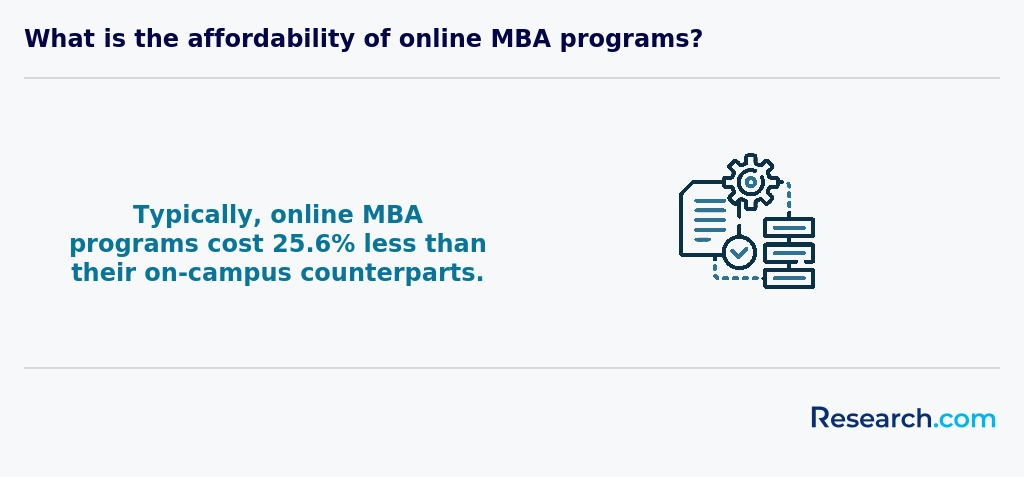
Imagine juggling your career and family life while diving into an MBA - that's the magic of an online program in Michigan. Graduates from local universities appreciate how asynchronous classes let them study at midnight or during lunch breaks, turning unpredictable schedules into flexible learning adventures. With costs hovering between $30,000 and $60,000, these programs at Michigan schools help balance budgets without sacrificing accreditation or academic quality.
Now picture walking the buzzing halls of the University of Michigan's Ross School of Business, engaging face-to-face with professors and classmates, sharing a coffee before an intense group project. On-campus MBAs offer immersive networking, from spontaneous campus events to alumni dinners, often costing a bit more, around $50,000 to $70,000, but delivering that electric energy of immediate human connection.
While online students relish remote convenience, on-campus participants soak in the dynamic pulse of Michigan's business hubs, each route sculpting distinct, rewarding experiences tailored to individual rhythms and ambitions.
As the business world evolves at an unprecedented pace, Michigan MBA programs are integrating innovative teaching methods and technologies to remain competitive and relevant. Today’s programs are increasingly adopting hybrid learning models, allowing students to benefit simultaneously from traditional in-person instruction and the flexibility of online education. This blend not only enriches the learning experience but also prepares graduates to navigate the digital transformation shaping global industries. Emerging trends include the incorporation of artificial intelligence, machine learning, and advanced data analytics into the curriculum-tools that are critical in modern business decision-making. Institutions are also fostering strategic industry partnerships, creating practical internship opportunities and real-world projects that directly connect classroom learning to market needs. These initiatives confirm that the future of MBA education in Michigan is robust, dynamic, and attuned to emerging global demands. For aspiring students who value timeliness and efficiency in their educational journey, programs such as fast mba programs offer an accelerated path without compromising on quality. Embracing these forward-thinking strategies, Michigan MBA programs are not only equipping students with technical and leadership skills but are also laying the groundwork for a sustainable and adaptable career in an ever-changing business landscape.
The average MBA degree cost Michigan students face is a mix of opportunity and investment, shaped by where and how they choose to study. Imagine walking through the bustling halls of Michigan State University's Broad College of Business, where in-state tuition hovers around $21,000 to $35,000, a figure that feels more like a stepping stone than a mountain. Graduates often recall the balance between reasonable tuition and vibrant campus life, making their investment feel like a well-placed bet on their future.
Out-of-state learners, meanwhile, encounter a steeper climb, often doubling these numbers, yet many find the experience at prestigious Michigan institutions like the University of Michigan's Ross School of Business worth every dollar despite its premium cost - nearly $66,000 for the full program. Stories from recent grads echo a sentiment of pride and accomplishment, framing tuition as a ticket to networks and opportunities that ripple beyond classroom walls.
Those weighing the total cost of MBA programs Michigan options will quickly see it's more than just tuition. Books, materials, and living expenses, especially in metro hubs like Detroit or Ann Arbor, gently swell the price to a realistic figure hovering around $45,000 in total. Yet, the enthusiasm from peers who navigate this journey suggests the blend of knowledge gained and connections made creates value that goes beyond numbers. For more cost-conscious paths, exploring affordable mba schools in michigan can reveal hidden gems where smart budgeting meets ambition.
Calculating the return on investment (ROI) of an MBA in Michigan helps prospective students understand how quickly tuition pays off through salary increases and career growth. On average, Michigan MBA graduates report starting salaries between $80,000 and $120,000, while total program costs range from $30,000 (for in‐state public programs) to over $160,000 (for top private institutions including living expenses). By comparing these figures, the typical payback period falls between 2 and 4 years, depending on your specialization and post‐MBA role. Key factors influencing ROI: • Specialization: Graduates in finance or consulting often see higher initial salaries, shortening the payback period to as little as 18–24 months. • Program Format: Part‐time or online MBAs allow candidates to continue earning while studying, effectively reducing net tuition costs and improving cash‐flow. • Financial Aid & Employer Sponsorship: Scholarships, federal loans, and tuition reimbursement can lower out‐of‐pocket expenses by 30–60%, directly boosting ROI. Tips to maximize ROI: • Leverage assistantships and career services to secure internships with signing bonuses. • Negotiate employer sponsorship before enrollment to cover 50–100% of tuition in exchange for postgraduation service commitments. • Network with alumni in targeted industries to fast‐track promotions and salary negotiations. For a broader perspective on affordable options, explore our Cheapest MBA Degree Programs Ranking in Oregon, which highlights programs that deliver strong ROI at lower cost.
Imagine starting your MBA journey in Michigan with the buoyant relief of a scholarship from the University of Michigan's Ross School of Business, lifting the heavy weight of tuition from your shoulders. Many MBA candidates here dive into a mosaic of financial aid: federal loans like the Direct Unsubsidized and Grad PLUS loans offer a steady lifeline, with fixed rates easing budgeting concerns. Completing FAFSA is the golden ticket that unlocks access to these benefits, no matter if you're at Michigan State or Wayne State.
Picture a graduate teaching a seminar, funded by a graduate assistantship that pays not just a stipend but chips away at tuition, a win-win handshake between hard work and support. Then there are stories of tech firm sponsorships, where local industry players invest in future leaders, turning corporate sponsorships into personalized success stories. Add to this the private foundations and professional groups scattered across Michigan, each ready to sprinkle scholarships that transform anxiety into optimism.
When considering an MBA program in Michigan, one of the critical factors to evaluate is affordability. The cost of tuition, living expenses, and other fees can significantly impact the overall experience. For those seeking affordable mba schools in michigan, it's essential to research and compare the financial aspects of different programs. Many institutions in Michigan offer competitive pricing, scholarships, and financial aid packages to help make the degree more accessible. Additionally, some programs may provide assistance with living expenses or offer flexible payment plans, which can be particularly beneficial for international students or those with financial constraints. By carefully examining the financial considerations and exploring available resources, prospective students can make informed decisions that align with their budget and career goals, ultimately enhancing their overall MBA experience in Michigan.
Picture yourself walking the halls of the University of Michigan's Ross School of Business, a graduate buzzing with excitement because the prerequisites you met carved the way for this moment. First, you needed that bachelor's degree-a ticket that doesn't box you into business courses only; a background in economics or finance might give you a little extra spring, but passion and relevant work experience can shine just as bright. In Michigan, it's common for MBA hopefuls to bring along two to five years of professional hustle, the kind of real-world grit that transforms case studies into thrilling challenges rather than dry exercises.
Imagine submitting your official transcripts, letters of recommendation from mentors who believe in your potential, and a personal essay that reveals your dreams-exactly like grads from Michigan State University or Wayne State University did. Test scores like the GMAT or GRE are usually expected, but some programs now waive them for candidates with strong records or impressive careers, especially after the disruptions of recent years. This blend of credentials prepares you to thrive in Michigan's dynamic MBA landscape.

Diving into an MBA in Michigan is like stepping into a dynamic laboratory of business mastery. Graduates from the University of Michigan's Ross School of Business often recall how core courses-like Accounting and Financial Reporting-transformed abstract numbers into clear stories of a company's health. At Michigan State University's Eli Broad College of Business, marketing principles come alive as students craft strategies in entrepreneurial simulations that spark excitement and sharpen creativity.
Picture navigating Organizational Behavior and Leadership classes that feel less like lectures and more like immersive role plays, prepping you to lead real teams in Detroit's thriving business hubs. Operations and Supply Chain Management courses pulse with the rhythm of Michigan's legendary automotive industry, making learning feel pulsantly relevant.
Several students rave about Managerial Economics and Business Analytics courses, where data not only predicts the future but empowers decisions that seem almost visionary. These programs don't just teach-they ignite a passion for business, molded by Michigan's unique economic landscape.
When diving into MBA specializations in Michigan universities, the landscape is as diverse as the Great Lakes themselves. Imagine a graduate from the University of Michigan immersing in Finance, mastering investment strategies that make Wall Street look twice. Or picture an MSU alum navigating Marketing waters, decoding consumer behavior to revolutionize local businesses. Supply Chain and Operations Management draw on Michigan's manufacturing pulse, giving students the edge to streamline Detroit's evolving industries.
Graduates often describe their Healthcare Management specialization as transformative, linking vision with Michigan's sprawling hospital networks. Meanwhile, Information Technology Management blends business savvy with tech innovation, a hotbed for those inspired by Michigan's growing digital economy. Entrepreneurship tracks fuel dreams, nurturing ventures that could start right here at home.
Exploring the best MBA concentration options Michigan offers means embracing these dynamic paths. For those seeking accelerated routes, consider fast mba programs designed to keep pace with ambition and real-world demands.
Choosing the best MBA programs in Michigan is like crafting your personal recipe for success-start with accreditation as your main ingredient. Graduates from the University of Michigan's Ross School rave about the prestige the AACSB accreditation adds, opening doors in Detroit's buzzing automotive and tech scenes. If juggling work and study sparks joy, part-time or online formats from schools like Oakland University or Wayne State University offer the flexibility you crave, letting you learn without sacrificing your day job or weekend plans.
Affordability shadows every decision. Imagine balancing tuition with the realities of living in Lansing or Ann Arbor; private schools may splurge your budget while public universities like Michigan State offer a more wallet-friendly path. Curious about how to navigate this? Check out the Cheapest MBA Degree Programs Ranking in Oregon for inspiration on affordable options beyond Michigan.
Networking is your secret weapon. Graduates often share stories of internships won through Michigan's strong alumni ties and stellar career services. Walking campus halls near Detroit or joining open houses can place you in the heartbeat of opportunities, making the abstract future feel excitingly tangible. This is the art of choosing an MBA that fits your life and fuels your ambitions.

MBA graduates in Michigan often find themselves steering through dynamic career paths fueled by the state's vibrant industries. From the bustling campuses of the University of Michigan in Ann Arbor to the innovative programs at Michigan State University, students describe transitioning into roles that challenge their strategic minds daily. Imagine a graduate weaving their way into corporate management in Detroit's automotive sector, applying learned skills to streamline production and leadership alike. This blend of hands-on experience and classroom theory captures the essence of MBA career opportunities in Michigan.
Another graduate from a popular Michigan business school stepped confidently into finance and consulting roles within Grand Rapids, where the financial sector thrives. These paths require not only analytical prowess but also a knack for navigating complex markets-a reality many MBA students relish. Healthcare administration also draws ambitious MBAs, especially as Michigan's hospitals seek visionary leaders to tackle systemic challenges; it's a field ripe with purpose and growth.
Tech startups and innovation hubs in Michigan beckon MBA holders versed in product management and marketing, bridging business insight with cutting-edge technology. Entrepreneurship flourishes amid resources from the Michigan Small Business Development Center, inspiring many to explore launching their ventures. For those seeking alternatives, consider exploring a cheap accelerated bachelor's degree online to build a swift foundation before diving into these exciting realms.
In Michigan, the MBA job market hums with the rhythm of innovation and tradition, blending Detroit's legendary automotive pulse with the fresh beats of Ann Arbor's tech startups. Graduates often share stories of landing roles in corporate strategy at Big Three automakers or diving into dynamic fintech hubs where leadership and analytics skills shine. Employers crave the unique blend of adaptability and strategic thinking that Michigan MBA holders bring, especially from universities known for hands-on internships and strong alumni networks.
For those weighing the cost of their MBA, the range from $50,000 to $120,000 across the state often feels like a ticket to earning between $85,000 and $110,000 out of the gate, a statistic that fuels both ambition and optimism. This vibrant mixture makes exploring easiest master degree online options attractive for some candidates seeking flexibility. The reality for many MBA graduates is a career landscape as diverse as Michigan's economy itself, with varied sectors eager for their insights.
Overall, if you're navigating MBA job opportunities in Michigan, envision a future where your leadership steers industries ranging from healthcare to manufacturing, thriving alongside a community that values strategic vision and hands-on experience.
2027 Most Popular MBA Degree Programs Ranking in Michigan
Investing in your education is a significant decision that can shape your career and future, and the Research.com team is fully aware of the responsibility involved in guiding you through this process. To support prospective students in Michigan, we have carefully developed the "2027 Most Popular MBA Degree Programs Ranking in Michigan." Our dedication to quality, credibility, and accuracy is demonstrated by the extensive research and thorough analysis behind this ranking.
We utilized the following reputable data sources to create a comprehensive and reliable evaluation of MBA programs:
By exploring this ranking, readers will gain valuable insights into the most popular and respected MBA degree options in Michigan, empowering them to make well-informed decisions about their education and career goals. For further details on our rigorous methodology, please visit our Research.com methodology page.


Frequently Asked Questions About MBA
Students pursuing an MBA degree in Michigan can enhance their learning by engaging actively with practical experiences such as internships and consulting projects. Michigan's robust economy, featuring industries like automotive, healthcare, and finance, offers diverse opportunities to apply classroom knowledge. Utilizing resources at universities like the University of Michigan and Michigan State University, including career services and networking events, is essential. According to U.S. News & World Report, Michigan MBA programs emphasize experiential learning, which improves job-readiness. Additionally, joining student organizations and attending local business seminars can expand professional networks and deepen understanding of regional market dynamics.
The MBA field in Michigan is evolving, with several emerging niches attracting interest from students and employers alike. One prominent area is healthcare management, driven by Michigan's strong medical sector and hospitals like the University of Michigan Health System. Professionals with business skills tailored to healthcare are in growing demand.
Data analytics and business intelligence also stand out as key niches. Michigan's industries increasingly rely on data to drive decisions, boosting the value of MBAs with expertise in analytics tools and techniques.
Additionally, supply chain management remains crucial due to Michigan's automotive sector. Programs emphasizing global supply chains and logistics prepare graduates to enter this competitive field.
The Michigan Association of Business Schools reports a steady increase in MBA program specializations reflecting these trends.
After completing an MBA degree in Michigan, preparing for the job market involves strategic steps to leverage educational and local resources. Michigan's strong economy, with key industries like automotive, finance, and healthcare, offers diverse opportunities for MBA graduates.
Building professional networks through university career centers is essential. Schools such as the University of Michigan and Michigan State University offer robust alumni connections and job fairs designed to connect MBA students with local employers.
Internships and real-world projects during the MBA program are critical, as 70% of Michigan MBA graduates report improved employment outcomes linked to practical experience, according to recent state education reports.
Additionally, tailoring resumes to highlight leadership and analytical skills, common focuses of Michigan MBA curricula, increases employability. Michigan's workforce development agencies also provide career counseling and job placement assistance, enhancing job market readiness.
Employers in Michigan highly value MBA graduates who demonstrate strong leadership and strategic thinking abilities. According to the Graduate Management Admission Council (GMAC), 85% of Michigan employers prioritize leadership skills when hiring MBA candidates. Analytical thinking and problem-solving capabilities are also crucial, particularly in cities like Detroit, where the automotive and manufacturing industries demand data-driven decision-making.
Communication skills, both verbal and written, rank among the top traits Michigan employers seek. A 2023 Michigan Economic Development Corporation report highlights that 78% of businesses expect MBA graduates to effectively collaborate across teams. Additionally, proficiency in digital tools and financial acumen remain essential due to the region's growing tech and finance sectors.
Finding internships in Michigan relevant to an MBA degree involves strategic planning and resource utilization. Many top Michigan business schools, such as the University of Michigan's Ross School of Business, offer strong career services that connect MBA students with internship opportunities. According to the Michigan Economic Development Corporation, sectors like automotive, healthcare, and finance provide significant internship openings.
Networking is essential; attending industry events and joining regional organizations like the Michigan Business Network can lead to internships. Additionally, online platforms such as Handshake and LinkedIn list MBA-specific internships based in Michigan. Early application, tailored resumes, and leveraging faculty recommendations also increase chances of securing relevant positions.
An MBA degree significantly enhances career mobility and advancement opportunities for professionals in Michigan. According to the Michigan Economic Development Corporation, MBA graduates often access higher-level management roles across key state industries like automotive, finance, and healthcare. In Michigan, employers value the strategic, leadership, and analytical skills developed through MBA programs, which can lead to salary increases averaging 20-30% post-graduation.
Data from the Graduate Management Admission Council (GMAC) shows that MBA holders in the Midwest, including Michigan, experience lower unemployment rates compared to non-MBA peers. The degree also expands professional networks, particularly through Michigan-based business schools such as the University of Michigan and Michigan State University, which connect students to local industry leaders.
Overall, earning an MBA in Michigan can provide a competitive edge for those seeking promotions or career changes within the state's evolving economy.
Studying for an MBA degree in Michigan equips students with skills crucial for interdisciplinary roles by blending business knowledge with insights from technology, healthcare, and manufacturing-key industries in the state. Michigan's MBA programs often incorporate teamwork, leadership, and strategic thinking across different fields, preparing graduates to navigate complex organizational challenges.
According to the Princeton Review, Michigan's top business schools focus on cross-functional education, combining finance, marketing, operations, and analytics. This approach enhances adaptability in diverse professional settings.
Additionally, Michigan's strong economy offers many internship and networking opportunities, enabling practical application of interdisciplinary knowledge.
Choosing between a thesis and a non-thesis MBA program in Michigan depends on your career goals and learning preferences. A thesis MBA requires conducting original research, ideal for students aiming for academic or research-intensive roles.
Non-thesis programs focus more on practical skills through coursework and internships, appealing to those seeking immediate application in business environments.
Michigan schools like the University of Michigan and Michigan State University offer both options, with non-thesis formats being more common and often preferred by working professionals.
According to the National Center for Education Statistics, about 70% of MBA students in Michigan choose non-thesis tracks for flexibility and faster completion.
Your decision should reflect your long-term plans and time availability.
Students based in Michigan looking to study for an MBA abroad have several options through partnerships between Michigan universities and international institutions. Schools like the University of Michigan and Michigan State University often offer dual-degree programs or exchange opportunities with European and Asian business schools. These programs allow students to complete part of their MBA overseas while earning credits toward their degree at home.
According to the Graduate Management Admission Council, approximately 20% of US business school applicants consider international study, highlighting growing interest. Michigan students can take advantage of this trend through flexible, globally focused MBA curricula, including short-term residencies abroad. Financial aid and scholarships may also support study abroad opportunities, making global MBA experiences more accessible.
Part-time job opportunities in Michigan that complement an MBA education often focus on roles offering practical business experience. Popular positions include management assistant, financial analyst intern, marketing coordinator, and human resources support. These roles help students apply MBA concepts such as strategic planning, data analysis, and organizational behavior in real-world settings.
Michigan's strong automotive and manufacturing sectors provide numerous internship and part-time options related to supply chain management and operations. According to the Michigan Department of Labor, MBA students gain competitive advantages by working in these industries alongside their studies.
Additionally, many Michigan-based startups and consulting firms seek MBA students for project-based roles, allowing hands-on experience with business development and client relations. Universities such as the University of Michigan and Michigan State provide career services connecting students to these opportunities.
MBA students in Michigan benefit from extensive networking opportunities through universities, professional organizations, and local business communities. Top business schools, such as the University of Michigan's Ross School of Business and Michigan State University's Broad College of Business, host regular networking events, career fairs, and alumni meetups. These events connect students with industry leaders and successful alumni, enhancing career prospects.
Additionally, Michigan's vibrant economy, anchored by the automotive and technology sectors, offers students access to business conferences and workshops. According to the Michigan Economic Development Corporation, over 70% of MBA graduates in Michigan find internships through university-supported networking programs.
Alumni networks in Michigan offer MBA students valuable opportunities to connect with experienced professionals across diverse industries. These networks provide access to mentorship, job leads, and insights into local business trends, which can be crucial for early-career graduates.
Michigan's MBA programs, such as those at the University of Michigan and Michigan State University, often report strong alumni engagement. For example, the University of Michigan's Ross School of Business boasts over 44,000 alumni worldwide, facilitating extensive networking possibilities.
Studies from the Graduate Management Admission Council highlight that 85% of business graduates find that alumni connections help with career advancement. In Michigan's competitive job market, these relationships can lead to internships and leadership roles.
Moreover, alumni events, both virtual and in-person, allow students to build long-term professional relationships, expanding their local and national reach. This support system helps enhance students' professional development during and after their studies.
In Michigan, many MBA programs allow students to tailor their education to align with specific career goals. Customization often begins with selecting concentrations such as finance, healthcare management, or supply chain logistics, which are popular areas supported by the state's robust industries. For instance, Michigan State University and the University of Michigan offer specialized tracks that enhance expertise in sectors significant to the local economy.
Students can also choose electives and hands-on experiences like internships or consulting projects, which provide practical skills relevant to their fields. Flexible scheduling options, including part-time or online formats, enable working professionals to balance studies with career demands. According to the Graduate Management Admission Council, 65% of MBA students in the U.S. customize their curriculum to meet career objectives, a trend strongly reflected in Michigan's business schools.
MBA students in Michigan often face several challenges unique to the region and the broader U.S. higher education system. One common difficulty is managing the high cost of tuition and living expenses, as Michigan's average MBA tuition ranges from $35,000 to $60,000 depending on the institution, according to U.S. News & World Report. Students also encounter competitive job markets, especially in fields like automotive and manufacturing, which are undergoing rapid technological changes.
Balancing work and study remains a significant challenge, as many MBA candidates in Michigan are mid-career professionals. Additionally, navigating networking opportunities can be harder outside major hubs like Detroit or Ann Arbor, impacting internship and job placement prospects. Finally, adapting to evolving curriculum demands with increased focus on digitalization and sustainability is essential for success.
An MBA degree from a Michigan institution opens doors to several respected professional certifications. Many graduates pursue the Project Management Professional (PMP) credential, valued across industries for leadership and organizational skills.
In addition, the Certified Management Accountant (CMA) certification is popular among MBA holders focused on finance and accounting careers. This helps professionals stand out in Michigan's competitive business landscape, especially in Detroit's automotive and manufacturing sectors.
Other common certifications include Certified Financial Planner (CFP) and Certified Business Analysis Professional (CBAP). These enhance expertise for specialized roles in finance and strategy.
According to the Graduate Management Admission Council, 65% of MBA graduates seek such certifications within three years of completing their degree to boost career growth.
To write a winning application for an MBA program in Michigan, start by thoroughly researching the schools you are interested in, such as the University of Michigan's Ross School of Business or Michigan State University's Broad College of Business. Highlight your professional achievements and leadership experience clearly, as these programs highly value practical business skills.
Focus on crafting a compelling personal statement that explains your career goals and why an MBA from a Michigan institution will help you achieve them. According to U.S. News (2024), strong essays differentiate applicants in competitive pools.
Additionally, prepare for the GMAT or GRE, as Michigan MBA programs often require these standardized tests, with average GMAT scores around 680 at top programs. Remember to secure strong recommendation letters from supervisors or colleagues familiar with your work ethic.
The global perspective on an MBA career emphasizes leadership, strategic thinking, and adaptability in diverse markets. Graduates from Michigan's MBA programs often benefit from the state's strong ties to the automotive and manufacturing industries, which have significant global supply chains. According to the Graduate Management Admission Council (GMAC), MBA holders see a 75% increase in mid-career salary globally, reflecting high demand for business leadership skills.
Michigan-based MBA programs, like those at the University of Michigan's Ross School of Business, offer international study opportunities and global case experiences. These prepare students to engage with multinational firms, an essential skill in today's interconnected economy. Such exposure boosts career prospects worldwide.
Furthermore, trends from the U.S. Bureau of Labor Statistics indicate that management occupations, often filled by MBA graduates, are projected to grow by 8% through 2030. This growth includes global roles requiring cultural competence and international business knowledge.
Gaining practical experience while pursuing an MBA in Michigan is achievable through multiple avenues. Many business schools in Michigan, such as the University of Michigan's Ross School of Business, offer internship programs that connect students with local and national companies. These internships often provide real-world insights and enhance professional networks.
Additionally, students can participate in consulting projects with Michigan businesses, allowing them to apply classroom knowledge to solve actual business challenges. Some programs feature cooperative education options, combining study periods with full-time work experience.
According to the Michigan Association of State Universities, nearly 70% of MBA students engage in experiential learning activities during their studies.
Choosing the right concentration within an MBA program in Michigan depends on your career goals and industry demand. Popular specializations include Finance, Marketing, Healthcare Management, and Supply Chain, reflecting Michigan's strong automotive, healthcare, and manufacturing sectors. According to the Michigan Association of State Universities, Finance and Marketing concentrations remain among the top choices due to job growth in Detroit's financial district and expanding digital markets. Prospective students should evaluate their skills and interests alongside regional economic trends. Additionally, consider programs with strong connections to Michigan's business communities or internship opportunities for practical experience.
- 2027 Most Popular MBA Degree Programs Ranking in Ohio
- 2027 Most Popular MBA Degree Programs Ranking in Illinois
- 2027 Most Popular MBA Degree Programs Ranking in Minnesota
- 2027 Most Popular MBA Degree Programs Ranking in Kentucky
- 2027 Most Popular MBA Degree Programs Ranking in Iowa
- 2027 Most Popular MBA Degree Programs Ranking in Missouri
- 2027 Most Popular MBA Degree Programs Ranking in North Carolina
- 2027 Most Popular MBA Degree Programs Ranking in Delaware
- 2027 Most Popular MBA Degree Programs Ranking in Connecticut
- 2027 Most Popular MBA Degree Programs Ranking in Arkansas
- Why Employers Prize a Global Perspective from MBA Graduates | WU Executive Academy https://executiveacademy.at/en/knowledge/career/why-employers-prize-a-global-perspective-from-mba-graduates
- How To Write An MBA Admissions Essay That Stands Out? https://www.personalmbacoach.com/mba-essay-guiding-principles/
- Overcoming Common Challenges Faced by Management Students https://iilm.edu/iilm-lucknow/blog/challenges-faced-by-management-students/
- Tips for Writing an MBA Program Essay - GMAT Ninja https://www.gmatninja.com/articles/mba-admissions/essays-and-applications/minimizing-mba-application-essay-agony/
- How an MBA contributes to career advancement https://online.wlv.ac.uk/blog/how-an-mba-contributes-to-career-advancement/
- MBA Networking Tips-Building Connections Pre-MBA https://menlocoaching.com/mba-applications-and-admissions-guide/networking/
- 6 Tips to Make the Most of Your MBA Experience https://mbaschooled.com/2020/01/14/6-tips-to-make-the-most-of-your-mba-experience/
- Why Fit Matters: Matching Your Profile and Career Goals to Your Dream MBA Program https://merchantmba.com/blog/why-fit-matters-matching-your-profile-and-career-goals-to-your-dream-mba-program
- What Can You Do with an MBA in Today’s Market? | Elmhurst University Elmhurst University Blog https://www.elmhurst.edu/blog/what-can-you-do-with-an-mba-in-todays-market/
- Follow These 10 Steps To Write Your MBA Application Essays - ApplicantLab https://www.applicantlab.com/blog/10-steps-to-write-your-mba-application-essay/