2027 Best MBA Degree Programs Ranking in Ithaca

Co-Founder and Chief Data Scientist
Choosing the right MBA degree program in Ithaca can feel overwhelming, but you're not alone. This article presents the 2027 Best MBA Degree Programs Ranking in Ithaca, carefully created by the Research.com team of data scientists.
It's designed to help you make an informed decision about which programs truly stand out. An MBA can open doors to exciting career opportunities, personal growth, and new connections.
Explore this ranking to find a program that fits your goals and starts you on a rewarding journey ahead.
Key benefits of getting MBA degree in Ithaca
- MBA graduates in Ithaca typically enjoy competitive salaries across various management roles in the U.S., with many earning from $80,000 to over $120,000 annually, reflecting strong financial rewards for their education.
- Career paths for MBA holders often include roles in finance, marketing, and consulting; for example, graduates from Cornell University, a popular choice in Ithaca, often secure positions in top firms, benefiting from valuable networking opportunities.
- Online MBA programs from reputable institutions like Cornell offer flexibility for working professionals, allowing students to balance education and work while gaining the same credentials and opportunities as traditional students.
- 2027 Best MBA Degree Programs Ranking in Ithaca
- What can I expect from MBA degree in Ithaca?
- Where can I work with MBA degree in Ithaca?
What can I expect from MBA degree in Ithaca?
The average cost of pursuing an MBA degree in Ithaca, particularly at Cornell University's Johnson School of Management, is around $75,000 per year. Graduates often recall the intense yet rewarding experience of investing in their education, balancing tuition with the thrilling opportunities that the program offers. This figure covers rigorous academic training that transforms students into confident leaders ready to tackle real business challenges.
Many students share how the cost felt like an investment in their future, especially given the strong career support that helped nearly 90% of graduates land jobs within three months. Picture yourself engaging in consulting projects or international residencies, gaining hands-on experience that justifies the tuition cost and more.
Living in Ithaca also adds a unique flavor - a close-knit campus community surrounded by nature provides an inspiring backdrop that far outweighs typical urban expenses. While the price tag is significant, students often express a sense of adventure and accomplishment as they navigate this transformative journey at one of the nation's top business schools.
Where can I work with MBA degree in Ithaca?
Graduates with an MBA from Ithaca's renowned institutions like Cornell University or Ithaca College often find themselves immersed in a bustling college-town job market full of dynamic opportunities. Many step into administrative leadership roles right on campus, managing budgets or shaping strategic plans that impact thousands. Imagine collaborating on projects that enhance these universities' global reputations while gaining invaluable real-world experience.
Others dive into Ithaca's growing tech sector, joining innovative startups influenced by Cornell Tech's vibrant ecosystem. Whether driving software development or launching green technology solutions, MBA holders bring fresh problem-solving skills and entrepreneurial spirit to the table.
Picture working with local wineries or organic farms in the Finger Lakes region, applying sustainable business practices or optimizing supply chains in the thriving agriculture industry. Hospitality and tourism also offer exciting paths-managing bustling hotels, organizing vibrant events, or crafting creative business strategies that draw visitors to Ithaca's stunning natural beauty.
Financial services and consulting firms add another layer, welcoming analytical minds ready to transform regional banks and cooperatives with savvy business strategies. The possibilities with an Ithaca MBA feel endless, adventurous, and deeply rewarding.
When MBA students graduate from well-regarded programs in Ithaca, like those near Cornell University, they often find themselves stepping into a rewarding financial journey. The typical starting salaries hover around $70,000 to $85,000, a figure that sparks excitement for many fresh graduates eager to apply their new skills. Imagine moving from campus life to a bustling consulting role where, within just a few years, you could be earning over $100,000, managing complex projects and influencing key business decisions.
Many graduates have shared stories of landing roles in finance and technology sectors, where median salaries near $95,000 are common, reflecting the vibrant industry presence around Ithaca. The networking opportunities through university programs help open doors to top-tier companies, where bonuses and profit sharing can boost total compensation by 10% to 20%, turning those base salaries into even more thrilling prospects.
Studying an MBA in Ithaca means more than just education-it's about stepping into a community and local economy ripe with chances for growth, exploration, and lucrative careers just beyond graduation.
- MBA programs in Ithaca focus on leadership, management, and entrepreneurship skills.
- The average cost for an MBA degree ranges from $50,000 to $70,000 in tuition and fees.
- Entry-level MBA salaries start at about $70,000 per year, with mid-career earnings reaching $110,000 or more.
- Key industries hiring MBA graduates include technology, education, healthcare administration, and startups.
- Local businesses frequently seek MBA graduates for roles in management, finance, marketing, and operations.
On the flip side, many working professionals find solace in part-time MBA programs that stretch over three to four years. Picture evenings or weekends buzzing with insightful classes, allowing students to juggle jobs and family while steadily advancing toward their goals. Graduates often reflect on this balance as a rewarding, though extended, experience that fits their adventurous spirits.
And for those eager to turbocharge their education, accelerated options promise completion in just 12 to 18 months. While rarer in Ithaca, this fast-paced route offers an exciting, intense challenge that some alumni recall as transformative-like sprinting through a landscape of opportunity with eyes wide open.
To maximize your chances of acceptance into top MBA programs in Ithaca, NY, follow this structured timeline and proven strategies: – 12–9 Months Before Deadline • Research Programs: Compare curricula, specializations, and culture at schools like Cornell’s Johnson Graduate School of Management. • Plan Exams: Schedule your GMAT or GRE to allow time for retakes if needed. • Budgeting & Cost Research: Explore financing options early, including scholarships and the Inexpensive MBA Degree Programs Ranking in Montana for cost-saving inspiration. – 9–6 Months Before Deadline • Request Recommendations: Ask mentors and supervisors for letters of recommendation, providing them with your resume and personal statement draft. • Draft Essays: Focus on unique stories that showcase leadership, problem-solving, and cultural fit with Ithaca’s programs. Use active language and clear outcomes. • Networking: Connect with current students and alumni via LinkedIn or campus events to gain insider insights and demonstrate genuine interest. – 6–3 Months Before Deadline • Refine Application Materials: Edit essays for clarity, SEO-friendly keywords (e.g., “Ithaca MBA admissions tips,” “MBA program in Ithaca”), and impactful achievements. • Prepare for Interviews: Practice common MBA questions, emphasizing teamwork, career goals, and Ithaca-specific motivations. – 3–1 Months Before Deadline • Submit Applications Early: Aim for two weeks before deadlines to reduce technical risks. • Finalize Financial Aid: Complete FAFSA and any institutional aid forms; schedule calls with financial advisors. • Follow Up: Confirm receipt of all materials and express gratitude to recommenders and admissions staff. By adhering to this timeline and applying these tips, you’ll present a polished, compelling MBA application that highlights your strengths and readiness for Ithaca’s rigorous programs.
Choosing between an online and on-campus MBA in Ithaca sparks a unique adventure for many students. At Cornell University's Samuel Curtis Johnson Graduate School of Management, for instance, on-campus graduates often share how the vibrant campus life fuels their motivation-imagine joining dynamic study groups in campus cafés or networking during career fairs under Ithaca's charming autumn skies.
On the other hand, online MBA students celebrate the freedom to balance work and family while still earning a respected degree. They describe logging in from cozy home spaces, juggling live group projects across time zones, and feeling connected through digital platforms that bring peers together despite miles apart.
The on-campus path weaves structure and face-to-face mentorship into every week, perfect for those craving a traditional classroom buzz. Meanwhile, online programs beckon the self-driven explorer, mastering time management while diving deep into asynchronous lessons.
Both journeys, whether walking Ithaca's leafy quads or clicking through a virtual classroom, open doors to powerful career growth rooted in flexible, enriching experiences.
Return on Investment (ROI) is a critical metric for evaluating MBA programs in Ithaca, NY, as it balances upfront costs against long-term earnings and career growth. Graduates of Cornell’s Johnson Graduate School of Management typically incur two-year tuition and fees totaling around $150,000, yet report median starting salaries near $125,000-translating to an estimated payback period of 3–4 years when living expenses are included. Regional programs with total costs closer to $60,000 often yield a break-even timeline under two years. Beyond financial payback, consider qualitative returns such as leadership development, expanded professional networks, and accelerated promotion tracks that compound your investment over time. For cost-conscious applicants seeking strong outcomes at a lower price point, explore our Inexpensive MBA Degree Programs Ranking in Montana to compare programs that deliver both affordability and value. When choosing your MBA, align ROI projections with personal goals-ensuring you select a program that maximizes both immediate and lifelong returns.
When calculating the average MBA degree cost in Ithaca, it's fascinating to discover that the total expense often hovers around $80,000 for the entire program. Many graduates from Cornell University's Samuel Curtis Johnson Graduate School of Management recall balancing the vibrant campus life with the financial investment they made. This cost, while substantial, reflects the high caliber of education and unique opportunities gathered here, making it a rewarding pursuit.
These graduates often describe managing the expenses by considering local living costs alongside tuition. Ithaca offers a distinctive setting where students can explore nature and culture, yet also face moderate living expenses that influence the total cost of MBA programs Ithaca provides. For those curious about exploring alternatives or wish to ease financial demands, programs like part-time or online MBAs allow for flexible pacing. For example, some students have found value in programs offering tuition payment per credit hour, which can spread out expenses while continuing their education.
Students interested in expanding their knowledge with a tech focus may also explore the MBA in IT program requirements at local institutions. This option can sometimes align with different pricing structures while opening diverse career pathways.
Studying for an MBA in Ithaca, NY, is not just about academic rigor-it’s also about immersing yourself in a vibrant campus community that fosters personal and professional growth. Beyond the classroom, students experience a dynamic social environment that includes networking events, student clubs, career fairs, and interactive workshops, all designed to build lasting relationships and boost career prospects. Living in Ithaca means having access to a thriving local business scene, cultural festivities, and outdoor activities that enhance your holistic MBA journey. Many students find that blending academic excellence with community involvement not only enriches their learning experience but also provides them with practical insights into local market trends and industry practices. This unique combination of rigorous studies and active campus life perfectly complements programs like the top accelerated mba degree program, where fast-paced learning meets a supportive and engaging community. Embracing the comprehensive campus culture in Ithaca empowers MBA candidates to develop strong leadership skills, expand their professional networks, and ultimately achieve a balanced and fulfilling educational experience.
Discovering financial aid for an MBA in Ithaca feels like uncovering hidden treasures, especially around Cornell University's Johnson School of Management. Many MBA students share how fellowships fueled their journey, with over $20 million awarded annually-some were lucky enough to have full tuition covered, lifting a huge weight off their shoulders. Others recall the steady support from Federal Direct Unsubsidized Loans, offering solid backing despite current interest rates near 7%, while Graduate PLUS Loans helped fill remaining gaps.
Imagine a working professional tapping into employer tuition assistance, blending real-world experience with campus studies, their companies cheering them on through substantial tuition coverage. Fellow students gained valuable skills and financial relief from assistantships, balancing research or teaching roles with their coursework, a win-win adventure.
Many Ithaca MBA candidates also weigh private loans and personal savings but emphasize the exhilaration of chasing grants and scholarships first, making smart moves to tackle the approximate $78,000 annual cost with confidence and a spirit of discovery.
When considering an MBA program in Ithaca, NY, one crucial factor to consider is affordability. With rising tuition costs, finding an affordable mba school in new york can be a challenge. Prospective students should research and compare the costs of different programs, taking into account not just tuition but also living expenses, fees, and any additional costs associated with the program. Many institutions offer financial aid, scholarships, and assistantships that can help make the program more affordable. It's also important to consider the return on investment, looking at the potential salary increases and career advancement opportunities that an MBA from a particular program can offer. By weighing these factors, students can make an informed decision about which affordable MBA program in Ithaca, NY, best fits their needs and goals.
Ready to dive into an MBA adventure in Ithaca? First, prepare to showcase your academic journey with a bachelor's degree from an accredited college-many Ithaca MBA hopefuls, especially those eyeing Cornell's SC Johnson College of Business, started here. This proves you have the stamina for challenging coursework.
Next, imagine the stories shared in lively classroom debates fueled by diverse work experiences. Most programs expect at least two to three years in the professional world, allowing you to connect lessons with real-life business challenges. Many graduates recall how their 3-5 years in various industries enriched discussions, sparking fresh ideas and confidence.
Then, there's the GMAT or GRE tests. These gatekeepers measure your critical thinking and problem-solving skills, though sometimes seasoned professionals earn waivers. Picture preparing for these exams while balancing your career, turning the effort into a rewarding confidence boost.
Don't forget the personal touch: letters of recommendation, a compelling statement of purpose, and a detailed resume. These documents let admissions glimpse your leadership potential and ambitions, painting a vivid portrait of your future impact in the business world.

Diving into an MBA in Ithaca means encountering a curriculum rich with foundational courses that shape confident business leaders. Graduates from Cornell University often speak about how mastering subjects like Accounting and Financial Reporting or Corporate Finance gave them a firm grip on understanding numbers that drive decisions. Imagine grappling with real-world budgeting scenarios or financial case studies that mirror challenges faced by local businesses.
Marketing Management and Organizational Behavior and Leadership ignite creativity and people skills, essential for motivating teams or launching new products. Many students rave about Operations and Supply Chain Management classes, where they reenact logistics puzzles that global companies face daily.
Data Analytics and Decision Making bring a modern edge, helping students transform piles of information into smart strategies - something especially thrilling in Ithaca's tech-friendly environment. Managerial Economics and Business Strategy and Policy sharpen your ability to foresee market shifts and steer ventures through complexity.
Electives often deepen passions like entrepreneurship or sustainability, reflecting Ithaca's focus on innovation and environmental awareness. Many graduates cherish group projects that partner with local startups, making every lesson feel vibrant and adventurous.

Diving into MBA specializations offered in Ithaca reveals exciting paths for ambitious students eager to sharpen their skills. Graduates from institutions like Cornell's SC Johnson College of Business often share how the Finance track transformed their understanding of investment and corporate strategy, opening doors to banking and consulting roles. Others who chose Marketing enjoyed immersive projects on consumer behavior and digital campaigns, making each class feel like a live laboratory for creativity.
Many are drawn to Entrepreneurship, fueled by Ithaca's spirited startup ecosystem, where hands-on courses inspire business planning and venture funding. In the Management Information Systems specialization, students blend tech know-how with business savvy, mastering data analytics and IT strategy in a way that prepares them for dynamic, high-impact careers. If logistics and operations excite you, the Supply Chain Management focus offers a practical edge that thriving local industries highly value.
Exploring popular MBA concentrations in Ithaca NY also uncovers specializations in sustainable business and social entrepreneurship, reflecting a commitment to making a positive difference. This adventurous journey through various MBA fields equips students not only with expertise but with enthusiasm for real-world business challenges, all while connecting with a supportive network. Those interested in further insights about potential career paths post-MBA can explore business management professions.
Choosing among the best MBA programs in Ithaca means diving deep into what truly excites you academically and professionally. Imagine immersing yourself in Cornell's dynamic SC Johnson College of Business, where graduates eagerly share stories of how specialized tracks in entrepreneurship reshaped their career paths with hands-on projects and networking events. The vibrant academic scene here blends theory with real-world challenges, sparking a genuine passion for growth.
Affordability plays its role, too-seeking affordable MBA degrees Ithaca NY offers requires balancing quality with costs, which often lean higher in prestigious institutions. Yet, many students find relief by exploring scholarships and assistantships that lighten financial pressures. Picture yourself managing studies alongside work by opting for flexible formats; this adaptability is key and why many admire how Ithaca's programs respect the choice to advance while living life fully.
With an AACSB-accredited program at your fingertips and access to robust career services, you can confidently step into the future. If you wonder about is business administration a flexible major, Ithaca's MBA options will surprise you with their openness and diverse opportunities.

Exploring MBA career opportunities in Ithaca reveals a world rich with potential. Graduates from Cornell's Johnson Graduate School of Management often find themselves propelled into finance roles like investment banking or corporate finance, tapping into a vibrant network that makes the journey both challenging and rewarding. These are not just jobs; they are stepping stones to mastering industries filled with innovation and growth.
Business management jobs Ithaca NY offers go beyond finance - consulting firms frequently scout MBA students for their fresh perspectives and problem-solving skills, especially given Ithaca's proximity to economic hubs like New York City. Graduates describe the thrill of navigating complex business landscapes and crafting strategies that transform organizations.
The tech sector also calls MBA grads to roles in product management and marketing, fueled by Ithaca's blossoming startup scene and university-driven incubators. Many graduates feel energized launching ventures or joining dynamic teams, where leadership and creativity blend seamlessly. For those seeking guidance on where to start, reviewing the New Jersey business schools ranking can offer additional insight into program options and career pathways.

Graduates from MBA programs in Ithaca, especially those from Cornell University and Ithaca College, often find themselves at the crossroads of innovation and tradition. The city's blend of educational institutions and thriving small businesses creates a unique platform for exploring MBA job opportunities in Ithaca. Many alumni share stories of stepping into roles in healthcare administration or technology startups, where their leadership skills are not only valued but essential for growth.
For those embracing the career outlook for MBA graduates Ithaca offers, the environment is both challenging and rewarding. Imagine collaborating with local entrepreneurs who value sustainability and social impact, reflecting the city's environmentally conscious spirit. Despite a moderate salary range compared to larger metros, the balance of living costs makes it an inviting place to begin a career. Those curious about affordable educational options often discover an affordable mba school in new york right in their backyard, easing the path forward with financial peace of mind.
2027 Best MBA Degree Programs Ranking in Ithaca
Investing in your education is a significant decision that can shape your future, and the Research.com team understands the importance of making informed choices. To assist prospective students in Ithaca, we have meticulously crafted the "2027 Best MBA Degree Programs Ranking in Ithaca." Our commitment to quality, credibility, and accuracy is reflected in the extensive research and analysis conducted to compile this ranking.
We utilized the following reputable data sources to ensure a comprehensive evaluation of MBA programs:
By exploring this ranking, readers will gain valuable insights into the best MBA degree programs available in Ithaca, empowering them to make well-informed decisions about their educational and career paths. For more details on our methodology, please visit our Research.com methodology page.


Frequently Asked Questions About MBA
To maximize their learning experience, MBA students in Ithaca should actively engage with local business communities, including startups and established companies influenced by the nearby Cornell University's ecosystem. Networking through events and internship programs is crucial, as 68% of MBA graduates in the region report these opportunities greatly enhance practical skills (U.S. Census Bureau, 2023).
Utilizing Ithaca's access to expert faculty and research centers focused on entrepreneurship and technology can deepen understanding beyond classroom theory. Participating in case studies and consulting projects with local firms also builds real-world experience.
Students should take advantage of workshops and seminars offered by the Samuel Curtis Johnson Graduate School of Management, which often include guest speakers from regional industries, aligning academic knowledge with market needs.
The MBA field is expanding into several emerging niches driven by evolving business needs. In Ithaca, sustainability and social impact management have gained traction, aligning with the region's focus on environmental responsibility. According to a 2023 report from the Graduate Management Admission Council, programs emphasizing environmental, social, and governance (ESG) issues saw a 15% rise in applications nationwide.
Data analytics and digital transformation are also key growth areas within MBA curricula. With businesses increasingly relying on big data, MBA candidates skilled in data-driven decision-making have become highly sought after.
Another niche is healthcare management, reflecting broader U.S. trends. Given Ithaca's proximity to medical research institutions, MBA programs often include specialized healthcare administration tracks to prepare students for leadership roles in this expanding sector.
After completing an MBA degree in Ithaca, preparing for the job market requires a strategic approach combining skill development and local networking. Graduates should leverage career services offered by institutions such as Cornell University's SC Johnson College of Business, which provide workshops on resume building, interview techniques, and job search strategies.
Networking is essential in Ithaca's relatively small but vibrant business community. Attending local professional events and connecting with alumni can open doors to regional employers. Additionally, gaining experience through internships or consulting projects during the MBA program enhances practical skills, increasing employability.
According to recent data from the National Association of Colleges and Employers, MBA graduates with internships secure jobs 20% faster on average. Staying informed about industry trends in finance, technology, or sustainable business sectors prevalent in Ithaca also aids job seekers in tailoring their applications effectively.
Employers in Ithaca highly value MBA graduates who demonstrate strong leadership and strategic thinking skills. According to data from the Graduate Management Admission Council (GMAC), about 75% of hiring managers prioritize candidates who can effectively manage teams and make data-driven decisions.
Communication skills are also crucial. MBA graduates who excel in delivering clear, persuasive presentations and collaborating across departments tend to stand out.
Additionally, technical proficiency in financial analysis and project management tools ranks among top employer preferences. A 2023 survey by Ithaca's local business council highlighted adaptability and problem-solving as essential traits given the dynamic market environment.
Finding internships in Ithaca relevant to an MBA degree involves leveraging local resources connected with Cornell University and Ithaca College, both of which have strong business programs. MBA students often use career services offered by these institutions, where internship listings from local businesses and startups are regularly posted.
The Tompkins County area hosts various industries such as technology, sustainability, and healthcare that actively seek MBA interns. According to the Cornell SC Johnson College of Business, nearly 70% of their MBA students secure paid internships by the summer after their first year.
Networking events, business competitions, and local chambers of commerce also serve as critical channels to discover internship opportunities. Students are encouraged to connect with alumni and utilize platforms like Handshake to access employer postings specific to Ithaca.
In Ithaca, earning an MBA degree can significantly enhance career mobility and advancement, particularly within the region's competitive job market. Local employers often seek candidates with advanced business skills, leadership potential, and strategic thinking-qualities cultivated in MBA programs.
The presence of Cornell University and other institutions provides valuable networking and experiential learning opportunities, helping graduates connect with industries such as technology, finance, and consulting. According to the U.S. Bureau of Labor Statistics, MBA holders typically experience faster promotion rates and higher salary growth than those with only a bachelor's degree.
Moreover, an MBA can open doors to management roles across Ithaca's growing startups and established companies, making it a practical investment for professionals aiming to boost their careers locally.
Studying for an MBA degree in Ithaca offers unique advantages for those pursuing interdisciplinary roles. The city is home to prestigious institutions like Cornell University, which provide MBA programs integrating business with technology, hospitality, and public policy. These programs emphasize collaboration across fields, encouraging students to develop skills in leadership, analytics, and strategic thinking.
Many MBA courses in Ithaca include team projects that involve real-world problem-solving with peers from diverse academic backgrounds. According to Cornell's 2023 MBA employment report, over 40% of graduates work in cross-sector positions combining business knowledge with expertise in sectors such as finance, engineering, and healthcare.
This environment cultivates adaptability, preparing students to lead in complex, multidisciplinary workplaces prevalent in today's economy.
When choosing between a thesis and a non-thesis MBA program in Ithaca, students should consider their career goals and personal learning preferences. Thesis MBAs typically require conducting original research, which suits those interested in academic work, consulting, or specialized industries. Non-thesis options focus more on practical skills and coursework, appealing to students aiming for immediate professional advancement.
Ithaca's MBA programs, such as the one at Cornell University, often offer these options to accommodate diverse student needs. According to the National Center for Education Statistics, about 40% of MBA students nationally choose non-thesis tracks, valuing shorter completion times and applied learning.
Research intensity and time commitment differ: thesis programs may take one to two years longer due to research demands. Non-thesis programs frequently cater to working professionals seeking flexibility. Evaluating these factors helps determine the best fit for your MBA journey in Ithaca.
Students based in Ithaca interested in pursuing an MBA degree abroad have several viable options. Many U.S. institutions, including those near Ithaca, offer partnerships or exchange programs with international business schools. This allows students to earn credits abroad while remaining enrolled in their home schools.
According to the Graduate Management Admission Council (GMAC), about 25% of MBA students consider international study to enhance their global business skills.
Additionally, online and hybrid MBA programs offer flexibility, enabling students to study from Ithaca while completing modules taught by faculty from foreign schools. Popular destinations for MBA study abroad include Europe and Asia, where schools often provide shorter-term residencies or internships.
Careful research into program accreditation and visa requirements is essential before committing to a study-abroad MBA option.
Students pursuing an MBA degree in Ithaca have several part-time job options that can enhance their education and professional skills. Many MBA candidates find valuable experience working in local financial services, such as banks or investment firms, where analytical and decision-making skills are sharpened. Ithaca's growing technology startups also offer roles in project management and business development, providing hands-on exposure to entrepreneurial environments.
Additionally, part-time positions within Cornell University, a major employer in Ithaca, include roles in research administration and campus business operations. These jobs can offer practical insights into organizational management and budgeting.
According to the U.S. Bureau of Labor Statistics, part-time jobs in management and financial sectors are expected to grow by 7% through 2030, making these opportunities particularly relevant for MBA students aiming to apply theoretical knowledge in real-world contexts.
Networking opportunities for MBA students in Ithaca primarily revolve around Cornell University's SC Johnson College of Business, which hosts numerous events connecting students with alumni and industry leaders. The school regularly facilitates career fairs, speaker series, and workshops attracting professionals from finance, technology, and entrepreneurship sectors.
Local business incubators and startup accelerators in Ithaca also create a dynamic environment where MBA students can engage with innovators and mentors, enriching their professional networks. Additionally, student clubs and organizations offer informal networking, often collaborating with regional business groups.
According to data from the Cornell Career Services Office, over 75% of MBA graduates report establishing lasting professional connections during their program.
Alumni networks play a crucial role for MBA students in Ithaca by providing valuable career connections and mentoring opportunities. Graduates of local programs, such as those at Cornell University, form an active community that supports students through job placements and internships. According to the Graduate Management Admission Council, 85% of MBA alumni reported that networking was key to advancing their careers. In Ithaca, these networks often facilitate introductions to executives in finance, technology, and startups, sectors prominent in the region. Access to alumni events and online groups helps students gain insights into industry trends and broadens professional horizons beyond the classroom.
Customizing an MBA degree program in Ithaca allows students to align their studies with specific career goals. Many programs offer elective courses in areas like finance, marketing, entrepreneurship, or sustainability, enabling focused skill development. For example, Cornell University's SC Johnson College of Business, located in Ithaca, provides flexible specializations and dual-degree options, helping students tailor their education to industries such as technology or hospitality.
Students can also choose between full-time, part-time, or executive MBA formats, adapting the pace to their professional and personal commitments. Internships and local networking opportunities in Ithaca's growing business community further support career-specific learning. According to the National Center for Educational Statistics, 42% of MBA students in New York state opt for programs offering customizable curricula, highlighting the importance of flexibility in achieving career goals.
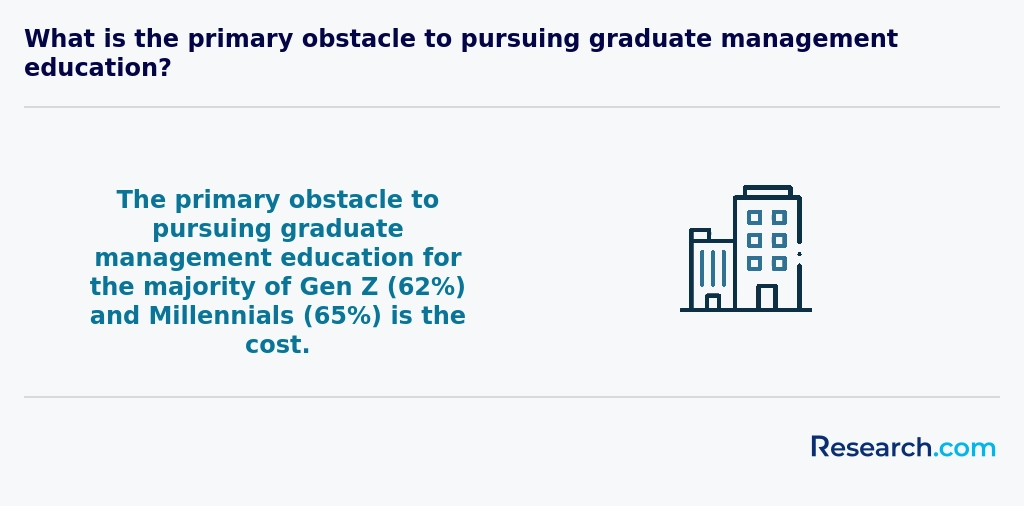
MBA students in Ithaca often face several common challenges. Balancing demanding coursework with professional and personal commitments can be difficult, especially for part-time students who work while studying. The cost of education is another significant hurdle; tuition for MBA programs in the region can exceed $60,000, posing financial strain despite available scholarships and loans.
Networking opportunities, essential for career advancement, may feel limited in Ithaca's smaller business community compared to larger metropolitan areas. Additionally, adjusting to rigorous analytical and quantitative coursework is a frequent obstacle, particularly for students without strong prior experience in finance or statistics. These factors shape the MBA experience locally.
With an MBA degree in Ithaca, graduates can pursue a variety of professional certifications to enhance their credentials and career prospects. Popular options include the Certified Management Accountant (CMA) and Project Management Professional (PMP), both highly respected in business and management fields.
Many Ithaca MBA programs, including those linked to Cornell University, prepare students to meet eligibility requirements for certifications such as the Certified Financial Planner (CFP) and Certified Business Analyst Professional (CBAP). These credentials demonstrate expertise in specialized areas and often lead to higher salaries.
Additionally, an MBA provides foundational skills valued in certifications like the Six Sigma Green Belt, which focuses on process improvement. According to the U.S. Bureau of Labor Statistics, certified professionals typically see improved job security and growth opportunities.
To write a winning application for an MBA program in Ithaca, start by thoroughly researching the specific schools, such as Cornell University's SC Johnson College of Business. Highlight your professional experience clearly, as many programs value leadership and practical skills. Strong recommendation letters and a well-crafted statement of purpose are critical; tailor these documents to demonstrate how the MBA aligns with your career goals. Standardized tests like the GMAT or GRE often remain required, with competitive scores improving your chances. According to U.S. News & World Report (2024), successful candidates typically have a GPA above 3.0 and 3-5 years of work experience.
Emphasize your unique contributions to the cohort and Ithaca's business environment, including any local internships or community engagement. Finally, proofread carefully to avoid errors that may reduce your application's impact. These steps help create a strong, credible application that resonates with admissions committees.
The global perspective on an MBA career highlights its expanding value in an interconnected economy. Graduates with MBAs gain skills that are applicable across international markets, making them attractive to employers worldwide. According to the Graduate Management Admission Council (GMAC), nearly 60% of MBA students seek global career opportunities.
For students in Ithaca, earning an MBA offers access to both local and international networks through schools connected to global alumni. This broadens career options in multinational companies, consulting, and finance. Data from the Ivy League Consortium in New York emphasizes that graduates with global business expertise often earn salaries 20% higher than peers without such skills.
The emphasis on leadership, strategy, and cross-cultural communication in MBA programs equips students to address global challenges. This makes MBA careers highly relevant for those intending to work beyond US borders or serve multinational clients.
Gaining practical experience during an MBA program in Ithaca typically involves internships, consulting projects, and networking events. Many MBA programs in the area, including those affiliated with Cornell University, offer structured internship opportunities lasting from a few months to a semester.
Students can also engage in real-world consulting assignments through university-affiliated business centers, which allow practice applying business theories. Networking events and local business meetups in the Ithaca region further connect students to industry professionals and potential mentors.
According to the U.S. News data on MBA programs in Ithaca, over 70% of MBA students secure internships before graduation, enhancing their real-world skills and employability.
Choosing the right concentration within an MBA program in Ithaca involves understanding your career goals and local industry demands. Ithaca's economy is driven by education, technology, and agriculture, so concentrations like Business Analytics, Entrepreneurship, and Sustainable Business often align well with regional opportunities. According to the U.S. Bureau of Labor Statistics, roles in data analysis and sustainable management are among the fastest-growing sectors nationally, which can be reflected locally in Ithaca.
Many MBA programs in the area, including those affiliated with Cornell University, offer specialized tracks. Researching the curriculum and faculty expertise helps ensure your concentration fits your interests and skill development needs.
Additionally, internships and networking opportunities in Ithaca's business community should influence your decision, as practical experience greatly enhances post-MBA employment prospects.
- 2027 Best MBA Degree Programs Ranking in Rochester
- 2027 Best MBA Degree Programs Ranking in Scranton
- 2027 Best MBA Degree Programs Ranking in Buffalo
- 2027 Best MBA Degree Programs Ranking in Albany
- 2027 Best MBA Degree Programs Ranking in Newark
- 2027 Best MBA Degree Programs Ranking in Bronx
- 2027 Best MBA Degree Programs Ranking in New York
- 2027 Best MBA Degree Programs Ranking in Brooklyn
- 2027 Best MBA Degree Programs Ranking in Philadelphia
- 2027 Best MBA Degree Programs Ranking in New Haven
- Appreciating the Tight Knit Community within the Cornell MBA Program https://mbaschooled.com/2020/04/14/appreciating-the-tight-knit-community-within-the-cornell-mba-program/
- MBA in Entertainment & Media Mgmt - Apply | Ithaca College https://www.ithaca.edu/admission/graduate-admission/apply/mba-entertainment-media-mgmt-apply
- How to Use Your MBA for Career Growth While You’re Still Studying - International Career Institute USA https://icieducation.com/blog/how-to-use-your-mba-for-career-growth-while-youre-still-studying/
- What Work Experience Do You Need For an MBA? | Articles | Unimy https://www.unimy.com/article/blog-mba-preparation-admissions-mba-work-experience
- Follow These 10 Steps To Write Your MBA Application Essays - ApplicantLab https://www.applicantlab.com/blog/10-steps-to-write-your-mba-application-essay/
- MBA Requirements https://www.collegeessayguy.com/blog/mba-requirements
- Why MBA Graduates Embrace Global Perspectives for Career Growth https://www.thehighereducationreview.com/editors-guest/why-mba-graduates-embrace-global-perspectives-for-career-growth-nid-6271.html
- MBA Career Outlook from a Global Perspective Margaret Buj https://interview-coach.co.uk/mba-career-outlook-from-a-global-perspective/
- The Interdisciplinary Advantages of an Executive MBA https://mbagradschools.com/mba-specializations/interdisciplinary-advantages-executive-mba
- Top MBA programs with the best alumni networks in the world - MBA Crystal Ball https://www.mbacrystalball.com/blog/2025/07/07/top-mba-programs-with-the-best-alumni-network-in-the-world/