
2027 Most Popular MBA Degree Programs Ranking in Raleigh

Co-Founder and Chief Data Scientist
Choosing the right MBA program in Raleigh can shape your future career and personal growth. Our article introduces the 2027 Most Popular MBA Degree Programs Ranking in Raleigh, crafted by the Research.com team of data scientists to guide you through the best options available.
Discover programs that match your goals, gain insights into what makes them stand out, and make informed decisions with confidence. Whether you're looking to boost your skills or open new doors, this ranking offers valuable help on your MBA journey.
Key benefits of getting MBA degree in Raleigh
- MBA graduates in Raleigh often see higher earning potential, with typical salaries for business managers and analysts ranging broadly around $80,000 to $120,000 annually in the U.S.
- Graduates from local institutions like North Carolina State University enjoy diverse career paths, including roles in finance, marketing, and management consulting, offering exciting opportunities to advance.
- Obtaining an online MBA from a respected Raleigh university provides flexibility to balance work and study, empowering students to gain valuable skills without pausing their careers.
- 2027 Most Popular MBA Degree Programs Ranking in Raleigh
- What can I expect from MBA degree in Raleigh?
- Where can I work with MBA degree in Raleigh?
What can I expect from MBA degree in Raleigh?
The average cost of pursuing an MBA degree in Raleigh hovers around $30,000 per year for in-state students, particularly at institutions like North Carolina State University's Poole College of Management. This figure might seem daunting at first glance, but many graduates emphasize how the investment aligns with the tangible benefits they experience-such as access to high-demand skills and immediate applicability in their workplace. They often recount juggling part-time courses alongside full-time jobs, appreciating the flexibility Raleigh's programs offer, which softens the financial impact by maintaining steady income streams.
These costs also open doors to rich networking environments unique to the Research Triangle. Graduates describe opportunities to connect with local technology and healthcare leaders as priceless, reflecting how tuition is just one piece of a larger puzzle creating value beyond the classroom. When they consider scholarships and assistantships frequently available here, the actual monetary barrier diminishes, further empowering candidates to pursue ambitious career pivots right from Raleigh.
Where can I work with MBA degree in Raleigh?
Graduates from MBA programs in Raleigh often find themselves stepping into roles where strategic thinking and leadership are not just valued but essential. Imagine a graduate from North Carolina State University navigating a management role at IBM, blending technical know-how with business strategy to drive innovation. The city's tech giants like Cisco and Red Hat actively seek MBAs who can bridge the gap between operations and cutting-edge technology, making this an exciting arena for those craving both challenge and impact.
In healthcare, MBA holders from local programs frequently transition into meaningful positions at places like UNC Health Care or Duke Raleigh Hospital, where they influence financial planning and patient care management. These roles evoke a sense of purpose and achievement, showing how business skills transform critical services.
Finance and banking careers also beckon, with Wells Fargo and regional banks providing fertile ground for MBAs interested in risk management or corporate finance. Here, graduates experience the thrill of navigating complex markets within a stable but dynamic sector. For those connected to Raleigh's education institutions, MBA skills open doors to administrative leadership and program management, enriching the academic community through innovative fundraising and strategic growth initiatives.
Such diverse paths demonstrate that earning an MBA in Raleigh is more than a credential-it's a key to unlocking varied and rewarding career journeys shaped by the city's vibrant economy and educational excellence.
Graduates from MBA programs in Raleigh often find their starting salaries ranging between $70,000 and $90,000, though these numbers can feel like more than just figures on paper. Imagine stepping out of a classroom at a well-known Raleigh university, feeling confident that your leadership skills and strategic insight are immediately valued in the competitive finance or tech industries. For many, this initial compensation reflects the tangible weight of the degree in a market hungry for innovation and management talent.
Mid-career professionals in Raleigh with an MBA typically see salaries upwards of $110,000. Consider the story of a recent graduate turning into a mid-level manager in the Research Triangle Park area, where startups and corporations alike offer enticing packages to retain strategic thinkers. Their paychecks aren't just numbers - they symbolize growth, opportunity, and recognition.
While precise local data from the U.S. Bureau of Labor Statistics is unavailable, reports like PayScale's 2023 data peg mid-career MBA salaries at about $112,000 in Raleigh, showing steady, rewarding career advancement. This progression often springs from both the reputation of Raleigh's top programs and the vibrant business ecosystem connecting graduates with meaningful roles.
- The average cost of an MBA in Raleigh ranges from $30,000 to $70,000, with public universities offering more affordable tuition for in-state students.
- Entry-level MBA graduates can expect starting salaries between $75,000 and $85,000 per year.
- Senior management roles can offer salaries of $120,000 or more within five to ten years of experience.
- Key job sectors for MBA holders in Raleigh include technology, finance, healthcare, consulting, and banking.
- Many MBA programs provide flexible scheduling with part-time, evening, or online options to suit working professionals.
Completing an MBA in Raleigh often challenges the neat timelines we expect. Graduates from North Carolina State University's Poole College of Management frequently reflect on the two-year full-time journey as a transformative phase, balancing rigorous coursework with professional growth. Yet, many find that part-time options-stretching up to four years-offer a welcome flexibility that keeps their careers moving forward without sacrificing ambition.
Others chasing acceleration, like those inspired by the University of North Carolina at Chapel Hill's intensive program nearby, discover the adrenaline of finishing in as little as 12 to 18 months. These graduates describe an intense yet rewarding experience, highlighting how immersion fuels rapid skill acquisition and networking opportunities.
Ultimately, the question "How long does it take?" dissolves into a more personal consideration: how does one balance life, work, and learning? Raleigh's diverse MBA paths remind students that completion time is less about a fixed standard and more about molding an educational journey that fits their unique aspirations and realities.
When deciding on an MBA program in Raleigh, NC, it's essential to consider several factors that will significantly influence your educational and professional trajectories. One of the first steps in this process is to research the most popular mba programs in the area, understanding their curriculum, format, and reputation. This research will help you narrow down your options and find a program that aligns with your career aspirations and personal preferences. Additionally, considering factors such as program length, cost, and available specializations can further guide your decision. By thoroughly evaluating these aspects, you can make an informed decision that sets you up for success in your future career.
Choosing between an online and an on-campus MBA in Raleigh often means weighing flexibility against immersive experience. Graduates from North Carolina State University frequently reflect on the energizing atmosphere of face-to-face classes, where lively discussions with professors and peers spark immediate insight and connections. Meanwhile, online MBA graduates appreciate the freedom to study on their own schedules, balancing coursework with careers and family obligations without sacrificing quality.
For many working professionals, the online format offers a practical path-imagine attending Wake Forest University's rigorous program from your living room, removing commute stress and enabling focus during peak productivity hours. This flexibility is more than convenience; it's an emotional relief that builds confidence and reduces burnout.
However, the traditional campus experience fosters cherished networking moments, like spontaneous brainstorming in classrooms or after-event conversations, vital for future collaborations. Both routes maintain solid accreditation and comparable tuition costs, but students often find value in choosing what aligns best with their lifestyle and aspirations in Raleigh's competitive market.
The average cost of an MBA degree in Raleigh reveals a compelling balance between opportunity and investment. Median figures show that the total cost typically centers around $53,907, with in-state students frequently paying closer to $27,214, illustrating a stark contrast shaped by residency. Graduates from institutions like North Carolina State University's Poole College of Management often reflect on their decision to remain local, valuing the affordability and strong community ties that shape their educational journey. Conversely, those attending private schools in Raleigh recount a richer, more personalized academic environment that, while pricier, offers tangible benefits in terms of mentorship and networking.
Understanding the average MBA degree cost Raleigh shines a light on the financial planning students must undertake. Charges extend beyond tuition; living expenses and materials add layers that influence the real cost. Many graduates recall juggling scholarships, employer sponsorships, and federal aid, all essential to managing this complex equation without sacrificing their goals. Prospective students might also find resonance by exploring alternative routes, such as part-time studies, which are common here and help spread tuition out in manageable increments.
For those benchmarking against other regions, local students often seek guidance by reviewing options at top business colleges in Georgia through resources like top business colleges in Georgia, ensuring their investment aligns with long-term career ambitions and financial realities.

Investing in an MBA program involves both direct costs-tuition, fees, and living expenses-and indirect gains such as salary growth and career advancement. In Raleigh, NC, the average total cost of a two-year full-time MBA ranges from $60,000 to $120,000, yet graduates frequently report starting salaries between $75,000 and $110,000, indicating a typical payback period of 1.5 to 2 years. When calculating ROI, consider the net salary increase post-MBA (often 30–50% above pre-MBA earnings) and factor in employer tuition reimbursement or assistantship stipends. Beyond monetary returns, alumni cite enhanced leadership skills, broader professional networks, and access to executive roles as key intangible benefits. For those comparing program costs and formats, exploring the Cheapest Online Master's in MBA Degree Programs Ranking in Lincoln, NE can uncover budget-friendly alternatives without sacrificing academic rigor. By modeling your expected salary uplift against program expenses and time commitment, you can pinpoint the MBA option in Raleigh that delivers the strongest long-term value.
When pursuing an MBA in Raleigh, financial aid is not just a fallback-it can redefine your entire experience. Graduates from North Carolina State University's Poole College of Management often share how merit-based scholarships transformed their ability to focus on learning rather than worrying about loans. These scholarships, tailored to recognize academic and leadership excellence, sometimes cover substantial portions of tuition, making the daunting cost feel suddenly manageable.
Beyond scholarships, many MBA students in Raleigh navigate employer sponsorships, especially those balancing part-time studies. Imagine working full-time while your company supports your education, expecting your loyalty in return. This arrangement, common among Raleigh professionals, turns an MBA from a financial risk into a strategic investment.
Federal and private loans remain options but require a calculated approach to avoid long-term debt stress. Meanwhile, university-funded assistantships provide both income and invaluable experience, allowing students to engage deeply with their field while easing financial pressure.
Exploring all avenues early, from FAFSA applications to local GMAC fellowships, reveals a surprisingly supportive ecosystem that makes earning an MBA in Raleigh feel attainable and rewarding.
Calculating the ROI of an MBA program is essential for prospective students weighing the long-term benefits against upfront costs. In Raleigh, NC, the average total investment for a two-year full-time MBA-including tuition ($40,000–$80,000) and living expenses ($40,000–$60,000)-ranges from $80,000 to $140,000. With median post-MBA starting salaries between $90,000 and $110,000, graduates can often recoup their investment within 4–6 years. Key factors influencing ROI: • Salary Uplift: MBA alumni report a 25–40% increase in base salary compared to pre-MBA earnings. • Payback Period: Assuming a 30% salary hike, most students break even in under five years. • Career Trajectory: Graduates accelerating into leadership roles (e.g., Director or VP) experience exponential ROI beyond the five-year mark. For those seeking even more cost-effective pathways, consider our Cheapest Online Master’s in MBA Degree Programs Ranking in Lincoln, NE, which highlights programs with lower tuition and flexible schedules that can further improve your financial outlook.
Enrolling in an MBA program in Raleigh demands more than just academic credentials; it requires a blend of proven knowledge, professional grit, and a clear vision. Graduates from local institutions like North Carolina State University often recall that holding a bachelor's degree, regardless of major, was just the starting point. They faced the reality that a solid GPA-around 3.0 or higher-signaled their readiness but didn't guarantee acceptance.
Standardized tests such as the GMAT remain a common hurdle, with Raleigh programs typically seeking scores between 550 and 650. Yet, many applicants found that real-world experience, often two to three years of professional work, truly distinguished them in their cohort and enriched classroom discussions with practical insights.
Beyond numbers, letters of recommendation and personal essays gave these graduates a chance to express their unique motivations and future ambitions, turning an application into a story of potential and passion. Preparing for the financial investment-tuition often ranging from $25,000 to $45,000-also demanded foresight and commitment, reflecting the seriousness of pursuing an MBA in Raleigh.
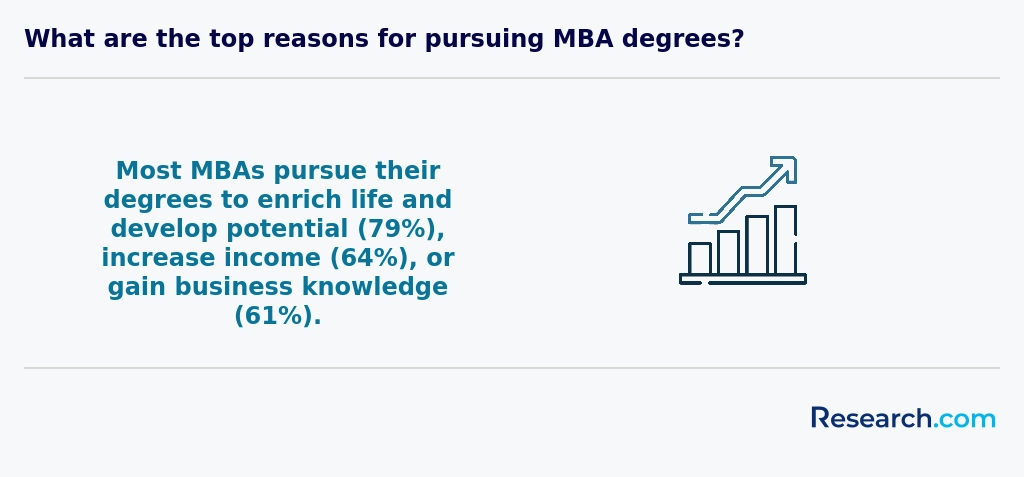
Investing in an MBA is not only a commitment to advancing your education but also a strategic financial decision. Evaluating the return on investment (ROI) is crucial for prospective students in Raleigh, NC, who are weighing tuition costs against the long-term career benefits an MBA can deliver. In this section, we explore factors such as post-graduation salary growth, accelerated career advancement, and the lasting value of networking and skill development. MBA graduates from various local institutions have reported significant salary increases and faster upward mobility in their careers. By comparing the upfront costs of an MBA with the enhanced earning potential and diverse career trajectories, students can make informed decisions that align with both their financial goals and professional aspirations. Moreover, understanding the long-term impact of an MBA involves looking at alumni career successes, industry trends, and the skills that remain in high demand. For instance, prospective students might consider exploring a list of most affordable master of business administration online programs to find options that offer an excellent balance of cost efficiency and quality education. This evaluation not only strengthens the case for pursuing an MBA in a competitive job market but also ensures that graduates are well-prepared to meet the evolving demands of the business world. Ultimately, a thorough ROI analysis helps students assess how an MBA can serve as a catalyst for long-term professional growth, making it a wise investment in a future characterized by enhanced career opportunities and financial stability.
In Raleigh, MBA courses go beyond basic theory to immerse you in practical, real-world business challenges. Graduates from top programs like those at NC State or Campbell University often highlight how core classes such as Financial Accounting, Marketing Management, and Operations Management directly influenced their ability to lead teams and make data-driven decisions in thriving local industries.
These courses don't merely teach concepts; they build intuition for complex organizational behavior and corporate finance issues, reflecting Raleigh's evolving economic landscape. Electives tailored to Technology Management or Healthcare Administration resonate strongly here, given Research Triangle Park's impact on careers. One graduate recalls how projects in Technology Management courses sparked innovative solutions for biotech startups right in their backyard.
Leadership courses sharpen vital skills in communication and ethical negotiation, often through case studies or internships with Raleigh companies. This hands-on approach creates confidence and adaptability, preparing students to navigate the fast-paced and interconnected business world defining the city's unique opportunities.
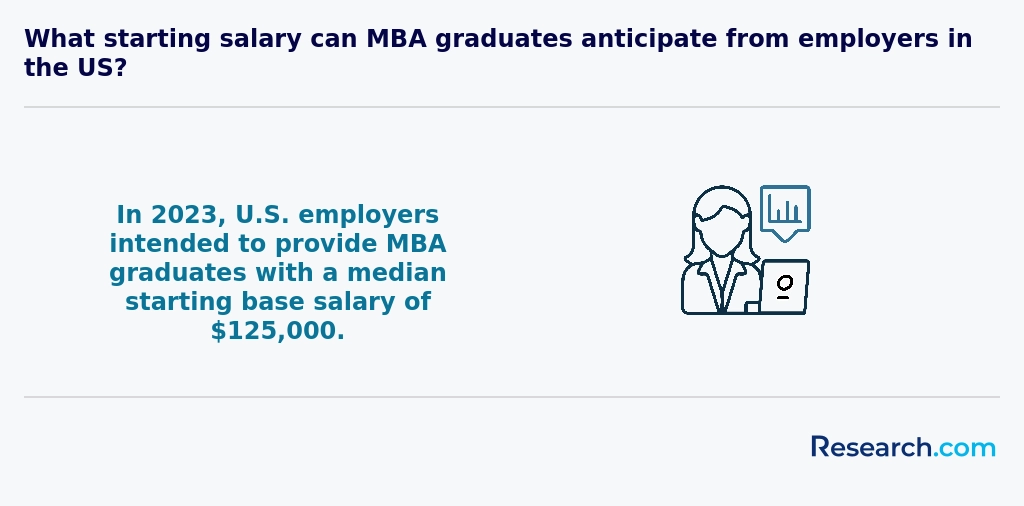
MBA specializations offered in Raleigh reflect the city's dynamic business environment, shaped by its strong ties to technology, healthcare, finance, and entrepreneurship. Graduates from local universities often recall how the Technology Management track prepared them to spearhead innovation in IT startups, blending creativity with real-world problem-solving that goes beyond textbook theory. In healthcare management, students report feeling empowered to take on leadership roles in major hospitals, thanks to Raleigh's dense cluster of medical institutions and research centers.
Raleigh MBA degree concentration options also extend to finance, marketing, entrepreneurship, and supply chain management, each directly linked to thriving local industries. For example, marketing students describe hands-on experiences managing digital campaigns for regional consumer brands, while entrepreneurship graduates thrive amid the city's vibrant startup culture. This spectrum of specializations ensures students are not only academically prepared but emotionally connected to the community where they study.
Many who balance studies with busy schedules appreciate the flexibility of part-time programs, often pairing their MBA with practical work or internships. For those exploring certification alternatives, some graduates find value in online accounting certificate transfer credits to complement their financial expertise, rounding out their professional toolkit seamlessly.
Choosing the best MBA programs in Raleigh NC demands more than just glancing at rankings or tuition figures. Graduates from institutions like North Carolina State University often emphasize how choosing a program with strong ties to local industries-technology, healthcare, and finance-created tangible opportunities for internships and real-world projects. It's not just about the curriculum; it's about how the program connects you to a thriving economic hub.
Consider the way class size influenced one graduate's journey: smaller cohorts allowed for personalized mentorship from professors deeply engaged in both research and industry, making theoretical lessons pulse with real-world relevance. The flexibility of part-time and online options also plays a crucial role, accommodating working professionals who refuse to sacrifice career momentum for education.
Cost remains a practical factor but should be weighed alongside career support and employment outcomes to ensure true value. For those balancing finances and ambition, exploring public universities offering affordable MBA degrees Raleigh residents find manageable can be a game changer. Students also often explore alternative pathways by checking online colleges for STEM degrees that complement their MBA pursuits in this competitive market.
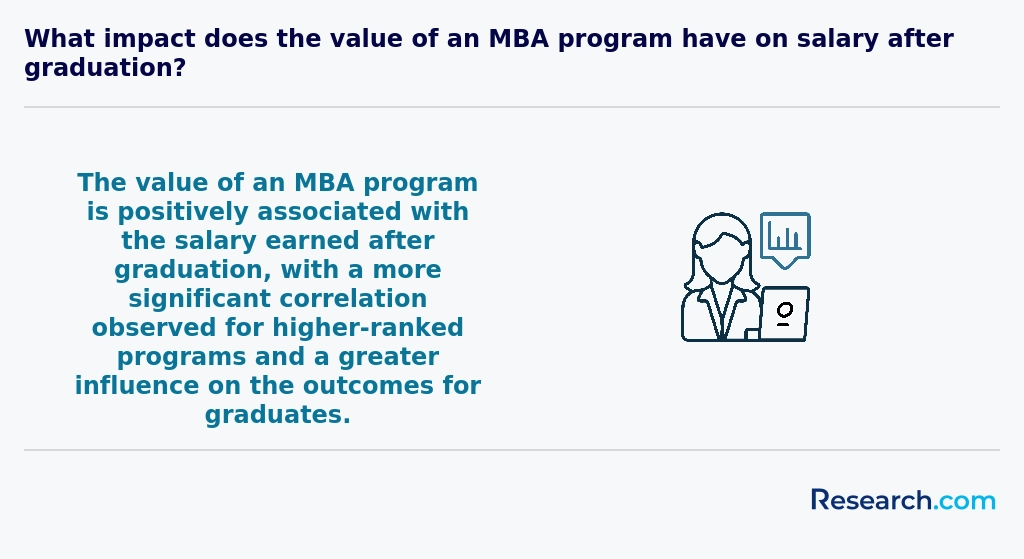
What career paths are available for an MBA degree in Raleigh challenge traditional boundaries when considering the city's unique ecosystem. Graduates from institutions like North Carolina State University often discover roles beyond the usual finance or consulting tracks-some become innovators within Raleigh's thriving startup culture, blending entrepreneurial spirit with strategic vision. This dynamic environment means an MBA here isn't just a degree; it's a gateway to becoming a transformative leader in industries ranging from healthcare administration to product management.
The real excitement lies in how MBA students immerse themselves in Raleigh's diverse sectors. For example, graduates report feeling empowered stepping into operations management roles in manufacturing firms or leading marketing strategies in tech companies. Raleigh MBA degree job prospects clearly reflect the region's robust economy, where each opportunity blends analytical rigor with creative problem-solving, creating more than just a job, but a fulfilling career journey.
Many also leverage experiential learning through programs connecting them with local businesses or marketing degree internships, deepening practical skills while building valuable networks that open doors to strategic roles.

The job market for MBA degree holders in Raleigh challenges the notion that business degrees only yield limited local opportunities. Graduates from popular universities here often find themselves in dynamic roles at companies like IBM or Red Hat, thriving within a city that places high value on strategic thinking and leadership. Many from part-time or online MBA programs speak of a tangible boost in career momentum, seamlessly balancing work and study while tapping into Raleigh's expanding sectors.
Employment opportunities for MBA graduates Raleigh-wide reflect a thriving ecosystem, especially in IT, healthcare administration, and financial services. These sectors actively seek graduates who combine management skills with deep technical awareness, aligning with evolving business needs. Locally, salaries typically range from $75,000 to $95,000, affirming Raleigh's competitive edge for MBA holders compared to national trends.
Graduates also highlight the unmatched networking potential born from the Research Triangle's rich business community, where connections often lead to leadership roles. For those exploring options, the most popular mba programs in the region offer tailored paths that fit diverse career ambitions and lifestyles.
2027 Most Popular MBA Degree Programs Ranking in Raleigh
Investing in your education is a significant decision that can shape your future, and the Research.com team understands the importance of making informed choices. To assist prospective students in Raleigh, we have meticulously crafted the "2027 Most Popular MBA Degree Programs Ranking in Raleigh." Our commitment to quality, credibility, and accuracy is reflected in the extensive research and analysis conducted to compile this ranking.
We utilized the following reputable data sources to ensure a comprehensive evaluation of MBA programs:
By exploring this ranking, readers will gain valuable insights into the most popular MBA programs in Raleigh, empowering them to make well-informed decisions when selecting the best fit for their career aspirations. For more details on our methodology, please visit our Research.com methodology page.


Frequently Asked Questions About MBA
MBA students in Raleigh can maximize their learning by actively engaging with both academic and professional opportunities offered locally. Raleigh hosts several reputable universities, including North Carolina State University, which offers strong connections to the Research Triangle Park, a hub for business innovation. Utilizing internships in this area helps students gain practical experience alongside coursework.
Networking is crucial. Students should participate in local business clubs and events to connect with industry professionals and alumni. According to the Graduate Management Admission Council, such engagement improves job placement rates for MBA graduates.
Additionally, leveraging online and hybrid course options allows flexibility while maintaining access to diverse faculty expertise. Collaborative projects and case competitions hosted in the region further sharpen critical thinking and leadership skills.
Emerging niches within the MBA field reflect the evolving business landscape, particularly in Raleigh, a growing hub for technology and innovation. Specializations like Data Analytics, Supply Chain Management, and Sustainability are gaining prominence. The McKinsey Global Institute highlights that demand for analytics skills in business has increased by over 40% nationwide, and Raleigh's expanding tech sector drives local interest in these areas.
Another rising niche is Healthcare Management, important due to Raleigh's strong healthcare industry. The Bureau of Labor Statistics projects healthcare management jobs to grow 32% by 2030. Additionally, Entrepreneurship and Innovation remain popular as Raleigh fosters startups and small businesses. These niches prepare students for the future market needs in Raleigh and beyond.
Preparing for the job market after completing an MBA degree in Raleigh involves several key steps. Graduates should leverage the strong local business network, including companies in technology, finance, and healthcare, which dominate the region's economy. According to the Raleigh Chamber of Commerce, over 60% of MBA graduates find employment within six months.
Networking is crucial; attending local business events and joining professional organizations like the Triangle Business Journal's CEO Council can expand contacts. Additionally, utilizing career services at Raleigh-area universities can help tailor resumes and develop interview skills. Internships and real-world projects during the MBA provide practical experience highly valued by employers in the Triangle area.
Employers in Raleigh increasingly value MBA graduates who possess strong leadership and strategic thinking skills. According to data from the Graduate Management Admission Council (GMAC), effective communication and problem-solving abilities rank among the top competencies sought after in the U.S. business job market.
In Raleigh's growing business hub, proficiency with data analytics and financial acumen is critical. Local employers in industries such as technology and finance emphasize adaptability and digital literacy, reflecting national trends reported by the National Association of Colleges and Employers (NACE).
Networking and team collaboration are also vital, given Raleigh's emphasis on startup culture and innovation. Employers prefer graduates who can manage cross-functional teams and drive results in dynamic environments.
Finding internships in Raleigh relevant to an MBA degree involves leveraging several local resources and networks tailored for business students. Many MBA programs at Raleigh institutions, such as North Carolina State University, offer career services that connect students with internships at leading companies in technology, finance, and healthcare sectors.
Professional networking platforms, including LinkedIn, are widely used by MBA candidates to find internships. Engaging with Raleigh-based business groups and attending local job fairs can also increase internship opportunities. The Research Triangle Park area hosts many corporations seeking MBA interns, providing a dynamic local job market.
According to the U.S. Bureau of Labor Statistics, internships significantly improve employment prospects post-MBA, making early and active engagement crucial in Raleigh's competitive environment.
In Raleigh, earning an MBA significantly enhances career mobility and advancement opportunities. The city's growing economy and concentration of industries such as technology, finance, and healthcare create strong demand for business professionals with advanced management skills. According to the Bureau of Labor Statistics, Raleigh's managerial occupations are projected to grow by over 10% between 2022 and 2032, faster than the national average.
Holding an MBA from a local institution often connects graduates with the city's wide network of corporate employers through internships and alumni relations. This networking advantage helps MBA holders access leadership roles more quickly compared to those with only undergraduate degrees.
Additionally, data from the Graduate Management Admission Council (GMAC) highlights that MBA graduates in urban centers like Raleigh typically see salary premiums of 25-35% compared to bachelor's degree holders. This premium reflects the increased responsibility and opportunities afforded by the degree in the local market.
Studying for an MBA degree in Raleigh equips students with the skills needed to excel in interdisciplinary roles by combining business knowledge with insights from technology, healthcare, and finance sectors. Raleigh's universities emphasize practical learning and collaboration across departments, reflecting the region's diverse economic landscape. According to the 2023 Raleigh Business Education Report, over 70% of MBA programs here include cross-disciplinary projects that prepare students to manage teams with varied expertise.
Raleigh's growing tech and healthcare industries provide real-world opportunities for MBA candidates to gain exposure beyond traditional business disciplines. Courses often integrate data analytics and innovation management, crucial for leadership in multidisciplinary environments.
Additionally, networking events foster connections among professionals from multiple sectors, reinforcing adaptable leadership skills essential for today's dynamic workplaces.
Choosing between a thesis and a non-thesis MBA program in Raleigh depends on your career goals and learning preferences. Thesis MBA programs focus on research, requiring students to produce an original academic paper. This option suits those considering a future in academia or research-intensive roles. According to the NC State Poole College of Management, thesis tracks often demand more time and analytical work.
Non-thesis MBA programs prioritize coursework and practical experience, appealing to professionals aiming for leadership roles in business. These programs are typically completed faster and are common in Raleigh's business schools, such as those at Meredith College and NC Central University.
Cost and program length vary, so review each school's offerings carefully. Data from the AACSB highlights that non-thesis programs attract about 70% of MBA candidates nationwide, reflecting a preference for applied skills.
Students based in Raleigh seeking to study for an MBA abroad have several pathways to consider. Many opt for exchange programs through local institutions like North Carolina State University, which partners with universities worldwide to offer global MBA experiences. According to the Graduate Management Admission Council, about 20% of U.S.-based MBA candidates consider international study to enhance global business perspectives.
Some students pursue dual-degree options that combine study in Raleigh with time at international campuses, allowing immersion in different business cultures. Others select fully online global MBA programs accredited by U.S. agencies, providing flexibility while earning a respected degree. Understanding visa requirements and accreditation ensures the degree's recognition in the U.S. job market.
Raleigh offers diverse part-time job opportunities that align well with MBA studies. Many MBA students find roles in financial services, consulting firms, and marketing agencies, which help develop practical skills alongside academic knowledge. According to the Raleigh Chamber of Commerce, the city's strong presence of startups and established corporations creates ample openings in business analysis and project management positions.
Positions such as business analyst interns, market research assistants, and financial advisors provide hands-on experience relevant to MBA curricula. These roles often offer flexible hours suited for part-time students balancing coursework.
Furthermore, Raleigh's expanding tech sector, highlighted in CBRE's 2023 report, increases demand for MBA graduates in operations and strategic planning roles.
MBA students in Raleigh benefit from a range of strong networking opportunities that can support their career development. Local universities like NC State University offer access to business clubs, alumni events, and career fairs that connect students with professionals across industries. The Research Triangle Park nearby hosts many corporate partners often involved in MBA panels and internships.
Additionally, professional organizations such as the Raleigh Chamber of Commerce and the Triangle Business Journal host regular networking events tailored to business students. According to NC State data, over 80% of MBA graduates found job opportunities through professional networking within six months of graduation.
Alumni networks play a crucial role for MBA students in Raleigh by offering valuable professional connections and mentorship opportunities. Graduates from local programs often remain active, helping current students access internships and job openings in the competitive Research Triangle job market.
These networks facilitate knowledge sharing about industry trends, with many alumni working in finance, healthcare, and tech sectors predominant in Raleigh. According to the Graduate Management Admission Council (GMAC), 85% of MBA graduates nationwide credit alumni networks for improving their career prospects.
Moreover, Raleigh-based alumni groups often host events and workshops, providing hands-on learning experiences outside the classroom. For prospective students, connection to these networks can significantly enhance career growth and local business insight.
In Raleigh, customizing an MBA degree program to fit your career goals often begins with selecting a specialization. Many local universities offer concentrations such as Finance, Marketing, Technology Management, and Healthcare Administration. This helps tailor your expertise to specific industries.
Another option is choosing between part-time, full-time, or online MBA formats, allowing flexibility for working professionals. Some programs include internships or consulting projects with Raleigh-based companies, providing practical experience aligned with your goals.
Advisors also help craft individual learning paths by selecting electives. According to the Raleigh Chamber of Commerce, over 20% of MBA students engage in experiential learning, enhancing career-specific skills.
MBA students in Raleigh commonly face challenges related to balancing rigorous coursework with professional and personal responsibilities. Many programs require 20 to 24 credit hours per semester, demanding substantial time commitment. According to data from Raleigh-based universities, roughly 60% of MBA students juggle full-time jobs alongside studies.
Financial pressures also affect students, with average tuition fees for local MBA programs ranging between $40,000 and $80,000. Managing costs while maintaining quality of life is a frequent concern.
Furthermore, adapting to fast-evolving business technologies and networking in a competitive job market add to the challenges. Effective time management and accessing academic support resources become critical for success.
Graduates with an MBA degree in Raleigh have access to several professional certifications that enhance career prospects. Common options include the Project Management Professional (PMP), which complements skills in leadership and organization. The Certified Management Accountant (CMA) is another respected credential, especially valuable for MBA holders focusing on finance and accounting.
The Certified Financial Planner (CFP) certification suits MBAs aiming for roles in personal financial advising. Additionally, many pursue the Certified Business Analysis Professional (CBAP) to bolster expertise in strategic planning and analysis.
Local data from Wake County workforce reports highlights a growing demand for PMP holders, reflecting Raleigh's expanding tech and business sectors.
Writing a winning application for an MBA program in Raleigh starts with understanding the competitive nature of these programs. Schools like North Carolina State University and Duke University offer strong MBA options attracting hundreds of applicants annually. According to the Graduate Management Admission Council, a well-crafted personal statement that clearly communicates professional goals and leadership qualities is essential.
Applicants should highlight relevant work experience, as many Raleigh programs prefer candidates with 3-5 years in business or related fields. Strong GMAT or GRE scores remain a critical factor, with averages for Raleigh schools often above the national mean of 550. Additionally, securing recommendation letters from supervisors who can attest to your skills and potential adds credibility.
Lastly, demonstrating knowledge about the local business environment, especially Raleigh's thriving tech and finance sectors, can distinguish your application. Tailoring essays to reflect how the MBA will help address local industry challenges shows both research and genuine interest.
The global perspective on an MBA career reflects a strong demand for leadership and management skills across industries. In the U.S., especially for students in Raleigh, an MBA is seen as a key to accessing diverse opportunities domestically and abroad. According to the Graduate Management Admission Council (GMAC), about 75% of MBA graduates work internationally or in companies with global operations.
Raleigh's growing economy and connections to global industries such as technology, healthcare, and finance enhance the value of an MBA. Many top regional employers prefer candidates with an MBA for roles involving strategic planning and international business, making the degree a significant asset.
Furthermore, networking opportunities during an MBA program in Raleigh often extend globally, connecting students to a broad alumni base and multinational corporations. This global reach is a noteworthy advantage for graduates targeting careers beyond local markets.
Gaining practical experience while pursuing an MBA in Raleigh is achievable through various approaches. Many local programs encourage internships with prominent companies in the Research Triangle Park, which hosts over 300 tech and biotech firms. These internships provide valuable real-world exposure and networking opportunities. Additionally, Raleigh-based MBA students can participate in consulting projects and case competitions organized by their schools, focusing on current business challenges. Raleigh's universities often collaborate with local businesses, allowing students to apply classroom knowledge practically. According to the Graduate Management Admission Council, 70% of MBA students seek internships to enhance career readiness, a trend reflected in Raleigh's dynamic market.
Choosing the right concentration within an MBA program in Raleigh starts with evaluating your career goals. Raleigh offers a variety of business sectors including technology, healthcare, and finance, so selecting a concentration aligned with these local industries can enhance your job prospects. According to the U.S. Bureau of Labor Statistics, the Research Triangle Park area around Raleigh has seen growth in tech-related jobs by over 10% in recent years.
Consider your prior experience and interests as well. Popular MBA concentrations in Raleigh include Finance, Marketing, and Supply Chain Management. Schools like NC State and Meredith College offer specialized tracks reflecting regional market demands.
It's also advisable to review program curriculum and faculty expertise to ensure you'll gain relevant skills and networking opportunities. Local internship availability is another practical factor impacting your choice.
- 2027 Most Popular MBA Degree Programs Ranking in Charlotte
- 2027 Most Popular MBA Degree Programs Ranking in Washington
- 2027 Most Popular MBA Degree Programs Ranking in Baltimore
- 2027 Most Popular MBA Degree Programs Ranking in Savannah
- 2027 Most Popular MBA Degree Programs Ranking in Macon
- 2027 Most Popular MBA Degree Programs Ranking in Atlanta
- 2027 Most Popular MBA Degree Programs Ranking in Cincinnati
- 2027 Most Popular MBA Degree Programs Ranking in Jacksonville
- 2027 Most Popular MBA Degree Programs Ranking in New York
- 2027 Most Popular MBA Degree Programs Ranking in Louisville
- MBA Specializations Overview | OnlineMBA.com https://www.onlinemba.com/mba-careers/specializations/
- 2026 MBA Entry-level Jobs in Raleigh, NC | WayUp https://www.wayup.com/s/entry-level-jobs/mba/raleigh-nc/
- Know more about thesis vs non- thesis: what is the difference? https://studyfans.com/en/blogs/816
- MBA Career Outlook from a Global Perspective Margaret Buj https://interview-coach.co.uk/mba-career-outlook-from-a-global-perspective/
- Verifying that you are not a robot... https://krea.edu.in/ifmrgsb/top-5-emerging-career-paths-for-mba-graduates/
- 10 Highest-Paying MBA Specializations in 2026 (With Salary Data) - Paris School of Management (PSM) https://www.psm-paris.fr/en/10-highest-paying-mba-specializations-in-2026/
- How To Write An MBA Admissions Essay That Stands Out? https://www.personalmbacoach.com/mba-essay-guiding-principles/
- Follow These 10 Steps To Write Your MBA Application Essays - ApplicantLab https://www.applicantlab.com/blog/10-steps-to-write-your-mba-application-essay/
- Why MBA Graduates Embrace Global Perspectives for Career Growth https://www.thehighereducationreview.com/editors-guest/why-mba-graduates-embrace-global-perspectives-for-career-growth-nid-6271.html
- Future-Proof Your Career with an MBA in India : MIT-WPU Blog https://mitwpu.edu.in/blog/emerging-specialisations-in-mba---how-to-future-proof-your-business-career-in-india


