
2027 Most Popular MBA Degree Programs Ranking in Washington

Co-Founder and Chief Data Scientist
Choosing the right MBA program can shape your future career and open new doors in Washington's dynamic job market. This article introduces the 2027 Most Popular MBA Degree Programs Ranking in Washington, crafted by the Research.com team of data scientists to help you make informed decisions.
Discover which programs are highly regarded and how an MBA can boost your skills, confidence, and opportunities. Whether you're starting your journey or considering a change, this guide offers valuable insights to support your educational goals.
Key benefits of getting MBA degree in Washington
- MBA graduates in Washington typically see strong salary prospects, with average salaries for business-related roles in the US ranging from $80,000 to over $120,000 annually, reflecting excellent earning potential. This financial boost can make your investment in education very rewarding.
- Career paths for MBA holders often include roles such as management consultant, financial manager, or marketing director-positions that many graduates from universities like the University of Washington have successfully attained, offering diverse and exciting opportunities.
- Obtaining an MBA online from a respected local school allows flexibility to balance work and study, plus the chance to learn at your own pace, much like graduates from Washington State University who have found it easier to advance their careers without pausing their income.
- 2027 Most Popular MBA Degree Programs Ranking in Washington
- What can I expect from MBA degree in Washington?
- Where can I work with MBA degree in Washington?
What can I expect from MBA degree in Washington?
The average cost of an MBA degree in Washington varies notably based on the type of institution and enrollment status. Graduates attending public universities such as Washington State University typically encounter annual tuition fees between $30,000 and $50,000 for in-state students. This range often proves manageable for many, especially when combined with scholarships or employer tuition assistance, which several students successfully leverage to reduce their financial burden.
Private institutions in Washington generally have higher tuition, often exceeding $60,000 annually, reflecting the premium on highly specialized and flexible MBA curricula they offer. Students at the University of Washington's Foster School, for example, often find the investment balances well with access to extensive networking opportunities and strong program reputation, which frequently leads to swift employment and salary increases post-graduation.
Many MBA candidates appreciate the value gained from practical internship placements and collaboration with regional tech and business leaders. This real-world exposure supports graduates feeling confident and well-prepared to contribute effectively in Seattle's competitive market, offsetting the tuition costs through meaningful career advancement.
Where can I work with MBA degree in Washington?
Graduates with an MBA from institutions such as the University of Washington's Foster School of Business frequently secure roles in leading Seattle-based companies like Amazon, Microsoft, and Boeing. These corporations highly value the leadership and strategic skills developed through rigorous MBA programs and often recruit for positions in business development, project management, and finance.
Many graduates also find rewarding opportunities within Washington's expanding healthcare sector, joining organizations such as Providence Health & Services in roles focused on healthcare administration and consulting. The practical experience gained through internships offered by local business schools strengthens graduates' candidacies for these dynamic positions.
Others pursue careers in the region's vibrant startup ecosystem, especially in cities like Seattle, where entrepreneurship and innovation thrive. Here, MBA holders leverage their expertise to launch ventures or take on strategic roles in emerging companies.
Moreover, Washington's financial services firms offer strong prospects in financial analysis and risk management, with local MBA programs providing tailored networking events that connect students directly to industry leaders, enhancing job placement success.
MBA graduates in Washington can typically expect median annual salaries ranging from $90,000 to $130,000, depending on their industry and experience. Entry-level professionals often start near $80,000, while those with several years of experience or working in leadership roles can earn $120,000 or more. In business hubs like Seattle, top executives with MBAs may secure salaries exceeding $150,000.
Graduates from esteemed programs at universities such as the University of Washington Foster School of Business often report salary increases post-graduation, with many moving into roles like product managers or business development managers. These positions frequently offer annual compensation between $110,000 and $140,000, especially in the thriving tech sector dominated by companies like Amazon and Microsoft.
Beyond tech, MBA holders working in finance, consulting, or healthcare administration in Washington generally earn between $90,000 and $130,000, reflecting solid demand across fields. Urban areas like Bellevue also tend to provide higher pay scales due to their dynamic business markets and elevated living costs.
- MBA tuition in Washington ranges from $35,000 to $70,000, with public universities offering lower costs for in-state students and private schools charging higher fees.
- Early-career MBA graduates in Washington earn an average salary of about $85,000 annually, which is above the national average for MBA holders.
- Experienced MBA professionals in fields like technology, finance, and consulting can earn over $130,000 per year in Washington.
- Seattle and nearby areas provide many job opportunities for MBA holders, especially in tech and finance, with unemployment rates lower than the state average.
- MBA programs usually last about two years full-time, with part-time and online options available for working students.
- Accreditation by recognized bodies like AACSB is important for ensuring program quality and better recognition in the job market.
The typical duration to complete an MBA degree in Washington depends heavily on the program format and the student's lifestyle. Graduates from traditional full-time programs, such as those at the University of Washington Foster School of Business, often take around two years, blending an intensive 60-credit curriculum that balances core subjects with elective specializations. This pathway appeals to those eager to immerse themselves fully and graduate promptly.
For working professionals, part-time MBA options offered by institutions like Seattle University and Gonzaga University extend the journey to three or four years. These graduates appreciate the flexibility to balance studies with career demands, progressing steadily without sacrificing work commitments. Many recount a rewarding experience managing their time effectively while enhancing professional skills.
Accelerated programs, including the University of Washington's Professional MBA, enable completion in 12 to 18 months. Though challenging due to year-round study and heavier workloads, these programs attract ambitious students who thrive under pressure and seek rapid advancement. Online MBA students enjoy even greater pacing flexibility, sometimes extending studies up to five years to align with personal needs.
Embarking on your MBA journey in Washington, DC begins with a well-organized application process. Prospective students should start by researching each program’s specific requirements, including application deadlines, standardized test scores, and supporting documents. It’s essential to plan your timeline, as the process can take several months from preparation to submission. Key steps include: • Defining clear career objectives and researching programs that best align with your goals. • Gathering and preparing necessary documents such as academic transcripts, recommendation letters, and your resume. • Scheduling and preparing for standardized tests like the GMAT or GRE, if required. • Crafting a compelling personal statement or essay that highlights your leadership skills and career aspirations. • Attending informational webinars or campus tours to gain insights into campus culture and networking opportunities. For those exploring cost-effective educational options, you might also be interested in learning more about what is the most affordable master of business administration online program available. By following these structured steps and planning ahead, you can ensure that your application stands out in the competitive landscape of MBA programs in Washington, DC.
Online and on-campus MBA programs in Washington differ primarily in their delivery and student experience. Graduates from the University of Washington's traditional on-campus MBA often recall the vibrant energy of face-to-face lectures, immediate access to campus resources like libraries and career centers, and spontaneous networking that happens outside the classroom. This environment fosters strong professional relationships and hones communication skills through group projects and in-person discussions.
Conversely, online MBA students, such as those enrolled at Seattle University's program, value the flexibility to study asynchronously around work and family commitments. They appreciate the ability to learn at their own pace without commuting, while still engaging through virtual events and interactive forums. Though online students have limited access to physical campus resources, they often develop independence and time management skills that are crucial in business leadership roles.
The cost range in Washington varies accordingly, with on-campus programs typically costing between $40,000 and $70,000, while online options may be more affordable, ranging from $30,000 to $60,000. Both formats offer rigorous curricula tailored to prepare students for dynamic careers in business.
Evaluating the return on investment (ROI) of an MBA program in Washington, DC, requires balancing tuition costs, living expenses, and projected salary growth. On average, full-time MBA tuition in DC ranges from $60,000 to $200,000, while graduates report median starting salaries between $90,000 and $120,000. When assessing ROI: • Payback Period: – Calculate total program cost (tuition + fees + living expenses) versus incremental salary bump. – With a $150,000 investment and a $30,000 annual salary increase, you can expect a 5-year payback period. • Net Present Value (NPV): – Discount future earnings using a conservative rate (e.g., 5%) to determine the true value of your degree. – Positive NPV projects significant long-term gains, especially in high-growth sectors like consulting and finance. • Comparison to Alternative Markets: – Prospective students concerned about cost can review our Most Affordable Online Master’s in MBA Degree Programs Ranking in New York, NY to benchmark tuition savings and online flexibility against DC’s on-campus programs. Maximizing ROI involves leveraging employer tuition assistance, scholarships, and part-time or online formats to reduce upfront costs. Additionally, targeting specializations with high demand-such as data analytics or healthcare management-can accelerate salary growth and shorten your payback window. By conducting a thorough cost-benefit analysis and exploring both local and online options, you’ll ensure your MBA investment delivers the highest possible returns.
The average MBA degree cost in Washington reflects a balanced investment for many prospective students. The median total cost for completing an MBA is approximately $40,680, with in-state students benefiting from lower median fees around $31,210. This aligns well with experiences shared by recent graduates of popular programs, such as those at the University of Washington, where residents often highlight the value gained through accessible tuition combined with strong regional business connections.
Graduates frequently express satisfaction with the return on investment, especially given the comprehensive curriculum and networking opportunities available. However, non-residents can expect tuition costs closer to the median out-of-state figure, which is around $40,680, emphasizing the importance of residency status in budgeting. This total cost generally includes tuition but students should also anticipate additional expenses such as books, technology, and living costs while enrolled in their program.
Those researching the total cost of MBA programs Washington 2027 should consider the wide variety of program formats, from full-time to executive MBAs, each with different financial implications. Many find financial aid and scholarships instrumental in reducing net expenses. Prospective students seeking a local perspective often consult rankings like the most popular mba school to gauge program reputation alongside costs.
Understanding these factors helps students plan realistically and approach their MBA journey in Washington with confidence and enthusiasm.
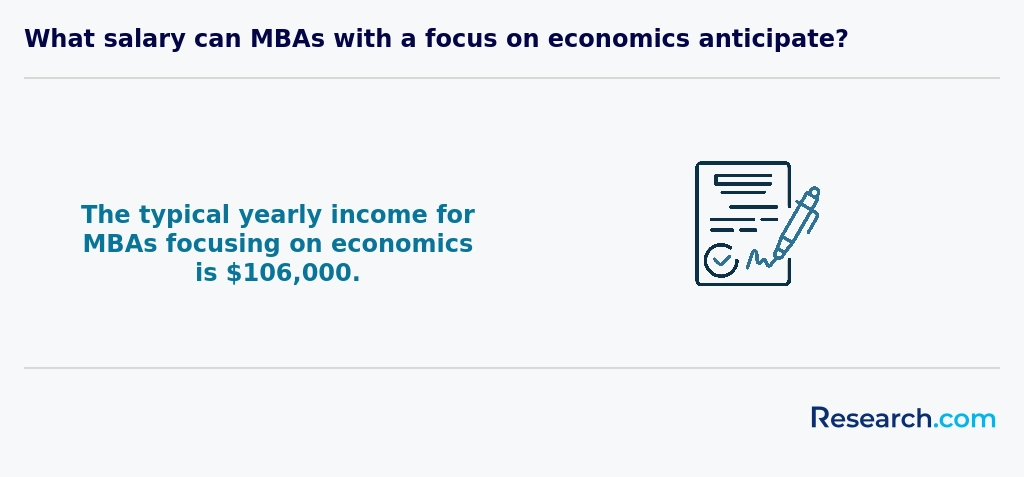
Investing in an MBA in Washington, DC demands careful consideration of long-term returns. Graduates from local programs typically incur average debt loads of $70,000–$100,000, yet starting salaries range from $80,000 to $120,000, yielding a payback period of roughly three to five years. By comparing tuition costs, living expenses, and potential earnings, candidates can forecast their breakeven point and long-term financial gain. Key factors influencing ROI include:
- Total Program Cost: Combining tuition, fees, and living expenses often exceeds $150,000 at private institutions; public universities can reduce this by 20–40%.
- Salary Uplift: On average, MBA holders see a 50% increase in pre-MBA earnings within two years of graduation, driven by roles in consulting, finance, and executive management.
- Payback Period: Calculated by dividing total debt by annual salary increase; a shorter period indicates stronger ROI potential.
- Opportunity Cost: Full-time students forgo income during study, while part-time or online formats allow continued earnings and accelerate ROI. To maximize value, applicants should weigh experiential learning-such as capstone projects and internships-against program costs. Networking with alumni can also unlock high-salary opportunities more quickly. For those prioritizing affordability without sacrificing quality, consider exploring our Most Affordable Online Master's in MBA Degree Programs Ranking in New York, NY to benchmark cost-effective pathways.
MBA students in Washington have access to various financial aid options that help mitigate the substantial costs associated with top programs such as those at the University of Washington's Foster School of Business. Many graduates recall relying on federal financial aid, including Direct Unsubsidized Loans and Graduate PLUS Loans available through FAFSA, to bridge gaps between tuition and living expenses. While direct grants are scarce for MBA students, state-specific aid like the Washington College Grant can assist those meeting eligibility criteria, although it is more commonly geared toward undergraduates.
Scholarships at Washington institutions often reward academic excellence, leadership, and diversity, offering vital support for motivated students. Graduates frequently highlight how these merit-based awards from schools like Foster eased their financial burden significantly during their studies. Additionally, employer tuition assistance programs are instrumental for working professionals pursuing part-time or executive MBAs, enabling many to advance careers while studying.
When other aids fall short, private loans become an option, though graduates advise careful comparison due to varying interest rates and repayment terms. These financial tools collectively create a feasible path for ambitious students seeking an MBA in Washington.
When considering an MBA program in Washington, DC, it's essential to evaluate several factors to ensure the chosen program aligns with your career aspirations and personal goals. One of the crucial steps is to research and understand the different types of MBA programs available, including full-time, part-time, and online options. Each type of program has its advantages and disadvantages, and selecting the right one depends on your current commitments, learning style, and future plans. For instance, full-time programs offer an immersive experience with intense networking opportunities, while part-time programs provide flexibility for working professionals. Online programs, on the other hand, offer the convenience of studying from anywhere, which can be particularly appealing for those with tight schedules or living outside of DC. To find the most popular mba school in Washington, DC, prospective students should also look into accreditation, curriculum, cost, and employment prospects. Accreditation ensures the program meets certain standards of quality, and the curriculum should cover essential business disciplines as well as offer specializations that match your career interests. Understanding the cost and return on investment is also vital, as MBA programs can vary significantly in terms of tuition fees and the financial aid options available. Lastly, researching the employment prospects and the program's track record in placing graduates in their desired fields can provide insights into the potential outcomes of attending a particular MBA program in Washington, DC. By carefully evaluating these factors, prospective students can make an informed decision and choose an MBA program that sets them up for success in their future careers.
To enroll in an MBA program in Washington, candidates typically must hold a bachelor's degree from an accredited institution, though the field of study need not be strictly business. For example, graduates from the University of Washington's Foster School of Business often share that their diverse academic backgrounds enriched class discussions.
Standardized tests such as the GMAT or GRE are commonly required, yet many schools in Washington are embracing test waivers, valuing professional experience as equally important. This shift allows applicants with meaningful work history, like those from Seattle University's MBA program, to showcase their leadership growth instead of test scores.
Work experience is essential, usually ranging from two to five years full-time. Graduates recount how their prior roles provided practical insights that deepened their learning at institutions like Gonzaga University. Managerial experience is especially prized in part-time or executive MBA tracks.
Applicants must prepare comprehensive materials, including a detailed resume, strong recommendations, personal essays, and transcripts. These elements collectively reveal an applicant's motivation and readiness for rigorous study in Washington's competitive MBA landscape.

MBA programs in Washington typically feature core courses that develop essential business competencies crucial for leadership roles. Graduates from top institutions like the University of Washington often highlight how classes in Financial Accounting and Managerial Accounting equipped them to interpret complex financial statements, enhancing their confidence when making budget decisions in real-world settings.
Marketing Management courses are designed to deepen understanding of customer behavior and strategic branding, which alumni recall applying directly during internships at local tech startups. Operations Management helps students learn to streamline processes, a skill praised by graduates working in aerospace firms around Seattle.
Organizational Behavior fosters insight into team dynamics and leadership, often illustrated through vivid case studies reflecting Washington's diverse corporate culture. Corporate Finance and Business Strategy courses prepare students to make high-stakes investment and competitive decisions, mirroring challenges faced by many graduates entering consulting roles in the region.
Electives such as technology management and entrepreneurship further tailor the MBA experience to Washington's innovation-driven economy, ensuring students emerge ready to lead in dynamic industries.
In Washington, MBA programs offer a diverse range of concentrations catering to the state's dynamic economy, ensuring students gain relevant expertise. Popular MBA specializations in Washington state include Technology Management, where graduates from institutions like the University of Washington's Foster School of Business leverage the tech hub environment to excel in innovation leadership. Healthcare Management is another prominent focus, reflecting the strength of Seattle's healthcare and biotech sectors, and enables graduates to manage complex medical organizations effectively.
Finance remains a critical specialization, with students mastering investment banking and corporate finance vital to the Seattle metropolitan area's financial market dynamics. Entrepreneurship programs are tailored to Washington's thriving startup environment, equipping graduates with essential skills to launch new ventures. Additionally, Supply Chain and Operations Management is emphasized due to the state's significant port operations and manufacturing industries, preparing students for strategic operational roles. These Washington MBA degree program concentrations combine core business principles with specialized electives, fostering confident professionals ready to contribute meaningfully to their industries.
For those exploring cost-effective options, it is beneficial to research what is the most affordable master of business administration online program available. This ensures gaining quality education aligned with career ambitions without compromising financial planning.
Choosing the best MBA programs in Washington 2027 involves assessing accreditation, cost, program format, and alignment with career goals. Graduates from the Foster School of Business at the University of Washington often highlight the value of its AACSB accreditation, which boosts credibility and opens doors in competitive industries.
Consider tuition ranges carefully, as costs can total between $50,000 and $70,000, but students have found relief through scholarships and employer support. Part-time or online programs offer flexibility for those balancing work and study, enabling many to maintain income while advancing their education.
Many MBA graduates appreciate the strong emphasis on technology management and entrepreneurship, reflecting Washington's booming tech sector. The region's ties to companies like Microsoft and Amazon provide unparalleled networking and internship opportunities. For those seeking affordable options or remote learning, reviewing the Most Affordable Online Master's in MBA Degree Programs Ranking in New York, NY can also offer insightful comparisons beyond local offerings.
Identifying an MBA that aligns with your professional passion and financial situation is crucial to making the most of your investment in education.
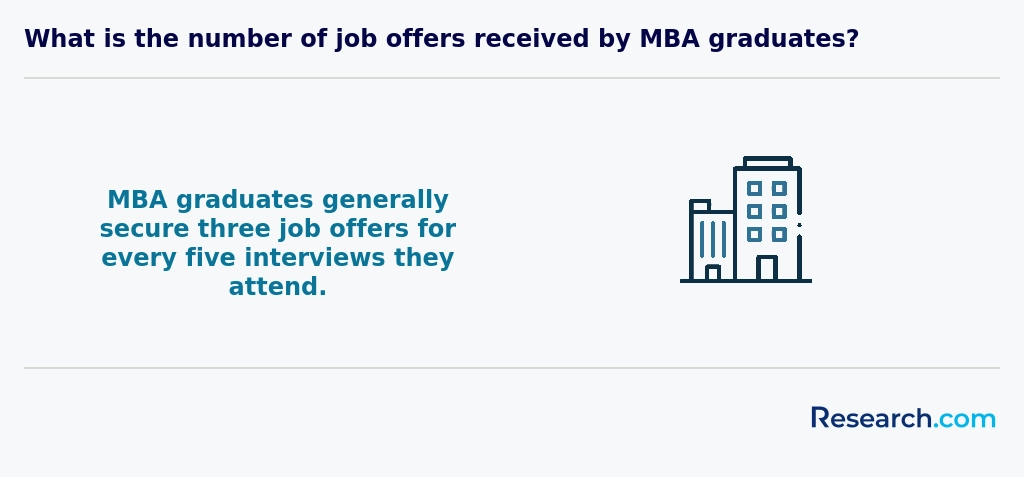
Graduates with an MBA degree in Washington find a wealth of career paths across diverse sectors, leveraging their advanced skills in leadership and management. Many move into management roles within the technology sector, working in strategic planning and product management at major Seattle-based corporations such as Amazon and Microsoft. Healthcare administration offers another vital avenue, with graduates playing key roles in the state's extensive medical networks and hospitals. Financial services, including investment banking and corporate finance, also attract Washington MBA holders, providing dynamic and rewarding opportunities.
Entrepreneurship is a growing field where graduates utilize their business acumen to launch startups or expand small businesses amid Washington's vibrant local economy. Similarly, supply chain and operations management positions are in demand, especially given Seattle's importance as a global trade hub. These varied options illustrate the strong MBA career opportunities in Washington state and highlight the practical advantages for graduates from universities such as the University of Washington, who benefit from a competitive tuition and a robust job market.
For those exploring affordable options, resources like the Most Affordable Online Master's in MBA Degree Programs Ranking in New York, NY can offer guidance on cost-effective study paths complementing local opportunities.
The MBA job market outlook in Washington is strong, fueled by the state's dynamic economy and key industry sectors including technology, aerospace, healthcare, and finance. Graduates from well-regarded MBA programs in Washington report positive career experiences, often securing leadership roles at firms headquartered in Seattle like Amazon, Microsoft, and Starbucks. These companies value strategic thinking and operational expertise, commonly seeking MBA holders for management and corporate strategy positions.
Management roles such as marketing managers, financial managers, and operations managers are in high demand with increasing growth forecasts from state labor reports. Many graduates from prominent universities in Washington find themselves well-prepared to compete, given their enhanced skills in leadership, data analysis, and financial management. This favorable environment contributes to a competitive advantage and an encouraging outlook for career opportunities for MBA graduates Washington.
Salary prospects in Washington reflect this robust market, with median wages for key management positions exceeding national averages. When evaluating potential ROI, it is vital to weigh tuition costs that range broadly from $30,000 to over $70,000 depending on the program. Prospective students may also explore high paying certification programs to complement their MBA and further enhance career potential.
2027 Most Popular MBA Degree Programs Ranking in Washington
Investing in your education is a significant decision that can shape your future, and the Research.com team understands the importance of making informed choices. To assist prospective students in Washington, we have meticulously crafted the "2027 Most Popular MBA Degree Programs Ranking in Washington." Our commitment to quality, credibility, and accuracy is reflected in the extensive research and analysis conducted to compile this ranking.
We utilized the following reputable data sources to ensure a comprehensive evaluation of MBA programs:
By exploring this ranking, readers will gain valuable insights into the most popular MBA degree programs available in Washington, helping them make informed decisions about their educational and career paths. For more details on our methodology, please visit our Research.com methodology page.


# 8 position
University of the Potomac-Washington DC Campus
Master of Business Administration

# 9 position
University of the District of Columbia
Master of Business Administration

# 10 position
Strayer University-District of Columbia
Master of Business Administration

Frequently Asked Questions About MBA
Students pursuing an MBA degree in Washington can maximize their learning by actively engaging in both academic and practical experiences. Many top programs in the state emphasize internships and real-world projects, which allow students to apply theories directly to business challenges. According to the Graduate Management Admission Council, networking with local businesses in Seattle, a major economic hub, significantly enhances professional opportunities.
Utilizing university career centers and participating in workshops on leadership and analytics also boosts skill development. Washington's diverse economy offers access to industries like technology, aerospace, and finance, providing valuable case studies and connections. Additionally, joining student organizations focused on entrepreneurship or consulting can build teamwork and leadership abilities critical to MBA success.
The MBA field is rapidly evolving with several emerging niches gaining popularity among students in Washington. One significant trend is the growth of tech-focused MBAs, driven by the region's booming technology sector. These programs often emphasize data analytics, artificial intelligence, and digital innovation, reflecting demand from local employers like Microsoft and Amazon.
Another growing area is sustainable business, where MBA curricula integrate environmental, social, and governance (ESG) principles. This aligns with increasing corporate responsibility trends nationwide.
Additionally, healthcare management MBAs are expanding, responding to Washington's thriving medical and biotech industries. The Washington State Employment Security Department notes a 10% growth in healthcare administration roles through 2028.
These niches offer specialized skills that match the state's economic landscape and job market needs, helping MBA graduates stand out.
After earning an MBA in Washington, effective job market preparation begins with leveraging local resources. The state hosts several career fairs and networking events, particularly in Seattle, where 70% of MBA graduates find employment within six months, according to the Graduate Management Admission Council (GMAC).
Strengthening your LinkedIn profile and connecting with Washington-based alumni can open doors to companies like Amazon, Microsoft, and Boeing, which frequently recruit MBA talent.
Engaging in internships and consulting projects during your studies enhances practical skills highly valued by employers in consulting, technology, and finance sectors dominant in the region.
Additionally, taking advantage of university career services and participating in professional development workshops will improve interview skills and industry knowledge.
Employers in Washington highly value MBA graduates who demonstrate strong leadership and strategic thinking skills. According to the Graduate Management Admission Council's 2023 report, 72% of hiring managers in the Pacific Northwest prioritize candidates with advanced problem-solving abilities. Effective communication is also crucial, as MBA graduates often bridge gaps between technical teams and executives.
Financial acumen and data analysis are increasingly important due to Washington's growing tech and finance sectors. Skills in project management and adaptability to fast-paced environments rank highly, reflecting the dynamic nature of local industries. Networking capability and cultural awareness further enhance employability in this diverse market.
Finding internships in Washington relevant to an MBA degree involves leveraging both university resources and the region's strong business network. Many top Washington business schools, such as the University of Washington Foster School of Business, offer dedicated career services that connect MBA students to internships with local firms, including tech giants and financial institutions.
Additionally, Washington's thriving economy provides diverse internship opportunities across industries like technology, healthcare, and government. Websites like Handshake and LinkedIn are popular platforms for MBA students to find internships. According to a 2023 National Association of Colleges and Employers report, 65% of MBA students secure internships through university partnerships in Washington State.
Professional networking events, alumni connections, and involvement in local business organizations such as the Seattle Metropolitan Chamber of Commerce also greatly enhance internship prospects.
An MBA degree in Washington significantly enhances career mobility and advancement opportunities. According to the National Center for Education Statistics, MBA graduates in Washington report a 20-30% higher likelihood of moving into leadership roles within five years post-graduation. Employers in key industries such as technology, finance, and healthcare frequently seek professionals with advanced business skills cultivated in MBA programs.
The state's strong economy and presence of multinational companies create a competitive market where an MBA can differentiate candidates. Additionally, data from the Graduate Management Admission Council shows that 65% of MBA graduates in Washington receive promotions within three years, compared to 40% of their non-degree peers.
The degree also facilitates lateral moves into emerging fields like data analytics and entrepreneurship, broadening career paths substantially.
Studying for an MBA degree in Washington equips students with essential skills for interdisciplinary roles by emphasizing collaboration across various business functions. Many programs integrate coursework in finance, marketing, operations, and technology, fostering versatility. According to the Graduate Management Admission Council (GMAC), Washington-based MBA programs often include experiential learning through projects with local industries, enhancing real-world problem solving.
Additionally, Washington's diverse economic sectors-from technology to government-offer MBA students networking opportunities that promote cross-sector understanding. This blend prepares graduates to manage teams with varied expertise effectively.
Such programs also emphasize leadership and communication skills critical for interdisciplinary management. Overall, an MBA in Washington develops a well-rounded skill set tailored to today's complex business environments.
When choosing between a thesis and a non-thesis MBA program in Washington, consider your career goals and learning preferences. Thesis programs typically require original research and are suited for those interested in academic or research-oriented roles. Non-thesis tracks focus more on practical skills through coursework, appealing to professionals aiming for industry positions.
In Washington, universities like the University of Washington offer both paths, with thesis options often extending the program by about six months. According to the National Center for Education Statistics, approximately 30% of MBA graduates in Washington in 2022 completed a thesis-based program, reflecting a solid interest in research-focused studies.
Cost and time commitment also differ; thesis MBAs may involve additional tuition and resources for research. Non-thesis programs tend to be more flexible and suited for working professionals. Ultimately, evaluate whether you prefer independent research or applied learning.
Students based in Washington seeking to study MBA degrees abroad have multiple pathways to consider. Many U.S. institutions in Washington, such as the University of Washington, offer exchange programs and partnerships with international business schools. These opportunities allow students to gain global experience without leaving their home degree program. According to the Graduate Management Admission Council (GMAC), nearly 40% of U.S. MBA candidates explore international study options to enhance their career prospects.
Additionally, Washington residents can apply directly to accredited MBA programs overseas, especially in Europe and Asia, where programs often last one year and may be more affordable. Financial aid and scholarships sponsored by U.S. organizations or foreign universities can support these studies. Networking with alumni from local universities who pursued MBA abroad is also a practical approach to gather firsthand information.
Part-time job opportunities in Washington that complement MBA education are plentiful, especially in the state's strong business and technology sectors. Many MBA students find roles in financial services, marketing, and management consulting beneficial for applying classroom concepts to real-world situations. According to the Washington State Department of Commerce, Seattle ranks among top U.S. cities for business growth, creating roles in startups and established firms where MBA skills are valued.
Internships or part-time positions with organizations such as Amazon, Microsoft, and local financial institutions provide practical experience in leadership and strategic planning. Moreover, nonprofit organizations often seek part-time managerial roles, allowing MBA candidates to develop project management and operational skills.
Networking through local business associations and university-sponsored career centers also enhances access to relevant opportunities. Employment in roles involving data analysis, business development, or supply chain management aligns closely with MBA curricula, boosting both skill development and employability in Washington's competitive job market.
Washington offers robust networking opportunities for MBA students, leveraging its diverse economy and strong business community. Many MBA programs in the state, such as those at the University of Washington and Seattle University, provide access to alumni networks exceeding 50,000 professionals, fostering connections across industries like technology, finance, and healthcare.
Students regularly benefit from events including career fairs, company visits, and speaker series featuring executives from major local firms like Microsoft and Amazon. According to the Graduate Management Admission Council, 85% of MBA graduates in Washington reported that networking played a crucial role in their job search, highlighting its importance in the region.
Additionally, Washington's growing startup ecosystem enables MBA candidates to engage with entrepreneurs, venture capitalists, and innovation hubs, expanding professional contacts beyond traditional corporate environments.
Alumni networks play a crucial role in supporting MBA students in Washington by providing valuable connections for career advancement. Graduates from MBA programs such as the University of Washington Foster School of Business gain access to a network of over 30,000 alumni worldwide. This network often facilitates mentorship, job referrals, and industry insights, which are key for navigating the competitive job market. According to the Graduate Management Admission Council, 85% of MBA graduates secure employment within three months, a figure partly attributed to strong alumni engagement. Such networks also enable students to participate in exclusive events and workshops, enhancing professional growth.
Customization of MBA programs in Washington allows students to tailor their education to meet specific career goals. Many universities offer flexible concentrations such as finance, marketing, technology management, or entrepreneurship. For example, the University of Washington's Foster School of Business provides more than 20 elective courses, enabling specialization in areas like data analytics or healthcare management.
Part-time, online, and executive MBA options are also widely available, giving professionals the ability to balance work and study. According to the Graduate Management Admission Council, about 40% of MBA candidates in Washington seek programs that incorporate experiential learning, including internships and consulting projects. This practical focus aligns education with real-world business challenges, enhancing job readiness.
Many MBA students in Washington face significant challenges balancing rigorous coursework with personal and professional commitments. According to data from the Graduate Management Admission Council (GMAC), over 65% of MBA candidates nationwide juggle full-time jobs while studying, and this trend is particularly relevant in Washington's competitive business environment.
Financial concerns are also prominent. The average MBA program in Washington can cost upwards of $50,000 per year, excluding living expenses, which places substantial pressure on students seeking loans or employer sponsorship.
Networking and gaining practical experience pose challenges as well. Despite Seattle and other cities offering vibrant business communities, building meaningful connections requires time and strategic effort, which can be difficult alongside demanding academic schedules.
With an MBA degree in Washington, graduates have the opportunity to pursue various professional certifications that can enhance career prospects. Common certifications include the Project Management Professional (PMP), which is valuable in multiple industries and recognized globally. Another option is the Certified Management Accountant (CMA), ideal for those focused on finance and accounting roles. Additionally, the Certified Financial Planner (CFP) is popular for MBA holders targeting financial planning careers.
Washington's strong business environment supports professionals seeking these credentials, with many institutions offering preparatory courses. According to the Graduate Management Admission Council, 45% of MBA graduates consider certifications crucial for advancement.
These qualifications complement the broad skill set gained through an MBA and cater to various specializations, supporting career growth in the region's competitive market.
To write a winning application for an MBA program in Washington, start by carefully researching each school's specific requirements and culture. Many top programs, such as the University of Washington Foster School of Business, value demonstrated leadership and professional experience. Highlight these in your resume and essays.
Strong GMAT or GRE scores remain important; the average GMAT for admitted students at Foster is around 690. Be sure to tailor your personal statement to explain your career goals and why an MBA in Washington aligns with them.
Letters of recommendation should come from professional supervisors who can attest to your skills and potential. Finally, prepare thoroughly for interviews, as they assess fit and communication skills crucial for success in local business environments.
The global perspective on a career with an MBA is largely shaped by the degree's versatility and value across industries. Graduates from MBA programs in Washington benefit from a strong U.S. business environment, with many schools emphasizing international business, leadership, and technology management.
According to the U.S. Bureau of Labor Statistics, MBA holders in business and financial operations roles earn a median annual wage of over $77,000, and this figure tends to be higher in metropolitan hubs like Seattle and Washington, D.C.
Washington MBA programs often integrate global case studies and partnerships, preparing students for cross-border challenges. Employers worldwide recognize MBAs from U.S. institutions for their analytical and strategic skills, enhancing career prospects both domestically and abroad.
Industry data from GMAC suggests that 30-35% of MBA graduates pursue careers outside the United States, underscoring the global demand for these skills. These trends highlight the career mobility and international opportunities accessible through Washington's MBA programs.
Gaining practical experience while studying for an MBA in Washington is achievable through multiple avenues. Many universities in the state offer internships connected to local industries, allowing students to apply classroom knowledge in real-world settings. For example, the Greater Seattle area is home to major companies like Amazon and Microsoft, which often provide internship opportunities to MBA candidates. According to the Graduate Management Admission Council (GMAC), about 80% of MBA students nationally report internships as a key part of their education.
Additionally, experiential learning programs such as consulting projects, case competitions, and practicum courses are popular among Washington MBA programs. These hands-on experiences help students build problem-solving and leadership skills.
Networking events hosted by business schools further connect students with industry professionals, creating mentorship and job shadowing opportunities.
Choosing the right concentration within an MBA program in Washington involves assessing your career goals and the region's economic landscape. Industries such as technology, aerospace, and healthcare are dominant, so specializations like Technology Management, Operations, or Healthcare Administration may provide advantages. According to the Washington State Employment Security Department, the Seattle metropolitan area alone has a 5% projected job growth in business and financial roles through 2028.
Evaluate how each concentration aligns with in-demand skills or leadership roles in Washington-based firms. Many local MBA programs also offer networking opportunities specific to regional sectors, which can be critical for career advancement.
Finally, consider faculty expertise and internship availability within your chosen concentration to maximize practical experience during your studies.
- 2027 Most Popular MBA Degree Programs Ranking in Arlington
- 2027 Most Popular MBA Degree Programs Ranking in Baltimore
- 2027 Most Popular MBA Degree Programs Ranking in Wilmington
- 2027 Most Popular MBA Degree Programs Ranking in Harrisonburg
- 2027 Most Popular MBA Degree Programs Ranking in Philadelphia
- 2027 Most Popular MBA Degree Programs Ranking in Allentown
- 2027 Most Popular MBA Degree Programs Ranking in Bethlehem
- 2027 Most Popular MBA Degree Programs Ranking in Virginia Beach
- 2027 Most Popular MBA Degree Programs Ranking in Lynchburg
- 2027 Most Popular MBA Degree Programs Ranking in Scranton
- Top MBA programs with the best alumni networks in the world - MBA Crystal Ball https://www.mbacrystalball.com/blog/2025/07/07/top-mba-programs-with-the-best-alumni-network-in-the-world/
- LIS MBA Programme | Apply Now for Our Innovative MBA https://www.lis.ac.uk/mba
- Skills Employers Look for in Business Graduates – EU Business School https://www.euruni.edu/blog/skills-employers-look-for-in-business-graduates/
- What Work Experience Do You Need For an MBA? | Articles | Unimy https://www.unimy.com/article/blog-mba-preparation-admissions-mba-work-experience
- Master of Business Administration - School of Business https://www.uwb.edu/business/graduate/master-of-business-administration
- Verifying that you are not a robot... https://krea.edu.in/ifmrgsb/top-5-emerging-career-paths-for-mba-graduates/
- Tips for Writing an MBA Program Essay - GMAT Ninja https://www.gmatninja.com/articles/mba-admissions/essays-and-applications/minimizing-mba-application-essay-agony/
- How to Use Your MBA for Career Growth While You’re Still Studying - International Career Institute USA https://icieducation.com/blog/how-to-use-your-mba-for-career-growth-while-youre-still-studying/
- Master of Business Administration (M.B.A.) Major in Business Administration (General Flex Non-thesis Option) https://mycatalog.txstate.edu/graduate/mccoy-business-administration/business-genflex-nonthesis-mba/
- 6 Tips to Make the Most of Your MBA Experience https://mbaschooled.com/2020/01/14/6-tips-to-make-the-most-of-your-mba-experience/


