2027 Best MBA Degree Programs Ranking in Salem

Co-Founder and Chief Data Scientist
Choosing the right MBA program in Salem can be overwhelming. To help you navigate this important decision, this article presents the 2027 Best MBA Degree Programs Ranking in Salem. Developed by the Research.com team of data scientists, the ranking offers clear, data-driven insights to guide your selection.
Reading this article will give you a trusted resource to find programs that match your goals. Earning an MBA can open doors to exciting career opportunities and personal growth. Discover which programs stand out and take a confident step toward your future.
Key benefits of getting MBA degree in Salem
- While specific salary data for MBA-related jobs in Salem is not available, MBA graduates in the US typically enjoy rewarding careers with average salaries ranging from $70,000 to over $120,000 annually, reflecting strong earning potential.
- Graduates from Salem State University's MBA program often pursue careers in marketing, finance, or management, opening doors to leadership roles in local businesses and beyond.
- Completing an MBA online through Salem State University offers flexibility and convenience, allowing busy professionals to balance work and study without sacrificing career advancement opportunities.
- 2027 Best MBA Degree Programs Ranking in Salem
- What can I expect from MBA degree in Salem?
- Where can I work with MBA degree in Salem?
What can I expect from MBA degree in Salem?
The average cost of pursuing an MBA degree in Salem typically falls between $25,000 and $45,000 for the entire program, depending on whether students choose full-time or part-time enrollment and the specific institution they attend. For example, graduates from Salem's prominent universities often reflect on balancing the tuition expenses with financial aid or assistantships, which many found accessible and helpful in offsetting costs.
One graduate shared how studying part-time allowed them to maintain employment while advancing their degree, making the overall investment more manageable despite the upfront tuition rates. Others noted that the hands-on learning components, like internships arranged through local industry connections, added real value beyond the price tag, enhancing their confidence and job prospects in healthcare administration or technology sectors prevalent in Salem.
These experiences suggest that while the sticker price may seem significant, the flexible formats and networking opportunities in Salem's MBA programs can provide meaningful returns. However, prospective students should carefully evaluate program features alongside costs to ensure the investment aligns with their professional goals and financial situation.
Where can I work with MBA degree in Salem?
Many MBA graduates from Salem's well-regarded institutions find themselves employed in diverse sectors, reflecting the city's multifaceted economy. For instance, graduates from local colleges often step into healthcare management roles at places like Salem Health, overseeing hospital operations or financial planning. This sector's growth is encouraging, yet it requires adaptability to the complexities of healthcare administration.
Others leverage their MBA skills in manufacturing or tech companies around Salem, handling project or supply chain management. The proximity to Portland broadens these prospects, but demands continuous learning to stay competitive in a larger market. Graduates frequently share how collaboration across business units sharpens their expertise.
Public administration also attracts MBA holders, with roles in budgeting and policy analysis in local government. Working here offers stability and a chance to influence community outcomes, though it can involve navigating bureaucratic challenges.
Some graduates pursue consulting or entrepreneurship, using their MBA networks in Salem to guide small businesses or launch startups. These paths are rewarding but call for resilience and creativity amid market uncertainties.
MBA graduates in Salem, including those from popular institutions like Willamette University, generally start with salaries between $65,000 and $75,000 annually. This range reflects entry-level roles where graduates are building foundational skills and gaining practical experience. For example, a recent MBA graduate working in healthcare administration reported satisfaction not only with the salary but also with the growth opportunities the local market offers.
As one gains five to ten years of experience, mid-career salaries often rise to between $90,000 and $120,000. Graduates from Salem State College pursuing finance or business strategy roles note that leadership responsibilities in mid-level management often drive this increase. The variation depends on factors such as industry specialization and economic trends in Salem's business community.
Senior positions, including Director or Vice President roles, can see salaries exceeding $130,000 annually. Executives in Salem highlighted by local surveys emphasize that bonuses and profit-sharing significantly enhance total compensation, reinforcing that salary figures are only part of the earnings picture.
While national data varies, these local trends illustrate that an MBA from Salem-area schools can be rewarding both financially and professionally, encouraging graduates to leverage regional industry connections for career advancement.
- The cost of an MBA in Salem ranges from $25,000 to $60,000, depending on the institution and residency status.
- Recent MBA graduates typically earn about $65,000 per year, with salaries rising to around $95,000 after five to ten years.
- High-demand industries for MBA holders include healthcare administration, technology, finance, and public administration.
- Many Salem MBA programs offer part-time or online options to accommodate working professionals.
- Programs usually hold accreditation from agencies like AACSB or ACBSP, ensuring quality and employer recognition.
- Local partnerships with business organizations help provide internships, mentorships, and job opportunities.
The time to complete an MBA degree in Salem varies notably based on program format and student circumstances. Graduates from Willamette University's MBA program often mention the traditional full-time track takes about two years, providing a balanced yet intensive experience. This duration fits well for students who can commit fully without work distractions.
For those juggling jobs, part-time options at institutions like George Fox University in Salem extend the timeline to around three years. Graduates appreciate this pace for allowing them to apply learning directly to their careers while managing family or work obligations. Though longer, it's a manageable, less stressful path.
Alternatively, some students choose accelerated MBAs, completing degrees in 12 to 18 months. This route demands year-round commitment and heavier course loads. Many Salem graduates describe this as challenging yet exhilarating, especially when aiming to quickly gain skills and re-enter the workforce.
Online or hybrid formats add another layer of flexibility, letting students tailor their pace further, which influences total completion time. However, prerequisites or added internships might extend studies beyond typical ranges.
To further assist prospective MBA students in Salem, VA, in their search for the ideal program, it's essential to consider the affordability of these degrees. When exploring options, students often find that comparing costs and financial aid packages is crucial. For those seeking the most economical choices, researching the cheapest mba programs in virginia can provide valuable insights. This approach not only helps in managing expenses but also in making informed decisions about investments in higher education. By understanding the financial aspects and available affordable options, students can better navigate their MBA journey in Salem, VA.
Online and on-campus MBA programs in Salem differ primarily in delivery and experience. Graduates from Salem's universities often highlight how on-campus programs offer rich face-to-face interactions, fostering genuine relationships with peers and professors. These connections often lead to stronger networking and easier access to campus perks like libraries, career fairs, and student groups, making their learning deeply immersive.
Conversely, online MBA learners appreciate the flexibility to balance studies with work or family life. A common experience shared by remote students involves managing coursework asynchronously, accessing recorded lectures, and engaging in virtual discussions, which can be a game-changer for busy professionals in Salem seeking career advancement without relocating.
Cost also influences choice: on-campus programs in Salem frequently charge $30,000 to $50,000, while online options often start near $25,000, reflecting savings on campus facilities. Despite these differences, graduates emphasize that academic rigor remains consistent, with both formats providing practical projects-though on-campus students might find more hands-on internship opportunities readily available.
Beyond academics and curriculum, the overall MBA experience in Salem, VA is enriched by a vibrant campus culture and abundant networking opportunities that play a critical role in professional success. Prospective students can expect a dynamic blend of academic rigor with social interactions through student clubs, business competitions, and industry networking events that foster strong professional relationships and real-world experience. Engaging with peers during extracurricular activities often leads to collaborative projects, internships, and mentorship opportunities, all of which contribute to personal development and career advancement. Moreover, many institutions offer career centers and alumni networks that regularly host webinars and in-person meetups, enabling students to connect directly with industry leaders in fields such as finance, consulting, and technology. For those seeking cost-effective pathways, some programs are complemented by options like an inexpensive online mba no gmat, which provide flexibility without compromising professional networking or academic quality. Embracing these aspects of student life not only enriches the educational journey but also lays a strong foundation for long-term career growth and industry connections.
The average cost of an MBA degree in Salem reflects a moderate investment compared to national figures, with median total costs around $37,233. For local students, in-state tuition typically lowers this to about $24,514, making programs at public institutions more affordable. Graduates from well-known Salem colleges often point out that understanding these costs upfront helped them balance financial commitments with their career goals effectively.
However, when assessing the total MBA program expenses Salem students might face, it's essential to remember tuition is just one component. Additional fees, study materials, and potential forgone income if attending full-time can substantially increase the overall financial outlay. Many MBA candidates share experiences of juggling part-time studies, especially through programs offered by local universities, which allow maintaining a salary while earning the degree.
Private programs or specialized tracks typically come with higher price tags, occasionally exceeding national averages, reflecting the additional value some students place on prestige or niche expertise. Those exploring accelerated options may find it worthwhile to look into Salem's selection of part-time or online formats, where students often express satisfaction with the flexibility and cost management opportunities-some accessing financial aid or employer support.
Prospective students interested in flexible scheduling and reducing expenses might consider Salem's fastest executive MBA online offerings. Many alumni highlight how such options allowed them to complete their degree efficiently while continuing professional advancement, confirming that the average MBA degree cost Salem learners face can be navigated strategically to align with personal circumstances.
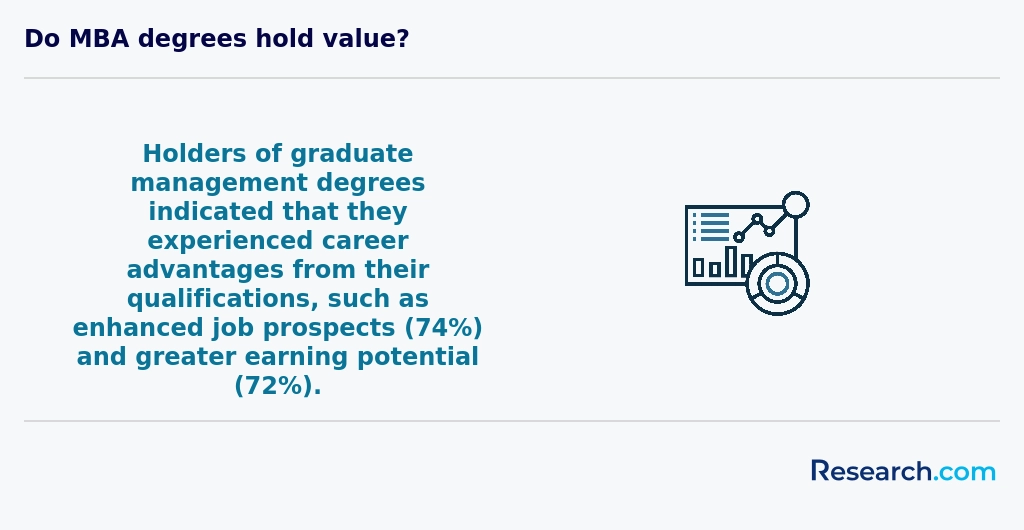
Pursuing an MBA in Salem, VA, represents a significant financial commitment, but the long-term returns often justify the upfront investment. On average, graduates report salary increases from approximately $60,000 pre-MBA to over $90,000 within two years of completing their degree, translating to a payback period of roughly 2–3 years based on program tuition of $40,000–$60,000. Key factors influencing ROI include specialization choice, pre-MBA work experience, and networking opportunities-consulting and finance tracks typically yield the highest returns, while healthcare management and technology management offer steady growth with moderate initial investments. To optimize your return:
- Compare total cost of attendance against projected post-MBA salaries.
- Leverage alumni networks and career services to accelerate job placement.
- Evaluate flexible formats-part-time or online options may reduce opportunity costs by allowing continued full-time employment.
- Seek merit-based scholarships and assistantships to lower net tuition. For prospective students weighing program expenses against outcomes, our analysis of Low Cost MBA Degree Programs Ranking in Tampa, FL can offer additional perspective on maximizing ROI through cost-effective pathways.
MBA students in Salem commonly rely on federal student loans such as Direct Unsubsidized Loans and Grad PLUS Loans, which provide fixed interest rates and flexible repayment options. Many graduates from Willamette University recall the relief of securing these loans early, which allowed them to focus on studies without constant financial stress.
Local universities like Willamette and Corban University also offer scholarships and graduate assistantships. These awards can be competitive but rewarding, often covering tuition and including stipends for research or teaching roles. Alumni often highlight how assistantships not only eased financial burdens but enriched their academic experience via hands-on learning.
For working professionals, employer tuition reimbursement in Salem is a practical aid. A graduate from Corban mentioned how their company's support made it feasible to pursue their MBA part-time without sacrificing income or career growth.
Additionally, private scholarships from Oregon-based groups can supplement aid, though these require early application and careful timing. Graduates emphasize starting the process months ahead to maximize opportunities and reduce uncertainty.
Planning your MBA application well in advance is crucial to securing a spot in one of Salem, VA’s top programs. Aim to follow this timeline: • 12 months before enrollment: Research program prerequisites and accreditations; attend info sessions; update your resume and LinkedIn profile. • 9–10 months before: Register for the GMAT or GRE; begin structured test prep and schedule your exam date. • 8 months before: Draft your personal statement, aligning career goals with Salem’s business ecosystem; request recommendation letters from supervisors or professors who can attest to your leadership potential. • 6 months before: Finalize transcripts and test scores; complete the FAFSA to access federal aid; research scholarship and assistantship opportunities. • 4 months before: Submit applications before priority deadlines (often December–January for fall intake); verify that all materials are received. • 2 months before: Prepare for admissions interviews by practicing common questions; attend virtual or in-person pre-admission events. • 1 month before: Confirm your enrollment, submit any required deposits, and explore housing or commuting options. Admissions Tips: 1. Customize Your Essays: Highlight how Salem’s case-based learning approach and local industry partnerships align with your professional ambitions. 2. Showcase Regional Fit: Emphasize community involvement or internships in the Roanoke Valley to demonstrate your commitment to the area. 3. Leverage Alumni Networks: Connect with recent graduates through career services to gain insights and referrals. 4. Explore Cost-Saving Alternatives: Balance quality and affordability by reviewing options like Low Cost MBA Degree Programs Ranking in Tampa, FL. By adhering to this schedule and focusing on strategic storytelling, you’ll optimize your chances of admission into a competitive MBA program in Salem, VA.
To enroll in an MBA program in Salem, a bachelor's degree from an accredited institution is generally required. Graduates from local universities recall how this baseline ensured they had the academic foundation to dive into complex business topics. While many programs ask for GMAT or GRE scores, some Salem schools offer waivers if applicants bring strong work experience or have excelled academically, reflecting a more flexible admission approach.
Work experience typically ranges from two to five years, valued for the practical insights it injects into classroom discussions. For instance, a graduate from a Salem business school mentioned how her marketing background enriched case studies and group projects, making learning more dynamic and personally relevant. Executive MBA options, aiming at seasoned professionals, often ask for five or more years of experience, emphasizing leadership skills.
Applicants must also submit transcripts, letters of recommendation, and essays articulating career goals. International students usually need to prove English proficiency, maintaining standards consistent with national admission policies.
Typical MBA courses in Salem cover a range of essential business disciplines, providing a solid foundation for aspiring managers. Graduates from well-known local institutions often highlight courses like Accounting and Financial Management, which teach practical skills such as analyzing financial statements and budgeting-crucial for real-world decision-making. Marketing Management courses engage students with consumer behavior and branding strategies through hands-on projects, making theory tangible.
Operations and Supply Chain Management classes focus on streamlining production workflows and logistics, experiences frequently praised by those who completed internships arranged through Salem colleges. Organizational Behavior and Leadership courses present scenarios reflecting team dynamics, helping students understand effective management styles personally encountered during group projects.
Strategic Management is another pivotal course, developing critical thinking necessary for navigating competitive markets, a skill alumni often recall applying during case competitions. Electives allow for tailored learning, with popular choices including Entrepreneurship and Information Technology Management-giving students the flexibility to align studies with specific career goals.

Typical MBA specializations in Salem include Finance, Marketing, Human Resource Management, Operations and Supply Chain Management, Information Technology Management, and Entrepreneurship. Graduates from Salem's well-known universities often highlight how these focused areas helped them secure positions aligned with their career goals. For instance, a former student specializing in Finance appreciated the rigorous coursework in investment management, which prepared them to confidently enter banking sectors. Another from Salem's top business college found the Marketing track practical, especially the emphasis on digital strategies reflecting real-world consumer behavior.
However, it's important to consider that not all students may find one specialization fits perfectly; some benefit more from broader studies or interdisciplinary approaches. This variety of MBA specializations in Salem allows flexibility, accommodating diverse ambitions and industries. Students can also explore options such as the best online finance degrees for additional depth. Choosing the right specialization means balancing passion, job market trends, and practical outcomes, a balance many Salem graduates successfully navigate.
Choosing the best MBA degree in Salem requires balancing multiple factors that shape your educational and professional journey. Graduates from Salem's universities often highlight the value of programs accredited by recognized bodies like AACSB, which enhances credibility and opens doors in competitive job markets. However, some recommend weighing this against practical considerations such as the affordable MBA degrees Salem 2027 offerings, where tuition can be significantly lower than national averages without sacrificing quality.
Flexibility is frequently mentioned by part-time students juggling work and family life, who appreciate Salem's blend of evening, hybrid, and online options. Real-life experiences show how a curriculum aligned with Salem's key industries-technology, healthcare, manufacturing-can transform learning into immediate job-ready skills. Alumni commonly emphasize how internships and local business connections provide clarity beyond theory, deepening their engagement and confidence.
Before committing, consider carefully whether the program's focus fits your goals and lifestyle. For example, some reflect on whether an MBA will truly enhance their path, suggesting you explore discussions about MBA worth it for non-business majors to avoid assumptions. This critical self-inquiry is essential when searching for the best MBA programs Salem Oregon has to offer.
Graduates of MBA programs in Salem explore diverse career paths that reflect the city's unique economic landscape. Prominent Salem institutions equip students with practical skills applicable to leadership roles in healthcare administration, public sector management, and financial services. Many graduates find themselves advancing within government agencies in Oregon's capital or large healthcare providers, benefiting from the city's expanding sectors. However, not all career trajectories fit this mold; some graduates pursue less conventional options like entrepreneurship or consultancy, adapting their education to evolving personal goals and market needs.
In navigating top Salem MBA job prospects, graduates often highlight the value of experiential learning offered by Salem colleges, which combines strategic theory with hands-on projects in real-world business environments. For instance, working within Salem's manufacturing or supply chain operations allows them to translate classroom knowledge into effective management practices. Additionally, those interested in startups may find encouragement through local incubators and networks supporting innovation and small business growth.
Many students also reflect on the practical advantages of understanding the region's labor market trends and economic forecasts, recognizing that the projected 7% growth in management roles nationwide signals steady local demand. Some graduates recommend exploring top jobs for entrepreneurs as viable alternatives to traditional corporate routes, offering both challenge and satisfaction. Considering these perspectives helps frame realistic expectations for MBA career opportunities in Salem.

The job market for MBA graduates in Salem is shaped by a varied economy, encompassing healthcare, manufacturing, and government sectors. Graduates from Salem's well-regarded universities often find themselves stepping into mid to senior-level management roles in organizations such as Salem Health or local manufacturing firms. Many report that their MBA programs equipped them with strategic thinking and leadership skills directly valued by employers, especially in consultancy and finance, sectors influenced by Salem's proximity to the Portland metro area.
Salem MBA degree career prospects increasingly favor those with expertise in data analytics, digital marketing, and sustainable business. Graduates have shared experiences of quickly moving into marketing and operations roles within startups and small businesses, highlighting the city's evolving opportunities for entrepreneurial-minded professionals. While tuition ranges from $30,000 to $60,000 locally, considering program specialties helps in aligning with employer demands. For students comparing options nationally, consulting the list of top colleges for salary can also provide valuable insight.
2027 Best MBA Degree Programs Ranking in Salem
Investing in your education is a significant decision that requires careful consideration, and the Research.com team is dedicated to helping you make the most informed choice possible. To support prospective students in Salem, we have carefully developed the "2027 Best MBA Degree Programs Ranking in Salem." Our commitment to quality, credibility, and accuracy is evident through the rigorous research and thorough analysis behind this ranking. We utilized the following reputable data sources to ensure a comprehensive and trustworthy evaluation of MBA programs:
By reviewing this ranking, readers will gain valuable insights into the top MBA programs available in Salem, empowering them to choose the best path for their academic and professional goals. For a detailed explanation of how this ranking was created, please visit our Research.com methodology page.

# 2 position
American National University
Master of Business Administration

Frequently Asked Questions About MBA
Students pursuing an MBA degree in Salem can maximize their learning experience by actively engaging with local business networks. Salem hosts a growing number of small and medium enterprises that offer excellent internship and project opportunities, which complement classroom learning. According to Salem State University's recent MBA program report, over 70% of students secure internships in the Salem area, enhancing practical skills.
Additionally, leveraging Salem's proximity to Boston's financial sector allows students exclusive access to guest lectures and workshops through regional partnerships. Participating in case competitions and business clubs further develops strategic thinking and leadership abilities. Utilizing campus resources, such as career services and alumni mentorship programs, also supports professional growth.
The MBA field is evolving, with several emerging niches attracting attention from students in Salem and across the US. One fast-growing area is technology management, where leaders combine business skills with knowledge of IT and digital innovation. According to the Graduate Business Association of Oregon, interest in tech-focused MBAs has risen by 22% in Salem over the past three years.
Another niche gaining popularity is sustainability and green business. Many Salem employers seek managers skilled in environmental policies and sustainable operations, reflecting broader national trends. MBAs in healthcare management also continue to grow, driven by Salem's expanding medical sector.
Specializations in entrepreneurship and data analytics are also rising. These focus on startup creation and data-driven decision-making, respectively, making graduates highly competitive.
After completing an MBA degree in Salem, preparing for the job market involves strategic planning and practical steps. Networking is essential; Salem offers access to multiple business hubs where MBA graduates can connect with local employers and alumni. According to the Salem Chamber of Commerce, nearly 60% of MBA job placements come through professional networks.
Graduates should also focus on internships and real-world projects during their studies, as employers in Oregon prefer candidates with hands-on experience. Salem's growing sectors like healthcare administration and technology provide opportunities for MBA holders.
Lastly, refining soft skills such as communication and leadership is crucial. Many Salem-based companies value these abilities alongside technical knowledge, increasing employability.
Employers in Salem highly value MBA graduates who demonstrate strong leadership and strategic thinking skills. According to the Salem Chamber of Commerce's 2023 report, 68% of local businesses emphasize the importance of effective decision-making abilities in management roles. Analytical skills and financial acumen are also crucial, enabling graduates to interpret data and drive business growth.
Communication and teamwork skills remain essential, as Salem's diverse economy requires collaboration across industries such as healthcare, technology, and manufacturing. Additionally, adaptability to digital tools and understanding of emerging market trends are increasingly sought after by employers in the region.
Finding internships in Salem relevant to an MBA degree involves leveraging local business networks and university resources. Salem's proximity to a diverse economy including manufacturing, healthcare, and finance sectors creates various internship opportunities for MBA students. According to the Salem Chamber of Commerce, over 15% of local businesses actively offer internships annually, making networking events valuable for connection.
Many Salem-based universities, such as Willamette University, provide career services tailored to MBA candidates. These services include internship listings, employer fairs, and resume workshops. The Oregon Employment Department also reports a steady rise in internships related to business management fields statewide, benefiting Salem students.
Engaging with professional organizations like Salem Young Professionals can further expand access to internships, often secured through direct industry contact rather than online platforms. Early preparation and leveraging Salem's local business ecosystem significantly enhance internship prospects for MBA students.
In Salem, earning an MBA degree significantly enhances career mobility and advancement opportunities across various industries. According to the Salem Chamber of Commerce, MBA graduates experience an average salary increase of 18% within two years post-graduation compared to peers without advanced business degrees.
The local job market favors professionals with strong leadership and strategic thinking skills, both of which are emphasized in MBA curricula. Salem's growing sectors, including healthcare administration and technology firms, actively seek MBA holders for mid-to-senior management roles.
Furthermore, MBA programs often provide networking events and internships, which connect students to key employers in Salem. This network access directly supports faster promotions and transitions into higher-responsibility positions.
Studying for an MBA degree in Salem equips students with versatile skills essential for interdisciplinary roles. Local programs emphasize a blend of business fundamentals, leadership, and strategic thinking that apply across industries. Salem's MBA curricula often incorporate real-world projects, fostering collaboration between fields such as marketing, finance, and technology. According to Salem State University's latest data, over 60% of MBA graduates engage in cross-functional roles within two years of graduation.
Additionally, Salem's proximity to diverse business sectors encourages networking opportunities and internships that build practical experience. This environment helps students develop adaptability, problem-solving, and communication skills valued in interdisciplinary teams. The integration of case studies and group work further enhances this preparation.
Choosing between a thesis and a non-thesis MBA program in Salem depends largely on your career goals and learning preferences. Thesis programs typically focus on research, requiring students to complete a substantial project that demonstrates analytical and writing skills. This path suits those considering a future in academia or roles involving research and strategy development.
Non-thesis MBA programs prioritize practical skills through coursework and internships, which appeal to professionals aiming to advance in business management or leadership roles. According to the Oregon Office of Educational Policy and Research, Salem area MBA graduates have found non-thesis tracks offer quicker completion times, averaging 18 months versus 24 months for thesis programs.
Local universities like Willamette and Corban University provide both options, each aligned with the evolving demands of Salem's growing business community. Evaluating curriculum, faculty expertise, and career support services helps determine which option aligns better with your ambitions in Salem's job market.
Students based in Salem who wish to study for an MBA abroad have several pathways within the US higher education system. Many Salem graduates consider enrolling in MBA programs at prominent business schools across the country that offer exchange programs or joint degrees with international institutions. According to the Graduate Management Admission Council (GMAC) 2023 report, approximately 40% of MBA candidates express interest in international study opportunities.
Several US universities provide global immersion experiences or semester-abroad options, allowing students to gain international business exposure without leaving the US for extended periods. Salem residents can also explore online MBA programs from accredited schools abroad, combining flexibility with global curriculum perspectives. These options cater well to working professionals seeking to broaden their business understanding worldwide.
Salem offers a variety of part-time job opportunities that align well with MBA studies. Roles such as business analyst interns, marketing assistants, and financial clerks provide practical experience complementing academic learning. According to the Salem Chamber of Commerce, these positions often engage MBA students by applying classroom theories in real-world business settings.
Many local companies in sectors like healthcare, retail, and finance prefer hiring MBA candidates for part-time roles due to their advanced skills. The Salem State University Career Center reports that approximately 40% of MBA students secure part-time roles relevant to their specialization, enhancing their resumes and networking prospects.
Additionally, project management assistant jobs allow students to develop leadership skills. Salem's growing business environment provides a fertile ground for MBA students aiming to balance education with work experience effectively.
MBA students in Salem benefit from various networking opportunities essential for career growth. Local universities, such as Willamette University, host regular events connecting students with alumni and business leaders. These events often include guest lectures, industry panels, and career fairs.
Salem's proximity to Oregon's capital offers access to public sector networking, including internships and workshops with government agencies. Additionally, the Salem Area Chamber of Commerce frequently organizes mixers and seminars, encouraging collaboration between students and local professionals.
According to the latest data from the Graduate Management Admission Council (GMAC), 75% of MBA graduates find networking pivotal in securing job offers, a trend reflected in Salem's business community as well.
Alumni networks provide significant benefits to MBA students in Salem by fostering connections that can enhance career opportunities and professional growth. Graduates from Salem's MBA programs often report that networking through alumni groups leads to access to local businesses and startups, which are prominent in the region's economy.
These networks offer mentorship, job leads, and collaboration opportunities, helping students transition more smoothly into the workforce. According to recent data from the Salem Chamber of Commerce, over 60% of MBA students find employment through referrals within alumni circles.
Additionally, alumni events often include workshops and seminars that keep students and graduates updated on industry trends, improving their competitive edge in Salem's evolving market.
Customizing an MBA degree program in Salem to fit your career goals typically involves selecting electives and concentrations that align with your professional interests. Many Salem institutions offer specializations such as finance, marketing, healthcare management, or entrepreneurship, allowing students to tailor their studies. For example, Willamette University, a prominent Salem school, provides multiple concentrations within its MBA program to meet diverse career ambitions.
Additionally, some programs allow flexible scheduling, including part-time, evening, or online classes, accommodating working professionals. Salem students can often pursue internships and network locally with business leaders to gain practical experience relevant to their chosen field. According to the U.S. Department of Education's College Navigator, this flexible approach is a common feature among Salem's MBA offerings, supporting personalized career development.
MBA students in Salem commonly face several challenges during their studies. One of the primary difficulties is balancing work, family, and academic commitments, as many enrolled students are working professionals. According to data from Salem State University, nearly 60% of their MBA students are part-time, which increases time management pressures.
Another challenge is adapting to rigorous coursework in areas such as quantitative analysis and strategic management, which can be demanding for students from non-business backgrounds. Additionally, financial strain is notable; tuition fees for Salem-based MBA programs average around $25,000 to $35,000, according to recent institutional reports.
Networking opportunities are sometimes limited due to Salem's smaller business community compared to larger metropolitan areas, affecting access to internships and job placements.
With an MBA degree in Salem, graduates have access to a broad range of professional certifications that can enhance their career prospects. Common certifications include the Project Management Professional (PMP), Certified Management Accountant (CMA), and Certified Financial Planner (CFP). These credentials complement the leadership and business skills gained during an MBA program.
According to the Salem Chamber of Commerce, employers in the region highly value PMP certification, especially in industries like technology and construction. Additionally, the Institute of Management Accountants recognizes CMA as a strategic credential for finance professionals with an MBA.
Pursuing certifications like the Six Sigma Green Belt or Chartered Financial Analyst (CFA) can also provide specialized expertise relevant to Salem's growing business sectors. These certifications often require a combination of education and work experience, making an MBA a strong foundation.
Writing a winning application for an MBA program in Salem requires careful preparation and clear communication of your professional goals. Most Salem institutions, including Willamette University, value a strong academic record combined with relevant work experience. According to the Graduate Management Admission Council, 70% of MBA programs place significant weight on professional achievements and leadership potential.
Start by crafting a compelling personal statement that explains why an MBA in Salem fits your career path, highlighting local networking opportunities. Include concrete examples of your problem-solving skills and teamwork. Additionally, prepare for the GMAT or GRE exams as many Salem programs require competitive scores, typically above 600 for GMAT.
Letters of recommendation are crucial; choose mentors who can attest to your leadership and analytical abilities. Lastly, tailor your resume to emphasize accomplishments relevant to business management and entrepreneurship in the Salem market. These focused efforts enhance your chance of admission.
The global perspective on an MBA career emphasizes its role in fostering leadership skills, strategic thinking, and cross-cultural management abilities. Graduates from MBA programs in Salem benefit from alignment with U.S. standards, which are highly respected worldwide. According to the Graduate Management Admission Council, over 40% of MBA students pursue international careers, highlighting global mobility for degree holders.
Salem's proximity to major business hubs enhances opportunities for networking with multinational companies. The U.S. continues to lead in MBA employment rates, with a 90% job placement rate reported within three months of graduation, according to the U.S. Bureau of Labor Statistics. This underscores the degree's global value.
In addition, U.S.-based MBA programs often incorporate global case studies and internships, preparing students for international challenges. For Salem residents, an MBA offers access to a worldwide career landscape supported by strong local educational resources.
Gaining practical experience while pursuing an MBA in Salem involves several key opportunities available through local universities and businesses. Many MBA programs in the area include internships as part of their curriculum, giving students hands-on exposure to real-world business environments. For example, Willamette University's Atkinson Graduate School of Management encourages internships in Salem's growing sectors like finance, healthcare, and government.
Participating in consulting projects or case competitions is another way to develop skills during study. These activities simulate business challenges and are frequently incorporated into Salem's MBA syllabi.
Networking events hosted by local business groups, such as the Salem Chamber of Commerce, also provide valuable connections that may lead to practical experiences.
According to recent data from the National Center for Education Statistics, about 70% of MBA students in Oregon engage in internships as part of their programs, highlighting the importance of practical learning in Salem's MBA environment.
Choosing the right concentration within an MBA program in Salem requires careful consideration of your career goals and local market demands. Salem's economy is driven by sectors like healthcare, technology, and retail, making concentrations in Healthcare Management, Information Systems, or Marketing particularly relevant. According to the Oregon Employment Department, these industries show steady growth, which may influence your decision.
Consider programs that offer hands-on projects or internships with Salem-based companies. This practical experience enhances job prospects.
Review curriculum flexibility and faculty expertise in your areas of interest. Salem's MBA programs typically allow specialization after foundational courses, so understanding course impact on your skills is key.
- 2027 Best MBA Degree Programs Ranking in Lynchburg
- 2027 Best MBA Degree Programs Ranking in Winston-Salem
- 2027 Best MBA Degree Programs Ranking in Greensboro
- 2027 Best MBA Degree Programs Ranking in Raleigh
- 2027 Best MBA Degree Programs Ranking in Charlotte
- 2027 Best MBA Degree Programs Ranking in Arlington
- 2027 Best MBA Degree Programs Ranking in Washington
- 2027 Best MBA Degree Programs Ranking in Pittsburgh
- 2027 Best MBA Degree Programs Ranking in Virginia Beach
- 2027 Best MBA Degree Programs Ranking in Baltimore
- 5 Tips on How to Choose the Best MBA Concentration https://www.pointloma.edu/resources/business-leadership/5-tips-how-choose-best-mba-concentration
- How to Choose the Best MBA Program for Your Career Goals https://www.clearadmit.com/2025/05/how-to-choose-the-best-mba-program-for-your-career-goals/
- 6 Tips to Make the Most of Your MBA Experience https://mbaschooled.com/2020/01/14/6-tips-to-make-the-most-of-your-mba-experience/
- What Can You Do with an MBA in Today’s Market? | Elmhurst University Elmhurst University Blog https://www.elmhurst.edu/blog/what-can-you-do-with-an-mba-in-todays-market/
- Top Challenges for MBA Students in 2025: Placements and Career Growth in India | BeJobbed.com https://bejobbed.com/challenges-mba-students-placements-career-growth-india/
- How to balance a part-time MBA while working full-time https://www.manchester.ac.ae/blog-post/how-to-balance-a-part-time-mba-while-working-full-time
- Top 10 Career Options After a Global MBA | SP Jain Global https://www.spjain.org/blog/articles/top-global-mba-careers
- Lessons learned: one year into pursuing an MBA while balancing full-time work - Franz Vitulli https://franzvitulli.com/mba-work/
- Master of Business Administration – Healthcare Management Degree https://www.salemu.edu/degrees/mba-healthcare-management/
- What Work Experience Do You Need For an MBA? | Articles | Unimy https://www.unimy.com/article/blog-mba-preparation-admissions-mba-work-experience