
2027 Best MBA Degree Programs Ranking in Charlotte

Co-Founder and Chief Data Scientist
Choosing the right MBA program in Charlotte can shape your future career and open new opportunities. Our article presents the 2027 Best MBA Degree Programs Ranking in Charlotte, developed by the Research.com team of data scientists to help you make an informed decision.
Exploring these top programs will give you clarity on which options align with your goals and lifestyle. Earning an MBA is a powerful step toward personal growth and professional success, making this guide a valuable resource on your educational journey.
Key benefits of getting MBA degree in Charlotte
- Although specific salary data for MBA-related jobs in Charlotte is not available, MBA graduates in the US typically enjoy median annual salaries ranging from $75,000 to over $120,000, reflecting strong earning potential in various business roles.
- An MBA graduate from the University of North Carolina at Charlotte often pursues diverse career paths, including management, marketing, finance, and entrepreneurship, offering exciting opportunities to lead and innovate in dynamic industries.
- Online MBA programs from recognized Charlotte institutions provide flexibility and convenience, allowing working professionals to balance studies and life while gaining the same respected credentials as traditional degrees, enhancing career growth possibilities.
- 2027 Best MBA Degree Programs Ranking in Charlotte
- What can I expect from MBA degree in Charlotte?
- Where can I work with MBA degree in Charlotte?
What can I expect from MBA degree in Charlotte?
The average cost of pursuing an MBA degree in Charlotte generally ranges between $15,000 and $35,000 for in-state students, depending largely on the university and the program format chosen. For instance, graduates from the University of North Carolina at Charlotte's Belk College of Business often mention that their tuition, when aligned with part-time or online studies, provided reasonable access without overwhelming debt.
Such costs are particularly noteworthy given Charlotte's strong local economy, especially in banking and finance, which provides meaningful internship and networking opportunities that many students value highly. One graduate recalled balancing part-time work with their MBA at Queens University of Charlotte, emphasizing how manageable tuition allowed them to invest in real-world experience rather than just academic fees.
While these costs might compare favorably to higher-priced metropolitan programs, prospective students should carefully consider the total financial commitment, especially when factoring in living expenses and potential lost income during full-time study. The balance of cost and opportunity in Charlotte appears to offer a compelling mix, but the individual's circumstances and program selection remain crucial.
Where can I work with MBA degree in Charlotte?
MBA graduates from Charlotte's leading institutions often find themselves drawn to the city's dominant financial sector, home to giants like Bank of America and Truist Financial. These firms typically seek candidates skilled in corporate finance and risk management. One graduate shared how the MBA program's practical case studies at a well-known Charlotte college directly prepared them for high-stakes roles in investment banking.
Yet, opportunities extend beyond finance. Healthcare organizations such as Atrium Health frequently recruit MBAs for management and strategic planning, especially those who focused on healthcare in their studies. Graduates describe the rewarding challenge of contributing to these vital local providers as both energizing and impactful.
Technology and energy sectors in Charlotte also welcome MBA talent, particularly in roles that require innovation and business development. Some graduates working with startup incubators around the city emphasize how their program's entrepreneurial coursework helped them navigate the fast-paced environment.
Manufacturing, logistics, and consulting further diversify career paths, reflecting Charlotte's evolving economy. Graduates highlight how learning supply chain strategy or consulting frameworks relates closely to real-world projects in this transportation hub, enhancing their confidence and readiness.
While many celebrate Charlotte's vibrant job market for MBAs, it's important to recognize that success often depends on aligning coursework with specific local industries and gaining practical experience to stand out.
Graduates from MBA programs in Charlotte, particularly those from well-regarded institutions like the University of North Carolina at Charlotte, commonly report starting salaries between $70,000 and $85,000. This initial compensation reflects the city's robust finance and management sectors, which actively seek skilled professionals. For example, an MBA graduate entering a financial management role with a regional bank typically earns in this range, aligning with local market demands.
With experience and a proven record of leadership, these salaries often rise substantially. Those with five or more years of experience see figures climbing toward $120,000 to $150,000, especially in consulting or corporate leadership positions. Graduates attest that the degree not only broadens their practical skills but also expands their network, increasing access to opportunities in Charlotte's competitive business environment.
While exact figures from national sources like the U.S. Bureau of Labor Statistics are unavailable for Charlotte-specific MBA roles, regional data and alumni feedback suggest a clear trend: an MBA in Charlotte tends to result in salaries 10-15% higher than peers without the degree, bolstered by additional benefits such as bonuses and profit-sharing.
- The total tuition for MBA programs in Charlotte ranges from $30,000 to $60,000, with public universities typically offering lower costs.
- MBA graduates in Charlotte start with an average salary of $75,000, increasing to over $120,000 for experienced professionals.
- Charlotte's job market is strong in banking, energy, and technology, favoring MBA holders for management roles.
- Admissions usually require a bachelor's degree, GMAT/GRE scores, and work experience, but some programs waive test requirements.
- Flexible MBA formats like evening, weekend, and accelerated classes accommodate working professionals.
Completing an MBA degree in Charlotte typically requires varying durations depending on the chosen program format and individual lifestyle. Graduates from popular local institutions often report that a full-time MBA takes about two years, which aligns with the traditional structure and allows for immersive learning and networking.
For working professionals balancing job and family, part-time MBAs extend over three to four years. Many find evening or weekend classes at Charlotte universities invaluable, enabling steady progress without sacrificing income or commitments. These students frequently express satisfaction with the flexibility and the achievable pace, though some note the challenge of sustained motivation.
Accelerated MBAs, completed in 12 to 18 months, appeal to ambitious learners eager to re-enter the workforce swiftly. Graduates emphasize the intensity of these programs but also the rewarding sense of accomplishment from focused study. Conversely, online MBA students appreciate the ability to adjust pacing, sometimes taking up to five years, which suits diverse personal circumstances and learning preferences.
Ultimately, how long it takes hinges on balancing personal goals, financial considerations, and professional demands within Charlotte's dynamic educational environment.
When considering an MBA in Charlotte, NC, understanding the return on investment (ROI) is critical. On average, MBA graduates from Charlotte institutions see salary increases of 25–35% within two years of graduation. Factoring in average tuition costs of $40,000–$60,000, the typical payback period ranges from 3 to 5 years, depending on salary growth and career trajectory. By comparing projected earnings with program expenses, you can make an informed decision about which program aligns best with your financial goals. To calculate your personal ROI, start by estimating your pre-MBA salary versus your expected post-MBA salary. For example, a graduate moving from a $70,000 finance role to a $95,000 position will generate an additional $25,000 annually. Subtract your total program cost-including tuition, fees, and living expenses-from this increased annual income. Dividing that figure by the annual salary gain yields your payback period. Don’t forget to include opportunity costs, such as lost wages if you study full-time, and potential tax benefits from tuition reimbursement programs. For budget-conscious applicants, exploring affordable online options can further improve ROI. If cost is a top concern, consider Low Cost Online Master’s in MBA Degree Programs Ranking in Mequon, WI to compare tuition rates and program flexibility. Many of these programs offer part-time and accelerated tracks, allowing you to continue working while minimizing debt. Finally, remember that ROI extends beyond salary. Factor in non-monetary benefits, such as expanded professional networks, leadership opportunities, and enhanced skill sets. When you weigh both quantitative and qualitative returns, you’ll gain a comprehensive view of how an MBA in Charlotte can accelerate your career and personal growth.
The main difference between online and on-campus MBA programs in Charlotte lies in the delivery and experience of learning. Graduates from the University of North Carolina at Charlotte's on-campus MBA often highlight the energizing atmosphere of in-person classes and spontaneous face-to-face networking with classmates and local business leaders. This immersive setting fosters meaningful connections that many find invaluable for career development.
Conversely, online MBA students appreciate the flexibility to juggle work, family, and study without commuting. Many find asynchronous coursework ideal for fitting lessons around busy schedules, a crucial advantage for Charlotte professionals aiming for advancement without pausing their careers. Graduates often mention feeling empowered by this autonomy, even though they miss the immediacy of live interactions.
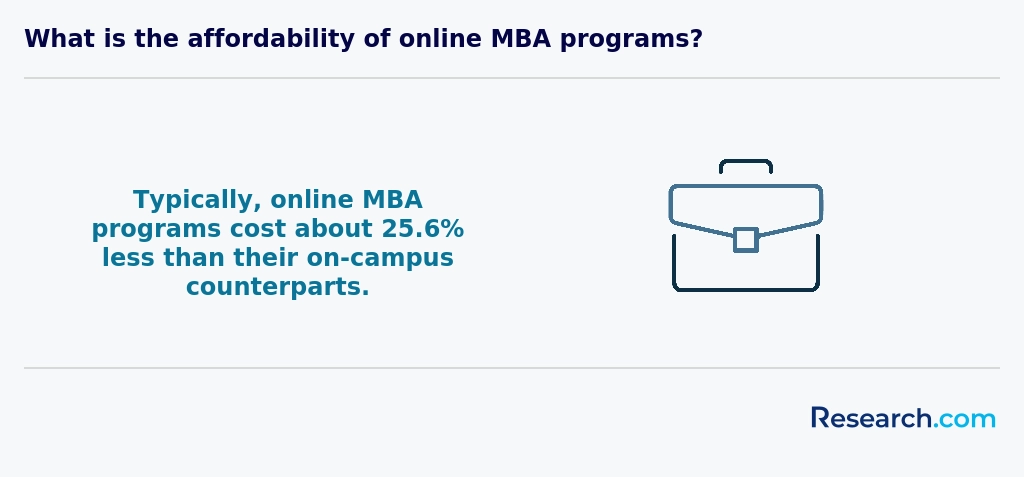
Cost is another consideration; online MBA tuition in Charlotte generally runs lower, making it accessible to a broader range of students. However, some graduates worry traditional employer perceptions still slightly favor the on-campus credential, despite the growing acceptance of remote learning's legitimacy. Ultimately, students weigh convenience, networking, and career services to choose the best path.
When considering an MBA program in Charlotte, NC, one crucial factor to evaluate is the affordability and potential return on investment (ROI). Prospective students should research the total cost of attendance, including tuition, fees, and living expenses, and weigh it against the potential salary increases and career advancement opportunities post-graduation. For instance, exploring options like the most affordable mba schools in north carolina can provide valuable insights into programs that offer a high-quality education at a lower cost. By understanding the financial implications and potential outcomes, individuals can make informed decisions about their educational investments and career paths, ultimately maximizing their ROI and achieving their professional goals.
The average cost of an MBA degree in Charlotte reflects a balance between quality education and affordability, with median total expenses around $52,608. For local residents, the in-state total cost can be significantly lower, typically near $26,542, making public universities like the University of North Carolina at Charlotte a popular choice. Graduates often share that while tuition is a considerable investment, the cost is offset by access to strong networking opportunities and the city's growing business environment.
When evaluating the total expenses for MBA programs in Charlotte, it is important to consider not only tuition but also living costs, books, and supplies. Charlotte's moderate cost of living compared to other metropolitan areas can ease financial pressures, a factor many students appreciate. For those looking to expedite their education and return to the workforce faster, several institutions offer fast-track degree programs, which may also impact overall costs and time commitment.
Private institutions in Charlotte generally charge higher tuition, sometimes surpassing $50,000, reflecting added resources and experiential learning opportunities. However, prospective students often find value in scholarships, financial aid, and employer sponsorships that local schools provide, reducing out-of-pocket costs. Considering the average cost of an MBA degree in Charlotte, students evaluating these programs emphasize the importance of weighing both the short-term financial commitment and the long-term career benefits.

Financial aid options for MBA students in Charlotte vary widely but can significantly ease the financial burden. Graduates from the University of North Carolina at Charlotte often recall receiving merit-based scholarships that covered up to half of their tuition, making the program more accessible. Such scholarships typically reward academic excellence or leadership potential, which encourages students to maintain strong performance.
Graduate assistantships and fellowships are also common avenues, where students work part-time on research or university projects. Many MBA candidates appreciate how these roles not only reduce tuition costs but also enhance professional skills, although competition for these positions can be fierce.
Federal loans like Direct Unsubsidized and Grad PLUS Loans remain a dependable resource. Students from Charlotte-based programs emphasize that these loans, with their flexible repayment terms, are preferable to private loans, which often carry higher interest rates. Employers in Charlotte sometimes match tuition costs through reimbursement programs, particularly in sectors eager to develop business expertise, which positively impacts affordability for working professionals.
Additionally, veterans attending Charlotte's graduate schools highlight the value of military benefits and grants, which can dramatically lower expenses under the GI Bill.
Applicants aiming to enroll in MBA programs in Charlotte generally must hold a bachelor's degree from an accredited institution, though the major is often flexible. Graduates share that having a foundation in business-related subjects can ease the transition into rigorous coursework, but many have successfully adapted from diverse academic backgrounds.
Work experience is frequently emphasized; for example, the University of North Carolina at Charlotte suggests at least three years of professional engagement. Alumni recall how this background enriched class discussions and fostered meaningful networking, enhancing both confidence and career perspectives.
Standardized tests like the GMAT or GRE remain common, yet some Charlotte programs now offer waivers, particularly valuing extensive work history. One graduate expressed relief at this flexibility, noting it allowed focus on demonstrating leadership through essays and recommendations rather than test scores alone.
Additionally, prospective students often prepare letters of recommendation, personal statements, and detailed resumes. These elements narrate one's unique journey and ambitions, making applications feel personal rather than merely procedural.

Evaluating the return on investment (ROI) for an MBA in Charlotte means weighing tuition and fees against expected salary increases and career advancement. With average program costs near $56,850 and starting salaries ranging from $70,000 to $100,000, many graduates recoup their investment within three to five years. For example, a 30% post‐MBA salary bump can translate into an additional $21,000 annually, meaning a two‐year payback period on tuition alone. When factoring in living expenses and potential scholarships or assistantships, the effective ROI can improve further. ROI varies by format and specialization. Full-time, on-campus programs may command higher tuition but offer intensive networking and campus resources, accelerating career trajectory. Online and part-time formats often reduce direct costs and lost wages, shortening payback time. For prospective students comparing affordability and ROI across regions, the Low Cost Online Master's in MBA Degree Programs Ranking in Mequon, WI provides insights into budget-friendly alternatives that still deliver strong outcomes. Ultimately, maximizing ROI involves strategic program selection, targeted specializations-such as Finance or Healthcare Management-and proactive career services utilization. Graduates who secure leadership roles within three months post‐graduation typically see the highest long‐term returns, reinforcing the value of an MBA as a career catalyst in Charlotte’s competitive business landscape.
MBA programs in Charlotte typically encompass a core curriculum covering fundamental business disciplines such as financial accounting, marketing management, organizational behavior, operations management, and business analytics. Graduates from well-known local schools often share how courses like these helped them navigate complex team dynamics during group projects or analyze real company financials, training them to make sound business decisions in Charlotte's competitive markets.
For example, a graduate recalled applying marketing management principles learned at a Charlotte college to successfully launch a community-focused campaign, illustrating how coursework translates into practical experience. Beyond the core, electives tailored to Charlotte's key industries-like healthcare management or entrepreneurship-offer students valuable specialization opportunities aligned with regional economic strengths.
While core courses form a solid foundation, some students find that the emphasis on statistics and strategic management equips them for data-driven decision-making, a skill crucial in Charlotte's evolving tech landscape. These programs foster confidence by blending theory with hands-on learning, making students feel prepared to lead in real-world business environments.
In Charlotte, MBA specializations tend to mirror the city's economic strengths, offering focused paths like finance, marketing, healthcare management, supply chain, and technology management. Graduates from popular local colleges often share how specializing in finance leverages Charlotte's position as a major banking hub, opening doors to rewarding roles in banking and investment. Meanwhile, marketing specializations resonate with students attracted to Charlotte's growing retail and service landscape, where understanding consumer behavior and brand strategy proves vital.
Those pursuing healthcare management find value in programs tailored to the region's robust healthcare systems, gaining practical insights into hospital administration. Others highlight the appeal of supply chain and operations management specializations, connecting their studies directly to Charlotte's logistics and transportation industries. Technology management attracts students energized by the city's expanding tech startups, emphasizing innovation and leadership in IT.
These MBA specializations Charlotte NC options are especially appealing when combined with program affordability. Students looking for accelerated learning can explore accelerated mba colleges in the area to align education with career momentum.
Choosing the best MBA degree in Charlotte requires balancing several factors beyond just rankings or cost. Many graduates from local programs emphasize the value of AACSB accreditation, which ensures high academic standards-critical in a competitive job market. Yet, others stress the importance of program flexibility, especially for working professionals balancing full-time jobs with studies. Schools offering evening, weekend, or online courses allow students to maintain income while advancing their careers, a major draw in Charlotte's busy financial sector.
Affordability is often a top concern; Charlotte's MBA tuition typically ranges from $30,000 to $65,000, making it essential to consider total costs including fees and living expenses. Graduates recall how some programs provided strong employer sponsorships or financial aid, making degrees more accessible. Those seeking the best MBA programs in Charlotte NC should also explore specialization options in areas like finance or healthcare management to fit their career goals.
Insights from recent graduates at popular local universities highlight how access to internships and alumni networks often opens doors in Charlotte's banking and technology industries. To complement your MBA choice, reviewing related fields might help, such as exploring the top bachelor degrees as a foundation before deciding on your MBA path.
Understanding these dimensions-accreditation, flexibility, cost, and career alignment-can guide you toward an affordable MBA degrees Charlotte 2027 and beyond that genuinely fits your life and ambitions.
Graduates from MBA programs in Charlotte often find themselves drawn to diverse career paths, reflecting the city's varied economic landscape. Many leverage their degrees to secure financial manager or analyst roles at major banks such as Bank of America or Wells Fargo, taking advantage of Charlotte's reputation as one of the largest banking hubs in the United States. Others pursue marketing manager positions within local retail or technology firms, where strategic thinking and leadership drive growth. Operations management opportunities exist in logistics and manufacturing sectors, providing graduates hands-on experience in optimizing complex processes.
Alumni from popular Charlotte institutions frequently share how their MBA opened doors to consulting roles, both with local companies and larger national firms with branches in the city. Additionally, healthcare management roles benefit from the presence of major healthcare systems in Charlotte, creating unique channels for MBA holders to impact organizational efficiency and patient care.
Those exploring MBA career opportunities in Charlotte often find value in the city's evolving industries like technology and sustainable energy. For individuals interested in integrating business skills with STEM fields, exploring options through online colleges for STEM degrees can be a complementary strategy to enhance their marketability in emerging roles.

The job market for MBA degree holders in Charlotte remains robust, driven by the city's role as a financial and business hub. Graduates from local schools like the University of North Carolina at Charlotte often find themselves well-positioned for roles within major banking institutions such as Bank of America and Truist Financial. Many MBA job opportunities in Charlotte NC are concentrated in corporate finance, consulting, healthcare administration, and technology management. Graduates frequently share positive experiences about internships and networking events that connect them directly to employers, boosting their employment outlook.
While salary ranges between $90,000 and $130,000 annually are attractive, it's important to consider Charlotte's lower cost of living which enhances overall lifestyle quality for MBA holders. The Charlotte MBA graduate employment outlook reflects steady growth, but factors like industry shifts or economic changes can impact this trajectory. Some students also explore advanced options such as a DBA in accounting for further specialization, seeing it as a way to differentiate themselves in a competitive market.
2027 Best MBA Degree Programs Ranking in Charlotte
Investing in your education is a significant decision that can greatly impact your career trajectory, and the Research.com team recognizes the importance of making well-informed choices. To support prospective students in Charlotte, we have carefully developed the "2027 Best MBA Degree Programs Ranking in Charlotte." Our dedication to quality, credibility, and accuracy is demonstrated through thorough research and detailed analysis. We leveraged the following authoritative data sources to create a well-rounded and reliable ranking:
By consulting this ranking, readers will obtain valuable information to identify top MBA programs in Charlotte that align with their goals and preferences, empowering them to make confident educational choices. For a detailed explanation of our ranking process, please visit our Research.com methodology page.


Frequently Asked Questions About MBA
Students pursuing an MBA degree in Charlotte can maximize their learning experience by engaging actively with local business communities. Charlotte, as a major banking hub, offers unique networking opportunities through events hosted by institutions like the Charlotte Regional Business Alliance. Participating in internships with companies such as Bank of America or Wells Fargo can provide practical exposure, complementing classroom theory.
Choosing programs that emphasize experiential learning, like case studies or consulting projects with Charlotte-based firms, also enhances understanding. Additionally, leveraging mentorship programs and alumni networks available through schools such as the University of North Carolina at Charlotte can accelerate professional growth.
The MBA field is evolving rapidly, with emerging niches that reflect today's dynamic business environment. In Charlotte, a growing financial hub, MBAs focusing on financial technology (FinTech) are gaining traction. According to the Charlotte Regional Business Alliance, FinTech startups have increased by over 30% in recent years, boosting demand for specialized MBA programs.
Another expanding niche is healthcare management, driven by Charlotte's extensive healthcare sector, which employs more than 80,000 people. MBA programs now emphasize healthcare analytics and administration.
Additionally, sustainability and supply chain management are rising fields within MBA studies, reflecting national trends toward environmental responsibility and global trade complexities, both crucial for Charlotte's diverse industries.
After completing an MBA degree in Charlotte, preparing for the job market involves strategic planning and leveraging local resources. MBA graduates should start by utilizing the career services offered by Charlotte's business schools, which often provide resume workshops, interview preparation, and networking events tailored to the region's industries.
Charlotte has a strong financial sector; according to the Charlotte Regional Business Alliance, over 30 Fortune 500 companies operate there, making finance and banking prime fields for MBA graduates. Networking through local professional groups and attending industry conferences can open valuable job opportunities.
Internships and experiential learning during your MBA are crucial for gaining local experience, as employers in Charlotte often prefer candidates familiar with the city's business environment. Additionally, staying updated on economic trends in the Charlotte metropolitan area enhances your ability to tailor job applications effectively.
Employers in Charlotte highly value MBA graduates who exhibit strong leadership and strategic thinking skills. According to a 2023 survey by the Charlotte Chamber of Commerce, 78% of local employers prioritize candidates who demonstrate effective decision-making abilities in complex business environments.
Financial acumen remains essential, as the city is a major banking hub. Skills in data analysis and proficiency with business intelligence tools are increasingly sought after, helping graduates provide actionable insights.
Effective communication and teamwork are also critical, especially in Charlotte's diverse and rapidly growing industries. Additionally, adaptability and a global mindset are prized due to the city's expanding international business ties.
Finding internships in Charlotte relevant to an MBA degree requires strategic networking and targeted research. Charlotte is a major financial hub, home to firms like Bank of America and Wells Fargo, offering numerous internship opportunities for MBA students in finance, consulting, and marketing.
Students should leverage career services at local universities such as University of North Carolina at Charlotte (UNC Charlotte), which reports that over 70% of its MBA students secure internships through university partnerships. Utilizing platforms like Handshake and LinkedIn also increases access to posted internships specifically for MBA candidates.
Additionally, joining professional groups such as the Charlotte Chamber of Commerce or MBA-focused networking events can greatly enhance internship prospects. Many internships in Charlotte pay competitive wages, reflecting the city's growing business sector.
In Charlotte, earning an MBA degree significantly enhances career mobility and advancement opportunities. The city's strong financial and business sectors reward candidates with advanced business knowledge, leadership skills, and strategic thinking. According to the Charlotte Chamber of Commerce, MBA graduates see an average salary increase of 20-30% compared to those with only a bachelor's degree. Employers in Charlotte, including banks and corporate headquarters, actively seek MBA holders for management and executive roles.
Furthermore, local universities offering MBA programs often provide networking events and partnerships with major Charlotte companies, boosting graduates' access to career advancement. The U.S. Bureau of Labor Statistics projects managerial job growth of 8% in the region through 2030, underscoring demand for qualified leaders.
Studying for an MBA degree in Charlotte equips students with versatile skills essential for interdisciplinary roles. Many MBA programs in Charlotte emphasize cross-functional collaboration, combining knowledge from finance, marketing, operations, and management. This approach mirrors real-world business environments where professionals must interact with diverse teams.
Charlotte's status as a banking hub, home to institutions like Bank of America and Wells Fargo, offers students unique networking and internship opportunities. These experiences deepen understanding of varied business sectors simultaneously.
According to the 2023 Charlotte Business Journal, over 60% of local MBA graduates move into roles requiring coordination across departments, showing the region's demand for interdisciplinary expertise.
Choosing between a thesis and a non-thesis MBA program in Charlotte depends on your career goals and learning preferences. Thesis MBA programs emphasize research and require a substantial project, preparing students for roles in academia or analytical fields. Non-thesis programs focus on coursework and practical skills, ideal for professionals seeking immediate application in business.
According to NC Department of Commerce, Charlotte hosts several AACSB-accredited MBA programs with both options, offering flexible schedules.
Thesis routes often take longer, averaging 24-30 months, while non-thesis programs may be completed in 18-24 months.
Consider your time availability, interest in research, and long-term plans when deciding.
Students in Charlotte seeking to study for an MBA abroad have several options supported by local universities and national programs. Many Charlotte-based MBA candidates choose exchange programs, dual degrees, or study-abroad semesters facilitated by institutions like the University of North Carolina at Charlotte (UNC Charlotte), which partners with schools in Europe and Asia. According to UNC Charlotte's recent data, nearly 15% of their MBA students participate in international study opportunities each year.
The U.S. Department of Education also highlights programs that allow credits earned abroad to count toward U.S. MBA degrees, offering flexibility for Charlotte students. These pathways provide exposure to global business practices while maintaining ties to their home institutions.
Additionally, scholarships and funding options tailored for international study are often available for North Carolina residents, enabling cost-effective experiences abroad within accredited MBA programs.
Charlotte offers various part-time job opportunities that complement MBA education by providing hands-on experience in key business areas. Many MBA students find roles in financial services, as the city is a major banking hub with companies like Bank of America and Wells Fargo.
Part-time positions in marketing firms and consulting agencies also allow students to apply theoretical knowledge practically, improving skills in strategy and client relations. Additionally, roles in startups and technology companies provide insight into innovation management and entrepreneurship.
According to the Charlotte Chamber of Commerce, about 35% of MBA students engage in part-time work directly related to their studies, enhancing both their resumes and network.
Charlotte offers robust networking opportunities for MBA students through its position as a major financial hub. The city is home to many Fortune 500 companies, including Bank of America and Truist Financial, providing students access to extensive corporate networks.
Local universities with MBA programs, such as the University of North Carolina at Charlotte, actively connect students with alumni events, industry panels, and mentorship programs. According to the Graduate Management Admission Council, MBA programs in Charlotte emphasize experiential learning, often facilitating direct interaction with business leaders.
Additionally, professional organizations like the Charlotte Chamber of Commerce and the Mecklenburg County Economic Development partnership host regular events targeting emerging business professionals.
Alumni networks play a crucial role in supporting MBA students in Charlotte by providing valuable connections and career opportunities. Graduates from local MBA programs often stay active in these networks, helping students gain access to internships, mentorships, and job placements within Charlotte's growing business community.
Research from the Graduate Management Admission Council highlights that strong alumni ties can increase job placement rates by up to 30% for MBA graduates in metropolitan areas like Charlotte. Furthermore, networking events and online platforms organized by alumni associations enable students to build relationships with influential professionals across industries such as banking, healthcare, and technology.
These connections contribute to a robust professional support system that extends beyond graduation, often leading to collaborative ventures or leadership roles. For students seeking to advance their careers within Charlotte's competitive market, alumni networks provide practical resources and guidance tailored to the regional business environment.
Customizing an MBA program in Charlotte to align with your career goals is increasingly accessible due to the variety of flexible options offered by local universities. Many programs allow students to choose concentrations such as finance, healthcare management, or technology, helping tailor the curriculum to specific industries prevalent in Charlotte's economy. Part-time, evening, and online formats provide working professionals with the flexibility to balance studies and employment. Additionally, some Charlotte schools offer experiential learning through internships and consulting projects, which build practical skills and industry connections. According to the Charlotte Business Journal, over 60% of MBA candidates here select specialty tracks to enhance career advancement.
Many MBA students in Charlotte face the challenge of balancing rigorous coursework with full-time employment. Given the city's role as a financial hub, many professionals pursue MBAs part-time, leading to time management pressures. Another frequent issue is the high cost of tuition, which can range from $30,000 to over $60,000 for local programs, posing financial strain without sufficient employer support or scholarships.
Networking opportunities, while abundant in Charlotte's business community, require proactive effort from students to maximize. Additionally, adjusting to hybrid or online learning formats, increasingly common post-pandemic, can affect student engagement and performance. According to the Graduate Management Admission Council, stress and workload consistently rank among top challenges for MBA candidates nationwide, reflected locally as well.
With an MBA degree in Charlotte, graduates can pursue a variety of professional certifications that enhance career opportunities. Common certifications include the Project Management Professional (PMP), valued across industries for leadership skills. Another popular option is the Certified Management Accountant (CMA), which focuses on financial management and strategic decision-making.
Many MBA graduates also pursue the Chartered Financial Analyst (CFA) credential if they are interested in investment management. Additionally, certifications like Certified Business Analyst Professional (CBAP) align well with MBA skills.
According to the Charlotte Chamber of Commerce, nearly 40% of MBA holders engage in certification programs to boost employability locally.
Applying for an MBA program in Charlotte requires a focused and well-structured approach. First, research the specific programs offered by local institutions such as the University of North Carolina at Charlotte and Queens University of Charlotte, as each has unique strengths and deadlines. Admissions committees value clear, concise essays that demonstrate your career goals, leadership experience, and understanding of how an MBA fits into your plans.
Strong letters of recommendation, preferably from professional supervisors familiar with your work, add credibility. Charlotte's competitive MBA programs often expect applicants to have at least two to five years of work experience. Additionally, a competitive GRE or GMAT score remains important-recent data shows average GMAT scores for Charlotte programs range between 600 and 670.
Highlighting community involvement or connections to Charlotte's growing financial and business sectors can strengthen your application. Proofreading and adhering to application instructions are essential to avoid disqualification.
In the United States, including cities like Charlotte, an MBA degree is viewed as a valuable credential that opens doors to global career opportunities. Graduates often pursue leadership roles in multinational corporations, finance, consulting, and technology sectors. According to the Graduate Management Admission Council's 2023 Corporate Recruiters Survey, 89% of employers in the US expect MBA hires to possess skills that can drive international business growth.
Charlotte, a growing financial hub, benefits from this trend by offering MBA programs with strong global business components. Many local MBA graduates find employment with Fortune 500 companies having international operations. This global perspective enhances career mobility and salary potential.
Additionally, MBA programs in Charlotte increasingly emphasize cross-cultural communication and international markets, reflecting the global nature of modern business.
Gaining practical experience while pursuing an MBA in Charlotte involves several effective strategies. Many Charlotte-area MBA programs offer internships that connect students with local businesses in finance, banking, and technology sectors. These internships provide opportunities to apply classroom knowledge to real-world challenges.
Additionally, Charlotte's strong network of corporate partners allows MBA students to participate in consulting projects. These projects enable hands-on problem solving for industry clients.
Students can also engage in business competitions hosted by local universities, which foster teamwork and strategic thinking. According to the Charlotte Chamber of Commerce, over 50% of MBA students in the region complete internships before graduation.
Finally, leadership roles in student organizations or volunteering with startup incubators offer valuable real-world insights.
Choosing the right concentration within an MBA program in Charlotte depends on aligning your career goals with local industry demands. Charlotte is a leading financial hub, so concentrations like Finance and Banking tend to offer strong job prospects. According to the Charlotte Business Journal, the finance sector employs over 120,000 professionals locally, reflecting abundant opportunities.
Consider your professional background and where you want to grow. Recent data from the Graduate Management Admission Council shows that concentrations in Supply Chain Management and Healthcare Administration are also gaining popularity due to regional corporate expansions.
Research each program's curriculum and connections to Charlotte employers. Practical experience and internships can be crucial in competitive fields.
- 2027 Best MBA Degree Programs Ranking in Winston-Salem
- 2027 Best MBA Degree Programs Ranking in Greensboro
- 2027 Best MBA Degree Programs Ranking in Columbia
- 2027 Best MBA Degree Programs Ranking in Raleigh
- 2027 Best MBA Degree Programs Ranking in Charleston
- 2027 Best MBA Degree Programs Ranking in Lynchburg
- 2027 Best MBA Degree Programs Ranking in Knoxville
- 2027 Best MBA Degree Programs Ranking in Savannah
- 2027 Best MBA Degree Programs Ranking in Atlanta
- 2027 Best MBA Degree Programs Ranking in Macon
- MBA Internships: Find 5400 MBA Intern Jobs https://internshala.com/internships/mba-internship/
- Verifying that you are not a robot... https://krea.edu.in/ifmrgsb/top-5-emerging-career-paths-for-mba-graduates/
- The Growing Demand for Niche Jobs and MBA Specializations https://www.clearadmit.com/2025/05/the-growing-demand-for-niche-jobs-and-mba-specializations/
- How to Choose Between MBA Degree vs. Certificate | University of Phoenix https://www.phoenix.edu/articles/business/how-to-choose-between-mba-degree-vs-certificate-programs.html
- Why MBA Graduates Embrace Global Perspectives for Career Growth https://www.thehighereducationreview.com/editors-guest/why-mba-graduates-embrace-global-perspectives-for-career-growth-nid-6271.html
- Top MBA programs with the best alumni networks in the world - MBA Crystal Ball https://www.mbacrystalball.com/blog/2025/07/07/top-mba-programs-with-the-best-alumni-network-in-the-world/
- Future-Proof Your Career with an MBA in India : MIT-WPU Blog https://mitwpu.edu.in/blog/emerging-specialisations-in-mba---how-to-future-proof-your-business-career-in-india
- How an MBA contributes to career advancement https://online.wlv.ac.uk/blog/how-an-mba-contributes-to-career-advancement/
- Overcoming Common Challenges Faced by Management Students https://iilm.edu/iilm-lucknow/blog/challenges-faced-by-management-students/
- Lessons learned: one year into pursuing an MBA while balancing full-time work - Franz Vitulli https://franzvitulli.com/mba-work/


