2027 Most Popular MBA Degree Programs Ranking in Charlotte

Co-Founder and Chief Data Scientist
Choosing the right MBA program is a big step toward advancing your career, especially in a city as vibrant as Charlotte. This article presents the 2027 Most Popular MBA Degree Programs Ranking in Charlotte, developed by the Research.com team of data scientists to guide you in making an informed decision.
With so many options, finding a program that fits your goals can be challenging. Exploring this ranking will help you discover programs that align with your aspirations and lifestyle.
Investing in an MBA can open new opportunities and build valuable skills for your future. Let this guide inspire and support your journey toward success.
Key benefits of getting MBA degree in Charlotte
- MBA graduates in Charlotte often see strong earning potential, with typical MBA-related roles in the US earning from $80,000 to over $120,000 annually depending on experience and industry.
- A graduate from UNC Charlotte's MBA program might explore careers in finance, marketing, or management, enjoying diverse opportunities and the chance to grow in dynamic business environments.
- Completing an MBA online through schools like Queens University of Charlotte allows flexibility, helping students balance work and family while gaining the same respected credential as traditional programs.
- 2027 Most Popular MBA Degree Programs Ranking in Charlotte
- What can I expect from MBA degree in Charlotte?
- Where can I work with MBA degree in Charlotte?
What can I expect from MBA degree in Charlotte?
When considering the average cost of an MBA degree in Charlotte, you'll find a welcoming range shaped by the city's mix of public and private institutions. Graduates from public universities share stories of manageable tuition bills estimated between $20,000 and $40,000 for the entire program, especially if they are in-state residents. Imagine attending weekend classes, balancing a job, and feeling the relief of a more affordable education tailored for busy professionals.
On the other hand, private colleges in Charlotte offer immersive, cutting-edge experiences that can run from $40,000 to $70,000. Graduates recall the investment felt well worth it as they connected with influential banking and finance leaders right in the city's thriving financial district. Whether you're diving into data analytics or healthcare administration, the cost often reflects access to small class sizes and personalized mentorship.
Many students find that scholarships and employer tuition reimbursement help soften these costs, making an MBA in Charlotte an exciting and attainable adventure filled with real-world opportunities.
Where can I work with MBA degree in Charlotte?
Graduates from MBA programs at institutions like the University of North Carolina at Charlotte find themselves navigating a vibrant job market that feels full of possibility. Imagine stepping into a leadership role at Bank of America or Truist Financial, where your strategic insights shape major financial decisions in the nation's second-largest banking hub.
Others venture into Charlotte's thriving healthcare sector, applying their skills at Atrium Health or Novant Health to improve patient care through smarter operations and innovative management strategies. The energy sector offers yet another exciting path-whether managing renewable energy projects or driving growth for traditional firms.
MBA grads often share stories of collaborating with tech startups, where their business acumen directly influences marketing campaigns and product launches, blending creativity with strategy. Small and medium-sized companies also value MBA-trained professionals who bring fresh ideas and leadership to consulting and business development roles.
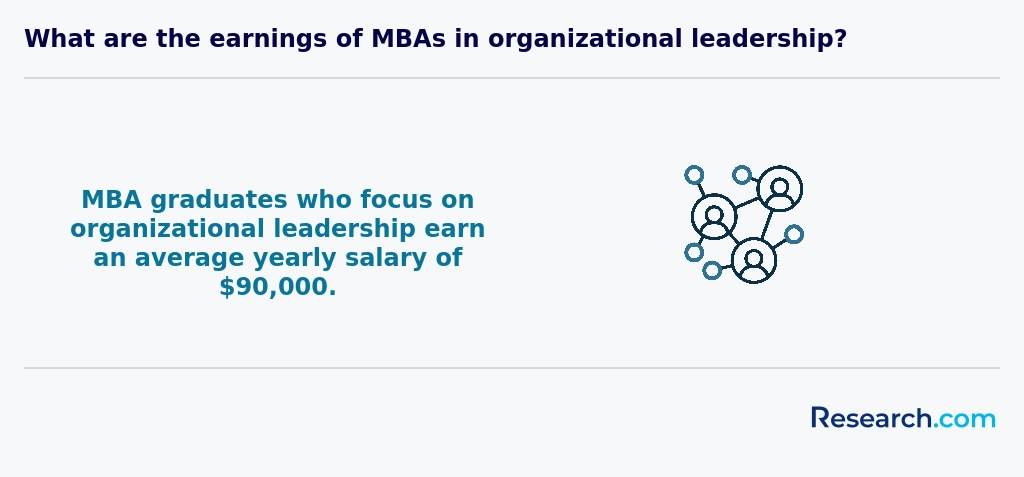
With salaries ranging from $85,000 to $120,000, many MBA holders feel rewarded not just financially but through the impact they make across Charlotte's diverse industries.
With an MBA from one of Charlotte's well-regarded business schools, many graduates find themselves stepping into a thrilling new world of financial opportunity. Imagine walking across the stage at your university, knowing the doors ahead open to salaries typically ranging from $85,000 to $130,000. Local finance giants and burgeoning tech firms eagerly seek MBA talent, rewarding mid-career professionals with salaries surpassing $120,000. Graduates have shared stories of landing roles in corporate management where the $100,000 mark quickly becomes the starting line, not the finish.
Starting out, new MBA holders in Charlotte often celebrate first-year salaries in the range of $70,000 to $90,000-quite the exhilarating leap compared to many bachelor's degree salaries. As experience grows, so do opportunities, with some senior MBA professionals reporting total compensation packages exceeding $160,000 thanks to bonuses and benefits. The journey from classroom to boardroom in Charlotte's dynamic economy often sparks a sense of adventure and achievement full of promising financial growth.
- The total tuition cost for an MBA in Charlotte ranges from $30,000 to $65,000, varying by institution type and enrollment status.
- Graduates typically earn between $75,000 and $90,000 annually right after completing their MBA, with potential salaries reaching $120,000 or more within five years.
- The job market is strong due to Charlotte's role as a financial center, offering opportunities in finance, consulting, marketing, and operations management.
- MBA programs offer flexible formats such as evening, weekend, and online classes to accommodate working professionals.
- Program duration varies from one year for accelerated tracks to two years for traditional full-time studies, with part-time options lasting longer to fit work schedules.
In Charlotte, most MBA graduates vividly recall the rhythm of their journey lasting about two years when enrolled full-time. Imagine attending weekday classes at notable schools like the University of North Carolina at Charlotte or Queens University, immersing yourself deeply in business concepts while creating lasting connections. This concentrated pace, around 20 to 24 months, offers a perfect blend of challenge and growth, propelling students toward their goals with energy and focus.
For those balancing work and study, part-time or evening MBA programs stretch the adventure to 2.5 to 4 years. Many working professionals describe this experience as rewarding, as it allows them to apply classroom knowledge in real time-right in Charlotte's vibrant business scene. The flexibility lets students juggle life's demands without sacrificing ambition.
Some thrill-seeking scholars choose accelerated programs, completing their degrees in just 12 to 18 months. This intense path demands discipline but rewards with a fast track to new career heights, making the hustle feel all worthwhile amidst Charlotte's dynamic industries.
For prospective MBA candidates in Charlotte, NC seeking to balance quality with cost, online programs can offer significant savings without sacrificing academic rigor. Tuition for online MBAs often ranges from $15,000 to $60,000-substantially lower than many on-campus options-while providing the same accreditation and faculty expertise found at traditional institutions. Beyond reduced per-credit rates, online formats eliminate relocation expenses and allow students to maintain full-time employment, accelerating the return on investment. Key considerations when comparing affordable online MBAs include: • Accreditation and Reputation: Ensure your program holds AACSB, ACBSP, or EQUIS accreditation to maintain credibility with employers. • Delivery Format: Synchronous courses foster live interaction, whereas asynchronous formats offer maximum schedule flexibility-choose the model that aligns with your learning style. • Support Services: Look for robust career counseling, virtual networking events, and alumni mentorship programs to replicate the on-campus experience. • Specialization Costs: Some concentrations-such as Finance or Healthcare Management-may incur additional fees for software licenses or professional certifications; factor these into your budget. To identify benchmark programs that exemplify cost-efficiency and quality, review our comprehensive analysis of the Cheapest Online Master's in MBA Degree Programs Ranking in Lincoln, NE. While tailored to Lincoln, NE, these insights illuminate best practices for evaluating online MBA affordability nationwide-and can guide Charlotte students toward high-value, budget-friendly choices.
Choosing between an online or on-campus MBA in Charlotte often comes down to the rhythm of your life. Imagine a graduate from a well-known Charlotte university juggling a full-time job and family-online classes let them dive into lectures and assignments whenever their schedule allows. This flexibility is a game-changer, offering freedom without sacrificing the quality of education.
Contrast that with another student attending in-person classes at a popular Charlotte college, where vibrant campus energy sparks spontaneous discussions and face-to-face networking. The buzz in campus libraries, lively group projects, and quick chats with professors create a dynamic learning environment that many find energizing and motivating.
Both MBA paths cover core subjects like finance and leadership, ensuring graduates from either format feel confident stepping into Charlotte's business scene. Whether you crave flexibility or the immersive campus vibe, Charlotte's accredited programs welcome explorers ready to shape their future boldly.
The average cost of a MBA degree in Charlotte hovers around $52,608, reflecting a balance between affordability and quality education. Graduates from popular institutions like the University of North Carolina at Charlotte share how the investment felt worthwhile, highlighting hands-on projects and local networking opportunities that enhanced their professional journeys. For in-state residents, the total cost usually drops to about $26,542, making public university programs an attractive and accessible choice for many locals seeking quality without overwhelming debt.
Private schools in Charlotte typically push tuition higher, often ranging from $50,000 to $70,000 or more. One graduate recalled how the personalized attention and smaller class sizes at a private business school made the extra expense feel like a strategic career move. Exploring the total cost of MBA programs Charlotte reveals additional expenses like textbooks, fees, and living costs, which can add to the financial landscape but also enrich the learning experience through diverse programs.
Many students find flexible formats such as evening or online courses that fit their busy lives and help manage these costs more comfortably. Reflecting on these options, future MBA candidates often seek detailed advice and guidance, which can be found in resources such as MBA admissions M7. This information helps them navigate the balance of cost, quality, and convenience while embracing the adventure of earning their degree in this vibrant city.

When evaluating MBA programs in Charlotte, NC, it's essential to consider several factors to ensure you find the best fit for your educational and professional goals. One crucial aspect is the variety of popular mba programs available, each offering unique specializations, formats, and networking opportunities. By understanding the different program formats, such as full-time, part-time, and online MBAs, you can choose the one that aligns with your lifestyle and career aspirations. Additionally, considering the accreditation and reputation of the institution, as well as the cost and financial aid options, will help you make an informed decision. Ultimately, selecting the right MBA program in Charlotte, NC, can significantly impact your future career prospects and personal growth.
MBA students in Charlotte often unlock their educational journey through a mix of financial aid paths that feel like a treasure hunt. Many graduates recall how applying for federal student aid via FAFSA opened doors to Direct Unsubsidized Loans and Grad PLUS Loans, easing worries with manageable repayment plans and lower interest compared to private loans.
Others celebrate merit-based scholarships from institutions like the University of North Carolina at Charlotte, where academic achievements and leadership shine brightest. These awards feel like a reward for hard work and dedication, turning dream programs into affordable realities.
Imagine working at a bustling Charlotte corporation with an employer-sponsored tuition program that suddenly turns your MBA from an expense into an investment. Several MBA students find such support by simply asking their HR departments, experiencing a boost that fuels both career and education.
Graduate assistantships at local schools offer opportunities to teach or research while receiving stipends or tuition waivers-challenging to secure but deeply rewarding for those who do.
Private scholarships from groups like the National Black MBA Association add extra layers of funding adventure, filling gaps with encouragement and community support.
Preparing for your MBA journey extends beyond meeting prerequisites-it involves crafting a compelling application and excelling in interviews. Prospective students should start by outlining a clear narrative that reflects their professional achievements, leadership skills, and unique ambitions. Begin by researching each program’s specific application timeline and requirements. Focus on polishing your personal statement and recommendation letters, ensuring they articulate your career goals and readiness for rigorous study. It’s advisable to practice common MBA interview questions and participate in mock interviews with mentors or peers. Reviews from recent applicants suggest that highlighting real-world examples where you solved critical problems can set you apart. Additionally, keep a close lookout for opportunities to bolster your application with extracurricular initiatives or certifications. For those balancing current commitments, exploring flexible options such as an online MBA might be beneficial. You can also check out our list of most affordable mba online programs to see alternatives that fit both your professional and financial plans. Remember, a well-prepared application not only showcases your achievements but also demonstrates your potential to contribute to and thrive within the vibrant community of an MBA program in Charlotte, NC. Following these strategic steps could make the difference between a good application and an outstanding one.
Diving into an MBA program in Charlotte means you're stepping into a journey that seeks more than just academic records. Graduates from popular universities around Charlotte often recall how holding a bachelor's degree in any field was their first passport, but those with a background in business basics like finance or economics found themselves a step ahead, feeling confident as they navigated complex cases and projects.
Test scores like the GMAT or GRE still play a starring role, although some programs now offer waivers, reflecting how education is evolving. Imagine preparing for the GMAT and joining a cohort where average scores hover between 600 and 650-this created a shared sense of excitement and challenge for Charlotte's aspiring leaders.
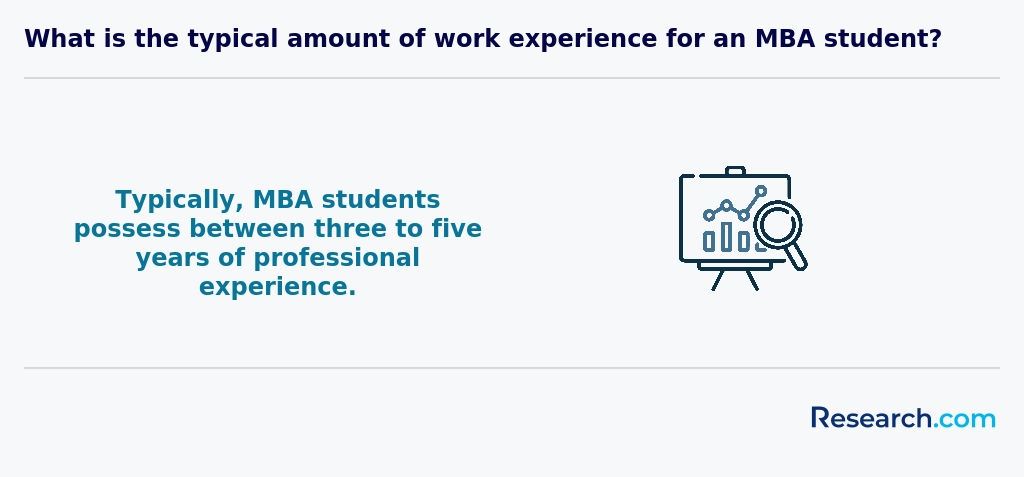
Work experience is cherished here. Alumni often reflect on how their two to five years in diverse fields-from marketing to tech-brought real-world stories that sparked dynamic classroom conversations, making learning feel alive and meaningful.
Additional essentials include letters of recommendation capturing your potential, personal essays unfolding your dreams, and transcripts showcasing a solid academic foundation, usually with a 3.0 GPA or higher. These pieces together form your unique story, ready to unfold on Charlotte's vibrant MBA stage.
Ensuring that your MBA program holds rigorous accreditation is paramount for both academic credibility and employer recognition. In Charlotte, NC, the most reputable institutions typically maintain accreditation from one or more of the following bodies: the Association to Advance Collegiate Schools of Business (AACSB), the Accreditation Council for Business Schools and Programs (ACBSP), and the International Accreditation Council for Business Education (IACBE). AACSB accreditation, in particular, is held by less than 5% of business schools worldwide and signals adherence to the highest standards in faculty qualifications, research output, and curricular relevance. Accreditation impacts the transferability of credits, eligibility for federal financial aid, and post-graduation employment prospects. Employers often prioritize graduates from AACSB- or ACBSP-accredited programs, recognizing that these students have completed a curriculum aligned with current industry practices and ethical standards. Before applying, verify each program’s accreditation status on the institution’s website or through official directories maintained by these accrediting agencies. For cost-conscious applicants seeking accredited online alternatives without compromising quality, our analysis of affordability highlights additional pathways. Explore complementary options in our Cheapest Online Master’s in MBA Degree Programs Ranking in Lincoln, NE, which showcases accredited online programs that balance cost savings with rigorous academic standards. Finally, prospective students should consider periodic re-accreditation reviews and any recent awards or recognitions that demonstrate a program’s continuous improvement. Institutions that regularly undergo peer evaluation and publish outcome metrics-such as graduation rates, average GMAT scores, and post-MBA salary growth-offer greater transparency, empowering you to make an informed investment in your future.
Diving into an MBA degree in Charlotte feels like stepping into a vibrant world where leadership meets hands-on business savvy. Graduates from renowned local schools often recall tackling courses like Financial Accounting and Managerial Accounting, where deciphering real company balance sheets became an exciting puzzle rather than just numbers on paper. Imagine working through marketing challenges in Marketing Management classes, learning to read consumer trends that shape actual Charlotte businesses.
Hands-on lessons in Operations and Supply Chain Management connect directly to the city's bustling commercial hubs, giving students a front-row seat to optimizing logistics. Leadership blossoms in Organizational Behavior and Leadership courses; many students share stories of inspiring group projects that mimic managing diverse teams in real Charlotte companies.
Strategic thinking sharpens in courses like Corporate Finance and Business Strategy and Policy, crucial for those eyeing careers in Charlotte's competitive finance sector. Add electives and you can tailor your path, exploring everything from healthcare management to tech innovations, making the MBA experience uniquely your own.
Charlotte's MBA specializations open a world of exciting possibilities, each tailored to the city's unique economic landscape. Finance stands out as a thrilling choice-graduates recall immersing themselves in real-world banking simulations, reflecting Charlotte's status as the second-largest banking hub in the U.S. Marketing tracks bring a creative spark, with students diving into cutting-edge digital campaigns connected to the city's expanding tech and retail scenes.
Healthcare Management captivates those passionate about leading in one of Charlotte's fastest growing sectors, where MBA candidates find themselves collaborating with local hospitals in eye-opening projects. Energy Management and Supply Chain Management bring adventurous minds face-to-face with complex challenges in sustainability and logistics, crucial in Charlotte's bustling industries.
Entrepreneurship and Technology Management tracks inspire innovation, with many graduates launching startups or steering tech-driven initiatives thanks to hands-on experiences. Charlotte MBA degree program options truly embrace diverse paths, empowering every student to shape their future.
For those curious about aligning education with career, exploring business management professions after graduation showcases how these specializations translate into impactful roles in Charlotte's vibrant job market.
Choosing the best MBA degree in Charlotte starts with diving into program quality and fit. Graduates from local schools often share how AACSB accreditation gave them confidence in their education, knowing they earned a credential respected by Charlotte's competitive job market. Imagine balancing evening classes with your busy workweek-many students find part-time or hybrid formats perfect for maintaining their careers while learning.
Cost is a concern echoed by many, especially when hunting for affordable MBA degrees Charlotte can offer. Think beyond tuition: books, fees, and living expenses shape the full picture. Several graduates mention how employer sponsorships or financial aid helped lighten this load, making the journey less daunting.
Charlotte's unique economy pulls students toward programs emphasizing finance, banking, and energy sectors. Electives and internships connecting you with these industries create real-world opportunities. Some grads reflect on how their school's strong ties to the local business community boosted their networking and employment success.
To explore more on how regional options can expand your horizons, check out global business programs Florida-it's a great perspective to keep. Choosing among the best MBA programs in Charlotte NC means embracing options that feel like your own adventure, tailored for your future.
Diving into MBA career opportunities in Charlotte unveils a vibrant landscape where graduates from renowned institutions like the University of North Carolina at Charlotte eagerly step into dynamic roles. Picture a recent graduate navigating leadership roles in commercial and investment banking, energized by the city's status as the second-largest U.S. banking hub. The thrill of working for major players such as Bank of America or Wells Fargo brings a tangible sense of achievement and endless growth possibilities.
For those inspired by innovation, the expanding healthcare and energy sectors create exciting openings in healthcare management and renewable energy project leadership. MBA students from Charlotte's top colleges often share stories of transforming operations and driving strategy in these industries, fueling their passion for meaningful impacts.
Other top MBA jobs in Charlotte NC include energizing marketing management, supply chain leadership, and entrepreneurial ventures. Many graduates find their stride within startups, encouraged by local incubators, or consulting firms focused on Southeastern U.S. markets. For example, exploring online accounting degree scholarship opportunities can complement these adventurous career paths.

The Charlotte MBA job market outlook is vibrant, driven by the city's status as a powerhouse in banking and finance, hosting giants like Bank of America. Graduates from top local universities often share stories of landing roles in strategic management and leadership with competitive salaries, ranging from $85,000 to $120,000. Beyond finance, industries such as healthcare, energy, and technology eagerly recruit MBA holders, creating an exciting playground for those looking to apply their advanced skills in real-world settings.
Graduates find that Charlotte's low unemployment rate and thriving business community enhance employment opportunities for MBA graduates in Charlotte. Internships and networking events often turn into full-time positions, giving students from popular MBA programs an edge in transitioning from coursework to meaningful careers. This dynamic environment encourages exploration and bold career moves, making the pursuit of an MBA in Charlotte a compelling adventure.
Considering your MBA options? Explore some of the popular mba programs in Charlotte to find a curriculum tailored for hands-on experience and leadership growth.
2027 Most Popular MBA Degree Programs Ranking in Charlotte
Investing in your education is a significant decision that can shape your future, and the Research.com team understands the importance of making informed choices. To assist prospective students in Charlotte, we have meticulously crafted the "2027 Most Popular MBA Degree Programs Ranking in Charlotte." Our commitment to quality, credibility, and accuracy is reflected in the extensive research and analysis conducted to compile this ranking.
We utilized the following reputable data sources to ensure a comprehensive evaluation of MBA programs:
By exploring this ranking, readers will gain valuable insights into the most popular MBA programs available in Charlotte, helping them make informed decisions about their educational and professional paths. For more details on our methodology, please visit our Research.com methodology page.


Frequently Asked Questions About MBA
Students pursuing an MBA in Charlotte can maximize their learning by engaging actively with the city's robust business environment. Charlotte is home to major banking headquarters, offering excellent networking opportunities with industry professionals. Participating in internships or local consulting projects can provide practical experience that complements classroom learning. According to the Charlotte Chamber of Commerce, over 50% of MBA students find internships locally, which enhances career prospects.
Utilizing university resources such as career services, mentorship programs, and study groups improves academic performance and job readiness. Additionally, attending business seminars hosted by Charlotte's numerous professional organizations promotes real-world insights. Combining classroom knowledge with local business exposure strengthens an MBA student's skill set effectively.
The MBA landscape in Charlotte is evolving, with several emerging niches gaining prominence. One notable area is technology management, reflecting Charlotte's growing fintech sector. According to the Charlotte Chamber of Commerce, fintech investments topped $1 billion in 2023, increasing demand for MBA graduates skilled in both business and technology.
Another growing niche is sustainable business, as firms in Charlotte focus more on environmental and social governance. This trend is reflected in MBA programs offering concentrations in sustainability, corporate social responsibility, and ethical leadership.
Healthcare management is also expanding, driven by Charlotte's status as a major healthcare hub. The latest data from the North Carolina Healthcare Association shows a 10% job growth in healthcare administration.
These specialized MBA tracks provide graduates with targeted skills aligned with Charlotte's evolving economy.
Preparing for the job market after completing an MBA degree in Charlotte involves strategic planning and leveraging local resources. Charlotte hosts a growing financial and corporate hub, with companies like Bank of America and Wells Fargo offering numerous management opportunities. Networking is essential; graduates should engage with alumni groups, attend industry meetups, and use the Charlotte Chamber of Commerce.
Additionally, gaining practical experience through internships or consulting projects during the MBA can improve employability. The U.S. Bureau of Labor Statistics notes a steady 10% growth in business and financial occupations, particularly in metropolitan areas like Charlotte. Utilizing university career centers to refine resumes and interview skills also boosts chances of success.
Employers in Charlotte seek MBA graduates who demonstrate strong leadership and strategic thinking abilities. According to the Graduate Management Admission Council (GMAC), these skills consistently rank at the top nationally and reflect the demands of Charlotte's diverse economy, including finance and energy sectors.
Analytical skills are also crucial, as MBA graduates must interpret data to guide business decisions. A 2023 report from the Charlotte Chamber of Commerce highlights problem-solving aptitude as key to succeeding in local industries.
Communication skills, both verbal and written, are highly valued. Employers expect MBA graduates to effectively collaborate with multidisciplinary teams and stakeholders. Additionally, knowledge of technology and digital tools is increasingly important in Charlotte's evolving business environment.
Finding internships in Charlotte relevant to an MBA degree involves strategic networking and utilizing local resources. The city hosts a growing financial and corporate sector, with companies like Bank of America and Wells Fargo offering robust internship programs tailored for MBA students. According to the Charlotte Regional Business Alliance, over 50% of firms in the area recruit MBA interns annually.
Students should connect with university career centers such as those at the University of North Carolina at Charlotte, which maintain strong employer ties and exclusive internship listings.
Additionally, professional organizations like the Charlotte Chamber and local MBA clubs provide valuable networking events where internships are often promoted.
Online platforms focusing on Charlotte's job market, including internships, can further assist candidates in securing relevant positions aligned with their MBA studies.
Obtaining an MBA degree in Charlotte often significantly enhances career mobility and advancement opportunities. Charlotte is a growing financial and business hub, home to major companies like Bank of America and Wells Fargo, which value MBA graduates for leadership and strategic roles.
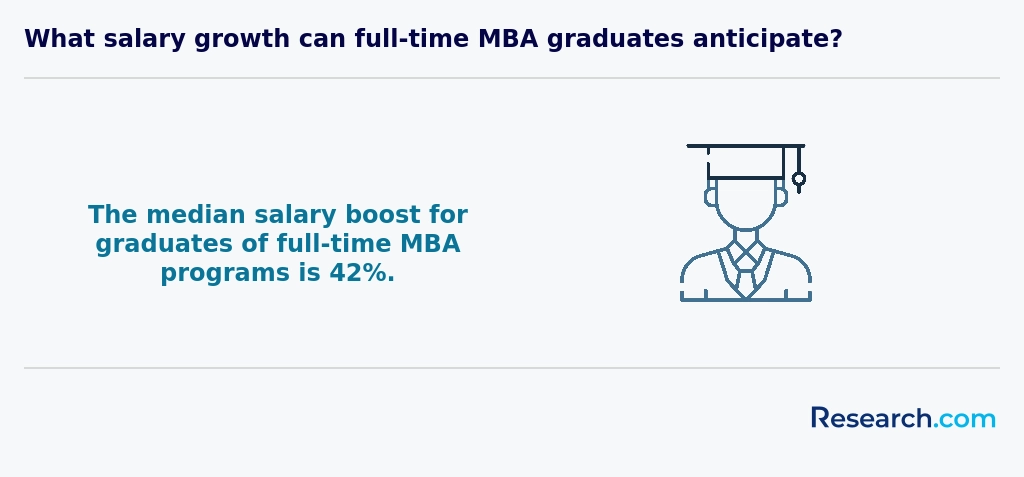
According to the Charlotte Chamber of Commerce, MBA holders in the region tend to see a 20% higher salary increase within five years compared to those without such degrees. Additionally, local employers frequently prefer candidates with an MBA for promotions into management.
Charlotte's competitive job market means MBA graduates benefit from expanded networking possibilities through access to alumni and professional organizations. These connections often lead to faster career growth and transitions across industries, including banking, technology, and healthcare.
Studying for an MBA degree in Charlotte equips students with skills essential for interdisciplinary roles by blending core business knowledge with exposure to diverse industries. Charlotte's strong financial, healthcare, and energy sectors offer MBA programs practical insights through case studies, internships, and networking opportunities. According to the U.S. News & World Report, local MBA programs emphasize cross-functional collaboration, strategic thinking, and leadership-key competencies for managing teams across different fields.
Many Charlotte MBA curricula integrate data analytics, marketing, and operations, preparing graduates to navigate complex business challenges. This interdisciplinary approach enhances adaptability in evolving job markets. Local employers prioritize MBA graduates who understand multiple domains, making Charlotte a strategic location for such education.
Choosing between a thesis and a non-thesis MBA program in Charlotte depends on your career goals and learning preferences. Thesis programs require students to conduct original research and complete a formal written document, which benefits those interested in academia or specialized fields. Non-thesis options usually focus on coursework and practical experience, appealing to professionals seeking quick application of skills in business settings.
According to the Council of Graduate Schools, roughly 30% of MBA students in the U.S. opt for thesis programs, though Charlotte's market leans more toward non-thesis due to the city's corporate environment. Consider your future plans, time availability, and desire for research when deciding.
Students based in Charlotte seeking MBA programs abroad have several options through partnerships and exchange programs offered by local universities. For example, the University of North Carolina at Charlotte (UNC Charlotte) often facilitates study abroad opportunities in Europe, Asia, and Latin America for MBA candidates. These programs typically last from a few weeks to a full semester and allow students to gain global business perspectives while earning credits applicable to their degree.
In addition, some Charlotte-area MBA programs feature dual-degree options or collaborations with international schools accredited by bodies such as AACSB. According to NCES, nearly 30% of MBA students in Charlotte consider international business experience important, encouraging such abroad options. Online MBA programs with international residencies are also increasingly popular, offering flexibility combined with global exposure.
Charlotte's growing economy offers various part-time job opportunities that can enhance the experience of MBA students. Roles in financial services, such as analyst positions with banks and credit unions, align well with coursework on finance and strategy. According to the Charlotte Regional Business Alliance, the city hosts more than 100 banks, creating ample opportunities for MBA students to gain practical insights.
Consulting firms and marketing agencies in Charlotte also seek part-time interns and assistants, providing valuable exposure to business operations and client management. Additionally, roles in project management at local tech startups can complement leadership and organizational studies.
These positions help students apply classroom knowledge to real-world business challenges and build professional networks within a competitive job market.
Charlotte offers MBA students a variety of strong networking opportunities due to its status as a major financial hub. The city hosts over 30 banking headquarters, including Bank of America and Truist, providing MBA candidates with access to prominent business leaders and industry events. Local universities often collaborate with these corporations to organize career fairs, guest lectures, and networking mixers specifically for MBA students.
Additionally, professional organizations such as the Charlotte Chamber of Commerce and Charlotte MBA Association hold regular events designed to connect students with alumni and local executives. According to the Graduate Management Admission Council, 65% of MBA graduates in Charlotte found job opportunities through networking during their programs, highlighting its importance.
Alumni networks play a crucial role for MBA students in Charlotte by providing valuable professional connections. These networks offer access to experienced graduates who often work in Charlotte's diverse business sectors, including banking, healthcare, and technology. According to the Charlotte Regional Business Alliance, over 30% of MBA graduates remain employed in local firms, which enhances networking opportunities.
Such connections can lead to mentorship, internships, and job placements, helping students navigate Charlotte's competitive job market. Additionally, alumni events and online platforms foster collaboration and knowledge exchange, supporting career growth beyond graduation.
Engaging with alumni can also increase access to industry insights and entrepreneurial resources unique to Charlotte's economic environment.
Customizing an MBA degree program in Charlotte allows students to align their education with specific career goals. Many local universities offer flexible electives and concentrations in areas like finance, healthcare management, or entrepreneurship. For example, the University of North Carolina at Charlotte provides specialized tracks that cater to Charlotte's growing banking and energy sectors, reflecting the city's robust job market.
Part-time and online MBA options enable working professionals to tailor schedules without halting career progress. Additionally, internships and networking opportunities through Charlotte's business community enhance practical experience. Prospective students should consult academic advisors early to map courses strategically to meet certification requirements or industry standards.
MBA students in Charlotte often face several common challenges during their studies. Balancing rigorous coursework with professional and personal responsibilities is a frequent concern, as many students in this city are working professionals enrolled in part-time or executive MBA programs. According to the Charlotte Chamber of Commerce, the city's competitive job market adds pressure to perform well academically while maintaining networking opportunities.
Another challenge involves adapting to rapidly evolving business technologies and data analytics, which many programs emphasize to keep pace with industry demands. Additionally, students sometimes struggle with the high cost of MBA programs in North Carolina, which averages around $38,000 for in-state students, potentially leading to financial stress. Navigating these challenges requires effective time management and strategic planning.
With an MBA degree earned in Charlotte, graduates gain eligibility for various professional certifications that can enhance career prospects. Popular certifications include the Certified Management Accountant (CMA), which focuses on financial management and planning. Another notable option is the Project Management Professional (PMP), valued for expertise in leading and directing projects.
The Chartered Financial Analyst (CFA) designation is often pursued by those specializing in finance and investment, while the Certified Business Analysis Professional (CBAP) suits MBA graduates interested in business analysis roles.
According to data from the Charlotte Chamber of Commerce, professionals with both an MBA and a certification can earn up to 25% higher salaries locally. These credentials complement MBA training by providing validated skills in specific domains.
Writing a winning application for an MBA program in Charlotte requires clear focus and preparation. Start by researching the specific schools you are interested in, such as the University of North Carolina at Charlotte or Queens University of Charlotte, to understand their unique requirements and values.
Strong applications often include a well-crafted personal statement that highlights your career goals, leadership experience, and reasons for choosing Charlotte's business community. According to U.S. News & World Report, emphasizing your alignment with local industries like finance or energy can improve your candidacy.
Additionally, maintain a competitive GMAT or GRE score, typically in the 600-700 range for top Charlotte programs, and secure professional recommendation letters that attest to your skills and potential.
Finally, demonstrate community involvement or internships related to Charlotte's economy, which can further distinguish your application.
Globally, an MBA remains a powerful credential for advancing a career in business, particularly within the U.S. higher education system. For students in Charlotte, earning an MBA opens doors not only locally but also internationally due to the degree's focus on leadership, strategy, and cross-cultural management. According to the Graduate Management Admission Council, over 80% of MBA graduates work in global roles or companies with international reach.
Charlotte's position as a banking and financial hub enhances this dynamic. Many Charlotte-based MBA programs emphasize global business trends and international finance, preparing graduates for competitiveness worldwide. The local job market reflects this, with a 12% growth in management positions expected through 2028, per the U.S. Bureau of Labor Statistics.
Additionally, collaboration with multinational corporations and alumni networks in Charlotte provides students access to global business perspectives and opportunities. These factors underline the strategic advantage of pursuing an MBA in Charlotte for those seeking international career pathways.
Gaining practical experience while studying for an MBA in Charlotte is essential for career advancement. Many local programs emphasize hands-on learning through internships with Charlotte's robust banking and finance sectors, which employ over 130,000 professionals, according to the Charlotte Regional Business Alliance. MBA students can also participate in consulting projects with regional businesses, providing real-world problem-solving opportunities. Additionally, networking events and business competitions hosted by universities allow students to apply classroom knowledge practically. Part-time and executive MBA options cater to working professionals, enabling them to integrate work experience directly with their studies, enhancing practical understanding.
Choosing the right concentration within an MBA program in Charlotte depends on your career goals and the local job market. Popular concentrations include Finance, Healthcare Management, Supply Chain, and Marketing, reflecting Charlotte's status as a major banking hub and growing healthcare sector.
Consider concentrations aligned with Charlotte's top employers, such as Bank of America and Atrium Health, for better career prospects. According to the Charlotte Chamber of Commerce, finance and healthcare sectors continue to grow faster than the national average, making these areas attractive specialties.
Also evaluate your background and interests alongside program offerings at local universities like UNC Charlotte and Queens University. Seek concentrations with strong networking opportunities and internship support to maximize practical experience in Charlotte's business environment.
- 2027 Most Popular MBA Degree Programs Ranking in Savannah
- 2027 Most Popular MBA Degree Programs Ranking in Atlanta
- 2027 Most Popular MBA Degree Programs Ranking in Macon
- 2027 Most Popular MBA Degree Programs Ranking in Washington
- 2027 Most Popular MBA Degree Programs Ranking in Cincinnati
- 2027 Most Popular MBA Degree Programs Ranking in Jacksonville
- 2027 Most Popular MBA Degree Programs Ranking in Louisville
- 2027 Most Popular MBA Degree Programs Ranking in Birmingham
- 2027 Most Popular MBA Degree Programs Ranking in Baltimore
- 2027 Most Popular MBA Degree Programs Ranking in Montgomery
- How to Use Your MBA for Career Growth While You’re Still Studying - International Career Institute USA https://icieducation.com/blog/how-to-use-your-mba-for-career-growth-while-youre-still-studying/
- MBA Requirements https://www.collegeessayguy.com/blog/mba-requirements
- Future-Proof Your Career with an MBA in India : MIT-WPU Blog https://mitwpu.edu.in/blog/emerging-specialisations-in-mba---how-to-future-proof-your-business-career-in-india
- Skills Employers Look for in Business Graduates – EU Business School https://www.euruni.edu/blog/skills-employers-look-for-in-business-graduates/
- MBA Internships: Find 5400 MBA Intern Jobs https://internshala.com/internships/mba-internship/
- Why Employers Prize a Global Perspective from MBA Graduates | WU Executive Academy https://executiveacademy.at/en/knowledge/career/why-employers-prize-a-global-perspective-from-mba-graduates
- MBA Requirements: What do you really need for an MBA degree https://www.obseducation.org/en/blog/mba-requirements-what-do-you-really-need-for-an-mba-degree
- Why Alumni Networks Matter in Business School: 7 Reasons https://europe.ceibs.edu/article/why-alumni-networks-matter-business-school
- How to Choose the Best MBA Program for Your Career Goals https://www.clearadmit.com/2025/05/how-to-choose-the-best-mba-program-for-your-career-goals/
- 5 Tips on How to Choose the Best MBA Concentration https://www.pointloma.edu/resources/business-leadership/5-tips-how-choose-best-mba-concentration