
2027 Best MBA Degree Programs Ranking in Milwaukee

Co-Founder and Chief Data Scientist
Choosing the right MBA program can shape your future, especially here in Milwaukee's vibrant community. This article introduces the 2027 Best MBA Degree Programs Ranking in Milwaukee, developed by the Research.com team of data scientists to guide you through the best options available.
By exploring this ranking, you'll gain clear insights to help make an informed decision that fits your goals and lifestyle. Earning an MBA can open doors to new career opportunities and personal growth, making it a rewarding investment in yourself.
Key benefits of getting MBA degree in Milwaukee
- Graduates with an MBA degree often enjoy competitive salaries, with many roles offering mean hourly wages around $40 to $60 nationwide, reflecting strong earning potential in business and management careers.
- Career paths for Milwaukee MBA holders include positions in finance, marketing, and business administration, with nearby universities like the University of Wisconsin-Milwaukee helping students connect to diverse local industries.
- Online MBA programs in Milwaukee provide flexibility, allowing graduates to balance work and study while accessing quality education, as seen in programs from schools like Marquette University that support working professionals.
- 2027 Best MBA Degree Programs Ranking in Milwaukee
- What can I expect from MBA degree in Milwaukee?
- Where can I work with MBA degree in Milwaukee?
What can I expect from MBA degree in Milwaukee?
When considering the cost of an MBA degree in Milwaukee, it's helpful to look at local examples to set realistic expectations. Graduates from Marquette University often share how the $38,000 tuition investment felt manageable when balanced against the strong networking and internship opportunities they gained. Meanwhile, students at the University of Wisconsin-Milwaukee (UWM) find their programs to be more budget-friendly, thanks to the public university's pricing, which typically comes in lower than private institutions.
Many MBA seekers appreciate Milwaukee's approach to creating value beyond just tuition fees. For instance, a UWM graduate might recall how part-time study allowed them to keep earning a salary while completing their degree, softening the financial impact. This practical flexibility is a hallmark of Milwaukee's MBA offerings, pairing cost-conscious education with real-world experience.
Keep in mind that beyond tuition, engaging with local industries-brewing, manufacturing, healthcare-adds meaningful opportunities that can enhance your return on investment in ways that go far beyond the sticker price.
Where can I work with MBA degree in Milwaukee?
With an MBA from Milwaukee's well-regarded universities, graduates often find themselves stepping into leadership roles across a vibrant mix of industries. Picture alumni from local schools landing positions at Harley-Davidson or Rockwell Automation, where they lead supply chain innovations and strategic projects that reshape manufacturing.
Finance is another hot spot, with firms like Northwestern Mutual and BMO Harris Bank actively seeking MBA talent for roles in investment management and risk analysis. Graduates recall how classroom lessons at Milwaukee's business schools directly connected to real financial challenges faced by these firms, fueling their professional confidence.
Healthcare administration is rapidly growing here, too. MBA holders find rewarding careers managing operations at Aurora Health Care or Froedtert Health, where blending business savvy with healthcare knowledge drives meaningful impact on patient services.
Consulting gigs at Deloitte or local agencies offer exciting chances to solve complex business puzzles, requiring the strategic thinking honed during graduate studies. Many graduates feel empowered knowing their MBA education from Milwaukee uniquely prepares them to contribute right away in these dynamic roles.
Graduates from MBA programs in Milwaukee often find themselves stepping confidently into lucrative roles across the city's diverse industries. For example, an MBA holder from Marquette University or the University of Wisconsin-Milwaukee can expect entry-level salaries starting around $70,000, with many quickly progressing toward managerial positions paying between $85,000 and $120,000 annually. A financial manager with an MBA in Milwaukee typically earns about $110,000, reflecting the robust finance sector here.
Operations management is another rewarding path, with salaries near $95,000, which is strong for the local market. Healthcare management graduates frequently report salaries close to $100,000, benefiting from Milwaukee's expanding healthcare administration segment. These figures demonstrate the tangible payoff of Midwest-focused education paired with Milwaukee's moderate living costs.
Graduates often share stories of early promotions and meaningful career growth, highlighting how their MBA opened doors in well-established companies and emerging startups alike. The competitive salaries combined with practical experience from Milwaukee's business schools create a powerful foundation for financial success and professional fulfillment.
- Tuition for MBA programs in Milwaukee typically ranges from $25,000 to $50,000 for the entire program, depending on the school and enrollment status.
- Additional costs to consider include fees, books, and living expenses when budgeting for an MBA in Milwaukee.
- Starting salaries for MBA graduates in Milwaukee range between $70,000 and $80,000 annually.
- Mid-career MBA professionals in the area often earn $100,000 to $120,000 per year, varying by industry and role.
- Key industries hiring MBA graduates include finance, healthcare management, manufacturing, and technology services.
- Many MBA programs in Milwaukee offer flexible schedules with evening and weekend classes for working professionals.
Completing an MBA degree in Milwaukee typically takes about two years if you enroll full-time at well-known institutions like the University of Wisconsin-Milwaukee or Marquette University. Graduates often share how immersing themselves fully in studies during this period allowed them to absorb knowledge quickly and transition smoothly into new career opportunities.
For those balancing work and life responsibilities, part-time or evening MBA programs extend the journey to three or four years. Many students appreciate this flexibility, describing the ability to apply lessons directly at their jobs as both motivating and rewarding, knowing each course strengthens their real-world skills progressively.
Accelerated MBA options available in Milwaukee are truly energizing for driven individuals ready to fast-track their careers. Some can complete their degree in just one year by embracing a rigorous schedule, including summer courses, which graduates say builds discipline and sharpens focus.
Online MBA programs offer the broadest range, from one to three years, tailored to each student's pace. Local students praise the freedom to study remotely, which empowers them to learn without sacrificing work or family commitments.
When considering an MBA program in Milwaukee, WI, one crucial factor to evaluate is the affordability and potential return on investment (ROI). The cost of an MBA program can vary significantly, and understanding the financial implications is essential for making an informed decision. Prospective students should research the total cost of attendance, including tuition, fees, and living expenses, and weigh this against potential salary increases and career advancement opportunities. For instance, exploring the most affordable mba schools in wisconsin can provide valuable insights into affordable options without compromising on the quality of education. Additionally, factors such as scholarship opportunities, assistantships, and the potential for career advancement in high-paying sectors should be considered to assess the overall ROI of an MBA degree in Milwaukee, WI.
Choosing between an online and on-campus MBA in Milwaukee often comes down to your lifestyle and learning preferences. Online MBA students appreciate the flexibility to study anytime, which works well for professionals juggling work and family. Graduates from Marquette University's online program often share how managing their own schedules built a strong sense of discipline and confidence.
On the other hand, on-campus MBA programs like those at the University of Wisconsin-Milwaukee offer lively classrooms and face-to-face networking that many find energizing. Graduates highlight how immediate feedback and in-person collaboration helped them build lasting connections and boosted their motivation.
Cost-wise, Milwaukee's programs typically range from $30,000 to $70,000, with online tuition sometimes matching on-campus prices, such as Marquette's $40,000. Employers are increasingly recognizing online degrees, especially from accredited schools, but some still value the traditional campus experience for internships and experiential learning.
Understanding the return on investment (ROI) of your MBA in Milwaukee is critical for informed decision-making. On average, graduates see a 50–60% increase in annual salary within three years post-graduation, translating to a payback period of roughly 2–3 years when considering median tuition and living costs. • Starting Salary vs. Total Cost: – Median starting salary for Milwaukee MBA holders: $80,000–$95,000 – Average total program cost (tuition + fees + living expenses): $75,000–$95,000 – Estimated payback period: 2–3 years • Long-Term Earnings Growth: – Five-year post-MBA salary growth often exceeds 120% of pre-MBA earnings. – Alumni report an average increase of $30,000 in annual compensation within five years. • Debt-to-Income Ratio: – Typical student debt upon graduation: $40,000–$60,000 – Debt-to-income ratio remains below 0.75 for 70% of graduates within two years, aided by Milwaukee’s competitive salary landscape. • Comparative Cost Strategies: For students prioritizing affordability without sacrificing quality, exploring regional cost benchmarks can be instructive. For example, see our Low Cost MBA Degree Programs Ranking in Hawaii to understand how cost structures vary across markets and identify best practices for financial planning. By evaluating both immediate salary uplift and long-term career earnings, prospective MBA students can project when their investment in a Milwaukee program will begin yielding net positive returns-and plan accordingly.
The average MBA degree cost Milwaukee students face is around $50,920 in total, with in-state tuition typically closer to $35,420. Graduates from local institutions often share how this investment felt more manageable when compared to other metropolitan areas. For instance, students attending the University of Wisconsin-Milwaukee appreciate its in-state tuition rates that help keep costs lower, especially when balancing work and study. This affordability allows many to pursue their MBA without sacrificing financial stability, which brings a deep sense of confidence and motivation during their journey.
Private universities like Marquette University tend to have higher MBA tuition and fees Milwaukee candidates often consider, with overall costs reaching between $50,000 and $70,000. Yet, many part-time and full-time MBA students there report the value of the strong network and career opportunities as worth the price. Considering these options, Milwaukee stands out for offering a healthy range of choices depending on your budget and priorities.
Remember that beyond tuition, fees and supplies can add another $500 to $2,000 annually, but with scholarships and financial aid, you can reduce these expenses substantially. Planning your finances wisely and exploring executive mba programs career advancement options can ease the process and make this transformative degree a reality.
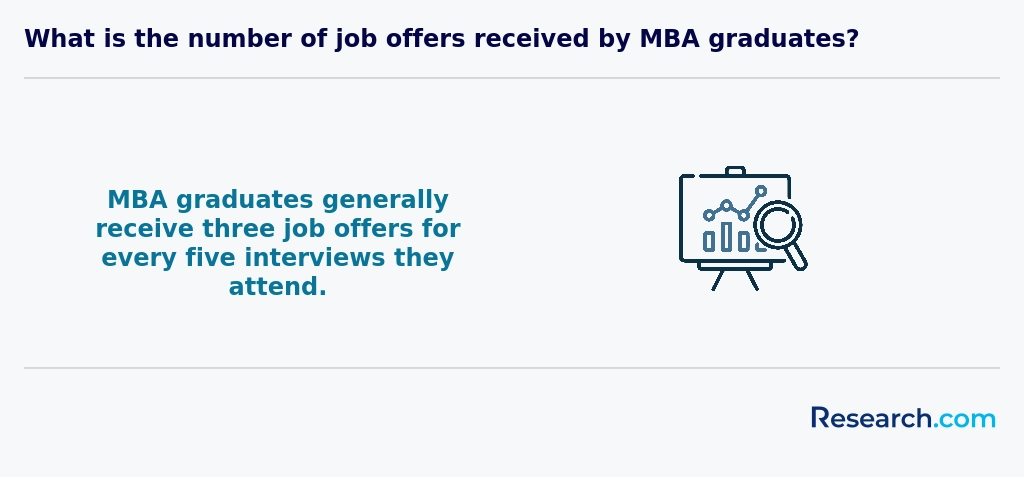
Planning ahead is crucial for a successful MBA application in Milwaukee, WI. Below is a typical timeline and key deadlines to help you stay on track: • 12–10 Months Before Enrollment – Research programs and finalize your shortlist. Visit each school’s admissions page for specific dates. As you compare costs and deadlines, you might also explore our Low Cost MBA Degree Programs Ranking in Hawaii to benchmark tuition timelines and budgeting strategies. – Register for the GMAT or GRE and begin a structured study plan. • 9–7 Months Before Enrollment – Request official transcripts from all post-secondary institutions. – Identify and brief recommenders; aim to secure letters of recommendation at least three months in advance. – Draft your personal statement and diversify essays to address each program’s prompts. • 6–4 Months Before Enrollment – Finalize and polish essays; enlist feedback from mentors or writing centers. – Submit applications for early decision or Round 1 (common deadlines: September–October). – Complete the FAFSA (opens October 1) and any institutional aid forms. • 4–2 Months Before Enrollment – Apply in Round 2 (typically November–January). – Schedule interviews; prepare by researching local business cases and practicing behavioral questions. – Compare financial aid offers and scholarship deadlines. • 2–0 Months Before Enrollment – Submit final Round 3 applications (January–March) for remaining programs. – Confirm admission offers and submit enrollment deposits (usually due April 15). – Register for orientation and review pre-term assignments. Adhering to this timeline ensures that you meet every requirement-from standardized tests to financial aid-and maximize your chance of acceptance into Milwaukee’s top MBA programs.
Securing financial aid for your MBA in Milwaukee can transform your educational journey into an achievable and exciting endeavor. Many graduates from the University of Wisconsin-Milwaukee and Marquette University recall how merit-based scholarships awarded for strong academics and leadership made a significant difference, easing the tuition burden and allowing them to focus fully on their studies.
Federal student loans, with their manageable interest rates and repayment options, are a reliable resource. Milwaukee MBA students often combine these with the Federal Work-Study Program, balancing on-campus part-time work alongside coursework, which not only supports finances but also builds valuable skills.
- Graduate assistantships at local business schools are another powerful form of aid, where students gain hands-on experience teaching or researching while receiving tuition waivers or stipends.
- Employer tuition reimbursement is a game-changer for many working professionals in Milwaukee's vibrant corporate scene, allowing students to pursue their MBA without sacrificing income.
- State grants like the Wisconsin Grant Program provide need-based help, further opening doors for qualified residents.
Private scholarships from local business associations can also be found with some initiative and research, providing targeted support based on industry or background. Exploring these options early will empower you to turn financial challenges into opportunities.
To pursue an MBA in Milwaukee, you'll need to hold a bachelor's degree from an accredited institution, a standard expectation at well-regarded schools like the University of Wisconsin-Milwaukee and Marquette University. Many graduates recall that having this solid academic foundation gave them the confidence to dive deep into advanced business topics.
Most programs ask for GMAT or GRE scores, though if you have strong professional experience or an advanced degree, these requirements might be waived. One graduate shared how years of leadership in a local company helped bypass the test, allowing a smoother application process.
Work experience-typically 2 to 5 years-is highly valued, especially roles involving management or team leadership. This real-world background enriches classroom discussions and prepares you to tackle complex business challenges.
You'll also need to submit transcripts, recommendation letters, and a personal statement. For international students, proving English proficiency through tests like TOEFL or IELTS is essential.
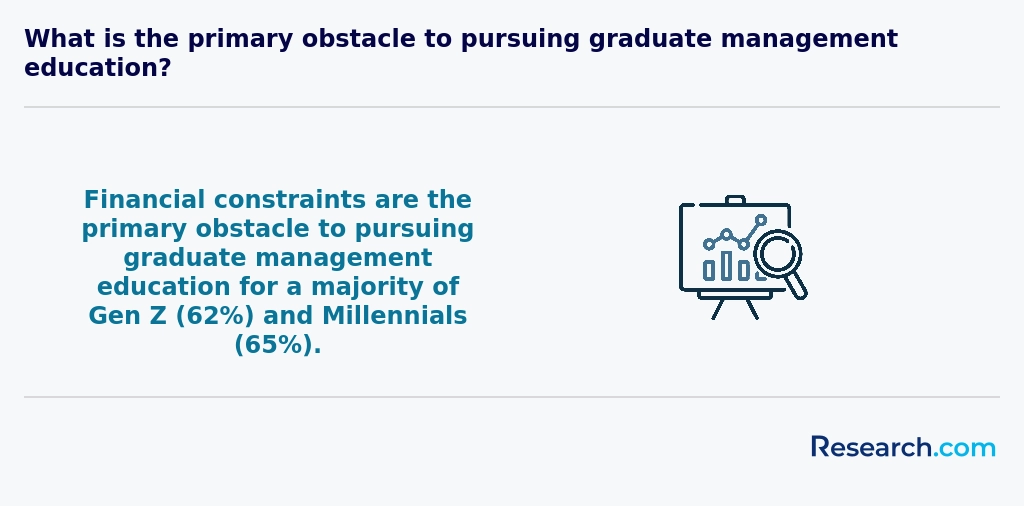
Navigating the MBA admissions process can be as challenging as it is rewarding. To enhance your application and increase your chances of acceptance, start by thoroughly researching each program’s unique strengths and aligning them with your career goals. Invest time in crafting a compelling personal statement that highlights your professional achievements, leadership experiences, and long-term vision. Be sure to update your resume with quantifiable successes and tailor your letters of recommendation to reflect both your academic potential and real-world impact. In preparing for standardized tests like the GMAT or GRE, consider enrolling in prep courses that suit your learning style, and practice consistently to build confidence. Networking with alumni and current students can provide invaluable insider advice-if you’re interested in exploring accelerated pathways, check out the quickest mba option for flexible, high-impact programs. Finally, organize your application materials well in advance of deadlines, and consider seeking feedback from mentors to ensure your submission truly reflects your expertise and vision.
When you dive into an MBA program in Milwaukee, you'll quickly find that the curriculum is designed to give you a comprehensive grasp of essential business skills. Graduates from universities like the University of Wisconsin-Milwaukee often recount how core courses such as financial and managerial accounting, corporate finance, and marketing management laid the groundwork for their success. These classes are not just theory-they challenge you to analyze real business cases and develop solutions, making your learning practical and engaging.
You'll also tackle subjects like operations and supply chain management, strategic management, and organizational behavior, all highly relevant to Milwaukee's strong manufacturing and service sectors. Alumni frequently highlight the impact of electives tailored to local industries, where they gained insights into healthcare administration or data analytics, connecting classroom knowledge to real-world business challenges that Milwaukee companies face daily.
This structure encourages teamwork, leadership, and critical thinking-skills that past students credit for boosting their confidence when stepping into leadership roles in Milwaukee's competitive job market.
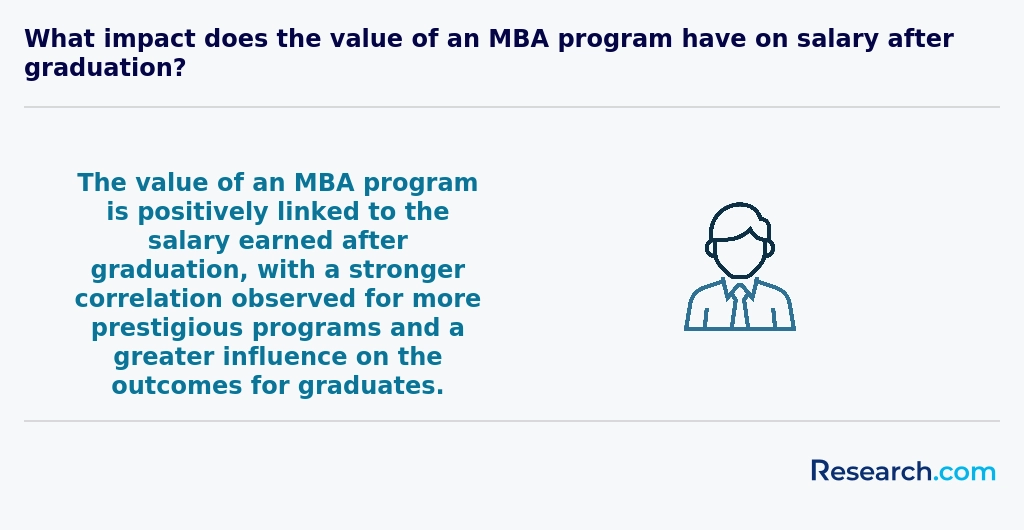
When exploring MBA degree specializations in Milwaukee, you'll find a range designed to match both local industry demands and your personal ambitions. Graduates from popular Milwaukee colleges often share how specializations like Finance and Healthcare Management gave them a competitive edge in the city's growing sectors. For instance, Milwaukee's strong healthcare network means students focusing on Healthcare Management gain real-world insights, preparing them for leadership roles in hospitals or health systems.
Marketing and Supply Chain and Operations Management are also standout options, reflecting Milwaukee's vibrant manufacturing and retail scenes. Many students find that hands-on projects at these universities help them develop skills directly applicable to local businesses, boosting confidence and employability. Entrepreneurship tracks spark excitement among those eager to launch startups or innovate within regional firms.
A few programs also offer concentrations in Information Technology, Human Resources, and Business Analytics, perfectly aligning with today's data-driven business environment. If you're still exploring your options, consider looking into the top bachelor degrees that complement your MBA journey and strengthen your career prospects in Milwaukee's dynamic market.
Choosing the right specialization lets you tailor your experience to achieve growth and fulfillment, making your MBA in Milwaukee not just an academic pursuit but a gateway to thriving locally and beyond.
Choosing the best MBA program in Milwaukee means focusing on what aligns with your career aspirations and lifestyle. Graduates from Marquette University often share how the school's AACSB accreditation and strong local reputation opened doors to leadership roles in Milwaukee's business community. Meanwhile, alumni from the University of Wisconsin-Milwaukee praise the affordable Milwaukee MBA degrees and flexible scheduling options that allowed them to balance full-time work and study without sacrificing quality.
Look closely at program formats-whether part-time, evening, or online-to find one that fits your daily rhythm. Practical experience is key: many local programs emphasize internships or consulting projects that actually connect you with Milwaukee businesses. Also, don't overlook alumni networks and career services; these resources have helped many recent grads quickly secure jobs after graduation.
If you're exploring finance or entrepreneurship, focus on specialized curricula at schools that match those interests. Finally, consider admission criteria carefully and prepare well, especially if exams like the GMAT or GRE are required. For tailored guidance and preparation tips, check out accounting degree exams.

Graduates with an MBA in Milwaukee often find themselves at the forefront of thriving industries such as manufacturing, finance, healthcare, and technology. For example, many alumni from local universities have secured leadership roles in companies like Harley-Davidson, leveraging their skills in operations and supply chain management. Others thrive in financial services, working within Milwaukee's banks and investment firms, applying their MBA knowledge to corporate finance and risk management. Milwaukee's growing healthcare sector, including institutions like Aurora Health Care, also welcomes MBA graduates for executive and operational leadership roles, highlighting the real-world impact of business education here.
Many graduates I've mentored discover exciting options in consulting, helping companies improve strategies and expand markets. Others dive into technology management with local startups, turning innovation into actionable business success. Considering Milwaukee's strong economy, MBA career opportunities in Milwaukee continue to grow, fueled by vibrant regional businesses. For those seeking practical ways to enhance their prospects, exploring career-focused training alongside the MBA can be a game-changer.
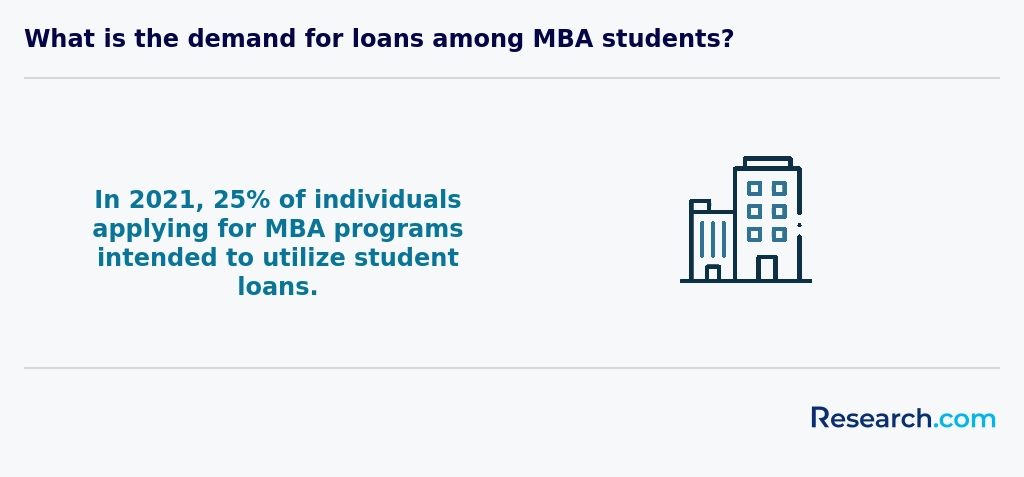
The MBA job opportunities in Milwaukee are robust and expanding, thanks to the city's diverse economy that spans manufacturing, healthcare, finance, and technology. Graduates from institutions like the University of Wisconsin-Milwaukee quickly find roles as business analysts, project managers, and financial managers, reflecting the region's growing demand for skilled leadership. One graduate recollected how their MBA experience opened doors to managerial roles in a local healthcare firm, where strategic thinking and operational skills were highly prized.
Milwaukee MBA degree employment outlook remains promising, with management positions projected to grow around 7% by 2030. This steady rise affirms that companies value the practical expertise and advanced business acumen MBA holders bring. Many find themselves well-prepared to lead projects and innovate within bustling local industries. The relatively affordable tuition, such as at UW-Milwaukee, further encourages students to invest in their futures without overwhelming debt. For those seeking options, exploring the most affordable mba schools in wisconsin can be a smart step toward a rewarding career.
2027 Best MBA Degree Programs Ranking in Milwaukee
Investing in your education is a significant decision that can shape your future, and the Research.com team understands the importance of making informed choices. To assist prospective students in Milwaukee, we have meticulously crafted the "2027 Best MBA Degree Programs Ranking in Milwaukee." Our commitment to quality, credibility, and accuracy is reflected in the extensive research and analysis conducted to compile this ranking.
We utilized the following reputable data sources to ensure a comprehensive evaluation of MBA programs:
By exploring this ranking, readers will gain valuable insights into the best MBA degree programs available in Milwaukee, helping them make well-informed decisions about their educational and professional futures. For more details on our methodology, please visit our Research.com methodology page.


Frequently Asked Questions About MBA
To maximize their learning experience, MBA students in Milwaukee should actively engage with both coursework and local business communities. Milwaukee hosts several reputable institutions like the University of Wisconsin-Milwaukee and Marquette University, which offer access to industry connections through internships and networking events. According to the Milwaukee 7 Regional Economic Development Partnership, sectors such as manufacturing and finance are strong in the region, providing valuable practical learning opportunities.
Students can benefit from participating in case competitions, study groups, and attending guest lectures by industry leaders. Utilizing career services and alumni networks also enhances professional growth. Balancing academic theory with practical experiences is key to unlocking the full potential of an MBA education in Milwaukee.
Emerging niches within the MBA field reflect evolving business challenges and technological advances. In Milwaukee, programs increasingly emphasize areas like data analytics, supply chain management, and sustainability. These focus areas respond to the city's strong manufacturing base and growing logistics sector.
Additionally, digital transformation and fintech are gaining traction in Milwaukee's MBA offerings, aligning with national trends. According to the Graduate Management Admission Council (GMAC), over 30% of U.S. MBA programs now integrate tech-driven content.
Healthcare management is another niche expanding in Milwaukee, supported by the city's large healthcare industry. This specialization prepares graduates for leadership roles in healthcare organizations facing complex regulatory environments and digital health implementation.
Preparing for the job market after completing an MBA degree in Milwaukee involves strategic planning. Milwaukee's diverse economy, featuring strong manufacturing, healthcare, and financial sectors, offers multiple opportunities for MBA graduates. Networking is crucial; engaging with local professional organizations like the Milwaukee Business Journal's networking events can increase chances of employment.
Internships and co-op programs offered by Milwaukee-area universities provide valuable real-world experience and employer connections. According to the U.S. Bureau of Labor Statistics, MBA holders in the Midwest enjoy a median annual salary around $95,000, but local salary rates may vary.
Career services at Milwaukee business schools often assist with resume building, interview preparation, and job placement. Staying updated on labor market trends in Milwaukee through resources such as the Wisconsin Department of Workforce Development helps graduates align their skills with employer needs.
Employers in Milwaukee highly value MBA graduates with strong leadership and strategic thinking skills. According to recent surveys by the Milwaukee Economic Development Corporation, 68% of local businesses prioritize candidates who demonstrate financial acumen and data-driven decision-making abilities.
Communication skills are also essential, with many firms seeking graduates capable of clear, effective collaboration across teams. Additionally, proficiency in project management and adaptability to evolving market trends are frequently mentioned by Milwaukee employers.
Technical skills, such as familiarity with business analytics software, are increasingly important in this region's competitive industries. Overall, MBA graduates who combine analytical expertise with interpersonal strengths tend to stand out in Milwaukee's job market.
Finding internships in Milwaukee relevant to an MBA degree involves leveraging the city's diverse business landscape and university resources. Milwaukee hosts several Fortune 500 companies and strong industries such as manufacturing, finance, and healthcare, which often offer MBA internship opportunities. According to the Milwaukee 2023 Economic Report, internships in the city's business sector have grown by 8% over the past three years.
Many local universities with MBA programs, like the University of Wisconsin-Milwaukee and Marquette University, provide career services that connect students with internship openings. Utilizing career fairs and networking events on campus is crucial.
In addition, professional platforms such as LinkedIn and the Greater Milwaukee Committee's business directory help identify companies hiring MBA interns. Engaging with the Milwaukee Chamber of Commerce and attending local meetups also expand internship prospects in key industries.
In Milwaukee, earning an MBA can significantly enhance career mobility and advancement opportunities. The city's growing industries-such as manufacturing, healthcare, and finance-value the strategic and leadership skills developed through MBA programs. According to the Milwaukee Economic Development Corporation, MBA graduates often see salary increases averaging 15-25% within two years post-graduation.
An MBA also increases access to senior management roles, as local employers frequently seek candidates with advanced business knowledge and leadership experience. Additionally, networking opportunities provided by Milwaukee's MBA programs often connect students with regional business leaders, improving job placement rates.
Data from the Graduate Management Admission Council (GMAC) shows that Milwaukee-based MBAs report faster promotions compared to peers without advanced degrees, highlighting the degree's role in career advancement within the city's competitive job market.
Studying for an MBA degree in Milwaukee equips students with a broad skill set essential for interdisciplinary roles. Milwaukee's MBA programs emphasize collaboration across fields such as finance, marketing, operations, and technology, reflecting the multifaceted demands of today's business landscape. According to the Milwaukee Business Journal, local programs often integrate real-world projects with companies across various industries, providing hands-on experience in solving complex, cross-disciplinary problems.
Students benefit from faculty expertise spanning multiple domains, enhancing their ability to think critically and adapt to diverse business challenges. The practical focus on leadership and communication further prepares graduates to work effectively with professionals from different backgrounds, a key asset in interdisciplinary environments.
Choosing between a thesis and a non-thesis MBA program in Milwaukee depends largely on your career goals and learning preferences. Thesis programs typically require original research and are ideal if you aim for a career in academia, consulting, or research-oriented roles. Non-thesis options focus more on practical skills and coursework, fitting for professionals targeting leadership or management positions in local industries.
According to the University of Wisconsin-Milwaukee and Marquette University, about 60% of MBA students opt for non-thesis tracks due to their emphasis on experiential learning and internships.
Consider your time commitment and interest in research when deciding.
Students based in Milwaukee seeking to study for an MBA abroad have multiple avenues worth exploring. Many institutions in Milwaukee, such as the University of Wisconsin-Milwaukee, offer partnerships with foreign universities, allowing students to participate in exchange programs or dual-degree opportunities. These pathways often combine domestic study with semesters overseas, providing valuable international experience.
Additionally, students can consider online or hybrid MBA programs offered by international universities, which have grown in popularity and accessibility in recent years. According to the Graduate Management Admission Council (GMAC), nearly 50% of MBA candidates in 2023 showed interest in global or online options.
It is essential for Milwaukee students to verify accreditation status and program rankings to ensure the chosen international program meets US educational standards and supports career goals.
Part-time job opportunities in Milwaukee that complement MBA education often focus on roles offering practical business experience. Positions such as financial analyst interns, marketing assistants, and project coordinators are common among MBA students.
Milwaukee's strong presence in manufacturing, finance, and healthcare sectors creates internships and part-time roles that align with MBA skill sets, particularly in companies like Northwestern Mutual and Aurora Health Care. According to the Greater Milwaukee Committee, these industries frequently seek candidates with business analytics and strategic planning skills, which MBA programs emphasize.
Engaging in part-time consulting projects or assisting small local businesses with operations and management can also enhance MBA students' learning by applying theories to real-world challenges. Access to Milwaukee's network of startups via organizations like the Milwaukee Venture Partners adds additional opportunities for practical experience.
Milwaukee offers MBA students numerous networking opportunities through its vibrant business community and several well-regarded academic institutions. Schools like the University of Wisconsin-Milwaukee and Marquette University regularly host networking events, career fairs, and speaker series featuring local industry leaders. According to the Milwaukee 7 Economic Development organization, the region is a hub for manufacturing, finance, and healthcare, providing MBA students access to influential professionals across sectors.
Many MBA programs in Milwaukee also encourage participation in local business organizations such as the Milwaukee Chamber of Commerce and professional groups like the Milwaukee Business Journal's networking events. These venues help students build connections crucial for career growth and internships.
Alumni networks provide valuable support to MBA students in Milwaukee by fostering connections with graduates who have practical insights and local industry knowledge. These networks often organize events, mentorship programs, and job placement assistance, helping students access hidden job markets. According to data from the Milwaukee Business Journal, 65% of recent MBA graduates in the area found employment through alumni referrals.
In Milwaukee, strong alumni ties can open doors in key industries such as manufacturing, healthcare, and finance, which dominate the local economy. Networking with alumni enhances professional growth and improves career prospects for MBA students.
Customizing an MBA degree program in Milwaukee allows students to align their education with specific career goals. Many local universities offer flexible curriculum options, including concentrations in finance, marketing, healthcare management, and supply chain. For example, the University of Wisconsin-Milwaukee provides various electives enabling students to tailor their studies.
Additionally, part-time and evening MBA programs cater to working professionals seeking to balance education with career demands. Internships and cooperative education opportunities with Milwaukee-based companies further enhance practical experience.
According to the Graduate Management Admission Council, nearly 70% of MBA students prioritize programs offering specialization tracks, making Milwaukee's diverse options attractive for targeted career advancement.
MBA students in Milwaukee often face the challenge of balancing rigorous academic workloads with professional and personal commitments. According to the Graduate Management Admission Council (GMAC), many part-time and evening MBA students report difficulty managing time effectively. This is especially true in Milwaukee's competitive job market where approximately 45% of MBA candidates work full-time while studying.
Another common challenge is the financial burden associated with MBA programs. Tuition for Milwaukee's top MBA programs averages between $30,000 and $50,000, which can deter some prospective students without employer sponsorship or financial aid.
Additionally, networking opportunities, critical for career advancement, can be limited outside major business hubs, posing a challenge for students aiming to connect with national or international firms. However, Milwaukee schools are expanding partnerships with local businesses to address this.
With an MBA degree in Milwaukee, graduates can pursue a variety of professional certifications to enhance their careers. Popular options include the Project Management Professional (PMP) credential, which is valued nationwide and complements the leadership skills developed in MBA programs. Another common path is the Certified Management Accountant (CMA) certification, particularly relevant for those focusing on finance or accounting.
Additionally, the Certified Financial Planner (CFP) certification suits MBA holders interested in financial advising. Milwaukee's proximity to major business hubs and access to regional chapters of organizations like the PMI and IMA provide strong local support for certification preparation. According to the Graduate Management Admission Council, nearly 60% of MBA graduates pursue further certification to improve job prospects.
Writing a winning application for an MBA program in Milwaukee requires careful attention to key elements that admissions committees prioritize. Start by showcasing your professional experience clearly, as many Milwaukee MBA programs value applicants with at least two to five years of work history, according to U.S. News & World Report.
Strong letters of recommendation are essential-choose supervisors who can highlight your leadership and teamwork skills. Additionally, craft a compelling personal statement that explains your career goals and why a Milwaukee MBA is critical to achieving them.
Milwaukee schools often require the GMAT or GRE; scoring above the average (around 550-600 GMAT) can substantially boost your chances.
The global perspective on an MBA career remains strong, with the degree valued for developing leadership, strategic thinking, and business skills applicable worldwide. In the US, and specifically Milwaukee, MBA graduates benefit from access to diverse industries such as finance, manufacturing, and healthcare, which have international connections. According to the Graduate Management Admission Council (GMAC) 2023 report, 89% of MBA graduates in the US find employment within three months, highlighting solid career prospects.
Milwaukee's MBA programs often emphasize global business practices, preparing students for careers not only locally but also in multinational firms. Schools like Marquette University incorporate international case studies and exchange opportunities to enhance global understanding.
Notably, the demand for MBAs with global experience is rising, as companies seek leaders able to navigate complex international markets. This trend is reflected in the diversity of Milwaukee's MBA student body and curriculum focus, supporting graduates aiming for impactful global careers.
Gaining practical experience while pursuing an MBA in Milwaukee is achievable through various approaches. Many local MBA programs encourage internships with prominent companies in industries like manufacturing, finance, and healthcare, which are strong in the Milwaukee area. For example, the Greater Milwaukee Committee reports that nearly 40% of MBA students secure internships before graduation, enhancing their real-world skills.
Students can also participate in consulting projects or capstone courses offered by Milwaukee universities, allowing hands-on problem solving for local businesses. Networking events and local business competitions provide additional opportunities to apply classroom knowledge practically.
Finally, part-time or evening MBA programs in Milwaukee often cater to working professionals, enabling students to integrate their current job experience with academic learning.
Choosing the right concentration within an MBA program in Milwaukee involves evaluating your career goals and the local job market. Milwaukee's strong industries include manufacturing, finance, healthcare, and supply chain management, which are commonly reflected in MBA concentrations offered by local schools such as the University of Wisconsin-Milwaukee and Marquette University.
Research recent employment trends in Milwaukee through sources like the Milwaukee Succeeds initiative or the Wisconsin Department of Workforce Development. Concentrations in finance, business analytics, and supply chain are in demand, with finance roles expected to grow by 7% over the next decade according to the U.S. Bureau of Labor Statistics.
It is also important to consider the flexibility of concentrations. Some schools provide customizable tracks or dual concentrations, allowing you to tailor your MBA to specific professional pathways while gaining broad business knowledge.
Finally, review alumni outcomes and internship opportunities specific to Milwaukee-area businesses. This helps ensure the concentration you choose aligns with local networks and industry needs, improving your employment prospects after graduation.
- 2027 Best MBA Degree Programs Ranking in River Forest
- 2027 Best MBA Degree Programs Ranking in Chicago
- 2027 Best MBA Degree Programs Ranking in Grand Rapids
- 2027 Best MBA Degree Programs Ranking in Dubuque
- 2027 Best MBA Degree Programs Ranking in Fort Wayne
- 2027 Best MBA Degree Programs Ranking in Indianapolis
- 2027 Best MBA Degree Programs Ranking in Saint Paul
- 2027 Best MBA Degree Programs Ranking in Cincinnati
- 2027 Best MBA Degree Programs Ranking in Saint Louis
- 2027 Best MBA Degree Programs Ranking in Columbus
- MBA Requirements: What do you really need for an MBA degree https://www.obseducation.org/en/blog/mba-requirements-what-do-you-really-need-for-an-mba-degree
- Why MBA Graduates Embrace Global Perspectives for Career Growth https://www.thehighereducationreview.com/editors-guest/why-mba-graduates-embrace-global-perspectives-for-career-growth-nid-6271.html
- How to Choose the Best MBA Program for Your Career Goals https://www.clearadmit.com/2025/05/how-to-choose-the-best-mba-program-for-your-career-goals/
- Know more about thesis vs non- thesis: what is the difference? https://studyfans.com/en/blogs/816
- Tips for Writing an MBA Program Essay - GMAT Ninja https://www.gmatninja.com/articles/mba-admissions/essays-and-applications/minimizing-mba-application-essay-agony/
- What Can You Do with an MBA in Today’s Market? | Elmhurst University Elmhurst University Blog https://www.elmhurst.edu/blog/what-can-you-do-with-an-mba-in-todays-market/
- Top 10 Career Options After a Global MBA | SP Jain Global https://www.spjain.org/blog/articles/top-global-mba-careers
- MBA Requirements https://www.collegeessayguy.com/blog/mba-requirements
- MBA Salary: How Much Can You Earn After Graduation? | Walbrook https://www.walbrook.ac.uk/subjects/mba/mba-degree-salary-how-much-can-you-earn/
- How to Use Your MBA for Career Growth While You’re Still Studying - International Career Institute USA https://icieducation.com/blog/how-to-use-your-mba-for-career-growth-while-youre-still-studying/


