2027 Most Valuable MBA Degree Programs Ranking in Seattle

Co-Founder and Chief Data Scientist
Choosing the right MBA program can shape your future, especially in a dynamic city like Seattle. This article introduces the 2027 Most Valuable MBA Degree Programs Ranking in Seattle, created by the Research.com team of data scientists. It's designed to help you navigate options and identify programs that offer real value for your investment.
Discover how an MBA can boost your career, expand your network, and open doors to exciting opportunities. Whether you're starting or advancing your journey, this ranking supports smart decisions with trusted data and insightful analysis.
Key benefits of getting MBA degree in Seattle
- MBA graduates in Seattle often see rewarding salaries, with many business professionals in the region earning between $80,000 and $150,000 annually depending on their role and experience.
- Graduates from the University of Washington's Foster School of Business commonly pursue careers in finance, marketing, consulting, and technology management, offering diverse opportunities tailored to personal interests and goals.
- Completing an MBA online through Seattle University allows flexibility, enabling students to balance work and study while gaining the same valuable skills and network as traditional students, making advancement more accessible and convenient.
- 2027 Most Valuable MBA Degree Programs Ranking in Seattle
- What can I expect from MBA degree in Seattle?
- Where can I work with MBA degree in Seattle?
What can I expect from MBA degree in Seattle?
The average cost of pursuing an MBA degree in Seattle typically falls between $50,000 and $70,000 for the entire program. This range reflects differences in residency status and the specific type of MBA chosen, whether full-time, part-time, or online. Graduates from the University of Washington's Foster School of Business often mention how this investment felt justified given the strong corporate connections and career services that helped them secure impressive salaries and signing bonuses soon after graduation.
One common experience among MBA students in Seattle is balancing tuition payments with financial aid and scholarships. Many have found employer tuition assistance to be a crucial resource, especially those working while studying at Seattle University's Albers School of Business. The flexibility of evening and part-time programs often makes it manageable to handle costs without compromising professional development.
These tuition levels are competitive with other major cities but come with the added benefit of Seattle's thriving economy. Graduates appreciate the tangible value of their education as it opens doors to industries like technology, healthcare, and green energy, making the cost feel like an investment in a vibrant future.
Where can I work with MBA degree in Seattle?
Graduates from MBA programs in Seattle often find themselves thriving in the city's dynamic job market, where opportunities span vibrant industries. Many from the University of Washington's Foster School of Business highlight their smooth transitions into roles at tech giants like Amazon and Microsoft. These companies value MBA skills in strategic planning, product management, and business development, allowing graduates to contribute meaningfully from day one.
Others from Seattle University appreciate how the city's aerospace sector, anchored by Boeing nearby, opens doors in supply chain management and project leadership. These roles often demand hands-on problem solving paired with financial insight-areas where MBA training proves invaluable. Healthcare is another rewarding path, with institutions such as Providence Health & Services seeking MBAs to innovate administrative and operational processes.
Finance careers also attract many, with banks like KeyBank offering leadership programs that empower MBA graduates to steer risk management and corporate finance initiatives. Additionally, Seattle's buzz of startups and consulting firms presents a fertile ground for MBAs eager to shape business strategies and marketing approaches, creating fulfilling career journeys rooted in the city's unique economic landscape.
While specific salary data from the Bureau of Labor Statistics for MBA-related roles in Seattle is unavailable, insights from local graduates and industry trends offer valuable guidance. Early-career MBA holders in Seattle typically earn around $85,000 per year, with mid-career professionals reaching approximately $120,000. Those from the University of Washington's Foster School of Business report salaries exceeding $115,000 just a few years after graduation, reflecting strong earning potential in the region.
Seattle's bustling tech sector, featuring companies like Amazon and Microsoft, often pushes compensation beyond base salaries through bonuses and equity, especially in product management and strategic roles. Graduates working in finance or consulting within the city tend to see starting salaries in the $100,000 to $130,000 range, balancing the city's higher cost of living.
Many MBA graduates describe the salary growth as rewarding, enabling them to comfortably engage with Seattle's dynamic professional and social scenes. This financial confidence often translates into greater career flexibility and opportunities for leadership development.
- The cost of earning an MBA in Seattle ranges from approximately $60,000 to $100,000, varying by school and program format.
- Early-career MBA graduates in Seattle typically earn between $90,000 and $110,000 annually.
- With experience, MBA salaries in Seattle can exceed $150,000 in mid- to upper-level management roles.
- Seattle's MBA programs often require 2-5 years of work experience, competitive GMAT or GRE scores, and strong recommendations.
- Many programs offer part-time, evening, or executive MBA options to suit working professionals.
Completing an MBA in Seattle typically takes between 18 and 24 months if you enroll full-time, which matches the pace many graduates describe as intense yet rewarding. For instance, students at the University of Washington Foster School of Business often finish their full-time MBA in about 21 months, balancing core subjects like finance and leadership with hands-on projects. Many recall the challenge as a deeply transformative experience, fueled by the city's vibrant business community and support networks.
Working professionals often choose part-time or executive MBA tracks, which extend the journey to 2 or 3 years, allowing them to study evenings or weekends without stepping away from their careers. Graduates in these programs appreciate the flexibility, emphasizing how it enabled steady progress without sacrificing income or family time. It's a path that fosters steady growth, making the demands more manageable but no less fulfilling.
Less common accelerated options allow completion in as little as 12 months. Graduates who pursue these describe the path as intense and immersive-perfect for those able to fully dedicate themselves. Whether you prefer fast immersion or measured pacing, Seattle's program diversity offers something to fit your life rhythm and ambitions.
As the business landscape continues to evolve, MBA programs in Seattle are increasingly adapting to new technologies and shifting industry demands. Prospective students can expect curricula that incorporate emerging trends such as digital transformation, sustainability, and data analytics, providing a forward-thinking edge in an ever-changing job market. Industry leaders are also partnering closely with universities to develop specialized tracks that prepare graduates for future challenges, from remote management techniques to innovations in fintech and healthcare. With an emphasis on experiential learning and mentorship, these programs aim to bridge the gap between traditional classroom instruction and real-world applications. For those seeking flexible options to keep pace with modern demands, exploring opportunities like easy mba online can be a strategic move. This integration of practical skills, technology, and sustainability not only enhances career prospects but also ensures that Seattle’s MBA graduates remain competitive in a dynamic global market.
The fundamental difference between online and on-campus MBA programs in Seattle often comes down to atmosphere and interaction. Graduates from the University of Washington Foster School of Business recall how direct in-person discussions and networking events created lasting professional bonds that energized their learning experience. In contrast, those from Seattle University's online MBA program appreciate the freedom to balance work and family while studying at their own pace, often describing a sense of empowerment in managing their schedules without sacrificing educational quality.
Cost also plays a meaningful role. On-campus MBAs in Seattle typically carry higher tuition and extra expenses like commuting or housing, which some students find stressful. Online options reduce these burdens, offering slightly lower per-credit costs and eliminating commuting, a relief for working professionals.
Many students find that on-campus programs offer a structured two-year path with fixed class times, fostering routine and discipline. Meanwhile, online learners often enjoy flexible pacing, sometimes blending occasional campus visits with digital coursework, which makes the experience both dynamic and accommodating.
Seattle’s top MBA programs deliver exceptional value, but rising tuition and living expenses can challenge even the most budget-savvy applicants. One strategic approach is to explore accredited online programs that offer flexibility, lower overhead costs, and competitive curricula. By comparing Seattle’s offerings with nationally ranked, cost-effective alternatives, students can optimize their return on investment without compromising on quality. Many online MBA formats mirror on-campus rigor through interactive case studies, live webinars, and cohort-based projects. These programs often reduce ancillary expenses-commuting, housing, and campus fees-allowing graduates to reallocate savings toward professional development or loan repayment. For instance, accredited programs in other regions may charge up to 30% less in tuition while maintaining AACSB or ACBSP accreditation standards. To identify some of the most budget-friendly yet reputable options, review the Cheapest Online Master's in MBA Degree Programs Ranking in Virginia. This resource highlights programs with proven outcomes, transparent cost structures, and robust student support services. When evaluating these options, consider:
- Accreditation and Curriculum Quality: Ensure courses cover core competencies-finance, marketing, leadership-and offer capstone projects or experiential learning.
- Flexibility and Format: Look for asynchronous modules paired with periodic synchronous sessions to accommodate work schedules.
- Career Services and Networking: Verify access to virtual career fairs, alumni mentorship, and industry partnerships that facilitate job placements.
- Technological Infrastructure: Confirm the platform’s reliability, access to digital libraries, and opportunities for peer collaboration. By strategically leveraging online MBA options, Seattle-area professionals can balance high living costs with a world-class education, positioning themselves for accelerated career growth and a faster path to salary increases.
For those considering the average MBA degree cost Seattle offers, it's important to recognize that the median total cost typically sits around $67,864, while residents often see a more affordable figure closer to $34,847. Graduates from Seattle's leading institutions, like the University of Washington's Foster School of Business, often reflect on how their tuition investment aligned with these figures. The balance between in-state and out-of-state costs can significantly affect one's financial planning and long-term satisfaction with the program.
Many students pursuing an MBA in Seattle experience a mixture of excitement and careful budgeting, especially as living expenses add to the broader financial picture. Seattle's vibrant business environment makes it a prime location to immerse oneself in practical learning alongside academic studies. The total cost of MBA programs Seattle presents goes beyond tuition alone; costs such as books, materials, and campus fees also shape the overall investment.
It's reassuring to know that Seattle's MBA programs frequently offer various scholarship and financial aid opportunities to help ease the burden, fostering a community of support among learners. When assessing the value, prospective candidates might look at the valuable mba school in washington rankings to identify programs that deliver strong outcomes relative to their cost, inspiring confidence in their educational choices.
Financial aid for MBA students in Seattle often begins with merit-based scholarships offered by institutions like the University of Washington's Foster School of Business. Graduates frequently share how receiving such scholarships, based on academic and leadership merits, eases the heavy tuition load, sometimes covering nearly half the costs.
Need-based aid, while competitive, provides relief for students demonstrating financial hardship. One graduate recalled how a limited grant from their college helped bridge budget gaps, allowing them to focus fully on studies without constant financial worry.
Federal aid remains a reliable resource, particularly Federal Direct Unsubsidized Loans and Graduate PLUS Loans, enabling many to manage their yearly $50,000-$70,000 tuition through manageable repayment plans later. The FAFSA process, though sometimes daunting, is a gateway many Seattle MBA candidates successfully navigate.
For working professionals, employer sponsorships are a game-changer. Many tech and finance firms in Seattle encourage continuing education by reimbursing tuition, creating a win-win situation. Several graduates attribute their ability to pursue MBAs to such programs, finding both financial and motivational support from their companies.
Finally, private scholarships like the Washington State Opportunity Scholarship and awards from organizations such as the Seattle Chapter of the Association for Women in Business provide meaningful aid. These opportunities often shine brightest for residents and targeted groups, sparking a sense of community and shared growth within Seattle's MBA landscape.
When evaluating the best MBA programs in Seattle, it's essential to consider factors beyond just the curriculum and cost. One crucial aspect is understanding the value proposition of each program, particularly how it prepares students for the dynamic job market in Seattle. For those looking to maximize their educational investment, researching the valuable mba school in washington can provide insights into which programs offer the best return on investment. This involves examining outcomes such as job placement rates, average starting salaries, and the overall satisfaction of alumni. By prioritizing these metrics, prospective students can make informed decisions that align with their career aspirations and financial realities, ensuring they choose a program that offers a valuable and impactful educational experience.
Enrolling in an MBA program in Seattle often begins with holding a bachelor's degree and maintaining a solid GPA, usually around 3.0, which many students from the University of Washington's Foster School of Business have noted as a motivating benchmark. This foundational academic achievement opens doors but is rarely enough on its own.
Graduates frequently share how submitting competitive GMAT or GRE scores, or opting for test-optional routes recently embraced by several Seattle schools, helped highlight their analytical strengths and readiness. Beyond academics, most Seattle MBA programs look for two to five years of professional work experience-a rich resource that makes classroom discussions far more meaningful, especially when drawn from industries booming in the city's diverse economy.
Letters of recommendation and personal essays provide a platform for applicants to express leadership potential and career aspirations, often reflecting real conversations with mentors or supervisors from Seattle's vibrant business community. Managing the significant financing, typically between $40,000 and $70,000 annually, also requires careful planning, a challenge many find rewarding as it underscores their commitment to the journey ahead.
Finally, interviews offer a chance to connect personally, allowing candidates to convey their enthusiasm and fit for the program, echoing the experience of many who have successfully navigated admissions at Seattle's top MBA schools.
Calculating the return on investment (ROI) for MBA programs in Seattle is crucial for informed decision-making. On average, total tuition and living expenses for a two-year program at top schools like the University of Washington Foster School of Business hover around $120,000. Graduates report median starting salaries between $90,000 and $110,000-resulting in an annual salary uplift of approximately $30,000 compared to pre-MBA earnings. By dividing the total cost by the annual salary increase, the typical payback period for an MBA in Seattle is roughly four years. Beyond simple payback, net present value (NPV) analyses factor in discounted cash flows over a 10-year career horizon. Using a conservative discount rate of 5%, the NPV of an MBA investment ranges from $60,000 to $100,000, depending on industry placement in tech, finance, or consulting. Programs with strong alumni networks and high placement rates often yield the highest NPV, underscoring the value of experiential learning and career services. Prospective students who prioritize affordability without sacrificing quality may also explore alternative delivery formats. For example, out-of-state candidates can consult the Cheapest Online Master's in MBA Degree Programs Ranking in Virginia to compare cost-effective online options and accelerate ROI while leveraging Seattle’s robust job market.
Graduates from Seattle's top programs like the University of Washington Foster School of Business often reflect on how their coursework grounded them in essential business disciplines. Core classes such as Financial Accounting and Managerial Economics gave them a clear understanding of how organizations manage resources and measure success, skills they immediately applied when analyzing real company financials during internships.
Courses in Marketing Management and Organizational Behavior helped students develop the ability to influence teams and craft strategies in dynamic environments-a vital skill in Seattle's fast-paced tech and startup culture.
Many appreciate the inclusion of Operations Management and Business Strategy classes, which challenge them with case studies mirroring actual business dilemmas faced by local companies, fostering a mindset that balances efficiency with innovation.
Electives like Technology Management and Entrepreneurship often ignite passion, reflecting Seattle's vibrant ecosystem. Graduates recall group projects where they designed business plans for venture capital funding, consolidating teamwork and creative problem-solving.
This blend of core and specialized courses consistently inspires confidence, equipping Seattle MBA students to navigate complex challenges and seize opportunities in diverse industries.
Seattle's MBA programs present an impressive array of specializations designed to meet the demands of its vibrant economy. Graduates from top schools like the University of Washington's Foster School of Business often share how concentrations such as Technology Management and Entrepreneurship have directly connected them to the city's thriving tech sector and start-up culture. These programs emphasize real-world skills in innovation, business creation, and scaling ventures-perfectly tuned to Seattle's dynamic environment. Exploring Seattle MBA degree concentration options also includes Supply Chain and Operations, reflecting the city's crucial role in global logistics through its port facilities.
Finance and Accounting remain strong pillars within Seattle MBA specializations, offering essential expertise amid the region's business climate. Marketing and Sustainability and Social Impact are also popular paths, resonating with the city's digital economy and progressive values. Many students appreciate how these options align thoughtfully with local industries, helping them feel confident and prepared for their careers. For those considering diverse routes, exploring easy mba online formats can complement on-campus learning, broadening access to Seattle's top MBA specializations in Seattle.
Choosing the best MBA degree in Seattle means balancing your career goals with program structure. Graduates from well-known colleges in Seattle often describe how selecting a part-time or executive MBA allowed them to keep earning while studying, making the intense workload feel manageable. Full-time programs, ideal for those who can pause work, provide immersive experiences often praised for building strong networks across local industries like tech and aviation.
Seattle's AACSB-accredited schools impress with specialized tracks in entrepreneurship and technology management. Graduates frequently share how these focused curricula aligned perfectly with the city's dynamic economic landscape, enhancing both their confidence and marketability. Affordability also comes into play-tuition can vary widely, so exploring options for scholarships, employer sponsorships, or flexible programs is wise.
Many students also research post-graduation outcomes, which are encouraging around Seattle's prominent companies. For those seeking Cheapest Online Master's in MBA Degree Programs Ranking in Virginia, understanding cost versus return is crucial. Overall, aligning your preferences with program strengths fosters a rewarding MBA journey in Seattle's vibrant environment.
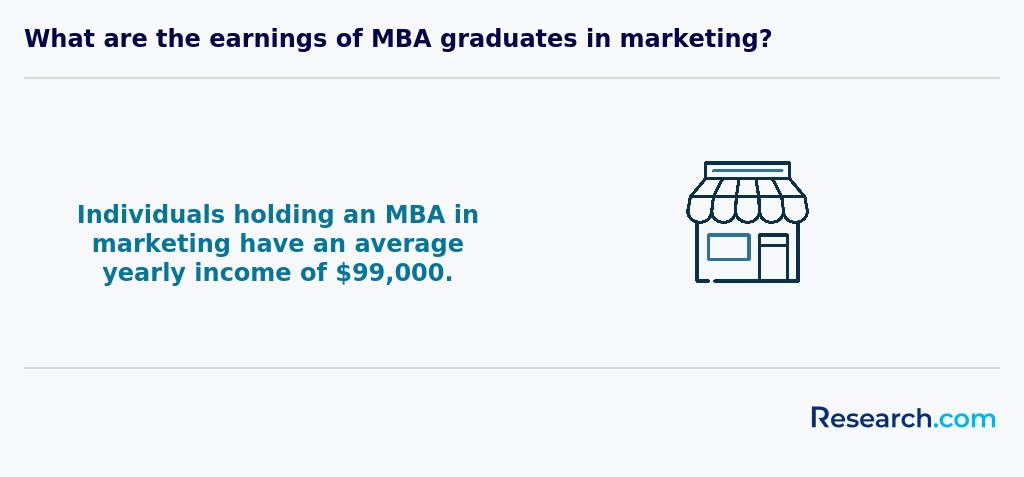
Graduates with an MBA degree in Seattle often find themselves drawn to dynamic industries that match the city's vibrant economy. From my conversations with graduates of prominent Seattle institutions, many are excited by opportunities in management consulting, drawn to firms located downtown that value strategic thinking and leadership. The technology sector, anchored by Amazon and Microsoft, also attracts MBA holders seeking roles in product management and business development, offering a blend of innovation and stability that few places can match.
Seattle MBA degree job prospects extend into finance and healthcare as well, where graduates appreciate the balance between challenging work and meaningful impact. Those from local universities often share how their time in the program refined skills that opened doors to portfolio management or healthcare system operations. The entrepreneurial spirit here is palpable; many feel empowered to join or launch startups, supported by Seattle's growing venture capital scene. For those weighing their options, considering programs with lower costs or exploring easy degrees nearby can also be a practical step toward these rewarding career paths.
The job market for MBA graduates in Seattle is notably vibrant, supported by a dynamic local economy anchored by industry leaders such as Amazon, Microsoft, and Boeing. Graduates from well-regarded programs at Seattle institutions often share that connections made during their studies-and access to recruiting events-are instrumental in landing roles in management, finance, or strategy. This strong network is vital given the competitive nature of MBA graduate job opportunities in Seattle, frequently opening doors in sectors like technology, healthcare, and aerospace.
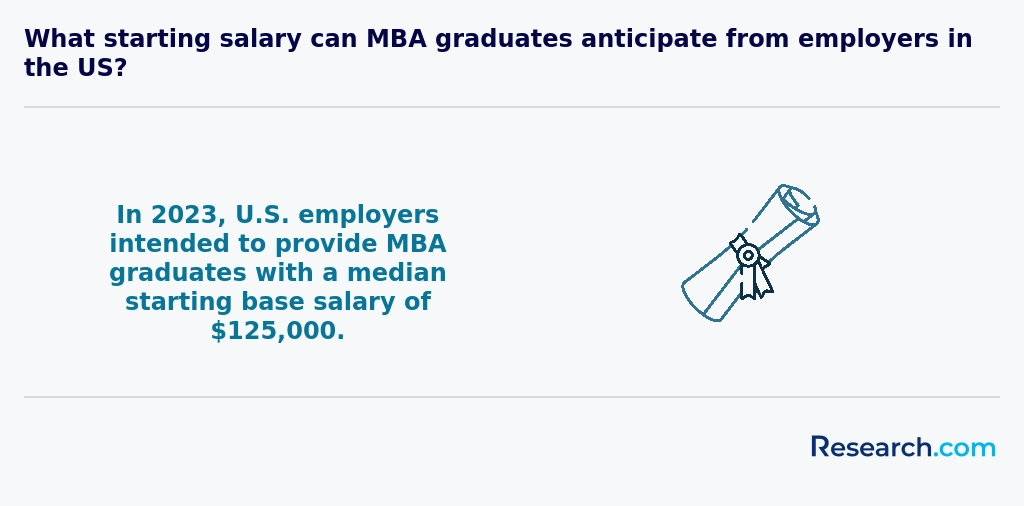
Graduates commonly highlight how their Seattle MBA experience offers a unique edge, positioning them for salaries above the national average, with starting compensation often near $95,000 annually. The blend of a strong job market with robust local industries creates fertile ground for career growth, whether in large corporations or promising startups. For those weighing the cost of education, exploring options like the cheapest masters online can also be a smart step toward balancing investment and returns.
2027 Most Valuable MBA Degree Programs Ranking in Seattle
Investing in your education is a significant decision that can greatly influence your career trajectory, and the Research.com team recognizes the importance of making well-informed choices. To support prospective students in Seattle, we have carefully developed the "2027 Most Valuable MBA Degree Programs Ranking." This ranking reflects our dedication to quality, credibility, and accuracy through thorough research and analysis.
We utilized the following reputable data sources to ensure a comprehensive evaluation of MBA programs:
By exploring this ranking, readers will gain valuable insights into the most valuable MBA degree programs in Seattle, enabling them to make confident and informed decisions about their educational investments. For a detailed explanation of our approach, please visit our Research.com methodology page.


# 3 position
City University of Seattle
Master of Business Administration

Frequently Asked Questions About MBA
Students pursuing an MBA degree in Seattle can enhance their learning by engaging deeply with the city's vibrant business community. Seattle hosts numerous corporate headquarters such as Amazon and Microsoft, offering valuable networking and internship opportunities that complement academic studies. According to the Graduate Management Admission Council, hands-on experience significantly improves employment outcomes for MBA graduates.
Additionally, leveraging local resources like industry meetups and business incubators helps students apply classroom knowledge practically. Participating in case competitions hosted by Seattle universities also sharpens problem-solving skills.
Seattle's diverse economy-from technology to healthcare-provides MBA students with exposure to multiple sectors, broadening their perspective and employability.
The MBA field in Seattle is evolving to include several emerging niches that align with regional economic trends. One notable area is technology management, reflecting Seattle's strong presence of tech giants like Amazon and Microsoft. This niche focuses on leadership in tech-driven companies and innovation management.
Another growing niche is sustainability and social impact management. Many Seattle MBA programs now emphasize environmental responsibility, preparing graduates for roles that address climate change and corporate social governance.
Healthcare management is also gaining importance, considering Seattle's expanding healthcare sector. According to the Graduate Management Admission Council, healthcare-related MBA jobs have grown by over 15% nationwide in recent years, with a local surge due to Seattle's major healthcare providers.
After completing an MBA degree in Seattle, preparing for the job market involves a focused approach tailored to the local economy. Seattle's strong industries include technology, aerospace, and healthcare, making it beneficial to align your skills with these sectors.
Networking is crucial; local business events and Seattle-based professional groups offer valuable connections. According to the Graduate Management Admission Council (GMAC), 87% of MBA graduates in U.S. metropolitan areas found jobs within three months of graduation, highlighting the importance of active job search strategies.
Internships and practical experience gained during your MBA significantly enhance employability. Utilize your school's career services to access Seattle-specific job boards and employer contacts.
Stay updated on industry trends and acquire certifications relevant to your target field to boost your resume in this competitive market.
Employers hiring MBA graduates in Seattle prioritize strong leadership and strategic thinking abilities. These skills are vital for navigating the region's competitive business environment, especially in tech and startup sectors. According to a 2023 report by the Graduate Management Admission Council, 78% of Seattle employers value candidates who demonstrate effective teamwork and communication.
Data analysis and financial literacy also rank highly, reflecting the city's focus on innovation and global commerce. Furthermore, adaptability and problem-solving skills are crucial due to Seattle's fast-paced market changes.
Proficiency in digital tools and sustainability awareness increasingly influence hiring decisions, aligning with regional business trends highlighted by the Seattle Metro Chamber of Commerce.
Finding internships in Seattle relevant to an MBA degree involves strategic networking and leveraging local resources. Seattle hosts a variety of major companies such as Amazon, Microsoft, and Starbucks, which offer MBA internships, especially in business strategy, marketing, and operations. According to the Graduate Management Admission Council (GMAC), over 60% of MBA students secure internships through university career services and networking events.
Students enrolled in MBA programs at Seattle-based schools often access dedicated career centers that connect them to recruiters and alumni. Platforms like LinkedIn and Handshake are popular tools to discover internship openings. Additionally, professional organizations such as the Seattle Metropolitan Chamber of Commerce frequently post MBA-specific opportunities.
It is important to start the internship search early and tailor applications to match industry demands in Seattle's vibrant tech, retail, and finance sectors. Internships gained provide valuable experience and expand professional networks within the city's business community.
In Seattle, obtaining an MBA degree significantly enhances career mobility and advancement. The city's dynamic economy, driven by technology, aerospace, and finance sectors, favors professionals with strong business acumen. According to the Graduate Management Admission Council (GMAC), 83% of Seattle MBA graduates report career progression within three years of graduation.
An MBA allows individuals to develop leadership and strategic skills valued by top local employers like Amazon, Microsoft, and Boeing. Graduates often move into higher-paying managerial roles or switch industries more easily. Data from Seattle University's Albers School of Business highlights a median post-MBA salary increase of 40% compared to pre-MBA earnings.
Networking opportunities during MBA programs in Seattle also play a crucial role. Connections with alumni and local businesses help accelerate promotions and access to executive positions.
Studying for an MBA degree in Seattle equips students with skills that transcend traditional business boundaries, preparing them for interdisciplinary roles. Seattle's MBA programs often integrate courses in technology, healthcare, and sustainable business practices, reflecting the city's diverse economic sectors. According to the Graduate Management Admission Council, over 65% of MBA graduates in Seattle work in multidisciplinary teams addressing complex business challenges.
Programs commonly emphasize collaboration, leadership, and data analysis, fostering adaptability across industries like tech giants Amazon and Microsoft. The city's strong network of startups and established companies offers practical experiences through internships and projects. These opportunities help students understand various fields, from product management to strategic consulting, making them versatile professionals.
Choosing between a thesis and a non-thesis MBA program in Seattle depends on your career goals and learning preferences. Thesis-based programs typically involve conducting original research and writing a substantial paper, which can be ideal if you plan to pursue a PhD or a research-focused role. Non-thesis programs often emphasize practical experience, such as internships or case studies, catering to professionals aiming for managerial positions.
According to the Graduate Management Admission Council, about 70% of MBA students prefer non-thesis tracks due to faster completion and applied learning. Seattle's business schools, including the University of Washington Foster School of Business, offer both options tailored to local industry needs.
Students in Seattle seeking to study for an MBA abroad have several pathways through U.S. institutions offering international study options. Many MBA programs in Seattle, such as those at the University of Washington's Foster School of Business, provide exchange programs or dual degree opportunities with prestigious business schools abroad.
These partnerships allow candidates to spend a semester or more at global campuses in Europe, Asia, or Latin America, enriching their business perspectives. According to the Graduate Management Admission Council's 2023 report, nearly 40% of top U.S. MBA programs include international study elements, offering Seattle students experiential learning combined with global networking.
Additionally, online MBA programs with global cohorts provide flexible alternatives for those unable to relocate. Programs recognized for strong international components often emphasize cross-cultural leadership and global business strategies, preparing Seattle students to compete in diverse markets.
Seattle offers various part-time job opportunities that complement MBA education by providing practical experience alongside academic learning. Many MBA students engage in internships or part-time roles within the city's robust tech sector, particularly in companies like Amazon and Microsoft, which often seek candidates with business and management skills.
Consulting roles, both freelance and within local firms, allow MBA students to apply strategic thinking and problem-solving abilities. Additionally, part-time positions in financial services firms, such as banks and investment companies, offer experience in analytics and client relations.
According to the University of Washington Foster School of Business, approximately 60% of MBA students in Seattle combine studies with relevant part-time work, benefiting their career advancement.
Seattle offers robust networking opportunities for MBA students, largely due to its vibrant business environment and strong ties to major industries like technology, aerospace, and healthcare. Many local universities, including the University of Washington Foster School of Business, actively host networking events, career fairs, and speaker series featuring executives from companies such as Amazon, Microsoft, and Boeing.
Additionally, Seattle's MBA programs often collaborate with professional organizations like the Seattle Chamber of Commerce and industry-specific groups to provide students with access to internships, mentorship, and job placements.
According to the Graduate Management Admission Council (GMAC), Seattle-based MBA graduates report a higher likelihood of securing roles through alumni networks compared to national averages.
Alumni networks play a crucial role in enhancing the MBA experience for students in Seattle. These networks provide access to a broad community of professionals, offering opportunities for mentorship, job referrals, and business partnerships. According to a 2023 survey by the Graduate Management Admission Council (GMAC), 72% of MBA graduates in the U.S. cited alumni connections as key to their career advancement.
Seattle's dynamic business environment, including tech giants and startups, makes local alumni networks especially valuable. They help students tap into hidden job markets and attend exclusive industry events. Institutions like the University of Washington Foster School of Business actively leverage their alumni base to support internships and career development, boosting students' professional growth.
Customizing an MBA degree program in Seattle is feasible through elective courses, specializations, and experiential learning opportunities offered by local universities. Many Seattle-area MBA programs allow students to choose concentrations such as technology management, entrepreneurship, or sustainable business, aligning studies closely with career aspirations.
Programs often integrate internships and consulting projects with Seattle-based companies like Amazon and Microsoft, providing practical experience tailored to your profession. Additionally, part-time and evening MBA options enable working professionals to balance study with career demands.
According to the Graduate Management Admission Council, about 70% of MBA students nationwide select specializations to match their career goals, a trend reflected in Seattle's diverse academic offerings.
Seattle MBA students often face the challenge of balancing rigorous coursework with professional and personal commitments. Many students in the city are working professionals enrolled part-time, making time management critical. According to the Graduate Management Admission Council (GMAC), nearly 60% of MBA students nationwide report stress from juggling work and study.
Another challenge is the high cost of education. Tuition for Seattle MBA programs can range from $50,000 to over $100,000, which creates financial pressure on students. Scholarships and employer sponsorships help but may not fully cover expenses.
Additionally, Seattle's competitive job market means students must actively build skills and connections to secure top roles post-graduation. Networking and internship opportunities can be limited by the ongoing effects of remote work trends.
An MBA degree from Seattle-area institutions opens doors to various professional certifications that enhance career prospects. Many MBA graduates pursue the Project Management Professional (PMP) certification, recognized nationwide for leadership in managing projects. Additionally, the Certified Management Consultant (CMC) credential aligns well with MBA skills in strategy and operations.
Finance-focused MBAs often seek the Chartered Financial Analyst (CFA) designation, which is respected in Seattle's growing financial sectors. For those interested in accounting, obtaining the Certified Public Accountant (CPA) license is common, especially given Washington State's business climate.
According to the Graduate Management Admission Council, about 25% of Seattle MBA grads target certifications to boost salaries and employability within competitive industries like tech, healthcare, and finance.
Writing a winning application for an MBA program in Seattle requires clear focus and strong preparation. Start by researching each school's unique values and strengths, such as the Foster School of Business at the University of Washington, which emphasizes leadership and entrepreneurship. Tailor your essays to demonstrate how your experience aligns with the program's goals and Seattle's dynamic business environment.
Admissions committees often look for candidates with a combination of professional achievement and community involvement. Highlight measurable outcomes and leadership roles in your resume and recommendations.
Lastly, prepare thoroughly for the GMAT or GRE, as test scores remain an important factor for many Seattle MBA programs.
Globally, an MBA career is increasingly valued for its versatility and leadership focus. In the United States, MBA graduates often pursue roles in management, consulting, technology, and finance, with Seattle standing out as a hub due to its thriving tech industry and multinational corporations. According to the Graduate Management Admission Council (GMAC), about 80% of US MBA graduates report significant salary increases within three years of graduation.
Seattle's MBA programs emphasize global business perspectives, preparing students to operate in diverse international markets. This is critical as nearly 95% of Fortune 500 companies engage in global trade. Research from the Seattle Metropolitan Chamber of Commerce shows that local MBA holders benefit from access to global networks, often securing positions in international firms headquartered in the region.
Gaining practical experience during an MBA program in Seattle is essential for career readiness. Many schools offer internships with local companies, especially within Seattle's strong technology, healthcare, and finance sectors. According to the Graduate Management Admission Council, over 60% of MBA students in the U.S. complete internships before graduation.
Seattle MBA programs often include consulting projects with real businesses, enabling students to apply classroom knowledge to solve actual problems. Networking events and career fairs hosted by universities provide direct connections to potential employers in the region.
Additionally, some programs encourage participation in student-led business clubs and entrepreneurship labs, fostering hands-on leadership experience. Platforms like the Seattle Chamber of Commerce also support MBA students seeking internships or project work. These opportunities enhance practical skill development alongside academic learning.
Choosing the right concentration within an MBA program in Seattle involves aligning your career goals with local industry demands. Seattle's economy thrives on technology, aerospace, and healthcare, making concentrations like Information Technology Management, Operations, and Healthcare Administration highly relevant. According to the Greater Seattle Chamber of Commerce, these sectors offer the strongest job growth and highest salaries for MBA graduates.
Evaluate your professional background and where you want to excel. For instance, if you aim to work in tech firms such as Microsoft or Amazon, focus on concentrations that emphasize innovation and digital strategy. Additionally, research schools like the University of Washington Foster School of Business, which is known for its connections to Seattle-based industries and specialized MBA tracks.
Consider the curriculum flexibility, faculty expertise, and internship opportunities linked to each concentration. Data from Poets&Quants highlights that MBA graduates with specialized skills in analytics or supply chain management often command a salary premium within Seattle's competitive market. Ultimately, choose a concentration that offers both personal interest and strong local career prospects.
- 2027 Most Valuable MBA Degree Programs Ranking in Kirkland
- 2027 Most Valuable MBA Degree Programs Ranking in Tacoma
- 2027 Most Valuable MBA Degree Programs Ranking in Portland
- 2027 Most Valuable MBA Degree Programs Ranking in Salem
- 2027 Most Valuable MBA Degree Programs Ranking in Spokane
- 2027 Most Valuable MBA Degree Programs Ranking in Eugene
- 2027 Most Valuable MBA Degree Programs Ranking in San Francisco
- 2027 Most Valuable MBA Degree Programs Ranking in Salt Lake City
- 2027 Most Valuable MBA Degree Programs Ranking in Fresno
- 2027 Most Valuable MBA Degree Programs Ranking in Los Angeles
- MBA studies https://moderna.edu.pl/majors/management/master-of-management/mba-management-masters-degree/
- Top Challenges for MBA Students in 2025: Placements and Career Growth in India | BeJobbed.com https://bejobbed.com/challenges-mba-students-placements-career-growth-india/
- MBA Requirements: What do you really need for an MBA degree https://www.obseducation.org/en/blog/mba-requirements-what-do-you-really-need-for-an-mba-degree
- How long does a typical MBA program take to complete? https://mentr-me.com/question/how-long-does-a-typical-mba-program-take-to-complete
- 6 Tips to Make the Most of Your MBA Experience https://mbaschooled.com/2020/01/14/6-tips-to-make-the-most-of-your-mba-experience/
- Why MBA Graduates Embrace Global Perspectives for Career Growth https://www.thehighereducationreview.com/editors-guest/why-mba-graduates-embrace-global-perspectives-for-career-growth-nid-6271.html
- Know more about thesis vs non- thesis: what is the difference? https://studyfans.com/en/blogs/816
- How To Write An MBA Admissions Essay That Stands Out? https://www.personalmbacoach.com/mba-essay-guiding-principles/
- The Growing Demand for Niche Jobs and MBA Specializations https://www.clearadmit.com/2025/05/the-growing-demand-for-niche-jobs-and-mba-specializations/
- 10 Highest-Paying MBA Specializations in 2026 (With Salary Data) - Paris School of Management (PSM) https://www.psm-paris.fr/en/10-highest-paying-mba-specializations-in-2026/