
2027 Most Valuable MBA Degree Programs Ranking in Greensboro

Co-Founder and Chief Data Scientist
If you're considering pursuing an MBA in Greensboro, this article is designed just for you. It introduces the 2027 Most Valuable MBA Degree Programs Ranking in Greensboro, crafted by Research.com's expert data scientists to guide your decision-making process.
Choosing the right MBA program can shape your career and open new opportunities. Our ranking highlights top programs that offer great value, helping you invest in education that truly pays off.
Explore this guide to confidently find an MBA that fits your goals and sets you on a path to success.
Key benefits of getting MBA degree in Greensboro
- MBA graduates in Greensboro can expect competitive salaries, often ranging from $80,000 to over $120,000 annually depending on the industry and experience.
- Graduates from local schools like UNC Greensboro often pursue diverse career paths in management, finance, and marketing, opening doors to leadership roles in growing companies.
- Choosing an online MBA offers flexibility and convenience, allowing students from Greensboro to balance work and study while gaining valuable skills at their own pace.
- 2027 Most Valuable MBA Degree Programs Ranking in Greensboro
- What can I expect from MBA degree in Greensboro?
- Where can I work with MBA degree in Greensboro?
What can I expect from MBA degree in Greensboro?
In Greensboro, pursuing an MBA typically costs between $15,000 and $30,000 for residents attending public universities like the University of North Carolina at Greensboro's Bryan School of Business and Economics. Graduates often reflect on how this affordability opened doors that many assumed were out of reach, allowing them to invest in practical leadership skills without overwhelming debt.
Many enrolled professionals share stories of balancing demanding jobs with flexible part-time or online course schedules, proving that financial considerations don't have to stall career ambition. This cost range, combined with available scholarships and assistantships, creates a compelling case for local students seeking quality education that aligns with Greensboro's regional economy-an environment thriving in manufacturing, logistics, and financial services.
For students imagining their lives post-MBA, the tuition investment feels tangible and justified when factoring in networking opportunities tied to Greensboro's Chamber of Commerce and the city's dynamic job market. Graduates often describe a sense of empowerment stemming from education that's both accessible and directly connected to real-world regional growth.
Where can I work with MBA degree in Greensboro?
Graduates from MBA programs at institutions like the University of North Carolina at Greensboro often find themselves stepping into leadership roles that transcend traditional boundaries. With Greensboro's dynamic economy, your MBA unlocks doors in thriving sectors such as finance with regional banks, healthcare giants like Cone Health, and even the expanding tech startup scene supported by Launch Greensboro. Picture managing complex operations at a local manufacturing firm like VF Corporation or driving strategic growth at a small business; these are real career paths many have embraced.
MBAs here don't just fill roles-they become architects of innovation and strategy, often leveraging their education to lead cross-industry projects that challenge the status quo. The city's evolving market means graduates frequently experience a surge in responsibility, compensation, and impact, affirming that an MBA in Greensboro is more than a degree-it's a catalyst for tangible, rewarding career growth.
Such journeys echo in the stories of many local alumni, who value the balance of rigorous academics and real-world application that prepares them to thrive amid Greensboro's economic diversity.
Graduates from MBA programs in Greensboro often find themselves pleasantly surprised at the tangible financial returns soon after completing their degrees. Starting salaries typically range from $70,000 to $85,000 annually, a meaningful uplift compared to bachelor's holders. Imagine a graduate from a local school like the University of North Carolina at Greensboro stepping into a management role in the growing healthcare or logistics sectors-these industries are known for valuing advanced business credentials and offering competitive pay.
The journey does not stop at entry-level pay. Those who embrace leadership opportunities or strategic roles often see their earnings rise sharply, with mid-career salaries between $90,000 and $120,000, and senior professionals making $130,000 to $150,000 or more. This progression reflects Greensboro's dynamic market demands, especially in finance and manufacturing, where an MBA's strategic insight can drive real business results.
Graduates often describe a sense of empowerment knowing that their investment in a well-regarded local MBA translates into solid earning power without the penalty of high living costs typical of larger metro areas. This balance strengthens their financial confidence and career resilience within Greensboro's expanding business landscape.
- The average total cost for earning an MBA in Greensboro ranges from $30,000 to $50,000, typically including tuition and fees.
- Major local industries employing MBA graduates include finance, manufacturing, logistics, and healthcare.
- Starting salaries for MBA holders in Greensboro are usually between $70,000 and $80,000 annually, with long-term averages reaching about $110,000.
- Part-time and online MBA programs are available, offering flexibility for working professionals.
- Programs in Greensboro generally have regional accreditation, with some holding AACSB accreditation.
Completing an MBA in Greensboro usually takes between one and three years, yet this timeline is anything but fixed. Graduates from the University of North Carolina at Greensboro often share how the full-time program's two-year structure offered a balanced challenge, allowing them to dive deep into coursework without sacrificing personal life. Meanwhile, some working professionals enrolled at Greensboro College highlight how their part-time schedules stretched their experience closer to three years-but with the reward of maintaining steady income and family time.
The question isn't just how long but how the MBA journey fits your life. Imagine juggling evening classes after a full workday or accelerating through summer sessions at Bennett College to finish sooner. Duration here mirrors more than just a clock-it reflects choices around career, commitments, and learning style.
What truly reshapes the timeline are factors like specializations and internships that often add depth and months but boost future opportunities. Choosing Greensboro means embracing flexibility, creating a uniquely personal MBA path that traditional averages can't capture.
As the business landscape evolves rapidly, understanding emerging industry trends is crucial for prospective MBA students and graduates. This section explores how technological advancements, remote work, and global market shifts are reshaping career paths and educational priorities in Greensboro, NC. Local MBA programs are increasingly incorporating data analytics, digital marketing, and innovative leadership strategies into their curricula to prepare graduates for dynamic work environments. For instance, many programs are collaborating with local tech firms and startups to offer real-world projects and case studies that mirror current business challenges. Moreover, the integration of online education has accelerated, offering flexible options that complement traditional classroom experiences. For those seeking accessible and convenient learning, exploring what are the popular easiest online mba degree programs may provide valuable insights into innovative program formats. These developments not only enrich academic experiences but also position graduates to meet the demands of evolving employers who require a blend of technical acumen, strategic thinking, and adaptability. As Greensboro continues to grow as a business hub, MBA programs that align with market trends are proving essential for launching successful and future-proof careers.
Choosing between an online and on-campus MBA in Greensboro means navigating distinct experiences that shape not only how you learn but how you connect. Graduates from the Bryan School of Business and Economics often recall the energizing buzz of in-person classes, where spontaneous hallway conversations led to mentorships and job leads. This face-to-face interaction creates a tangible network that many find invaluable.
Conversely, online students relish flexibility-studying after their kids' bedtime or between work meetings-feeling empowered to craft their own schedules without sacrificing progress. One graduate noted how this freedom enabled them to accelerate their MBA while balancing a demanding career, a balance harder to strike within fixed campus hours.
Cost also factors heavily: Greensboro's on-campus tuition clocks near $19,000 annually for residents, whereas online options might alleviate housing and commuting fees, though tuition remains comparable. The real difference lies in how each path aligns with your lifestyle and ambitions, challenging you to ponder what MBA experience truly fits your personal journey.
Determining the average MBA degree cost in Greensboro requires examining both tuition and additional expenses, and the numbers reveal a compelling yet manageable investment. Median in-state students typically face total expenses close to $10,790, significantly less than out-of-state peers who may pay around $36,256. This range highlights how location and residency status can dramatically shape your financial commitment when considering well-known schools like the University of North Carolina at Greensboro or Greensboro College.
Graduates often reflect on balancing affordability with quality, praising Greensboro's MBA programs for providing strong returns without the overwhelming debt frequently encountered elsewhere. The cost is not just a figure-it's part of a larger life decision that impacts career trajectories and lifestyle choices. Students juggling families or jobs find that the more affordable pricing here makes pursuing an MBA less daunting. These realistic investment levels encourage a clearer focus on personal growth and professional development rather than financial stress.
However, an MBA degree's total cost extends beyond tuition. Living expenses, textbooks, and materials often add $10,000-$15,000 annually, though Greensboro's lower-than-average living costs ease this burden. Students exploring part-time or online formats appreciate how these options complement their financial plans, often benefitting from employer acceptance of online certificates to advance their careers while studying.
Understanding all these factors challenges the assumption that an MBA must be prohibitively expensive, particularly when analyzing average MBA degree cost Greensboro. Thoughtful planning and leveraging diverse program offerings can transform this challenge into an exciting investment in your future.
When considering an MBA program, it's essential to look at the overall value proposition that a location like Greensboro, NC, offers. The city's blend of a thriving business environment, cultural attractions, and a relatively lower cost of living compared to larger metropolitan areas makes it an attractive choice for students. Moreover, the presence of valuable mba schools in north carolina enhances the city's appeal, providing access to high-quality education that can significantly boost career prospects. The local economy, with its diverse sectors including finance, healthcare, and technology, offers a wide range of internship and job opportunities, allowing MBA graduates to apply theoretical knowledge in practical settings. This combination of academic excellence, professional opportunities, and quality of life makes Greensboro an ideal location for those seeking to advance their careers through an MBA degree.
Many MBA students in Greensboro discover unexpected relief through federal student aid, such as Direct Unsubsidized Loans and Grad PLUS Loans, accessed by completing the FAFSA. These options often come with lower interest rates and flexible repayment schedules, making the financial burden feel less overwhelming for those enrolled at local institutions like the University of North Carolina at Greensboro or Greensboro College.
Beyond federal aid, merit-based scholarships and assistantships play a critical role. Graduates often recall how receiving these awards-granted for leadership or academic excellence-felt like validation of their hard work, fueling their motivation and easing tuition costs. For example, some MBA students at North Carolina A&T State University share stories of mentorship opportunities tied to their scholarships, enriching both their networks and resumes.
Employer tuition reimbursement is another powerful resource, especially for working professionals balancing classrooms and careers. Many find that companies in Greensboro's thriving business community appreciate investing in employee education, which sparks a cycle of growth and loyalty.
Private scholarships from regional associations and need-based grants add further layers of support, often reaching underrepresented groups or veterans. Ultimately, the mosaic of available financial aid in Greensboro shows that an MBA can be attainable with strategic planning and proactive outreach.
Understanding the return on investment (ROI) for an MBA in Greensboro, NC helps you make data-driven decisions about time and money commitments. To estimate your payback period, compare total program costs-tuition, fees, books, and living expenses-against the projected increase in annual salary. For instance, if your MBA costs $40,000 and boosts your earnings by $20,000 per year, you’ll recoup your investment in just two years. Break down your ROI calculation into these steps: 1. Total Cost Estimate: Sum tuition, fees, and living costs over two years. 2. Net Salary Gain: Subtract pre-MBA salary from expected post-MBA salary (based on local averages exceeding $70,000). 3. Payback Period: Divide total cost by net salary gain to determine how many years it takes to break even. 4. Long-Term Value: Consider cumulative income over a 10-year horizon and factor in career advancement, bonuses, and equity opportunities. Greensboro’s lower in-state tuition rates accelerate ROI, but you can also benchmark against other regions. Prospective students can explore comparative cost-benefit analyses via Affordable MBA Degree Programs Ranking in Washington to gauge whether relocating or choosing an out-of-state program might offer better financial leverage. By quantifying your MBA’s payback period, you’ll gain clarity on when you’ll start earning a return, making it easier to balance short-term sacrifices against long-term career growth.
Enrolling in an MBA program in Greensboro demands more than just ambition-it requires a blend of academic achievement, professional maturity, and clear intent. Graduates from well-known local institutions often recall how their bachelor's degree from varied fields-not necessarily business-was foundational. One alum shared that after completing a degree at a Greensboro college, their 3.2 GPA opened doors, showing programs value steady academic performance.
Work experience also plays a pivotal role. Candidates who bring two to five years of real-world challenges into the classroom often find themselves ahead. Many Greensboro MBA hopefuls recount how their professional journeys, whether in startups or established firms, were key in crafting compelling essays and securing strong recommendation letters from mentors.
GMAT scores typically range around 550-600, but a story from a recent graduate highlights how personal determination through interviews and articulate goal statements can tip the scales, even if test scores aren't perfect. This holistic approach reflects Greensboro's balanced view of potential-valuing both measurable skills and authentic ambition.

Understanding graduation rates and post-MBA employment statistics is essential for evaluating program value. In Greensboro, leading MBA programs report average graduation rates between 80% and 92% within three years, reflecting strong student support and curriculum design. Equally important is the post-graduation placement success: on average, 90% of MBA graduates secure full-time employment or advanced academic opportunities within six months of commencement. Top employers in the region include financial institutions, healthcare networks, and technology firms, demonstrating the broad appeal of Greensboro-trained talent. Employment outcomes vary by specialization. Graduates from finance concentrations often enter roles as financial analysts or investment managers, with median starting salaries near $70,000. Healthcare management alumni typically secure positions in hospital administration or consulting, earning comparable compensation. Those focusing on business analytics report strong demand, leveraging data-driven decision-making skills in roles that command competitive pay packages. Program-specific career services play a pivotal role in these outcomes. Career coaching, resume workshops, and on-campus recruitment events contribute to high placement rates. Experiential learning initiatives-such as internships and consulting projects-further enhance employability by connecting students with local industry partners before graduation. For prospective students balancing cost and outcomes, it’s helpful to compare ROI across regions. You can explore the Affordable MBA Degree Programs Ranking in Washington to benchmark graduation and employment metrics alongside tuition investment.
In Greensboro, MBA courses typically immerse students in core subjects like Accounting for Managers, Marketing Management, Financial Management, and Business Strategy, all essential for mastering the fundamentals of business. Graduates from well-known local universities often share how these courses felt immediately practical; tackling real case studies in Financial Management, for example, helped them feel confident negotiating budgets or pitches in their first jobs after graduation.
But the curriculum doesn't stop at theory. Operations and Supply Chain Management take on special significance here, given Greensboro's strong logistics and manufacturing sectors. Many students experience "aha" moments when connecting these concepts directly to local companies through internships, turning abstract terms into tangible skills that employers actively seek.
Leadership and Organizational Behavior courses also resonate deeply, with graduates recalling classroom debates that challenged their assumptions about management styles and ethical decision-making, preparing them not just to lead but to inspire in diverse, often complex work environments specific to the region.
Electives like entrepreneurship or healthcare management allow you to customize your learning, matching the eclectic economic landscape of Greensboro. This versatility means your MBA genuinely feels tailored to your ambitions and the local market's needs, making every lesson feel relevant and energizing.
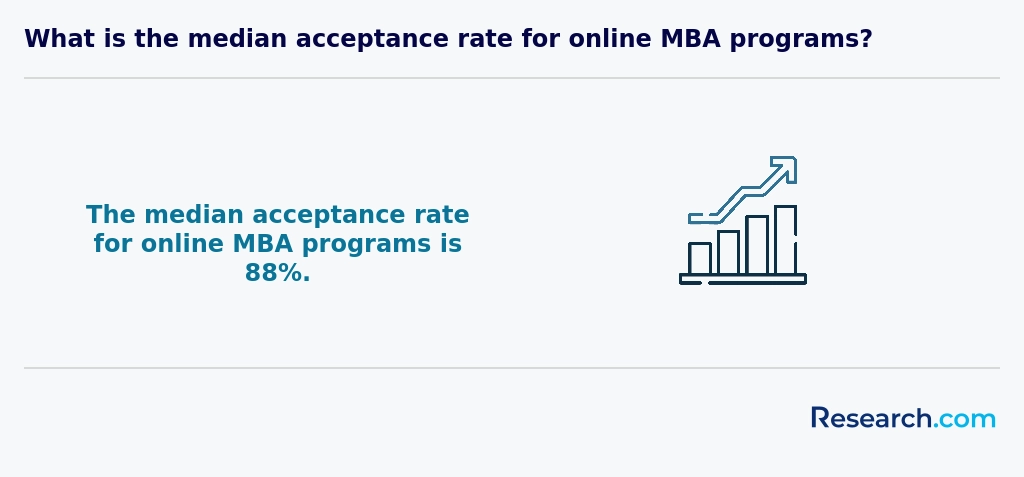
In Greensboro, MBA programs often break free from the generic mold by offering dynamic specializations that truly reflect the region's economic fabric. Graduates from local universities describe how focusing on Finance taps into the city's robust banking sector, providing real-world skills for roles like financial analysts and CFOs. Meanwhile, those who pursued Marketing found themselves immersed in practical lessons on digital outreach and brand growth, vital for companies expanding both regionally and globally. Exploring the top MBA degree concentrations offered in Greensboro, one quickly sees how Supply Chain and Operations Management anchors students in logistics expertise-an undeniable asset in a city known as a distribution hub.
Entrepreneurship tracks foster bold innovation, encouraging students to envision launching start-ups or navigating venture capital, echoing Greensboro's spirit of small business development. Information Technology Management aligns technical wisdom with business strategy, an increasingly sought-after skill set. Many students balancing cost and ambition consider flexible options like express mba degree programs to accelerate their journey without compromising the rich specialization choices. These paths invite candidates to deeply reflect on how tailored MBA specializations in Greensboro for career growth can powerfully shape their futures.
Choosing the best MBA degree in Greensboro means looking beyond mere rankings or promises. Graduates often recall how accreditation-like AACSB or ACBSP-told them if a program truly demands excellence. Imagine attending the University of North Carolina at Greensboro, where part-time professional MBA students balance evening classes with careers, creating a real-world synergy between studies and work.
Many seek affordable MBA degrees Greensboro NC offers, prioritizing programs that fit their budget without sacrificing quality. Regional programs, costing significantly less than the national average, provide accessible options for students wary of overwhelming debt. One graduate reflected on how this local affordability made pursuing an MBA realistic and motivating.
Finally, prospective students frequently emphasize the power of networking and career growth in Greensboro's dynamic industries. The city's strong ties to manufacturing, healthcare, and finance open doors for internships and job placements. Exploring the best mba programs for entrepreneurs here reveals how deeply intertwined the curriculum is with local business needs, ensuring meaningful ROI after graduation.

MBA graduates in Greensboro find themselves at a unique crossroads where traditional career paths intersect with the dynamic needs of a growing city. With its diverse economy, the available MBA career opportunities in Greensboro extend far beyond the expected finance roles. Graduates from the University of North Carolina at Greensboro often share stories of transitioning seamlessly into healthcare management positions, leading hospitals or clinics with innovative strategies learned during their program.
Many find the manufacturing sector surprisingly rewarding, applying lean management skills in local plants and shaping operations with a fresh perspective. Others leverage the city's prime location by entering logistics and supply chain roles, where strategic thinking proves invaluable in improving transportation efficiencies. This variety is why best MBA jobs in Greensboro area resonate so strongly with those who value versatility and impact.
Additionally, some graduates explore less conventional fields such as marketing leadership or human resources, bringing analytic rigor fused with empathy to these roles. For students curious about expanding their experience, opportunities like pr degree internships provide complementary skills that enhance their career trajectory and broaden their professional appeal.
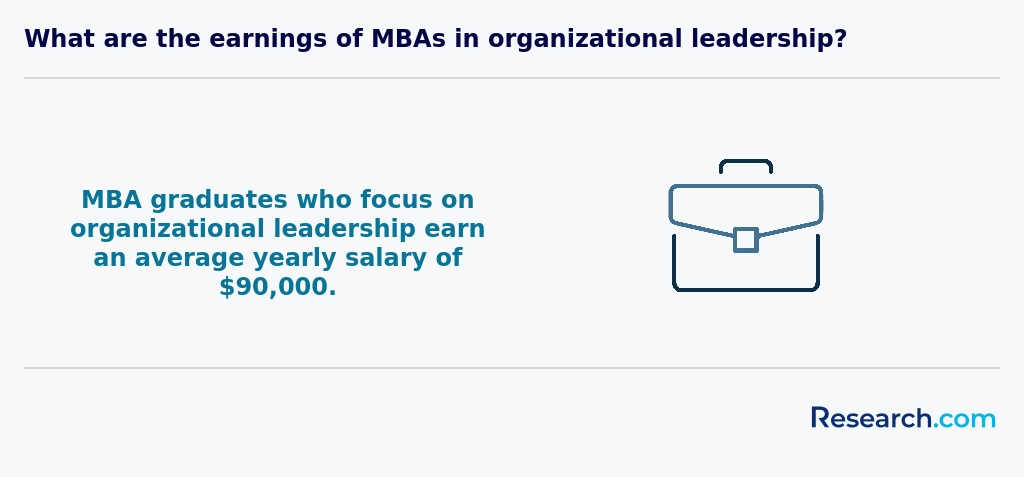
The job market for MBA graduates in Greensboro thrives amidst a dynamic economy that values leadership and adaptability. Graduates from institutions like the University of North Carolina at Greensboro often step into roles where their MBA skills are not just preferred but essential, especially in sectors such as financial services, manufacturing, and healthcare management. The steady growth in management positions, projected at 6% through 2030, encourages graduates to envision careers where strategic decision-making and operational expertise make a tangible impact.
Many MBA graduates in Greensboro share stories of transitioning from academic achievement to practical leadership roles, embracing challenges in companies like Cone Health or VF Corporation. These experiences highlight how the region's diverse industries reward those who combine strong credentials with real-world savvy. For prospective students, the relatively low cost of regional MBA programs compared to national averages enhances the appeal, allowing graduates to pursue opportunities without overwhelming debt.
The local MBA career opportunities in Greensboro extend beyond traditional firms; technology startups and consulting agencies eagerly seek business strategists capable of driving growth. Exploring the pathways through top Greensboro schools reveals why this area remains a fertile ground for advancing one's career, especially when paired with networking via local business groups. Graduates often reflect on how choosing Greensboro for their MBA aligned financial practicality with promising job prospects, a balance supported by research on top colleges for salary.
2027 Most Valuable MBA Degree Programs Ranking in Greensboro
Investing in your education is a significant decision that can shape your future, and the Research.com team understands the importance of making informed choices. To assist prospective students considering MBA programs in Greensboro, we have meticulously crafted the "2027 Most Valuable MBA Degree Programs Ranking in Greensboro." Our commitment to quality, credibility, and accuracy is reflected in the extensive research and analysis conducted to compile this ranking.
We utilized the following reputable data sources to ensure a comprehensive evaluation of MBA programs:
By exploring this ranking, readers will gain valuable insights into the most valuable MBA programs available in Greensboro, empowering them to make well-informed decisions regarding their education and career paths. For more details on our methodology, please visit our Research.com methodology page.


# 3 position
Strayer University-North Carolina
Master of Business Administration


Frequently Asked Questions About MBA
To maximize their learning experience, MBA students in Greensboro should take advantage of local resources such as the University of North Carolina at Greensboro's Bryan School of Business and Economics. This school offers access to experienced faculty and networking events that connect students with regional business leaders. Combining coursework with internships in Greensboro's growing industries, including finance and manufacturing, helps apply theory in real-world settings. Students are encouraged to engage in study groups and participate in case competitions to enhance critical thinking skills. Utilizing the city's professional organizations, like the Greensboro Chamber of Commerce, also broadens professional networks and job prospects.
Emerging niches within the MBA field are evolving rapidly, reflecting changes in industry demands and technological advances. In Greensboro, MBA programs increasingly emphasize specialties such as data analytics, supply chain management, and sustainable business practices. These areas address growing needs in sectors like manufacturing and logistics, which are significant to the local economy.
Healthcare management is also gaining traction, driven by regional healthcare expansions. According to data from the Association to Advance Collegiate Schools of Business (AACSB), MBA graduates with expertise in these niches often see higher employment rates within six months of graduation.
Additionally, entrepreneurship and innovation continue to be popular, with programs offering hands-on experience and connections to Greensboro's growing startup ecosystem.
Preparing for the job market after earning an MBA in Greensboro involves strategic planning and leveraging local resources. Graduates benefit from connecting with Greensboro's growing business community, including companies in logistics, finance, and manufacturing. According to the Greensboro Chamber of Commerce, internships and networking events increase employment chances by up to 40% for recent MBA grads.
Utilizing university career services can provide tailored guidance on resumes, interviews, and job placement. Additionally, joining professional associations such as the Greensboro Business Professional Network enhances access to exclusive job listings and mentorship.
Staying updated on industry trends through platforms like the Greensboro Economic Development Partnership supports informed job search decisions relevant to the regional market.
Employers in Greensboro highly value MBA graduates who demonstrate strong leadership and strategic thinking skills. According to the Greensboro Chamber of Commerce, 78% of local businesses prioritize graduates who can lead teams effectively and make data-driven decisions. Communication skills are also crucial; candidates who can present ideas clearly and negotiate well tend to stand out.
Analytical abilities and financial literacy remain foundational, as many companies seek professionals adept at interpreting market trends and managing budgets. Adaptability and problem-solving are increasingly important in Greensboro's evolving economy, especially within manufacturing and technology sectors. Networking skills are additionally essential for career advancement in the region's competitive job market.
Finding internships in Greensboro relevant to an MBA degree involves leveraging local business networks and university resources. The city hosts a growing business community with key sectors including manufacturing, finance, and logistics, offering diverse internship opportunities for MBA students.
Prospective interns should connect with institutions like the University of North Carolina Greensboro, which offers career services tailored to MBA candidates. According to the UNC Greensboro Bryan School of Business, nearly 60% of their MBA students secure internships through campus recruitment and alumni networks.
Additionally, platforms such as Handshake and LinkedIn list Greensboro-based internships specifically for business students. Networking events and local chambers of commerce also play a crucial role in uncovering hidden internship opportunities within regional companies.
In Greensboro, earning an MBA degree significantly enhances career mobility and advancement opportunities. According to recent data from the U.S. Bureau of Labor Statistics, MBA holders are more likely to secure managerial and executive positions compared to those with only a bachelor's degree. Local employers in Greensboro's diverse economy-including finance, manufacturing, and tech sectors-value the leadership and strategic skills that MBA graduates bring. Additionally, surveys from the Graduate Management Admission Council show that MBA degree recipients typically see salary increases averaging 50% within five years post-graduation. Networking opportunities through Greensboro business schools further boost career advancement prospects.
Studying for an MBA degree in Greensboro equips students with skills essential for interdisciplinary roles by blending core business knowledge with practical problem-solving approaches. Local programs emphasize collaboration across fields such as finance, marketing, and supply chain management, fostering adaptability.
Greensboro's MBA curricula often integrate case studies and projects involving multiple business disciplines, reflecting real-world challenges. According to the University of North Carolina at Greensboro, MBA graduates demonstrate strong capabilities in cross-functional leadership, critical for industries like manufacturing and technology prevalent in the region.
This holistic educational approach enables graduates to efficiently coordinate between departments and innovate solutions in complex environments.
Choosing between a thesis and a non-thesis MBA program in Greensboro depends on your career goals and learning preferences. A thesis MBA typically requires conducting original research and writing a detailed paper. This path suits students interested in academic careers or specialized research within business fields. According to the National Center for Education Statistics, thesis options are less common but valued in research-intensive roles.
In contrast, non-thesis MBA programs focus on coursework and practical experience like internships or projects. They tend to be faster and more suited for professionals seeking immediate career advancement. Universities in Greensboro, such as UNC Greensboro, offer both options to accommodate diverse student needs.
Consider your professional ambitions and time availability when deciding between these paths in the context of Greensboro's business environment.
Students based in Greensboro seeking to study for an MBA abroad have several pathways available through US institutions offering international exchange and dual-degree programs. Many local universities, including the University of North Carolina at Greensboro, collaborate with European and Asian business schools to provide semester-long exchanges or joint MBA options. According to AACSB data, approximately 30% of MBA students in North Carolina participate in international components during their degree.
Additionally, students can pursue online MBAs from foreign-accredited schools, gaining global perspectives without leaving Greensboro. Financial aid and scholarships for study abroad programs are often accessible through university international offices, improving affordability.
These opportunities allow Greensboro-based candidates to gain valuable cross-cultural business skills while leveraging US educational standards.
Part-time job opportunities in Greensboro can significantly complement MBA education by providing practical experience alongside academic learning. Common roles include business analyst internships, marketing assistant positions, and financial services support at local firms. For example, the Greensboro Chamber of Commerce often lists marketing and project coordination roles suitable for MBA students.
The city's growing sectors in logistics and manufacturing also offer part-time roles in supply chain management and operations, aligning with many MBA specializations. According to the U.S. Bureau of Labor Statistics, Greensboro's professional and business services sector is expected to grow by 6% through 2026, providing expanding opportunities for MBA students.
Additionally, part-time consulting work or roles with startups in Greensboro's emerging tech scene allow for real-world application of strategic management and entrepreneurial skills. These positions help students build resumes and networks while pursuing their degrees.
Greensboro offers MBA students multiple networking opportunities through local universities and business organizations. Schools such as the University of North Carolina at Greensboro provide access to events, career fairs, and alumni networks that are valuable for professional growth. According to the Greensboro Business Journal (2023), participation in these programs can increase job placement rates by up to 15% within six months post-graduation.
The city's thriving industries, including finance, manufacturing, and logistics, host regular meetups and seminars that MBA students can attend to connect with professionals. The Greensboro Chamber of Commerce organizes quarterly networking events centered on entrepreneurship and leadership development.
Furthermore, local chapters of national organizations like the Association of MBAs and the American Marketing Association actively engage MBA candidates in workshops and mentorship programs. These platforms support relationship-building with executives and recruiters in the Greensboro metropolitan area.
Alumni networks play a significant role in supporting MBA students in Greensboro by providing valuable connections and mentorship opportunities. Graduates from local programs, such as those at the University of North Carolina at Greensboro, often remain active, offering guidance on career paths and industry trends. According to a 2023 survey by Poole College of Management, 67% of MBA graduates reported that their alumni networks directly assisted in job placements within North Carolina.
These networks also facilitate internships and partnerships with Greensboro-area businesses, enhancing practical learning. Through events and online platforms, students gain access to a broad professional community, which is crucial in the competitive MBA job market.
Customizing an MBA degree program in Greensboro allows students to align their studies with specific career objectives. Many local universities offer concentrations such as finance, marketing, or healthcare management, enabling focused skill development. Part-time and evening classes provide flexibility for working professionals. Students can also select electives and participate in internships within Greensboro's growing business sectors, such as manufacturing and logistics. Additionally, networking opportunities through local business organizations enhance career prospects. According to the U.S. Department of Education, tailoring one's MBA improves both employability and salary potential, making customization a strategic choice for aspiring leaders in Greensboro's competitive job market.
MBA students in Greensboro often face several challenges during their studies. Balancing coursework with professional and personal responsibilities is a common difficulty since many students juggle full-time jobs alongside part-time or evening MBA programs. According to data from the Greensboro Chamber of Commerce, about 60% of MBA candidates work while attending school.
Another challenge is adapting to the rigorous curriculum, particularly in subjects like finance and economics, which may be new to some students. Time management skills are crucial for success. Additionally, networking opportunities, though valuable, can be limited in smaller cities compared to larger metropolitan areas, impacting connections and internships.
Students also report concerns about financing their education, as tuition costs in Greensboro's top MBA programs average between $25,000 and $40,000, per the North Carolina Independent Colleges and Universities association.
An MBA degree from Greensboro-area institutions can open doors to several respected professional certifications. Many graduates pursue the Project Management Professional (PMP) certification, which complements leadership and organizational skills gained in an MBA program. The Certified Financial Analyst (CFA) credential is another option for those focusing on finance, helping to enhance career prospects in investment and corporate finance sectors. Additionally, the Certified Public Accountant (CPA) license is valued for MBA graduates interested in accounting and auditing roles. According to the Greensboro Chamber of Commerce, professionals with these certifications often experience higher salary potential and advancement opportunities.
Other popular certifications include the Certified Management Accountant (CMA), which aligns well with strategic management and financial planning learned during an MBA. For marketing professionals, the Professional Certified Marketer (PCM) offers industry recognition. Pursuing these certifications after earning an MBA can significantly boost credibility and expertise in specialized fields.
Writing a winning application for an MBA program in Greensboro starts with thorough research on local schools like the University of North Carolina at Greensboro and Greensboro College, which offer accredited business degrees. Admissions committees expect a clear statement of purpose that highlights your professional goals and how the MBA fits into your career path.
Strong GMAT or GRE scores remain important; the average GMAT score for Greensboro-area MBA admits typically ranges around 550-600, according to recent admissions reports. Highlighting relevant work experience and leadership qualities can significantly boost your candidacy.
Letters of recommendation should come from supervisors or professionals who can attest to your business acumen and potential. Tailoring your resume to emphasize quantitative skills and teamwork is advised.
Finally, many Greensboro programs value community involvement and local business engagement, so including these aspects may strengthen your application.
The global perspective on an MBA career highlights the degree's role in preparing leaders for an interconnected business world. In the U.S., including Greensboro, MBAs often emphasize skills like strategic thinking, leadership, and cultural awareness, which are crucial for roles in multinational companies. According to the Graduate Management Admission Council, nearly 80% of MBA graduates report career advancement within three years. Additionally, Greensboro's growing industries, such as logistics and finance, benefit from MBA-trained professionals capable of managing global supply chains and diverse teams.
Data from local schools like UNCG show increasing enrollment in international business courses, reflecting global trends. These programs equip students to compete effectively in diverse markets, supporting careers not just locally but internationally.
Gaining practical experience while pursuing an MBA degree in Greensboro is essential for career readiness. Many local programs encourage internships with nearby businesses, offering hands-on learning in finance, marketing, and management. According to the Greensboro Chamber of Commerce, numerous corporate and startup opportunities exist in this growing market. Some MBA programs also integrate consulting projects, enabling students to apply theory to real-world challenges.
Additionally, Greensboro's economic diversity supports experiential learning through part-time roles or cooperative education. Networking events and mentorship programs organized by universities connect students with industry leaders, enhancing professional skills alongside academic study.
Choosing the right concentration in an MBA program in Greensboro begins with assessing your career goals and interests. Popular options include finance, marketing, healthcare management, and entrepreneurship. Greensboro's business landscape, featuring industries like manufacturing and logistics, often influences which concentrations offer strong local job prospects.
Research shows that 45% of MBA graduates in Greensboro find employment within regional industries related to supply chain and finance (Bureau of Labor Statistics, 2023). Selecting a concentration aligned with these fields can improve your employability.
Additionally, consider the faculty expertise and resources available at Greensboro institutions, such as the Bryan School of Business and Economics at UNC Greensboro, which offers specialized tracks. Aligning your choice with both market demand and educational strengths will guide you toward a rewarding MBA experience.
- 2027 Most Valuable MBA Degree Programs Ranking in Washington
- 2027 Most Valuable MBA Degree Programs Ranking in Baltimore
- 2027 Most Valuable MBA Degree Programs Ranking in Savannah
- 2027 Most Valuable MBA Degree Programs Ranking in Atlanta
- 2027 Most Valuable MBA Degree Programs Ranking in Macon
- 2027 Most Valuable MBA Degree Programs Ranking in Louisville
- 2027 Most Valuable MBA Degree Programs Ranking in Jacksonville
- 2027 Most Valuable MBA Degree Programs Ranking in Indianapolis
- 2027 Most Valuable MBA Degree Programs Ranking in Birmingham
- 2027 Most Valuable MBA Degree Programs Ranking in Fort Wayne
- MBA Requirements https://www.collegeessayguy.com/blog/mba-requirements
- The Growing Demand for Niche Jobs and MBA Specializations https://www.clearadmit.com/2025/05/the-growing-demand-for-niche-jobs-and-mba-specializations/
- Follow These 10 Steps To Write Your MBA Application Essays - ApplicantLab https://www.applicantlab.com/blog/10-steps-to-write-your-mba-application-essay/
- Why Employers Prize a Global Perspective from MBA Graduates | WU Executive Academy https://executiveacademy.at/en/knowledge/career/why-employers-prize-a-global-perspective-from-mba-graduates
- Overcoming Common Challenges Faced by Management Students https://iilm.edu/iilm-lucknow/blog/challenges-faced-by-management-students/
- 10 Highest-Paying MBA Specializations in 2026 (With Salary Data) - Paris School of Management (PSM) https://www.psm-paris.fr/en/10-highest-paying-mba-specializations-in-2026/
- Lessons learned: one year into pursuing an MBA while balancing full-time work - Franz Vitulli https://franzvitulli.com/mba-work/
- Master of Business Administration (M.B.A.) Major in Business Administration (General Flex Non-thesis Option) https://mycatalog.txstate.edu/graduate/mccoy-business-administration/business-genflex-nonthesis-mba/
- MBA Course Duration | How Long to Complete an MBA? https://collegetiger.com/mba-course-duration-how-long-does-it-take-to-earn-an-mba/
- Skills Employers Look for in Business Graduates – EU Business School https://www.euruni.edu/blog/skills-employers-look-for-in-business-graduates/


