
2027 Most Valuable MBA Degree Programs Ranking in Birmingham

Co-Founder and Chief Data Scientist
Choosing the right MBA program can shape your future career and open doors to exciting opportunities. Our article presents the 2027 Most Valuable MBA Degree Programs Ranking in Birmingham, created by the Research.com team of data scientists to guide you in making an informed decision.
Discover which MBA programs offer the best value and meet your goals. This ranking aims to simplify your search, helping you invest in a degree that truly matters. Embarking on an MBA journey can boost confidence, skills, and professional growth.
Key benefits of getting MBA degree in Birmingham
- MBA graduates in Birmingham can expect competitive salaries in roles such as marketing managers and financial analysts, with median annual wages around $135,000 and $81,000 respectively in the U.S., reflecting strong earning potential.
- Career paths after an MBA often include leadership positions in finance, marketing, and operations, with many Birmingham graduates from popular universities quickly advancing into management roles.
- Completing an MBA online offers great flexibility and convenience, allowing students in Birmingham to balance work and study effectively while gaining the same valuable skills as traditional programs.
- 2027 Most Valuable MBA Degree Programs Ranking in Birmingham
- What can I expect from MBA degree in Birmingham?
- Where can I work with MBA degree in Birmingham?
What can I expect from MBA degree in Birmingham?
The average cost of an MBA degree in Birmingham generally stands at around $25,000 for in-state students, as seen with programs like the University of Alabama at Birmingham's Collat School of Business. Many graduates recount feeling pleasantly surprised by how affordable their education was compared to larger cities, especially when considering the quality and flexibility of the program.
For working professionals balancing jobs and family life, the manageable tuition combined with part-time and online options made pursuing their MBA a realistic and motivating choice. These students often highlight how the financial investment felt worthwhile, given the hands-on projects and internships offered, which provided direct exposure to Birmingham's vibrant business community.
Graduates frequently mention the ease of access to scholarships and financial aid, helping to ease the burden even further. This practical affordability, paired with strong post-graduation employment rates, leaves many alumni feeling confident their MBA journey was both an enriching and smart financial decision.
Where can I work with MBA degree in Birmingham?
Graduates with an MBA from Birmingham's top institutions, such as the University of Alabama at Birmingham, often find themselves welcomed into thriving sectors like finance and banking. Many recall starting their careers analyzing financial trends at major firms like Regions Financial Corporation, where their classroom knowledge of risk management seamlessly translated into real-world impact. This practical application often brings a deep sense of accomplishment early on.
Others describe their transition into healthcare administration within UAB Health System, where their MBA sharpened skills in strategic planning and operational leadership. Being part of a fast-growing sector-with opportunities expanding every year-has offered these graduates both challenge and excitement.
Technology and manufacturing hubs in Birmingham also provide fertile ground for business-minded professionals. Alumni frequently take roles in project management or supply chain optimization at companies like Shipt, where innovation and collaboration fuel daily achievements.
For those entrepreneurial at heart, Birmingham's vibrant startup scene and resources like Innovation Depot create pathways to launch new ventures. The combination of academic rigor and local industry connections cultivates a rewarding career journey full of purpose and growth.
MBA graduates in Birmingham typically start their careers with salaries ranging from $60,000 to $75,000 annually. Those who graduated from renowned local schools find that industries like management consulting, finance, and healthcare administration often offer starting wages at the higher end of this scale. For many graduates, stepping into their first professional role feels rewarding, knowing their investment in education is already paying off.
With five to ten years of experience, Birmingham MBA holders often see salaries rise to between $90,000 and $120,000. Graduates working in mid-career roles such as senior management or specialized positions report these salary levels, reflecting their growing expertise. It isn't uncommon for alumni from respected Birmingham institutions to share how networking and continued professional growth have accelerated their upward salary trajectory.
Senior leaders and executives with an MBA in Birmingham earn salaries ranging roughly from $130,000 to $180,000 or more, particularly in sectors like manufacturing, technology, and financial services. These figures underscore the strong return on investment for those pursuing advanced business studies locally, as well as the tangible benefits of career advancement paired with the city's diverse economy.
- Birmingham offers MBA programs mainly through the University of Alabama at Birmingham, known for strong business education and local industry connections.
- Tuition for a full-time MBA at UAB ranges from $25,000 to $30,000 annually for in-state students, with higher costs for out-of-state students.
- Additional expenses include fees, books, and living costs, which should be considered in overall budgeting.
- Early-career MBA graduates typically earn between $65,000 and $80,000, depending on the industry and experience.
- Mid-career MBA professionals in Birmingham often have salaries above $100,000, especially in leadership and consulting roles.
Completing an MBA degree in Birmingham typically requires a time commitment that varies by program type, and many graduates from local universities reflect on this as a transformative journey. For full-time students, such as those attending Birmingham City University, the experience usually spans about two years. This timeframe allows for deep engagement with coursework and invaluable networking opportunities that graduates often describe as energizing and career-shaping.
Part-time options, popular among working professionals in the region, extend this period to three or four years. Graduates balancing rigorous jobs with evening classes at institutions like the University of Birmingham recall the challenge but appreciate the flexibility that helps them advance both professionally and academically without stepping away from their careers.
Accelerated MBA programs offered at some Birmingham colleges condense the curriculum into 12 to 18 months. Alumni who chose this path report it as intense yet rewarding, ideal for those eager to fast-track their progress. Online programs, meanwhile, accommodate individual pacing and can take from one to three years, offering students the ability to study amid personal and work commitments with a reassuring sense of control.
Choosing the right MBA program is a pivotal decision that can significantly impact one's career trajectory and financial future. Investing in an MBA degree is a substantial commitment, and understanding the options available is crucial for making an informed decision. For those interested in valuable mba schools in alabama, it's essential to consider factors such as curriculum, specializations, program format, and career support services. By carefully evaluating these aspects, prospective students can identify a program that aligns with their goals, provides the necessary tools for success, and offers a strong return on investment. Ultimately, selecting the right MBA program can be the key to unlocking a fulfilling and lucrative career in the business world.
Choosing between an online and an on-campus MBA in Birmingham often boils down to how you envision your daily life during the program. Graduates from the University of Alabama at Birmingham frequently talk about the energizing campus atmosphere-sharing lively debates after class and networking at career fairs that feel invaluable for building connections. This immersive experience, steeped in face-to-face collaboration, fosters a strong sense of community and belonging that many cherish.
On the other hand, Birmingham professionals balancing work and family often find online MBAs appealing. They describe the freedom to watch lectures on their schedule and participate in virtual discussions from home as a game-changer, enabling them to advance their careers without giving up current responsibilities. However, they also mention needing discipline to manage deadlines and missing some spontaneous networking moments present on campus.
Tuition perspectives highlight practicality; while in-person programs at Birmingham universities may cost $25,000 to $50,000, online options usually lean towards the lower end, reflecting savings from fewer campus-related expenses. This financial flexibility often encourages non-traditional students to pursue their MBA aspirations.
Prospective MBA candidates often gauge program value by comparing tuition investment against post‐graduation earnings and career progression. In Birmingham, AL, graduates report median starting salaries between $75,000 and $95,000, with top performers in finance and consulting exceeding $100,000. Considering an average program cost of $30,000 to $55,000, most alumni recoup their tuition within 18 to 24 months. Placement rates across accredited institutions surpass 90% within six months of graduation, driven by robust career services and employer partnerships. Alumni surveys indicate that 85% secured promotions or salary increases within one year, highlighting the direct impact of an MBA on earning potential. Beyond salary gains, alumni outcomes encompass leadership trajectories and industry recognition. Graduates frequently attribute early promotions to hands‐on capstone projects, mentorship networks, and specialized electives in healthcare management and business analytics. For those weighing cost against long-term growth, it’s instructive to explore the Low Cost Online Master’s in MBA Degree Programs Ranking in New York, NY, which benchmarks programs offering high ROI at tuition rates below national averages. By aligning program strengths with personal career goals, students can maximize their return on investment and accelerate their journey to executive roles.
The average cost of a MBA degree in Birmingham reflects a balance between affordability and quality education. Many graduates from local institutions like the University of Alabama at Birmingham find the median total cost to be around $38,602, which aligns well with regional expectations. Notably, in-state students benefit from significantly lower fees, often around $13,920, making the total cost of MBA program Birmingham more accessible for residents. This affordability allows students to focus on learning and career development without overwhelming financial stress.
Those who study at private institutions or come from out-of-state may experience higher tuition, but many who choose these paths emphasize the value of networking and tailored program offerings. Graduates often share that despite the expense, the investment feels worthwhile due to the career growth and opportunities unlocked post-MBA. Some recount managing the cost through scholarships or employer sponsorships, which many schools in the area actively support.
It is also helpful to explore the offerings of valuable mba schools in alabama, as programs vary widely in structure and pricing. Part-time and executive MBA programs provide more flexible payment options to help working professionals navigate expenses comfortably while continuing their job roles.
For anyone considering their total cost of MBA program Birmingham, looking beyond tuition to include potential financial aid and cost-saving pathways often proves essential in making an MBA journey both manageable and rewarding.
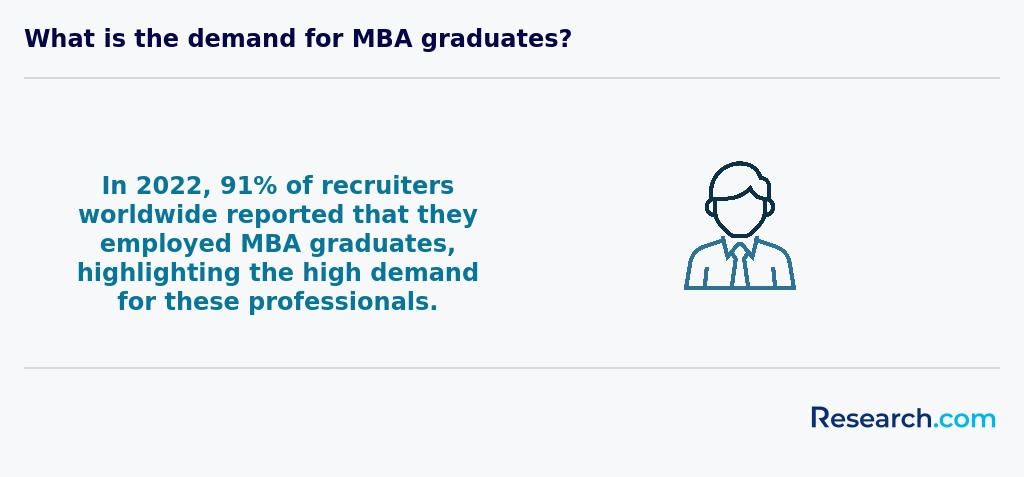
Securing financial aid while pursuing an MBA in Birmingham often begins with federal and state programs, which many graduates found essential in managing tuition costs. Applying through FAFSA unlocks access to Stafford and Grad PLUS Loans, offering manageable repayment plans that relieved significant stress during their studies. At local institutions like the University of Alabama at Birmingham, merit-based scholarships stood out as a beacon of hope for many, providing valuable tuition relief tied to strong academic records or leadership qualities.
Employer tuition reimbursement also played a pivotal role for graduates balancing work and study, especially in Birmingham's thriving business landscape where companies encouraged professional growth by covering MBA expenses when the degree aligned with career goals. It's common to hear alumni speak warmly of this support as a career-smart investment.
Some graduates explored private loans cautiously, aware of higher interest rates and less favorable terms. Others found encouragement through specialized scholarships offered by professional organizations focused on healthcare management or finance, reflecting Birmingham's economic strengths and opening doors uniquely suited to their ambitions.
Investing in an MBA in Birmingham, AL, requires careful consideration of both upfront costs and long-term financial gains. On average, tuition for public institutions ranges from $20,000 to $40,000, while private schools may exceed $50,000. Graduates report starting salaries between $70,000 and $100,000, suggesting a payback period of approximately two to three years. • Payback Period: With an average salary increase of 30–40% post-MBA, most students recover tuition costs within 24–36 months. • Lifetime Earnings Premium: Over a 20-year career, MBA holders in Birmingham can expect an additional $500,000 to $700,000 in earnings compared to those with only a bachelor’s degree. • Cost-Benefit Analysis: Factoring in living expenses (19–29% of total program cost), realistic budgeting and financial aid strategies-such as Graduate Assistantships and Fellowships-can shorten the break-even timeline. For prospective students weighing affordability and value, consider exploring our Low Cost Online Master's in MBA Degree Programs Ranking in New York, NY to benchmark low-cost offerings and ROI metrics against Birmingham programs.
Enrolling in an MBA program in Birmingham usually means having a solid academic foundation, typically a bachelor's degree from an accredited university. Graduates from popular institutions like the University of Birmingham often tell how their diverse undergraduate backgrounds enriched classroom discussions, even when not strictly business-related.
Work experience is equally valued. Many MBA candidates come with two to five years of professional growth, which brings real-world insights to academic theory. Graduates frequently recall how their past roles, especially in local industries or startups, made case studies more tangible and rewarding.
Standardized tests such as the GMAT or GRE remain part of the entry requirements, though some Birmingham schools may waive them for applicants with strong experience or academic records. Those who embark on test preparation often find the challenge empowering, enhancing both confidence and discipline.
For international students, demonstrating English proficiency through tests like TOEFL or IELTS is essential. Graduates appreciate how meeting these requirements early eased their transition and fostered smoother communication within diverse cohorts.
Additional materials like recommendation letters and personal statements give applicants a chance to share their motivation and aspirations sincerely-elements well understood by admissions committees across Birmingham's business schools.
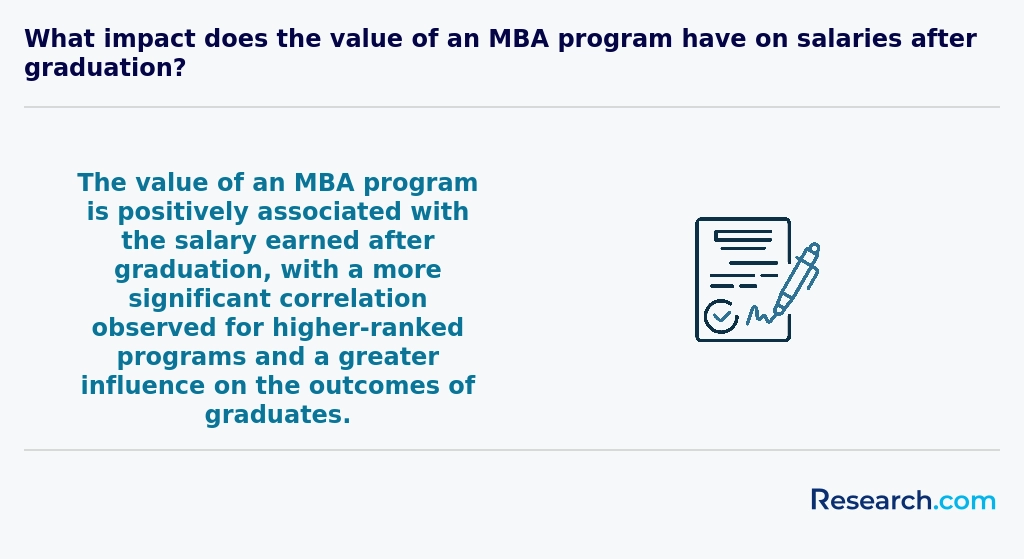
For many prospective MBA students, the journey toward gaining admission starts long before submitting an application. Preparing a competitive profile involves not only excelling academically but also strategically developing professional experience and soft skills. Begin by focusing on key areas such as standardized test preparation, building a compelling resume, and honing your personal statement. Spending time on GMAT or GRE practice, obtaining strong recommendations from industry professionals, and engaging in networking events can set you apart from other candidates. Equally important is researching each program’s unique offerings; compare factors like faculty expertise, internship opportunities, and career support services to ensure the program aligns with your professional goals. Utilize available resources-such as webinars, counseling sessions, and alumni success stories-to gain insight into what life in an MBA program truly entails. For those who require flexible learning options, exploring an online mba usa pathway can provide both convenience and quality education without compromising on networking benefits. Finally, embrace feedback during the application process. Whether through mock interviews or constructive criticism on your essays, continuous improvement is key. Remember that thorough preparation not only strengthens your application but also builds the foundation for a successful academic and professional future.
MBA programs in Birmingham, such as those at the University of Alabama at Birmingham, typically offer a rich curriculum centered on core business principles. Graduates often reflect on how courses like Accounting and Financial Reporting or Marketing Management provided them with practical skills that were immediately applicable in their internships and consulting projects. For example, understanding financial statements helped one graduate make confident budgeting decisions during a local startup internship.
Leadership and Organizational Behavior classes resonate deeply with students aiming to develop their ability to manage teams effectively within Birmingham's diverse industries. Course work in Business Strategy and Managerial Economics frequently sparks lively discussions, connecting textbook theories to the city's economic landscape.
Many students appreciate electives focused on healthcare management and information technology, reflecting Birmingham's regional strengths. This flexibility supported graduates who wanted to tailor their MBA experiences toward thriving sectors, opening doors to meaningful career opportunities.
Overall, the curriculum emphasizes blending theory with real-world application, encouraging professionals to grow into adaptive leaders ready to navigate Birmingham's dynamic business environment.
MBA programs in Birmingham universities offer diverse pathways that reflect the city's dynamic professional landscape, providing a range of MBA specializations in Birmingham universities tailored to both individual ambitions and local industry demands. Graduates from popular institutions often share how intensively focusing on Finance or Marketing prepares them for competitive roles in nearby financial districts or Birmingham's expanding digital marketing sector. The healthcare sector's prominence here also inspires many to pursue Healthcare Management, merging business skills with an understanding of hospital administration, which enriches their appreciation of Birmingham's health economy.
Another specialization gaining traction is Supply Chain Management, crucial for Birmingham's manufacturing and retail industries, where students value the real-world logistics challenges encountered during their projects. IT Management is also sought after, enabling aspirants to bridge technology and leadership effectively. For those balancing work and study, flexible options allow the pursuit of an online mba usa that fits personal schedules while benefiting from these top MBA concentration options Birmingham.
Choosing the best MBA programs in Birmingham involves weighing accreditation, curriculum, and format carefully. Graduates from local universities often remark on the value of AACSB accreditation, which guarantees a recognized and rigorous education. This is especially important when your aim is to build a career in Birmingham's competitive business environment. Many find that selecting a program with specializations relevant to their desired industry-whether healthcare management, finance, or entrepreneurship-makes their learning more practical and engaging.
Cost considerations are vital. Birmingham MBAs tend to be more affordable than those in major US cities, with tuition typically between $50,000 and $75,000. Alumni often advise budgeting beyond tuition to include fees and living expenses. For those balancing work and study, part-time or online options provide flexibility, a choice many working professionals at Birmingham colleges appreciate. If affordability is a priority, exploring rankings like the Low Cost Online Master's in MBA Degree Programs Ranking in New York, NY can offer useful insights.
Employment outcomes are a strong guidepost for decision-making. Graduates praise programs connected to Birmingham's business community for opening doors to internships and valuable networks. Knowing that the region supports MBA alumni with job placement and competitive salaries makes the investment feel worthwhile. Ultimately, finding an MBA that aligns with your personal and professional goals ensures a rewarding and fulfilling experience in Birmingham.

Graduates of MBA programs in Birmingham often find themselves stepping confidently into leadership roles across industries, drawing from the city's vibrant economic landscape. Many alumni from popular universities like the University of Alabama at Birmingham share how their degrees unlocked opportunities as business development managers or operations directors, blending learned strategic thinking with real-world challenges. Exploring MBA career opportunities in Birmingham reveals strong prospects in healthcare administration as well, where MBAs enhance hospital management and streamline operations in the city's growing biotech sector.
Similarly, finance and consulting attract many graduates, reflecting Birmingham's role as a regional financial hub. Alumni report fulfilling work as investment managers or consultants, empowered by skills acquired during their studies. An inspiring example is the path of several graduates who, energized by Birmingham's start-up culture, transitioned into entrepreneurship, applying strategic planning skills to launch successful ventures. For those exploring affordable education options, the Low Cost Online Master's in MBA Degree Programs Ranking in New York, NY can offer additional guidance outside Birmingham.
By focusing on top MBA jobs available Birmingham, prospective students can envision careers that leverage both the flexible academic foundation and the city's dynamic industries, fueling their ambitions with practical experience and expansive networking gained at Birmingham's leading institutions.
The mba job opportunities in Birmingham benefit from a diverse and evolving economy. Graduates from popular institutions such as the University of Alabama at Birmingham have found promising roles in sectors like finance, healthcare, and technology. Many alumni share how their leadership and strategic skills gained through rigorous coursework have opened doors to positions like Operations Manager and Marketing Director within local companies. Birmingham's status as a financial hub supports steady demand for MBA graduates, often drawing them into roles with firms headquartered here.
Students often emphasize the value of networking within Birmingham's business community, which enhances employment prospects. For those balancing work and study, exploring the quickest online programs for working adults in the area helps maintain career momentum while acquiring a business degree. The business degree employment prospects Birmingham offers align well with the average MBA salary range of $85,000 to $100,000, encouraging graduates to pursue growth-oriented careers locally.
2027 Most Valuable MBA Degree Programs Ranking in Birmingham
Investing in your education is a significant decision that can shape your future, and the Research.com team understands the importance of making informed choices. To assist prospective students in Birmingham, we have meticulously crafted the "2027 Most Valuable MBA Degree Programs Ranking in Birmingham." Our commitment to quality, credibility, and accuracy is reflected in the extensive research and analysis conducted to compile this ranking.
We utilized the following reputable data sources to ensure a comprehensive evaluation of MBA programs:
By exploring this ranking, readers will gain valuable insights into the most valuable MBA degree offerings in Birmingham, enabling them to make well-informed decisions about their educational investments. For more details on our methodology, please visit our Research.com methodology page.


# 3 position
Strayer University-Alabama
Master of Business Administration

Frequently Asked Questions About MBA
Students pursuing an MBA degree in Birmingham can maximize their learning by actively engaging with local business networks. Birmingham hosts numerous professional organizations such as the Birmingham Business Alliance, which offer valuable networking events and workshops. Participating in these can help students apply classroom knowledge to real-world scenarios.
Leveraging internship opportunities with prominent firms in the Birmingham metropolitan area is also essential. According to U.S. Department of Education data, MBA students who complete internships see a 20% higher chance of full-time employment post-graduation.
Additionally, many Birmingham universities provide access to mentorship programs connecting students with seasoned business leaders, enhancing practical understanding and career development.
Emerging niches within the MBA field reflect the evolving demands of modern business environments. In Birmingham, there is growing interest in technology-focused MBAs, such as those emphasizing data analytics, artificial intelligence, and cybersecurity. According to the Graduate Management Admission Council (GMAC) 2023 report, 32% of MBA candidates in the U.S. prioritize tech-driven specializations.
Another rising area is sustainability and social impact, with Birmingham programs increasingly offering courses on corporate social responsibility and green business strategies. This reflects a broader national trend as reported by the Aspen Institute, highlighting a 25% increase in sustainable business content in MBA curricula over the past five years.
Healthcare management also continues to gain traction due to Birmingham's expanding medical sector. Many local MBA programs integrate healthcare administration, preparing graduates for leadership roles in this critical industry.
After completing an MBA degree in Birmingham, preparing for the job market requires strategic planning. Graduates should focus on building a strong professional network by attending local business events and leveraging alumni connections from Birmingham-area schools. According to the Graduate Management Admission Council, 92% of MBA graduates in the U.S. find employment within three months, highlighting the importance of proactive job searching.
Internships and practical experience gained during the MBA can significantly enhance job prospects. Additionally, tailoring resumes to highlight leadership and analytical skills-key strengths of MBA programs-can attract employers in industries like finance, healthcare, and technology prevalent in the Birmingham job market.
Utilizing career services offered by Birmingham business schools, such as mock interviews and job fairs, further increases chances of securing a role. Familiarity with local employers and understanding regional economic trends can provide a competitive advantage.
Employers in Birmingham highly value specific skills in MBA graduates, reflecting the city's competitive business environment. Leadership ability is paramount; according to a 2023 survey by the Birmingham Chamber of Commerce, 78% of employers prioritize candidates who can manage diverse teams effectively.
Analytical thinking and problem-solving skills are also critical. Businesses seek graduates who can interpret complex data to guide strategy and operations. A report by the U.S. Bureau of Labor Statistics highlights that MBA holders with strong analytical skills earn up to 15% more in management roles.
Communication skills remain essential, with recruiters expecting graduates to convey ideas clearly across departments and stakeholders. Additionally, adaptability and technology proficiency, especially in digital tools and data analytics, are increasingly in demand due to rapid industry changes.
Finding internships in Birmingham relevant to an MBA degree involves leveraging local business networks and university career centers. Birmingham hosts diverse industries, including finance, manufacturing, and healthcare, making it a valuable location for MBA internships. According to the Birmingham Business Alliance, about 35% of local internships target business and management roles, offering practical experience in strategic planning, marketing, and operations.
Networking events and career fairs, often held by institutions like the University of Alabama at Birmingham, are crucial for connecting students with employers. Utilizing online platforms such as Handshake and LinkedIn, with filters set for Birmingham-based internships, also increases opportunities.
Local chambers of commerce and MBA program alumni networks serve as vital resources for finding competitive MBA internships in this city.
In Birmingham, obtaining an MBA degree significantly enhances career mobility and advancement opportunities. According to the Birmingham Business Journal (2023), MBA graduates experience a 20% higher promotion rate within five years compared to those without advanced business degrees. An MBA equips professionals with critical leadership, strategic thinking, and financial skills valued by local employers in diverse industries such as finance, healthcare, and manufacturing.
Additionally, MBA holders in Birmingham report an average salary increase of 15-25% post-graduation, making the degree a worthwhile investment. Networking opportunities through MBA programs also connect students with Birmingham's growing business community, further supporting career growth.
Studying for an MBA degree in Birmingham offers strong preparation for interdisciplinary roles by emphasizing diverse skill sets that combine leadership, finance, marketing, and operations. Programs often incorporate case studies and projects requiring collaboration across various business functions, which mirrors real-world challenges faced in dynamic industries.
According to the Birmingham Business School, their MBA curriculum integrates modules in strategy, analytics, and innovation that equip students to work effectively in diverse teams. This multidisciplinary approach fosters adaptability and problem-solving skills essential for managerial positions.
Furthermore, Birmingham's business community provides networking opportunities with professionals from finance, technology, and healthcare sectors, enhancing practical insights into cross-industry collaboration.
Choosing between a thesis and a non-thesis MBA program in Birmingham depends on your career goals and learning preferences. A thesis MBA typically appeals to those interested in research or pursuing a PhD later. It requires writing a substantial research paper, which develops critical analytical skills. According to the Birmingham Business Alliance, about 25% of local MBA students choose thesis options for this reason.
Conversely, non-thesis MBA programs often emphasize practical skills through internships and capstone projects. These usually take less time to complete, making them attractive for working professionals aiming for managerial roles quickly. Data from the Alabama Commission on Higher Education shows that non-thesis options represent roughly 75% of MBA enrollments in Birmingham institutions.
Consider your long-term plans. If research, academia, or specialized consulting appeals to you, a thesis route may be best. If you prefer hands-on experience and faster completion, a non-thesis MBA might better suit your needs.
Students based in Birmingham who wish to pursue an MBA abroad, particularly in the United States, have several pathways available. They can opt for full-time MBA programs, which typically last two years and are offered by renowned US business schools. Alternatively, part-time and online MBAs provide flexibility for working professionals.
Some top-ranking US universities accessible to Birmingham students include the University of Chicago Booth School of Business and the Wharton School at the University of Pennsylvania. According to U.S. News & World Report 2024, these programs offer strong global networks and high post-graduate salaries.
Financial aid options such as scholarships and assistantships are commonly available to international students, including those from Birmingham. Preparing for the GMAT or GRE is usually required for admission.
In Birmingham, part-time job opportunities that complement MBA studies often focus on roles in finance, marketing, and business consulting. Many MBA students find positions as financial analysts or marketing assistants, which allow them to apply classroom theories to real-world business challenges. According to the U.S. Bureau of Labor Statistics, finance-related jobs are growing at a rate of 6% annually, making these roles increasingly relevant.
Additionally, internships or part-time roles with local startups or established firms in Birmingham provide hands-on experience with business operations and strategy. Networking positions such as event coordinators also help develop critical leadership and organizational skills.
A 2023 report from the Birmingham Chamber of Commerce highlights that nearly 40% of MBA students secure roles within six months of starting part-time work, reflecting strong local demand for these skills.
Networking opportunities for MBA students in Birmingham are notably strong due to the city's growing business ecosystem. Many programs emphasize connections through local chambers of commerce, professional business groups, and alumni events. The Birmingham Business Alliance regularly hosts events that MBA students can attend to meet industry leaders and potential employers.
Numerous MBA programs partner with companies in finance, healthcare, and technology sectors based in Birmingham, offering internships and mentorships. According to a 2023 report by Poets&Quants, MBA graduates in Birmingham experience a 15% higher chance of landing executive-level positions within their first two years post-graduation compared to national averages.
Additionally, business school clubs often organize workshops, guest speaker sessions, and networking mixers, which provide students direct access to seasoned professionals. This environment fosters meaningful connections essential for career advancement in competitive US markets.
Alumni networks play a crucial role in supporting MBA students in Birmingham. These networks provide valuable opportunities for mentoring, career advice, and job placements. According to the Graduate Management Admission Council, over 85% of MBA graduates gain professional advantages through alumni connections.
Many Birmingham MBA programs have active alumni associations that organize networking events, workshops, and panel discussions. These gatherings help students build relationships with experienced professionals and local business leaders.
Furthermore, alumni networks often share exclusive internship and job openings, allowing students to access positions that may not be widely advertised. This local engagement is especially important in Birmingham's competitive business market.
Such connections enhance learning beyond the classroom, fostering both personal growth and professional advancement.
Customizing an MBA degree in Birmingham allows students to align their education with specific career goals. Many programs in the area, including those offered at recognized institutions like the University of Alabama at Birmingham, provide various concentrations such as healthcare management, finance, or entrepreneurship. Students can choose electives based on their industry interests, which helps tailor their skill set.
Additionally, Birmingham MBA programs often offer flexible formats-full-time, part-time, or online-to accommodate working professionals. According to U.S. News & World Report, nearly 40% of MBA students in Birmingham opt for part-time studies to balance work and learning.
Internships and networking opportunities with local businesses also help customize students' experiences to practical career objectives.
MBA students in Birmingham commonly face challenges balancing rigorous academic demands with professional and personal responsibilities. Many students work part-time or full-time while studying, making time management crucial. According to the Graduate Management Admission Council, nearly 60% of MBA candidates in similar urban US environments report stress from juggling work and study commitments.
Financial strain is another significant hurdle. Tuition and living costs in Birmingham can be substantial, with average MBA program fees ranging between $40,000 and $70,000. Students often rely on loans or scholarships to support their education.
Networking opportunities are vital, yet some students find limited connections compared to larger metropolitan areas, affecting career advancement prospects post-graduation.
Adapting to evolving business technologies and global market changes adds further pressure, requiring continuous learning beyond the classroom.
With an MBA degree from Birmingham, graduates can pursue various professional certifications to enhance their career prospects. Common certifications include the Project Management Professional (PMP), which is valued by employers across industries. Another popular choice is the Certified Public Accountant (CPA) for those interested in finance and accounting roles.
The Chartered Financial Analyst (CFA) certification is also a strong option for MBA graduates focusing on investment management. Additionally, the Certified Management Accountant (CMA) credential complements MBA skills in managerial accounting.
According to the Graduate Management Admission Council, MBA graduates with these certifications often see a salary increase of 20-30%. Birmingham's local professional networks and education centers provide ample support for certification preparation.
Writing a winning application for an MBA program in Birmingham requires clear focus and preparation. Start by researching each school's unique offerings and admissions criteria. Tailor your personal statement to highlight relevant work experience, leadership skills, and career goals that align with the program's strengths. According to the Graduate Management Admission Council (GMAC), programs in Birmingham value applicants who demonstrate a clear understanding of how the MBA will impact their professional path.
Strong letters of recommendation from supervisors or mentors familiar with your business acumen are essential. Also, ensure your GMAT or GRE scores meet or exceed the average for Birmingham MBA programs, typically around 600-650 total GMAT.
Finally, prepare thoroughly for interviews, emphasizing how your background and ambitions match the local economic environment. This methodical approach improves your chances of acceptance.
The global outlook on an MBA career remains strong, with graduates often securing leadership roles across various industries. In the United States, including Birmingham, MBA holders typically see a significant salary increase post-graduation. According to the Graduate Management Admission Council (GMAC), 89% of MBA graduates from US programs report career benefits within three years.
Internationally, an MBA is recognized as a key credential for advancing into management and executive positions. Companies value the combination of strategic thinking, leadership, and analytical skills taught in these programs.
Specifically in Birmingham, MBA graduates benefit from the city's growing business environment, leveraging local networks alongside global business strategies learned during their studies.
Gaining practical experience while pursuing an MBA degree in Birmingham can significantly enhance your career prospects. Many programs in the city offer internships or consulting projects that allow students to work with local businesses. According to the Birmingham Business Journal, approximately 65% of MBA students engage in internships during their studies, providing valuable real-world exposure.
Additionally, experiential learning through case competitions and live projects is common. These opportunities help students apply theoretical knowledge in practical settings. Some universities also provide access to entrepreneurial incubators and networking events with industry professionals, supporting hands-on learning and career development.
Choosing the right concentration within an MBA program in Birmingham begins with assessing your career goals and industry interests. Popular concentrations such as Finance, Marketing, and Healthcare Management align with key sectors in Birmingham's growing economy. For instance, the healthcare industry in the region accounts for a significant share of employment, making Healthcare Management a strategic choice for many students.
It is important to review program specifics at Birmingham-area schools, including faculty expertise and internship opportunities. According to 2023 data from the U.S. Bureau of Labor Statistics, MBA holders with specialized skills in Finance tend to see a 15% higher median salary. Additionally, networking options and alumni success stories in your chosen field can guide your decision effectively.
- 2027 Most Valuable MBA Degree Programs Ranking in Montgomery
- 2027 Most Valuable MBA Degree Programs Ranking in University Park
- 2027 Most Valuable MBA Degree Programs Ranking in Atlanta
- 2027 Most Valuable MBA Degree Programs Ranking in Nashville
- 2027 Most Valuable MBA Degree Programs Ranking in Macon
- 2027 Most Valuable MBA Degree Programs Ranking in Mobile
- 2027 Most Valuable MBA Degree Programs Ranking in Hattiesburg
- 2027 Most Valuable MBA Degree Programs Ranking in Jackson
- 2027 Most Valuable MBA Degree Programs Ranking in Memphis
- 2027 Most Valuable MBA Degree Programs Ranking in Knoxville
- Master of Business Administration (MBA) https://www.ucb.ac.uk/university/postgraduate/courses/master-of-business-administration-mba/
- What Work Experience Do You Need For an MBA? | Articles | Unimy https://www.unimy.com/article/blog-mba-preparation-admissions-mba-work-experience
- Skills Employers Look for in Business Graduates – EU Business School https://www.euruni.edu/blog/skills-employers-look-for-in-business-graduates/
- MBA Requirements: What do you really need for an MBA degree https://www.obseducation.org/en/blog/mba-requirements-what-do-you-really-need-for-an-mba-degree
- The Growing Demand for Niche Jobs and MBA Specializations https://www.clearadmit.com/2025/05/the-growing-demand-for-niche-jobs-and-mba-specializations/
- Verifying that you are not a robot... https://krea.edu.in/ifmrgsb/top-5-emerging-career-paths-for-mba-graduates/
- International MBA - MBA - 2026/27 Entry https://www.bcu.ac.uk/courses/international-mba-2026-27
- 10 Highest-Paying MBA Specializations in 2026 (With Salary Data) - Paris School of Management (PSM) https://www.psm-paris.fr/en/10-highest-paying-mba-specializations-in-2026/
- How to balance a part-time MBA while working full-time https://www.manchester.ac.ae/blog-post/how-to-balance-a-part-time-mba-while-working-full-time
- How to Choose Between MBA Degree vs. Certificate | University of Phoenix https://www.phoenix.edu/articles/business/how-to-choose-between-mba-degree-vs-certificate-programs.html





