
2027 Best MBA Degree Programs Ranking in the West

Co-Founder and Chief Data Scientist
Choosing the right MBA program can be overwhelming, especially with so many options available in the West. This article introduces the 2027 Best MBA Degree Programs Ranking in the West, created by the Research.com team of data scientists to guide you toward informed decisions.
Discover which programs stand out for quality, value, and career impact. Reading this ranking helps you find the best fit for your goals and ambitions.
An MBA is a powerful step toward growing your skills, boosting confidence, and advancing your career in today's competitive market.
Key benefits of getting MBA degree in the West
- MBA graduates often see rewarding salary opportunities, with entry to mid-level roles in management commonly offering salaries between $80,000 and $120,000, reflecting the exciting financial growth potential.
- Graduates from popular Western universities, such as the University of Michigan, explore diverse career paths including consulting, finance, and marketing, allowing great flexibility to find a fulfilling and dynamic role.
- Online MBA programs, like those from the University of Florida, provide the advantage of flexible scheduling and lower costs, helping students balance education with work and family life while still gaining top-tier credentials.
- 2027 Best MBA Degree Programs Ranking in the West
- What can I expect from MBA degree in the West?
- Where can I work with MBA degree in the West?
What can I expect from MBA degree in the West?
The average cost of pursuing an MBA in the Western United States is undeniably substantial, often exceeding $120,000 in total tuition alone at renowned institutions like Stanford Graduate School of Business or UC Berkeley Haas. However, graduates frequently describe this investment in terms far beyond dollars-highlighting the transformative experience of immersing themselves in innovation-driven environments such as Silicon Valley.
Many recall the intense yet rewarding challenge of balancing rigorous coursework with opportunities to consult for cutting-edge startups, a hallmark of Western MBA programs. While the sticker price seems steep, the potential payoff-median starting salaries frequently topping $135,000-offers a pragmatic counterpoint to initial financial concerns.
Students often reflect on how the flexible formats, from full-time to executive MBAs, accommodate diverse lifestyles and professional stages, making the financial commitment feel more manageable. For them, the cost is entwined with access to unparalleled networks and hands-on experience, which together cultivate a unique confidence to lead ethically and innovatively in global business landscapes.
Where can I work with MBA degree in the West?
With an MBA from a Western U.S. program like Stanford GSB or UCLA Anderson, graduates find themselves stepping confidently into vibrant sectors that challenge old assumptions about career paths. Forget the stereotype that MBAs are only for finance; in Silicon Valley or Seattle, technology giants like Amazon and Salesforce actively seek MBAs to drive product innovation and strategic growth. Imagine collaborating on breakthrough projects that merge complex tech with business savvy-this is the everyday reality for many.
Healthcare management also emerges as a powerful option, especially in California and Washington, where hospitals and health systems prize MBAs for strategic roles, offering salaries often surpassing $120,000. MBA holders there frequently tell of turning complex administrative hurdles into opportunities for real impact.
The West's startup scene invites MBAs to be creators rather than just participants. Whether working with venture capital or launching new ventures, graduates from Berkeley Haas or USC Marshall often highlight the thrill of fostering innovation, driven by a community eager to disrupt markets and build lasting value.
Public and nonprofit sectors might be underestimated, but many Western MBA grads find meaningful leadership roles in these areas, guiding projects that improve communities and advance economic development with purpose and passion.
MBA graduates in the Western United States often anticipate rewarding salaries that reflect their advanced skills and local market dynamics. Silicon Valley and the San Francisco Bay Area stand out, where graduates from prestigious programs like Stanford Graduate School of Business often exceed $150,000 in total compensation early in their careers. This isn't just a number; it's the result of intense competition in tech and startups, combined with the cachet of a top-ranked program.
Many graduates from UCLA Anderson School of Management describe securing offers well above the national median of $115,000, especially when prior work experience is factored in. Those entering finance roles often see median salaries around $135,000, a figure that showcases how much expertise and reputation matter here. Marketing and operations management roles tend to hover closer to $115,000, but still provide a solid foundation for career growth and satisfaction.
For students weighing the MBA investment in the West, it's worth imagining the doors opened by a degree recognized in these competitive hubs - personal stories reveal how strategic choices in school and function translate into tangible financial success.
- The average total cost of a full-time two-year MBA program in the US ranges from $60,000 to $120,000, including tuition and fees.
- Starting salaries for MBA graduates are around $115,000 per year, with consulting and technology sectors offering up to $130,000.
- Within five to ten years, median earnings for MBA holders can rise to between $170,000 and $200,000 annually.
- Over 90% of MBA graduates find jobs within three months of finishing their degree, especially in finance, consulting, technology, and healthcare.
- Admission usually requires a bachelor's degree, competitive GMAT or GRE scores, 2-5 years of work experience, and strong recommendations.
- Financial aid such as scholarships, fellowships, and employer sponsorships are available to help reduce the cost of MBA programs.
The time it takes to complete an MBA in the West is anything but one-size-fits-all. Traditional full-time students often commit to about two years, like those at Northwestern's Kellogg School of Management, immersing themselves fully in 60 credit hours of rigorous coursework. Yet, some graduates recall the intensity and reward of accelerated one-year programs, such as the one at USC's Marshall School of Business, where every day is packed but the finish line comes surprisingly fast.
Part-time and online paths stretch the timeline, often to three or more years, but offer the priceless flexibility to juggle career and family. Many students cherish the balance they find, attending evening classes while advancing professionally. Executive MBA candidates, typically senior professionals attending weekend modules, complete their journey in 18 to 24 months, appreciating the program's respect for their demanding schedules.
Choosing a duration isn't just about speed-it's about fitting a transformational experience into your life's puzzle, weighing costs, career momentum, and personal growth at institutions known throughout the West.
As the business landscape evolves at breakneck speed, MBA programs in the West are redefining their curricula to prepare graduates for tomorrow’s challenges. Sustainability and social impact are no longer niche electives but core components of many top programs, reflecting growing demand for leaders who can balance profit with purpose. Similarly, the integration of artificial intelligence and data analytics tools into core courses is equipping students with the technical acumen to drive digital transformation across industries. Hybrid and micro-credential models are also gaining traction, allowing professionals to stack short courses in areas like blockchain, machine learning, and design thinking alongside traditional MBA credits. This modular approach not only accelerates skill acquisition but also reduces overall tuition burdens-a point prospective students should weigh against our detailed Affordable Online Master’s in MBA Degree Programs Ranking in the West. Experiential learning remains at the forefront, with many institutions partnering with local startups, nonprofits, and global corporations to offer live consulting projects and innovation labs. These real-world challenges cultivate leadership, adaptability, and cross-functional teamwork-qualities recruiters increasingly prioritize. Finally, a surge in executive education and certificate programs reflects the demand for lifelong learning: alumni and working professionals can now access targeted courses on emerging topics without committing to a full degree. As you explore MBA options in the West, consider how these evolving trends align with your career goals and learning style.
Choosing between an online and on-campus MBA in the West often comes down to the experience you want. Graduates from well-known institutions like UCLA Anderson describe on-campus programs as vibrant ecosystems-imagine walking through campus, joining impromptu study groups in cozy lounges, and attending networking mixers that spark genuine connections. That face-to-face energy can ignite motivation and forge bonds that last a career.
Conversely, alumni from online MBAs at schools such as Arizona State University emphasize flexibility. They speak of juggling demanding jobs and family life while participating in live virtual discussions and collaborating on projects from their living rooms. Such freedom brings relief and pride, especially when balancing multiple responsibilities.
- On-campus MBA students immerse themselves in dynamic, in-person interactions and access campus resources directly.
- Online learners enjoy adaptable schedules without sacrificing the academic rigor of AACSB-accredited programs popular in the West.
- Both paths cultivate leadership and analytical skills but cater to different lifestyles and career stages.
In Western states where innovation and work-life balance are prized, these distinctions shape how future leaders carve their journeys.
The average MBA degree cost in the West, when looking beyond the allure of elite institutions, hovers around $44,669. This figure reflects a median that includes both in-state and out-of-state tuition fees, offering a more grounded perspective than the headline numbers often touted by well-known schools like Haas School of Business or Stanford Graduate School of Business, where tuition alone can surpass $70,000 annually. Graduates from regional universities share stories of balancing this financial commitment with part-time work or employer sponsorships, highlighting that the total expenses for MBA programs in Western US extend well beyond tuition-covering fees, textbooks, and the undeniable living costs which sometimes strain budgets more than the program itself.
Consider the experience of many MBA candidates who choose part-time or online pathways to mitigate upfront expenses. Their diverse approaches reflect a shift in mindset: the MBA is now often seen not just as a degree but as an investment intertwined with their career growth. For those navigating this landscape, easy mba programs to get into can provide valuable options without sacrificing quality or flexibility.

Navigating the MBA admissions process can be as transformative as the program itself. In this section, we offer actionable insights to help you craft a standout application and maximize your chances of acceptance. Start by clearly articulating your career vision in a compelling personal statement, supported by detailed examples of your achievements. Ensure that your letters of recommendation reflect both your professional abilities and leadership potential. Additionally, take time to thoroughly prepare for the GMAT or GRE by employing targeted study plans and practice tests. A well-prepared score can significantly elevate your application in a competitive pool. Balancing work experience with continuous learning, including professional certifications or short courses, can further showcase your readiness for an intensive MBA curriculum. For those exploring options with a more accessible admissions process, consider reviewing available resources on easy mba programs to get into to find opportunities that align with your professional background and academic goals. Embrace these strategies with confidence, and remember that a thoughtful, well-rounded application is your gateway to unlocking the full potential of an MBA education.
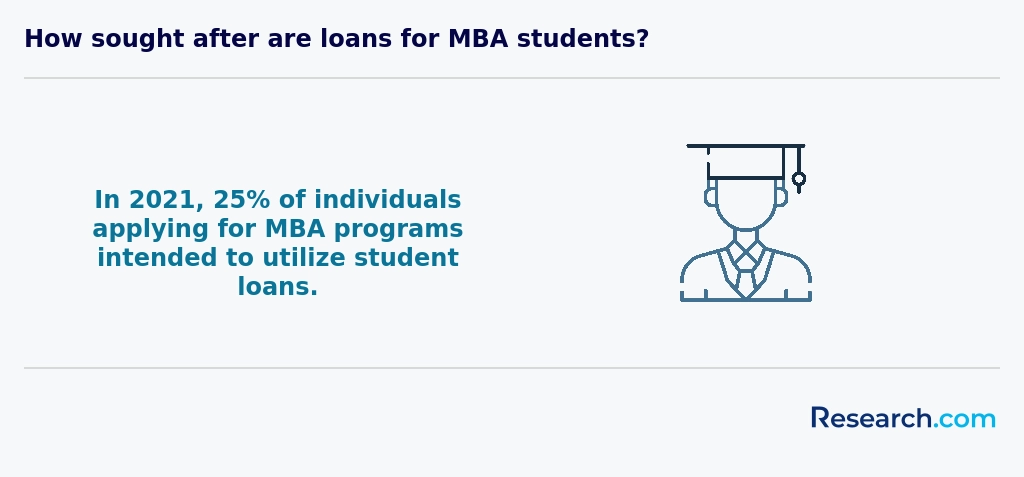
Many MBA students in the West find financial aid through federal loans, but these come with a reality check: fixed interest rates near 7% can accumulate quickly, reminding candidates that borrowing is only part of the solution. One recent graduate from a top California business school shared how navigating the Federal Direct Unsubsidized and Grad PLUS loans meant balancing immediate dreams with long-term debt planning.
Scholarships and fellowships offer a brighter path, though they demand relentless research and persistence. Imagine a student at Stanford discovering a need-based scholarship that lifted a heavy financial burden-over $16 million was allocated in recent years, yet only those who dig deep find these hidden gems.
Employer sponsorship challenges the norm for many working professionals; nearly half of U.S. MBA students in the West leverage tuition reimbursement as a bridge between career and education. This support isn't just monetary-it's a vote of confidence from employers, seen vividly by graduates juggling intense programs and demanding jobs.
Private loans and alternative financing often feel like last resorts, shadowed by higher interest rates and uncertainty. The lesson from MBA recipients across Western universities is clear: maximize federal aid and scholarships first, then consider other options with caution and a sharp eye on repayment reality.
Understanding the true return on investment (ROI) of an MBA in the West goes beyond comparing tuition fees and salary boosts-it requires a holistic look at career advancement, networking opportunities, and personal growth. On average, MBA graduates in leading Western programs see a salary increase of 50–80% within three years, recouping their educational costs in as little as four years. However, individual ROI can vary based on program format, specialization, and financial aid strategies. To optimize ROI, consider blending cost-effective program options with robust career services and alumni networks. For candidates seeking cost-effective options, our Affordable Online Master's in MBA Degree Programs Ranking in the West highlights programs that deliver strong outcomes without the premium price tag. Online and hybrid MBAs often offer accelerated payback periods by allowing students to maintain full-time employment while earning their degree. When assessing ROI, weigh factors such as: • Total Cost of Attendance: Include tuition, fees, and living expenses. • Salary Uplift: Compare average post-MBA starting salaries in key sectors like technology, finance, and consulting. • Opportunity Cost: Account for potential earnings lost if leaving the workforce. • Networking Value: Evaluate access to industry events, mentorship programs, and alumni networks-critical drivers of long-term career growth. Finally, leverage financial aid strategically-merit-based scholarships, employer sponsorships, and assistantships can reduce upfront costs by up to 40%. By selecting a program that balances affordability with academic rigor and career support, you ensure that your MBA in the West is not just an expense, but a high-yield investment in your future.
Meeting the prerequisites for an MBA in the West is more than just ticking boxes; it's a transformative rite of passage. Graduates from renowned schools like Stanford and Wharton often recall the challenge of balancing a solid undergraduate degree-whether in engineering, social sciences, or humanities-with competitive GMAT scores hovering around 700 or more. These metrics reflect not only intellectual capacity but a readiness to dive into complex business concepts.
Work experience emerges as a defining element, where candidates bring real-world stories from two to five years in the field. Imagine contributing firsthand insights during a lively Harvard classroom debate-this practical background breathes life into academic theories and fuels spirited collaboration.
Letters of recommendation and personal essays unveil the candidate's character and ambition, setting them apart in a sea of qualified applicants. These components reveal leadership potential and genuine motivation, qualities celebrated by alumni who look back on their application process with pride and excitement for the path ahead.
Ultimately, these prerequisites craft a narrative of growth and promise that resonates deeply with anyone eager to advance in the competitive landscape of Western MBA programs.

Pursuing an MBA degree is a significant investment, not just financially but also in terms of time and personal commitment. As prospective students weigh their options, they often ask themselves if the benefits of an MBA program outweigh the costs. The answer to this question can vary depending on individual circumstances, career goals, and the specific program one is considering. However, there are several key points to consider when evaluating the worth of an MBA degree. Firstly, the potential for significant salary increases post-graduation is a compelling factor. Many MBA graduates experience substantial jumps in their salaries, often exceeding $100,000, particularly in high-demand sectors like technology and finance. This financial return on investment can be a powerful motivator for those seeking to advance their careers. Additionally, the skills and knowledge gained through an MBA program can be invaluable. Students develop a comprehensive understanding of business principles, including finance, marketing, operations, and leadership, which can enhance their professional versatility and adaptability. Furthermore, the networking opportunities provided by MBA programs are unparalleled. The connections made during this time can lead to lifelong professional relationships, mentorship opportunities, and even future job prospects. Considering these aspects, for many, the pursuit of an MBA degree is indeed worth it, as it can lead to a transformative impact on their career trajectory and personal growth. However, it's essential for each individual to assess their own goals, financial situation, and priorities before making a decision.
MBA programs in the West, especially those at schools like Harvard Business School or Stanford Graduate School of Business, immerse students in a rigorous core curriculum designed to sharpen leadership and strategic thinking. Graduates often recall late-night sessions dissecting case studies on Financial Accounting, Marketing Management, and Operations Management, which challenge them to analyze complex business scenarios realistically.
Courses such as Organizational Behavior and Corporate Finance aren't just theoretical-they are lived experiences. One graduate from Wharton describes how these classes translated to leading their startup's fundraising efforts with newfound confidence and clarity.
Electives add an invaluable layer of personalization. Students at institutions like the University of Chicago Booth School frequently choose concentrations in Technology Management or Entrepreneurship, matching their evolving career ambitions. The ability to pivot through these electives makes the MBA journey deeply engaging and relevant, fostering excitement about real-world applications rather than just passing exams.
This curriculum, blending analytics with leadership, echoes what 84% of top recruiters demand, ensuring graduates step into the business arena equipped to innovate and lead with passion and precision.
Exploring MBA specializations in the Western United States reveals a spectrum designed to sharpen expertise in fields like Finance, Marketing, Entrepreneurship, Operations Management, IT Management, and Healthcare Management. Graduates from prominent schools in the West often share how diving into Finance unlocked opportunities in corporate sectors, where strategic investment and portfolio management translate into highly rewarding careers. Equally compelling are stories from those who embraced Marketing, finding joy in crafting campaigns that truly resonate with consumers, or from entrepreneurs who thrived by merging innovation with real-world business challenges at leading universities.
Such diverse MBA concentration options in the West empower students to tailor their education to ambitions that feel deeply personal. Many recount the exhilaration of choosing pathways that align perfectly with their passions, an advantage often supported by flexible part-time or executive programs. This adaptive approach to studying at colleges known for their robust MBA offerings also echoes through different life stages, making it easier for professionals to grow without compromising current commitments. To navigate costs and find fit, prospective students often consult resources like the Affordable Online Master's in MBA Degree Programs Ranking in the West, balancing quality and affordability in surprising ways.
Choosing the best MBA degree in the West goes beyond just prestige; it demands a personal inventory of your professional ambitions and financial realities. Graduates from schools like Stanford express how the intense networking environment and specialized curriculum in technology management transformed their approach to leadership. Yet, others found that public universities with robust programs offered a better balance of cost and return, helping them avoid crushing debt while gaining valuable skills. The Affordable Online Master's in MBA Degree Programs Ranking in the West can be a surprising gem here, revealing options that deliver flexibility without sacrificing quality.
The best affordable MBA programs in the West often combine AACSB accreditation with strong alumni networks and practical courses tailored to booming regional industries such as tech and entrepreneurship. Don't just chase rankings-talk to current students about curriculum relevance and employment outcomes to uncover true ROI. The top MBA degrees with highest ROI in Western US are found where opportunity meets value, not only in brand names but in real-world connections and career acceleration.
Graduates of MBA programs in the West often find themselves navigating a landscape rich with diverse career paths, far beyond the traditional roles many envision. Those from renowned institutions such as Stanford Graduate School of Business or UCLA Anderson report transitioning seamlessly into management consulting, a field prized for its demand for strategic and analytical acumen. This ties directly into the broader MBA career opportunities in the Western US, where firms like McKinsey and Bain prioritize these graduates for their leadership potential and problem-solving skills.
It's not only consulting; finance remains a powerhouse, with investment banking and private equity offering substantial starting salaries that justify the high costs of attending top-tier Western programs. Yet graduates from schools like UC Berkeley Haas also highlight exciting trajectories in tech product management and marketing, especially at companies like Google and Amazon. For those craving entrepreneurial energy, many find the West's dynamic startup ecosystem a fertile ground, supported by program emphases on networking and experiential learning.
Other sectors gaining momentum include human resources and supply chain management, reflecting an evolving corporate focus on sustainability and social responsibility. For undergraduates looking to accelerate their journey, exploring accelerated undergraduate programs can offer strategic advantages. Ultimately, the West's MBA degree job prospects are enriched by an environment that rewards adaptability and vision across industries.
The MBA job market outlook in the West defies simple prediction, shaped by rapid shifts in tech hubs like Silicon Valley and vibrant business schools such as those at UCLA and the University of Washington. Graduates from these programs often find themselves in a competitive environment where their leadership and strategy skills are not just valued but essential. One can picture a recent graduate landing a product management role at a cutting-edge startup in Seattle, leveraging the networking opportunities and entrepreneurial spirit cultivated during their studies.
This fluid job market emphasizes more than just salary figures-though with average starting salaries between $110,000 and $140,000, financial rewards are compelling. It highlights the need for adaptability in industries ranging from healthcare to consulting. Students at these Western schools frequently share stories of how their MBA empowered them to pivot careers or ascend quickly in established firms, a testament to the Western region MBA career opportunities shaping the local economic landscape.
However, investing in an MBA demands critical consideration. The cost at top Western business schools often exceeds $120,000, prompting prospective candidates to weigh gains against expenses and career risks. Exploring alternatives like the easiest phd programs might also offer strategic paths for those uncertain about the traditional MBA trajectory.
2027 Best MBA Degree Programs Ranking in the West
Investing in your education is a significant decision that can shape your future, and the Research.com team understands the importance of making informed choices. To assist prospective students in the Western region, we have carefully developed the "2027 Best MBA Degree Programs Ranking in the West." Our dedication to quality, credibility, and accuracy is demonstrated through rigorous research and thorough analysis behind this ranking.
We utilized the following reputable data sources to ensure a comprehensive evaluation of MBA programs:
By exploring this ranking, readers will gain valuable insights into the best MBA programs available in the West, empowering them to make well-informed decisions about their educational investments. For more details on our methodology, please visit our Research.com methodology page.


# 18 position
University of Colorado Denver/Anschutz Medical Campus
Master in Business Administration


Frequently Asked Questions About MBA
MBA students in the West can maximize their learning by actively engaging in experiential opportunities. According to the Graduate Management Admission Council (GMAC), 85% of MBA graduates found internships crucial for gaining practical skills. Participating in case competitions and consulting projects helps translate theory into real-world problem-solving.
Networking is equally important. Western MBA programs often provide access to diverse industry leaders and alumni networks, which can lead to mentorship and job opportunities. Leveraging campus resources such as career services can improve placement outcomes; the U.S. News & World Report indicates that top programs support an average post-MBA salary exceeding $115,000 annually.
Finally, focusing on interdisciplinary courses and staying current with digital business trends enhances adaptability in a competitive job market.
Emerging niches within the MBA field in the West reflect shifts in business needs and technology. Sustainability and social impact are gaining prominence, with 45% of top US business schools now offering specialized courses in this area, according to the Graduate Management Admission Council's 2023 report.
Data analytics and artificial intelligence (AI) are another fast-growing focus. Many programs integrate these skills to prepare students for tech-driven decision-making roles in finance, marketing, and operations.
Healthcare management MBAs have also expanded due to the sector's growth, with a 12% projected increase in demand for healthcare managers by 2030, per the Bureau of Labor Statistics.
Finally, entrepreneurial management remains popular as more MBAs aim to launch startups or innovate within corporations.
After completing an MBA degree in the West, preparing for the job market involves several key steps. First, actively engage in networking by attending alumni events, industry conferences, and career fairs. According to the Graduate Management Admission Council (GMAC) 2023 Corporate Recruiters Survey, over 80% of MBA hires come through personal connections or school resources.
Second, utilize your school's career services for resume workshops, mock interviews, and access to exclusive job postings. Many Western universities, especially in the US, have strong corporate partnerships that facilitate internship opportunities, which are crucial for gaining practical experience.
Lastly, continue building your skill set through certifications or online courses relevant to your target industry, as 65% of MBA graduates report that additional skills increase hiring chances. Staying updated with market trends and demonstrating adaptability will improve job prospects significantly.
Employers in the West increasingly seek MBA graduates who demonstrate strong leadership and strategic thinking skills. According to the Graduate Management Admission Council's 2023 Corporate Recruiters Survey, 89% of employers prioritize leadership potential in MBA candidates.
Analytical abilities and effective communication also rank highly. Employers want graduates who can interpret complex data and clearly present insights across diverse teams. This aligns with demands from top US companies like Deloitte and McKinsey, where collaboration and data-driven decision-making are essential.
Additionally, adaptability and technological savvy have become vital due to rapid digital transformation in business sectors. MBA graduates who master digital tools and innovation tend to stand out in recruitment processes.
Finding internships relevant to an MBA degree in the West involves strategic planning and resource utilization. Most US business schools have dedicated career services offices that connect students with internship opportunities, often through exclusive employer partnerships. According to the Graduate Management Admission Council (GMAC), approximately 93% of MBA programs in the US offer internship placements to students.
Additionally, networking plays a critical role. Attending career fairs, joining student organizations, and engaging with alumni networks can open doors to internships in industries such as finance, consulting, and tech.
Platforms like Handshake and LinkedIn also list many MBA-specific internships.
In the United States, an MBA degree significantly enhances career mobility and advancement prospects. According to the Graduate Management Admission Council (GMAC) 2023 Corporate Recruiters Survey, 89% of employers prefer hiring candidates with an MBA for managerial positions. Graduates often transition into leadership roles faster than non-MBA peers, with an average salary increase of 50% reported within three years post-graduation.
Regional factors in the West, including Silicon Valley and major metropolitan areas like Los Angeles and Seattle, create strong demand for MBA holders in tech, finance, and consulting sectors. The degree also facilitates networking opportunities essential for career growth.
Studying for an MBA degree in the West prepares students for interdisciplinary roles by offering a broad curriculum that integrates multiple fields such as finance, marketing, operations, and strategy. U.S. MBA programs typically emphasize leadership, critical thinking, and data-driven decision-making, skills essential for navigating complex business environments.
According to the Graduate Management Admission Council (GMAC), over 90% of MBA graduates in the U.S. report that their degree helped them develop abilities across diverse business functions. Many programs also feature experiential learning, such as consulting projects and internships, fostering collaboration between students from different academic backgrounds.
This approach equips graduates to work effectively in teams that span disciplines like technology, healthcare, and sustainability, reflecting workplace demands in today's economy.
Choosing between a thesis and a non-thesis MBA program in the US largely depends on your career goals and learning preferences. Thesis MBA programs focus on research, helping students develop analytical skills valuable for consulting or academic roles. According to the Graduate Management Admission Council, about 20% of US MBA graduates pursue research-intensive paths.
Non-thesis programs generally emphasize practical skills through coursework and internships, appealing to professionals aiming for immediate industry application. The majority of US MBA students, roughly 80%, choose non-thesis tracks due to their flexible schedules and direct career relevance.
Consider your interest in research, time commitment, and post-MBA plans when deciding between these paths.
Students based in the West have a variety of options when considering studying for an MBA abroad, particularly within the US higher education system. The United States is home to over 600 accredited business schools, with about 100 offering MBA degrees recognized by organizations such as AACSB. These programs range from full-time, part-time, online, and executive MBA formats.
Top-ranked programs like those at Harvard, Stanford, and Wharton often require competitive GMAT scores, typically above 700, reflecting high admission standards. International students can also benefit from visa programs such as the F-1 visa with Optional Practical Training (OPT), which allows work experience post-graduation. According to the Graduate Management Admission Council's 2023 report, about 39% of MBA students in the US were international, indicating strong global engagement in these programs.
Moreover, many universities offer dual degrees and global immersion options that facilitate international exposure while studying in the West, broadening career opportunities.
In the Western US, part-time job opportunities that complement MBA education often include roles in consulting, finance, and marketing. Many MBA students work as business analysts or financial advisors, gaining relevant industry experience while studying. According to the Graduate Management Admission Council (GMAC), over 40% of MBA students in the US engage in internships or part-time roles related to their field.
Startups and tech companies in cities like San Francisco and Seattle also offer part-time roles in product management and operations, providing practical business exposure. Additionally, roles in non-profit organizations enable students to apply strategic management skills to real-world challenges.
MBA programs in the Western United States provide robust networking opportunities essential for career advancement. Many top-ranked schools, such as Stanford Graduate School of Business and UCLA Anderson, host frequent alumni events, industry panels, and career fairs. These gatherings enable students to connect with executives and entrepreneurs across various sectors.
Students also benefit from mentorship programs linking them with alumni working in companies like Google, Apple, and Facebook. According to a 2023 GMAC survey, over 70% of MBA graduates in the West report that networking played a key role in securing their first post-MBA job.
Additionally, Western MBA programs emphasize teamwork and group projects, fostering strong peer networks that often continue professionally after graduation.
Alumni networks are a vital resource for MBA students in the West, offering valuable connections that can enhance career opportunities. According to the Graduate Management Admission Council, 85% of MBA graduates find that their alumni network played a critical role in job placements or promotions. These networks provide access to industry leaders, mentorship programs, and exclusive job postings often unavailable to the general public.
Moreover, alumni events and online platforms allow students to build relationships beyond the classroom, increasing their professional reach. Studies from the U.S. News & World Report highlight that strong alumni connections correlate with faster career advancement and higher salaries after graduation.
In the United States, customizing an MBA program to align with your career goals is increasingly common and accessible. Many Western business schools offer a variety of specializations such as finance, marketing, entrepreneurship, and healthcare management. According to the Graduate Management Admission Council's 2023 report, over 70% of MBA programs provide at least five concentration options, enabling students to tailor coursework to their interests.
Beyond major tracks, students can choose electives, engage in internships, and participate in consulting projects directly related to their desired industries. Some programs also offer dual degrees or certificates, such as an MBA with a data analytics certification, to strengthen specific skill sets. These flexible structures help professionals build relevant expertise necessary for career advancement in competitive markets.
MBA students in the West often face significant challenges related to the high cost of tuition. According to U.S. News & World Report, the average tuition for a two-year full-time MBA program in the United States exceeds $60,000 per year, excluding living expenses. Managing work-life balance is another major difficulty, as many students juggle internships, networking, and demanding coursework simultaneously.
Additionally, competition for top jobs following graduation is intense. The Graduate Management Admission Council reports that 67% of MBA graduates secure jobs within three months, but navigating this market requires strong professional skills. Adapting to digital learning tools and emerging technologies further adds to the challenge.
Professionals with an MBA degree in the US have a variety of certification options to enhance their expertise and career prospects. Popular certifications include the Certified Management Accountant (CMA), which focuses on financial management and planning. The Project Management Professional (PMP) certification is highly regarded for those interested in leading projects across industries. Additionally, the Certified Financial Planner (CFP) is ideal for MBAs aiming to enter personal finance and wealth management sectors. According to the Graduate Management Admission Council, nearly 60% of MBA graduates pursue at least one professional certification to increase their marketability and salary potential.
Writing a winning application for an MBA program in the West requires clear demonstration of leadership potential and professional experience. Most top US programs expect candidates to have at least three to five years of work experience, highlighting teamwork and problem-solving skills. According to the Graduate Management Admission Council (GMAC), 92% of MBA programs consider essays and personal statements critical in the admission process.
Applicants should tailor essays to reflect their career goals and explain why the chosen program fits these objectives. Strong letters of recommendation from supervisors who can attest to managerial skills are vital. Additionally, a competitive GMAT or GRE score remains an important factor, with average MBA GMAT scores around 710 for top Western US schools, based on recent admissions data.
Lastly, candidates should prepare thoroughly for interviews, which often assess communication abilities and cultural fit. Researching each program's unique curriculum and values can help demonstrate genuine interest to admission committees.
The global view of an MBA career reflects its strong influence on leadership and management roles, especially within the United States. According to the Graduate Management Admission Council (GMAC), over 90% of MBA graduates in the US secure employment within three months of graduation, highlighting robust job market demand. Many employers value the degree for its combination of business theory and practical skills.
Internationally, MBA graduates often pursue careers in consulting, finance, and technology, with the West maintaining a competitive edge due to its concentration of top-ranked business schools. The US Bureau of Labor Statistics projects a steady 9% growth in management occupations through 2030, further underscoring career stability for MBA holders.
Additionally, an MBA is recognized worldwide as a gateway to senior roles and entrepreneurial success. The degree's global reputation encourages students to seek cross-border opportunities, benefiting from diverse networks developed during their studies.
Gaining practical experience during an MBA program in the West is highly encouraged by most US business schools. Many programs offer internships that allow students to work part-time or full-time in relevant industries, providing hands-on skills alongside academic learning. According to the Graduate Management Admission Council (GMAC) 2023 survey, nearly 70% of MBA students in the US completed at least one internship during their studies.
Additionally, case competitions and consulting projects with real companies are common. These activities enhance problem-solving skills in real-world contexts. Some schools integrate practicums and live projects directly into the curriculum, giving students direct exposure to business challenges.
Networking events and partnerships with local businesses also provide opportunities for experiential learning, essential for career advancement in competitive markets.
Choosing the right concentration within an MBA program in the West involves aligning your career goals with industry demand. Popular tracks include finance, marketing, technology management, and healthcare administration. According to the Graduate Management Admission Council's 2023 report, 45% of MBA candidates opt for technology-focused concentrations due to rising digital transformation trends.
Consider your background and desired skills. For example, if you have an engineering degree, an MBA in operations or analytics may complement your expertise. Research labor market trends in the US, as concentrations like data analytics and cybersecurity show fastest job growth.
Evaluate program strengths at your target schools. Some institutions in the West specialize in entrepreneurship or sustainable business, offering unique resources and networks.
- Do international MBA students still get high-paying jobs in the USA despite layoffs? https://mentr-me.com/question/do-international-mba-students-still-get-high-paying-jobs
- Lessons learned: one year into pursuing an MBA while balancing full-time work - Franz Vitulli https://franzvitulli.com/mba-work/
- MBA with Specializations launches at UCW | University Canada West (UCW) https://www.ucanwest.ca/media/university-news/mba-with-specializations-launches-at-ucw
- Verifying that you are not a robot... https://krea.edu.in/ifmrgsb/top-5-emerging-career-paths-for-mba-graduates/
- How To Write An MBA Admissions Essay That Stands Out? https://www.personalmbacoach.com/mba-essay-guiding-principles/
- 10 Career paths you can pursue with an MBA in Germany https://esmt.berlin/knowledge/mba-career-paths-germany
- Master of Business Administration (M.B.A.) Major in Business Administration (General Flex Non-thesis Option) https://mycatalog.txstate.edu/graduate/mccoy-business-administration/business-genflex-nonthesis-mba/
- How Long Does It Take to Get an MBA Degree? | ACE Blog https://ace.edu/blog/how-long-does-it-take-to-get-an-mba-degree/
- 12 types of MBA specializations you can pursue https://brive.com/blog/studies/types-of-mba-specializations/
- How to Choose the Best MBA Program for Your Career Goals https://www.clearadmit.com/2025/05/how-to-choose-the-best-mba-program-for-your-career-goals/


