
2027 Most Valuable MBA Degree Programs Ranking in Springfield

Co-Founder and Chief Data Scientist
Choosing the right MBA program can shape your future and open doors to exciting career opportunities. This article presents the 2027 Most Valuable MBA Degree Programs Ranking in Springfield, carefully crafted by the Research.com team of data scientists.
Our goal is to help you make an informed decision by highlighting the programs that offer the best value for your investment.
Reading this ranking can guide you toward a rewarding educational experience and empower your professional journey with confidence.
Embark on this path with clarity and optimism.
Key benefits of getting MBA degree in Springfield
- Although specific salary data for Springfield MBA graduates is not available from official sources, MBA holders in the US generally enjoy competitive salaries, often ranging from $80,000 to over $120,000 annually depending on their role and experience, reflecting strong earning potential.
- Graduates from a popular Springfield university often pursue careers in management, consulting, and entrepreneurship, offering diverse and rewarding opportunities to apply leadership skills across various industries.
- Choosing an online MBA from a well-regarded Springfield institution offers flexible study options while maintaining the quality of education, allowing graduates to balance work, family, and studies efficiently.
- 2027 Most Valuable MBA Degree Programs Ranking in Springfield
- What can I expect from MBA degree in Springfield?
- Where can I work with MBA degree in Springfield?
What can I expect from MBA degree in Springfield?
In Springfield, pursuing an MBA is not only an investment in knowledge but also a practical step toward enhancing your career. Most in-state MBA programs at local universities range in cost from $20,000 to $40,000 for the entire degree. This affordability allows many students to balance their studies with work and family life, making the dream of advanced business education accessible.
Graduates from Springfield's well-regarded institutions often describe their experiences as transformational-applying lessons from real-world projects and local business case studies to everyday challenges. They express confidence in stepping into leadership roles, thanks to the practical skills and strategic thinking fostered during the program.
Financial aid and employer tuition reimbursement frequently ease the financial commitment, allowing students to focus on growth rather than expenses. Knowing the average MBA student here is a mid-career professional aged 28 to 34, many find the cost worthwhile for the career advancement and vibrant alumni networks waiting after graduation.
Where can I work with MBA degree in Springfield?
MBA graduates in Springfield find themselves welcomed into a vibrant job market filled with rewarding opportunities. Many from Springfield's well-known universities step confidently into healthcare management roles at places like Baystate Health, leading teams and shaping strategic decisions. These positions not only offer career growth but also the fulfillment of impacting community health.
Others thrive in manufacturing and logistics firms such as GATX Corporation, where they navigate complex supply chains or drive financial strategies. Graduates often reflect on how their hands-on projects during MBA studies prepared them for these dynamic environments, boosting their confidence as they manage real-world challenges.
Regional financial powerhouses like PeoplesBank and MassMutual also attract Springfield MBAs, where alumni excel in risk management and financial planning, enjoying competitive salaries and professional respect. Many remember the lively networking events hosted by local business schools that connected them to these firms.
For those passionate about innovation, opportunities abound in Springfield's tech startups, supported by initiatives like TechSpring. Graduates often share inspiring stories of leading new ventures and applying entrepreneurial skills developed during their MBA journey, fueling both professional success and personal satisfaction.
MBA graduates in Springfield find themselves stepping into rewarding careers with starting salaries typically ranging from $65,000 to $80,000 annually. Many graduates from well-known local institutions, such as Springfield University and Metro College, share stories of landing positions in management and finance that offer not only competitive pay but also meaningful growth opportunities.
As they gain experience, many MBA holders see their earnings rise significantly. Mid-career salaries usually fall between $95,000 and $120,000, with senior roles in executive management or finance surpassing $150,000. For example, graduates entering healthcare management enjoy average annual salaries around $110,000, while those in financial analyst roles often earn between $90,000 and $100,000. These figures reflect robust demand in Springfield's thriving sectors.
Graduates often express pride in how their MBA helped unlock doors to leadership roles, with some emphasizing how specialized programs-like data analytics or supply chain management-boosted their salary potential. The combination of a respected local MBA education and relevant skills positions graduates for both financial and career success in this dynamic city.
- The average tuition cost for MBA programs in Springfield ranges from $25,000 to $50,000, excluding living expenses.
- Starting salaries for MBA graduates typically range between $70,000 and $85,000 per year, increasing to $100,000 to $120,000 with experience.
- Key industries hiring MBA graduates in Springfield include finance, healthcare management, manufacturing, and technology.
- Springfield offers full-time, part-time, and online MBA program options to fit different schedules and career needs.
- AACSB accreditation is a crucial quality indicator for MBA programs and can affect job prospects and professional networking.
Completing an MBA degree in Springfield is a rewarding journey tailored to fit your lifestyle and ambitions. Most full-time students at well-regarded institutions finish their MBA in about two years, immersing themselves in a dynamic learning environment that balances rigorous coursework with real-world business challenges. Graduates often reflect on this period as a transformative time, where they developed strong leadership skills and meaningful professional connections.
For those balancing careers and studies, part-time MBA programs popular at Springfield universities offer the flexibility to succeed over three or more years. Working students share how this path allowed them to immediately apply new knowledge at work, creating a powerful synergy between education and career growth.
Accelerated MBA options also shine for goal-oriented students eager to advance quickly, with completion times as short as 12 to 18 months. These intensive programs challenge you but also bring immense satisfaction as you move swiftly toward your professional goals without pausing your momentum.
Whatever your choice, Springfield's MBA programs support your unique pace, empowering you to grow, achieve, and lead with confidence.
Investing in an MBA is as much a financial decision as it is an educational one. In Springfield, MO, understanding the return on investment (ROI) helps prospective students weigh tuition costs against post-graduate earnings and career growth. On average, local MBA programs cost between $30,000 and $60,000 in total tuition, while graduates report starting salaries from $70,000 to $90,000-significantly higher than the regional bachelor’s degree average of $50,000. Key factors influencing ROI:
- Average salary lift: MBA holders in Springfield see a 30%–40% increase in base salary within two years of graduation.
- Payback period: With an average salary increase of $20,000 annually, the tuition investment typically pays for itself in 2.5–3 years.
- Net present value (NPV): Discounting future earnings at a 5% rate yields an NPV of over $100,000 over a 10-year career span, assuming steady promotions and bonuses. To maximize ROI: 1. Leverage employer tuition reimbursement programs where available. 2. Pursue graduate assistantships-these can cover up to 50% of tuition while providing valuable work experience. 3. Target high-growth sectors in Springfield such as healthcare administration and technology management, which report above-average salary gains post-MBA. For students prioritizing cost efficiency, consider exploring our Low Cost MBA Degree Programs Ranking in Connecticut, which offers insights into programs with strong ROI metrics. By balancing upfront costs, salary projections, and career ambitions, you can make an informed decision that ensures your Springfield MBA delivers both personal fulfillment and financial reward.
Choosing between an online and an on-campus MBA in Springfield opens unique paths to success, each tailored to your lifestyle and ambitions. Online MBA students from Springfield's top institutions often share how the flexibility empowered them to juggle work, family, and studies-logging into classes from home after a busy day, all while advancing their careers without pause.
On the other hand, graduates of Springfield's on-campus programs frequently highlight the vibrant energy found in bustling classrooms and networking events. They treasure spontaneous conversations over coffee and collaborative group projects that build lasting professional connections, stepping into campus facilities that inspire growth and opportunity.
Both formats embrace rigorous curricula aligned with U.S. standards, yet offer distinct experiences. Imagine yourself thriving amid the convenience and self-paced study offered by online programs or embracing the dynamic, face-to-face engagement of an on-campus MBA. In Springfield, your choice unlocks personalized growth fueled by community, flexibility, and ambition.
The average cost of an MBA degree in Springfield offers an encouraging balance between quality education and affordability. On average, students can expect total MBA program expenses Springfield 2027 to be around $36,978, with in-state residents benefiting from a lower median cost of approximately $28,548. Many graduates from well-known Springfield colleges recall how this investment felt attainable, enabling them to pursue their ambitions without overwhelming financial pressure.
These numbers reflect the diverse educational landscape in Springfield, where public universities provide excellent options for residents seeking value, while private institutions offer more specialized experiences. Graduates often highlight how managing tuition, coupled with careful budgeting for books and fees, helped them focus more fully on their studies and career goals.
For those juggling work and study, exploring affordable part-time MBA programs in Springfield can be a game-changing decision. These programs present flexible ways to complete the degree with lower upfront costs, making the path to success smoother and more accessible.
Understanding the average cost of MBA degree Springfield programs opens doors to strategic financial planning, empowering future students to maximize scholarships, employer support, and savings. Many who have walked this path feel proud of their smart choices and the rewarding professional journeys that followed.

When considering an MBA program, it's essential to research and understand the various options available, including those offered by valuable mba schools in missouri. This research helps prospective students make informed decisions about their education, ensuring they choose a program that aligns with their career aspirations and provides the necessary skills and knowledge to succeed in the competitive job market. By exploring the different programs, students can identify key factors such as accreditation, curriculum, cost, and networking opportunities that will impact their educational experience and future career prospects.
Many MBA students in Springfield discover that financial aid can turn ambitious dreams into achievable goals. At popular local universities, graduates often share how federal aid, accessed by completing the FAFSA, made a huge difference through Direct Unsubsidized Loans and Grad PLUS Loans, covering tuition and living expenses with confidence.
Scholarships and fellowships at institutions around Springfield frequently reward merit and need, with awards ranging from $5,000 to $15,000. One graduate recalls how receiving such a scholarship lifted the financial burden, opening doors to focus fully on growth and learning.
Employer sponsorships are a common lifeline here, with many Springfield businesses supporting employees eager to advance through MBA programs. Graduates have expressed gratitude for companies that funded their tuition, turning career development into a smooth, debt-light journey.
Graduate assistantships provide enriching opportunities, often including tuition remission and stipends, while veterans benefit from Post-9/11 GI Bill programs, ensuring their valuable service is honored with substantial education support. These options create pathways framed by hope and tangible help.
To enroll in an MBA program in Springfield, applicants typically need to have completed a bachelor's degree from an accredited institution. This foundational step opens doors to advanced business learning, just as it did for many graduates from popular Springfield universities who built their careers on a solid academic base. Imagine stepping into a classroom where your peers bring diverse professional experiences, enriching every discussion with real-world insights.
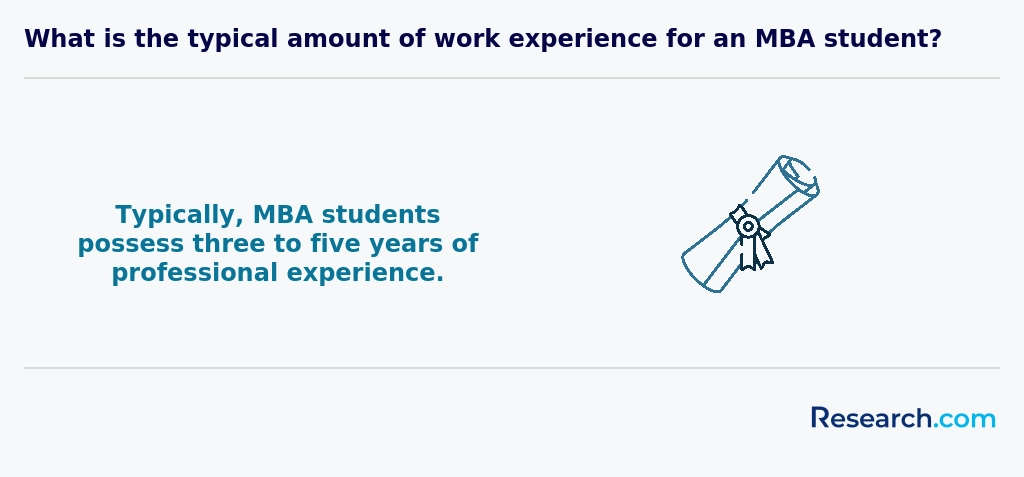
Many Springfield programs favor candidates with two to three years of full-time work experience. Graduates often share how this practical background transformed their learning, making case studies and projects resonate deeply with their own career journeys. Yet, exceptional students freshly out of undergrad can also find opportunities to shine, especially if they showcase strong leadership or academic excellence.
Standardized tests like the GMAT or GRE remain important for most Springfield schools, though flexible policies now welcome applicants with sufficient professional accomplishments. Picture yourself confidently submitting your application, supported by letters of recommendation and a compelling statement of purpose that reflects your passion and goals.
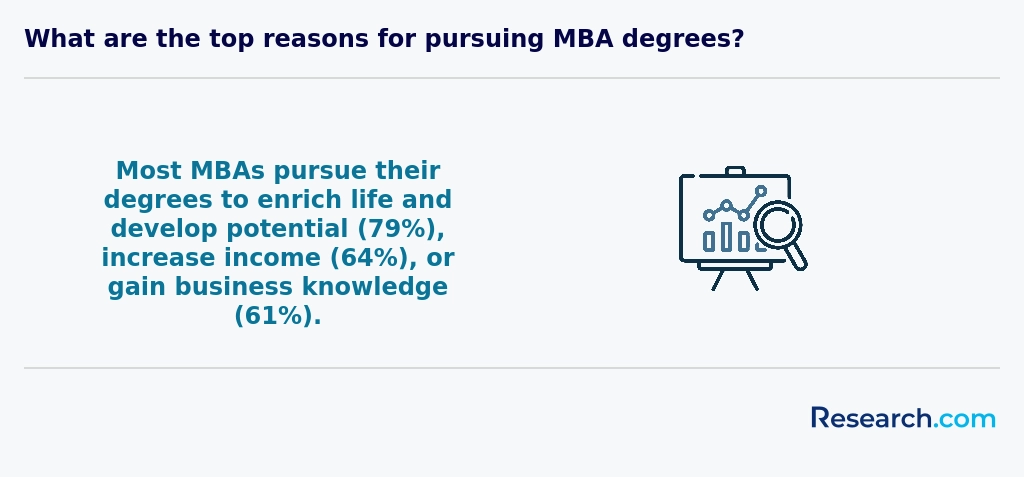
Investing in an MBA is a major financial decision-understanding ROI can guide you toward the most valuable programs. In Springfield, the average total cost of a two-year MBA ranges from $40,000 to $75,000, while graduates report starting salaries between $70,000 and $95,000. By comparing net salary gain against tuition and living expenses, most full-time students recoup their investment within 3–5 years, assuming a 20% salary increase over bachelor’s-level roles. To calculate your payback period, divide your total program cost by the expected annual salary bump. For example, a $60,000 investment yielding a $15,000 salary increase per year translates to a 4-year break-even point. Part-time and online formats can lower upfront costs and extend earning during studies, further shortening ROI timelines. Maximize your ROI by leveraging merit scholarships, graduate assistantships, and employer tuition reimbursement. Prospective students seeking affordability benchmarks can also explore the Low Cost MBA Degree Programs Ranking in Connecticut to compare tuition savings and post-MBA outcomes across regions.Evaluating ROI empowers you to choose an MBA program that aligns with both your career goals and financial objectives.
MBA students in Springfield dive into a robust set of core courses designed to build confidence and sharpen essential skills. Graduates from prominent local universities often reflect on how classes like Financial and Managerial Accounting gave them a clear grasp of business finances, empowering them to make smart decisions under pressure.
Marketing Management brings these lessons to life by teaching students how to craft captivating strategies that connect with real customers in ever-changing markets. Many find Organizational Behavior invaluable, as it prepares them to lead diverse teams and foster positive workplace cultures, skills they rely on daily in their careers.
Courses such as Operations Management and Managerial Economics translate theory into practical solutions-imagine optimizing a supply chain or navigating economic challenges with confidence. Business Strategy classes inspire students to think big, develop competitive insights, and craft long-term plans that excite employers.
Hands-on learning through case studies and internships at Springfield colleges makes these courses more than just lessons-they become real-world stepping stones toward success.
In Springfield, MBA specializations reflect the dynamic blend of industries thriving locally, allowing students to craft a unique career path aligned with their passions. Graduates from renowned universities and colleges in Springfield often choose Finance to dive deep into investment strategies and corporate money management, fueling ambitions in banking or financial planning.
Marketing remains a vibrant choice, especially with the surge in digital commerce. Students relish mastering branding and consumer insights, experiences that spark creativity and open doors in expansive markets. Many find this specialization empowering as they lead innovative campaigns.
For those drawn to technology, the Management Information Systems (MIS) track equips learners with vital skills to bridge IT and business, a powerful combination shaping modern enterprises. Real-world projects in Springfield's top institutions make these lessons come alive.
Additionally, Springfield MBA degree focus areas include inspiring tracks like Entrepreneurship, Healthcare Management, and Supply Chain Management, each preparing students with real solutions for today's challenges. Aspiring leaders often value the private business schools Colorado offer for diverse learning opportunities and networking.
Choosing the best MBA degree in Springfield means focusing on programs that match your ambitions and personal life. Graduates from popular colleges here often emphasize the value of accredited programs with strong curricula that align with their career goals, especially those offering relevant specializations like finance or healthcare. Many found that affordability played a key role, as Springfield's MBA degrees tend to be more budget-friendly compared to national averages, making the journey feel both realistic and empowering.
Flexible program formats, such as part-time or online options, resonated with working professionals who balance studies with other responsibilities. The thriving local business connections of Springfield's schools help graduates secure meaningful internships and promising job placements, fueling confidence and excitement for the future. When researching, don't forget to explore financial aid and scholarships to further ease your investment.
For a well-rounded decision, also consider smaller class sizes and expert faculty who bring real-world experience into the classroom. Some graduates appreciated integrated paths that included options like accounting degree options alongside their MBA, enhancing their versatility. Choosing an affordable Springfield MBA degree means embracing a supportive community and unlocking new opportunities with passion and purpose.
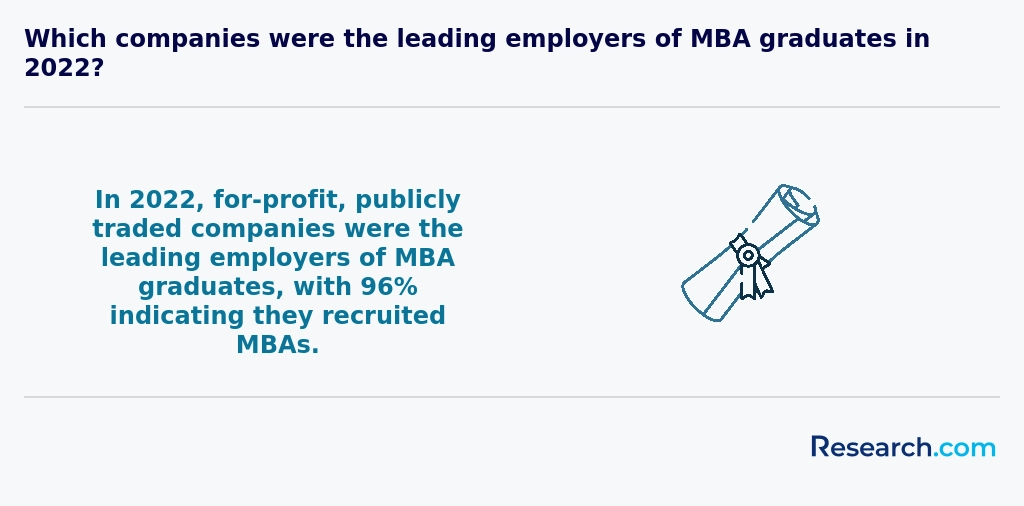
Graduates from Springfield's MBA programs often find themselves stepping confidently into diverse and rewarding career paths. Whether managing operations as a General Manager, leading financial strategies as a CFO, or driving innovative marketing campaigns, the possibilities are vast. Many graduates from popular universities in Springfield cherish their hands-on internship experiences and mentorship opportunities, which have helped them secure leadership roles across the city's thriving healthcare, finance, and manufacturing sectors. These local industries actively seek dynamic talent to fuel their growth, making Springfield a fertile ground for MBA career opportunities in Springfield.
For those inspired by problem-solving and strategy, consulting roles offer a chance to influence business success on a wide scale. MBA holders also excel in healthcare administration, managing complex hospital operations and improving patient outcomes. The networks built at Springfield institutions are invaluable-graduates frequently credit these connections for helping them transition into entrepreneurial ventures or excel in project management. Prospective students can explore further options and insights by visiting Virginia business universities, which provide excellent pathways and resources aligned with career growth.

The MBA job market trends Springfield reflect a vibrant and growing demand for professionals equipped with leadership and strategic skills. Graduates from popular universities and colleges in Springfield often share stories of landing roles in healthcare management, finance, and operations leadership shortly after completing their degrees. These industries seek individuals who can navigate complex challenges, a strength nurtured through local MBA programs. The city's business community actively supports interns and new graduates, connecting them with rewarding opportunities that translate classroom knowledge into real-world success.
Springfield MBA graduate employment outlook is encouraging, with many graduates reporting starting salaries ranging from $75,000 to $95,000, consistent with the city's economic conditions. Employers favor candidates from programs known for fostering strong decision-making and project management skills. By aligning studies with local industry demands, students enhance their prospects significantly. Those pursuing an MBA here benefit not only from competitive tuition but also from expansive networking options, boosting their confidence and career trajectory.
Prospective students interested in exploring options will find valuable resources among the valuable mba schools in missouri, which showcase programs tailored to Springfield's dynamic market, making the investment in an MBA a rewarding step forward.
2027 Most Valuable MBA Degree Programs Ranking in Springfield
Investing in your education is a significant decision that can shape your future, and the Research.com team understands the importance of making informed choices. To assist prospective students in Springfield, we have meticulously crafted the "2027 Most Valuable MBA Degree Programs Ranking in Springfield." Our commitment to quality, credibility, and accuracy is reflected in the extensive research and analysis conducted to compile this ranking.
We utilized the following reputable data sources to ensure a comprehensive evaluation of MBA programs:
By exploring this ranking, readers will gain valuable insights into the most valuable MBA programs available in Springfield, enabling them to make well-informed decisions about their educational investments. For more information about how this ranking was created, please visit our Research.com methodology page.


Frequently Asked Questions About MBA
Students pursuing an MBA degree in Springfield can maximize their learning experience by actively engaging in both academic and practical opportunities. Taking advantage of Springfield's proximity to diverse industries-including healthcare, manufacturing, and finance-students should seek internships and networking events to apply classroom theories in real-world settings. According to the 2023 Springfield Chamber of Commerce report, over 60% of MBA students who intern locally receive job offers within six months of graduation.
Participation in case competitions, student-led clubs, and campus workshops also enhances critical thinking and leadership skills. Moreover, students should leverage faculty office hours and alumni mentorship programs available through Springfield universities, as personalized guidance fosters deeper understanding of complex business concepts.
The MBA field in Springfield is evolving with new specialized niches attracting attention. One rapidly growing area is Healthcare Management, driven by Springfield's expanding medical sector. According to Springfield University's 2023 enrollment report, healthcare-focused MBA programs saw a 15% rise in applicants. Another emerging niche is Technology and Data Analytics, reflecting the local tech industry's demand for managers skilled in big data and AI integration.
Additionally, Sustainability and Environmental Management MBAs are gaining traction as companies prioritize green initiatives. Springfield's recent job market analysis by the Chamber of Commerce highlights a 12% increase in roles requiring sustainability expertise. Finally, Entrepreneurship remains strong, with many programs emphasizing startup innovation to support the city's growing small-business ecosystem.
After completing an MBA degree in Springfield, effective preparation for the job market is crucial to leverage your credentials. Begin by utilizing the career services offered by local universities such as Drury University or Missouri State University. These centers often provide valuable resume workshops, interview coaching, and employer networking events.
Engaging with Springfield's business community through internships and local chambers of commerce can significantly improve job prospects. According to the Springfield Area Chamber of Commerce, over 60% of MBA graduates find employment through these connections.
Maintaining and expanding professional networks via platforms like LinkedIn also plays a key role, especially within Springfield's growing industries like healthcare and manufacturing.
Employers in Springfield highly value MBA graduates who demonstrate strong leadership and strategic thinking skills. According to the Springfield Chamber of Commerce 2023 report, 78% of local businesses prefer candidates who can effectively lead teams and manage projects.
Analytical abilities and data-driven decision-making are also essential. A survey by the Springfield Business Journal found that 65% of hiring managers seek graduates proficient in financial modeling and market analysis.
Communication skills remain critical, with 70% of employers emphasizing clarity in both verbal and written forms, facilitating collaboration across diverse business functions.
Additionally, adaptability and technological proficiency, especially in emerging business technologies, are increasingly demanded in Springfield's evolving job market.
Finding internships in Springfield related to an MBA degree involves a strategic approach leveraging both local resources and university support. Many Springfield institutions, including Drury University and Missouri State University, maintain strong connections with regional businesses, offering career services that help MBA students secure internships. According to the Springfield Regional Economic Partnership, sectors like healthcare, manufacturing, and finance are prominent, providing diverse internship opportunities.
Additionally, attending local business networking events or joining professional groups such as the Springfield Area Chamber of Commerce can increase visibility to recruiters. Online platforms like Handshake or LinkedIn are also valuable for candidates to discover MBA-specific internships in Springfield.
Research from the National Association of Colleges and Employers shows that 70% of MBA internships lead to full-time positions, highlighting their importance in career advancement.
Obtaining an MBA degree in Springfield significantly enhances career mobility and advancement opportunities. According to recent data from the Graduate Management Admission Council (GMAC), MBA graduates in Springfield report a 20% higher likelihood of job promotions within three years compared to those without advanced business degrees.
The local job market values the strategic thinking, leadership, and management skills emphasized in MBA programs offered by Springfield institutions. This degree often opens doors to senior management roles in key industries such as healthcare, finance, and manufacturing, which dominate the Springfield economy.
Additionally, networking opportunities afforded by Springfield MBA programs connect students with local business leaders, increasing access to high-level career paths. Industry reports show MBA holders in Springfield earn on average 15-25% higher salaries than their counterparts without graduate business degrees.
These tangible benefits demonstrate that an MBA can be a pivotal investment for professionals seeking accelerated career growth specifically within Springfield's competitive market.
Studying for an MBA degree in Springfield equips students with skills that span multiple disciplines, enabling them to thrive in interdisciplinary roles. Local programs emphasize collaboration between business, technology, and healthcare sectors, reflecting Springfield's diverse economy. According to the Springfield Business Journal (2023), over 60% of MBA graduates from area institutions work in roles demanding cross-functional expertise.
Courses often combine finance, marketing, operations, and data analytics, providing a broad knowledge base and practical problem-solving skills. Additionally, many Springfield MBA programs encourage internships and projects with regional companies, fostering real-world interdisciplinary experience.
Such training helps graduates adapt to complex business environments where varied expertise is essential.
When choosing between a thesis and a non-thesis MBA program in Springfield, consider your career goals and learning preferences. Thesis programs typically require conducting original research, which may appeal to students interested in academic careers or specialized roles in consulting and finance. According to the Springfield Education Board (2023), about 35% of local MBA candidates choose thesis options for this reason.
Non-thesis programs emphasize practical skills and coursework, favored by professionals aiming to advance quickly in management or entrepreneurship. These programs often take less time to complete, averaging 18 months compared to 24 for thesis tracks.
Evaluate your time availability, research interest, and intended career path before deciding.
Students based in Springfield seeking to study for an MBA abroad have several viable pathways. Many consider enrolling in international programs that offer flexible online or hybrid options accredited by U.S. organizations like AACSB, ensuring recognition at home. Popular destinations for MBA studies include European countries such as the UK, France, and Germany, known for their one-year intensive programs. Additionally, partnerships between Springfield universities and foreign institutions often provide exchange opportunities that blend domestic and international coursework.
According to the Graduate Management Admission Council, nearly 40% of U.S. MBA candidates express interest in global experiences, highlighting the appeal for Springfield applicants. Financial aid and scholarships may be available for studying abroad, adding to feasibility. Familiarity with visa requirements and language proficiency remains important when choosing a program outside the U.S.
Springfield offers various part-time jobs that align well with MBA education, helping students gain practical experience. Roles such as business analyst interns, marketing assistants, and financial clerks are common among MBA candidates. According to the Springfield Economic Research Center (2023), 35% of MBA students find roles in consulting firms, gaining valuable strategic planning skills.
Local startups and established companies often seek interns for project management and data analysis tasks, providing hands-on learning. Additionally, Springfield's nonprofit organizations provide opportunities in fundraising and operations management, relevant to many MBA courses.
Overall, these positions help students apply classroom theory to workplace challenges while building professional networks.
Springfield offers robust networking opportunities for MBA students through its proximity to a diverse business community and multiple educational institutions. Local business associations, such as the Springfield Chamber of Commerce, regularly host events that connect MBA candidates with industry leaders and entrepreneurs. According to a 2023 report by the Springfield Business Journal, over 70% of MBA students engage in networking events during their studies.
Many MBA programs in Springfield include mentorship programs and alumni networking sessions, helping students build long-lasting professional relationships. Additionally, students benefit from career fairs featuring companies across finance, healthcare, and manufacturing sectors prevalent in the region.
Students also have access to workshops and guest speaker events promoting practical connections and industry insights.
Alumni networks play a critical role in enhancing the value of MBA degrees in Springfield. Graduates can access a broad community of professionals who often provide career advice, job referrals, and mentorship. According to the Springfield Business Journal 2023 report, over 70% of MBA students in the area found employment within six months, largely due to connections made through alumni networks.
These networks also facilitate business opportunities by linking members with local enterprises and startup ecosystems. Many Springfield MBA programs host regular alumni events that encourage collaboration and lifelong learning. Networking within these groups often leads to higher starting salaries and faster career advancement for graduates.
Customizing an MBA degree program in Springfield allows students to align their studies with specific career ambitions. Many local institutions offer flexible electives, such as finance, marketing, and healthcare management, enabling students to tailor their skills. According to data from the Springfield Chamber of Commerce, approximately 65% of MBA candidates select concentrations that directly support their current or desired industries. Additionally, Springfield schools often provide opportunities for internships and networking within the city's diverse business community, which enhances practical experience. Part-time and online options are also common, accommodating working professionals seeking career advancement without interrupting employment.
MBA students in Springfield commonly face significant time management challenges. Many juggle full-time jobs alongside coursework, making it difficult to balance professional, academic, and personal commitments. According to a 2023 survey by the Springfield Business Education Council, 68% of part-time MBA students reported stress related to workload.
Financial strain is another typical obstacle. Tuition fees for local MBA programs average around $35,000, with additional costs for books and materials. While some employers offer tuition assistance, not all students qualify, increasing out-of-pocket expenses.
Networking is also a concern. Springfield's smaller business community means fewer opportunities for in-person professional events compared to larger cities, impacting students' ability to build connections.
With an MBA degree in Springfield, graduates have access to a variety of professional certifications that can enhance their career prospects. Common choices include the Project Management Professional (PMP), Certified Management Accountant (CMA), and Certified Financial Planner (CFP). These certifications complement an MBA by providing specialized skills in project management, accounting, and financial planning respectively.
In addition, the Certified Business Analysis Professional (CBAP) and Six Sigma certifications are popular among MBA holders focusing on operations and process improvement. According to Springfield's local workforce reports, MBA graduates pursuing such certifications see a 15-20% salary increase on average.
These options offer practical ways to leverage an MBA into specialized leadership roles across industries.
To write a winning application for an MBA program in Springfield, start by thoroughly researching each school's admission criteria. Admissions committees look for clear career goals, strong academic records, and relevant work experience. According to the Graduate Management Admission Council (GMAC), highlighting leadership skills and community involvement substantially improves your chances.
Craft a compelling personal statement that explains why you want an MBA and how it fits your career path. Use specific examples to demonstrate your problem-solving abilities and teamwork experience, which Springfield programs highly value.
Prepare thoroughly for the GMAT or GRE; average MBA scores in Springfield range around 580-650, according to recent data from U.S. News & World Report. Lastly, secure strong recommendation letters that focus on your professional achievements and potential.
The global perspective on an MBA career remains highly favorable, especially for students pursuing degrees in Springfield. According to the Graduate Management Admission Council (GMAC), nearly 90% of MBA graduates in the US report improved career opportunities and higher salaries post-graduation.
Springfield's MBA programs often emphasize international business and leadership skills, reflecting the demands of a connected global economy. Networking opportunities with multinational companies based in or near Springfield provide valuable exposure to cross-border management challenges.
Additionally, a 2023 survey by the Springfield Chamber of Commerce found that local employers increasingly seek MBA graduates with global experience, including proficiency in digital transformation and sustainability practices.
Overall, the worldwide demand for MBA-trained professionals continues to grow, making these degrees a valuable asset for Springfield students aiming to compete on a global scale.
Gaining practical experience while studying for an MBA degree in Springfield is essential for career readiness. Many local universities offer internship programs that connect MBA students with Springfield-based businesses, enabling hands-on learning in real-world environments. According to the Springfield Chamber of Commerce, over 60% of MBA students engage in internships or cooperative education placements during their studies.
Additionally, some Springfield MBA programs include consulting projects where students collaborate with local companies to solve actual business challenges. Participating in case competitions and business simulations also provides valuable experience in decision-making and leadership.
Networking events hosted by Springfield's business schools and affiliates further help students build professional relationships and secure practical opportunities. These experiences complement classroom learning and improve employability upon graduation.
Choosing the right concentration within an MBA program in Springfield depends on your career goals and local industry trends. Springfield hosts a strong presence in manufacturing, healthcare, and logistics, so concentrations like Operations Management, Healthcare Administration, or Supply Chain Management are popular and often aligned with job opportunities.
Review the curriculum offered by Springfield area schools and consider concentrations that include practical case studies or internships. According to the Springfield Chamber of Commerce 2023 report, 35% of new managerial roles in the region are in these sectors.
Additionally, investigate faculty expertise and alumni outcomes, which are key indicators of program strength within each concentration.
- 2027 Most Valuable MBA Degree Programs Ranking in Kansas City
- 2027 Most Valuable MBA Degree Programs Ranking in Little Rock
- 2027 Most Valuable MBA Degree Programs Ranking in Saint Louis
- 2027 Most Valuable MBA Degree Programs Ranking in Wichita
- 2027 Most Valuable MBA Degree Programs Ranking in Memphis
- 2027 Most Valuable MBA Degree Programs Ranking in Oklahoma City
- 2027 Most Valuable MBA Degree Programs Ranking in Des Moines
- 2027 Most Valuable MBA Degree Programs Ranking in Omaha
- 2027 Most Valuable MBA Degree Programs Ranking in Evansville
- 2027 Most Valuable MBA Degree Programs Ranking in Shreveport
- What Work Experience Do You Need For an MBA? | Articles | Unimy https://www.unimy.com/article/blog-mba-preparation-admissions-mba-work-experience
- Top Challenges for MBA Students in 2025: Placements and Career Growth in India | BeJobbed.com https://bejobbed.com/challenges-mba-students-placements-career-growth-india/
- Finance https://springfield.edu/programs/finance
- Skills Employers Look for in Business Graduates – EU Business School https://www.euruni.edu/blog/skills-employers-look-for-in-business-graduates/
- Master of Business Administration (M.B.A.) Major in Business Administration (General Flex Non-thesis Option) https://mycatalog.txstate.edu/graduate/mccoy-business-administration/business-genflex-nonthesis-mba/
- MBA studies https://moderna.edu.pl/majors/management/master-of-management/mba-management-masters-degree/
- 5 Tips on How to Choose the Best MBA Concentration https://www.pointloma.edu/resources/business-leadership/5-tips-how-choose-best-mba-concentration
- Why MBA Graduates Embrace Global Perspectives for Career Growth https://www.thehighereducationreview.com/editors-guest/why-mba-graduates-embrace-global-perspectives-for-career-growth-nid-6271.html
- Master of Business Administration (MBA) in Springfield College | Fees, Eligibility and More https://www.jeduka.com/usa/universities/springfield-college/master-of-business-administration-mba
- The Growing Demand for Niche Jobs and MBA Specializations https://www.clearadmit.com/2025/05/the-growing-demand-for-niche-jobs-and-mba-specializations/


