
2027 Most Popular MBA Degree Programs Ranking in Newark

Co-Founder and Chief Data Scientist
Choosing the right MBA program can feel overwhelming, especially with so many options available in Newark. This article introduces the 2027 Most Popular MBA Degree Programs Ranking in Newark, created by the Research.com team of data scientists to guide you toward the best choices.
By exploring this ranking, you'll gain clear insights to make an informed decision that aligns with your career goals. An MBA can open doors to new opportunities, growth, and confidence in your professional journey.
Start your path to success with knowledge you can trust.
Key benefits of getting MBA degree in Newark
- MBA graduates often see significant salary growth, with U.S. management positions averaging around $120,000 per year, offering rewarding financial prospects in Newark.
- Career paths for MBA holders include leadership roles in finance, marketing, and operations, exemplified by graduates from Rutgers University-Newark who excel in diverse industries.
- Online MBA programs provide flexibility and convenience, allowing students like those from Rutgers' online offerings to balance work and study while advancing their careers efficiently.
- 2027 Most Popular MBA Degree Programs Ranking in Newark
- What can I expect from MBA degree in Newark?
- Where can I work with MBA degree in Newark?
What can I expect from MBA degree in Newark?
The average cost of pursuing an MBA degree in Newark typically ranges from $30,000 to $50,000 for the entire program, particularly at institutions like Rutgers Business School. Graduates often recount a sense of cautious optimism when managing these expenses, finding balance through financial aid, scholarships, or employer tuition reimbursement programs. This balance often eases the pressure, allowing them to focus on building meaningful connections and mastering leadership skills rather than solely worrying about tuition bills.
Consider the graduate who juggled a part-time MBA while working in Newark's dynamic business ecosystem. Despite the financial commitment, they reflect on how investing in this education translated into tangible career growth and salary increases of 40% to 60%. The experience feels less like a cost and more like planting seeds in fertile ground, where proximity to industries such as finance and technology turns classroom theories into real-world opportunities.
This financial perspective challenges the conventional idea that higher tuition necessarily burdens students, showing instead how Newark's MBA programs offer a strategic pathway to personal and professional transformation.
Where can I work with MBA degree in Newark?
MBA graduates in Newark step into vibrant industries where their skills are not just valued but vital. Imagine fellow alumni from Rutgers Business School navigating high-stakes floors of regional banks, shaping strategies in investment banking and financial planning. Their MBA training arms them to lead confidently in finance hubs right in their backyard.
Across town, healthcare systems crave MBAs who can streamline operations and innovate management practices. Graduates from Seton Hall's business programs often share how they transformed complex hospital workflows into efficient, patient-centered systems-proving MBA insights have profound impact beyond boardrooms.
Near the bustling Port of Newark, logistics firms welcome MBA holders ready to optimize global supply chains. Envision colleagues from local MBA programs coordinating vast shipments, elevating Newark's role as a transportation powerhouse through sharp analytical thinking and leadership.
Technology startups and consulting firms, both thriving here and in nearby New York City, become playgrounds for MBAs craving dynamic problem-solving roles. Newark's MBA students often recount how their education enabled them to bridge technical innovation with business strategy, carving career paths filled with challenge and growth.
Graduates from NJIT or Rutgers Business School often find that earning an MBA in Newark opens doors to salaries typically ranging from $85,000 to $110,000 starting out. Imagine a newly minted MBA stepping into a finance role downtown, where their paycheck reflects the city's competitive edge and bustling industries. It's not uncommon for those entering consulting or technology sectors to see offers near that top end, validating the investment in their education.
With a few years of experience, Newark MBA holders can anticipate salaries soaring well beyond $150,000, especially when climbing the corporate ladder in leadership or strategic roles. Alumni report that their negotiation skills, sharpened during case studies and networking events, often lead to significant bonuses and stock options, boosting total compensation.
Entrepreneurial graduates, inspired by the city's vibrant business scene, may initially face unpredictable incomes, yet many find exciting growth opportunities that outpace traditional roles. This blend of stable early earnings and potential for exponential financial advancement makes Newark a compelling place to pursue an MBA.
- Tuition fees for MBA programs in Newark range from $30,000 to $60,000 depending on the type of institution.
- Average starting salary for MBA graduates in Newark is about $80,000 per year, with experienced professionals earning over $120,000 annually.
- Key industries hiring MBA graduates include finance, insurance, telecommunications, and transportation.
- Many Newark MBA programs offer flexible part-time and online learning options for working professionals.
- Accreditation from recognized bodies like AACSB ensures quality and national recognition of Newark MBA degrees.
The time it takes to complete an MBA in Newark often stretches beyond textbook expectations. Graduates from institutions like Rutgers Business School share how their full-time programs, typically spanning two years, demanded a balanced mix of dedication and social life, making each day both challenging and rewarding. Those juggling family or jobs often find part-time routes, extending studies to three years, a wiser choice, allowing them to absorb lessons steadily without burnout.
Some accelerated MBA candidates at local colleges describe intense 12 to 18-month experiences as transformative sprints-a whirlwind that tests resilience but accelerates career leaps. Meanwhile, executive MBA participants, often seasoned professionals, appreciate modular schedules over 18 to 24 months that adapt to their hectic calendars, reinforcing the notion that time alone doesn't define success but how the journey fits one's life.
Ultimately, Newark's MBA timeline invites students to rethink traditional pacing-prompting reflection on their ambitions, workloads, and the value they place on immersive versus flexible experiences.
Launching a successful MBA application in Newark, NJ, requires strategic planning and attention to detail. Follow these steps to maximize your chances: 1. Research Programs and Deadlines • Review each school’s admission requirements, noting deadlines for fall and spring cohorts. • Compare tuition, formats, and specializations; you may also explore the Cheapest Online Master’s in MBA Degree Programs Ranking in Alabama to gauge affordability and delivery models. 2. Prepare Academic Records and Test Scores • Request official undergraduate transcripts from accredited institutions. • Register early for the GMAT or GRE; some Newark programs offer waivers based on work experience or prior academic performance. 3. Craft Compelling Application Essays • Articulate your career goals, leadership experiences, and why Newark’s business community aligns with your aspirations. • Tailor each essay to the program’s values, demonstrating research on faculty expertise, curriculum strengths, and alumni outcomes. 4. Secure Strong Letters of Recommendation • Choose referees who know your professional impact-supervisors or mentors who can attest to your strategic thinking, teamwork, and leadership potential. • Provide recommenders with your resume and personal statement to guide focused, detailed endorsements. 5. Polish Your Professional Resume • Highlight quantifiable achievements (e.g., revenue growth, cost savings, project leadership). • Emphasize cross-functional collaboration, international exposure, or entrepreneurial initiatives. 6. Prepare for the Interview • Practice behavioral and case-style questions, showcasing problem-solving skills and cultural fit. • Research current business trends in Newark and New York City to demonstrate market awareness. 7. Follow Up and Financial Planning • Confirm receipt of application materials and monitor your applicant portal for updates. • Explore scholarship opportunities, employer sponsorships, and FAFSA deadlines to optimize your funding strategy. By systematically navigating each stage-research, preparation, and presentation-you’ll position yourself as a strong candidate for Newark’s top MBA programs.
The difference between online and on-campus MBA programs in Newark goes beyond just location; it's about how you connect with your education and community. Graduates from on-campus programs at well-known Newark institutions often recall lively classroom debates and last-minute study sessions at the library that sparked lasting professional relationships. The face-to-face interaction with professors and peers creates a dynamic energy that many say fuels their confidence and communication skills.
Conversely, online MBA students appreciate the freedom to balance work, family, and study without sacrificing career momentum. One graduate shared how asynchronous classes allowed them to attend virtual lectures after putting their kids to bed, transforming their home into a flexible learning space. While some miss the physical campus vibe, they value the digital tools and virtual forums that foster a different, but equally supportive, network.
In Newark, where access to business hubs can accelerate career growth, on-campus experiences often provide immediate local connections. Yet, harnessing evolving technologies, online MBA programs now rival traditional ones in delivering quality and convenience, challenging the notion that location defines value.
Pursuing an MBA in Newark, NJ, offers a multitude of benefits and opportunities, from enhancing career prospects to fostering a deep understanding of business principles. By exploring the most popular mba school options, prospective students can gain insights into the most sought-after MBA programs in the area. The city's unique blend of academic excellence, professional networking opportunities, and access to major industries makes it an attractive location for those seeking to advance their careers. For instance, the finance sector, with its complex landscape of investment banking, risk management, and financial analysis, provides a wide range of roles that MBA graduates can fill, leveraging their skills in financial planning, market analysis, and strategic decision-making. Furthermore, the emphasis on innovation and entrepreneurship in Newark's MBA programs equips students with the knowledge and skills necessary to launch successful startups or lead existing businesses towards growth and success. Whether it's through the development of critical thinking, leadership, or analytical skills, an MBA education in Newark, NJ, is designed to transform aspirations into reality, empowering graduates to make a meaningful impact in their chosen fields.
The average MBA degree cost in Newark typically centers around a median total of $57,951, reflecting both in-state and out-of-state tuition figures. This challenges the common perception that an MBA in Newark is inexpensive due to local public schools alone. Graduates from Rutgers Business School, a prominent institution in Newark, often share how balancing tuition and living costs felt manageable when offset by the school's in-state tuition advantage and financial aid, even while the overall MBA degree tuition and fees Newark tend toward the higher side for out-of-state students.
For many local students, the median in-state total cost of approximately $18,612 opens a doorway to advanced business education without the burden of the soaring prices seen elsewhere. Part-time MBA options and per-credit pricing at Newark institutions help students navigate around upfront expenses, making it possible to study while working. One student recalled how enrolling part-time allowed a smooth balance between family obligations and coursework, illustrating the emotional relief this model can bring.
Beyond tuition, additional costs such as books, supplies, living, and technology fees contribute to the total investment. Yet, these expenses can pale in comparison when viewed in the context of Newark's urban opportunities and networking advantages. Prospective students should also weigh regional factors, comparing options including those in nearby big markets, which appear in evaluations like the New York accounting schools ranking. This broader view helps clarify the true economic and professional value of pursuing an MBA in Newark.
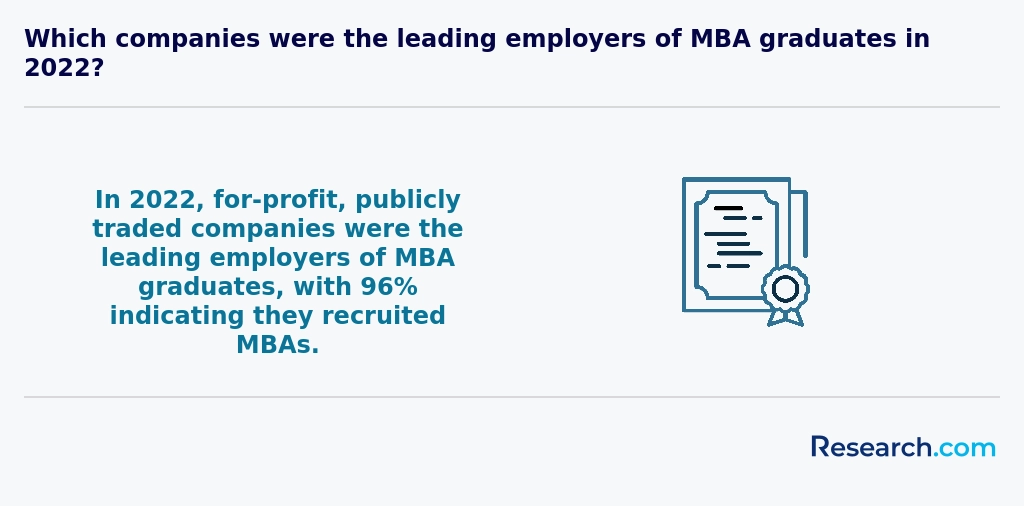
Investing in an MBA is as much a financial decision as it is an educational one, and understanding your return on investment (ROI) is crucial for making informed choices. On average, MBA graduates in Newark can expect starting salaries between $80,000 and $100,000, with mid-career earnings surpassing $120,000. When you compare these figures to average tuition costs-roughly $54,000 total for public institutions and up to $80,000 for private programs-you can estimate a payback period of 2–4 years, depending on scholarships and living expenses. Key factors for maximizing ROI:
- Tuition vs. Salary: Calculate total program costs (tuition, fees, living expenses) and divide by projected post-MBA salary increase to estimate payback time.
- Financial Aid Leverage: Securing scholarships or assistantships can cut your payback period in half; always explore institutional and external funding opportunities.
- Opportunity Cost: Weigh full-time enrollment against part-time or online formats that allow you to earn while you learn-consider even more affordable pathways like our Cheapest Online Master's in MBA Degree Programs Ranking in Alabama.
- Career Services Impact: Engage early with career coaches and alumni networks to accelerate job placement and salary negotiations.
- Specialization Premium: Fields like finance, consulting, and cybersecurity tend to yield higher salary bumps; align your specialization with industry demand to boost ROI. By systematically evaluating these elements-realistic salary projections, true program costs, and strategic use of financial aid-you can transform your MBA from an expense into a powerful engine for long-term career growth.
Many MBA candidates in Newark discover that scholarships and grants from institutions like Rutgers University-Newark transform an overwhelming tuition sticker price into an attainable goal. Graduates often recount how merit-based awards and scholarships targeting leadership potential made them feel seen and valued, boosting their confidence before classes even began.
Federal aid through FAFSA also plays a crucial role, offering low-interest loans such as the Direct Unsubsidized and Grad PLUS Loans that feel less like debt and more like an investment in their futures. Newark students appreciate the flexibility of income-driven repayment plans that ease financial pressure after graduation, allowing them to focus on career growth.
Employer tuition assistance is a hidden gem for many working professionals balancing family and work commitments while pursuing an MBA. Graduates from Newark's thriving business community share stories of how company sponsorships alleviated tuition burdens, turning ambition into reality without sacrificing job security.
Lastly, assistantships and research fellowships at Newark institutions offer not only financial relief but a sense of belonging and purpose. Students who take on these roles speak of the pride and connection gained, making their educational journey feel truly meaningful.
MBA programs in Newark are rapidly adapting to the evolving landscape of business and technology. Today’s curriculum is increasingly infused with digital transformation, sustainability principles, and agile leadership techniques to prepare graduates for a volatile global market. Institutions are now offering more hybrid and online learning options, which not only provide enhanced flexibility but also innovative methods for experiential learning. For example, many programs have introduced virtual simulations and remote collaboration projects that mirror real-world business challenges, ensuring that students gain practical skills alongside traditional coursework. Furthermore, affordable online alternatives are emerging as a popular choice among working professionals; options such as the cheap mba online program under 10000 per year enable candidates to pursue advanced studies without compromising their financial stability. These cost-effective programs integrate the latest industry insights and leverage cutting-edge digital tools to offer a robust and interactive learning experience combined with networking opportunities that extend beyond geographic boundaries. As local businesses and multinational corporations continue to demand advanced analytical and strategic capabilities, MBA programs in Newark are fine-tuning their offerings to produce graduates who are not only proficient in traditional business disciplines but also equipped to lead in an era of rapid technological change. This forward-thinking approach positions Newark as a hub for innovation in business education while empowering students to navigate future market trends with confidence.
To enroll in an MBA program in Newark, you need more than just good grades. Graduates from leading Newark universities often reflect on how their diverse academic backgrounds-ranging from economics to engineering-helped them stand out, proving that a bachelor's degree from an accredited institution, not solely business-focused, is the foundation.
Work experience is where many feel the real journey begins. Alumni frequently share how their two to three years in industries like finance or tech enriched their classroom discussions, turning abstract concepts into practical insights. Newark's accelerated MBA tracks, however, show that even those fresh from undergrad can thrive, provided they bring energy and a clear vision.
Tests like the GMAT or GRE remain unavoidable hurdles. Many recall the challenge yet satisfaction of scoring within Newark's competitive range of 600-650, unlocking access to coveted programs. International students, too, navigate TOEFL or IELTS requirements with pride, gaining confidence alongside language skills in this vibrant academic hub.
- Letters of recommendation and personal essays help admissions unveil character beyond numbers.
- Interview stages, whether virtual or in-person in Newark's bustling campus settings, are opportunities to convey passion and commitment firsthand.
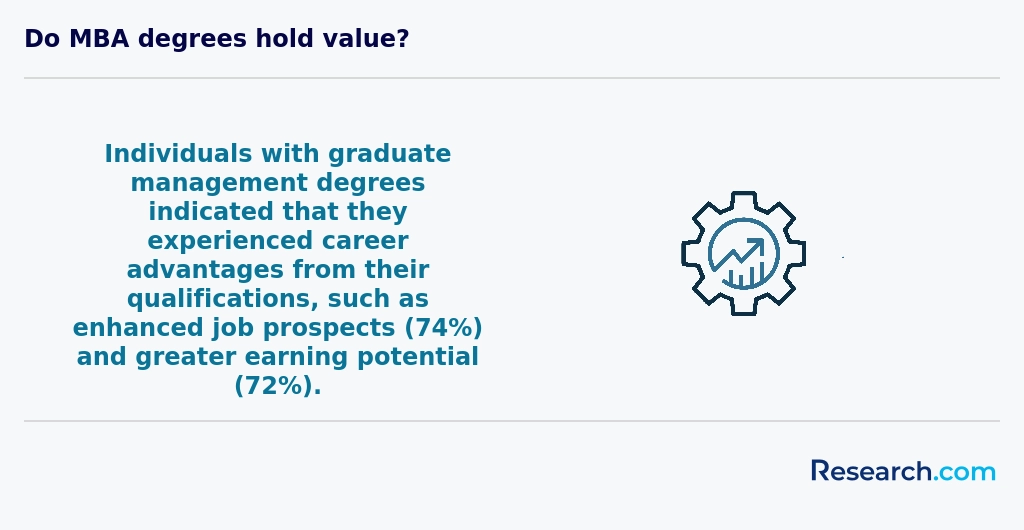
In Newark, MBA students quickly realize the core courses are more than theory-they're practical frameworks shaping their future leadership. At well-known institutions like Rutgers Business School, graduates often reflect on how classes such as Accounting for Managers and Financial Management became tools they use daily, from budgeting their startup's first expenses to analyzing investment opportunities.
Marketing Management and Operations Management aren't just academic subjects either; they immerse students in real-world challenges like developing strategies for local businesses or optimizing supply chains in Newark's bustling logistics sector. Organizational Behavior classes deepen understanding of team dynamics, something alumni frequently cite as pivotal in managing diverse professional groups effectively.
Special emphasis on Strategic Management encourages students to think several steps ahead, preparing them to navigate Newark's competitive economy. Coupled with Business Ethics and Corporate Social Responsibility, these courses inspire a sense of responsibility that graduates carry into their careers, balancing profit with positive social impact.
MBA degrees in Newark offer a rich tapestry of specializations that go beyond traditional business education. Graduates from prominent Newark universities often recount how focusing on Finance, given the city's proximity to New York's financial hubs, propelled them into rewarding careers in asset management and banking. These students experience hands-on exposure to corporate finance theories that reshape their understanding of risk and investment.
Marketing is another sought-after track, blending digital strategies with consumer psychology, perfect for the competitive Newark market. Operations Management graduates highlight real-world logistics challenges faced by regional manufacturers, making classroom lessons come alive with practical impact.
Healthcare Management stands out for those drawn to managing complex hospital systems in Newark's vast healthcare network, where graduates relate their learning to emerging technologies and policy debates. Others drawn to innovation choose Entrepreneurship, cultivating skills to launch startups right in Newark's vibrant economic landscape.
Exploring MBA specializations in Newark universities reveals how these programs intertwine theory with local industry demands, ensuring students graduate ready for dynamic roles. For those curious about expanding their skill set, the same institutions also recommend complementing business expertise with accounting courses California professionals find valuable.
Choosing the best MBA degree in Newark means looking beyond rankings and tuition. Graduates from Rutgers Business School often recount how the city's proximity to New York's financial heartbeat transformed their classroom theories into real-world opportunities. The essence lies in accreditation, such as AACSB, which signals rigorous standards; it's more than a certificate-it's your gateway to employers recognizing your skill. Consider a full-time or part-time program that meshes with your work-life balance, just like many working professionals in Newark who juggle careers while expanding their horizons.
Affordable MBA degrees Newark offers can be misleading if you ignore hidden costs like living expenses and materials. A graduate recalled choosing Rutgers partly because its tuition stays below $40,000 for in-state students, making the intense workload feel worth the investment. Assess curriculum specializations too-finance, technology, or entrepreneurship-that align with your passion for growth. Networking thrives in Newark's business scene; tapping into alumni connections often opens doors faster than job boards. If you want to compare formats or explore options beyond Newark, check out MBA programs in North Carolina for broader perspectives.
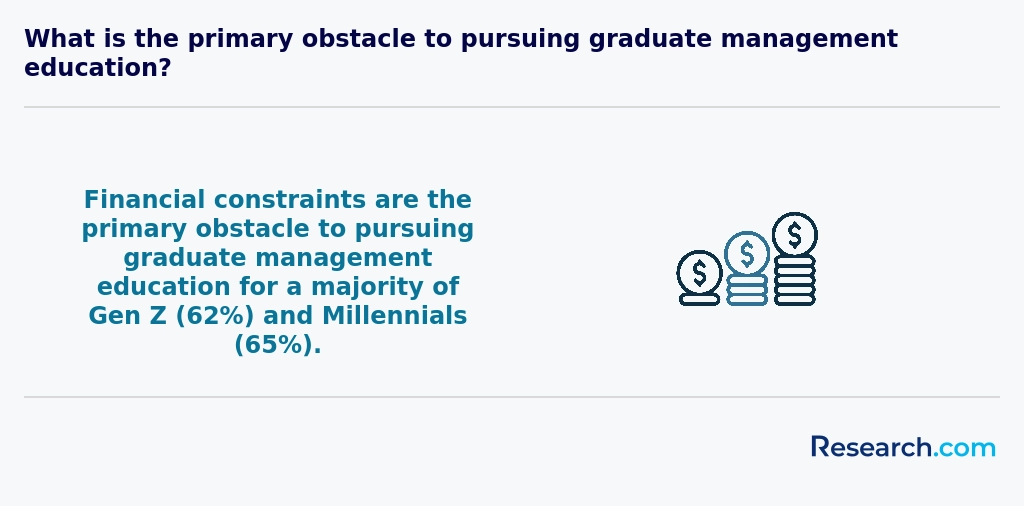
Graduates from MBA programs in Newark often find their career paths shaped by the city's unique economic climate, spanning finance, healthcare, technology, and consulting. Many alumni from popular universities in Newark recount how their studies equipped them not just with knowledge, but with real-world leadership skills-qualities crucial for roles like financial analysts or healthcare administrators. These jobs harness analytical thinking and strategic planning born directly from MBA curricula.
For those intrigued by the best MBA jobs in Newark, the thriving tech startup scene presents exciting opportunities in product and project management, encouraging graduates to innovate and lead ventures. Meanwhile, the consulting sector attracts MBAs poised to tackle organizational challenges, sharpening problem-solving in dynamic environments.
The decision to pursue an MBA in Newark also means weighing investment against outcomes-graduates from local schools express that despite tuition costs, ranging between $50,000 and $90,000, the career acceleration is evident. For insight on program competitiveness, exploring business school acceptance rates NC offers useful context that applies across regions and can inform choices.
The job market for MBA degree holders in Newark reveals a landscape rich with opportunity but demands strategic navigation. Graduates from popular local institutions often find themselves energized by the city's proximity to New York City and the promise of its developing business hubs. Rather than settling for conventional paths, many tap into sectors like finance, healthcare, and consulting, where their leadership and analytical skills become essential. This is a key insight for anyone exploring MBA career opportunities in Newark: success often comes from aligning one's specialization with industries thriving in the region.
Many graduates recall leveraging their experience in Newark's dynamic environment, transitioning into roles such as project management or business development within major banking or insurance firms. The range of job options here challenges the outdated view that MBAs only excel in finance, as students with a passion for marketing find robust openings bolstered by local demand. These experiences illustrate how hands-on internships-like those offered through marketing degree internships-can pivot a career trajectory in meaningful ways.
Newark MBA job market trends 2027 suggest an increasing emphasis on healthcare administration and logistics, sectors fueled by the city's expanding healthcare and transportation industries. Graduates often report greater confidence entering a market that values strategic thinking and adaptability, reinforcing the idea that an MBA here is not just a degree but a gateway to a fulfilling career journey.
2027 Most Popular MBA Degree Programs Ranking in Newark
Investing in your education is a significant decision that can shape your future, and the Research.com team understands the importance of making informed choices. To assist prospective students in Newark, we have meticulously crafted the "2027 Most Popular MBA Degree Programs Ranking in Newark." Our commitment to quality, credibility, and accuracy is reflected in the extensive research and analysis conducted to compile this ranking.
We utilized the following reputable data sources to ensure a comprehensive evaluation of MBA programs:
By exploring this ranking, readers will gain valuable insights into the most popular MBA programs in Newark, enabling them to make well-informed decisions about their educational paths. For more details on our methodology, please visit our Research.com methodology page.


Frequently Asked Questions About MBA
Students pursuing an MBA degree in Newark can maximize their learning by engaging actively with local business communities. Newark's proximity to New York City and its growing corporate sector offers valuable networking opportunities. Joining clubs and attending seminars hosted by institutions such as Rutgers Business School can deepen practical insights.
Leveraging internships at nearby firms allows students to apply classroom theories in real-world settings. According to the Graduate Management Admission Council, hands-on experience significantly boosts employment prospects for MBA graduates.
Utilizing campus resources like mentorship programs and business incubators also enhances learning. Collaborative projects and case competitions encourage critical thinking and leadership development, essential skills in MBA programs.
Emerging niches within the MBA field reflect the evolving demands of today's business world. In Newark, specialization options have expanded beyond traditional concentrations like finance and marketing. Data analytics and artificial intelligence are rapidly gaining prominence, with programs incorporating skills in big data interpretation and AI applications.
Sustainability and social impact management are also notable niches, as companies emphasize environmental responsibility. According to the 2023 Newark Business Journal, nearly 25% of MBA candidates selected these areas, highlighting growing interest.
Additionally, healthcare management MBAs are rising due to New Jersey's strong healthcare sector. These programs prepare students for leadership roles in hospitals and healthcare organizations. Such diversification allows Newark MBA graduates to meet specific industry needs effectively.
After completing an MBA degree in Newark, effective preparation for the job market is essential. Graduates should leverage career services offered by local universities, which often provide networking events and interview workshops tailored to MBA candidates. According to the Graduate Management Admission Council, about 89% of MBA graduates in the U.S. secure employment within three months, emphasizing timely job search efforts.
Building connections in Newark's diverse business community, including finance, healthcare, and technology sectors, can increase job opportunities. Additionally, obtaining relevant internships or part-time roles during study strengthens practical experience. Keeping updated on industry trends and acquiring certifications linked to specific fields, such as project management, further enhance employability in a competitive local market.
Employers in Newark increasingly seek MBA graduates who demonstrate strong leadership and strategic thinking skills. According to recent surveys by the Graduate Management Admission Council (GMAC), 85% of employers prioritize these traits in MBA candidates. Analytical abilities are also critical, as businesses in Newark's diverse economy demand data-driven decision-making. Communication skills rank highly too, with 78% of local hiring managers valuing clear, effective interaction.
Newark's growing tech and financial sectors have boosted demand for graduates proficient in digital literacy and financial analysis. Adaptability and teamwork remain essential, reflecting broader national trends cited by the U.S. Bureau of Labor Statistics in management roles.
Finding internships in Newark relevant to an MBA degree involves leveraging local business networks and university career centers. Newark, home to several institutions offering MBA programs, including Rutgers Business School, provides students access to partnerships with companies in finance, technology, and healthcare sectors.
Students should utilize on-campus resources like job fairs and corporate info sessions to connect with potential employers. Additionally, Newark's strategic location near New York City expands internship opportunities in major corporations. According to the National Association of Colleges and Employers (NACE), around 70% of MBA students nationwide secure internships through university channels.
Networking events and platforms like LinkedIn also enhance prospects by connecting candidates to hiring managers in the Newark area.
An MBA degree significantly enhances career mobility and advancement opportunities for professionals in Newark. According to the U.S. Bureau of Labor Statistics, individuals with a master's degree in business administration typically earn 25% more than those with only a bachelor's degree. Newark's diverse economy, with strong sectors like finance, healthcare, and technology, highly values the leadership and strategic skills developed through MBA programs.
Local employers often seek MBA graduates for managerial roles due to their advanced knowledge of business operations and analytics. Additionally, Newark's growing startup ecosystem offers MBA holders opportunities to move into entrepreneurial and executive positions. Networking events and alumni connections within Newark also support career progression for MBA students and graduates.
Studying for an MBA degree in Newark equips students to excel in interdisciplinary roles by offering a curriculum that integrates business fundamentals with industry-specific knowledge. Many programs emphasize collaboration across sectors such as finance, technology, healthcare, and logistics, reflecting Newark's diverse economy. According to the Newark Economic Development Corporation, local businesses increasingly seek leaders with versatile skills who understand multiple disciplines.
Additionally, Newark-based MBA programs often incorporate experiential learning, case studies, and networking opportunities with companies in various industries. This approach develops critical thinking and adaptability, key traits for interdisciplinary positions.
Finally, the proximity to major metropolitan areas like New York City enhances exposure to complex business environments, further preparing graduates for diverse roles.
When deciding between a thesis and a non-thesis MBA program in Newark, students should consider their career goals and learning preferences. Thesis programs typically require original research, suitable for those interested in academic or research-oriented careers. Non-thesis options focus more on practical skills and case studies, making them appealing to professionals aiming for direct industry application.
Newark hosts several accredited MBA programs, such as those at Rutgers Business School, where non-thesis MBAs are common due to strong ties with local industries. According to the U.S. Department of Education data, over 70% of Newark MBA candidates prefer non-thesis tracks for faster completion.
Thesis programs may extend study duration but develop critical analytical skills, while non-thesis paths usually offer more flexible schedules and internship opportunities. Students should weigh workload, time commitment, and future aspirations carefully before choosing.
Students in Newark interested in pursuing an MBA abroad have several pathways available within the U.S. higher education framework. Many Newark residents opt for international study programs offered by U.S. universities through exchange partnerships with foreign business schools. This allows them to gain global experience without fully relocating. According to the Institute of International Education's 2023 report, approximately 20% of MBA students from New Jersey participate in study abroad programs during their degree.
Alternatively, students pursue full MBA degrees overseas, with popular destinations including the United Kingdom, Canada, and Australia. These countries often have streamlined visa processes and recognized accreditations. Newark's proximity to major international airports like Newark Liberty International facilitates travel for such programs.
Newark offers a variety of part-time job opportunities that can effectively complement MBA studies. Many MBA students find roles in local financial firms, given Newark's growing finance sector, which aligns well with coursework in accounting and finance. According to the Newark Regional Business Partnership, finance and insurance jobs are projected to grow by 4.5% through 2027.
Additionally, consulting internships with Newark-based companies provide practical experience in strategic management and operations. Retail management and marketing assistant positions in the city's expanding commercial areas offer hands-on experience in consumer behavior and sales analytics.
Students may also explore part-time roles within nonprofit organizations, which teach leadership and organizational skills relevant to MBA curricula. The proximity to New York City further expands opportunities in various industries, benefiting Newark MBA candidates.
Newark offers a variety of networking opportunities for MBA students that can enhance their professional growth. The city's proximity to New York City expands access to numerous business events and industry meetups.
Local universities' MBA programs often host workshops, guest lectures, and alumni networking events. For example, Rutgers Business School in Newark provides students with connections to over 35,000 alumni worldwide.
Additionally, Newark's growing business community organizes regular networking events focused on finance, technology, and entrepreneurship. These events allow MBA students to meet corporate leaders and innovators.
Professional groups such as the Newark Regional Business Partnership frequently hold mixers and seminars, giving students a platform to build valuable contacts.
Alumni networks play a significant role for MBA students in Newark by offering valuable professional connections that facilitate career advancement. According to the Newark Business Journal (2023), over 70% of MBA graduates reported that their alumni network directly influenced job opportunities within the city's competitive market.
These networks provide mentorship from experienced professionals who understand the unique economic landscape of Newark. Such guidance helps students navigate local industries including finance, technology, and healthcare.
Participating in alumni events allows MBA candidates to expand their contacts, often leading to internships and partnerships. Moreover, Newark's business community frequently collaborates with university alumni, enhancing resources available to current students.
Customizing an MBA degree program in Newark allows students to align their education with specific career goals. Many local institutions offer concentrations such as finance, marketing, healthcare management, or entrepreneurship. Selecting a specialization helps tailor coursework and projects toward desired industries.
Students can also choose between full-time, part-time, or online formats, providing flexibility for working professionals. Internships and networking opportunities within Newark's robust business community, including access to firms in finance and technology sectors, further support practical experience.
According to data from the Newark Regional Business Partnership, over 60% of MBA graduates in Newark report career advancement within two years, often influenced by targeted curriculum choices.
MBA students in Newark commonly face challenges tied to balancing rigorous academic workloads with personal and professional commitments. Many are working professionals who must manage time effectively to meet deadlines and attend classes while maintaining employment. According to the Graduate Management Admission Council (GMAC), time management remains a top obstacle for MBA candidates nationwide, a trend observed among Newark students as well.
Another challenge is the cost of education. Newark's MBA programs often come with tuition fees ranging from $30,000 to over $60,000, creating financial pressure. Securing funding or scholarships can be competitive and stressful.
Networking is crucial in MBA programs, but some students find Newark's smaller local business community limits opportunities compared to larger cities, requiring proactive effort to build connections.
An MBA degree from Newark-area institutions opens doors to various professional certifications that can enhance career prospects. Graduates often pursue the Certified Management Accountant (CMA) credential, which focuses on financial management and strategic business assessment. According to the Institute of Management Accountants, CMAs with MBA degrees in New Jersey see a 20% higher salary on average.
Another popular certification is the Project Management Professional (PMP), highly regarded among employers in Newark's growing finance and tech sectors. The PMP certification can increase earnings by as much as 25%, according to the Project Management Institute.
Additionally, some MBA graduates pursue the Chartered Financial Analyst (CFA) designation, especially those interested in investment and asset management fields prevalent in nearby New York and Newark markets.
These certifications complement an MBA and provide practical skills that are valued in the competitive Newark job market.
Writing a winning application for an MBA program in Newark requires clear articulation of your career goals and how the program aligns with them. Admissions committees look for candidates who demonstrate leadership potential and relevant work experience, typically averaging 3 to 5 years. Strong GMAT or GRE scores remain important; for example, Rutgers Business School in Newark reports an average GMAT score of around 600 for admitted MBA students. Effective essays should highlight your unique experiences and how an MBA will help you contribute to the Newark business community. Letters of recommendation from professional contacts who can attest to your abilities also strengthen your application.
Additionally, ensure your resume is concise and emphasizes measurable achievements. Interview preparation is crucial-practice common questions to confidently convey your motivation and fit for the program. According to the Graduate Management Admission Council, well-prepared applicants have a significantly higher chance of admission. Following these steps thoughtfully can improve your chances in Newark's competitive MBA admissions.
Globally, an MBA is highly valued for its ability to develop leadership and management skills applicable across industries. In the U.S., including Newark, MBA graduates often pursue careers in finance, consulting, and technology, reflecting trends seen worldwide. According to the Graduate Management Admission Council (GMAC), 89% of employers globally planned to hire MBA graduates in 2023, a sign of consistent demand.
For Newark specifically, MBA programs emphasize global business practices due to the city's diverse economy and proximity to major financial hubs like New York City. Graduates here often benefit from international networking opportunities and exposure to multinational corporations. This aligns with a growing preference for candidates who understand cross-cultural business dynamics.
Additionally, labor statistics show that MBA holders in the Newark metropolitan area earn approximately 20-30% higher salaries than those with only a bachelor's degree, reflecting a strong return on investment locally and globally.
Gaining practical experience while pursuing an MBA degree in Newark is achievable through various avenues integrated into many local programs. Students often engage in internships with nearby corporations, such as Prudential or Panasonic, which have headquarters or offices in the area. These internships provide real-world business exposure and networking opportunities. Newark's proximity to New York City also expands access to a broad corporate landscape.
Many MBA curriculums in Newark emphasize experiential learning via consulting projects, case competitions, and applied research assignments. These activities allow students to work directly with businesses tackling real challenges. According to the Graduate Management Admission Council, 65% of MBA programs nationwide offer such hands-on elements, which is reflected in Newark's offerings.
Additionally, students can participate in local entrepreneurship centers or innovation hubs, gaining direct experience launching or managing startups. This practical involvement enhances skills beyond theoretical study, preparing graduates effectively for the dynamic business environment.
Choosing the right concentration within an MBA program in Newark requires careful consideration of your career goals and local market demands. Newark's economy strongly emphasizes finance, logistics, and healthcare sectors, making concentrations like Financial Management, Supply Chain, or Healthcare Administration particularly valuable here.
Research from the New Jersey Business & Industry Association highlights that MBA graduates with expertise in these areas have a higher chance of securing competitive salaries in the region.
Additionally, evaluate programs based on faculty expertise and connections to Newark-based industries to maximize networking opportunities and practical experience.
Consider your personal interests alongside these industry trends to select a concentration that aligns with both passion and opportunity.
- 2027 Most Popular MBA Degree Programs Ranking in Jersey City
- 2027 Most Popular MBA Degree Programs Ranking in New York
- 2027 Most Popular MBA Degree Programs Ranking in Staten Island
- 2027 Most Popular MBA Degree Programs Ranking in Brooklyn
- 2027 Most Popular MBA Degree Programs Ranking in Bronx
- 2027 Most Popular MBA Degree Programs Ranking in Bethlehem
- 2027 Most Popular MBA Degree Programs Ranking in Allentown
- 2027 Most Popular MBA Degree Programs Ranking in Philadelphia
- 2027 Most Popular MBA Degree Programs Ranking in New Haven
- 2027 Most Popular MBA Degree Programs Ranking in Scranton
- Why Alumni Networks Matter in Business School: 7 Reasons https://europe.ceibs.edu/article/why-alumni-networks-matter-business-school
- How to Choose the Best MBA Program for Your Career Goals https://www.clearadmit.com/2025/05/how-to-choose-the-best-mba-program-for-your-career-goals/
- How to Choose an MBA Program That Fits Your Career Goals https://www.mobileviewer.io/blog/how-to-choose-an-mba-program-that-fits-your-career-goals
- MBA Costs: Factors, Payments & Financial Aid Information | ELFI https://www.elfi.com/how-much-does-mba-cost/
- How Long Is an MBA Program? https://freemannews.tulane.edu/2026/08/07/how-long-is-an-mba-program
- MBA Course Duration | How Long to Complete an MBA? https://collegetiger.com/mba-course-duration-how-long-does-it-take-to-earn-an-mba/
- How to Use Your MBA for Career Growth While You’re Still Studying - International Career Institute USA https://icieducation.com/blog/how-to-use-your-mba-for-career-growth-while-youre-still-studying/
- Skills Employers Look for in Business Graduates – EU Business School https://www.euruni.edu/blog/skills-employers-look-for-in-business-graduates/
- Overcoming Common Challenges Faced by Management Students https://iilm.edu/iilm-lucknow/blog/challenges-faced-by-management-students/
- How an MBA gives you an international vision and helps you make smart decisions - AEEN https://www.aeen.org/how-an-mba-gives-you-an-international-vision-and-helps-you-make-smart-decisions/


