| Discipline name | D-Index | World Ranking | Current World Ranking | National Ranking | Current National Ranking | Publications | Citations |
|---|---|---|---|---|---|---|---|
| Psychology | 41 | 7707 | 7191 | 4128 | 3750 | 167 | 13495 |
The chart shows the history of publications by Richard A. Depue between 1969 and 2022, highlighting the no. of papers published in each year and offering an overview of the publication velocity of this scholar. Richard A. Depue published across 54 years, from 1969 to 2022, averaging 13.8 papers a year. Output peaked at 639 publications in 2010. 3 of the 745 publications appeared in the last two years.
745 publications in total across all disciplines
| Year | Publications |
|---|---|
| 1969 | 1 |
| 1970 | 0 |
| 1971 | 0 |
| 1972 | 0 |
| 1973 | 1 |
| 1974 | 3 |
| 1975 | 3 |
| 1976 | 5 |
| 1977 | 0 |
| 1978 | 6 |
| 1979 | 2 |
| 1980 | 0 |
| 1981 | 6 |
| 1982 | 0 |
| 1983 | 2 |
| 1984 | 3 |
| 1985 | 8 |
| 1986 | 4 |
| 1987 | 1 |
| 1988 | 3 |
| 1989 | 5 |
| 1990 | 2 |
| 1991 | 1 |
| 1992 | 2 |
| 1993 | 2 |
| 1994 | 3 |
| 1995 | 1 |
| 1996 | 2 |
| 1997 | 0 |
| 1998 | 0 |
| 1999 | 5 |
| 2000 | 1 |
| 2001 | 2 |
| 2002 | 3 |
| 2003 | 0 |
| 2004 | 1 |
| 2005 | 3 |
| 2006 | 1 |
| 2007 | 0 |
| 2008 | 0 |
| 2009 | 2 |
| 2010 | 639 |
| 2011 | 2 |
| 2012 | 2 |
| 2013 | 2 |
| 2014 | 2 |
| 2015 | 2 |
| 2016 | 2 |
| 2017 | 0 |
| 2018 | 1 |
| 2019 | 2 |
| 2020 | 4 |
| 2021 | 1 |
| 2022 | 2 |
| Total | 745 |
The chart shows the distribution of publications by all Research.com ranked scientists in the field of Psychology in 2026. The highlighted bar marks where Richard A. Depue sits on this spectrum.
This scientist: 167 publications — 57th percentile
57% of scientists in this discipline score the same or lower.
The last bar groups every scientist with 705 publications or more.
| Publications | Scientists | This scientist |
|---|---|---|
| 31–40 | 6 | |
| 41–50 | 52 | |
| 51–60 | 138 | |
| 61–70 | 299 | |
| 71–80 | 461 | |
| 81–90 | 605 | |
| 91–100 | 713 | |
| 101–110 | 736 | |
| 111–120 | 686 | |
| 121–130 | 670 | |
| 131–140 | 644 | |
| 141–150 | 597 | |
| 151–160 | 576 | |
| 161–170 | 477 | 167 |
| 171–180 | 450 | |
| 181–190 | 397 | |
| 191–200 | 343 | |
| 201–210 | 328 | |
| 211–220 | 313 | |
| 221–230 | 283 | |
| 231–240 | 226 | |
| 241–250 | 196 | |
| 251–260 | 201 | |
| 261–270 | 171 | |
| 271–280 | 151 | |
| 281–290 | 139 | |
| 291–300 | 113 | |
| 301–310 | 102 | |
| 311–320 | 100 | |
| 321–330 | 76 | |
| 331–340 | 92 | |
| 341–350 | 85 | |
| 351–360 | 69 | |
| 361–370 | 71 | |
| 371–380 | 63 | |
| 381–390 | 58 | |
| 391–400 | 57 | |
| 401–410 | 43 | |
| 411–420 | 33 | |
| 421–430 | 50 | |
| 431–440 | 41 | |
| 441–450 | 32 | |
| 451–460 | 27 | |
| 461–470 | 28 | |
| 471–480 | 25 | |
| 481–490 | 28 | |
| 491–500 | 20 | |
| 501–510 | 23 | |
| 511–520 | 26 | |
| 521–530 | 17 | |
| 531–540 | 21 | |
| 541–550 | 14 | |
| 551–560 | 16 | |
| 561–570 | 10 | |
| 571–580 | 22 | |
| 581–590 | 9 | |
| 591–600 | 14 | |
| 601–610 | 9 | |
| 611–620 | 11 | |
| 621–630 | 4 | |
| 631–640 | 7 | |
| 641–650 | 5 | |
| 651–660 | 10 | |
| 661–670 | 8 | |
| 671–680 | 8 | |
| 681–690 | 4 | |
| 691–700 | 3 | |
| 701–704 | 4 | |
| 705+ | 100 |
The chart shows the D-index (discipline H-index) distribution of Psychology scientists ranked by Research.com in 2026. The highlighted bar marks where Richard A. Depue sits on this spectrum.
This scientist: 41 D-Index — 33rd percentile
33% of scientists in this discipline score the same or lower.
The last bar groups every scientist with 144 D-Index or more.
| D-Index | Scientists | This scientist |
|---|---|---|
| 30–31 | 398 | |
| 32–33 | 702 | |
| 34–35 | 671 | |
| 36–37 | 659 | |
| 38–39 | 641 | |
| 40–41 | 671 | 41 |
| 42–43 | 617 | |
| 44–45 | 558 | |
| 46–47 | 495 | |
| 48–49 | 487 | |
| 50–51 | 445 | |
| 52–53 | 390 | |
| 54–55 | 408 | |
| 56–57 | 345 | |
| 58–59 | 325 | |
| 60–61 | 321 | |
| 62–63 | 248 | |
| 64–65 | 290 | |
| 66–67 | 218 | |
| 68–69 | 219 | |
| 70–71 | 215 | |
| 72–73 | 183 | |
| 74–75 | 169 | |
| 76–77 | 132 | |
| 78–79 | 137 | |
| 80–81 | 120 | |
| 82–83 | 112 | |
| 84–85 | 86 | |
| 86–87 | 101 | |
| 88–89 | 83 | |
| 90–91 | 77 | |
| 92–93 | 70 | |
| 94–95 | 78 | |
| 96–97 | 58 | |
| 98–99 | 53 | |
| 100–101 | 57 | |
| 102–103 | 48 | |
| 104–105 | 53 | |
| 106–107 | 46 | |
| 108–109 | 24 | |
| 110–111 | 35 | |
| 112–113 | 27 | |
| 114–115 | 32 | |
| 116–117 | 31 | |
| 118–119 | 22 | |
| 120–121 | 16 | |
| 122–123 | 24 | |
| 124–125 | 18 | |
| 126–127 | 11 | |
| 128–129 | 19 | |
| 130–131 | 10 | |
| 132–133 | 16 | |
| 134–135 | 10 | |
| 136–137 | 12 | |
| 138–139 | 8 | |
| 140–141 | 5 | |
| 142–143 | 12 | |
| 144+ | 98 |
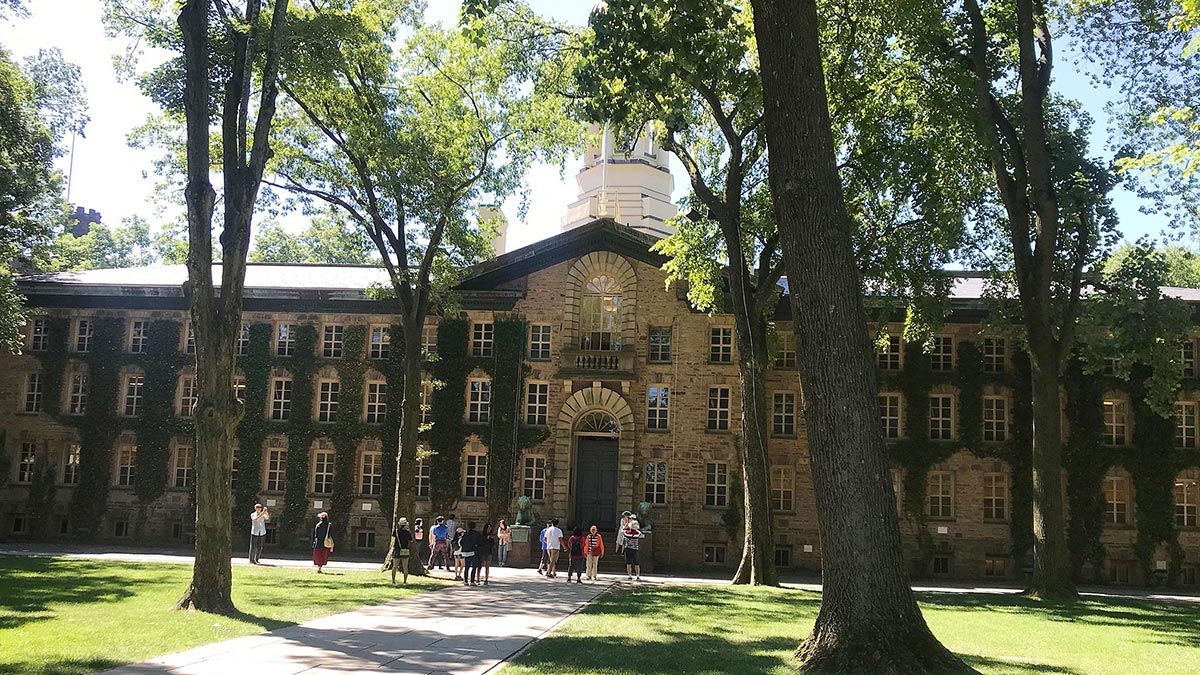
Richard A. Depue is affiliated with Cornell University in the United States. Their research primarily focuses on psychology, with particular attention to clinical psychology and philosophy as subfields of study. The main topics of their work revolve around personality disorders and psychopathology, mental health and psychiatry, as well as psychotherapy techniques and applications.
The scientist has contributed to several publications, including journal articles published in venues such as Psychopathology and Clinical Psychological Science. Notable recent papers include:
Frequent coauthors collaborating with Richard A. Depue include Mark F. Lenzenweger, Christopher J. Patrick, Ashley L. Watts, and Robert D. Latzman, reflecting engagement with multiple researchers in related fields.
The published work encompasses four contributions in psychology overall, with a consistent focus on clinical psychology. The scientist's research interests engage with core issues surrounding personality and psychopathology, addressing clinical manifestations and their underlying systems. This includes an emphasis on the mechanisms related to mental health disorders and therapeutic methods designed to address such conditions.
Richard A. Depue;Paul F. Collins
Richard A. Depue;Jeannine V. Morrone-Strupinsky
Richard A. Depue;William G. Iacono
Richard A. Depue;Scott M. Monroe
Richard A. Depue;Judith F. Slater;Heidi Wolfstetter-Kausch;Daniel Klein
Richard A. Depue;Monica M Luciana;Paul A Arbisi;Paul F Collins
Richard A. Depue;Scott M. Monroe
Richard A. Depue;Michele R. Spoont
Monica Luciana;Richard A. Depue;Paul Arbisi;Arthur Leon
Monica Luciana;Paul F. Collins;Richard A. Depue
Richard A. Depue;Steven Krauss;Michele R. Spoont;Paul Arbisi
John J. Allen;William G. Iacono;Richard A. Depue;Paul Arbisi
Unknown
Richard A. Depue;Steven P. Krauss;Michele R. Spoont
Richard A. Depue
Unknown
Richard A. Depue;Scott M. Monroe
Richard A. Depue;Mark F. Lenzenweger
Sarah R Moore;Richard A Depue
Judith Slater;Richard A. Depue
Unknown
Daniel N. Klein;Richard A. Depue;Judith F. Slater
Tara L. White;Richard A. Depue

Data reviewed by: Imed Bouchrika, PhD


If you think any of the details on this page are incorrect, let us know.
If you're interested in studying psychology in the USA, pursuing an online degree opens the door to a range of rewarding career paths. Many graduates become therapists or counselors, roles that require specific licensure based on your location. It's important to understand the unique requirements in each state or city before committing to a professional direction.
For example, becoming a licensed therapist in Plano involves tailored education, experience, and exam criteria. Similarly, Port St. Lucie licensed therapist requirements emphasize local supervision hours and state-specific coursework. If you're planning a career in the Pacific Northwest, Portland licensed therapist requirements highlight both graduate degrees and state exams. Meanwhile, those aiming to practice in North Carolina should review the Raleigh licensed therapist education requirements to ensure proper planning.
Exploring these requirements early can help you select the best online psychology degrees and ensure you're on the right path to licensure and a successful career in mental health.


Ludwig-Maximilians-Universität München

University of Cambridge

McMaster University

Dartmouth College

Texas A&M University

University of Antwerp

Monterey Bay Aquarium Research Institute

Stanford University

The Ohio State University

Antoni van Leeuwenhoek Hospital

University of Paris-Saclay

Nanyang Technological University

University of Bath

University of Michigan–Ann Arbor

US Forest Service

Australian Antarctic Division