| Discipline name | D-Index | World Ranking | Current World Ranking | National Ranking | Current National Ranking | Publications | Citations |
|---|---|---|---|---|---|---|---|
| Psychology | 33 | 10467 | 9796 | 5500 | 5021 | 126 | 5425 |
The chart shows the history of publications by Martin Heesacker between 1981 and 2025, highlighting the no. of papers published in each year and offering an overview of the publication velocity of this scholar. Martin Heesacker published across 45 years, from 1981 to 2025, averaging 3 papers a year. Output peaked at 9 publications in 2012. 4 of the 133 publications appeared in the last two years.
133 publications in total across all disciplines
| Year | Publications |
|---|---|
| 1981 | 1 |
| 1982 | 2 |
| 1983 | 6 |
| 1984 | 5 |
| 1985 | 0 |
| 1986 | 1 |
| 1987 | 2 |
| 1988 | 2 |
| 1989 | 0 |
| 1990 | 0 |
| 1991 | 3 |
| 1992 | 3 |
| 1993 | 3 |
| 1994 | 2 |
| 1995 | 3 |
| 1996 | 3 |
| 1997 | 5 |
| 1998 | 1 |
| 1999 | 3 |
| 2000 | 2 |
| 2001 | 5 |
| 2002 | 2 |
| 2003 | 4 |
| 2004 | 1 |
| 2005 | 1 |
| 2006 | 2 |
| 2007 | 3 |
| 2008 | 3 |
| 2009 | 2 |
| 2010 | 2 |
| 2011 | 2 |
| 2012 | 9 |
| 2013 | 3 |
| 2014 | 6 |
| 2015 | 7 |
| 2016 | 4 |
| 2017 | 4 |
| 2018 | 7 |
| 2019 | 3 |
| 2020 | 7 |
| 2021 | 1 |
| 2022 | 1 |
| 2023 | 3 |
| 2024 | 2 |
| 2025 | 2 |
| Total | 133 |
The chart shows the distribution of publications by all Research.com ranked scientists in the field of Psychology in 2026. The highlighted bar marks where Martin Heesacker sits on this spectrum.
This scientist: 126 publications — 36th percentile
36% of scientists in this discipline score the same or lower.
The last bar groups every scientist with 705 publications or more.
| Publications | Scientists | This scientist |
|---|---|---|
| 31–40 | 6 | |
| 41–50 | 52 | |
| 51–60 | 138 | |
| 61–70 | 299 | |
| 71–80 | 461 | |
| 81–90 | 605 | |
| 91–100 | 713 | |
| 101–110 | 736 | |
| 111–120 | 686 | |
| 121–130 | 670 | 126 |
| 131–140 | 644 | |
| 141–150 | 597 | |
| 151–160 | 576 | |
| 161–170 | 477 | |
| 171–180 | 450 | |
| 181–190 | 397 | |
| 191–200 | 343 | |
| 201–210 | 328 | |
| 211–220 | 313 | |
| 221–230 | 283 | |
| 231–240 | 226 | |
| 241–250 | 196 | |
| 251–260 | 201 | |
| 261–270 | 171 | |
| 271–280 | 151 | |
| 281–290 | 139 | |
| 291–300 | 113 | |
| 301–310 | 102 | |
| 311–320 | 100 | |
| 321–330 | 76 | |
| 331–340 | 92 | |
| 341–350 | 85 | |
| 351–360 | 69 | |
| 361–370 | 71 | |
| 371–380 | 63 | |
| 381–390 | 58 | |
| 391–400 | 57 | |
| 401–410 | 43 | |
| 411–420 | 33 | |
| 421–430 | 50 | |
| 431–440 | 41 | |
| 441–450 | 32 | |
| 451–460 | 27 | |
| 461–470 | 28 | |
| 471–480 | 25 | |
| 481–490 | 28 | |
| 491–500 | 20 | |
| 501–510 | 23 | |
| 511–520 | 26 | |
| 521–530 | 17 | |
| 531–540 | 21 | |
| 541–550 | 14 | |
| 551–560 | 16 | |
| 561–570 | 10 | |
| 571–580 | 22 | |
| 581–590 | 9 | |
| 591–600 | 14 | |
| 601–610 | 9 | |
| 611–620 | 11 | |
| 621–630 | 4 | |
| 631–640 | 7 | |
| 641–650 | 5 | |
| 651–660 | 10 | |
| 661–670 | 8 | |
| 671–680 | 8 | |
| 681–690 | 4 | |
| 691–700 | 3 | |
| 701–704 | 4 | |
| 705+ | 100 |
The chart shows the D-index (discipline H-index) distribution of Psychology scientists ranked by Research.com in 2026. The highlighted bar marks where Martin Heesacker sits on this spectrum.
This scientist: 33 D-Index — 10th percentile
10% of scientists in this discipline score the same or lower.
The last bar groups every scientist with 144 D-Index or more.
| D-Index | Scientists | This scientist |
|---|---|---|
| 30–31 | 398 | |
| 32–33 | 702 | 33 |
| 34–35 | 671 | |
| 36–37 | 659 | |
| 38–39 | 641 | |
| 40–41 | 671 | |
| 42–43 | 617 | |
| 44–45 | 558 | |
| 46–47 | 495 | |
| 48–49 | 487 | |
| 50–51 | 445 | |
| 52–53 | 390 | |
| 54–55 | 408 | |
| 56–57 | 345 | |
| 58–59 | 325 | |
| 60–61 | 321 | |
| 62–63 | 248 | |
| 64–65 | 290 | |
| 66–67 | 218 | |
| 68–69 | 219 | |
| 70–71 | 215 | |
| 72–73 | 183 | |
| 74–75 | 169 | |
| 76–77 | 132 | |
| 78–79 | 137 | |
| 80–81 | 120 | |
| 82–83 | 112 | |
| 84–85 | 86 | |
| 86–87 | 101 | |
| 88–89 | 83 | |
| 90–91 | 77 | |
| 92–93 | 70 | |
| 94–95 | 78 | |
| 96–97 | 58 | |
| 98–99 | 53 | |
| 100–101 | 57 | |
| 102–103 | 48 | |
| 104–105 | 53 | |
| 106–107 | 46 | |
| 108–109 | 24 | |
| 110–111 | 35 | |
| 112–113 | 27 | |
| 114–115 | 32 | |
| 116–117 | 31 | |
| 118–119 | 22 | |
| 120–121 | 16 | |
| 122–123 | 24 | |
| 124–125 | 18 | |
| 126–127 | 11 | |
| 128–129 | 19 | |
| 130–131 | 10 | |
| 132–133 | 16 | |
| 134–135 | 10 | |
| 136–137 | 12 | |
| 138–139 | 8 | |
| 140–141 | 5 | |
| 142–143 | 12 | |
| 144+ | 98 |
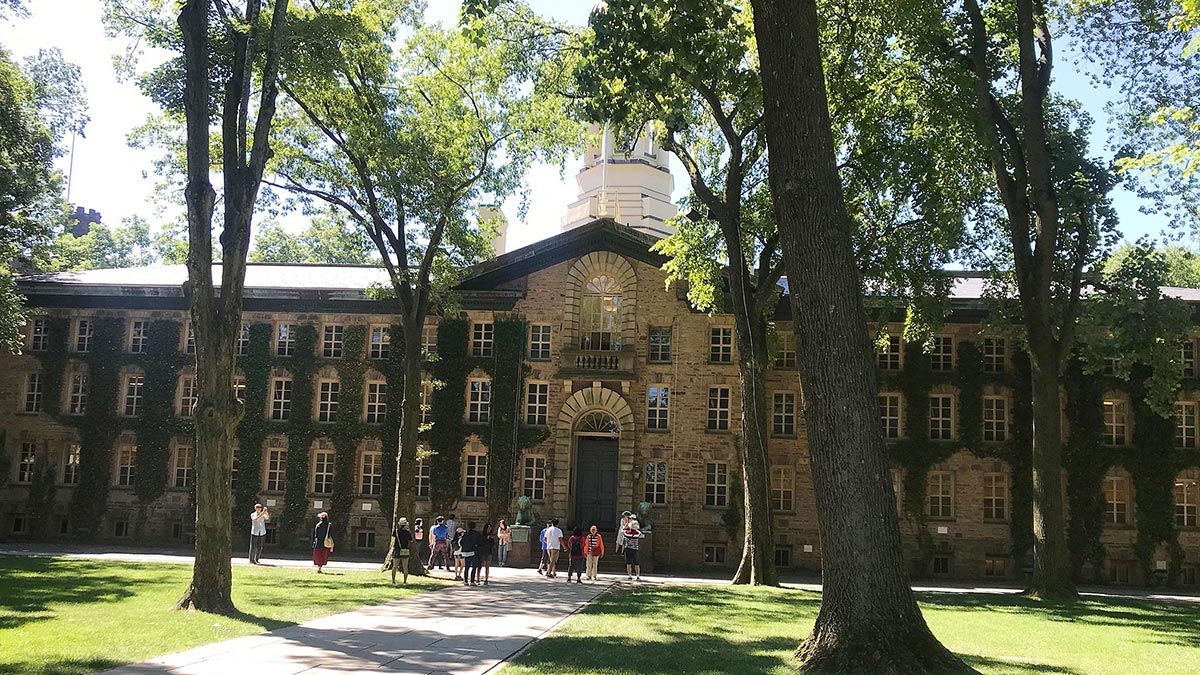
Martin Heesacker is affiliated with the University of Florida in the United States. Their research primarily focuses on the fields of Psychology and Social Sciences, with subfields including Sociology and Political Science, Social Psychology, Clinical Psychology, Psychiatry and Mental Health, as well as Experimental and Cognitive Psychology.
The main topics of their research work encompass:
Their publication record includes papers in various scholarly venues. Notable venues and the number of publications by Heesacker are:
Recent papers authored or co-authored by Martin Heesacker include:
Martin Heesacker has collaborated with several frequent co-authors, including:
In recognition of professional contributions, Martin Heesacker was awarded the title of Fellow of the American Psychological Association (APA) in 2010.
Richard E. Petty;John T. Cacioppo;Martin Heesacker
Martin Heesacker;Richard E. Petty;John T. Cacioppo
Ronald F. Levant;Katherine Richmond;Richard G. Majors;Jaime E. Inclan
David L. Vogel;Stephen R. Wester;Martin Heesacker;Stephanie Madon
Stephen R. Wester;David L. Vogel;Page K. Pressly;Martin Heesacker
John R. Chambers;Lawton K. Swan;Martin Heesacker
Barbara J. Gilbert;Martin Heesacker;Linda J. Gannon
Kathleen Connelly;Martin Heesacker
Page K. Pressly;Martin Heesacker
Martin Heesacker;Stephen R. Wester;David L. Vogel;Jeffrey T. Wentzel
P. Paul Heppner;Martin Heesacker
Richard E. Petty;Martin Heesacker;Jan N. Hughes
P. Paul Heppner;Martin Heesacker
Stephen R. Wester;Cynthia L. Crown;Gerald L. Quatman;Martin Heesacker
Lawton K Swan;Martin Heesacker
Martin Heesacker;P. Paul Heppner;Mark E. Rogers
Richard E. Petty;Gary L. Wells;Martin Heesacker;Timothy C. Brock
Eric H. Rosenthal;Martin Heesacker;Greg J. Neimeyer
Paul B. Perrin;Andrew Johnston;Bruce Vogel;Martin Heesacker
Ronald F. Levant;Adele Cuthbert;Katherine Richmond;Alfred Sellers
Nancy L. Murdock;John D. Alcorn;Martin Heesacker;Cal Stoltenberg

Data reviewed by: Imed Bouchrika, PhD


If you think any of the details on this page are incorrect, let us know.
Exploring a psychology degree opens doors to a range of online programs and career options across the United States. Online degrees in psychology deliver flexibility for students balancing work, internships, or family obligations, while also offering specialized courses tailored to evolving industry needs.
When choosing a program, research regional offerings to find the best fit for your goals. For instance, the best psychology degree rankings in Austin highlight schools integrating real-world learning opportunities. Similarly, California’s higher education institutions are renowned nationally, as detailed in the best psychology degree programs ranking in California.
Programs in other regions, such as the best psychology degree programs ranking in Charleston and the best psychology program rankings in Charlotte, offer unique pathways in clinical, counseling, and organizational psychology.
Whether you pursue online or campus-based study, these programs all provide a strong foundation for graduates aiming for careers in mental health, research, human resources, education, and beyond.


Shandong University of Science and Technology

University at Buffalo, State University of New York

Northwestern University

Ghent University

Vrije Universiteit Amsterdam

Australian National University

University of Liège

Rutgers, The State University of New Jersey

Simon Fraser University

University of New South Wales

University of Genoa

McMaster University

University of California, Los Angeles

Argonne National Laboratory

Erasmus University Rotterdam

University of Pennsylvania