
2027 Most Valuable Online Special Education Degree Programs Ranking in Wisconsin

Co-Founder and Chief Data Scientist
If you're considering a special education degree in Wisconsin, this article is for you. It introduces the 2027 Most Valuable Online Special Education Degree Programs Ranking in Wisconsin, created by the Research.com team of data scientists. This ranking will help you identify programs that offer the best value and fit your goals.
Choosing the right degree can shape your future career and impact the lives of learners. By exploring this guide, you'll gain clarity and confidence in your decision-making. Pursuing a special education degree is a rewarding step toward making a meaningful difference.
Key benefits of getting online special education degree in Wisconsin
- Special education degree graduates in Wisconsin can expect competitive salaries close to the national average for related roles, with typical special education teachers earning around $61,000 annually, reflecting rewarding financial potential.
- Graduates often pursue careers as special education teachers, aides, or therapists, supported by strong programs at institutions like the University of Wisconsin, offering diverse and fulfilling job opportunities.
- Online special education degrees from universities such as the University of Wisconsin provide flexibility and convenience, allowing students to balance work and study while earning a respected credential.
- 2027 Most Valuable Online Special Education Degree Programs Ranking in Wisconsin
- What can I expect from online special education degree in Wisconsin?
- Where can I work with online special education degree in Wisconsin?
What can I expect from online special education degree in Wisconsin?
The average cost of an online special education degree in Wisconsin varies by institution and degree level, typically ranging from $10,000 to $25,000 for a bachelor's or master's program. Graduates from popular schools such as those within the University of Wisconsin System report that these programs offer an affordable path without compromising on quality. Tuition is often charged per credit hour, with fully online or hybrid formats providing flexibility for working adults balancing personal commitments.
Many students appreciate how programs incorporate practical experiences through local school internships, enabling them to apply behavioral intervention strategies and IEP development skills in real-world settings. This hands-on training helps graduates feel confident and prepared for licensure exams required by the Wisconsin Department of Public Instruction.
Students highlight positive outcomes like gaining both academic knowledge and the emotional resilience needed to support diverse learners. The financial investment is seen as worthwhile since flexible online formats combined with state-approved coursework position graduates well for careers in a workforce where over 6,000 special education teachers are employed statewide.
Where can I work with online special education degree in Wisconsin?
Graduates with an online special education degree in Wisconsin commonly find employment as special education teachers in public and private schools across the state. With around 12% of public school students receiving special education services, demand remains steady. For example, graduates from well-regarded programs at institutions like the University of Wisconsin or Edgewood College report rewarding experiences working one-on-one with students facing learning or developmental challenges, designing Individualized Education Programs (IEPs), and collaborating with general education staff.
Many also pursue roles in early intervention programs such as Wisconsin's Birth to 3 Program, providing critical developmental support for young children. Others find opportunities in nonprofit organizations or government agencies focused on advocacy, case management, or specialized instructional coordination. Employment in these roles is expected to grow by approximately 5% through 2030, reflecting positive job security.
Postsecondary institutions and technical colleges hire special education instructors, particularly for students with cognitive impairments, and some graduates embrace remote teaching, benefiting from virtual learning trends in Wisconsin's education sector.
Graduates with an online special education degree in Wisconsin typically start their careers earning between $38,000 and $45,000 annually, depending on the school district. Those studying through well-regarded institutions like the University of Wisconsin or Marquette University often find that urban districts such as Milwaukee and Madison offer higher salaries, reflecting the increased living costs and larger budgets. As experience and education level grow, salaries can rise significantly.
Experienced teachers who have earned advanced degrees online report earning between $60,000 and $75,000 per year. Graduates who step into leadership roles, such as special education coordinators or program managers, can expect salaries exceeding $80,000 annually. The Wisconsin Department of Public Instruction's salary schedules provide structured pay increases based on years of service and educational qualifications, which is encouraging for those committed to long-term growth.
Many find supplemental opportunities like tutoring or summer school teaching helpful to boost their earnings. Graduates often express optimism about these options, appreciating both financial benefits and the chance to deepen their expertise working with diverse student needs in Wisconsin's stable education market.
- Online special education degrees in Wisconsin are available at both bachelor's and master's levels, with master's programs often designed for current educators seeking licensure or specialization.
- The total cost for these programs typically ranges from $20,000 to $35,000 at public universities, with private institutions generally charging more.
- Entry-level special education teachers in Wisconsin earn an average salary of around $45,000 per year, which can increase to about $60,000 with experience and advanced certifications.
- Licensure is required for special education teachers in Wisconsin, usually involving the completion of an approved program and passing state exams.
- Many online programs include clinical or practicum experiences in partnership with local schools to provide real-world teaching practice.
Completing an online special education degree in Wisconsin generally ranges from two to six years, reflecting diverse student circumstances. Graduates from University of Wisconsin system campuses often finish a bachelor's degree in about four years when enrolled full-time, balancing coursework with personal responsibilities. Part-time students, including many working adults, might take up to six years, managing studies alongside jobs and family obligations.
Graduate degrees, such as a Master's in Special Education, tend to require 18 months to three years. For instance, many students at popular Wisconsin colleges find that attending full-time allows completion within two years. Licensure requirements also influence timelines; individuals without prior teaching credentials may spend additional time completing necessary courses.
Financial factors impact pacing-affordable in-state tuition averaging $10,000 to $12,000 annually helps students maintain consistent enrollment and avoid delays. Many graduates appreciate the flexibility of accelerated or competency-based online options offered by Wisconsin institutions, which accommodate busy lifestyles while keeping workforce goals in clear view.
In Wisconsin, online special education degrees offer significant flexibility, ideal for students balancing work and family. Graduates from virtual programs at institutions like the University of Wisconsin-Milwaukee appreciate studying remotely without commuting from areas outside Madison or Milwaukee. This contrasts with on-campus programs at places like the University of Wisconsin-Whitewater, where students value face-to-face interaction, campus resources, and direct faculty engagement.
Both formats require in-person fieldwork such as student teaching, complying with Wisconsin's Department of Public Instruction certification hours. This hands-on experience remains essential regardless of study mode.
Tuition for public programs typically ranges from $7,000 to $10,000 in-state per year, but online students often save on ancillary costs like housing and transport. Some online degree seekers report initial feelings of isolation that are mitigated through digital study groups and virtual office hours, which universities have enhanced to nurture community.
Reliable technology is critical for online learners, while on-campus students benefit from built-in access to campus infrastructure and immediate support.
The average cost of an online special education degree in Wisconsin varies significantly depending on the type of institution and residency status. Public universities commonly offer tuition rates ranging from $7,000 to $15,000 annually for in-state students. These more affordable costs make it accessible for many Wisconsin residents pursuing a special education degree online. Graduates from these universities often highlight how the manageable tuition combined with quality instruction enabled them to focus on mastering the skills needed to support students with diverse learning needs.
Conversely, private colleges in Wisconsin tend to charge higher tuition fees, typically between $20,000 and $30,000 per year for online special education programs. Though the price tag is steeper, many students share positive experiences about the personalized attention and extensive resources that come with private institutions. Financial aid opportunities such as scholarships and assistantships often help offset these expenses, making it feasible for many committed learners. This distinction is important to consider when researching Wisconsin online special education degree tuition fees.
It is also crucial to factor in additional costs like textbooks and technology fees, which can add $500 to $1,500 annually. Prospective students should consider the overall investment as one that prepares them thoroughly for a rewarding career. Those exploring special education degrees can gain insight into career pathways by reviewing the bachelor degree in special ed jobs to understand how the educational costs relate to future employment opportunities.
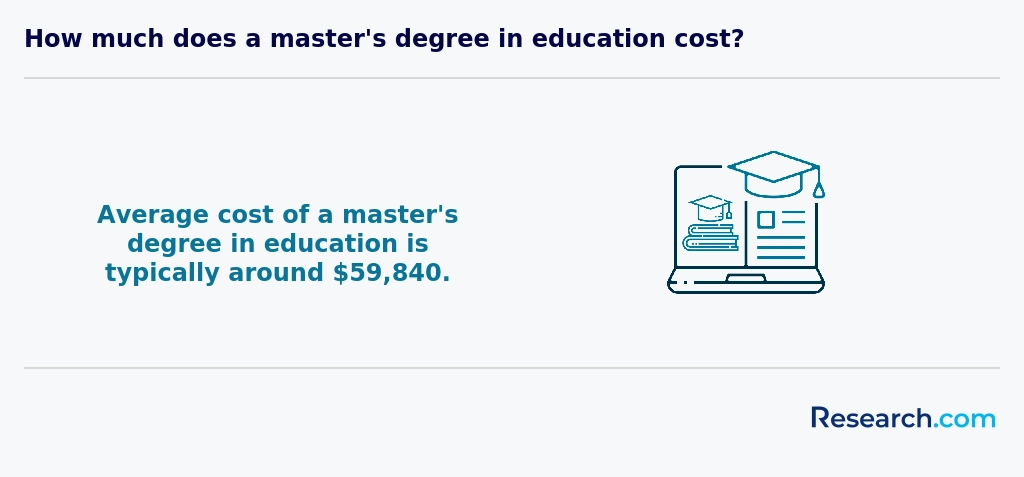
Students pursuing online special education degrees in Wisconsin commonly access a mix of federal, state, and institutional financial aid, making the substantial costs more manageable. For instance, graduates from popular institutions like the University of Wisconsin-Stout and UW-Whitewater have benefited from Pell Grants, which can contribute up to $7,395 annually without requiring repayment. These grants significantly ease the financial burden while completing their degree online.
Many also secure Federal Work-Study positions that provide both income and valuable experience in educational settings. Additionally, Direct Subsidized and Unsubsidized Loans with flexible repayment terms help fill funding gaps for those committed to advancing in special education.
Wisconsin's Higher Education Aids Board offers state-specific grants such as the Wisconsin Grant and the Minority Undergraduate Retention Grant, which alumni from institutions like Edgewood College have leveraged to reduce tuition costs effectively.
Graduates frequently express relief and optimism after utilizing the federal Teacher Loan Forgiveness and Public Service Loan Forgiveness programs, which forgive loans after years of working full-time in qualifying Wisconsin public schools, aligning financial aid directly with career goals in special education.
Enrollment in online special education degree programs in Wisconsin requires meeting several specific prerequisites aligned with state regulations and academic standards. Undergraduate applicants must have a high school diploma or equivalent, such as a GED, while graduate candidates need a bachelor's degree from an accredited institution, often in education or a related field. For example, graduates from the University of Wisconsin's online programs often emphasize how meeting these clear academic requirements provided a strong foundation for their careers.
Applicants must typically submit official transcripts demonstrating a minimum GPA of around 2.5 to 3.0, aiding admissions committees in evaluating readiness. Some well-known colleges in Wisconsin offer flexibility by accepting standardized test scores like the ACT or SAT, though increasingly, prior college coursework may waive these tests entirely.
In addition to academics, the Wisconsin Department of Public Instruction mandates background checks and completion of coursework approved for licensure. Successful graduates frequently share how adhering to these requirements ensured their smooth transition into classroom roles, armed with both confidence and vital practical knowledge.

Online special education degrees in Wisconsin commonly include courses centered on practical and legal expertise vital for supporting diverse learners. Graduates from well-regarded institutions in the state often highlight how courses like Foundations of Special Education deepen their understanding of federal and Wisconsin-specific laws, such as the Individuals with Disabilities Education Act (IDEA).
Behavioral Intervention Strategies and Instructional Methods for Diverse Learners prepare students to create adaptable lesson plans that address various disabilities. For example, a recent graduate from a popular Wisconsin university shared how these courses empowered them to confidently manage challenging classroom behaviors while fostering inclusive learning environments.
Assessment and Evaluation Techniques are frequently featured, teaching candidates to develop individualized education plans (IEPs) backed by accurate diagnosis. Additionally, programs often integrate coursework in child psychology and assistive technology, equipping students with tools to support communication and learning in real-world settings.
Field experiences integrated in curricula provide crucial hands-on practice, aligning with Wisconsin's licensing standards and ensuring graduates feel ready and enthusiastic toward their first teaching roles.
Online special education degree specializations in Wisconsin commonly include focused tracks such as Learning Disabilities, Emotional and Behavioral Disorders, Early Childhood Special Education, Autism Spectrum Disorder (ASD), and Speech and Language Impairments. These options cater to educators aiming to address diverse student needs effectively. Graduates from popular institutions in Wisconsin often report satisfaction with how these specializations prepare them for practical challenges, such as developing targeted interventions for students with dyslexia or managing classrooms with behavioral concerns. Such outcomes reflect the alignment of coursework and clinical practice with Wisconsin licensure requirements.
Many online programs emphasize flexibility, allowing working professionals to balance studies and employment while pursuing special education certification options Wisconsin online programs offer. This mix of theoretical knowledge and applied skills is crucial, as noted by graduates who successfully navigate diverse classroom environments. Programs typically follow the special education teaching certification requirements established by the state, ensuring candidates are well-prepared for licensure and real-world application.
Choosing the best online special education degree in Wisconsin hinges on program accreditation and alignment with Wisconsin DPI licensure requirements. Graduates from well-known universities in the state often praise programs accredited by the Council for the Accreditation of Educator Preparation (CAEP) for their comprehensive curriculum and practical field experiences. These programs incorporate the mandatory 12 weeks of supervised practicum, which is crucial for real-world teaching confidence.
Affordability is a key factor; affordable special education programs Wisconsin offers usually range in tuition from $12,000 to $25,000 annually. Wisconsin residents benefit from in-state tuition and financial aid options, which many students find essential to manage costs effectively without compromising quality. Graduates report that balancing part-time studies with work was possible due to flexible scheduling and asynchronous coursework models.
Lastly, researching outcomes through rankings and firsthand reviews helps set realistic expectations. Prospective students can also explore career opportunities by visiting resources such as special education jobs, providing insight into the demand and growth in this vital field.
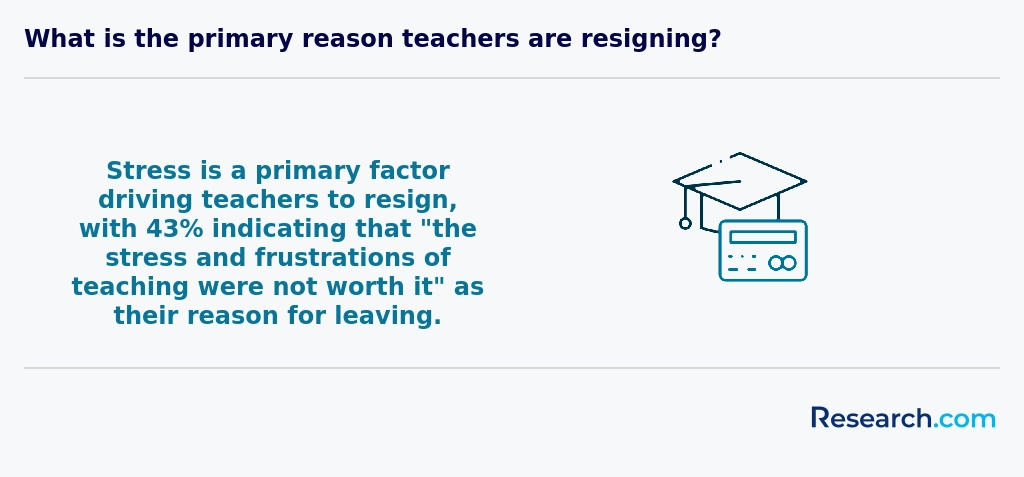
Graduates holding an online special education degree in Wisconsin frequently pursue special education teaching jobs in Wisconsin, working in elementary, middle, or high schools to develop Individualized Education Programs (IEPs) for students with disabilities. These roles offer meaningful daily engagement in inclusive classroom settings, as seen with alumni from institutions like the University of Wisconsin-Madison and Milwaukee School of Engineering. Beyond classroom teaching, career options expand to special education coordinators or program specialists who manage compliance with laws such as IDEA and support district-wide educational strategies.
Many graduates also find rewarding employment in non-traditional environments such as community agencies and private therapy practices, where they facilitate transition planning and life skills coaching. Students from popular Wisconsin colleges appreciate the opportunity to serve diverse populations and often seek additional certification, such as teaching English Language Learners. Prospective students can explore further opportunities and program details through resources like the special education master's online guide, which supports informed career decisions about online special education degree career options Wisconsin.
The job market for online special education degree jobs in Wisconsin remains robust as the state actively seeks qualified educators to fill ongoing vacancies caused by retirements and program expansions. Graduates from respected institutions like the University of Wisconsin and Milwaukee Area Technical College often find rewarding roles in public and private schools, where their skills are highly valued and demand is steady. These educators appreciate the flexibility online degrees offer, enabling them to transition smoothly into positions that support diverse student needs.
Wisconsin's special education teacher job outlook is reinforced by state mandates requiring special education programs in every public school. Many graduates highlight positive experiences working with early intervention initiatives and individualized education programs (IEPs), fostering inclusive learning environments. Salaries range widely from $45,000 to $65,000, with urban districts providing some of the most competitive pay and benefits. Teachers who pursue advanced certifications frequently advance into leadership roles, enhancing job satisfaction and career growth.
For students investigating career preparation, it is essential to understand sped teacher duties thoroughly, which can be explored in detail at sped teacher duties. This knowledge aids in aligning expectations with real-world requirements, further solidifying Wisconsin as a promising location for online special education degree graduates.
2027 Most Valuable Online Special Education Degree Programs Ranking in Wisconsin
Investing in your education is a significant decision that can shape your future, and the Research.com team understands the importance of making informed choices. To assist prospective students in Wisconsin, we have meticulously crafted the "2027 Most Valuable Online Special Education Degree Programs Ranking in Wisconsin." Our commitment to quality, credibility, and accuracy is reflected in the extensive research and analysis conducted to compile this ranking.
We utilized the following reputable data sources to ensure a comprehensive evaluation of online special education degree programs:
By exploring this ranking, readers will gain valuable insights into the most valuable online special education degree programs in Wisconsin, helping them make well-informed decisions about their educational investment. For more details on our methodology, please visit our Research.com methodology page.


Frequently Asked Questions About special education
Online special education degree students in Wisconsin can maximize their learning experience by actively engaging with both digital resources and local community opportunities. Wisconsin has specific state requirements that include practical fieldwork, so students should seek programs that integrate virtual coursework with hands-on experiences in nearby schools.
Using the Wisconsin Department of Public Instruction's resources can help students stay informed about state regulations and best practices for special education. Additionally, forming study groups with peers and communicating regularly with faculty boosts comprehension and motivation.
Many Wisconsin universities offer access to national databases and local special education networks, which enrich learning and professional development.
The field of special education is evolving rapidly, with several emerging niches gaining importance in Wisconsin and across the United States. One significant area is the integration of technology, where educators use adaptive tools and software designed to support students with diverse learning needs. This tech-focused specialization is critical as digital learning becomes more prevalent.
Another growing niche is supporting students with autism spectrum disorder (ASD). Wisconsin reports increasing ASD diagnoses, creating demand for trained professionals who understand best practices and evidence-based interventions.
Additionally, early childhood special education remains a priority, emphasizing early identification and intervention, which is linked to better long-term outcomes. Special educators specializing in mental health support are also in demand, addressing behavioral and emotional challenges in school settings.
These niches reflect the broader trend toward personalized and inclusive education within Wisconsin's special education landscape.
After completing an online special education degree in Wisconsin, it is crucial to prepare for the job market by acquiring state licensure. Wisconsin requires educators to hold a license in special education, granted through the Department of Public Instruction (DPI), which includes passing the Praxis exams. Gaining practical experience through student teaching or internships during your degree program enhances your employability.
Networking with local school districts and joining professional organizations like the Council for Exceptional Children can open up job opportunities. According to the Wisconsin Department of Workforce Development, special education teaching roles are projected to grow 5% through 2030.
Employers in Wisconsin seek special education degree graduates with strong communication skills, as these professionals must effectively collaborate with students, families, and colleagues. Adaptability is crucial, given the diverse needs of students with disabilities across the state.
Knowledge of Individualized Education Programs (IEPs) is essential. According to the Wisconsin Department of Public Instruction, nearly 15% of students receive special education services, making compliance and proficiency with IEP development key.
Additionally, employers value data-driven decision-making skills to monitor student progress and adjust teaching strategies. Patience and empathy remain vital traits for success in special education roles across Wisconsin schools.
Finding internships in Wisconsin relevant to a special education degree involves leveraging connections with local school districts and educational organizations. The Wisconsin Department of Public Instruction (DPI) often posts internship opportunities or collaborates with universities offering online special education programs.
Students should contact university career centers, which frequently maintain partnerships with nearby schools needing special education interns. Additionally, Wisconsin has over 421 public school districts, many providing hands-on internship placements to meet licensure requirements.
Professional associations like the Wisconsin Council for Exceptional Children also list internships and networking events tailored to special education students.
Utilizing state job boards and attending education conferences in Wisconsin can further improve internship prospects.
Obtaining an online special education degree in Wisconsin can significantly enhance career mobility and advancement opportunities within the state's education sector. Wisconsin's Department of Public Instruction emphasizes that certified special education teachers are in high demand, with job growth expected to rise by 5% through 2030, aligning with national trends reported by the Bureau of Labor Statistics.
Graduates with an online degree can access licensure pathways required to work in public schools, which increases eligibility for specialized teaching roles and leadership positions.
Additionally, online programs often integrate flexible scheduling, allowing professionals to gain credentials without interrupting their current employment, thus supporting continuous career progression.
Studying for a special education degree in Wisconsin equips students with skills essential to interdisciplinary collaboration. Wisconsin's programs emphasize teamwork between educators, therapists, social workers, and families to support diverse learners effectively. According to the Wisconsin Department of Public Instruction, graduates often engage with multi-disciplinary teams to develop and implement Individualized Education Programs (IEPs).
Online degree structures in the state integrate coursework on communication, behavioral strategies, and inclusive practices, fostering versatile professionals.
These programs reflect Wisconsin's legal and educational frameworks, such as adherence to the Individuals with Disabilities Education Act (IDEA), preparing students to navigate complex roles involving various specialists.
When choosing between a thesis and a non-thesis special education degree program in Wisconsin, students should consider their career goals and learning preferences. A thesis program emphasizes research skills and is well-suited for those interested in pursuing doctoral studies or academic positions. Non-thesis programs focus more on practical application and coursework, appealing to professionals aiming for direct service roles or advancing in K-12 special education settings.
According to the Wisconsin Department of Public Instruction, demand for special education teachers is growing, with over 4,000 licensed professionals in the state as of 2023. Thesis options often require 6-12 credit hours of research, while non-thesis tracks may involve additional practicum experiences.
Financial and time commitments also differ; thesis programs can take longer to complete. Students should review specific Wisconsin school policies and accreditation standards to ensure alignment with state licensure requirements.
Students based in Wisconsin who want to study special education abroad face limited options due to accreditation and licensure requirements. Most U.S. states, including Wisconsin, prefer degrees from regionally accredited institutions, especially for special education programs that align with state teaching licenses.
Currently, there are few online special education programs from foreign schools recognized by Wisconsin's Department of Public Instruction. This means students looking abroad should verify that their chosen program meets Wisconsin's standards for educator licensure.
Many Wisconsin residents opt for U.S.-based online programs with strong reputations that offer international perspectives, which is often more practical. According to the Wisconsin Department of Public Instruction, earning a Wisconsin teaching license requires passing specific exams and completing approved coursework, which foreign programs may not fully provide.
In summary, Wisconsin students interested in online special education degrees typically rely on domestic programs with international content rather than fully foreign degree options.
Students pursuing an online special education degree in Wisconsin can benefit from several part-time job opportunities that complement their studies. Positions such as teacher aides or paraprofessionals in public schools offer practical experience working directly with students who have disabilities. According to the Wisconsin Department of Public Instruction, paraprofessionals support special education teachers and help implement individualized education programs (IEPs).
Additionally, part-time roles in after-school programs or tutoring centers allow for one-on-one educational support, enhancing skills relevant to special education. Wisconsin's growing demand for special education professionals underscores the value of gaining hands-on experience early. Some community agencies also seek part-time assistants for behavioral intervention services, which can be highly beneficial for students.
Online special education students in Wisconsin have access to various networking opportunities designed to support their academic and professional growth. Many universities offering online degrees encourage participation in virtual student organizations and special education forums. These platforms facilitate connections with peers, faculty, and experienced educators.
Additionally, students can join state-level groups such as the Wisconsin Council for Administrators of Special Services (WISCASS), which provides events and workshops relevant to special education professionals. According to the Wisconsin Department of Public Instruction, over 15,000 students receive special education services statewide, creating demand for robust professional networks.
Internships and practicum placements coordinated by online programs often connect students with local schools, helping them build contacts in Wisconsin's education community.
Alumni networks offer crucial support for students pursuing online special education degrees in Wisconsin. These networks connect current students with graduates who have firsthand experience navigating Wisconsin's educational landscape. According to the Wisconsin Department of Public Instruction, special education teachers face unique challenges, making peer advice invaluable.
Through alumni connections, students gain access to job opportunities and mentorship programs tailored to Wisconsin's school systems. Networking events and online forums often facilitate discussion about state certification requirements and emerging special education trends. Research also shows that schools with strong alumni engagement can boost student retention and career readiness.
Ultimately, these networks provide a community for sharing resources, professional guidance, and local insights specific to Wisconsin's special education sector.
Customizing an online special education degree in Wisconsin involves selecting coursework and practicum experiences aligned with your career goals. Many Wisconsin institutions offer specialization options such as working with students with autism, behavioral disorders, or learning disabilities. This helps tailor your learning to specific student needs.
Students can also pursue add-on certifications in areas like English Learner (EL) or bilingual special education to enhance employability. Wisconsin's Department of Public Instruction (DPI) provides clear guidelines on licensure pathways, enabling future educators to meet state requirements while focusing on their preferred population.
Additionally, flexible scheduling and part-time enrollment allow working professionals to balance study and career growth effectively.
Students pursuing online special education degrees in Wisconsin often encounter several specific challenges. One common difficulty is securing meaningful fieldwork placements, as hands-on experience with students with disabilities remains essential, despite remote coursework. Wisconsin's diverse population requires educators to be prepared for varied learning needs, increasing the complexity of practical training.
Additionally, many students report feelings of isolation due to limited in-person interaction with instructors and peers, which can impact motivation and learning quality. According to the Wisconsin Department of Public Instruction, special education teacher shortages intensify pressures, making timely academic support more difficult to access.
Technological barriers and varying access to reliable internet are also important factors affecting online learners in rural areas.
With an online special education degree in Wisconsin, graduates can pursue the Professional Educator License (PEL) with a Special Education endorsement. This certification allows one to teach students with disabilities across various grade levels. The Wisconsin Department of Public Instruction (DPI) oversees licensure and requires passing the Praxis exams for special education.
Additionally, licensure pathways exist for both elementary and secondary special education settings. Educators may also seek certifications in areas like behavior intervention or early childhood special education to enhance their qualifications. According to DPI data, Wisconsin had over 4,000 special education teachers licensed in 2023, reflecting strong demand for qualified professionals.
Some professionals further pursue National Board Certification, recognized nationwide, to demonstrate advanced expertise in special education.
To write a winning application for an online special education program in Wisconsin, start by clearly articulating your passion for supporting students with disabilities. Highlight any relevant experience, such as volunteering or working in special education settings, to demonstrate your commitment. Wisconsin values candidates with a clear understanding of IDEA (Individuals with Disabilities Education Act) and state-specific laws, so mention your knowledge of these regulations.
Use concrete examples that show your ability to adapt teaching strategies for diverse learners. According to the Wisconsin Department of Public Instruction, the state serves over 120,000 students with disabilities, emphasizing the need for skilled educators.
Make sure your letters of recommendation emphasize your dedication and communication skills. Lastly, tailor your essay to reflect why an online format fits your educational goals and how it allows you to meet Wisconsin's licensure requirements efficiently.
Special education careers in Wisconsin align with a broader global recognition of the vital role these professionals play in inclusive classrooms. Around the world, educators trained to support students with disabilities are increasingly valued for promoting equal opportunities. In the U.S., the demand for special education teachers is projected to grow 7% from 2021 to 2031, according to the Bureau of Labor Statistics.
Wisconsin reflects this trend, with the Department of Public Instruction reporting over 6,000 special education teachers in 2022. The state supports educators through tailored online degrees that meet federal guidelines set by IDEA (Individuals with Disabilities Education Act).
Globally, special education professionals are encouraged to develop skills in cultural competence and adaptive teaching technologies, enabling them to address diverse learning needs effectively. This international focus informs the structure of U.S. programs, including those available online in Wisconsin.
Students pursuing an online special education degree in Wisconsin can gain practical experience primarily through fieldwork and student teaching placements. Wisconsin's education licensure requirements mandate a supervised practicum to develop hands-on skills. Many online programs collaborate with local school districts to arrange these in-person experiences, often lasting one to two semesters.
According to the Wisconsin Department of Public Instruction (DPI), special education candidates typically complete around 600-800 hours of fieldwork. This experience is crucial for understanding diverse student needs and applying individualized education plans (IEPs).
Additionally, some programs encourage internships or volunteer work in special education settings to further enhance real-world skills.
Choosing the right concentration within an online special education degree program in Wisconsin begins with understanding local needs and certification requirements. Wisconsin educators emphasize training for students with disabilities across various categories, including learning disabilities, emotional behavioral disorders, and autism spectrum disorders, according to the Wisconsin Department of Public Instruction.
Students should match concentrations with their career goals and intended student populations. For example, focusing on autism spectrum disorders is beneficial because Wisconsin has seen increases in autism-related service needs. Additionally, reviewing program accreditation and alignment with Wisconsin's licensure standards ensures eligibility to work in public schools.
Exploring faculty expertise and practicum opportunities in your preferred concentration can also enhance practical skills. Consulting Wisconsin's teacher licensing resources and employment outlook data from the Bureau of Labor Statistics helps gauge long-term career prospects in regional special education fields.
- 2027 Most Valuable Online Special Education Degree Programs Ranking in Minnesota
- 2027 Most Valuable Online Special Education Degree Programs Ranking in Michigan
- 2027 Most Valuable Online Special Education Degree Programs Ranking in Indiana
- 2027 Most Valuable Online Special Education Degree Programs Ranking in Missouri
- 2027 Most Valuable Online Special Education Degree Programs Ranking in Ohio
- 2027 Most Valuable Online Special Education Degree Programs Ranking in Kentucky
- 2027 Most Valuable Online Special Education Degree Programs Ranking in North Dakota
- 2027 Most Valuable Online Special Education Degree Programs Ranking in Kansas
- 2027 Most Valuable Online Special Education Degree Programs Ranking in Pennsylvania
- 2027 Most Valuable Online Special Education Degree Programs Ranking in Virginia
- How to strengthen your school’s network by integrating alumni | Edusign https://edusign.com/blog/how-to-strengthen-your-schools-network-by-integrating-alumni
- List of alumni working in Special Education - COMFSM Alumni Network https://alumni.comfsm.edu.fm/dir/company/Special-Education.dz
- Special Education Professional Development Complete Guide for 2025 Teacher Guide https://www.simplek12.com/blog/special-education-professional-development
- Organizations for Special Education Teachers https://teach.com/resources/special-education-organizations/
- Teaching Job Roles | Teach For Life https://www.teachforlife.com/teachingjobs/global-perspectives-teacher
- School for students with special needs internship - Internships Down Under https://www.internshipsdownunder.com/school-for-students-with-special-needs-internship/
- Special Educational Needs: Courses, & Online Certification Guide. https://www.apteachertraininginstitute.com/blog/special-educational-needs-courses-online-certification-guide/
- Factors Influencing Special Education Career Choices: Interplay of Personality Traits and Identity Statuses https://www.eu-jer.com/factors-influencing-special-education-career-choices-interplay-of-personality-traits-and-identity-statuses
- 10 Sped: Special Education Certification in Wisconsin | Educate Pathways https://educatepathways.com/10-sped/
- Remote Special Education Jobs - VocoVision https://www.vocovision.com/teletherapy-jobs/special-education-teacher-jobs/


