2027 Most Valuable Online Special Education Degree Programs Ranking in North Dakota

Co-Founder and Chief Data Scientist
If you're considering advancing your career with a special education degree, this article is designed to guide North Dakota students in making an informed decision. It features the 2027 Most Valuable Online Special Education Degree Programs Ranking in North Dakota, created by the Research.com team of data scientists.
Discover programs that offer real value, balancing quality and accessibility. Pursuing a special education degree can open doors to meaningful work, personal growth, and a chance to make a lasting difference in students' lives.
Let this ranking support your journey toward a rewarding and impactful career.
Key benefits of getting online special education degree in North Dakota
- Special education graduates in North Dakota can expect competitive salaries, with many related roles in the U.S. typically earning between $40,000 and $60,000 annually, offering financial stability and rewarding careers.
- Graduates from universities like the University of North Dakota often pursue diverse paths such as special education teachers, school counselors, or education coordinators, opening doors to impactful work with students of all abilities.
- Completing a special education degree online offers flexibility for busy students and working professionals, as shown by online graduates from North Dakota State University who balance studies with personal commitments while gaining valuable skills at their own pace.
- 2027 Most Valuable Online Special Education Degree Programs Ranking in North Dakota
- What can I expect from online special education degree in North Dakota?
- Where can I work with online special education degree in North Dakota?
What can I expect from online special education degree in North Dakota?
The average cost of an online special education degree in North Dakota varies depending on the institution and program format. Graduates from institutions like Valley City State University and Dickinson State University report tuition and fees typically ranging from moderate to affordable compared with national averages. Many students emphasize the financial relief gained through state scholarships and federal aid, which significantly offset expenses.
One graduate noted that the online format eliminated commuting costs and allowed them to maintain full-time employment, easing financial strain throughout the program.
While precise tuition figures fluctuate by enrollment status and credit load, students can expect total program costs comparable to other regional public universities, often balanced by flexible payment options and financial support. This accessibility, combined with practical field experiences within local schools, fosters confidence and readiness for North Dakota's licensure requirements.
Overall, the affordable, well-structured programs enable learners to pursue a special education degree without overwhelming debt, aligning cost-effectiveness with quality education in the state.
Where can I work with online special education degree in North Dakota?
Graduates with an online special education degree in North Dakota commonly find employment in public K-12 schools, where they design individualized education programs (IEPs) and provide personalized instruction to students with disabilities. For instance, alumni from institutions like North Dakota State University often report rewarding experiences working in local school districts, helping meet the needs of diverse learners. The state currently supports over 2,000 special education roles, reflecting steady demand.
Private schools with specialized programs also employ graduates, offering smaller class environments or focused therapies, which many find fulfilling. Beyond teaching, careers extend to roles such as educational diagnosticians or behavioral specialists, where graduates collaborate with families and school agencies to comply with IDEA regulations.
Some graduates pursue positions in early intervention programs for children from birth to age three, frequently partnered with community nonprofits. Others work in postsecondary institutions, facilitating accommodations for students with disabilities-providing critical support in higher education settings. Salary ranges typically lie between $45,000 and $62,000 annually, underscoring a stable, meaningful career path in North Dakota.
Graduates with an online special education degree in North Dakota can typically expect starting salaries around $50,000 per year. This aligns with data from the North Dakota Department of Public Instruction, which reports average salaries ranging from $50,000 to $60,000 annually for special education teachers in the state. For example, graduates from well-known institutions like the University of North Dakota or North Dakota State University often begin their careers near the lower end of this salary range but quickly see increases with experience.
In larger districts such as Fargo or Bismarck, special education teachers benefit from higher budget allocations, resulting in salaries closer to or above $60,000. Those with master's degrees or specialized certifications in areas like behavior disorders can command even better pay. Experienced educators moving into coordinator or supervisory roles may earn $70,000 or more, reflecting the value of professional growth. This positive career trajectory encourages many graduates to pursue advanced qualifications, knowing their increasing expertise can significantly enhance income prospects.
- Online special education degrees in North Dakota are available fully online or in hybrid formats from accredited institutions.
- Annual tuition typically ranges between $7,000 and $15,000 for undergraduate and graduate programs.
- The job market for special education teachers in North Dakota is expected to grow by about 5% over the next decade.
- Starting salaries usually range from $40,000 to $48,000, with experienced educators earning around $60,000 annually.
- Graduates must obtain state licensure by passing exams and completing student teaching hours to work in public schools.
- State-supported professional development workshops help special education teachers stay updated on best practices and policies.
Completing an online special education degree in North Dakota generally takes about four years for bachelor's programs, matching the typical duration for undergraduate studies nationwide. Graduates from popular institutions like North Dakota State University often report that full-time study provides a clear path to finishing within this timeframe, balancing coursework with clinical requirements such as local student teaching placements.
For those pursuing a master's degree in special education through schools like the University of North Dakota, the time to completion usually ranges from one to two years full-time. Many students managing jobs and family responsibilities appreciate the flexible online options that allow part-time study, though this can extend the program length to three years or more.
Students frequently mention the benefit of online scheduling combined with hands-on experiences nearby, which helps maintain motivation and momentum. This flexibility supports realistic progress even when life events intervene, making North Dakota's online special education programs both accessible and manageable for diverse learners.
Online and on-campus special education degrees in North Dakota differ primarily in delivery and flexibility. On-campus programs at institutions like the University of North Dakota offer direct classroom interaction, which graduates describe as invaluable for hands-on practice and immediate feedback during practicum placements in local schools. This setting fosters a strong community feel and networking opportunities, helping students connect with local education professionals.
Conversely, online degrees provide flexibility crucial for working adults or those living in rural areas across North Dakota. Many graduates from online offerings at colleges such as North Dakota State University highlight the convenience of completing coursework on their own schedules. They do, however, arrange fieldwork locally, ensuring practical experience remains a core component despite the distance format.
Cost-wise, North Dakota's public institutions often keep tuition near the lower national range of $7,000 annually, with online programs reducing extra expenses like commuting. Both formats maintain accreditation aligning with North Dakota licensure, ensuring graduates are well-prepared to support students with disabilities in diverse educational settings.
The average cost of an online special education degree in North Dakota can be understood by examining tuition rates at prominent institutions like the University of North Dakota and North Dakota State University. Graduate programs in special education here typically charge between $450 to $600 per credit hour for in-state students. Given that master's degrees generally require 30 to 36 credits, the total tuition expense ranges from approximately $13,500 to $21,600. This estimate aligns well with the median total cost of about $41,964 when factoring in additional fees and required study materials.
Graduates from these North Dakota programs often describe feeling supported by the balance of affordability and quality education. Compared to national averages for special education online degrees, which generally fall between $18,000 and $25,000, North Dakota offers a more accessible option, especially for residents. This affordability makes it an attractive choice for students focused on managing educational costs while pursuing meaningful careers in the field.
Students pursuing special education degrees online here also benefit from reduced living expenses, avoiding costs like commuting and housing. Some graduates highlight the value of exploring financial aid, scholarships, and teaching assistantships available through these universities, which further lower the effective tuition. Prospective students looking for specific career outcomes might explore opportunities related to a bachelor degree in special ed jobs, solidifying the practical returns on their investment in education.
Understanding typical tuition and fees for special education programs North Dakota-wide helps students plan ahead with confidence, comparing costs across public institutions that prioritize online learning. This data-driven insight guides many toward making informed decisions that combine affordability with quality teacher preparation.
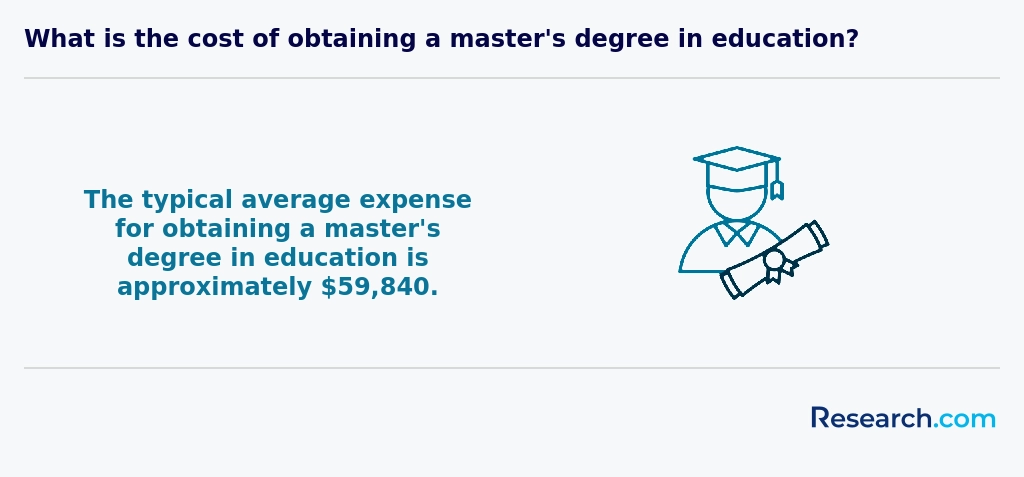
Students pursuing an online special education degree in North Dakota typically rely on a mix of federal, state, and institutional financial aid sources to offset tuition costs. For example, graduates from the University of North Dakota often start by completing the FAFSA to access Pell Grants, which in 2023-2024 can award up to $7,395 in need-based aid without repayment. This grant alone can transform the affordability of a program that might otherwise cost between $7,000 and $20,000 annually.
State-specific grants such as the North Dakota Higher Education Challenge Grant and the North Dakota Indian Scholarship further assist eligible students, especially those attending institutions like Minot State University. These grants support both academic achievement and financial need, easing the burden for many special education candidates.
Many students also find encouragement through scholarships from national organizations like the Council for Exceptional Children, which recognize dedication to special education careers. Additionally, partnerships between North Dakota online programs and local school districts often provide tuition reimbursement or loan forgiveness, rewarding graduates who commit to special education roles within their communities.
Enrolling in an online special education degree program in North Dakota requires applicants to have a high school diploma or equivalent, such as a GED, establishing a solid academic foundation. For example, graduates from the University of North Dakota often recall the reassurance gained from meeting this basic requirement, which helped them focus on their coursework without added stress.
Many programs ask for standardized test scores like the ACT or SAT, though some schools have adopted test-optional policies. This flexibility aligns well with students balancing work or family commitments. Sending official transcripts is mandatory to verify previous academic achievement; at North Dakota State University, students report that transparent transcript evaluations clarify their readiness for the next academic step.
Graduate programs demand a relevant bachelor's degree with a minimum GPA around 3.0. Those aiming for state licensure must complete an approved teacher preparation program, usually including practical field experiences. Recent graduates highlight that this hands-on learning built their confidence and connection to the profession.
Supplementary materials such as letters of recommendation and personal statements offer a chance for candidates to demonstrate passion and dedication. Reliable internet access is essential since all interactions and assignments occur online, a fact frequently mentioned by alumni who appreciated program accessibility despite geographical distances.
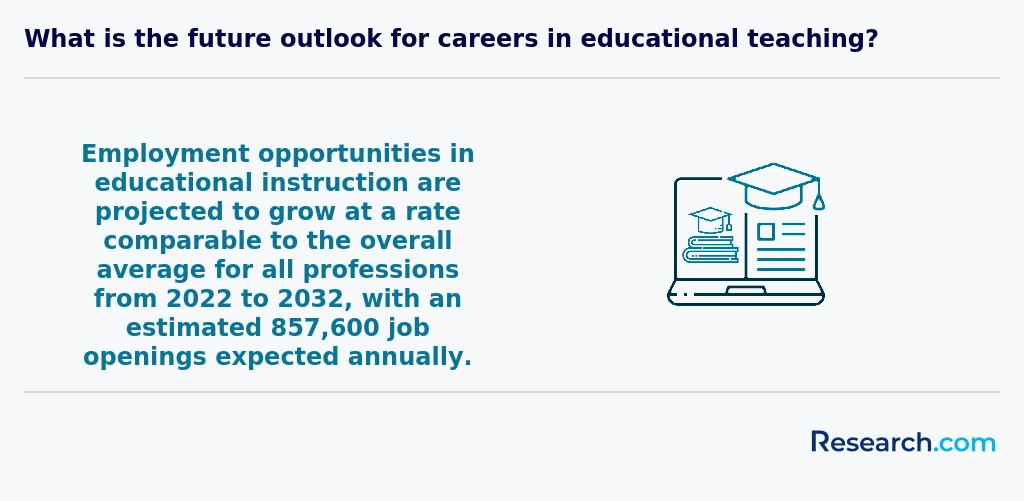
Online special education degree programs in North Dakota, such as those offered by prominent institutions like the University of North Dakota and North Dakota State University, feature a comprehensive curriculum designed to prepare educators for diverse classroom challenges. Typical courses focus on foundational knowledge including characteristics of learners with disabilities, instructional strategies, and assessment techniques tailored to individual needs.
Graduates often reflect on the practical value of courses such as Behavioral Interventions and Classroom Management, which equip them to handle real-life classroom dynamics effectively. Programs also emphasize Legal and Ethical Issues in Special Education, ensuring students master critical compliance areas like the Individuals with Disabilities Education Act (IDEA), a key part of state certification requirements.
Further coursework includes Assistive Technology in Special Education and Collaboration and Consultation in Education, helping students develop skills for teamwork with families and professionals. These courses combine theory with practicum experiences, enabling graduates to confidently support students' educational growth across varied settings.
Online special education degree programs in North Dakota commonly include specializations that address diverse student needs. Popular areas of focus are learning disabilities, autism spectrum disorder (ASD), emotional and behavioral disorders (EBD), early childhood special education, severe disabilities, and communication disorders. For instance, graduates from prominent institutions like the University of North Dakota highlight the practical training received in ASD, enabling them to implement effective behavior and social skills strategies. Another graduate from North Dakota State University praised the emphasis on tailored teaching techniques for students with learning disabilities, which built their confidence in classroom management. These specialization tracks reflect the state's growing demand for educators equipped to support unique learner challenges.
North Dakota's online special education degree specializations North Dakota offerings align well with employment growth trends and salary data, with average wages near $58,000 annually. Students often find accessible tuition at state schools, making specialization cost-effective. Those pursuing these programs also benefit from understanding how to get special education certification to maximize career readiness and local job market relevance.
Such targeted focuses within the special education program specialties North Dakota online promote graduates who feel confident and prepared to meet individual student needs while positively impacting educational outcomes in the region.
Choosing the best online special education degree North Dakota offers requires careful evaluation of accreditation and state licensure alignment. Graduates from local universities often praise programs accredited by the Council for the Accreditation of Educator Preparation, which directly support licensure requirements set by the North Dakota Education Standards and Practices Board. This ensures coursework and student teaching hours meet state mandates.
Affordability is a critical factor for many students. North Dakota's public institutions typically provide more affordable special education degrees compared to national averages, with annual tuition often below $7,000. Graduates appreciate the availability of in-state tuition discounts and scholarships, which significantly reduce financial strain while completing their studies.
Flexibility also matters, especially for working professionals balancing responsibilities. Online programs frequently offer asynchronous coursework paired with local practicum placements that satisfy hands-on teaching requirements. Alumni from various North Dakota colleges share positive experiences navigating these formats, describing them as empowering and well-structured.
Future job prospects influence choice as well; the state projects a steady 5% growth in special education teaching roles. Selecting a program with strong connections to regional schools can facilitate smoother job placement, helping graduates secure positions in the highly competitive market. For insight into the highest paying special education teaching jobs, students benefit from exploring related career data during decision-making.

Graduates with an online special education degree in North Dakota often become special education teachers, a profession in high demand due to the state's emphasis on individualized education programs and inclusive classrooms. Many graduates from popular universities report rewarding experiences working directly with students with diverse learning and physical challenges. The growing need in rural areas also opens opportunities for roles like behavior intervention specialists or educational diagnosticians, who assess and support students' learning needs.
Online special education careers North Dakota also include leadership positions such as special education coordinators or program administrators. These roles focus on managing services at the district level and ensuring adherence to IDEA regulations, an area where graduates find a strong sense of purpose. Some professionals pivot to become consultants or advocates, supporting families through complex legal and ethical education issues, thanks to training from online programs in the state.
Those exploring special education degree job opportunities ND appreciate that many North Dakota institutions provide affordable tuition and practical coursework. For more details on advancing in this field, graduates often review masters in special education usa to compare programs and outcomes.
- Special education teacher
- Behavior intervention specialist
- Educational diagnostician
- Special education coordinator/administrator
- Consultant or advocate for families
The job market for graduates with an online special education degree in North Dakota remains promising due to steady demand across public schools from early childhood to high school levels. Graduates from institutions such as the University of North Dakota or North Dakota State University often share that their online special education programs provided strong preparation for immediate employment, especially in rural areas where shortages are more acute. This means job seekers enjoy lower competition and increased chances of securing fulfilling teaching roles.
Employment prospects for special education degree employment prospects North Dakota are supported by the state's growing student population needing specialized instruction, alongside stable funding for special education. Average salaries around $55,000 align with national medians, reflecting a reliable income path.
Completing an online special education degree also helps meet North Dakota's licensure requirements, enabling graduates to efficiently enter the workforce. For those curious about the daily responsibilities in this field, learning more about special education roles can illuminate the meaningful impact teachers have in schools statewide.
2027 Most Valuable Online Special Education Degree Programs Ranking in North Dakota
Investing in your education is a significant decision that can shape your future, and the Research.com team understands the importance of making informed choices. To assist prospective students in North Dakota, we have meticulously created the "2027 Most Valuable Online Special Education Degree Programs Ranking in North Dakota." Our commitment to quality, credibility, and accuracy is demonstrated through thorough research and careful analysis in compiling this ranking.
We utilized the following reputable data sources to ensure a comprehensive evaluation of online special education degree programs:
By exploring this ranking, readers will gain valuable insights into the most valuable online special education degree programs in North Dakota, empowering them to make well-informed decisions about their educational and professional futures. For more details on our approach, please visit our Research.com methodology page.


Frequently Asked Questions About special education
To maximize their learning experience, online special education degree students in North Dakota should actively engage with course materials and instructors. Regular participation in virtual discussions and timely communication help build connections that support deeper understanding. Utilizing North Dakota's online library resources and subscribing to relevant education journals can enhance knowledge beyond the syllabus.
Hands-on practice through virtual simulations or local fieldwork is vital. North Dakota's Department of Public Instruction reports an increasing demand for special education professionals, highlighting the importance of real-world experience. Students should also seek peer study groups for collaborative learning and motivation.
Finally, staying informed about state licensure requirements via official North Dakota education websites ensures alignment between coursework and career goals.
Emerging niches in special education reflect the growing demand for specialized skills to support diverse learners. One important area is **assistive technology**, where educators learn to integrate devices and software that enhance learning for students with disabilities. This niche is expanding rapidly nationwide, including North Dakota, as technology becomes more accessible in classrooms.
Another growing field is **behavioral intervention**, focusing on strategies to assist students with emotional and behavioral disorders. Schools in North Dakota increasingly seek specialists in this area, responding to state reports highlighting behavioral challenges in special education populations.
Additionally, **early childhood special education** remains vital, as intervention at younger ages can improve long-term outcomes. North Dakota's universities offer online programs emphasizing evidence-based practices, preparing educators for this niche.
After completing an online special education degree in North Dakota, preparing for the job market involves several strategic steps. First, ensure you meet the North Dakota teaching license requirements by passing the Praxis Special Education exam and applying through the North Dakota Education Standards and Practices Board. Networking with local school districts is crucial, as North Dakota's Bureau of Labor Statistics projects steady demand for special education teachers through 2030.
Gaining classroom experience via student teaching or internships enhances employability. Also, consider joining professional organizations like the Council for Exceptional Children to access job listings and professional development. Staying informed about North Dakota's specific special education policies can give candidates an edge.
Employers in North Dakota seek special education degree graduates with strong communication and collaboration skills. These competencies are essential for working effectively with students, families, and multidisciplinary teams. According to the North Dakota Department of Public Instruction, knowledge of individualized education programs (IEPs) and behavior management strategies ranks highly among desired skills.
Graduates must also demonstrate adaptability and cultural competency to support diverse learners in inclusive classrooms. Data from the Bureau of Labor Statistics highlights that special education teachers in North Dakota benefit from proficiency in technology integration for remote and hybrid learning environments.
Critical thinking and problem-solving abilities are crucial to address the unique challenges faced by students with disabilities.
Finding internships in North Dakota related to a special education degree involves connecting with local school districts and educational organizations. The North Dakota Department of Public Instruction (ND DPI) offers resources and contacts that can help students locate special education internship opportunities within the state's public schools. Networking through university career centers, even when enrolled online, can also provide leads on available placements.
Many North Dakota schools participate in federally funded programs that require special education interns, offering practical classroom experience. According to ND DPI, special education services support about 14% of K-12 students statewide, creating ongoing demand for qualified educators.
Additionally, students should consider contacting early childhood centers and nonprofit agencies focused on disabilities, as these often collaborate with universities for internship programs.
An online special education degree in North Dakota significantly enhances career mobility and advancement opportunities. North Dakota requires special education teachers to hold state licensure, which can be earned through accredited online programs approved by the North Dakota Education Standards and Practices Board. Graduates with an online degree meet these requirements and qualify for positions in public and private schools.
The state's increasing focus on inclusive education has led to a projected growth of 5% in special education jobs through 2030, according to the Bureau of Labor Statistics. Additionally, teachers with advanced degrees or certifications often earn higher salaries and gain access to leadership roles, such as curriculum specialists or coordinators.
Online degrees also offer flexibility for current educators seeking career advancement without interrupting their employment, making it a practical pathway for professional growth within North Dakota's education system.
Studying for a special education degree online in North Dakota equips students with skills essential for interdisciplinary roles in education and related fields. Programs emphasize collaboration with professionals such as speech therapists, psychologists, and general educators. This approach aligns with the state's focus on inclusive education, supported by the North Dakota Department of Public Instruction, which promotes team-based strategies to meet diverse student needs.
Students learn to navigate Individualized Education Programs (IEPs) within multi-disciplinary teams, fostering communication and problem-solving skills valued across professions. Coursework often integrates behavior management, assessment techniques, and adaptive technologies.
According to recent data, North Dakota employs over 1,200 special education professionals, many working in collaborative environments. Online degrees prepare candidates for these roles by reflecting local employment trends and state standards.
When choosing between a thesis and a non-thesis special education degree program in North Dakota, consider your career goals and learning preferences. A thesis option requires original research and is well-suited for students aiming to work in academia or research roles.
Non-thesis programs focus more on practical skills and coursework, ideal for those pursuing teaching or administrative positions in schools. According to the North Dakota Department of Public Instruction, there is steady demand for special education teachers, highlighting the value of hands-on training.
Additionally, thesis programs often take longer to complete and demand strong writing skills, while non-thesis paths allow earlier entry into the workforce.
Students in North Dakota interested in studying special education abroad face several considerations, especially when opting for online degree programs. While North Dakota offers quality in-state options, pursuing a degree from an international institution typically requires careful attention to accreditation and transferability of credits.
Many U.S. universities have partnerships with foreign schools, enabling some courses abroad to count toward U.S.-based degrees. However, special education licensure in North Dakota, regulated by the Department of Public Instruction, generally requires completion of programs approved by the Council for Exceptional Children or similar U.S.-based standards.
Currently, there are no widely recognized online special education degrees offered directly by foreign institutions tailored for North Dakota licensure. Students should prioritize programs accredited by bodies recognized in the United States to ensure alignment with state certification requirements.
In North Dakota, part-time job opportunities that complement special education degree studies often involve direct interaction with children or adults who have disabilities. Positions such as teacher aides, paraprofessionals, or classroom assistants in public schools provide practical experience aligned with special education principles. According to the North Dakota Department of Public Instruction, more than 2,000 special education personnel are employed statewide, emphasizing the need for support roles.
Additionally, working with local organizations that serve individuals with developmental disabilities, like vocational programs or therapy centers, offers valuable hands-on experience. These roles help build skills in communication, behavioral support, and individualized instruction, which are crucial for special education careers.
Online special education students in North Dakota have access to several networking opportunities despite studying remotely. The state's education community encourages participation in professional organizations like the North Dakota Council for Exceptional Children (NDCEC), which hosts events and workshops providing valuable connections.
Most universities offering online special education degrees also promote virtual meetups, discussion groups, and mentorship programs linking students with experienced educators. These initiatives help build relationships with peers and professionals statewide.
Additionally, North Dakota's Department of Public Instruction collaborates with online programs, giving students chances to engage in statewide conferences focused on special education trends and policies.
Such networking resources can be crucial when seeking internships or employment in North Dakota's growing special education sector.
Alumni networks offer valuable support for online special education degree students in North Dakota by connecting them with experienced professionals in the field. These networks facilitate mentorship opportunities, which can be crucial given the state's demand for qualified special educators. According to the North Dakota Department of Public Instruction, the state has seen steady growth in special education needs, making such connections important for career advancement.
Members of alumni networks often share job openings and professional development resources specific to North Dakota's education system. This helps new graduates navigate the local job market and meet state licensing requirements efficiently.
Additionally, alumni groups frequently host virtual events and discussions, fostering peer support and continuous learning beyond graduation.
Customizing an online special education degree program in North Dakota allows students to align their education with specific career goals. Many North Dakota institutions offer elective courses and specialized tracks, such as autism spectrum disorders or behavioral intervention. Selecting relevant practicum or internship experiences is crucial, as they provide hands-on skills needed in diverse classroom settings. Additionally, students can choose courses that emphasize transition planning or early childhood special education, depending on their professional interests. According to the North Dakota Department of Public Instruction, the state has a growing demand for teachers proficient in managing various disabilities, highlighting the benefit of tailored training. This customization supports career advancement within North Dakota's educational system.
Online special education students in North Dakota often face challenges tied to both technology and practical experience. Reliable internet access can be limited in rural areas, affecting students' ability to participate in live lectures and submit assignments on time. According to the North Dakota Department of Public Instruction, about 30% of rural households have inconsistent broadband service.
Additionally, gaining hands-on experience is essential in special education programs. Many students struggle to find local placement sites that meet program requirements for practicum or student teaching, causing delays in graduation or certification.
Time management is another common challenge due to balancing coursework with teaching or personal responsibilities. Furthermore, some students report feeling isolated without direct face-to-face interaction with instructors and peers, which can impact motivation and engagement.
With an online special education degree in North Dakota, graduates can pursue professional certifications such as the North Dakota Teaching Certificate with a special education endorsement. This credential allows educators to teach K-12 students with disabilities. The North Dakota Education Standards and Practices Board (ESPB) oversees certification requirements, including completing a state-approved educator preparation program and passing required exams.
Many graduates also seek the National Board Certification for Exceptional Needs Specialist, a prestigious national credential that demonstrates advanced teaching skills in special education.
Additional certifications include paraprofessional licenses and endorsements in autism spectrum disorder or adaptive physical education, helpful for career advancement.
According to the North Dakota Department of Public Instruction, demand for certified special education teachers continues to grow due to increasing student needs.
To write a winning application for an online special education program in North Dakota, start by researching the specific program requirements of institutions approved by the North Dakota Education Standards and Practices Board (ESPB). Ensure you highlight relevant experience working with children or individuals with disabilities, as practical experience is highly valued. Include a well-crafted personal statement that explains your motivation and commitment to special education. North Dakota's demand for qualified special educators is growing, with the Bureau of Labor Statistics projecting a 7% increase in special education jobs by 2031. Provide official transcripts and letters of recommendation that speak to your educational and interpersonal skills. Demonstrating knowledge of North Dakota's diverse student population and state education standards can further strengthen your application.
Special education careers are valued globally for their critical role in supporting students with diverse learning needs. In the United States, including North Dakota, the demand for special education professionals is growing steadily, driven by increasing awareness and legal requirements to provide inclusive education. According to the U.S. Bureau of Labor Statistics, employment for special education teachers is projected to grow 8% from 2022 to 2032, faster than average for all occupations.
North Dakota, with its focus on rural and small community education, offers unique challenges and opportunities for special education teachers. The state supports online degree programs to help meet local demand, especially in remote areas.
Internationally, special education practices vary widely, but the U.S. system's emphasis on individualized education plans (IEPs) and federal funding through the Individuals with Disabilities Education Act (IDEA) is often seen as a model. For students in North Dakota considering online degrees, understanding these standards equips them to contribute both locally and in broader contexts where inclusive education principles are evolving.
Gaining practical experience while studying for an online special education degree in North Dakota is essential for licensure and skill development. Most programs require fulfilling student teaching or practicum hours in approved local schools. Since North Dakota mandates specific in-person fieldwork for teacher certification, online students must coordinate with nearby schools or districts to complete these hours.
The North Dakota Education Standards and Practices Board (ESPB) oversees these requirements, ensuring students engage in real classroom settings with students who have diverse learning needs. Partnerships between online programs and local districts often facilitate placements.
Additionally, volunteering or working as teacher aides in special education settings can provide extra experience and networking opportunities. This hands-on involvement complements coursework and improves employment prospects in the state's growing special education field.
Choosing the right concentration within an online special education degree program in North Dakota depends largely on your career goals and the needs of the state's student population. North Dakota's Department of Public Instruction highlights increasing demand for teachers skilled in autism spectrum disorders and behavior intervention. Concentrations focusing on these areas may offer strong job prospects.
Consider also your personal interests and strengths, such as working with early childhood, learning disabilities, or emotional and behavioral disorders. Accredited programs often align concentrations with state licensure requirements, which in North Dakota include specialized endorsements.
Research program curriculum and outcomes to ensure alignment with North Dakota's teaching standards and labor market data. Utilizing state education resources will help you make an informed decision suited to local demands.
- 2027 Most Valuable Online Special Education Degree Programs Ranking in Minnesota
- 2027 Most Valuable Online Special Education Degree Programs Ranking in Wisconsin
- 2027 Most Valuable Online Special Education Degree Programs Ranking in Colorado
- 2027 Most Valuable Online Special Education Degree Programs Ranking in Kansas
- 2027 Most Valuable Online Special Education Degree Programs Ranking in Missouri
- 2027 Most Valuable Online Special Education Degree Programs Ranking in Indiana
- 2027 Most Valuable Online Special Education Degree Programs Ranking in Michigan
- 2027 Most Valuable Online Special Education Degree Programs Ranking in Kentucky
- 2027 Most Valuable Online Special Education Degree Programs Ranking in Ohio
- 2027 Most Valuable Online Special Education Degree Programs Ranking in Texas
- Special Education Teacher Salary & Requirements by State - https://www.naset.com/professional-resources/special-education-teacher-requirements-salaries-and-resources-complete-state-by-state-guide/
- Special Education Teacher | Inclusive Education Jobs https://jobsineducation.com/categories/special-education-teacher-jobs/
- B.S.Ed. in Special Education https://mayvillestate.edu/msu-online/programs/bsed-special-education/
- Special Education https://www.nd.gov/dpi/education-programs/special-education
- Networking Events for Professionals with Disabilities https://www.specialneeds.com/articles/career/finding-jobs/networking-events-for-professionals-with-disabilities-finding-accessible-opportunities/
- Become A Special Education Teacher in North Dakota https://www.americanboard.org/blog/become-a-special-education-teacher-in-north-dakota/
- 22 Great Special Needs Groups on LinkedIn https://www.friendshipcircle.org/blog/2014/02/19/22-linkedin-groups-dedicated-to-special-needs
- Collective Approach to Special Education https://ndunited.org/news-media-center/united-voices/all-news-articles/collective-approach-special-education
- Special Education Courses Online | Salary, Career & ... https://www.apteachertraininginstitute.com/blog/special-education-teacher-salary-career-paths-online-training-investement/
- Best Special Education and Teaching Institutions in North ... https://clema.ai/north-dakota/special-education-and-teaching