
2027 Most Popular Psychology Degree Programs Ranking in Madison

Co-Founder and Chief Data Scientist
Choosing the right psychology degree program can shape your future in meaningful ways. If you're considering studying psychology in Madison, this article offers valuable insights to guide your decision.
Featuring the 2027 Most Popular Psychology Degree Programs Ranking in Madison, created by the Research.com team of data scientists, the ranking helps identify programs that stand out based on thorough data analysis.
Reading this will empower you to find a program that fits your goals, opening doors to rewarding careers and personal growth in the field of psychology.
Key benefits of getting psychology degree in Madison
- Salary benefits: Graduates with a psychology degree in Madison can expect competitive salaries, such as a Marketing Research Analyst earning around $83,190 annually or a Human Resources Specialist making $76,060 per year.
- Career paths: Psychology graduates from local universities can explore diverse roles like Clinical Research Associate or Survey Researcher, offering meaningful work with an average wage near $62,370.
- Online degree advantages: Earning a psychology degree online from a reputable Madison college provides flexibility and access to quality education, helping students balance life and study while stepping confidently into rewarding careers.
- 2027 Most Popular Psychology Degree Programs Ranking in Madison
- What can I expect from psychology degree in Madison?
- Where can I work with psychology degree in Madison?
What can I expect from psychology degree in Madison?
The average cost of pursuing a psychology degree in Madison, particularly at the University of Wisconsin-Madison, tends to be quite reasonable for in-state students. Many graduates recall that tuition for public universities here is competitive, often making it easier to manage financial stress while focusing on studies. Out-of-state students can expect higher tuition, but financial aid options and scholarships frequently alleviate the burden, allowing students to pursue their passion without overwhelming debt.
Graduates often reflect on how affordable tuition combined with rich research opportunities created a balanced experience where learning and practical application went hand in hand. For example, students described accessing advanced labs and community internships without worrying excessively about costs, which fostered confidence and a stronger connection to the field.
Living in Madison also played a role in keeping expenses manageable due to relatively moderate housing and transportation costs. These factors together help psychology students devote energy to coursework, research, and clinical practice, key elements for a successful career in psychology.
Where can I work with psychology degree in Madison?
Graduates with a psychology degree in Madison often find themselves stepping into diverse and meaningful roles across the city's vibrant sectors. Many draw on their education from institutions like the University of Wisconsin-Madison to pursue careers in healthcare, where they work as clinical psychologists or behavioral health specialists within hospitals and clinics that serve the community.
Others find fulfillment in educational settings, joining the Madison Metropolitan School District as school psychologists or counselors. Here, they make a real difference by supporting students' mental health and development, an increasingly vital focus within local schools.
Research opportunities also attract graduates eager to engage in scientific inquiry at UW-Madison's renowned psychology department, gaining experience as lab managers or research assistants. This path opens doors to academic careers and advanced study.
Beyond these, many use their psychology skills in social services, nonprofit roles, or corporate environments emphasizing organizational behavior, reflecting Madison's broadening market for psychological expertise. Such careers bring both challenge and reward, allowing graduates to contribute positively to the wellbeing of their community.
Graduates holding a psychology degree from institutions such as the University of Wisconsin-Madison often find their earnings closely tied to the specific roles they pursue within the broad field. Entry-level positions, like behavioral health technicians or case managers, may start around $40,000 to $55,000 annually, reflecting local demand and entry qualifications.
With additional certification or a master's degree, many graduates transition to jobs such as clinical research associates or licensed counselors, where salaries typically fall between $55,000 and $75,000. For instance, clinical research associates in the Madison area earn a mean wage near $62,370 per year, offering a rewarding balance of intellectual challenge and financial stability.
Some psychology graduates also venture into related fields like human resources or marketing research, leveraging analytical skills gained from their studies. Madison-based human resources specialists average $76,060 annually, while marketing research analysts earn about $83,190. These careers provide positive growth and the chance to apply psychology in practical, impactful ways.
Many graduates cherish how their roles allow personal connection and community contribution, often inspired by experiences during their time at local universities. The evolving job market in Madison offers hopeful prospects for dedicated psychology graduates eager to make a tangible difference.
- The University of Wisconsin-Madison offers both undergraduate and graduate psychology degrees with strong education and research opportunities.
- Annual tuition at public universities like UW-Madison is about $10,900 for in-state students and $38,600 for out-of-state students.
- Entry-level psychology graduates in Madison earn around $45,000 per year, with mid-career salaries averaging $70,000 annually.
- Popular career paths include clinical psychology, counseling, social services, and research, supported by local healthcare, education, and government employers.
- Internships and research opportunities are emphasized in Madison programs to enhance job readiness and networking.
- Licensure in Wisconsin requires an accredited degree, supervised internship, and passing state exams for clinical and counseling roles.
Completing a psychology degree in Madison often begins with a four-year journey for undergraduates, typically at the University of Wisconsin-Madison. Many graduates fondly recall the vibrant campus life balanced alongside rigorous coursework that fits this national average timeframe. The sense of accomplishment after those foundational years is unmistakably rewarding.
Advancing to a Master's degree usually demands two more years of focused study. Many graduates remember the challenge of balancing practicum work with research projects, especially in UW-Madison's programs where hands-on experience enriches learning. This phase often teaches flexibility and deepens passion for psychology.
Doctoral candidates in Madison face a longer commitment, often 5 to 7 years, encompassing coursework, clinical training, and dissertation research. Graduates reflect on this period as both intense and transformative, where persistent dedication turns theory into practice. The process, though demanding, fosters a profound sense of professional identity and readiness.
Choosing full-time enrollment or exploring accelerated paths can influence these timelines, allowing students to tailor their journey to fit personal goals and life circumstances.
When considering a psychology degree in Madison, NJ, one of the most crucial decisions is choosing the right program that aligns with your interests, career goals, and financial situation. This involves researching various factors, including program accreditation, curriculum, faculty expertise, and available specializations. For those interested in exploring different options, visiting our website at popular psychology programs can provide valuable insights into the most popular and highly-regarded programs in the area. By taking the time to evaluate these aspects, prospective students can make an informed decision that sets them on the path to a successful and fulfilling career in psychology.
The core difference between online and on-campus psychology degrees in Madison lies in the nature of engagement and experience. Graduates from the University of Wisconsin-Madison often recall how the traditional campus setting enriched their learning through face-to-face interactions with professors and peers, hands-on research in well-equipped labs, and seamless access to local internships. This environment fosters strong connections, making the learning process feel immersive and supportive.
Conversely, alumni of rigorous online programs appreciate the flexibility to balance studies with work or family life, a crucial benefit for many adult learners in Madison. Though they study digitally, these students occasionally visit campus for essential practicums, ensuring practical skills are not overlooked. Some express how the convenience of studying from home, without commuting costs, balances out the occasional challenge of reduced spontaneous interaction.
Ultimately, those who thrive on community engagement and direct mentorship often prefer on-campus programs, while others value the autonomy and adaptability of online learning, demonstrating the unique merits each path offers within Madison's psychology education landscape.
Obtaining a psychology degree in Madison, NJ is only the first step toward becoming a licensed practitioner; graduates must also navigate state-specific licensure requirements to deliver professional services legally. In New Jersey, aspiring psychologists generally pursue a doctoral-level credential (PhD or PsyD) accredited by the American Psychological Association (APA), complete at least 1,750 hours of supervised clinical experience, and pass the Examination for Professional Practice in Psychology (EPPP). Candidates should also clear the New Jersey Jurisprudence Examination, which tests knowledge of state laws and ethical standards. For those aiming to work as a Licensed Professional Counselor (LPC) rather than a psychologist, a master’s degree in counseling or psychology is required, followed by 3,000 hours of supervised post-master’s clinical experience and passage of the National Counselor Examination (NCE). Both psychologist and LPC applicants submit their credentials to the New Jersey Board of Psychological Examiners, paying application fees and providing official transcripts, supervisor evaluations, and criminal background checks. Graduates can often complete supervised hours through internships at local mental health clinics, university counseling centers, or community hospitals-opportunities frequently arranged by institutions like Fairleigh Dickinson University and Drew University. Proactively tracking licensure requirements during coursework ensures seamless transition from student to licensed professional. Even for those exploring alternative entry points into counseling, resources on how to become a therapist without degree can offer valuable guidance on certification as life coaches, peer counselors, or behavioral health technicians while completing formal education. Understanding licensing pathways early not only enhances your career prospects in Madison’s vibrant mental health community but also ensures compliance with the highest standards of client care and professional ethics.
The average cost of a psychology degree in Madison reflects a balance between public university affordability and the higher tuition typical of private institutions. For many students pursuing this path at the University of Wisconsin-Madison, tuition and fees amount to a median total cost around $38,000 for in-state residents. This figure allows students to focus on their passion for psychology without the overwhelming burden of exorbitant debt, a reality often shared by graduates who recall feeling both challenged and energized by their academic journey. Out-of-state students generally face higher costs, but they too find the experience rewarding, often supported by scholarships or assistantships that ease financial pressures.
Graduates from psychology programs in Madison often emphasize the importance of planning for additional expenses beyond tuition, such as books, housing, and specialized course fees. Careful budgeting becomes crucial in navigating these costs over a typical four-year undergraduate program. Reflecting on their studies, many students mention how local resources and the vibrant campus community at UW-Madison helped them thrive, making the investment feel worthwhile. For those seeking advice on managing both the educational rigors and associated expenses, tapping into available guidance like LPC interview tips can be invaluable.
Understanding the average cost of psychology degree in Madison helps prospective students set realistic expectations. Whether attending large universities or smaller colleges, the essence remains: a meaningful education in psychology requires financial commitment but promises personal growth and professional opportunity as a worthy return.

Psychology degrees in Madison, NJ, should be regionally accredited and APA-approved to qualify for state licensure. Key steps to become a licensed psychologist in New Jersey:
- Earn an APA-accredited doctoral degree (PsyD or PhD).
- Complete at least 2,000 hours of supervised professional experience.
- Pass the Examination for Professional Practice in Psychology (EPPP).
- Fulfill the New Jersey jurisprudence exam and submit an application to the Board of Psychological Examiners.
Many students choose an online psychology degree program that meets these accreditation standards while offering flexibility. After licensure, psychologists must complete continuing education credits to maintain their credential.
Many Madison psychology students find that federal financial aid is a cornerstone of managing costs. Completing the FAFSA unlocks access to resources like Federal Pell Grants, which offer up to $7,395 without any repayment, easing the burden significantly. Graduates from UW-Madison often recall how subsidized and unsubsidized loans provided them the flexibility to focus on studies while covering tuition and daily expenses.
Work-Study programs frequently enable students to gain valuable experience while defraying costs, creating a practical balance between education and employment. Institutional scholarships at UW-Madison and other local colleges are often awarded to those demonstrating merit or community involvement, which many psychology majors have found both motivating and rewarding.
State aid, like the Wisconsin Higher Education Grant, frequently reduces tuition by as much as $3,200 annually for eligible residents. This layered approach of federal, state, and institutional funding creates a network of support that countless Madison students have relied on throughout their psychology journeys.
Additionally, scholarships from organizations such as the APA provide specialized funding, encouraging a diverse and committed cohort of psychology students across Madison's campuses.
Graduates pursuing a psychology degree in Madison, NJ, should consider the essential next steps that extend beyond academic coursework. Achieving professional licensure and certification is critical for those planning to practice clinically, as these credentials not only validate expertise but also significantly enhance career prospects. Prospective students should explore the state-specific requirements for licensure-including supervised clinical hours, examinations, and continuing education-ensuring that the program they choose meets the high standards set by regulatory boards. Additionally, for those aiming to accelerate their careers through advanced practice, researching specialized options such as doctoral degrees in psychology or psyd programs online can open doors to leadership roles and innovative research opportunities. Staying informed about industry trends, networking with licensed professionals, and engaging in ongoing professional development are key strategies for long-term success in this evolving field.
Enrolling in a psychology degree in Madison typically requires more than just meeting basic academic criteria; it demands a genuine commitment and preparation. Graduates from the University of Wisconsin-Madison often reflect on how maintaining a GPA above 3.0 during high school, paired with solid scores in biology and social sciences, gave them a confident edge during admissions. Many found that clear, heartfelt personal statements expressing their passion for understanding human behavior were invaluable, allowing their unique perspectives to shine beyond numbers.
For those moving into graduate programs, prerequisites deepen. A bachelor's degree in psychology or related fields, with coursework in statistics and research methods, is commonly expected. Several alumni emphasize the importance of prior research experiences, which not only bolster applications but also build skills essential for success.
These requirements, along with a competitive academic record, prepare students to thrive in Madison's vibrant psychology community, where critical thinking and ethical awareness are as crucial as grades.

Graduates planning to practice clinically in Madison must follow New Jersey’s licensure steps:
- Complete an APA-accredited graduate degree in psychology.
- Accrue at least 3,500 hours of supervised professional experience.
- Pass the Examination for Professional Practice in Psychology (EPPP) and the New Jersey jurisprudence exam.
- Submit a licensure application to the NJ Board of Psychological Examiners and pay applicable fees.
- Maintain licensure with 20 continuing education units every two years.
For a cost-effective path to meet educational requirements, explore the cheapest online psychology degree.
Psychology students in Madison, particularly those at the University of Wisconsin-Madison, often find themselves immersed in a carefully structured curriculum that balances theory and application. Many graduates recall how foundational courses like Introduction to Psychology opened their eyes to the vast landscape of human behavior, setting the stage for more in-depth study.
Classes such as Research Methods in Psychology proved invaluable, offering hands-on experiences with experimental design and data analysis that felt both challenging and rewarding. A deep dive into Biological Psychology brought to life the connection between brain function and behavior, often making classroom theories resonate during real-world observations.
Courses like Cognitive and Developmental Psychology helped students understand memory, learning, and growth across the lifespan, nurturing a sense of empathy and curiosity. Social Psychology classes frequently sparked lively discussions about human interactions, something many graduates regard as directly applicable to everyday life.
Beyond the essentials, specialized courses like Abnormal or Clinical Psychology gave students insight into mental health challenges, often inspiring them with the potential to make meaningful contributions to their communities in Madison and beyond.

In Madison, psychology degree specializations offer students a rich variety of paths to match their passions and career goals. Graduates from the University of Wisconsin-Madison often reflect on how focusing on Clinical Psychology equipped them with practical skills in diagnosing and treating mental health conditions, preparing them to make meaningful impacts in real-world therapy settings. Others who pursued Cognitive Psychology appreciated diving into mental processes like memory and problem-solving, inspired by cutting-edge research happening right on campus.
Madison psychology programs with specialization options extend beyond the main university, with other local colleges providing minors or certificates that allow students to deepen expertise in areas such as Developmental Psychology, Social Psychology, and Industrial-Organizational Psychology. These options enable learners to tailor their education to their individual interests and future career landscapes.
Many students also value the opportunity to combine their psychology major with additional qualifications-some explore an online substance abuse counseling degree affordability certification, seeing it as a vital complement to clinical training. This flexibility and breadth of specializations make pursuing a psychology degree in Madison especially rewarding for those eager to engage with both theory and applied practice.
Choosing the best psychology degree in Madison means looking closely at the program's accreditation and how well it prepares you for real-world success. Graduates from the University of Wisconsin-Madison often share how their rigorous coursework and access to leading faculty fueled their passion and opened doors to fulfilling careers. These students found that programs offering diverse specializations-like clinical or cognitive psychology-helped them tailor their education to their strengths and interests, making the journey more engaging and meaningful.
Affordability is another key factor. Many appreciate that Madison provides options for affordable psychology programs Madison students can realistically pursue, especially when combined with scholarships or assistantships. Hearing from former students about balancing tuition costs with financial aid adds a reassuring sense of confidence when selecting a program.
Thinking ahead, it's wise to consider licensure requirements early. Those interested in counseling professions often explore virginia lpc licensure coursework and similar paths to ensure their degree aligns with future goals. Flexibility in course delivery, including part-time and online options, allows many to manage studies alongside personal commitments while staying connected to Madison's vibrant academic community.
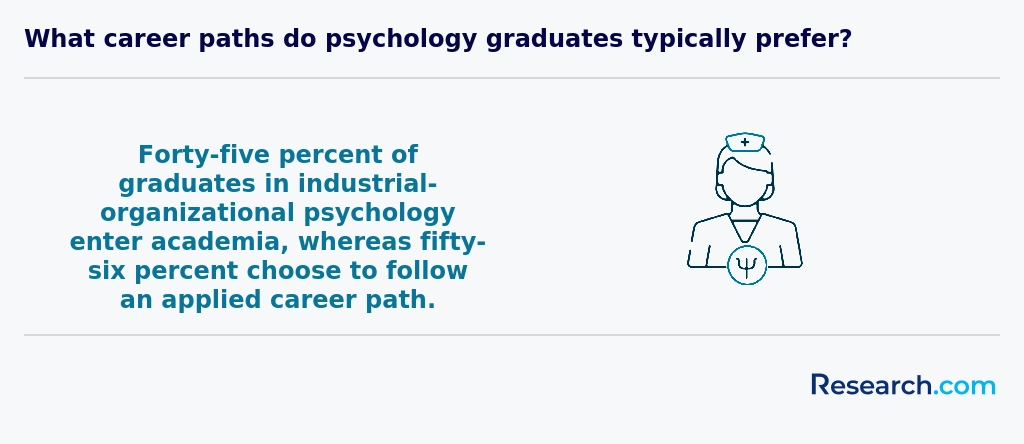
Graduates with a psychology degree in Madison often find themselves drawn to diverse career opportunities that reflect the region's strong academic and health care presence. Many pursue clinical roles as licensed psychologists or counselors, a path requiring advanced degrees and licensure in Wisconsin. For instance, graduates from the University of Wisconsin-Madison frequently share how their internships in local hospitals and community centers enriched their clinical skills and confidence.
Others lean into education-focused careers, becoming school psychologists or educational counselors. These roles provide fulfilling daily experiences collaborating with teachers and families, supporting student growth in rewarding ways. Such career options with psychology degree Madison graduates praise emphasize the vital impact they can have in schools.
Many are also inspired by Madison's research environment, engaging in roles as assistants or coordinators within the university's vibrant psychology programs. Entry-level positions here offer solid footing, sparking excitement among new graduates eager to contribute to advancing knowledge.
For those interested in the corporate world, opportunities abound as industrial-organizational psychologist jobs become increasingly available, applying psychology to enhance workplace well-being and productivity.
Overall, these psychology degree job opportunities in Madison reflect a community rich with support and inspiring potential for graduates ready to shape their futures.

The job market for psychology degree holders in Madison remains vibrant, supported by strong ties between popular universities like the University of Wisconsin-Madison and local employers. Graduates often share experiences of finding meaningful work in hospitals, schools, and nonprofits, where their training directly meets community needs. For those exploring psychology degree job opportunities in Madison, the steady growth in healthcare and social services spells expanding chances for career advancement and specialization.
Many alumni appreciate how practical internships and research projects enhance their readiness for roles such as mental health counselors or behavioral specialists. The Wisconsin Department of Workforce Development forecasts a higher-than-average 12% growth in demand for these professionals, which encourages students to pursue further certifications or graduate study. Salaries here feel rewarding - with average earnings near $85,000 annually for psychologists-making the effort worthwhile.
Students considering their academic path often look at cost alongside outcomes. The University's tuition rates and the available support networks reinforce a balanced investment. To deepen your understanding of available study routes, explore the popular psychology programs linked to successful career growth in the region, illuminating the Madison psychology graduate career outlook.
2027 Most Popular Psychology Degree Programs Ranking in Madison
Investing in your education is a significant decision that can shape your future, and the Research.com team understands the importance of making informed choices. To assist prospective students in Madison, we have meticulously crafted the "2027 Most Popular Psychology Degree Programs Ranking in Madison." Our commitment to quality, credibility, and accuracy is reflected in the extensive research and analysis conducted to compile this ranking.
We utilized the following reputable data sources to ensure a comprehensive evaluation of psychology degree programs:
By exploring this ranking, readers will gain valuable insights into the most popular psychology programs offered in Madison, enabling them to make confident and informed decisions about their educational paths. For more details on our methodology, please visit our Research.com methodology page.
# 1 position
Fairleigh Dickinson University-Florham Campus
Master of Science in Psychology

# 2 position
Fairleigh Dickinson University-Florham Campus
Bachelor of Artschelor of Arts in Psychology

Frequently Asked Questions About psychology
Psychology degree students in Madison can enhance their learning by actively engaging in both classroom instruction and local research opportunities. The University of Wisconsin-Madison, a leading institution in psychology, offers access to renowned faculty and numerous labs focused on cognitive, clinical, and developmental psychology. According to the university's 2023 data, over 70% of psychology undergraduates participate in research projects, which greatly improves critical thinking and practical skills.
Joining psychology-related student organizations and attending community mental health events in Madison encourages network building and real-world exposure. Utilizing campus resources, such as writing centers and tutoring, supports academic success. Lastly, seeking internships with local clinics or counseling centers provides vital hands-on experience that complements theoretical knowledge.
The field of psychology is evolving rapidly, with new specialties gaining attention among students in Madison. One emerging niche is neuropsychology, which explores the relationship between brain function and behavior. This specialty benefits from advanced research facilities at the University of Wisconsin-Madison.
Another growing area is health psychology, focusing on how mental health affects physical wellness. Given increasing healthcare integration in Wisconsin, this field offers promising career options. Additionally, industrial-organizational psychology is expanding, as businesses seek experts to improve workplace productivity and employee well-being.
These niches reflect broader trends identified by the American Psychological Association, showing strong job growth projections by 2030.
Preparing for the job market after earning a psychology degree in Madison involves building practical skills and gaining relevant experience. Many graduates find internships or volunteer positions in local clinics, schools, or research centers to enhance their resumes. The University of Wisconsin-Madison and nearby institutions often offer career services that connect students with employers in psychology-related fields.
Networking is crucial in Madison's competitive job market. Attending local psychology association meetings or workshops can provide valuable contacts. According to the U.S. Bureau of Labor Statistics, psychology-related jobs in Wisconsin are projected to grow 8% through 2031.
Additionally, obtaining certification or licensure is necessary for counseling or clinical roles, so planning for graduate education or exam preparation is important.
Employers in Madison value psychology graduates who possess strong critical thinking and analytical skills. These abilities allow graduates to interpret research data and apply psychological theories effectively in real-world situations. Communication skills are equally essential, as professionals must clearly convey complex ideas to clients and colleagues.
Additionally, ethical judgment and cultural competence are highly regarded, reflecting the diverse population in Madison. According to the Wisconsin Department of Workforce Development, demand for behavioral health specialists is expected to grow by 12% through 2030, emphasizing the need for adaptable and well-rounded professionals.
Research proficiency and technological literacy, including familiarity with statistical software, also increase employability in this field.
Finding internships in Madison relevant to a psychology degree involves multiple strategies. Many universities in Madison, such as the University of Wisconsin-Madison, offer internship placement services through their psychology departments. Students should start by consulting academic advisors and career centers, which maintain connections with local mental health clinics, hospitals, and research institutions.
Additionally, Madison hosts several organizations like the Madison Behavioral Health Clinic and the UW Psychological Services Clinic, which often provide internship opportunities. Online job boards specific to Madison's higher education and healthcare sectors can also be useful. Networking through professors and attending psychology-related events further increases chances of securing relevant internships.
According to the Wisconsin Department of Workforce Development, psychology-related internships in Madison have grown by 12% over the last five years, reflecting a strong local demand for trained practitioners and researchers.
A psychology degree in Madison significantly supports career mobility and advancement. Graduates often find opportunities in diverse fields such as healthcare, education, social services, and business. According to the U.S. Bureau of Labor Statistics, employment for psychologists in the Madison area is projected to grow by 10% through 2030, faster than the national average.
Local employers value the analytical and interpersonal skills gained from psychology programs at University of Wisconsin-Madison and other institutions. These skills enhance eligibility for supervisory roles and specialized positions in mental health clinics or human resources departments.
Additionally, internships and research partnerships offered locally provide practical experience, boosting employability and potential salary increases. A report from the Wisconsin Department of Workforce Development highlights that Madison's psychology graduates earn 15% higher starting salaries compared to state averages.
Studying for a psychology degree in Madison equips students with skills that are highly valued in interdisciplinary roles. Many local universities, including the University of Wisconsin-Madison, offer programs that integrate psychology with fields like neuroscience, education, and social work. This approach helps students develop a broad understanding of human behavior while gaining knowledge in related disciplines.
Students engage in research projects and internships that often involve collaboration with healthcare, business, and technology sectors. According to UW-Madison's Psychology Department, nearly 60% of graduates pursue careers requiring interdisciplinary expertise.
This training prepares students for diverse roles in areas such as counseling, public health, and organizational management.
When choosing between a thesis and a non-thesis psychology degree program in Madison, students should consider their academic and career goals. Thesis programs typically require original research culminating in a written dissertation, ideal for those planning to pursue a PhD or research careers. Non-thesis programs focus on coursework and practical experience, suited for students aiming for professional practice or roles in applied psychology fields.
According to the University of Wisconsin-Madison, about 40% of master's psychology students choose thesis tracks, reflecting strong research emphasis locally. Thesis students often gain skills in data analysis and scientific writing, while non-thesis students may engage in internships or capstone projects.
Cost and time commitment also differ: thesis programs can extend study duration by one year on average due to research demands. Evaluating program faculty expertise, available resources, and personal interests is crucial when making this decision.
Students in Madison interested in studying psychology abroad can explore several options through their local universities. The University of Wisconsin-Madison, a leading institution, offers exchange programs and study abroad opportunities in partnership with dozens of universities worldwide. These programs allow psychology students to take courses overseas while earning credits that count toward their UW degree.
Additionally, students may access summer research internships or international fieldwork experiences, enhancing practical knowledge in diverse cultural settings. According to UW-Madison's study abroad office, about 15% of psychology undergraduates participate in some form of international study before graduation.
Beyond UW campuses, Madison students often utilize national platforms like the EducationUSA network for guidance on study abroad programs tailored to psychology degrees offered in accredited global institutions.
Students pursuing psychology degrees in Madison have several valuable part-time job opportunities that complement their academic work. Working as a research assistant at institutions like the University of Wisconsin-Madison provides hands-on experience with psychological studies and data analysis. According to the university's research office, approximately 30% of psychology students engage in these roles annually.
Additionally, part-time roles in mental health support, such as behavioral technician positions within local clinics, offer practical exposure to clinical applications. Madison's growing focus on community mental health services creates openings in nonprofits and counseling centers. These jobs develop essential communication and observational skills relevant to psychology careers.
Other options include tutoring psychology or related subjects and volunteering in peer support programs, which strengthen interpersonal and academic skills. These opportunities help integrate classroom knowledge with real-world psychological practice.
Psychology students in Madison benefit from numerous networking opportunities through local universities and professional organizations. The University of Wisconsin-Madison, the largest higher education institution in the city, hosts psychology-focused events and research symposia, connecting students with faculty and visiting experts.
Students can also join the Madison Psychological Association, which offers workshops, lectures, and social events tailored to psychology professionals and students. These gatherings provide valuable chances to meet clinicians, researchers, and potential employers.
Additionally, Madison's proximity to various hospitals and counseling centers allows students to engage in internships and volunteer roles. These experiences not only build practical skills but also expand professional networks critical for future careers in psychology.
Alumni networks play a significant role for psychology degree students in Madison by providing valuable professional connections. Graduates gain access to a community of experienced individuals working across clinical, counseling, and research settings in Wisconsin and beyond. According to the University of Wisconsin-Madison's Career Services, nearly 70% of recent psychology graduates found internships or jobs through alumni referrals.
These networks often organize events, workshops, and mentorship programs tailored to psychology students, enhancing career development and practical learning. Additionally, alumni connections can help students navigate licensure requirements and offer guidance on advanced degree opportunities, which are essential in many psychology careers.
Engaging with an active alumni community can also expose students to emerging trends and research opportunities, helping them stay informed and competitive in local job markets.
Customizing a psychology degree program in Madison allows students to align their education with specific career goals. Many local universities offer elective courses in areas such as clinical psychology, counseling, or industrial-organizational psychology, enabling students to focus on their interests. Students can also pursue internships or research projects related to Madison's diverse community, gaining practical experience. According to the University of Wisconsin-Madison, nearly 60% of psychology undergraduates participate in research or fieldwork, enhancing career readiness. Additionally, graduate programs often provide specialized tracks, supporting goals in therapy, education, or forensic psychology. Exploring these options early helps tailor your education effectively.
Psychology students in Madison often face the challenge of balancing rigorous coursework with practical experience. The University of Wisconsin-Madison, a leading institution in the area, emphasizes research and clinical skills, which require significant time commitment. According to the university's psychology department, students spend over 15 hours weekly in labs or internships in addition to classwork.
Another common difficulty is mental health management. Studies show that graduate students in psychology face increased stress due to intense study demands and emotional exposure to clients' issues. Access to campus mental health services can be limited during peak periods.
Finally, competition for research positions and funding is strong. With limited spots available, securing a role in prominent projects requires strong academic performance and networking. This pressure can be daunting for many students early in their programs.
With a psychology degree in Madison, graduates can pursue several professional certifications to enhance their careers. Common options include becoming a Licensed Professional Counselor (LPC) or a Licensed Clinical Social Worker (LCSW), both requiring graduate study and supervised experience. Additionally, the Certified Alcohol and Drug Counselor (CADC) credential is popular for those interested in addiction treatment. Madison professionals may also seek certification as a Board Certified Behavior Analyst (BCBA), especially given local demand in applied behavior analysis. The Wisconsin Department of Safety and Professional Services provides specific licensure requirements, which often include exams and post-degree clinical hours.
Applying to psychology programs in Madison requires a clear, well-structured approach. First, focus on your academic strengths; competitive applicants often have a GPA above 3.5, with strong coursework in psychology and statistics. Madison schools like the University of Wisconsin emphasize research experience, so highlight any internships or projects.
Personal statements should convey your passion for psychology and specify why Madison's program fits your goals. Tailor your essay to reflect knowledge of faculty interests or local community psychology initiatives. Letters of recommendation preferably come from professors familiar with your research abilities.
Finally, meet all deadlines precisely and prepare for any required standardized tests like the GRE, although this varies by school. Following these steps improves your chances of acceptance.
The field of psychology offers diverse opportunities worldwide, with many countries emphasizing research, clinical practice, and applied psychology. In the United States, including Madison, psychology careers benefit from strong university programs and a growing demand for mental health professionals. According to the U.S. Bureau of Labor Statistics, psychology-related jobs are expected to grow by 8% from 2021 to 2031, faster than average for all occupations.
Globally, psychologists often require advanced degrees, such as a master's or doctorate, to practice clinically or conduct research. In Madison, the University of Wisconsin-Madison is a notable institution providing highly ranked psychology programs that align with international standards.
Many countries focus on cultural competence and ethical training to address diverse populations. U.S. students trained in Madison are well-positioned to engage in global psychology networks due to the city's research output and professional opportunities.
Gaining practical experience while studying psychology in Madison is vital for career readiness. Many local universities, such as the University of Wisconsin-Madison, offer internships and research assistant positions that allow students to work directly with faculty on ongoing studies. These opportunities provide hands-on skills in data collection, analysis, and client interaction.
Students can also volunteer at community mental health centers or hospitals in Madison, gaining exposure to clinical environments. Additionally, campus counseling centers sometimes offer practicum placements for undergraduates and graduates. According to the UW-Madison Psychology Department, over 60% of students participate in experiential learning before graduation, enhancing employability.
Choosing the right concentration within a psychology degree program in Madison depends on your career goals and interests. Psychology offers various specializations such as clinical, counseling, developmental, or industrial-organizational psychology. Understanding which area aligns with your strengths and desired work setting is essential.
Madison's universities, including the University of Wisconsin-Madison, provide diverse psychology tracks with extensive research and internship opportunities. According to the Bureau of Labor Statistics, industrial-organizational psychology is among the fastest-growing fields, which may influence your decision.
Additionally, consider faculty expertise, local mental health service needs, and available practicum placements when selecting your concentration.
- 2027 Most Popular Psychology Degree Programs Ranking in New York
- 2027 Most Popular Psychology Degree Programs Ranking in Bronx
- 2027 Most Popular Psychology Degree Programs Ranking in Queens
- 2027 Most Popular Psychology Degree Programs Ranking in Albany
- 2027 Most Popular Psychology Degree Programs Ranking in Amherst
- 2027 Most Popular Psychology Degree Programs Ranking in Worcester
- 2027 Most Popular Psychology Degree Programs Ranking in Boston
- 2027 Most Popular Psychology Degree Programs Ranking in Rochester
- 2027 Most Popular Psychology Degree Programs Ranking in Buffalo
- 2027 Most Popular Psychology Degree Programs Ranking in Cleveland
See What Experts Have To Say About Studying Psychology
Read our interview with Psychology experts

Elizabeth L. Jeglic Ph.D.
Psychology Expert
Professor of Psychology
City University of New York

Joann Farrell Quinn, Ph.D., MBA
Psychology Expert
Director at the College of Medicine Department of Medical Education
Morsani College of Medicine

Robin M. Kowalski. Ph.D.
Psychology Expert
Professor of Psychology
Clemson University

- Psychology at University of Wisconsin-Madison https://www.vaia.com/en-us/degrees/universities/university-of-wisconsin-madison/psychology-at-university-of-wisconsin-madison/
- Wisconsin Psychology Schools | Psychology Degree Guide https://psychologydegreeguide.org/state/wisconsin/
- Best Types Of Online Psychology Degrees 2025 https://www.psychology.org/degrees/
- Call for papers https://www.hogrefe.com/us/journal/international-perspectives-in-psychology-research-practice-consultation
- Social Sciences University Transfer | Madison College https://madisoncollege.edu/academics/programs/associate-social-sciences
- Ontario Psychological Association - Networking and Community Resources https://www.psych.on.ca/become-a-member-(1)/member-services/networking-and-community-resources
- Psychology - SWPS University https://english.swps.pl/academics/warsaw/ba-programs/psychology
- How Psychology Students Can Get Clinical Experience Before Graduating | The Playful Psychologist https://www.theplayfulpsychologist.com/post/students-experience-how-to-get-the-experience-you-need-before-you-graduate
- Why Get a Psychology Degree Online? | University of Bridgeport https://www.bridgeport.edu/news/reasons-to-get-your-psychology-degree-online/
- Psychology Undergraduate Community Impact Award https://wisc.academicworks.com/opportunities/91134


