2027 Most Popular Psychology Degree Programs Ranking in Azusa

Co-Founder and Chief Data Scientist
If you're considering a psychology degree in Azusa, this article is here to guide you. The 2027 Most Popular Psychology Degree Programs Ranking in Azusa was created by the Research.com team of data scientists to help you find programs that truly stand out.
Choosing the right program is an important step toward a rewarding career in psychology. This ranking makes it easier to explore your options with confidence and clarity.
Discover programs that align with your goals and prepare you for success in a field full of opportunities and personal growth.
Key benefits of getting psychology degree in Azusa
- Salary for psychology degree graduates: Psychology-related roles in Azusa offer competitive pay, with Marketing Research Analysts earning around $83,190 annually and Human Resources Specialists making about $76,060.
- Career paths: A psychology graduate from Azusa Pacific University can explore diverse fields such as clinical research, marketing analysis, or human resources, opening many rewarding opportunities.
- Online degree benefits: Graduates from online psychology programs gain flexibility to balance work and study, often completing their degree faster while accessing quality education from local Azusa institutions.
- 2027 Most Popular Psychology Degree Programs Ranking in Azusa
- What can I expect from psychology degree in Azusa?
- Where can I work with psychology degree in Azusa?
What can I expect from psychology degree in Azusa?
The average cost of a psychology degree in Azusa varies depending on the institution and program level. For instance, at Azusa Pacific University, graduates recall managing tuition that often ranges between $35,000 and $45,000 per year for undergraduate studies. This investment covers access to diverse coursework and practical experiences, such as research projects or internships, which many students find rewarding despite the financial commitment. Some students appreciate the value of hands-on training in clinical or community settings that reinforce classroom learning and prepare them for future careers.
While the cost may seem high, it's important to weigh these expenses against the quality of education and the career opportunities available locally, especially given California's strong demand for psychologists. Graduates often highlight the university's emphasis on ethical practices and multicultural competence, skills that enhance employability and job satisfaction.
Alternatives like scholarships or part-time study options may reduce financial strain, but costs remain a significant consideration for those pursuing psychology degrees in Azusa's well-regarded programs.
Where can I work with psychology degree in Azusa?
Graduates from psychology programs at Azusa Pacific University and Citrus College often find diverse employment opportunities within Azusa and the surrounding San Gabriel Valley. Many start in mental health clinics or counseling centers, where they work as behavioral specialists or mental health technicians, directly impacting clients' lives with compassion and practical support. This path offers emotional rewards as well as steady demand, with the local workforce predicted to grow significantly in mental health roles.
Others leverage their degrees to become school counselors or behavior intervention specialists in the Azusa Unified School District, supporting students' social and emotional growth. Such roles require additional credentials but provide fulfilling ways to contribute to community well-being.
Some graduates choose social service agencies, engaging with vulnerable groups like veterans or at-risk youth. These positions emphasize empathy and advocacy, often in nonprofit or government settings. Alternatively, a few transition into corporate human resources, applying psychological principles to enhance workplace culture.
While advanced clinical roles demand further licensure, many find entry-level jobs rewarding for their direct community impact. These varied paths reflect the versatile foundation a psychology degree from Azusa institutions provides, offering both challenge and personal fulfillment.
Graduates with a psychology degree from institutions near Azusa, like Azusa Pacific University, often encounter varied salary outcomes based on their chosen career path and level of education. For example, many bachelor's degree holders start in roles such as Human Resources Specialist, earning a mean annual wage of about $76,060, or as Marketing Research Analysts with an average salary near $83,190. These positions reflect accessible entry points that still offer rewarding income.
Some graduates move into research-related roles, such as Clinical Research Associates or Survey Researchers, with mean annual wages around $62,370. These jobs provide valuable experience and a solid foothold in psychology-adjacent fields but generally pay less than direct clinical roles.
Those pursuing advanced degrees in psychology around Azusa often access higher salaries, aligning with national figures that range from $80,000 to $120,000 for licensed psychologists. Graduates recall building expertise through supervised hours and certification requirements, which significantly boost earning potential despite the challenging licensure process.
In practice, a typical Azusa psychology graduate might weigh immediate earnings in research or HR roles against longer-term gains in clinical practice. Economic factors in Los Angeles County, alongside personal aspirations, shape these decisions profoundly. The path to potentially earning $90,000 or more remains open but requires strategic education and licensing efforts.
- Psychology degrees in Azusa are mainly offered through private institutions like Azusa Pacific University, with programs ranging from bachelor's to doctoral levels.
- Undergraduate tuition in Azusa private universities ranges from $30,000 to $40,000 per year, while public college options nearby tend to be more affordable.
- Entry-level psychology jobs in Azusa typically pay between $45,000 and $55,000 annually, with advanced degree holders earning $70,000 to $90,000 per year.
- Experienced psychologists in the area can earn over $100,000 annually, especially in clinical, counseling, or academic roles.
- Employment growth for psychologists in California is expected to increase by about 15% over the next decade, higher than the national average.
- Becoming a licensed psychologist in California requires a doctoral degree, supervised experience, and passing state exams.
Completing a psychology degree in Azusa, especially at institutions like Azusa Pacific University, typically takes about four years for a bachelor's degree. Graduates often appreciate this timeframe as it balances thorough foundational coursework with opportunities to explore electives, making the experience both structured and engaging. Many students find the four years sufficient to build a solid understanding of psychology while also engaging with campus life and internships.
For those pursuing a master's degree in Azusa, an additional two years is common, reflecting specialized study in areas like clinical or counseling psychology. Graduates highlight how this period allows deeper focus on their interests and valuable practicum experiences that prepare them for professional roles. Yet, the pace can vary, particularly for part-time students managing work or family, meaning some may take longer.
Doctoral degrees usually extend from four to seven years, combining intense coursework and research, a commitment often viewed with excitement and challenge by nearby Southern California university graduates. Real-life factors like transfer credits or required internships can influence these timelines, reminding students that individual paths often differ.
Accreditation ensures your psychology degree meets quality standards and prepares you for professional licensure in California. Always verify program credentials before enrolling:
- Regional Accreditation: Look for institutions accredited by the Western Association of Schools and Colleges (WASC) to guarantee transferability and federal aid eligibility.
- APA Accreditation: For clinical and counseling psychology, choose graduate programs approved by the American Psychological Association to satisfy internship and licensure prerequisites.
- State Licensing Board Requirements: In California, aspiring psychologists must
- Complete a doctoral degree in psychology (PhD or PsyD) from a WASC- and APA-accredited program
- Accrue 3,000 hours of supervised professional experience
- Pass the Examination for Professional Practice in Psychology (EPPP) and the California Psychology Law and Ethics Exam
- Counseling Licensure Pathways: Those aiming for Licensed Professional Clinical Counselor (LPCC) status can opt for an accredited master’s program-consider our guide to the online masters degree psychology for cost-effective, flexible options.
Meeting these accreditation and licensure benchmarks is essential to practice legally, secure competitive roles, and safeguard client trust.
In Azusa, choosing between an online or on-campus psychology degree often hinges on how students balance flexibility with hands-on experience. Graduates from Azusa Pacific University, for instance, frequently reflect on how in-person classes fostered a strong sense of community, with direct interactions during practicums and internships enhancing their confidence and real-world readiness.
Conversely, those who opted for online programs from local accredited schools appreciate the ability to study around work or family commitments, valuing recorded lectures and virtual discussions that fit their schedules. While some online graduates admit missing immediate feedback, many find digital resources and forums helpful for meaningful engagement.
Financial considerations also play a key role. Online degrees in Azusa typically cost less overall, reducing expenses linked to commuting and housing, which is a significant relief for working adults. In contrast, on-campus students often enjoy richer access to campus labs and psychological testing equipment, which can deepen their practical understanding.
Ultimately, each path offers distinct advantages, shaped by personal circumstances and educational goals.
In today’s rapidly evolving landscape, psychology programs not only provide foundational knowledge but also prepare students to meet emerging industry trends and capitalize on new career opportunities. With advances in digital health, data analytics, and interdisciplinary research, graduates are increasingly expected to adapt to innovative roles that blend traditional psychological practice with modern technology and cross-sector collaboration. For example, the integration of technology in mental health services has given rise to teletherapy and digital wellness platforms, while the growing importance of psychological insights in business has boosted roles in organizational behavior and consumer research. Additionally, specialized fields such as forensic psychology are gaining traction due to their unique intersection of law and mental health; for more detailed insights, visit forensic psychology career outlook. Staying informed about these trends can help prospective and current students align their educational pursuits with market needs, ensuring they are well-equipped to thrive in a dynamic professional environment.
The average cost of a psychology degree in Azusa can vary significantly based on the type of institution chosen. Median total expenses for completing a psychology degree hover around $67,608, with in-state students typically paying closer to $44,458. These figures reflect a blend of tuition, fees, and other necessary costs, emphasizing how choosing a public university or community college initially can result in substantial savings. Graduates from Azusa Pacific University, a popular private Christian university in the area, often share stories of balancing the relatively higher tuition costs-around $42,000 annually-with scholarships and part-time work to manage expenses while pursuing their passion for psychology.
Many students pursuing a psychology degree tuition and fees in Azusa find that starting at community colleges or nearby California State University campuses offers a more affordable path. These institutions provide practical pathways through transfer agreements, allowing students to complete foundational courses for a fraction of the cost before moving to a four-year university. Such strategies can significantly reduce overall debt and enhance the satisfaction of fully managing educational costs.
Beyond tuition, living expenses and supplies add layers to the total cost, and understanding these factors is crucial. Psychology students often discuss budgeting for textbooks, which can reach $1,000 to $1,500 annually, and housing expenses in Azusa that range between $15,000 and $20,000 each year. These financial realities emphasize the importance of exploring financial aid and scholarships to make earning a degree both attainable and rewarding.
Those genuinely interested in psychology in Azusa are encouraged to research how their educational investments correspond with their long-term goals. For individuals considering career options after graduation, consulting resources on counseling career requirements can provide clarity on potential outcomes and returns. This approach helps maintain a realistic, optimistic perspective on the costs involved and the value of the degree in real-life professional settings.
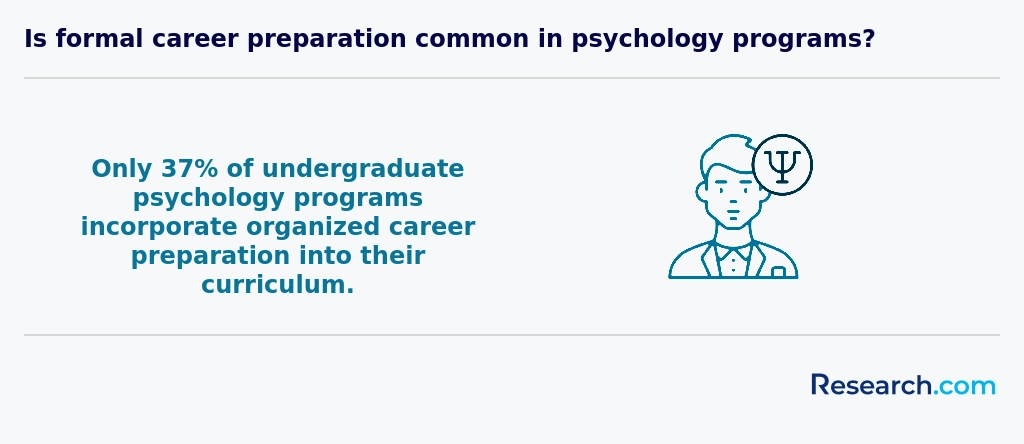
Accreditation ensures that your psychology degree in Azusa, CA, meets rigorous academic standards and qualifies you for professional licensure. Prospective students should verify that their chosen institution holds regional accreditation from the Western Association of Schools and Colleges Senior College and University Commission (WSCUC). For those pursuing clinical practice, enrollment in an American Psychological Association (APA)-accredited program is essential to sit for the Examination for Professional Practice in Psychology (EPPP) and to fulfill supervised experience requirements. Upon graduation, candidates must complete the following steps to obtain licensure in California:
- Pass the EPPP with a minimum scaled score as determined by the California Board of Psychology.
- Accumulate at least 3,000 hours of supervised professional experience, including pre-doctoral and post-doctoral hours.
- Submit official transcripts, verification of supervised hours, and application fees to the California Board of Psychology.
- Maintain licensure through continuing education-typically 36 hours every two years-covering ethics, diversity, and emerging research. For students aiming to specialize in brain-behavior relationships, exploring neuropsychology phd programs online can provide a clear pathway to advanced credentials and can broaden licensure reciprocity across states.
Students pursuing psychology degrees in Azusa often rely on a mix of financial aid options tailored to local opportunities and California-specific programs. For example, graduates from Azusa Pacific University or nearby California State University campuses frequently highlight the vital role of federal Pell Grants, which can provide up to $7,395 annually, easing the burden of tuition and materials. Completing the FAFSA early is crucial, as it unlocks access to this aid along with federal work-study jobs that enable students to gain relevant experience while offsetting costs.
State programs like the California College Promise Grant are especially important for those beginning their studies at community colleges such as Citrus College. This grant can waive enrollment fees, allowing students to transition more affordably into four-year psychology programs. Additionally, Cal Grants-offering up to $12,630 per year-are often cited by graduates as game-changers for managing expenses at major UC or CSU campuses.
Scholarships from psychology associations also attract students deeply engaged in research or clinical work, providing both financial relief and motivation. Together, these resources shape a complex but navigable landscape that empowers Azusa psychology students to pursue their goals without overwhelming debt.
When considering a psychology program, it's essential to evaluate various factors to ensure the chosen program aligns with academic and career goals. Students should research the program's accreditation, curriculum, and specializations, as well as the faculty's expertise and the availability of research opportunities and practical experiences. For those looking to study in California, exploring in demand psychology schools can provide valuable insights into reputable institutions and their offerings. Additionally, considering factors such as program length, cost, and financial aid options can help students make informed decisions about their educational investments. By carefully evaluating these aspects, prospective students can select a psychology program that suits their needs, interests, and career aspirations, setting them up for success in their future endeavors.
To enroll in a psychology degree program in Azusa, applicants generally need a high school diploma or GED, reflecting a baseline academic standard. Graduates from Azusa Pacific University, for example, often recall the value of strong foundations in English, math, and natural sciences-skills that prepare students for the analytical demands of psychology coursework. While standardized tests like the SAT or ACT have traditionally played a significant role, many local colleges have adopted test-optional policies, offering flexibility given recent educational shifts.
Practical experience can also make a difference. Students who have volunteered at community mental health centers or completed internships often feel more confident and better equipped, which admissions committees recognize as a sign of genuine interest. However, this experience is not universally required but can help distinguish candidates in competitive programs.
Graduate programs in Azusa typically demand a relevant bachelor's degree with a minimum GPA around 3.0, alongside letters of recommendation and sometimes GRE scores, highlighting the importance of consistent academic dedication over several years.

Azusa’s psychology programs are distinguished by a cadre of faculty whose research and professional credentials enrich the student experience. Professors hold advanced degrees from institutions such as UCLA, USC, and Stanford, and collectively publish over 50 peer-reviewed articles annually in top journals like the Journal of Experimental Psychology and Clinical Psychology Review. Their expertise spans key subfields-cognitive neuroscience, developmental psychology, social behavior, and clinical interventions-ensuring that course content reflects cutting-edge discoveries. Students can engage directly in faculty-led laboratories, gaining hands-on experience in areas such as brain imaging, behavioral assessment, and psychometric analysis. For example, Dr. Elena Ortiz’s Social Cognition Lab offers undergraduates opportunities to design experiments on group decision-making, while Dr. Marcus Lee’s Neuropsychology Lab trains students in EEG and MRI data collection. These collaborative projects often lead to co-authorship on conference presentations at the American Psychological Association’s annual meeting. In addition to on-campus research, Azusa Pacific University partners with regional mental health clinics, allowing students to assist with clinical trials on anxiety and mood disorders. Through these partnerships, learners develop grant-writing skills and contribute to applied studies that inform therapeutic best practices. For those considering flexible learning options, prospective students may also explore the Inexpensive Online Bachelor's in Psychology Degree Programs Ranking in the West to compare research opportunities across online platforms. By integrating faculty mentorship with practical research, Azusa’s psychology programs foster critical thinking, methodological rigor, and professional networking-preparing graduates for advanced degrees and competitive roles in academia, healthcare, and industry.
Psychology degree programs in Azusa typically include foundational courses such as Introduction to Psychology, Research Methods, and Statistics for Behavioral Sciences. Graduates from Azusa Pacific University often recall how mastering research design and data analysis in these courses boosted their confidence when conducting independent studies, making abstract theories feel tangible.
Many programs also cover core areas including developmental, cognitive, social, and abnormal psychology. For example, students at Citrus College have described how studying social psychology helped them better understand everyday interactions, enhancing empathy in both personal and professional relationships.
Electives like health psychology, neuropsychology, or counseling techniques allow for personalized learning paths. Graduates note that exploring such specialized topics at Azusa schools enabled them to align their education with specific career goals, making their studies feel purposeful and relevant.
Hands-on experiences like internships or lab work are particularly valued. Students often share how applying classroom knowledge to real-world settings at local clinics or research centers reinforced their skills and excitement for future careers in psychology.
Students pursuing a psychology degree in Azusa often explore a range of specializations that reflect both traditional and emerging fields within the discipline. Clinical psychology remains a prevalent choice, especially for those aiming to become licensed therapists. Graduates from programs at Azusa Pacific University often share how hands-on internships and supervised clinical hours provide clarity and confidence in facing real mental health challenges, aligning well with California licensure requirements.
Industrial-organizational psychology is another notable option, appealing to students interested in improving workplace dynamics. Those concentrating in this area frequently highlight rewarding experiences in internships that focus on boosting employee well-being and productivity in local businesses. Developmental psychology also attracts individuals who want to understand human growth stages deeply, finding purpose in roles supporting children or the elderly.
Psychology degree specializations in Azusa may also include neuropsychology and forensic psychology, though these paths usually require further study beyond the bachelor's level. For prospective students looking to compare local options, information about other programs is available here.
Choosing the best psychology degree in Azusa largely depends on your personal career goals and financial situation. Graduates from local community colleges often praise the affordability and smaller class sizes, which create a supportive learning environment essential for grasping complex theories. However, others highlight that universities in Azusa with regional accreditation offer wider specialization options and stronger faculty expertise, which can better align with long-term interests in areas like forensic or developmental psychology. Prospective students should critically assess accreditation status since it impacts graduate licensure and further education opportunities.
Another key consideration is practical experience. Students who secured internships through Azusa colleges connected with local hospitals or counseling centers often feel more confident entering the workforce. Comparing programs on these networks is vital, especially for those seeking the best psychology degree programs in Azusa. Cost also factors heavily; while some locals appreciate low semester fees at community colleges, others invest in universities despite higher tuition, valuing the extensive resources available. You can also explore success stories about psychology school job placement Texas, which may offer insight into career outcomes from similar programs.
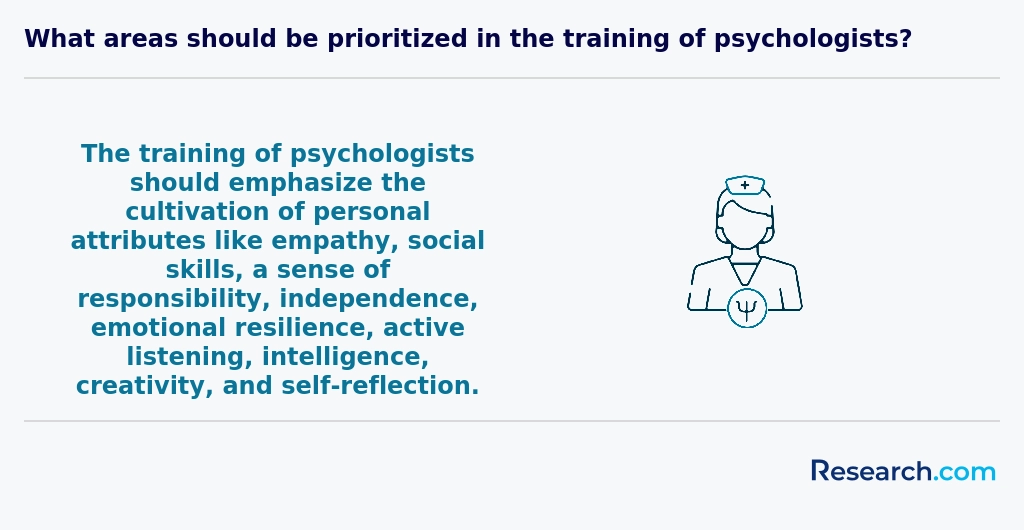
Graduates with psychology degrees in Azusa find a range of career paths reflecting the city's dynamic settings. Many pursue roles in mental health, becoming licensed counselors or clinical psychologists, often building on foundations set by programs at local institutions such as Azusa Pacific University. These careers offer rewarding opportunities to support individuals facing emotional challenges.
Azusa's psychology degree job prospects also extend into educational fields. Graduates frequently work as school counselors or educational psychologists within local school districts, helping students thrive academically and emotionally. Success stories from recent alumni highlight how their advanced degrees and certifications enable them to make meaningful differences in youth well-being.
Others explore research-oriented roles at universities in the region, balancing curiosity about human behavior with practical applications. Engaging in studies related to brain function or social dynamics, these graduates often value the chance to contribute to evolving psychological knowledge while maintaining strong ties to their Azusa community.
Additionally, the business world welcomes psychology graduates for roles in human resources or organizational consulting, where understanding workforce behavior enhances company culture. Some students consider interdisciplinary paths, such as criminology degree programs online, to diversify opportunities further. These options showcase the broad spectrum of psychology career opportunities in Azusa, shaped by personal interests and local resources.
The job market for psychology degree holders in Azusa reflects the broader growth trends seen in California, with local opportunities tied closely to the city's proximity to healthcare facilities and educational institutions. Graduates from universities in Azusa often find roles in community health centers or schools, where there is steady demand for counselors and school psychologists. These positions can provide fulfilling experiences, such as assisting diverse populations dealing with mental health challenges or supporting student development.
For those exploring psychology degree job prospects Azusa offers a range of entry-level opportunities including assistantships and case management, which serve as important stepping stones. Advanced degrees open doors to licensed clinical roles, often more rewarding but also requiring additional certification. Some graduates have shared that their experiences studying in Azusa's community colleges and universities equipped them well to engage with local social services and research institutions.
Additionally, Azusa's economy supports roles beyond traditional therapy, extending into human resources and organizational development. Those interested in the demand for industrial-organizational psychologists may also find emerging prospects nearby, offering alternative career paths that use behavioral insights in business settings.
2027 Most Popular Psychology Degree Programs Ranking in Azusa
Investing in your education is a significant decision that can shape your future, and the Research.com team understands the importance of making informed choices. To assist prospective students in Azusa, we have meticulously crafted the "2027 Most Popular Psychology Degree Programs Ranking in Azusa." Our commitment to quality, credibility, and accuracy is reflected in the extensive research and analysis conducted to compile this ranking.
We utilized the following reputable data sources to ensure a comprehensive evaluation of psychology degree programs:
By exploring this ranking, readers will gain valuable insights into the most popular psychology programs available in Azusa, empowering them to make well-informed decisions about their educational journey. For more details on our methodology, please visit our Research.com methodology page.

Frequently Asked Questions About psychology
Psychology degree students in Azusa can maximize their learning experience by actively engaging with both coursework and local community resources. Azusa Pacific University offers strong undergraduate and graduate programs known for integrating research and practical application, which benefits students looking to build hands-on skills.
Internships and volunteer opportunities at nearby clinics and social service organizations provide valuable real-world experience. According to the U.S. Bureau of Labor Statistics, practically applying knowledge through internships increases employment prospects by 20% for psychology graduates nationwide.
Students should also participate in study groups and attend psychology-related events or seminars in the Los Angeles area to broaden their perspectives. Utilizing campus resources such as tutoring and counseling centers helps reinforce academic concepts and personal development.
Emerging niches in psychology reflect the growing complexity of human behavior and technology's impact. In Azusa, newer areas such as neuropsychology, health psychology, and forensic psychology are gaining traction among students. Neuropsychology focuses on brain-behavior relationships, crucial for treating traumatic brain injuries and neurological disorders.
Health psychology integrates mental and physical health, addressing chronic illness management-a rising concern locally due to demographic shifts.
Forensic psychology applies psychological principles within legal systems, an expanding field given Southern California's growing demand for court-related services.
According to the U.S. Bureau of Labor Statistics, these specialties are expected to grow by over 14% nationally through 2031, with Azusa mirroring this trend due to proximity to major healthcare and legal institutions.
Preparing for the job market after completing a psychology degree in Azusa involves strategic planning and skill development. Graduates should seek internships or volunteer positions in local mental health clinics, schools, or social service agencies to gain practical experience. According to the Bureau of Labor Statistics, employment for psychologists in California is projected to grow 10% from 2022 to 2032, supporting opportunities in the region.
Networking is essential; students should connect with professionals through local chapters of organizations like the American Psychological Association. Additionally, pursuing graduate education or certification can enhance career prospects in specialized fields such as clinical or counseling psychology.
Employers in Azusa seeking psychology degree graduates prioritize strong communication skills. Graduates must clearly explain complex concepts to clients and collaborate effectively within teams. According to the Bureau of Labor Statistics, interpersonal skills significantly impact job success for psychologists nationwide, including California.
Critical thinking and research abilities are essential. Azusa employers value graduates who can analyze data, design studies, and apply evidence-based practices. Familiarity with statistical software like SPSS or R is often requested in job postings.
Additionally, cultural competence is increasingly important in Azusa's diverse community. Employers look for candidates who demonstrate sensitivity to various backgrounds and can adapt interventions accordingly. Ethical judgment and confidentiality awareness also remain fundamental in this field.
Finding psychology internships in Azusa involves exploring opportunities through local universities, community agencies, and healthcare facilities. Azusa Pacific University, for example, often connects psychology students with internships in nearby mental health clinics, schools, and nonprofit organizations. Students should utilize campus career centers, which frequently list openings tailored to psychology majors.
Networking plays a crucial role; attending local psychology association meetings or events in Los Angeles County can expand contacts. Additionally, platforms like Handshake and the California Psychological Association's internship listings may feature roles available in the Azusa area.
According to the Bureau of Labor Statistics, psychology internships enhance employability, making proactive searches essential for Azusa students. Early application and direct outreach to providers improve chances of placement.
Obtaining a psychology degree in Azusa can significantly improve career mobility and advancement opportunities. According to the U.S. Bureau of Labor Statistics, jobs in psychology and related fields are expected to grow by 8% from 2021 to 2031, outpacing average occupation growth. Local employers, including healthcare facilities and school districts around Azusa, often seek candidates with formal psychology training, increasing job prospects.
A degree in psychology equips students with critical skills such as research, analysis, and understanding human behavior, which are highly valued in many sectors. This versatility allows graduates to pursue careers in counseling, social services, education, and business.
The proximity of Azusa to larger job markets like Los Angeles also expands possibilities for advancement. Networking opportunities through Azusa Pacific University and community organizations help graduates connect with employers and access professional development resources.
Studying for a psychology degree in Azusa provides a strong foundation for interdisciplinary roles by integrating knowledge from various fields such as biology, sociology, and education. Programs often emphasize research methods and critical thinking, skills highly valued across multiple disciplines. According to the California Department of Education, approximately 30% of graduates from local psychology programs engage in careers that overlap with health services and social work.
Azusa's proximity to diverse industries offers practical internship opportunities, helping students apply psychological principles in business, healthcare, and community services. This real-world exposure enhances communication and collaborative skills essential for interdisciplinary teamwork.
The curriculum typically includes courses in statistics, ethics, and cultural studies, broadening graduates' expertise beyond psychology alone.
Choosing between a thesis and a non-thesis psychology degree program in Azusa depends largely on your career goals and interests. A thesis track typically suits students aiming for research, academic positions, or doctoral studies, as it involves conducting original research under faculty supervision. In contrast, non-thesis programs focus more on coursework and practical applications, appealing to those seeking careers in counseling, social work, or psychology-related fields without intensive research involvement.
According to the National Center for Education Statistics, about 40% of graduate psychology students nationwide choose thesis options to strengthen research skills. Azusa programs often reflect this trend, offering thesis paths with access to local research facilities. Your choice should align with whether you prefer hands-on research or applied professional training.
Students based in Azusa who wish to study psychology abroad have several pathways through US institutions' study abroad programs. Many universities in California, including those near Azusa, offer partnerships with universities in Europe, Canada, and Australia where students can earn credits toward their psychology degrees. These programs typically last one semester to a full year.
Azusa Pacific University, for example, provides study abroad options with a focus on psychology and related social sciences, often integrating cross-cultural psychological studies. According to the Institute of International Education, about 13% of US psychology students participate in such programs, highlighting growing interest in global perspectives.
Additionally, students may consider summer or short-term exchanges, which combine coursework and research experiences. These options allow development of international competence important for psychology careers.
Students pursuing psychology degrees in Azusa can benefit from various part-time job opportunities that enhance their academic knowledge and practical skills. Working as a behavioral health technician or mental health aide in local clinics provides valuable experience with patient interaction and therapeutic techniques. Additionally, roles such as research assistants at nearby institutions, including Azusa Pacific University, allow students to engage directly in data collection and analysis, important components of psychological study.
Positions in community centers supporting counseling programs or youth services also complement classroom learning. These jobs help develop communication and organizational skills crucial for psychology careers. According to the Bureau of Labor Statistics, gaining such experience can improve employability post-graduation.
Psychology students in Azusa have access to several valuable networking opportunities due to the city's proximity to Los Angeles and its academic community. Local institutions like Azusa Pacific University often host guest lectures, workshops, and psychology club events that connect students with faculty and professionals. These gatherings provide chances to meet licensed psychologists, counselors, and industry experts who can offer mentorship and career advice.
Additionally, students can engage with local chapters of national organizations such as the American Psychological Association, where membership offers networking events and conferences. Internships and volunteer roles in nearby clinics and community centers further expand connections, allowing real-world experience alongside networking. According to the Bureau of Labor Statistics, networking is crucial for psychologists entering the workforce, especially in competitive California markets.
Alumni networks provide valuable support for psychology degree students in Azusa by offering mentorship and career guidance. Many psychology graduates remain active in these networks, creating opportunities for current students to connect with professionals in clinical, counseling, and research fields.
According to data from the National Association of Colleges and Employers, students with access to strong alumni connections have a 15% higher chance of securing internships or job placements after graduation. In Azusa, local alumni events and online platforms help build these connections efficiently.
These networks also provide updates about emerging trends in psychology and access to workshops or conferences, enhancing students' professional development within a supportive community.
Students pursuing psychology degrees in Azusa can tailor their programs through elective courses and specialized tracks offered by local institutions. For example, Azusa Pacific University provides options to focus on clinical psychology, counseling, or organizational psychology, allowing students to align their studies with career aims. Additionally, internships and practicum opportunities within Azusa's community agencies enable practical experience that complements academic learning.
Advisors typically help customize degree plans to meet licensure requirements or graduate school prerequisites. According to the California Board of Psychology, completing supervised hours and specific coursework is essential for many career paths, so careful planning is crucial.
Online and hybrid learning formats also add flexibility, accommodating working professionals in Azusa who seek personalized education schedules.
Psychology students in Azusa often face challenges related to balancing rigorous coursework with outside commitments. According to recent data from the National Center for Education Statistics, many students in California, including Azusa, juggle part-time jobs and family responsibilities, which can impact study time and academic performance.
Another common challenge is mastering research methods and statistics, key components in psychology programs. Students frequently report difficulties with quantitative skills, a concern echoed by faculty at Azusa Pacific University's psychology department.
Limited access to local internships and practicum placements can also hinder practical experience, important for licensure and career readiness in psychology fields within the region.
With a psychology degree in Azusa, graduates can pursue several professional certifications to enhance their career prospects. Common certifications include Licensed Professional Clinical Counselor (LPCC) and Licensed Marriage and Family Therapist (LMFT), both requiring additional supervised hours and passing state exams administered by California's Board of Behavioral Sciences.
Other valuable certifications include Certified Alcohol and Drug Counselor (CADC) or Registered Psychologist Assistant roles, which help in specializing within mental health fields. Azusa professionals often seek credentials to meet local demand, as the Los Angeles-Long Beach-Anaheim metro area projects a 14% growth in mental health employment by 2030 (Bureau of Labor Statistics, 2023).
For those interested in assessment, certifications in neuropsychology or school psychology are options, typically requiring further graduate training.
When applying to psychology programs in Azusa, a strong application highlights your academic achievements and clear motivation for the field. Most universities require a minimum GPA around 3.0, but competitive programs often look for higher scores.
Including relevant experience, such as internships, volunteer work, or research related to psychology, significantly strengthens your application. Schools like Azusa Pacific University value hands-on experience alongside academic records.
Personal statements should focus on your passion for psychology, specific interests, and career goals. Tailor your essay to the program, showing knowledge of its faculty and resources.
Letters of recommendation from professors or professionals familiar with your work can provide critical support to your candidacy. Azusa programs often suggest at least two strong references.
The field of psychology offers varied career opportunities worldwide, with the United States maintaining a strong reputation in research and clinical practice. For students in Azusa, pursuing a psychology degree means joining a global community focused on understanding human behavior using scientific methods.
In the U.S., the Bureau of Labor Statistics projects a 8% growth in psychologist jobs from 2022 to 2032, which aligns with increasing demand for mental health services. Azusa's proximity to Los Angeles also provides access to diverse internships and research programs, enhancing global competitiveness.
Internationally, psychology careers emphasize cultural sensitivity and cross-cultural research, skills increasingly integrated into U.S. curricula. Graduates from Azusa institutions can expect their training to align with global standards, preparing them for diverse roles in healthcare, education, or organizational settings.
Gaining practical experience while studying psychology in Azusa is crucial for building skills and enhancing your resume. Many local institutions, including Azusa Pacific University, offer internship opportunities with mental health clinics, hospitals, and community organizations. These internships provide hands-on experience in assessment, counseling, and research.
Additionally, joining campus research projects allows students to work alongside faculty on ongoing studies, gaining valuable insight into scientific methods and data analysis. The California Board of Psychology also encourages supervised clinical hours for students aiming for licensure, which can often be completed locally.
Volunteering with Azusa community mental health programs or schools can further develop practical skills. According to the Bureau of Labor Statistics, practical experience significantly improves job prospects in psychology-related fields.
Choosing the right concentration within a psychology degree program in Azusa involves understanding both your interests and career goals. Psychology fields range from clinical and counseling to industrial-organizational and developmental psychology. According to the American Psychological Association, clinical psychology remains one of the most popular areas, reflecting national trends that also influence Azusa programs.
Researching local job markets can help. The U.S. Bureau of Labor Statistics reports growth in mental health services in California, suggesting opportunities in counseling and clinical psychology. Azusa's proximity to Los Angeles also offers diverse internship options that may guide your choice.
Consider faculty expertise and available resources at Azusa institutions, as specialized mentors can impact your educational experience. Reviewing school course catalogs and talking to current students can clarify which concentrations align best with your ambitions.
- 2027 Most Popular Psychology Degree Programs Ranking in Claremont
- 2027 Most Popular Psychology Degree Programs Ranking in Pasadena
- 2027 Most Popular Psychology Degree Programs Ranking in Los Angeles
- 2027 Most Popular Psychology Degree Programs Ranking in Irvine
- 2027 Most Popular Psychology Degree Programs Ranking in La Jolla
- 2027 Most Popular Psychology Degree Programs Ranking in Santa Barbara
- 2027 Most Popular Psychology Degree Programs Ranking in San Diego
- 2027 Most Popular Psychology Degree Programs Ranking in Riverside
- 2027 Most Popular Psychology Degree Programs Ranking in Phoenix
- 2027 Most Popular Psychology Degree Programs Ranking in San Francisco
See What Experts Have To Say About Studying Psychology
Read our interview with Psychology experts

Joann Farrell Quinn, Ph.D., MBA
Psychology Expert
Director at the College of Medicine Department of Medical Education
Morsani College of Medicine

Catherine Caldwell-Harris, Ph.D.
Psychology Expert
Associate Professor of Psychology
Boston University

Robin M. Kowalski. Ph.D.
Psychology Expert
Professor of Psychology
Clemson University

- Careers With a Psychology Degree https://www.warnerpacific.edu/blog/careers-in-psychology/
- Azusa Pacific University Psychology Programs - Psychology California https://psychologyca.org/schools/azusa-pacific/
- Society for the Teaching of Psychology https://teachpsych.org/page-1784686/8675326
- Study Psychology Abroad https://astarfuture.co.uk/study_psychology_abroad.html
- How To Find Psychology Internships https://www.psychology.org/resources/how-to-find-an-internship/
- Ontario Psychological Association - Networking and Community Resources https://www.psych.on.ca/become-a-member-(1)/member-services/networking-and-community-resources
- What can I do with a psychology degree? https://www.hull.ac.uk/study/undergraduate/courses/psychology-bsc-hons/what-can-i-do-with-a-psychology-degree
- Psychology at Azusa Pacific University https://www.vaia.com/en-us/degrees/universities/azusa-pacific-university/psychology-at-azusa-pacific-university/
- Mental Health Challenges Faced by Psychology Students | The Healthcare Guys https://healthcareguys.com/2023/11/23/mental-health-challenges-faced-by-psychology-students/
- Sample letters in psychology https://www.mystudies.com/en-in/human-and-social-sciences/psychology/letter-model/