
2027 Most Valuable Nursing Degree Programs Ranking in New Brunswick

Co-Founder and Chief Data Scientist
Choosing the right nursing degree program in New Brunswick is an important step toward a rewarding healthcare career. This article introduces the 2027 Most Valuable Nursing Degree Programs Ranking in New Brunswick, created by the Research.com team of data scientists. It's designed to help you make an informed choice about the programs that truly stand out.
Reading this guide will give you clarity on which nursing degrees offer the best opportunities for growth and success. Taking the time now can lead to a fulfilling future in nursing, making a real difference in your community.
Key benefits of getting nursing degree in New Brunswick
- Nursing degree graduates in New Brunswick can expect competitive salaries, such as Registered Nurses earning a mean annual wage of $94,480 and Operating Room Nurses earning up to $128,490 according to U.S. data.
- Career paths are diverse, with options including Clinical Nurse Educator, Public Health Nurse, and Emergency Room Nurse, offering rewarding roles that make a real difference in community health.
- Obtaining a nursing degree online offers flexible scheduling and the ability to balance work or family commitments, as shown by successful graduates from local institutions embracing distance learning options.
- 2027 Most Valuable Nursing Degree Programs Ranking in New Brunswick
- What can I expect from nursing degree in New Brunswick?
- Where can I work with nursing degree in New Brunswick?
What can I expect from nursing degree in New Brunswick?
The average cost of pursuing a nursing degree in New Brunswick typically ranges from $8,000 to $15,000 per year for in-state students attending public colleges. This investment opens the door to a rewarding career, with many graduates recalling how programs at institutions like Rutgers University-New Brunswick provided both affordable tuition and exceptional hands-on learning opportunities. These nursing students often highlight the balance of classroom theory and clinical practice at local hospitals as a confidence-building experience that truly prepared them for real-world settings.
Many nursing students appreciate that, despite the cost, financial aid and scholarships are readily available to make their education manageable. For example, graduates frequently mention evening or part-time courses that allowed them to maintain work and family commitments while advancing their goals. Choosing to study nursing in New Brunswick means joining a community of motivated individuals ready to make a difference-an investment worth every dollar spent.
Where can I work with nursing degree in New Brunswick?
Graduates from nursing programs at popular New Brunswick institutions like the University of New Brunswick and Crandall University discover a wide range of rewarding career paths within the province. Many begin their journeys in bustling hospitals such as Moncton Hospital or Saint John Regional Hospital, where they develop confidence working in fast-paced environments like emergency rooms or maternity wards. These experiences build skills that nurses cherish, creating a deep sense of purpose and achievement.
Others find fulfillment in long-term care facilities, supporting New Brunswick's growing aging population with compassionate care that truly makes a difference in patients' daily lives. Community health centers also offer exciting opportunities to engage with diverse groups, including Indigenous and rural communities, empowering nurses to contribute to public health and wellness beyond traditional clinical settings.
Home healthcare roles provide graduates a unique chance to offer personalized support, helping patients regain independence in familiar surroundings. These career paths not only meet the province's ongoing demand for skilled nurses but also inspire graduates through meaningful, hands-on connections every day.
Graduates with a nursing degree from well-regarded institutions in New Brunswick can look forward to rewarding career opportunities with competitive pay. Registered nurses typically earn a mean annual wage of around $94,480, offering a strong financial foundation right after completing their studies. Imagine starting your journey at a New Brunswick college and stepping confidently into a role where your mean hourly wage is $45.42-this opens many possibilities to achieve financial independence while doing meaningful work.
For those who pursue specialized roles like Clinical Nurse Educator or Public Health Nurse, salaries remain equally promising, typically matching the $94,480 annual mean. Nurses working in Emergency Rooms share this competitive earning potential, reflecting the value of their critical skills in healthcare teams.
Moreover, graduates who aim higher may consider becoming Operating Room Nurses, where salaries can exceed $128,000 per year with a mean hourly wage above $61. Imagine the pride and motivation that come with such recognition.
Graduates from New Brunswick's nursing programs often share stories of growth, from earning signing bonuses to advancing quickly into specialized roles. This path not only promises financial security but also personal fulfillment, knowing you directly contribute to community health and wellness every day.
- Nursing programs in New Brunswick typically last two to four years, preparing students for the Canadian Registered Nurse Examination (CRNE) for licensure.
- Annual tuition for a Bachelor of Science in Nursing (BSN) ranges from CAD 7,500 to CAD 9,000 for domestic students, with total costs around CAD 22,000 to CAD 30,000.
- Starting salaries for new nursing graduates average about CAD 50,000 annually, increasing to CAD 80,000 or more with experience.
- Strong job demand exists in community health, long-term care, and mental health fields due to the region's aging population.
- New Brunswick offers bridging programs for internationally educated nurses and ensures nursing degrees are nationally recognized across Canada.
Completing a nursing degree in New Brunswick is an exciting journey that typically takes about four years for a Bachelor of Science in Nursing (BSN) at popular institutions like the University of New Brunswick or the New Brunswick Community College. Many graduates share how this time is filled with valuable hands-on experience and supportive mentorship, preparing them confidently for their nursing careers.
For those eager to fast-track their path, accelerated BSN programs offer an inspiring alternative, allowing students with prior degrees to finish in just 12 to 18 months. Graduates from these programs often describe the intensity as challenging but rewarding, as it fast-tracks their entry into the workforce while maintaining excellent educational standards.
Flexible options like part-time or online studies also cater to learners balancing work or family, extending the timeline but offering the freedom to study at a comfortable pace. Many find this balance empowering, enabling them to pursue their dream of nursing without compromising other life commitments.
Accreditation and state licensure approval are foundational to the credibility and quality of any Nursing degree program in New Brunswick, NJ. Accredited programs meet rigorous standards set by bodies such as the Commission on Collegiate Nursing Education (CCNE) or the Accreditation Commission for Education in Nursing (ACEN), ensuring curricula align with current industry best practices and prepare students for real-world challenges. In New Jersey, all nursing programs must also hold approval from the New Jersey Board of Nursing, which evaluates faculty credentials, clinical partnerships, and student outcomes. One key metric prospective students should examine is the NCLEX-RN pass rate: programs with pass rates above 90% demonstrate strong academic preparation and effective exam support. Many New Brunswick institutions publish their annual pass rates, retention rates, and graduate employment statistics on their websites or through the National Council of State Boards of Nursing (NCSBN). Beyond undergraduate accreditation, graduates aiming for advanced practice roles-such as Nurse Practitioner or Nurse Educator-should explore graduate pathways that facilitate a seamless transition to licensure. For example, students interested in expanding their scope quickly can research the easiest direct-entry msn program to get into, which often combines accelerated coursework with comprehensive clinical requirements designed to meet accreditation and board standards. Before applying, confirm that your chosen program:
- Holds current CCNE or ACEN accreditation
- Is approved by the New Jersey Board of Nursing
- Publishes NCLEX-RN pass rates and graduate success data
- Offers dedicated NCLEX prep resources and faculty mentorship Verifying these credentials not only safeguards your investment but also streamlines your path to licensure and practice as a Registered Nurse in New Jersey.
Choosing between online and on-campus nursing degrees in New Brunswick offers exciting opportunities tailored to your lifestyle and goals. On-campus programs at well-known institutions like the University of New Brunswick provide vibrant environments where students engage face-to-face with instructors and peers, gaining invaluable hands-on experience in campus labs and clinical settings. Graduates often recall the energy of collaborating with classmates and the confidence built through immediate instructor support.
Meanwhile, online nursing degrees through colleges such as the New Brunswick Community College offer flexibility that empowers students to balance work, family, and study. Imagine learning at your own pace while still completing clinical hours at local healthcare facilities, seamlessly blending education with real-world practice. Online learners often feel a strong sense of achievement managing their schedules and participating actively in virtual discussions, which sharpens their discipline and independence.
Both paths lead to becoming a Registered Nurse in New Brunswick, nurturing passion and professional growth in dynamic ways that resonate with your unique journey.
Monitoring NCLEX-RN pass rates and accreditation status helps ensure program quality and strong licensure outcomes.
- Rutgers University School of Nursing: 95% NCLEX-RN pass rate (CCNE accredited)
- Middlesex County College ADN Program: 90% pass rate (ACEN accredited)
- College of Saint Elizabeth BSN Program: 88% pass rate (CCNE accredited)
Verify accreditation with bodies like the Commission on Collegiate Nursing Education (CCNE) or the Accreditation Commission for Education in Nursing (ACEN). High pass rates reflect rigorous curricula and strong clinical partnerships. For a broader view of program accreditation, see accredited nursing programs in california.
The average cost of a nursing degree in New Brunswick offers great value, especially for students aiming to enter this rewarding profession. While the median total cost for nursing students can be around USD 57,581, in-state students often benefit from significantly lower fees near USD 17,929. This makes pursuing nursing in New Brunswick an accessible opportunity for many, particularly compared to other regions. Graduates from universities like the University of New Brunswick feel grateful for the balance between quality education and manageable expenses, enabling them to focus on their passion for healthcare.
Many students enrolled in popular nursing programs appreciate how their tuition covers comprehensive clinical experiences, textbooks, and essential resources without overwhelming financial pressure. Living and studying in New Brunswick allows them to thrive in a supportive environment, fostering both professional growth and personal well-being. This balance adds up to an educational journey that's both enriching and inspiring.
For those considering the cost of nursing programs in New Brunswick 2027, it is encouraging to know that scholarships and financial aid available at institutions such as UNB can further ease the financial burden. These funding options empower dedicated students to pursue their goals confidently while enjoying the vibrant, community-focused atmosphere of the province.
Students often share how their training brings a deep sense of accomplishment, knowing they're prepared for a fulfilling career. If you are motivated by the nursing rewards and seek a program that combines quality education with reasonable costs, New Brunswick's nursing degrees stand out as a compelling choice.
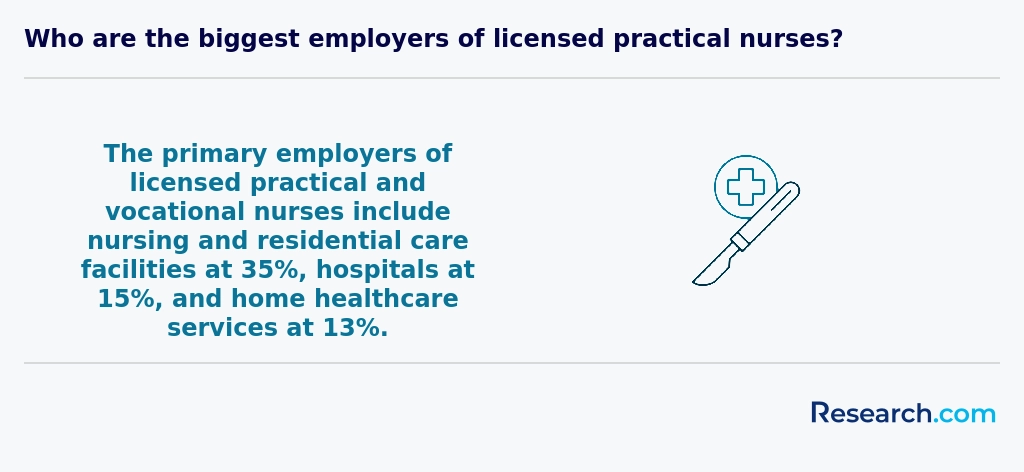
When evaluating nursing degree programs in New Brunswick, NJ, it’s essential to balance upfront costs against long-term earnings and career growth. On average, an ADN from a community college may cost between $23,900 and $66,320, while a BSN at a four-year university ranges from $89,556 to $211,392. By comparing these figures with average starting salaries-around $60,000 for new RNs and $89,010 for experienced RNs-you can estimate your payback period. • Break-even timeline: - ADN graduates (avg. cost $45,000) with a starting salary of $60,000 can recoup tuition in under one year of full-time work. - BSN graduates (avg. cost $150,000) earning $89,010 annually typically recover their investment within two years. • Career advancement multiplier: - Nurse Practitioners (MSN) with tuition around $70,000 and average wages above $110,000 see payback in less than one year post-graduation. - Specializations in areas like nurse anesthesia (DNP) often yield salaries over $125,000, making the higher tuition costs more justifiable in the long run. • Hidden value factors: - Employer-sponsored loan forgiveness and tuition reimbursement programs can substantially lower net costs. - Accelerated programs reduce opportunity costs by shortening time in school. For students weighing online vs. on-campus ROI, flexibility and lower fees may tip the scales. For additional insights on budget-friendly options, explore our ranking of Low Cost Online Nursing Degree Programs Ranking in Indiana.
Nursing students in New Brunswick are supported by a range of financial aid options that transform their educational journey from daunting to attainable. Graduates from popular institutions like the University of New Brunswick and St. Thomas University often share how provincial student loans and grants eased their path, providing crucial funds for tuition and living expenses. These programs, available through New Brunswick Student Financial Services, focus on students' individual needs, offering hope and real relief.
Many students also benefit from Canada Student Loans and Grants, which supplement provincial aid and make studying nursing feel more manageable. Scholarships and bursaries targeted towards nursing students, such as those from the Canadian Nurses Foundation, reward academic dedication and financial need, lighting the way for motivated learners.
For US students, the option to apply federal loans like FAFSA for study in New Brunswick adds another valuable layer of support. Part-time work and work-study opportunities on campus further empower students to gain practical experience while funding their dreams.
When contemplating a career in nursing, it's essential to consider the value that nursing programs in New Jersey can offer. The state is home to a wide range of institutions, from community colleges to universities, each providing unique learning experiences and career opportunities. For those interested in exploring the best options, visiting valuable nursing programs in New Jersey can be incredibly helpful. This resource not only highlights the academic excellence of various programs but also delves into factors such as program duration, cost, and potential career paths, making it easier for aspiring nurses to find the perfect fit for their educational and professional goals. By leveraging such resources, students can make informed decisions about their nursing education, setting themselves up for success in this rewarding and challenging field.
To enroll in a nursing degree program in New Brunswick, you'll need a solid foundation built on dedication and preparation that sets you on a path to success. Graduates from popular institutions like the University of New Brunswick and St. Thomas University often recall how completing high school with strong grades, especially in biology, chemistry, and math, helped them feel confident stepping into the demanding world of nursing.
Many students also shared how taking courses in anatomy, physiology, and even psychology gave them a real sense of the human body and mind-preparing them to connect deeply with patients. Beyond academics, admissions teams look for heartfelt letters of recommendation and personal statements that reflect your passion for care and communication.
Volunteering or working in a local hospital or long-term care facility in New Brunswick opens doors, allowing you to gain valuable experience while confirming your commitment. Plus, graduates often highlight the importance of passing health screenings and background checks, ensuring they are ready to engage safely in clinical environments.
For those whose first language isn't English, demonstrating language skills is a stepping stone that empowers clear communication-a vital skill that every New Brunswick nurse values deeply on their journey.
For nursing graduates in New Brunswick eager to advance quickly into advanced practice, accelerated pathways offer a streamlined route to becoming a Nurse Practitioner (NP). These intensive programs build on your BSN foundation, compressing core clinical and theoretical coursework into an efficient timeframe-often 12 to 24 months. Key advantages include:
- Flexibility: Many programs combine asynchronous online lectures with weekend or evening intensives, allowing you to maintain clinical work or personal commitments.
- Focused Curriculum: By eliminating redundant general-education requirements, accelerated tracks concentrate on advanced health assessment, pharmacology, and pathophysiology.
- Cohort Support: Small, dedicated cohorts foster peer collaboration and mentorship, enhancing both academic performance and professional networking. Admission requirements typically include: 1. Active RN license in good standing 2. Minimum BSN GPA (often 3.0 or higher) 3. Clinical experience (1–2 years recommended) 4. Letters of recommendation and a personal statement outlining NP career goals Clinical rotations in specialties such as family practice, pediatrics, or mental health are integrated early, ensuring hands-on exposure under expert preceptors. Graduates report high NCLEX-NP pass rates and rapid job placement in community clinics, hospitals, and telehealth settings. For nurses seeking even greater flexibility, researching accelerated nurse practitioner programs online can reveal options that blend rigorous training with the convenience of digital learning, positioning you for leadership roles in as little as a year.
Nursing degrees in New Brunswick offer a dynamic mix of courses that truly prepare you to make a difference in healthcare. At institutions like the University of New Brunswick or St. Thomas University, students dive into core sciences such as biology, anatomy, and physiology, grounding their understanding of the human body. This foundational knowledge builds confidence as graduates vividly recall their first hands-on labs, discovering how intricate and resilient the human body really is.
Specialized nursing courses then expand your skills and compassion. Imagine engaging deeply with Pharmacology to learn the life-saving role of medications or embracing Mental Health Nursing to understand and support patients through emotional challenges. Many graduates speak of their transformative experiences during Clinical Practicum, where working in New Brunswick hospitals turns theory into impactful care.
This blend of science and real-world practice builds not just competence, but the empathy and critical thinking essential to nursing. Every course is tailored to the unique needs of New Brunswick's diverse communities, inspiring students to become confident, caring nurses ready to lead in their field.
Nursing degrees in New Brunswick offer inspiring pathways for students passionate about making a difference in healthcare. Many graduates from the University of New Brunswick and Dalhousie University's New Brunswick campuses share how choosing specializations like pediatric nursing or gerontology allowed them to connect deeply with patients at critical life stages, creating lasting impacts. These nursing specializations in New Brunswick include community health nursing, where nurses actively engage with neighborhoods to promote wellness and provide education that transforms lives every day.
Advanced nursing programs New Brunswick also prepare students for vital roles in mental health nursing and critical care nursing, where many find purpose working in challenging yet rewarding emergency and psychiatric environments. Public health nursing opens doors to tackling broader community health issues, giving students a powerful sense of contributing to large-scale health improvements. For those curious about costs, exploring a nurse practitioner program costs Utah can provide useful comparisons when considering international fees and program value.
Choosing the best nursing degree in New Brunswick means focusing on what truly matters for your future success and happiness. Graduates from popular colleges often share how selecting a Bachelor of Science in Nursing (BSN) pathway boosted their confidence and opened doors to rewarding careers. Affordability is also key; many find that affordable nursing schools in New Brunswick provide quality education without the heavy financial burden, making it easier to focus on learning and growth.
Consider programs accredited by recognized bodies, ensuring your degree holds strong value when you take the NCLEX-RN and enter the workforce. Picture yourself gaining hands-on experience through partnerships with local hospitals, where students often describe their clinical placements as transformational. For those balancing commitments, exploring flexible options like online learning platforms can make achieving your goals feel within reach.
Hearing from graduates who highlight meaningful faculty support and positive employment statistics can inspire you to choose a nursing degree program in New Brunswick that aligns perfectly with your ambitions and lifestyle.

Graduates from nursing programs at well-regarded colleges in New Brunswick find themselves stepping confidently into a wide range of enriching healthcare jobs with nursing degree New Brunswick offers. Many share stories of starting as Registered Nurses in bustling hospitals or community clinics where their skills and compassion become vital to patient care. Beyond these roles, numerous alumni pursue specialized careers such as Certified Nurse Practitioners who enjoy the rewarding challenge of providing advanced care, or Clinical Nurse Specialists who focus on specific areas like pediatrics or oncology, making powerful impacts in their patient communities.
Some graduates choose to expand their horizons through graduate study, opening doors to careers as Nurse Anesthetists and Nurse Midwives, blending technical expertise with deep empathy. The dynamic healthcare landscape in New Brunswick also presents exciting avenues in healthcare administration and education, where nurses inspire the next generation and improve health systems. For those curious about program quality, reading nursing school reviews Cincinnati provides a clear perspective often shared by students from popular institutions.
Whether working hands-on in patient care or shaping health policies, nursing career opportunities in New Brunswick allow graduates to thrive personally and professionally, enriching their communities with every step they take.
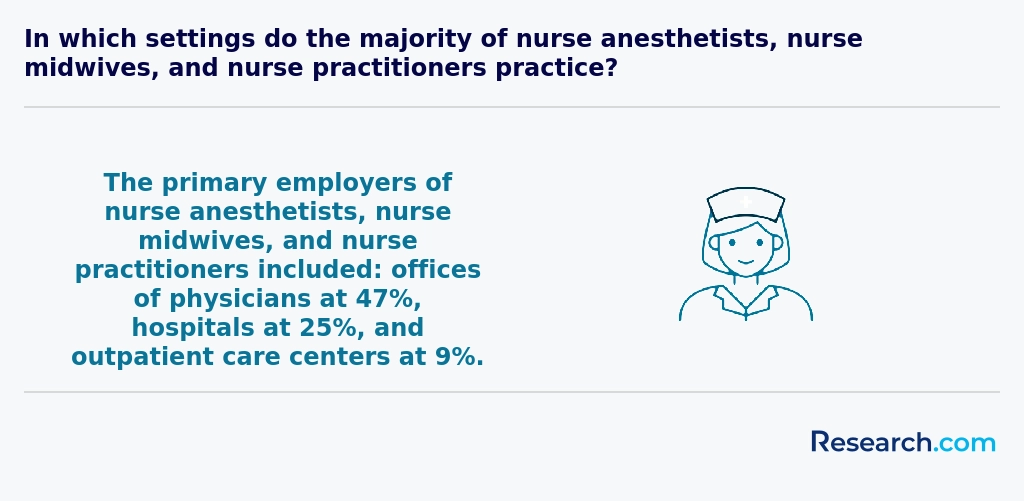
The nursing job outlook in New Brunswick is exceptionally promising for graduates eager to make a meaningful impact. With major healthcare centers like Rutgers University Hospital and Robert Wood Johnson University Hospital nearby, new nurses find vibrant employment opportunities rich in specialization areas such as critical care and pediatrics. Many graduates share how hands-on experiences during their studies prepared them to confidently step into these roles, driving both passion and success. The New Brunswick nursing degree employment opportunities extend beyond hospitals to community health and home care, offering diverse career paths.
Students from local nursing programs benefit from strong connections to healthcare employers who value their skills, resulting in competitive salaries that often surpass $70,000 annually for new RNs. Prospective students can also explore financial support options, and programs with solid nutritional science program accreditation demonstrate the quality of education accessible here. This dynamic job market reflects a bright future for those choosing nursing in New Brunswick.
2027 Most Valuable Nursing Degree Programs Ranking in New Brunswick
Investing in your education is a significant decision that can shape your future, and the Research.com team understands the importance of making informed choices. To assist prospective students in New Brunswick, we have meticulously crafted the "2027 Most Valuable Nursing Degree Programs Ranking in New Brunswick." Our commitment to quality, credibility, and accuracy is reflected in the extensive research and analysis conducted to compile this ranking.
We utilized the following reputable data sources to ensure a comprehensive evaluation of nursing programs:
By exploring this ranking, readers will gain valuable insights into the most valuable nursing degree programs in New Brunswick, empowering them to make well-informed decisions about their educational and professional futures. For more details on our methodology, please visit our Research.com methodology page.

Frequently Asked Questions About nursing
Nursing degree students in New Brunswick can maximize their learning experience by engaging in both academic and practical opportunities. Taking advantage of clinical placements at local hospitals and healthcare facilities allows students to apply classroom knowledge in real-world settings, an essential aspect endorsed by the Canadian Association of Schools of Nursing. Networking with practicing nurses and professors can also provide valuable mentorship and career guidance.
Additionally, students should participate in workshops and simulation labs to develop critical skills safely. Maintaining a balanced study schedule and using resources like the New Brunswick Nurses Union's continuing education programs can further enhance learning outcomes.
The nursing field is evolving rapidly, with several emerging niches gaining importance in New Brunswick and across the United States. One growing area is gerontological nursing, focusing on elder care due to the aging population. According to the U.S. Bureau of Labor Statistics, demand for nurses specializing in geriatrics will rise by 28% by 2030. Another expanding niche is informatics nursing, where professionals manage health data and technology integration in clinical settings. Additionally, psychiatric-mental health nursing is seeing increased need as awareness and treatment of mental health issues improve. These specialized fields offer new career opportunities for nursing graduates in New Brunswick.
After completing a nursing degree in New Brunswick, preparing for the job market requires strategic steps. Graduates must obtain licensure through the College of Nurses of New Brunswick, which ensures compliance with provincial standards. According to recent data, registered nurses in New Brunswick earn a median annual wage of approximately CAD 75,000, making the field financially promising.
Networking is crucial; attending local healthcare job fairs and connecting with employers enhances opportunities. Additionally, gaining practical experience through internships or clinical placements during studies improves employability. Continuous education, such as specialized certifications, also strengthens a candidate's profile in this competitive market.
Employers in New Brunswick highly prioritize strong clinical skills in nursing graduates, ensuring they can provide safe and effective patient care. Competency in patient assessment, medication administration, and infection control are essential. According to the Canadian Nurses Association, communication skills rank equally high, as nurses must effectively collaborate with healthcare teams and support patients.
Critical thinking and problem-solving abilities are vital, enabling nurses to make sound decisions in fast-paced environments. Adaptability to evolving healthcare technologies and practices also stands out. Additionally, understanding cultural competence to serve New Brunswick's diverse communities is increasingly important, as noted by provincial health workforce reports.
Finding nursing internships in New Brunswick involves leveraging partnerships between local healthcare facilities and educational institutions. Many accredited nursing programs in New Brunswick, such as those at the University of New Brunswick, include clinical placements as a core part of their curriculum. These placements often serve as internships, providing hands-on experience in hospitals, community health centers, and long-term care facilities.
Students should contact their school's nursing department early to access available internship opportunities. Additionally, the New Brunswick Nurses Union and provincial health authorities occasionally post openings for nursing internships and practicums.
Networking with local healthcare professionals and attending career fairs can also increase chances of securing an internship. According to the New Brunswick Health Council, internships help 85% of nursing students gain professional experience prior to graduation.
A nursing degree significantly enhances career mobility and advancement opportunities in New Brunswick. According to the New Brunswick Nurses Union, registered nurses with a bachelor's degree often access a wider range of roles, including leadership and specialized clinical positions. The degree serves as a foundation for obtaining certifications in areas such as critical care or pediatrics, which can further improve job prospects.
Graduates with nursing degrees in New Brunswick benefit from a growing demand for healthcare workers, with employment projections by the Government of New Brunswick indicating steady growth in nursing jobs through 2030. Higher education credentials are frequently required for supervisory roles and for positions in healthcare administration.
Moreover, having a degree supports eligibility for advanced studies, such as nurse practitioner programs, which dramatically increase earning potential and responsibility. Employers often prioritize degree-holding nurses for career development initiatives and skills upgrading, thereby fostering continued professional growth in the province's healthcare system.
Studying for a nursing degree in New Brunswick equips students with skills essential for interdisciplinary roles in healthcare. Programs emphasize collaboration with professionals from fields like medicine, social work, and pharmacy to provide holistic patient care. The New Brunswick Nurses Association highlights that graduates often participate in team-based clinical settings, fostering communication and problem-solving skills across disciplines.
Curricula integrate case studies and simulations that mirror real-world healthcare environments, encouraging students to understand different professional perspectives. According to the Canadian Institute for Health Information, these experiences improve nurses' ability to coordinate care efficiently, leading to better patient outcomes.
Moreover, many nursing programs in New Brunswick offer community placements, allowing students to work alongside diverse healthcare teams in hospitals and public health settings, further preparing them for interdisciplinary responsibilities.
When choosing between a thesis and a non-thesis nursing degree program in New Brunswick, consider your career goals. A thesis program is research-focused, ideal for students interested in pursuing doctoral studies or advanced clinical roles. It requires completing a formal research project, often contributing new knowledge to nursing science.
In contrast, a non-thesis program emphasizes practical skills through coursework and clinical practice, preparing students for direct patient care or leadership roles within healthcare settings. According to the Canadian Nurses Association, New Brunswick has seen growing demand for clinical expertise, influencing many to choose non-thesis paths.
Cost, time commitment, and personal interests also matter. Thesis programs typically take longer and may involve additional expenses.
Students based in New Brunswick interested in studying nursing abroad often look to the United States for degree opportunities due to close geographical and educational ties. Many US nursing programs accept international students, including Canadians, and provide options such as Bachelor of Science in Nursing (BSN) and accelerated nursing degrees. These programs typically require proof of previous education and English proficiency.
US institutions offer clinical experiences that meet rigorous accreditation standards, which can be beneficial for licensure reciprocity. According to the National Council of State Boards of Nursing, about 40% of Canadian nursing students consider US programs for their diverse clinical environments.
Financial aid and exchange programs may be available through university partnerships, but students should research visa requirements carefully.
Part-time job opportunities for students pursuing nursing degrees in New Brunswick often include roles as certified nursing assistants (CNAs), medical receptionists, and home health aides. These positions provide valuable hands-on experience in clinical and administrative settings, which complement academic learning. According to the New Brunswick Department of Health, CNAs earn around $14 to $17 per hour, making this a viable option for students balancing work and study.
Additionally, many healthcare facilities in New Brunswick offer part-time internships or volunteer opportunities, allowing nursing students to build practical skills and professional networks. Such experiences enhance resumes and improve job prospects post-graduation.
Working in pharmacies as pharmacy assistants or aides also offers exposure to medication management, a key nursing competency. These roles typically require flexible hours, accommodating students' class schedules.
Overall, part-time healthcare jobs in New Brunswick provide nursing students with essential practical exposure, fostering both skill development and career readiness.
Nursing students in New Brunswick benefit from strong networking opportunities through local healthcare facilities and educational institutions. Many programs partner with hospitals and clinics, allowing students to engage in clinical placements and connect with practicing professionals. According to the New Brunswick Nurses Association, these clinical experiences are vital for building relationships that can lead to job offers after graduation.
Students also have access to professional organizations such as the Canadian Nurses Association and provincial chapters, which host events and workshops. These platforms provide chances to meet experienced nurses and nursing leaders, fostering mentorships and career guidance. Additionally, student nursing associations at campuses frequently organize networking sessions and conferences.
Alumni networks play a crucial role for nursing degree students in New Brunswick by offering valuable professional connections and mentorship opportunities. These networks often connect current students with graduates employed in various healthcare settings, increasing access to internships, job openings, and clinical placements. According to the Canadian Nurses Association, strong alumni relations can improve employment rates for nursing graduates.
Networking through alumni also helps students stay informed about industry trends and continuing education options. New Brunswick nursing programs with active alumni groups frequently organize workshops and events, fostering collaboration and knowledge sharing. This support system enhances students' career readiness and confidence as they enter the workforce.
In New Brunswick, nursing degree programs offer various options to help tailor your education to match career objectives. Many institutions provide specialty tracks such as gerontology, pediatric nursing, or community health. These focus areas enable students to develop expertise in high-demand fields. Clinical placement opportunities across the province allow for real-world experience in settings aligned with specific interests. Additionally, some programs support part-time or online study formats for working professionals. According to New Brunswick's health authorities, specialized nursing roles are increasing by 5% annually, highlighting the value of focused training. Certification options post-graduation further enhance career versatility.
Nursing students in New Brunswick face several common challenges throughout their education. One significant hurdle is the demanding clinical workload, where students must balance hands-on patient care alongside academic coursework. According to the Canadian Association of Schools of Nursing, clinical placements can require upwards of 1,200 practice hours, often leading to increased stress and time management difficulties.
Another challenge lies in mastering complex medical knowledge and technical skills, as nursing programs in New Brunswick align with national standards that require comprehensive understanding of anatomy, pharmacology, and patient safety protocols.
Financial pressure is also notable, with tuition and living costs creating barriers for many students, sometimes necessitating part-time work that competes with study time. This multifaceted stress can impact students' mental health, emphasizing a need for robust support services within institutions.
With a nursing degree, graduates in New Brunswick can pursue a variety of professional certifications that enhance their career opportunities. The most common is the Registered Nurse (RN) license, required to practice nursing in the state. Beyond this, nurses often seek certifications such as Certified Nurse Practitioner (CNP), Certified Clinical Nurse Specialist (CNS), and certifications in areas like pediatrics, geriatrics, and critical care.
Certifications are offered through national bodies like the American Nurses Credentialing Center (ANCC) and require passing exams and meeting clinical experience standards. In New Brunswick, opportunities for specialization are growing, reflecting statewide healthcare trends reported by the New Jersey Board of Nursing.
Obtaining advanced certifications can lead to higher salaries and greater job stability, especially as healthcare demand increases. Prospective students should consider how these certifications align with their career goals and local healthcare needs.
Writing a winning application for a nursing program in New Brunswick requires careful attention to both academic credentials and personal qualities. Applicants should maintain a strong GPA, particularly in science and math courses, as many programs prioritize these subjects. Additionally, including relevant healthcare experience such as volunteering or working as a nursing assistant can significantly strengthen the application.
The personal statement is crucial; it should clearly express your motivation for nursing and relate your experiences to the profession. Demonstrating knowledge of the nursing field in New Brunswick, including awareness of local healthcare challenges, reflects genuine commitment.
Letters of recommendation from academic or clinical supervisors add important support, highlighting your skills and work ethic. Meeting all deadlines and submitting complete, error-free documents is essential for consideration.
The nursing profession is valued worldwide for its critical role in healthcare delivery. In the United States, including New Brunswick, nursing offers diverse opportunities, from bedside care to leadership and research. Globally, nurses face similar challenges such as aging populations and increasing chronic diseases, which drive demand for skilled practitioners.
In New Brunswick, the nursing workforce is growing steadily, with projections by the New Jersey Department of Labor showing a 7% increase in registered nurse employment through 2028. This growth reflects a broader global trend emphasizing highly trained nurses.
Internationally, nursing education standards promote lifelong learning and adaptability, which align with U.S. requirements such as the NCLEX licensing exam. These global perspectives highlight the career's stability and international mobility.
Gaining practical experience is a crucial part of earning a nursing degree in New Brunswick. Most accredited nursing programs in the province include clinical placements as a mandatory component. These placements are arranged in partnership with local health care facilities, allowing students to work directly with patients under professional supervision.
Students typically complete hundreds of clinical hours, which help develop hands-on skills needed for real-world nursing. According to the New Brunswick College of Nursing, these experiences often occur in hospitals, long-term care centers, and community health settings.
Additionally, some programs encourage volunteering or part-time work in health services to supplement clinical learning. This practical exposure is essential for licensure and employment after graduation.
Choosing the right concentration within a nursing degree program in New Brunswick requires understanding local healthcare needs and your career goals. The province offers various specialties, including gerontology, pediatrics, and mental health nursing. According to the New Brunswick Nurses Union, areas like elder care are growing, reflecting the aging population.
Research each concentration's curriculum and clinical opportunities. Consider licensure requirements; some concentrations prepare students for advanced certifications, enhancing job prospects. Review employment trends reported by the Government of New Brunswick, which highlight demand in community and acute care settings.
Speak with academic advisors and local professionals to align your interests with regional healthcare priorities and workforce needs.
- 2027 Most Valuable Nursing Degree Programs Ranking in New York
- 2027 Most Valuable Nursing Degree Programs Ranking in Brooklyn
- 2027 Most Valuable Nursing Degree Programs Ranking in Bronx
- 2027 Most Valuable Nursing Degree Programs Ranking in Baltimore
- 2027 Most Valuable Nursing Degree Programs Ranking in Washington
- 2027 Most Valuable Nursing Degree Programs Ranking in Boston
- 2027 Most Valuable Nursing Degree Programs Ranking in Rochester
- 2027 Most Valuable Nursing Degree Programs Ranking in Virginia Beach
- 2027 Most Valuable Nursing Degree Programs Ranking in Columbus
- 2027 Most Valuable Nursing Degree Programs Ranking in Detroit
See What Experts Have To Say About Studying Nursing
Read our interview with Nursing experts


- Nursing Study Abroad Programs | Go Overseas https://www.gooverseas.com/study-abroad/nursing
- Nursing - SUM Admission https://admission.sum.edu.pl/nursing/
- What Are the Best RN Certifications for Your Career? https://credenzahealth.com/career-advice/what-are-the-best-rn-certifications-for-your-career
- Guide to Making a Career Change to Nursing https://teach.com/online-ed/healthcare-degrees/online-msn-programs/career-change-to-nursing/
- Types of Nursing Specialties: Explore Different Career Paths https://bealuniversity.ca/nursing-specialties/
- How Much Can I Earn With a BSN? https://www.allnursingschools.com/bsn/salary/
- Bathurst initiative details https://www2.gnb.ca/content/gnb/en/corporate/promo/nursing-education-pathway/program-details-bathurst.html
- Nursing Professionals https://nbhealthjobs.ca/job-opportunities/nursing-professionals/
- How to Write https://esign.com/letter-of-intent/school/nursing/
- Work-life balance | Careers Crossroads | RCN Careers Resources | Royal College of Nursing https://www.rcn.org.uk/Professional-Development/Your-career/Nurse/Career-Crossroads/Career-Ideas-and-Inspiration/work-life-balance


