2027 Most Popular Healthcare Degree Programs Ranking in Houston

Co-Founder and Chief Data Scientist
Choosing the right healthcare degree program can shape your future career and personal fulfillment. This article introduces the 2027 Most Popular Healthcare Degree Programs Ranking in Houston, created by the Research.com team of data scientists to guide students in making well-informed decisions.
With this ranking, you'll discover which programs stand out in quality and popularity, helping you focus your efforts where it matters most. Pursuing a healthcare degree opens doors to meaningful work that impacts lives every day, making your education a valuable investment.
Key benefits of getting healthcare degree in Houston
- Healthcare degree graduates in Houston can earn competitive salaries, such as Medical Assistants making around $43,350 annually and Quality Improvement Coordinators earning up to $103,150 per year, offering financial stability and growth.
- Graduates often find diverse career paths in hospitals, clinics, or research settings, with roles ranging from Patient Care Technician to Clinical Research Coordinator, highlighting the variety of opportunities.
- Completing a healthcare degree online offers flexibility for busy individuals, allowing students from Houston to balance work and study while earning credentials from respected institutions like the University of Houston College of Nursing.
- Key benefits of getting healthcare degree in Houston
- What can I expect from healthcare degree in Houston?
- Where can I work with healthcare degree in Houston?
- How much can I make with healthcare degree in Houston?
- 2027 Most Popular Healthcare Degree Programs Ranking in Houston
- Key Findings
- How long does it take to complete healthcare degree in Houston?
- Financial Aid and Scholarship Opportunities
- What's the difference between online and on-campus healthcare degree?
- Financial Aid and Scholarship Opportunities
- What is the average cost of healthcare degree in Houston?
- Licensing and Certification Requirements
- What financial aid is available to healthcare degree students in Houston?
- Financial Aid & Scholarship Opportunities
- What are the prerequisites for enrolling in healthcare degree program in Houston?
- Financial Aid and Scholarship Opportunities for Houston Healthcare Students
- What courses are typically in healthcare degree programs in Houston?
- What types of specializations are available in healthcare degree programs in Houston?
- How do you choose the best healthcare degree in Houston?
- What career paths are available for healthcare degree students in Houston?
- What is the job market for healthcare degree in Houston?
- Top Trending Healthcare Rankings
- See What Experts Have To Say About Studying Healthcare
What can I expect from healthcare degree in Houston?
The average total cost of earning a healthcare degree in Houston varies significantly by program and institution but generally ranges from $25,000 to $80,000 for completion. For example, accredited programs at the University of Houston or Baylor College of Medicine typically fall within this range when factoring in tuition, fees, and basic living expenses. Graduates often report that while the investment is substantial, many found financial aid or scholarships essential in making their education affordable.
Many students balance part-time jobs with coursework or take advantage of online classes to reduce expenses. Institutions such as the University of Texas Health Science Center at Houston offer varied program lengths, from two-year associate degrees to six-year doctoral programs, affecting overall costs accordingly.
Healthcare students emphasize the value gained through extensive clinical training in Houston's Texas Medical Center, describing it as a transformative, hands-on experience that justifies the tuition outlay. Alumni reflect positively on how that practical immersion enhances job readiness, helping them secure positions in a competitive, growing market with a 15% projected employment increase over the next decade.
Where can I work with healthcare degree in Houston?
Graduates with healthcare degrees in Houston can find diverse employment opportunities across the city's extensive medical landscape. They often secure roles in the Texas Medical Center, the world's largest medical complex employing over 106,000 healthcare professionals. Hospitals like MD Anderson Cancer Center and Houston Methodist Hospital provide hands-on experience in nursing, medical technology, and healthcare administration.
Many graduates from the University of Texas Health Science Center at Houston report thriving in outpatient clinics and specialized care centers within the city. The Houston healthcare ecosystem also offers opportunities in rehabilitation facilities and long-term care homes, meeting a variety of patient care needs.
Public health roles at agencies such as Houston's Department of Health and Human Services appeal to graduates interested in health policy and disease prevention. Those from Houston's colleges enjoy expanding career paths due to the sector's projected 17% growth by 2030, making the local job market competitive yet promising.
Additionally, Houston-based biomedical research institutions attract healthcare science graduates keen to blend clinical insights with innovation, enhancing both personal career satisfaction and community health outcomes.
How much can I make with healthcare degree in Houston?
Graduates from healthcare degree programs in Houston can expect competitive salaries that reflect the city's strong healthcare demand and thriving medical sector. For instance, medical assistants typically earn a mean annual wage of about $43,350, which offers a solid starting income for recent graduates from well-known Houston institutions like the University of Houston or Texas Southern University.
Those pursuing roles such as patient care technicians see higher earning potential, with mean wages around $60,790 annually. This reflects Houston's robust healthcare infrastructure, where hands-on skills are highly valued in hospitals and clinics across the city.
The mean annual wage for health information technicians is approximately $43,380, demonstrating steady opportunities in the growing field of healthcare data management. Graduates with strong technical training feel confident entering this sector, given Houston's expanding need for digital healthcare records expertise.
Clinical research coordinators, often involved in cutting-edge medical studies at universities and research centers within Houston, earn about $43,350 per year, indicating a rewarding avenue for degree holders interested in clinical trials and patient care coordination.
More advanced roles like quality improvement coordinators command a mean wage of $103,150 annually, impressively reflecting the value placed on leadership in healthcare quality and safety-a motivating factor for many graduates aiming to grow professionally within Houston's competitive market.
2027 Most Popular Healthcare Degree Programs Ranking in Houston
How do we rank schools?
Investing in your education is a significant decision that can shape your future, and the Research.com team understands the importance of making informed choices. To assist prospective students in Houston, we have meticulously crafted the "2027 Most Popular Healthcare Degree Programs Ranking in Houston." Our commitment to quality, credibility, and accuracy is reflected in the extensive research and analysis conducted to compile this ranking.
We utilized the following reputable data sources to ensure a comprehensive evaluation of healthcare degree programs:
By exploring this ranking, readers will gain valuable insights into the most popular healthcare degree programs available in Houston, empowering them to make well-informed decisions about their educational and career paths. For more details on our methodology, please visit our Research.com methodology page.


# 15 position
Chamberlain University-Texas
Bachelor of Science in Nursing

# 16 position
The University of Texas Health Science Center at Houston
Master of Science in Health Sciences

# 17 position
The University of Texas Health Science Center at Houston
BS in Healthcare Studies
# 18 position
The University of Texas Health Science Center at Houston
Doctor of Health Science
# 19 position
The University of Texas MD Anderson Cancer Center
Bachelor of Science in Healthcare Administration

# 20 position
The College of Health Care Professions-Northwest
Bachelor of Health Sciences in Clinical and Diagnostic Sciences

Key Findings
- Houston hosts many accredited healthcare programs including nursing, medical technology, public health, and healthcare administration.
- Bachelor of Science in Nursing (BSN) programs cost between $40,000 and $80,000, while graduate programs like MPH or Physician Assistant degrees often exceed $50,000 in tuition.
- Additional costs such as textbooks, supplies, and living expenses should be considered when calculating total educational expenses.
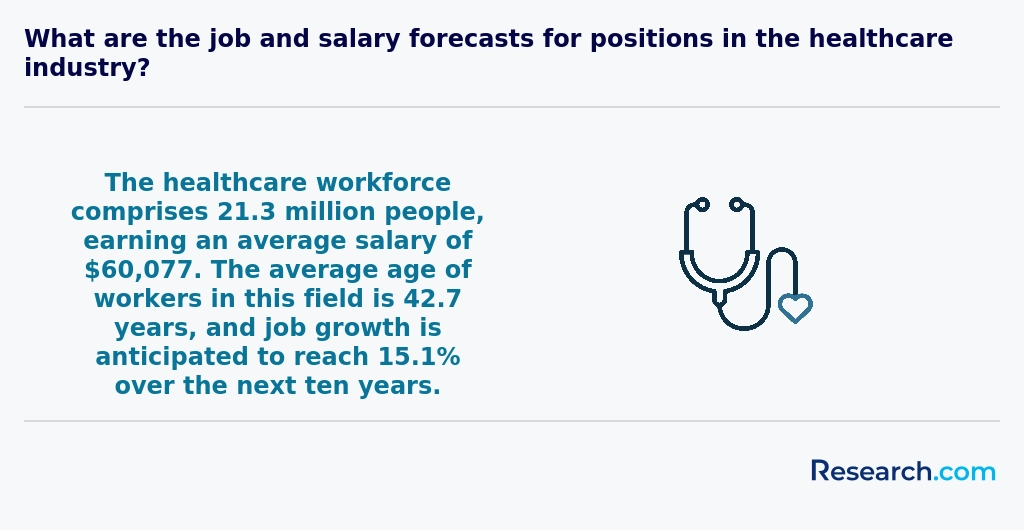
- Healthcare jobs in Houston are expected to grow by over 15% in the next decade, indicating strong employment prospects.
- Entry-level registered nurses earn about $70,000 annually, and advanced roles such as physician assistants may start near $85,000, with some positions exceeding $120,000 over time.
How long does it take to complete healthcare degree in Houston?
Completing a healthcare degree in Houston varies by program level but generally follows clear timelines. For example, associate degrees, popular among students aiming for roles like medical assistants or phlebotomists, typically conclude in about two years. Graduates from Houston community colleges often highlight how this timeframe allowed them to enter the workforce quickly and start gaining meaningful experience.
Bachelor's degrees in healthcare fields, such as those offered at the University of Houston or Texas Southern University, usually take four years. Students appreciate the blend of classroom learning and clinical practice, which prepares them well for nursing or health administration careers.
Master's programs, commonly pursued in nursing or public health, require an additional two years after the bachelor's. Many Houston graduates value flexible part-time options to balance work and study while advancing their expertise.
Professional degrees such as MD or PharmD demand a longer commitment-four years of medical school plus 3 to 7 years of residency-reflecting the high level of skill required.
- Associate degree: approximately 2 years
- Bachelor's degree: typically 4 years
- Master's degree: around 2 years beyond a bachelor's
- Medical or professional degrees: 4+ years plus residency or internships
- Certificate programs: less than 1 year
Financial Aid and Scholarship Opportunities
Navigating the costs of a healthcare degree in Houston can be challenging, but a variety of financial aid and scholarship programs can significantly reduce your out-of-pocket expenses. Federal aid options include Pell Grants and Direct Loans, which are awarded based on financial need and come with competitive interest rates. To apply, submit the Free Application for Federal Student Aid (FAFSA) early, as some funds are distributed on a first-come, first-served basis. State and institutional grants also play a major role in funding. Texas residents can benefit from programs like the Texas Educational Opportunity Grant (TEOG) and the Hazlewood Act, which offers up to 150 credit hours of tuition exemption for eligible veterans and their dependents. Many Houston universities and community colleges provide merit-based scholarships for high-achieving applicants-review each institution’s financial aid portal for deadlines and required materials. Private scholarships are another valuable resource. Organizations such as the Texas Nurses Foundation, Houston Health Careers Opportunity Program (HCOP), and local chapters of associations like the American Public Health Association (APHA) award scholarships annually. Typical awards range from $1,000 to $5,000 and often require essays, letters of recommendation, and proof of community service. Craft a compelling personal statement highlighting your commitment to healthcare and local outreach to increase your chances. Work-study and assistantship positions allow you to earn money while gaining practical experience. Positions may include lab assistants, research aides, or clinic volunteers. For those pursuing specialized fields, exploring programs like best online associate in physical therapy assistant programs can reveal additional institutional aid packages tailored to allied health students. Top scholarship opportunities for Houston healthcare students: • Texas Nurses Foundation Scholarship – Up to $3,000 for nursing majors • Houston Health Careers Opportunity Program Grant – Covers tuition for eligible low-income students • APHA Section Scholarships – Awards ranging from $1,000–$2,500 for public health majors • Hispanic Health Professional Student Scholarship – For Hispanic students pursuing healthcare degrees By combining federal aid, state grants, institutional scholarships, and work-study, most students can cover a significant portion of their tuition and fees, making a quality healthcare education in Houston both accessible and affordable.
What's the difference between online and on-campus healthcare degree?
On-campus healthcare degree programs in Houston, such as those at the University of Houston and Baylor College of Medicine, emphasize direct clinical practice and face-to-face interaction. Graduates often recount the value of hands-on experiences within hospitals like the Texas Medical Center, which bolsters practical skills and professional networking. This immersive approach suits students seeking structured schedules and real-time feedback from instructors.
In contrast, online programs offer flexibility crucial for working adults balancing careers and family. Many students appreciate the ability to attend lectures and complete assignments remotely, with virtual simulations supplementing clinical training. However, some online degrees require in-person clinical hours at local Houston facilities to meet accreditation standards, ensuring students gain real-world exposure alongside digital learning.
Cost differences also influence decisions. While tuition can be comparable, online students often save on commuting and housing, easing financial burdens. This balance of convenience and quality helps graduates feel confident in pursuing advanced healthcare roles without sacrificing personal responsibilities or relocating.
Financial Aid and Scholarship Opportunities
Prospective healthcare students in Houston, TX, should explore all available financial aid options to make their educational journey more manageable. Many institutions offer scholarships, grants, and work-study programs that can significantly offset tuition costs associated with a healthcare degree. In addition to federal and state aid, local community initiatives and hospital partnerships often provide targeted scholarships that help bridge the financial gap for aspiring professionals. It is also beneficial to meet with college financial aid advisors who can offer personalized guidance on federal student loans, merit-based awards, and special grant opportunities tailored for healthcare programs. For those comparing program finances and support services, checking out the most popular healthcare degree rankings can provide insights into how top institutions manage tuition, scholarships, and financial planning. By taking advantage of financial aid resources and staying informed about emerging scholarship trends, students can better plan for an affordable and successful career in healthcare.
What is the average cost of healthcare degree in Houston?
The average healthcare degree cost in Houston reflects a diverse range of tuition fees depending on the institution type and residency status. For in-state students, the median total cost is approximately $9,717, making public universities a financially accessible option for many aspiring healthcare professionals. Graduates from these schools often emphasize the value of affordable education combined with strong clinical training, which helps them start their careers with less financial strain.
Out-of-state students face a substantially higher median total cost of about $41,797, which aligns with the overall competitive pricing of urban healthcare programs in Houston. Private institutions offering healthcare degrees typically fall into this higher range, with annual tuition frequently reaching between $25,000 and $50,000. These costs, while steep, are associated with programs at well-regarded colleges, offering advanced resources and specialized tracks that many graduates find motivating and career-enhancing.
Those pursuing graduate healthcare degrees, including fields like nursing and public health, experience variable tuition fees that roughly correlate with the $15,000 to $35,000 annual range observed locally. These higher expenses reflect the advanced nature of the curricula and the increased demand for skilled professionals in healthcare sectors. Many students studying at universities such as Texas Woman's University recall balancing academic rigor with practical experiences that justify these costs.
Understanding the total cost of healthcare degrees Houston 2027 brings into focus not only tuition but also additional expenses like certification fees and clinical supplies. Prospective students often explore financial aid and scholarships to ease the burden. For a comprehensive view of the educational options, consider checking the most popular healthcare degree programs available in Houston.
Licensing and Certification Requirements
After earning your healthcare degree, ensure you meet Texas state licensure and national certification standards:
- Registered Nurse (RN): pass the NCLEX-RN and secure approval from the Texas Board of Nursing; many students explore easiest nursing schools to get into for strong NCLEX prep.
- Physician Assistant (PA): complete the PANCE exam and fulfill ongoing continuing medical education (CME) credits to maintain NCCPA certification.
- Physical Therapist (PT): obtain a Doctor of Physical Therapy (DPT) and pass the NPTE for state licensure.
- Medical Assistant: pursue the Certified Medical Assistant (CMA) credential through the American Association of Medical Assistants (AAMA) for enhanced job prospects.
- Health Information Technician: earn the Registered Health Information Technician (RHIT) certification via the American Health Information Management Association (AHIMA) to manage patient records and data.
What financial aid is available to healthcare degree students in Houston?
Students pursuing healthcare degrees in Houston benefit from multiple financial aid options that significantly reduce the burden of annual tuition costs, which range from $10,000 to $30,000 for in-state public institutions. Federal financial aid programs serve as a primary resource; through the FAFSA application, students gain access to Pell Grants offering up to $7,395 for the 2023-2024 academic year, alongside federal student loans with relatively low interest rates.
Graduates from institutions like the University of Houston frequently highlight the value of scholarships tailored to healthcare fields, which many local organizations and medical centers provide. These scholarships reward both merit and financial need, making advanced learning more approachable. Work-study programs funded federally also support students with paid part-time jobs in healthcare settings, which many find beneficial for gaining hands-on experience while easing financial pressure.
Employer tuition reimbursement programs play a vital role, especially for nursing students employed by Houston's extensive healthcare sector. Veterans and active-duty military personnel leverage GI Bill benefits, which often cover full tuition at participating schools. Additionally, Texas state grants and loan repayment initiatives target healthcare workers committing to underserved areas, enhancing both financial support and community impact.
Financial Aid & Scholarship Opportunities
Navigating the costs of a healthcare degree in Houston can be challenging, but securing financial aid and scholarships can make a significant difference in managing tuition and related expenses. Prospective students should start by researching institutional scholarships, federal grants, and state programs aimed at supporting healthcare education. Many local colleges offer merit-based and need-based scholarships that require a strong academic record or a demonstrated commitment to the healthcare field. Additionally, budgeting for expenses-such as tuition, books, and living costs-while applying for external aid can help students focus more on their studies than on financial worries. For those exploring additional career training options, consider acquiring a medical billing and coding certificate online as it can enhance your qualifications and potentially open doors to part-time work or internships in the healthcare sector. Students are encouraged to meet with academic advisors early in the application process to discuss financial aid packages and explore all available opportunities to ensure a smooth transition into their chosen program. By thoroughly investigating these support options, you can mitigate educational costs and concentrate on building a rewarding career in healthcare.
What are the prerequisites for enrolling in healthcare degree program in Houston?
To enroll in a healthcare degree program in Houston, applicants must meet several key prerequisites reflecting both academic and practical readiness. Graduates from institutions like the University of Houston often recall that a strong foundation in science and math, especially biology and chemistry, was vital. Typically, students present a high school diploma or equivalent with coursework emphasizing these subjects.
GPA requirements generally range from 2.5 to 3.0, with more competitive programs at Texas Southern University often requiring a minimum GPA closer to 3.0. Some programs still value standardized test scores such as the SAT or ACT, but many Houston colleges have shifted focus toward healthcare-specific entrance exams like the TEAS or HESI, which graduates found to better reflect practical knowledge.
Hands-on clinical experience remains crucial. Houston's extensive healthcare network, including the Texas Medical Center, offers students ample opportunities to complete 50 to over 100 observation or volunteer hours. This experience helps applicants demonstrate commitment and gain confidence in real-world healthcare settings, an advantage future healthcare professionals frequently describe as empowering.

Financial Aid and Scholarship Opportunities for Houston Healthcare Students
Navigating the cost of a healthcare degree in Houston, TX, often hinges on effectively leveraging financial aid, scholarships, and grants tailored to aspiring healthcare professionals. Many local institutions, including the University of Houston and Texas Southern University, offer merit-based scholarships and need-based grants specifically for healthcare majors. Prospective students should explore state-funded programs such as the Texas Public Educational Grant (TPEG) and the Toward EXcellence, Access, and Success (TEXAS) Grant, both designed to reduce tuition for eligible undergraduates at public colleges. Beyond state aid, national scholarships like the American Association of Colleges of Nursing (AACN) Scholarship Program and the Health Resources and Services Administration (HRSA) grants provide targeted support for nursing and allied health students committed to serving underserved communities. Students interested in research or community health initiatives can apply for the National Institutes of Health (NIH) Undergraduate Scholarship, which covers tuition and offers a stipend in exchange for post-graduation service. Federal student loans remain a common resource, but borrowers should compare subsidized versus unsubsidized options and consider income-driven repayment plans to minimize long-term debt burdens. Work-study programs, available through most Houston-area colleges, allow students to gain hands-on experience in hospital settings while earning tuition credits. Additionally, many healthcare employers in Houston, ranging from outpatient clinics to large hospital systems, provide tuition reimbursement for employees pursuing relevant degrees. For those seeking cost-effective online alternatives, don’t overlook specialized rankings such as the Cheapest Online Healthcare Degree Programs Ranking in New Orleans, LA, which can guide students toward high-quality, budget-friendly online pathways. By combining these resources-state and federal aid, scholarships, work-study, and employer-sponsored tuition assistance-future healthcare professionals in Houston can build a comprehensive financial plan that supports their academic and career goals.
What courses are typically in healthcare degree programs in Houston?
Healthcare degree programs in Houston commonly include foundational courses such as anatomy, physiology, and medical terminology, which are critical for understanding the human body's structure and medical conditions. Graduates from universities like the University of Houston often reflect on how these courses provided a solid base for their clinical skills and patient interactions.
Ethics and law are integral subjects, especially given Houston's diverse population and complex healthcare environment. Students at institutions like Texas Southern University appreciate learning about patient rights and medical confidentiality, which has helped them navigate real-world challenges with confidence.
Technology courses, including healthcare informatics, prepare students for Houston's growing reliance on electronic health records and telemedicine. Many graduates mention feeling empowered to use these tools effectively in hospitals such as the Texas Medical Center.
Clinical practicum experiences offer hands-on training, often in large medical centers, enhancing both practical skills and job readiness. Other typical studies include microbiology, pharmacology, and public health, with a focus on managing regional issues like diabetes and heart disease. This coursework helps students engage meaningfully in Houston's healthcare community.
What types of specializations are available in healthcare degree programs in Houston?
Healthcare degree specializations in Houston cover a comprehensive array of fields designed to meet the city's extensive healthcare demands. Graduates from universities known for the best healthcare programs Houston TX often highlight specializations such as Nursing, including roles from Registered Nurse to Nurse Practitioner, which prepare students for critical care settings within Houston's renowned hospitals like the Texas Medical Center.
Other prominent specializations include Health Informatics, integrating IT skills with patient care to advance medical data management, and Public Health, focusing on community health initiatives tailored to Houston's diverse population. Physical Therapy programs emphasize rehabilitation, while Medical Laboratory Science trains students in diagnostic testing essential for research hospitals. Physician Assistant Studies, accredited by ARC-PA, offer advanced clinical training reflecting Houston's expanding healthcare workforce.
Students pursuing healthcare management can also explore pathways in healthcare policy, finance, and leadership. For those interested in ancillary roles, a practical option is a medical billing and coding certificate online, complementing clinical knowledge with administrative skills relevant to hospital systems like MD Anderson Cancer Center.
How do you choose the best healthcare degree in Houston?
Choosing the best healthcare degree in Houston starts with verifying program accreditation, such as by the Commission on Collegiate Nursing Education (CCNE) or the Commission on Accreditation of Allied Health Education Programs (CAAHEP). Graduates from the University of Houston and Texas Southern University often highlight that accredited programs ensured smooth certification and employment processes. Houston's healthcare community, centered around the Texas Medical Center, offers invaluable clinical rotations that build practical skills and professional networks-factors that many recent graduates consider crucial to their success.
Cost clearly influences decisions; public institutions in Houston provide more affordable healthcare degrees Houston Texas, with tuition between $10,000 to $15,000 annually for residents, compared to much higher fees at private colleges. Community colleges also offer budget-friendly pathways, often favored by students balancing work and study commitments. Many students explore options like the best online associate in physical therapy assistant programs for flexible, cost-effective learning.
Job placement rates reflecting local healthcare growth-projected at 16% through 2030 by the Texas Workforce Commission-are critical. Graduates from Houston Community College report strong job support services and connections with Houston's extensive hospital network. Aligning healthcare programs with individual career goals, whether in patient care or administration, is essential to long-term satisfaction and success.
What career paths are available for healthcare degree students in Houston?
Healthcare degree career opportunities in Houston span diverse fields shaped by the city's vast medical infrastructure, including the Texas Medical Center. Graduates often pursue roles in nursing, clinical practice, and medical technology, benefiting from strong local demand. For instance, registered nurses and nurse practitioners find ample employment, supported by Houston's growing population and data showing over 100,000 RNs employed in the metropolitan area.
Many graduates from Houston universities highlight rewarding careers in healthcare administration, where managing expanding hospital systems and clinics offers continuous growth. With expected nationwide growth of 32% in healthcare management jobs, these roles provide stability and meaningful impact on healthcare delivery.
Jobs with healthcare degree in Houston also include emerging fields like public health and health informatics, where combining clinical knowledge with data skills meets modern community health needs. Many healthcare students from Houston's top colleges share positive experiences transitioning into these innovative sectors.
Prospective students weighing educational investments can explore financial aid options and programs ranked for affordability, such as the Cheapest Online Healthcare Degree Programs Ranking in New Orleans, LA.
What is the job market for healthcare degree in Houston?
The healthcare job opportunities in Houston remain strong due to the city's vast medical infrastructure, centered around the Texas Medical Center. Graduates from universities like the University of Houston and Texas Southern University often find roles in registered nursing, allied health, and health services management, sectors that consistently show growth. Employment for healthcare practitioners in the Houston metropolitan area is projected to rise by approximately 15% from 2022 to 2032, reflecting robust demand fueled by population growth and aging demographics.
Many graduates report positive experiences securing jobs soon after graduation, often within large hospital systems or community health programs. With average annual wages for registered nurses around $78,000 in 2023, salary prospects are competitive within Texas. Students considering further specialization or advanced degrees can increase their earning potential. Those looking to enhance career options can explore certificates that make money, which provide additional skills to match evolving market needs.
The Houston healthcare degree employment outlook encourages prospective students to utilize local education opportunities and stay informed on evolving certification trends.
Frequently Asked Questions About healthcare
Healthcare degree students in Houston can maximize their learning experience by engaging with the city's extensive medical network. Houston is home to the Texas Medical Center, the largest medical complex globally, offering vast opportunities for internships and clinical rotations. Hands-on experience in hospitals like Houston Methodist or MD Anderson Cancer Center enhances practical skills beyond classroom learning.
Students should also take advantage of collaborative research projects often available through local universities, which align with Houston's reputation as a hub for medical innovation. According to U.S. News, these opportunities help bridge theory and practice effectively.
Networking through student organizations and professional healthcare associations in Houston can provide mentorship and career guidance.
The healthcare field in Houston is rapidly evolving, creating opportunities in several emerging niches. One notable area is telehealth, driven by increased demand for remote patient monitoring and virtual care, especially after the COVID-19 pandemic. Houston's strong medical infrastructure supports this growth, with institutions like the Texas Medical Center leading innovations.
Another growing niche is healthcare data analytics. Professionals skilled in interpreting health data are needed to improve patient outcomes and reduce costs. According to the U.S. Bureau of Labor Statistics, jobs in health informatics are projected to grow 17% by 2030.
Additionally, personalized medicine, including genetic counseling and biomarker testing, is gaining prominence. Houston's research institutions actively contribute to advances in this field, creating specialized career paths for healthcare graduates.
Preparing for the job market after completing a healthcare degree in Houston requires strategic planning and practical experience. Houston is home to the largest medical center in the world, the Texas Medical Center, which offers numerous internship and clinical opportunities. Gaining hands-on experience through internships or residencies is essential to improve employability.
Networking plays a significant role; attending local healthcare job fairs and joining professional associations such as the Houston Healthcare Human Resources Association can open doors. Additionally, acquiring relevant certifications like CPR or specialized licenses depending on the healthcare field can increase job prospects.
According to the Texas Workforce Commission, healthcare jobs in Houston are projected to grow by 20% through 2030, emphasizing the importance of staying updated with industry trends and skills.
Employers in Houston's healthcare sector prioritize both technical and interpersonal skills in graduates holding healthcare degrees. Strong clinical knowledge, such as proficiency in patient care and medical technology, is essential due to Houston's status as a major medical hub with institutions like the Texas Medical Center.
Communication skills rank highly; healthcare professionals must clearly convey information to patients and team members. According to the Greater Houston Partnership, teamwork and problem-solving abilities are also critical given the collaborative nature of healthcare.
Adaptability and cultural competence are increasingly important as Houston serves a diverse population. Understanding healthcare regulations and ethical standards under U.S. law is expected. These skills together enhance graduates' readiness for Houston's competitive healthcare job market.
Finding healthcare internships in Houston involves leveraging local educational institutions and healthcare providers. Many universities, such as the University of Houston and Texas Southern University, maintain partnerships with hospitals and clinics that offer structured internship programs. Students are encouraged to connect with their school's career services, which often provide listings of healthcare internship opportunities tailored to specific degree paths.
Houston's status as a leading medical hub, home to the Texas Medical Center, opens doors to internships at renowned hospitals like MD Anderson Cancer Center. According to the Houston Health Department, over 50 major healthcare organizations operate in the region, increasing internship availability.
Networking through healthcare conferences and local professional organizations can also enhance access to internships. Early application and preparation of resumes aligned with healthcare roles improve chances of placement.
Obtaining a healthcare degree in Houston significantly enhances career mobility and advancement opportunities. Houston is home to the Texas Medical Center, the largest medical complex in the world, employing over 100,000 healthcare professionals, according to the Texas Medical Center Corporation. This concentration of healthcare institutions provides graduates with diverse job prospects in hospitals, research centers, and outpatient facilities.
Healthcare degrees, such as nursing, health administration, or public health, equip students with specialized skills in high demand. The Bureau of Labor Statistics projects a 16% growth rate for healthcare jobs in Texas from 2021 to 2031, outpacing many other sectors.
In Houston, earning advanced degrees often leads to leadership or specialized clinical roles, with higher salaries and greater job security. Institutions like the University of Houston and Baylor College of Medicine provide accredited programs that foster career progression within this competitive market.
Studying for a healthcare degree in Houston equips students with the skills needed for interdisciplinary roles by emphasizing collaboration across various health professions. Houston's diverse medical landscape, including the Texas Medical Center-the largest medical complex worldwide-provides extensive opportunities for hands-on learning in environments where multiple specialties converge.
Programs often incorporate team-based projects and clinical rotations that involve nurses, physicians, therapists, and public health professionals working together. According to the Greater Houston Partnership, healthcare employment in the region grew by over 6% in recent years, highlighting demand for professionals adept at integrated care.
This practical exposure fosters communication and problem-solving abilities essential for today's healthcare settings.
Choosing between a thesis and a non-thesis healthcare degree program in Houston depends largely on your career goals and time commitment. Thesis programs often suit students interested in research or pursuing a PhD, as they involve conducting original studies and writing a detailed thesis. Non-thesis options, common in professional healthcare degrees, focus on practical skills through coursework and internships, allowing faster completion.
Houston's healthcare sector is vast, employing over 260,000 professionals according to a 2023 Houston Healthcare Workforce report. For those aiming at clinical practice or administration, non-thesis programs offer relevant hands-on experience without research requirements. Conversely, if you seek roles in academia or research institutions, thesis programs align better with those ambitions.
Students in Houston interested in studying healthcare abroad have several pathways available through partnerships between local universities and foreign institutions. Many Houston universities, including the University of Houston and Texas Medical Center affiliates, offer study abroad or exchange programs focused on healthcare disciplines.
These programs often allow students to earn credits while gaining exposure to global healthcare systems, such as in Europe or Latin America. According to the Texas Higher Education Coordinating Board, international study experience enhances professional skills and cross-cultural competence, important in Houston's diverse medical community.
Additionally, some programs provide clinical internships abroad, enriching practical knowledge beyond classroom learning.
Houston offers various part-time job opportunities that complement healthcare degree studies, supporting both experience and income for students. Positions such as medical scribe, nursing assistant, and pharmacy technician are in demand, providing practical exposure to clinical environments. According to the Texas Workforce Commission, healthcare support roles in Houston are projected to grow by over 15% through 2030, reflecting strong local industry needs.
Many hospitals and clinics, including the Texas Medical Center-the largest medical complex worldwide-regularly hire part-time workers. Students can also consider roles in outpatient care centers or long-term care facilities, which emphasize patient interaction and care skills relevant to degrees in nursing or allied health fields.
Additionally, roles like health information technician offer experience with medical records and coding, useful for healthcare administration students. These part-time opportunities help students gain industry insight, build professional networks, and enhance their resumes while studying.
Healthcare students in Houston benefit from a wealth of networking opportunities due to the city's vast medical and educational infrastructure. Houston is home to the Texas Medical Center (TMC), the largest medical complex in the world, hosting more than 60 institutions. This provides students with access to conferences, workshops, and student organizations related to healthcare careers.
Many universities in Houston, such as the University of Houston and Baylor College of Medicine, offer active student chapters of professional associations. These chapters connect students with practicing professionals, internships, and job fairs.
Additionally, Houston's healthcare industry employs over 300,000 people, making it an ideal location for students seeking mentorship and networking events. Data from the Greater Houston Partnership highlights frequent healthcare-related meetups and seminars that enhance students' professional connections in the region.
Alumni networks play a crucial role in supporting healthcare degree students in Houston. These networks provide access to experienced professionals working in renowned institutions like the Texas Medical Center, the largest medical complex in the world. Through alumni events and online platforms, students can connect with graduates who offer mentorship, career guidance, and internship opportunities.
Research from the Texas Higher Education Coordinating Board shows that 70% of healthcare graduates in Houston secure their first job through networking. Alumni often share job openings and recommend students for positions in hospitals, clinics, and research facilities across the city.
These connections also help students stay updated on industry trends and continuing education opportunities, enhancing their professional growth in Houston's competitive healthcare market.
Customizing a healthcare degree program in Houston involves selecting specialized courses and practical experiences that match your career goals. Many Houston universities offer concentrations in areas like nursing, public health, health informatics, and healthcare administration. Choosing electives aligned with your interests helps deepen expertise.
Hands-on training or internships at Houston's major medical centers, including the Texas Medical Center, provide valuable real-world experience. This region has the largest medical complex in the world, hosting over 60 institutions, which increases opportunities for clinical placements.
Additionally, some programs allow for flexible scheduling or hybrid learning formats, which can accommodate working professionals aiming to upskill or pivot careers in healthcare. According to recent data from the Texas Higher Education Coordinating Board, enrollment in healthcare fields in Houston continues to grow, reflecting regional demand.
Healthcare students in Houston face several notable challenges during their education journey. One major difficulty is managing rigorous coursework alongside demanding clinical hours. Houston's large healthcare sector offers extensive hands-on training, but balancing theory and practice can be overwhelming.
Another challenge is the competitive nature of admissions and program requirements. For example, top nursing and medical programs often expect high GPAs and prerequisite completion, which stresses students early on. Additionally, clinical placement availability in Houston hospitals may fluctuate due to the city's high patient volume, limiting opportunities.
Financial burden is also a concern. According to the Texas Medical Center, students frequently rely on loans to cover tuition and living expenses, increasing pressure to complete programs successfully.
With a healthcare degree in Houston, graduates can pursue various professional certifications that enhance career opportunities. Common certifications include Certified Nursing Assistant (CNA), Registered Nurse (RN), and Licensed Practical Nurse (LPN), which are essential for clinical roles. For those interested in administration or specialized fields, certifications like Certified Medical Assistant (CMA), Certified Health Education Specialist (CHES), and Certified Professional in Healthcare Quality (CPHQ) are valuable.
In Houston, home to the Texas Medical Center-the world's largest medical complex-there is a strong demand for certified healthcare professionals. According to the Texas Workforce Commission, healthcare occupations in Houston are projected to grow by over 15% through 2030, highlighting the importance of certification for job security and advancement.
Many certifications require passing national exams and fulfilling clinical hours, aligning with standards set by bodies like the National Certification Corporation and the American Nurses Credentialing Center.
Writing a winning application for a healthcare program in Houston requires a clear demonstration of your passion, academic readiness, and relevant experience. Houston is home to top healthcare employers like the Texas Medical Center, the largest medical complex globally, making local healthcare education highly competitive. Admissions committees often look for strong GPA, especially in science courses, alongside standardized test scores such as the TEAS or GRE, depending on the program.
Highlight any volunteer or work experience in hospitals or clinics within Houston, as practical exposure is valued. Personal statements should clearly explain why you want to study healthcare and how you plan to contribute to Houston's diverse medical community. Letters of recommendation from healthcare professionals or educators in the region can strengthen your application.
The global perspective on a healthcare career emphasizes the growing demand for skilled professionals, driven by aging populations and advances in medical technology. In the United States, healthcare jobs are projected to grow 13% from 2021 to 2031, much faster than the average for all occupations, according to the U.S. Bureau of Labor Statistics.
Houston is a significant hub for healthcare, hosting the Texas Medical Center, the world's largest medical complex. This creates diverse opportunities ranging from nursing to biomedical research. Globally, healthcare careers are valued for their stability and impact on communities, making them attractive to students worldwide, including those in Houston seeking degrees.
Higher education institutions in Houston offer programs aligned with international standards, preparing students to work both locally and abroad. The city's diverse population also enriches cultural competence, a key skill in global healthcare today.
Gaining practical experience while studying for a healthcare degree in Houston can significantly enhance your skills and employability. Many universities and colleges in Houston offer clinical placements and internships in partnership with local hospitals such as Houston Methodist and Memorial Hermann Health System, which serve millions annually according to the Texas Department of State Health Services.
Students often participate in supervised clinical rotations, where they interact with patients and healthcare teams. Additionally, programs may include lab simulations and community health projects to develop hands-on expertise.
Volunteering at clinics or health centers provides another avenue to apply classroom knowledge in real-world settings. These opportunities are vital given Houston's position as a regional medical hub with a diverse patient population.
Choosing the right concentration within a healthcare degree program in Houston starts with understanding the city's healthcare landscape. Houston is home to the Texas Medical Center, the largest medical complex in the world, offering vast opportunities in specialties like nursing, public health, biomedical sciences, and healthcare administration.
Prospective students should consider local job market trends. For example, nursing remains in high demand, with the Texas Workforce Commission projecting a 15% growth in healthcare occupations regionally through 2030.
Evaluating personal interests and career goals is also crucial. Houston offers programs focused on emerging fields such as health informatics and biotechnology, reflecting broader industry shifts.
Engaging with academic advisors and attending local healthcare career fairs can provide insight into program strengths and networking opportunities in Houston's healthcare sector.
Related Healthcare Rankings for Nearby Cities
- 2027 Most Popular Healthcare Degree Programs Ranking in San Antonio
- 2027 Most Popular Healthcare Degree Programs Ranking in Baton Rouge
- 2027 Most Popular Healthcare Degree Programs Ranking in New Orleans
- 2027 Most Popular Healthcare Degree Programs Ranking in Abilene
- 2027 Most Popular Healthcare Degree Programs Ranking in Jackson
- 2027 Most Popular Healthcare Degree Programs Ranking in Oklahoma City
- 2027 Most Popular Healthcare Degree Programs Ranking in Lubbock
- 2027 Most Popular Healthcare Degree Programs Ranking in Memphis
- 2027 Most Popular Healthcare Degree Programs Ranking in Springfield
- 2027 Most Popular Healthcare Degree Programs Ranking in Wichita
Top Trending Healthcare Rankings
See What Experts Have To Say About Studying Healthcare
Read our interview with Healthcare experts

References
- Online vs Hybrid vs Campus Learning in Healthcare: Which Is Right for You? https://www.edumed.org/articles/online-vs-hybrid-vs-campus/
- What Can You Do with a Health Sciences Degree? https://www.ycp.edu/news/what-can-you-do-with-a-health-sciences-degree
- financial-assistance-payment-plan https://www.houstonmethodist.org/pay-your-bill/new-policies/
- Know more about thesis vs non- thesis: what is the difference? https://studyfans.com/en/blogs/816
- Average Cost of Medical School [2025]: Yearly + Total Costs https://educationdata.org/average-cost-of-medical-school
- Education requirements for the fastest-growing healthcare jobs https://www.corridorcareers.com/job-tips/blog-news-education-requirements-fastest-growing-healthcare-jobs
- Client Challenge https://www.springerpflege.de/nursing-graduates-perceived-future-career-pathway-and-career-shi/50653658
- Employability Skills Matrix for the Health Sector https://www.skillsforhealth.org.uk/resources/employability-skills-matrix/
- Top 20 Healthcare Jobs You Can Start Without a Degree https://nextgenlearning.org.uk/top-healthcare-jobs-without-degree/
- Enhancing Clinical Education: Evidence-Based Strategies - European Society of Medicine https://esmed.org/enhancing-clinical-education-evidence-based-strategies/