2027 Most Affordable Healthcare Degree Programs Ranking in Des Moines

Co-Founder and Chief Data Scientist
Exploring healthcare degree options can feel overwhelming, especially when affordability matters. That's why we created the 2027 Most Affordable Healthcare Degree Programs Ranking in Des Moines, developed by the Research.com team of data scientists.
This ranking helps you discover quality programs that won't strain your budget. Whether you're just starting out or considering a career change, this resource simplifies your decision-making.
Investing in a healthcare degree opens doors to a rewarding future. Dive in and find the right path for you with confidence.
Key benefits of getting healthcare degree in Des Moines
- Salary for healthcare degree graduates: Graduates in Des Moines can expect rewarding salaries, such as $43,350 annually for Medical Assistants and Clinical Research Coordinators, and up to $103,150 for Quality Improvement Coordinators, reflecting strong financial potential.
- Career paths: Healthcare degree holders from institutions like Des Moines University can pursue diverse roles, including Patient Care Technician or Health Information Technician, leading to meaningful, in-demand positions in the local healthcare sector.
- Online degree benefits: Graduates from online programs in healthcare enjoy flexibility balancing work and study, which accelerates career growth without sacrificing quality, especially beneficial for busy adults in Des Moines.
- Key benefits of getting healthcare degree in Des Moines
- What can I expect from healthcare degree in Des Moines?
- Where can I work with healthcare degree in Des Moines?
- How much can I make with healthcare degree in Des Moines?
- 2027 Most Affordable Healthcare Degree Programs Ranking in Des Moines
- Key Findings
- How long does it take to complete healthcare degree in Des Moines?
- Essential Certifications and Career Development Opportunities
- What's the difference between online and on-campus healthcare degree?
- Expert Advice and Insider Tips for Prospective Healthcare Students
- What is the average cost of healthcare degree in Des Moines?
- Next Steps: Launching Your Healthcare Career in Des Moines, IA
- What financial aid is available to healthcare degree students in Des Moines?
- Licensing and Certification Requirements
- What are the prerequisites for enrolling in healthcare degree program in Des Moines?
- Program Accreditation and Licensing Requirements
- What courses are typically in healthcare degree programs in Des Moines?
- What types of specializations are available in healthcare degree programs in Des Moines?
- How do you choose the best healthcare degree in Des Moines?
- What career paths are available for healthcare degree students in Des Moines?
- What is the job market for healthcare degree in Des Moines?
- Top Trending Healthcare Rankings
- See What Experts Have To Say About Studying Healthcare
What can I expect from healthcare degree in Des Moines?
Students pursuing healthcare degrees in Des Moines typically find tuition rates that are refreshingly affordable without sacrificing quality. At local institutions like Des Moines University and Grand View University, the average cost for a bachelor's degree in nursing generally ranges between $20,000 and $30,000 per year. This financial accessibility allows students to focus more on their studies and clinical experiences rather than being burdened by overwhelming debt.
Graduates often recall how this manageable cost combined with robust scholarship opportunities helped them confidently pursue their dreams. Imagine taking part in clinical rotations at MercyOne or UnityPoint Health, gaining hands-on skills while knowing your investment is within reach. These real-world experiences, balanced with supportive financial aid options, inspire many students to fully engage in their education and prepare for rewarding careers in healthcare.
Choosing Des Moines for your healthcare degree means embracing a community committed to your success, where educational excellence and affordability come together seamlessly.
Where can I work with healthcare degree in Des Moines?
Graduates with healthcare degrees from Des Moines' respected institutions, such as Drake University and Des Moines University, find themselves stepping into a world full of meaningful career opportunities. Many begin their journeys in hospitals like UnityPoint Health - Des Moines, where they work alongside seasoned nurses and medical technologists, gaining hands-on experience that transforms their passion into real impact. These environments foster growth and inspire confidence as graduates see their skills directly improve patient lives.
Others thrive in outpatient care centers and specialty clinics, applying knowledge from their studies to roles in physical therapy, diagnostic imaging, or healthcare management. The rewarding feeling of helping patients recover in a community-focused setting drives many graduates to pursue these paths.
Long-term care facilities provide fulfilling careers managing chronic conditions among Iowa's aging population, bringing comfort and dignity to those in need. Public health graduates also champion community wellbeing through outreach and education at local health departments, making a difference on a broader scale.
For those inclined toward innovation, health insurance firms and medical research centers offer dynamic roles in data analysis and healthcare informatics, supporting the future of medical technology in Des Moines. Graduates consistently share how their education empowered them to embrace these diverse roles with pride and optimism.
How much can I make with healthcare degree in Des Moines?
Graduates of healthcare programs in Des Moines are stepping into careers with encouraging earning potential. For example, medical assistants can expect a mean annual wage of around $43,350, giving new graduates a solid start as they enter the workforce. Patient care technicians earn even more, with a mean annual wage of $60,790, reflecting their valuable role in patient support and clinical care.
Many students from Des Moines-area institutions, such as Drake University and Grand View University, share uplifting stories of quickly finding rewarding roles where they make a difference and enjoy financial stability. Health information technicians also earn approximately $43,380 annually, offering opportunities in the growing health informatics field.
Those pursuing more specialized careers like quality improvement coordinators see even higher median earnings, around $103,150 per year, highlighting a pathway to leadership and advanced roles. Clinical research coordinators earn on par with medical assistants at about $43,350 annually, ideal for graduates interested in advancing medical knowledge.
Students in Des Moines benefit from vibrant local healthcare markets and respected programs that open doors to fulfilling careers with competitive salaries and the chance for meaningful impact every day.
2027 Most Affordable Healthcare Degree Programs Ranking in Des Moines
How do we rank schools?
Investing in your education is a significant decision that can greatly impact your future, and the Research.com team recognizes the importance of making well-informed choices. To support prospective students in Des Moines, we have carefully developed the "2027 Most Affordable Healthcare Degree Programs Ranking in Des Moines." Our dedication to quality, credibility, and accuracy is demonstrated through thorough research and data analysis.
We utilized the following reputable data sources to create a comprehensive and reliable ranking:
By exploring this ranking, readers will gain valuable insights into affordable healthcare degree programs in Des Moines, empowering them to make strategic decisions about their education. For more information about how this ranking was created, please visit our Research.com methodology page.


Key Findings
- Tuition for a bachelor's degree in healthcare in Des Moines ranges from $9,000 to $12,000 per year at public schools, while private institutions can charge over $15,000 annually.
- Entry-level healthcare graduates typically earn between $45,000 and $60,000 per year, with mid-career professionals making $70,000 to $90,000, and some advanced roles exceeding $100,000.
- Des Moines offers clinical training and internships through partnerships with local hospitals and healthcare providers, which help improve job placement rates.
- Associate healthcare degrees usually take two years to complete, while bachelor's degrees may require four years or more, affecting total cost and time commitments.
- State and federal financial aid, including scholarships and grants for healthcare students, are available to help reduce education expenses.
How long does it take to complete healthcare degree in Des Moines?
Completing a healthcare degree in Des Moines opens a world of possibilities, typically spanning from 2 to 5 years depending on your chosen path. Many graduates from Drake University and Grand View University share how an Associate Degree, often finished in about 2 years, empowered them to quickly enter the workforce while keeping dreams of advancement alive.
For those aiming higher, a Bachelor's Degree like a BSN usually takes around 4 years of full-time study. Graduates often describe the experience as transformative, balancing clinical rotations with real-world training that builds confidence and skills. Accelerated programs here let motivated students finish even faster-in as little as 12 to 18 months-perfect for those ready to shift careers swiftly.
Master's and doctoral degrees extend the learning journey by 2 to 5 years but bring specialized expertise and exciting career opportunities. Many find this time rewarding, supported by flexible schedules that fit working students' lives in Des Moines. Every step is designed to help you achieve your healthcare ambitions with strength and resilience.
Essential Certifications and Career Development Opportunities
Graduating with a healthcare degree is just the beginning of a dynamic career journey. To stay competitive in today’s ever-evolving healthcare landscape, it’s essential to consider pursuing industry certifications and ongoing professional training. Certifications such as Certified Nursing Assistant, Health Information Technician, and Clinical Coding Specialist can significantly enhance your resume and command higher salaries in a competitive market. For example, if you’re evaluating diverse career paths, you might consider becoming a medical coder-a role that combines healthcare expertise with strong technical skills in data management. Additionally, engaging in continuous education through workshops, professional conferences, and networking events can open doors for leadership roles and specialized opportunities. By actively investing in your career development, you not only validate your skills but also set the stage for sustained career growth and long-term success in the healthcare field.
What's the difference between online and on-campus healthcare degree?
Choosing between an online and on-campus healthcare degree in Des Moines is about finding the best fit for your lifestyle and learning style. Graduates from the University of Iowa's healthcare programs often speak about the flexibility online courses provided, allowing them to balance work, family, and studies without sacrificing progress. These online students connect through digital platforms, completing lectures and assignments at their own pace, while gaining practical experience either locally or during intensive campus residencies.
On the other hand, students attending Des Moines Area Community College embrace the vibrant campus atmosphere, enjoying hands-on labs and face-to-face mentorship that spark immediate feedback and deep collaboration. This setting fosters strong peer connections and a sense of community that energizes many during challenging clinical skill-building.
Both paths lead to respected qualifications, with the same rigorous accreditation ensuring you're ready for certification exams. Whether mastering your degree from a laptop at home or in lively class discussions on campus, Des Moines healthcare students share a sense of pride and confidence in their unique educational journey.
Expert Advice and Insider Tips for Prospective Healthcare Students
For students stepping into the healthcare field, understanding the nuances beyond tuition and program structure can be a game-changer. In this section, experts share insider tips to help prospective students navigate the competitive and ever-evolving landscape of healthcare education. It is crucial to research not only the academic offerings but also the support systems, networking opportunities, and post-graduation success stories that a program delivers. Consider the following key insights: • Tailor Your Application: Focus on highlighting your passion, relevant volunteer work, and practical experiences in your application essays. This proactive approach can significantly improve your chances of admission. • Evaluate Support Services: Look for programs that go the extra mile in career counseling, mentorship, and alumni networking. These services are vital in smoothing the transition from education to employment. • Prioritize Hands-On Learning: Ensure the program offers extensive clinical practice, simulation labs, and real-world internships. This practical experience is indispensable when entering a high-demand job market. • Stay Informed on Industry Trends: Healthcare is fast evolving with technological advances such as telehealth and digital patient management systems. Keeping abreast of these trends can give you a competitive edge. • Compare Program Rankings: Reliable rankings provide an unbiased glimpse into a school’s affordability and quality. For instance, if you’re looking for the cheapest healthcare school in iowa, refer to up-to-date rankings that focus on both cost and curriculum effectiveness. Incorporating these tips into your decision-making process supports a comprehensive view of what you gain beyond the classroom. Emphasizing proactive planning and informed choices can pave the way for a successful and fulfilling career in healthcare.
What is the average cost of healthcare degree in Des Moines?
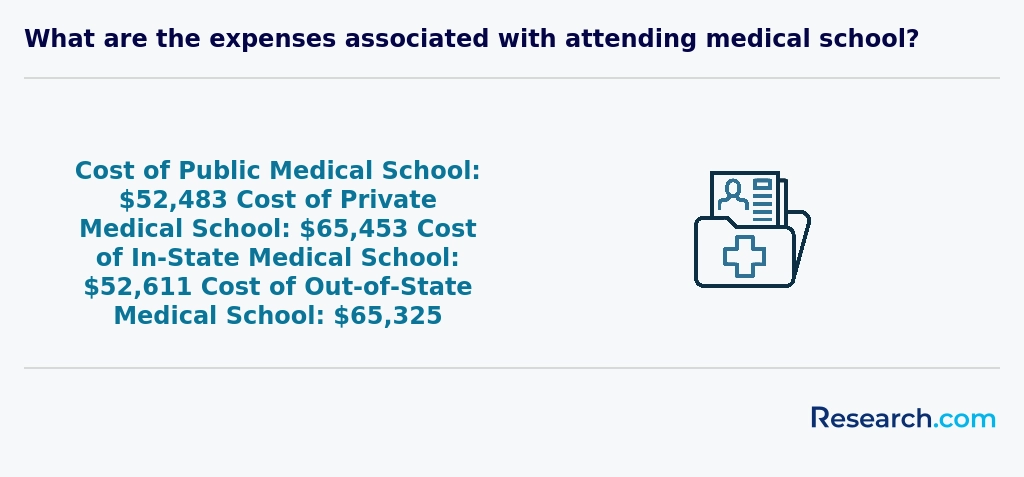
For many students pursuing healthcare degrees in Des Moines, the average cost is an important factor in making educational dreams a reality. On average, the total cost of earning a healthcare degree in this area typically falls around $34,762 for in-state students, with out-of-state students facing a higher median cost near $49,880. Many graduates from popular institutions describe their experience as an investment in a fulfilling and resilient career, where the supportive community and hands-on training opportunities truly add value beyond tuition alone.
In Des Moines, degree programs offer diverse pathways to enter the healthcare field, from associate degrees at community colleges to bachelor's and graduate programs at universities. These affordable healthcare degree tuition prices Des Moines provide allow students to balance cost with quality education. Graduates often recall how financial aid, scholarships, and employer tuition reimbursement helped them manage expenses, bringing their goals closer within reach. Pursuing a local institution also means access to rich clinical placements and real-world connections that elevate learning and career readiness.
For those seeking more budget-friendly options, exploring the cheapest healthcare school in iowa can be a smart step that opens doors to affordable, high-quality pathways into healthcare. This approach empowers many aspiring professionals to confidently embark on their careers, knowing their investment today will transform into rewarding work tomorrow.
Next Steps: Launching Your Healthcare Career in Des Moines, IA
Now that you’ve explored every facet of affordable healthcare degree programs in Des Moines-from cost and course structure to career prospects and financial aid-it’s time to turn insights into action. Begin by revisiting your personal career goals and comparing program features such as hands-on training, flexible learning options, and support services. Schedule visits to campuses, reach out to admissions offices, or attend virtual information sessions to get a real feel for the academic environment. Additionally, research further opportunities and reviews to help narrow down your choices. For more guidance on finding top cost-effective options in the region, check out our detailed guide at cheapest healthcare school in iowa. By taking these proactive steps, you’ll be well on your way to launching a successful and fulfilling career in healthcare.
What financial aid is available to healthcare degree students in Des Moines?
Many healthcare students in Des Moines find financial aid to be a powerful ally on their educational journey. Graduates from Des Moines University often share how federal Pell Grants, which can offer up to $7,395 annually, made a meaningful difference by easing the burden of tuition costs. Federal student loans, available with flexible repayment options, give students the freedom to focus on their studies without overwhelming financial stress.
State support through programs like the Iowa Vocational-Technical Tuition Grant further unlocks opportunities, especially for those attending community colleges or technical schools for vocational healthcare programs. These grants have helped students turn their ambitions into reality by reducing tuition expenses significantly.
Local scholarships from institutions such as Drake University provide targeted aid to healthcare students, rewarding academic merit and diverse backgrounds. Many students also benefit from employer tuition reimbursement programs within Des Moines' healthcare community, reinforcing the city's commitment to nurturing future professionals.
Licensing and Certification Requirements
After earning a healthcare degree in Des Moines, IA, most graduates must obtain professional licensure or certification before entering practice. Requirements vary by role and are enforced by state or national boards to ensure patient safety and quality care. Common credentials for Des Moines graduates include:
- Registered Nurse (RN): Pass the NCLEX-RN exam and secure licensure through the Iowa Board of Nursing. Many programs report first-time pass rates above 85%.
- Licensed Practical Nurse (LPN): Complete a state-approved practical nursing program, then pass the NCLEX-PN. LPNs in Iowa also register with the Board of Nursing.
- Health Information Technician: Earn the Certified Coding Specialist (CCS) or Certified Professional Coder (CPC) credential from AHIMA or AAPC. Certification demonstrates proficiency in medical coding and can boost job prospects.
- Medical Assistant: While not always mandatory, the Certified Medical Assistant (CMA) credential from AAMA is highly valued by employers and may be required for certain clinics. Key steps to prepare for licensure and certification: 1. Verify program accreditation by agencies like the Commission on Collegiate Nursing Education (CCNE) or the Accreditation Council for Education in Nutrition and Dietetics (ACEND). 2. Complete required clinical hours; most nursing and allied health programs mandate 400–700 hours of hands-on experience. 3. Register for and schedule your licensure exam-early application is recommended to secure preferred dates. 4. Maintain continuing education units (CEUs) for license renewal; Iowa RNs must complete 36 CEUs every three years. In addition to in-state licensure prep, consider exploring online program affordability with our Affordable Online Healthcare Degree Programs Ranking in Waco, TX to compare pathways and certification supports.
What are the prerequisites for enrolling in healthcare degree program in Des Moines?
To begin your journey toward a healthcare degree in Des Moines, meeting certain prerequisites is an exciting first step that sets you up for success. Most healthcare programs at local colleges and universities welcome students with a high school diploma or GED, ensuring a solid foundation. Graduates often recall how completing courses like biology and chemistry in high school gave them confidence and a strong grasp of essential concepts, making the transition smoother.
Many students at Des Moines institutions share how submitting SAT or ACT scores showcased their dedication, helping them stand out in competitive programs. Beyond academics, practical requirements like immunizations and background checks are crucial to prepare you for real-world clinical experiences, where you'll connect with patients and healthcare teams in meaningful ways.
For those pursuing advanced degrees, such as nursing or physician assistant roles, prior college coursework in subjects like microbiology and human anatomy often serves as a stepping stone. Stories from recent graduates highlight that demonstrating genuine passion through volunteer work alongside meeting these prerequisites truly opens doors to rewarding careers in Des Moines' vibrant healthcare community.
Program Accreditation and Licensing Requirements
Choosing an accredited healthcare degree program in Des Moines, IA ensures you meet state licensing requirements and qualify for professional certifications. Accreditation bodies verify program quality, curriculum relevance, and clinical training standards, directly impacting your career prospects and eligibility for licensure exams. Key accreditation and licensing considerations:
- Institutional Accreditation: Verify regional accreditation by agencies such as the Higher Learning Commission (HLC) to ensure transferability of credits and federal financial aid eligibility.
- Program-Specific Accreditation: Look for healthcare-specific endorsements-nursing programs should hold CCNE or ACEN accreditation, while health information management programs often seek CAHIIM approval.
- Iowa State Board Requirements: Confirm your program meets the Iowa Board of Nursing (IBN) or Iowa Department of Public Health standards, including requisite clinical hours and coursework for licensure.
- Certification Eligibility: Accredited programs typically prepare graduates for national exams (e.g., NCLEX-RN for nurses, RMA exam for medical assistants). Passing these exams is mandatory to practice in Iowa.
- Clinical Partnerships: Accredited schools partner with local hospitals and clinics-such as MercyOne and UnityPoint Health-to provide supervised clinical rotations that satisfy state licensing prerequisites. For students comparing allied health pathways, our resource on Most Affordable Online Medical Assistant Programs highlights accredited online options that align with Iowa’s licensing criteria. Ensuring your chosen program’s accreditation not only secures financial aid opportunities but also safeguards your eligibility for licensure and long-term career success.
What courses are typically in healthcare degree programs in Des Moines?
Healthcare degrees in Des Moines offer an inspiring journey through a blend of vital courses designed to build strong foundations and real-world readiness. At popular colleges like Grand View University or Des Moines University, students immerse themselves in essential subjects such as human anatomy and physiology, microbiology, and medical terminology, gaining deep insight into the human body and the language healthcare professionals rely on every day.
Many graduates recall how courses in health ethics, healthcare law, and patient communication empowered them to confidently navigate the complex responsibilities of patient care. Imagine confidently supporting a patient at UnityPoint Health, understanding not just their condition but also how to connect and communicate with compassion and respect.
Students also dive into pharmacology basics and healthcare management, enriching their understanding of treatment options and the inner workings of healthcare organizations. The blend of theory with clinical practice at local hospitals offers a unique, uplifting experience, motivating students towards fulfilling careers that truly make a difference in the Des Moines community.
What types of specializations are available in healthcare degree programs in Des Moines?
Healthcare degrees in Des Moines embrace a variety of specializations designed to inspire and empower students. Graduates from popular local colleges often share how nursing programs helped them develop confidence and compassion as they prepared for thriving careers. These programs include pathways from registered nurses to nurse practitioners, with strong job growth reflecting the community's healthcare needs.
Students pursuing health information management discover how managing patient data directly impacts better care delivery, a skill highly valued at Des Moines hospitals. This specialization aligns well with the city's expanding healthcare technology, fueling promising career options. Those fascinated by diagnostics find medical laboratory technology an exciting path, where graduates celebrate mastering tests that detect diseases early and save lives.
Healthcare degree specializations in Des Moines also include healthcare administration, physical therapy assistance, and respiratory therapy. Many graduates speak enthusiastically about stepping into leadership roles and roles supporting patient recovery. For those intrigued by administrative careers, learning about becoming a medical coder opens additional doors in the field.
How do you choose the best healthcare degree in Des Moines?
Choosing the best healthcare degree in Des Moines means embracing your passion and aligning it with programs that fuel your career aspirations. Many graduates from Drake University share how flexible scheduling and strong program accreditation empowered them to succeed while balancing life's challenges. Des Moines Area Community College (DMACC) stands out for affordable healthcare degree programs in Des Moines, offering practical, hands-on experiences that build confidence and real-world skills.
Imagine stepping into a classroom where expert instructors guide you through nursing or medical technology, knowing that your degree is respected nationwide thanks to rigorous accreditation standards. By exploring cost-effective options like community colleges and carefully reviewing job placement rates, you position yourself for success in a flourishing local healthcare market.
For those seeking convenient pathways, consider programs with evening or online courses. You can discover more about accessible and budget-friendly opportunities by checking out this resource on Most Affordable Online Medical Assistant Programs.

What career paths are available for healthcare degree students in Des Moines?
Graduates with a healthcare degree in Des Moines discover a world of fulfilling opportunities that impact the community every day. Whether stepping into roles as registered nurses through local programs at universities like Des Moines University or pursuing leadership as medical and health services managers coordinating vital departments, the city offers dynamic career paths that match your passion. Many graduates find joy working as physical or occupational therapists, aiding recovery in clinics supported by Des Moines' expanding rehabilitation services. For those drawn to technology, health informatics specialists play a crucial role in advancing patient care through data, fueled by the city's growing healthcare tech scene. Exploring Des Moines healthcare degree job prospects reveals roles such as phlebotomists and medical laboratory technicians, excellent entry points that spark professional growth and confidence.
Students energized by healthcare career opportunities in Des Moines often share how clinical placements at top local providers like UnityPoint Health help transform classroom knowledge into meaningful, hands-on experience. Ambitious graduates also consider master's programs to become physician assistants, embracing a rewarding career with excellent earning potential. To explore affordable options and practical programs, check out the Affordable Online Healthcare Degree Programs Ranking in Waco, TX, which inspire learners to find the perfect fit for their goals.
What is the job market for healthcare degree in Des Moines?
The healthcare job market Des Moines graduates enter is vibrant and full of promising opportunities. Many who studied at institutions like Des Moines Area Community College or state universities find themselves quickly absorbed into a sector growing at over 10% locally, driven by a rising elderly population and expanding healthcare services. Graduates report feeling proud and motivated as they step into roles such as registered nurses, healthcare managers, or certified home health aides, knowing their skills are in high demand and valued by major employers like UnityPoint Health and MercyOne.
Those pursuing a healthcare degree employment opportunities Des Moines offers appreciate the affordable tuition rates, with programs often costing less than $5,000 annually, easing financial stress. Students also benefit from hands-on experiences and community connections that lead directly to rewarding careers. For busy adults balancing work and study, the best accelerated online degree for working adults provides flexible pathways, making the dream of a healthcare career more achievable than ever before.
Frequently Asked Questions About healthcare
Healthcare degree students in Des Moines can maximize their learning experience by engaging directly with the city's robust healthcare network. Des Moines hosts several major hospitals and clinics, such as Iowa Lutheran Hospital and UnityPoint Health, which offer diverse clinical rotation opportunities. Gaining hands-on experience in these settings complements academic coursework and builds practical skills.
Students should also take advantage of Des Moines Area Community College's partnerships with local health providers for internships and job placements. According to the Iowa Department of Public Health, the healthcare sector in Des Moines is expected to grow by over 10% through 2030, creating additional training and employment opportunities.
Additionally, joining local professional organizations can provide networking and continuing education resources.
The healthcare field in Des Moines is evolving rapidly, with several emerging niches reflecting broader national trends. One fast-growing area is telehealth, which saw a significant rise during the COVID-19 pandemic and continues expanding due to increased accessibility and convenience. Des Moines healthcare providers are investing more in digital health technologies, creating new demand for professionals skilled in health informatics and telemedicine management.
Another growing specialty is geriatric care, driven by Iowa's aging population. Nurses and therapists with expertise in elderly care are increasingly sought after. Additionally, behavioral health services are expanding to address mental health challenges in the region, reflecting a national push to integrate these services into primary care settings.
Emerging fields also include precision medicine and healthcare data analytics, supported by local research institutions like the University of Iowa, which contribute to innovations shaping these niches.
After completing a healthcare degree in Des Moines, preparing for the job market involves several key steps. First, gaining practical experience through internships or clinical rotations is crucial. These opportunities allow students to network and develop skills valued by employers. According to the Iowa Healthcare Collaborative, nearly 70% of healthcare employers in Iowa prefer candidates with hands-on experience.
Next, obtaining required certifications and licenses for your specific healthcare field is essential before seeking employment. For example, registered nurses must pass the NCLEX-RN exam.
Additionally, leveraging local job fairs and career services offered by Des Moines colleges can connect graduates with regional healthcare providers. The Des Moines-West Des Moines metro area sees steady healthcare job growth, projected at 12% through 2028, exceeding the national average.
Effective resume writing and interview preparation tailored to healthcare roles also improve job prospects.
Employers in Des Moines prioritize a combination of technical skills and interpersonal abilities when hiring healthcare degree graduates. Strong clinical competencies, such as patient care and medical knowledge, are fundamental due to the city's expanding healthcare facilities like MercyOne and UnityPoint Health.
Communication skills are crucial, as effective interaction with patients and multidisciplinary teams improves treatment outcomes. Critical thinking and problem-solving abilities enable healthcare professionals to adapt to fast-paced environments and complex cases. According to the Iowa Workforce Development, healthcare occupations in Des Moines grew by 14% from 2017 to 2022, emphasizing the importance of adaptability and continuous learning. Cultural competence and ethical responsibility also rank highly among employer expectations.
Internships are essential for healthcare students in Des Moines to gain practical experience and improve job prospects. One effective way to find internships is through local hospitals like MercyOne Des Moines or Iowa Methodist Medical Center, which often offer structured programs for students.
Many Des Moines colleges, such as Des Moines University and Drake University, maintain partnerships with healthcare providers and assist students in securing internships. Checking with a school's career services office can open doors to exclusive opportunities.
Additionally, online platforms like Handshake and internship databases specific to Iowa can provide listings tailored to healthcare fields.
Networking through professional organizations, such as the Iowa Hospital Association, can also lead to valuable internship placements in Des Moines healthcare facilities.
Obtaining a healthcare degree in Des Moines significantly enhances career mobility and advancement opportunities within the region's robust medical sector. Des Moines hosts major healthcare employers like UnityPoint Health and MercyOne, which actively seek qualified professionals with formal healthcare education. According to the Iowa Workforce Development, healthcare occupations in Des Moines are expected to grow by 16% through 2030, outpacing many other industries.
Graduates with degrees in nursing, health administration, or allied health fields often find increased access to leadership roles and specialized positions. Advanced credentials can lead to higher salaries and greater job security in local hospitals, clinics, and long-term care facilities.
Studying for a healthcare degree in Des Moines offers strong preparation for interdisciplinary roles by emphasizing collaboration across multiple healthcare professions. Many programs in the area incorporate team-based learning and clinical simulations, which mirror real-world settings where doctors, nurses, therapists, and social workers cooperate to provide patient care. According to the Iowa Department of Public Health, Des Moines has a growing healthcare workforce demand, making versatility and communication skills essential. Local institutions also partner with nearby hospitals and clinics, allowing students practical experience in multidisciplinary environments. This hands-on training helps graduates adapt quickly to the integrated nature of today's healthcare sector.
Choosing between a thesis and a non-thesis healthcare degree program in Des Moines depends on your career goals and learning preferences. Thesis programs emphasize research, requiring students to conduct original studies, which can be beneficial for those aiming at doctoral studies or research roles. Non-thesis programs often focus on practical skills and fieldwork, appealing to professionals seeking direct entry into healthcare practice or management.
In Des Moines, where healthcare roles are expanding by about 15% through 2030 according to the Iowa Workforce Development, practical experience may be valued in clinical settings. However, institutions like Drake University offer thesis options for students interested in academic research.
Consider your long-term plans, the workload, and faculty expertise before deciding. Each path offers distinct advantages based on your aspirations.
Students in Des Moines interested in studying healthcare abroad have several options through partnerships and exchange programs with international universities. Many local institutions, including Drake University and Des Moines University, offer study abroad opportunities or credit transfers related to nursing, public health, and medical technology.
Additionally, U.S. federal data shows that healthcare remains a top field for international study among American students. Pursuing education abroad can provide exposure to diverse healthcare systems and foster skills in global health.
It is important for students to verify that foreign programs align with accreditation standards to ensure credits transfer smoothly and meet licensure requirements in the U.S.
Part-time job opportunities in Des Moines that complement healthcare degree education are varied and offer valuable experience. Many students find positions as medical assistants or nursing aides in local clinics and hospitals. These roles provide hands-on patient care experience, which aligns well with coursework.
Des Moines hosts several healthcare providers, including UnityPoint Health and Broadlawns Medical Center, both of which often hire part-time workers. According to the Iowa Workforce Development, healthcare occupations in the region are growing faster than the national average, increasing the availability of such jobs.
Additionally, roles like pharmacy technicians or health information clerks can enhance students' understanding of medical administration and patient privacy regulations.
Healthcare students in Des Moines benefit from varied networking opportunities supported by local institutions and professional groups. The city hosts healthcare-focused events through organizations like the Iowa Medical Society and the Des Moines Area Community College (DMACC), which offer meetups and workshops. These serve as valuable platforms for students to connect with experienced practitioners, potential employers, and alumni.
Additionally, Des Moines features hospitals such as MercyOne and UnityPoint Health, which provide clinical internships and networking events. According to the Greater Des Moines Partnership, healthcare jobs grew by 5.2% in 2023, highlighting expanding industry connections. Students also gain access to Iowa's annual healthcare conferences, fostering relationships essential for career advancement.
Alumni networks provide significant advantages for healthcare degree students in Des Moines. These networks connect current students with graduates working in local hospitals, clinics, and research facilities.
Such connections can lead to internships, job placements, and mentorship opportunities. According to the Iowa Workforce Development, Des Moines has over 30,000 healthcare jobs, making networking critical for access to diverse career paths.
Moreover, alumni often share insights about local healthcare trends and employer expectations, helping students prepare effectively for the workforce. These networks also foster professional growth through events and workshops specific to healthcare fields.
Overall, active alumni communities enhance career readiness and employment prospects for Des Moines healthcare students.
Customizing a healthcare degree program in Des Moines starts with selecting a school that offers flexible curriculum options. Many local institutions provide specialized tracks or elective courses allowing students to focus on areas like nursing, health administration, or public health. This flexibility helps align your studies with specific career goals, whether clinical or administrative.
Des Moines is home to healthcare systems that frequently collaborate with colleges to offer internships and practical experiences tailored to market needs. According to the Iowa Workforce Development reports, healthcare employment in Des Moines is expected to grow by 15% over the next decade, increasing opportunities for specialized skills.
Students should also explore programs that offer part-time, evening, or online classes to balance education with work or family commitments. Choosing schools with strong industry connections in Des Moines can further enhance career readiness through networking and job placement.
Healthcare students in Des Moines often face several challenges during their education. One major hurdle is balancing demanding clinical hours with coursework, which can be stressful and time-consuming. Many programs require students to complete over 1,000 clinical hours, putting pressure on their time management skills.
Financial strain is also significant; tuition rates in Iowa average around $9,000 per year for in-state students, but additional costs for supplies, exams, and living expenses add up. According to the Iowa Department of Public Health, there is a growing demand for qualified healthcare workers, but competition for internships and residencies remains intense.
Moreover, adapting to rapidly evolving healthcare technologies and regulations demands continual learning. This can be challenging without strong institutional support. Lastly, pandemic impacts have increased mental health concerns among students, highlighting the need for accessible counseling services during their studies.
With a healthcare degree in Des Moines, graduates can pursue various professional certifications to enhance their careers. Common certifications include Registered Nurse (RN), Certified Medical Assistant (CMA), and Certified Health Education Specialist (CHES). These credentials are valued across Iowa's growing healthcare sector.
For example, the Iowa Department of Public Health reports a steady demand for RNs and allied health professionals in Des Moines, supporting career growth with certifications. Additionally, certifications such as the Certified Professional Coder (CPC) help healthcare administrators and coders secure specialized roles.
These certifications typically require passing an exam and completing continuing education hours, ensuring professionals remain current with industry standards.
Writing a winning application for a healthcare program in Des Moines requires careful preparation. Start by researching the specific program's prerequisites, as many local schools like Des Moines University and Drake University have distinct requirements.
Strong academic records, especially in biology and chemistry, are important. Highlight any healthcare-related experience, such as volunteering or internships, to demonstrate commitment.
Personal statements should clearly explain your passion for healthcare and your goals. Make sure to tailor the essay to address the healthcare needs of the Des Moines community, which faces rising demands in elder care and chronic disease management, according to the Iowa Hospital Association.
Letters of recommendation from healthcare professionals or professors boost credibility. Finally, meet all deadlines early to avoid hiccups in application processing.
The global perspective on a healthcare career emphasizes the growing demand for skilled professionals due to aging populations and increased chronic diseases worldwide. In the United States, including Des Moines, healthcare jobs are projected to grow 13% from 2021 to 2031, according to the Bureau of Labor Statistics. This growth exceeds the average for all occupations, reflecting a strong need for healthcare workers.
Des Moines benefits from a robust healthcare infrastructure with several hospitals, such as Mercy Medical Center and Iowa Methodist Medical Center, which offer diverse clinical opportunities. Internationally educated healthcare workers often pursue additional US certifications, highlighting the high standards of American healthcare education.
Understanding this global demand can guide Des Moines students toward careers that offer both local relevance and worldwide opportunities.
Gaining practical experience while studying for a healthcare degree in Des Moines is essential to enhance your skills and employability. Many local institutions, including Des Moines University and Iowa State University, offer clinical rotations and internships as part of their curriculum. These opportunities allow students to work directly with patients under professional supervision.
Additionally, Des Moines has numerous hospitals and healthcare facilities, such as MercyOne and Broadlawns Medical Center, that frequently partner with universities to provide externships and volunteer programs. These placements expose students to real-world healthcare settings, improving both technical and interpersonal skills.
According to the Iowa Department of Public Health, completing hands-on training in local facilities increases job placement rates by up to 30% for healthcare graduates in the region.
Choosing the right concentration within a healthcare degree program in Des Moines requires understanding local industry demands and your career goals. Des Moines, with its growing healthcare sector, especially in areas like public health and healthcare administration, offers various specialization options. According to the Iowa Workforce Development, healthcare jobs in Des Moines are projected to grow by 10% from 2022 to 2032, particularly in nursing and health services management.
Research the concentrations offered by schools such as Drake University or Des Moines University. Consider which allied health fields or clinical specialties align with your interests and job market opportunities. Practical experience and internships available locally also play a key role in this decision.
Finally, evaluate tuition costs and financial aid options to ensure the concentration fits your budget and long-term career plans.
Related Healthcare Rankings for Nearby Cities
- 2027 Most Affordable Healthcare Degree Programs Ranking in Sioux City
- 2027 Most Affordable Healthcare Degree Programs Ranking in Kansas City
- 2027 Most Affordable Healthcare Degree Programs Ranking in Peoria
- 2027 Most Affordable Healthcare Degree Programs Ranking in Minneapolis
- 2027 Most Affordable Healthcare Degree Programs Ranking in Chicago
- 2027 Most Affordable Healthcare Degree Programs Ranking in Wichita
- 2027 Most Affordable Healthcare Degree Programs Ranking in Indianapolis
- 2027 Most Affordable Healthcare Degree Programs Ranking in Louisville
- 2027 Most Affordable Healthcare Degree Programs Ranking in Little Rock
- 2027 Most Affordable Healthcare Degree Programs Ranking in Denver
Top Trending Healthcare Rankings
See What Experts Have To Say About Studying Healthcare
Read our interview with Healthcare experts

References
- Health Management Careers https://www.ache.org/Career-Resources/Start-Your-Career/Health-Management-Careers
- Global Health Perspectives https://www.denvercollegeofnursing.edu/students/global-health-perspectives.html
- Health Care Professional Incentive Program https://educate.iowa.gov/higher-ed/financial-aid/loan-repayment/health-care-professional-incentive-program
- Career Opportunities in Healthcare Without a Medical Degree https://www.just-medical.ch/en/blog/medical-careers-without-formal-education
- What Are the Prerequisites for a Degree in Healthcare Management? - Healthcare Management Degree Guide https://www.healthcare-management-degree.net/faq/what-are-the-prerequisites-for-a-degree-in-healthcare-management/
- How to Choose a Health Administration Program https://www.healthadministrationdegrees.com/articles/choosing-a-program/
- Careers at The Iowa Clinic https://www.iowaclinic.com/careers/
- Thesis vs. Non-Thesis Master's Programs: Which is Right for You? https://potomac.edu/thesis-vs-non-thesis-masters/
- Networking and Mentorship During Clinical Rotations https://rotatingroom.com/blog/medical-students-the-importance-of-networking-mentorship-during-your-clinical-rotations
- Know more about thesis vs non- thesis: what is the difference? https://studyfans.com/en/blogs/816