
2027 Most Popular Education Degree Programs Ranking in Fargo

Co-Founder and Chief Data Scientist
Considering a future in education in Fargo? This article introduces the 2027 Most Popular Education Degree Programs Ranking in Fargo, created by the Research.com team of data scientists. It's designed to help you make informed decisions about which programs align best with your goals.
Choosing the right education degree can open doors to rewarding careers and meaningful community impact. This guide breaks down top programs so you can find the perfect fit with confidence and clarity.
Explore your options and take a positive step toward a fulfilling educational journey.
Key benefits of getting education degree in Fargo
- Salary for education degree graduates: Graduates in Fargo can expect competitive salaries like $70,740 annually for elementary school teachers and $76,000 for special education teachers, reflecting stable and rewarding career options.
- Potential career paths: Education degree holders from popular local colleges often pursue roles as instructional designers or ESL teachers, opening diverse opportunities in schools and educational organizations.
- Benefits of online degrees: Completing an education degree online in Fargo offers flexibility and convenience, allowing graduates to balance work and study while gaining skills valued by employers.
- 2027 Most Popular Education Degree Programs Ranking in Fargo
- What can I expect from education degree in Fargo?
- Where can I work with education degree in Fargo?
What can I expect from education degree in Fargo?
The average cost of pursuing an education degree in Fargo reflects a balance between quality and affordability, with North Dakota State University (NDSU) serving as a leading example. Graduates often recall managing tuition costs around $9,500 per year for in-state students, a figure that stands out against national averages and makes higher education feel more accessible. This reasonable financial expectation allows many to envision themselves stepping into classrooms without the looming pressure of overwhelming debt.
Beyond tuition, students appreciate how their programs integrate practical experiences-such as student-teaching in local schools-which are crucial for real-world readiness and bring their learning to life. Graduates commonly describe these opportunities as empowering, allowing them to connect theory with the realities of diverse classrooms in Fargo.
Moreover, financial aid tailored to teacher candidates further softens monetary concerns, weaving a supportive network that makes education degrees not just a costly ambition but a tangible goal within reach for many aspiring educators in Fargo's community.
Where can I work with education degree in Fargo?
With an education degree in Fargo, you quickly realize teaching in local K-12 schools is just the starting point. Graduates from North Dakota State University often share how their training opened doors beyond the classroom-into roles like curriculum coordination or instructional coaching, where they shape entire school programs. Imagine guiding a school's learning approach rather than managing a single classroom.
The city's expanding population fuels a strong need for early childhood educators in preschools and daycare centers, a popular path for those connected to Minnesota State University Moorhead. Many find joy supporting children's first learning steps, turning passion into tangible community impact.
Others discover opportunities in higher education administration or educational policy, influencing broader educational systems while staying near Fargo. Career stories frequently include positions in counseling or creating training programs for nonprofits, blending education with social services in rewarding ways.
In Fargo, an education degree means stepping into roles that matter-where your work directly shapes lives and the community's future. This breadth of paths inspires graduates to envision careers far beyond traditional teaching roles.
Graduates from education programs in Fargo often find their earnings vary widely depending on their specific career path and credentials. For example, a recent graduate from a local university starting as an elementary school teacher might expect to earn around $70,740 annually based on national averages.
Those who specialize often see more rewarding paychecks: special education teachers earn approximately $76,000 a year, reflecting both the demand and expertise required. English as a Second Language (ESL) teachers, with mean wages near $65,430, also benefit from growing multicultural school populations in Fargo.
Early childhood educators, vital in laying strong foundations, tend to earn less at about $41,410, yet many find deep satisfaction in the role's impact despite the modest salary.
Instructional designers are another promising avenue, earning around $77,200, combining education experience with technology to craft learning experiences.
With Fargo's moderate cost of living and universities offering strong local connections, many graduates feel their investment in education degrees translates into both financial stability and meaningful careers in schools throughout the region.
- North Dakota State University (NDSU) in Fargo offers education degree programs with in-state tuition around $9,600 per year and out-of-state tuition near $25,000 annually.
- Total annual costs including fees, books, and living expenses range from $15,000 to $18,000 for in-state students.
- Teaching jobs in Fargo are stable with steady demand in elementary and secondary education through 2028.
- Starting salaries for new education graduates average about $45,000 per year, increasing to over $60,000 mid-career in public school districts.
- Certification requires completing an approved education program and passing Praxis exams, which are standard in many states.
Completing an education degree in Fargo typically takes around four years for a bachelor's and two years for a master's, but this standard often invites deeper consideration. Graduates from North Dakota State University frequently share how the structured four-year bachelor's path, balanced with general education and hands-on student teaching, feels both rigorous and rewarding. Many appreciate that this timeline aligns with state licensure needs, making their transition from campus to classroom seamless.
However, the story doesn't end at simply following a clock. Some students deliberately choose part-time or online courses to juggle work and family - a choice that can stretch completion beyond six years but offers invaluable flexibility. Meanwhile, others embrace accelerated combined degree tracks, shaving years off their journey and advancing faster into their careers. Such experiences highlight how personal circumstances and program options shape the timeline uniquely within Fargo's education landscape.
Understanding these varied paths invites prospective students to reflect on what completion truly means for them and how Fargo's institutions support diverse ambitions.
Becoming a licensed teacher in Fargo, ND entails meeting the North Dakota Department of Public Instruction (NDDPI) standards, which ensure educators are fully prepared for classroom success. Here’s a concise roadmap: 1. Complete an accredited education degree • Earn a bachelor’s or master’s in Education from an institution approved by CAEP or NCATE. • Verify program accreditation through your school’s education department. 2. Pass required exams • Praxis Core Academic Skills for Educators (Reading, Writing, Mathematics) • Praxis II content-area assessment aligned with your specialization • edTPA performance-based teaching portfolio 3. Submit licensure application • Create an Educator Licensure System (ELS) account on the NDDPI portal • Upload official transcripts, test scores, and a completed Background Check Authorization form • Complete fingerprinting via an approved vendor and pay the $83 fingerprinting fee • Pay the $75 initial licensure application fee 4. Maintain and renew your license • License renewal every five years requires six semester credits in professional education courses or 100 clock hours of continuing education • Advanced licenses (e.g., Principal, Superintendent) typically require a master’s degree and additional coursework or national board certification Aspiring educators aiming to fast-track advanced licensure often pursue online graduate programs designed for working professionals. For those balancing work and study, consider reviewing our Low Cost Online Master's in Education Degree Programs Ranking in Cincinnati, OH to find flexible, affordable pathways that align with North Dakota’s certification requirements.
Choosing between online and on-campus education degrees in Fargo challenges the traditional view that physical presence is always best. Graduates from North Dakota State University often recall the vibrant energy of walking the campus, engaging directly with professors, and gaining hands-on experience through local classroom observations. These in-person moments foster connections that feel tangible, helping students develop confidence and networks essential for teaching careers.
Conversely, graduates from Minnesota State University Moorhead's online programs emphasize the liberating flexibility of remote study-balancing family, jobs, and coursework without sacrificing academic rigor. They appreciate accessing the same curriculum and accreditation standards while managing their own schedules, a crucial advantage for working adults in Fargo.
Cost also plays a role: on-campus tuition ranges between $8,000 and $12,000 annually, but online degrees may cut costs by eliminating commute and facility fees, appealing to those seeking financial relief without compromising quality.
Ultimately, both paths in Fargo converge on a shared goal-preparing capable, state-licensed educators-yet they offer distinctly different journeys shaped by lifestyle and learning preferences.
Aspiring educators in Fargo, ND, must obtain state certification through the North Dakota Education Standards and Practices Board (ESPB) before entering the classroom. To qualify, candidates typically need to: • Complete a state-approved teacher preparation program, which includes coursework in pedagogy, classroom management, and special education strategies. • Pass the Praxis Core Academic Skills for Educators (CORE) exams in reading, writing and mathematics, as well as the Praxis Subject Assessment for your chosen grade level or subject area. • Submit official transcripts, a background check and fingerprinting results to the ESPB. • Accumulate the required supervised student-teaching hours-usually one full semester-in an accredited K–12 setting in North Dakota. Following graduation, candidates apply online through the ESPB portal, pay the licensure fee, and upload proof of degree completion, exam scores and any out-of-state certification if applicable. It’s important to budget not only for tuition and materials but also for exam fees and application costs. Prospective students can compare program fees and explore the cost of getting teaching degree to make informed financial plans. Once certified, educators must renew their license every five years by completing continuing education units (CEUs) or advanced degree credits. This process ensures teachers stay current with instructional best practices and state requirements, reinforcing both the quality of education in Fargo and their own professional growth.
The average cost of an education degree in Fargo is about $26,792, a figure that reflects both in-state and out-of-state students' total expenses. Graduates from North Dakota State University, a leading institution locally, often share how this investment feels manageable considering the quality of education they receive and the strong support services available. In-state students typically spend closer to $11,110, which can feel like a solid bargain when compared to tuition rates in other regions. This balance allows many education majors to focus more on their studies and less on financial strain.
Considering total expenses for education degrees Fargo 2027, it's important to recognize how students juggle tuition alongside living costs, books, and fees. Many graduates recount the relief scholarships and financial aid bring, turning what might seem a daunting sum into an achievable goal. Those attending private colleges or nearby community colleges often navigate varied fee structures but capitalize on local resources to keep costs manageable. Such experiences illuminate how thoughtfully choosing a school impacts long-term financial well-being.
For education students seeking specialized routes, exploring an online doctorate in highereducation can open additional pathways while managing expenses. The decision to pursue advanced levels of study in Fargo involves weighing tuition against career ambitions, a balance every prospective student must carefully consider.

After earning an Education degree in Fargo, ND, graduates must secure initial teaching licensure through the North Dakota Board of Teaching. The process typically involves: • Submitting an Application: Complete the online application via the ND eLicense portal, providing official transcripts and a criminal background check. • Passing Required Exams: Most candidates must pass the Praxis Core Academic Skills for Educators (reading, writing, mathematics) and the appropriate Praxis Subject Assessments for their endorsement area. Check the Board’s website for specific score requirements. • Completing Educator Preparation: Ensure your program includes supervised student teaching and coursework approved by CAEP or NCATE. • Paying Fees: Licensure and assessment fees vary; plan for exam registration ($120–$160 per test) and application fees (around $100). • Receiving the Initial License: Valid for five years, renewable upon completing 75 renewal units or holding a NBPTS certificate. For candidates pursuing advanced roles or administrative endorsements, many opt to continue their studies with a master’s degree. Affordable online pathways can streamline licensure renewal and salary advancement-consider options like the Low Cost Online Master's in Education Degree Programs Ranking in Cincinnati, OH for cost-effective graduate credits. North Dakota also recognizes out-of-state certification under reciprocity agreements; verify eligibility by submitting your credentials for evaluation. Maintaining licensure requires ongoing professional development-teachers must document continuing education every renewal cycle to uphold state teaching standards.
Many education students in Fargo discover that financial aid is far more accessible than they initially imagined. Graduates from North Dakota State University often recall how Pell Grants - sometimes reaching up to $7,395 annually - made a critical difference in managing tuition fees that average around $8,500 for in-state learners. This aid isn't just a number; it's a lifeline enabling students to focus on their passion rather than worry about immediate costs.
State scholarships add another layer of support, with awards between $2,000 and $4,000 designed specifically for residents attending local institutions. Imagine a student balancing coursework and family life, relieved by the North Dakota Academic scholarship that reduces their financial stress enough to volunteer within the community and deepen their leadership skills.
On-campus work-study positions offer more than income-they provide meaningful experience in educational settings, which graduates often say amplified their confidence for future teaching careers. Local scholarships aimed at future Fargo teachers further reflect a community invested in its own, inspiring students to commit to public schools after graduation.
All prospective teachers in Fargo, ND must obtain licensure through the North Dakota Department of Public Instruction (ND DPI) to ensure they meet state standards for classroom readiness. The typical path includes: • Completion of an accredited teacher preparation program: Graduates must earn a degree from a CAEP-accredited institution and fulfill supervised student-teaching hours. • Passing required examinations: Candidates take the Praxis CORE (for reading, writing and mathematics) and Praxis Subject Assessments or the edTPA performance-based assessment, depending on their licensure area. • Background check and ethics review: A clean criminal history and adherence to the ND Code of Ethics for Educators are mandatory. • Application and renewal: Licenses are issued for five years; renewal requires proof of continuing professional development (CPD) credits or completion of a master’s program with built-in PD courses. North Dakota offers separate licensure tracks for elementary (K–6), secondary (7–12) and exceptional children (special education). Additional endorsements-such as ESL or reading specialist-require supplemental coursework and exam passage. For educators seeking advanced credentials or administrative endorsements, master’s programs with integrated licensure support can streamline this process. Many candidates find value in flexible, cost-effective online pathways like the Low Cost Online Master's in Education Degree Programs Ranking in Cincinnati, OH, which combine graduate-level pedagogy with state-aligned certification coursework. By understanding and planning for these licensing steps early, Fargo students can confidently transition from degree completion to a fully certified teaching career.
Enrolling in an education degree in Fargo demands more than just a high school diploma or GED; it calls for a readiness to embrace the challenges of teaching. Graduates from North Dakota State University recall how their strong academic foundation in English and social sciences truly prepared them for coursework and classroom realities. Beyond transcripts, applicants find that letters of recommendation and personal statements reveal their genuine passion-a crucial factor most admissions committees seek.
At Minnesota State University Moorhead, education candidates shared how standardized test scores sometimes matter less than demonstrating meaningful experience with children. Background checks and immunization proof are more than formalities; they reflect the trust placed in future educators working within local schools.
Graduate hopefuls understand that a bachelor's degree-even if not in education-enhances their eligibility, especially when paired with hands-on exposure to teaching or child development. Navigating these prerequisites feels daunting but also rewarding, building confidence before stepping into a vital, transformative profession in Fargo's educational landscape.

The education sector in Fargo, ND, is experiencing a notable shift, with a growing demand for skilled educators and a wide range of in demand education programs that cater to diverse student needs. This trend is driven by the need for innovative teaching methods, technological integration, and specialized educational services. As a result, education degree programs in Fargo are adapting to meet these demands, offering specializations in areas like early childhood education, special education, and instructional technology. Furthermore, the emphasis on practical experience and community engagement is becoming increasingly important, with many programs incorporating internships, volunteer opportunities, and partnerships with local schools to provide students with hands-on experience and networking opportunities.
Graduates from Fargo's leading education programs often reflect on the essential courses that shape their teaching philosophies and classroom success. At institutions popular among local students, courses like educational psychology transform abstract theories into vivid understandings of how children think and grow, making student engagement feel less like guesswork and more like a skilled art. Learning curriculum design here goes beyond textbooks-future educators craft lesson plans that resonate with Fargo's diverse classrooms, including Indigenous and immigrant students, fostering meaningful connections.
Classroom management classes are more than rules and procedures; they provide strategies to create welcoming, inclusive spaces where every student can thrive, echoing the real challenges students face in local schools. Hands-on experiences through student teaching bring these lessons to life, as graduates recall the thrill and nerves of stepping into Fargo classrooms, applying their knowledge and adapting to dynamic, real-world learning environments.
Special education and assessment courses deepen understanding and empathy, equipping teachers to support all learners effectively. This blend of theory and practice, tailored to Fargo's unique educational landscape, inspires graduates with confidence and lasting passion for their careers.

Education degree specializations in Fargo push beyond simple pedagogy, inviting students to immerse themselves in roles that truly shape the future. Graduates from popular Fargo colleges often reflect on how the Elementary Education track transformed their approach to teaching young learners, grounding them in literacy and math skills essential for early success. Meanwhile, those who chose Secondary Education frequently share how diving deep into subject-specific expertise, such as science or social studies, aligned perfectly with North Dakota's certification requirements and prepared them for meaningful classroom leadership.
Students embracing Fargo education program concentration options also find purpose in Special Education, feeling empowered to support learners with diverse needs through hands-on experiences at local schools. Others who pursued Educational Leadership and Administration express pride in developing skills to influence entire school communities, a path few initially envision but which opens rewarding career doors. Many recall how these specializations created possibilities to engage in curriculum design or early childhood programs, showing education in Fargo is as diverse as the learners it serves. For those exploring flexible routes, the distance education benefits for educators offer compelling ways to deepen expertise.
Choosing the best education degree in Fargo demands looking beyond just program titles or tuition costs. Graduates from North Dakota State University often recall how accreditation assured them their degree carried real weight in classrooms here, underlining the importance of selecting a program recognized by credible regional bodies. It's this foundation that shapes career success, reinforcing why checking accreditation status isn't optional but essential when exploring the best education degree programs in Fargo.
Affordability can stir hope or hesitation. Many find Fargo's public institutions offer affordable teaching degrees Fargo 2027 students appreciate, balancing quality with manageable costs-vital when budgets tighten. These graduates emphasize that financial aid and scholarships tailored to education majors often transform daunting expenses into achievable goals.
Experiences shared by graduates highlight the impact of program specializations and local job market alignment. With growing demand for K-12 teachers and special education experts, aligning your studies with real job needs in Fargo enriches your long-term prospects. For those seeking a digital edge, exploring programs that blend technology with pedagogy can be pivotal. Students who followed this path often point peers to resources like the best elementary education degrees online as a flexible, forward-thinking choice.
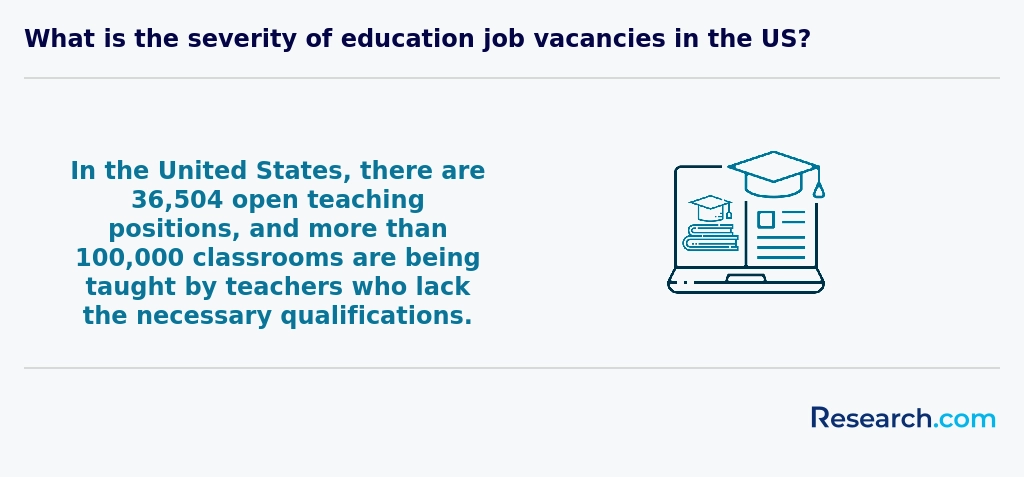
Graduates holding an education degree in Fargo often find themselves stepping into roles that defy the traditional classroom image. While many become licensed teachers within Fargo Public Schools-welcoming the challenge of shaping young minds and earning starting salaries aligned with state norms-others embrace the complexity of educational administration or the nuanced influence of curriculum coordination. Those enrolled at popular Fargo institutions share stories of securing positions that require not just passion, but also advanced certifications, tapping into the higher earning potential of these leadership roles.
Exploring education degree career opportunities in Fargo reveals paths beyond teaching: from supportive roles like school counselors and instructional coordinators to specialized fields such as early childhood education, community tutoring, or involvement in inclusive programs unique to Cass County. Such positions bring fulfillment through close student engagement and offer stability in a steadily growing job market.
For graduates eager to push boundaries further, opportunities exist to explore careers with doctorate in education, blending research and practice to transform local education systems. These varied trajectories demonstrate that an education degree from Fargo's colleges is more than a teaching ticket-it's a gateway to impacting the future from multiple, rewarding angles.

The job market for graduates with an education degree in Fargo defies some common assumptions about teaching careers. While national trends might suggest slow growth, Fargo's expanding student population invigorates local demand, especially within Fargo Public Schools and West Fargo Public Schools. Graduates from top programs in the area, like North Dakota State University, often report firsthand how their education degrees open doors to vibrant K-12 teaching roles, particularly in high-need subjects like special education and STEM. This reflects a compelling example of education degree job opportunities in Fargo that combine reliable employment with meaningful community impact.
Fargo's educators frequently share how this environment offers not just a paycheck but a pathway for professional growth and personal fulfillment. Those pursuing additional qualifications through programs or internet-based EdD programs can further boost their careers beyond the classroom, tapping into roles such as curriculum development and instructional coordination. The Fargo education degree employment outlook thus invites students to rethink teaching jobs as dynamic careers shaped by regional demand and evolving educator needs.
2027 Most Popular Education Degree Programs Ranking in Fargo
Investing in your education is a significant decision that can shape your future, and the Research.com team understands the importance of making informed choices. To assist prospective students in Fargo, we have meticulously crafted the "2027 Most Popular Education Degree Programs Ranking in Fargo." Our commitment to quality, credibility, and accuracy is reflected in the extensive research and analysis conducted to compile this ranking.
We utilized the following reputable data sources to ensure a comprehensive evaluation of education degree programs:
By exploring this ranking, readers will gain valuable insights into the most popular education programs in Fargo, enabling them to make well-informed decisions about their academic journeys. For more details on our methodology, please visit our Research.com methodology page.

Frequently Asked Questions About education
Education degree students in Fargo can maximize their learning experience by engaging in both theoretical and practical opportunities. North Dakota State University, the largest institution in Fargo, offers over 40 education-related programs with strong emphasis on classroom experience and student teaching, crucial for skill development.
Participating in local school partnerships and internships helps students apply knowledge in real-world settings. According to the North Dakota Department of Public Instruction, hands-on experience improves teacher readiness and employment rates.
Students should also utilize campus resources such as tutoring centers, academic advisement, and professional development workshops offered regularly. Networking through education-focused student organizations can provide peer support and career connections.
Staying informed about updated curricula aligned with state teaching standards ensures relevance and eligibility for licensure exams.
The education field in Fargo is evolving, with several emerging niches gaining attention among students and professionals. One key area is special education, driven by growing awareness of diverse learner needs. According to the North Dakota Department of Public Instruction, demand for special education teachers has increased by 12% over the past five years.
Another expanding niche is educational technology. As schools in Fargo integrate more digital tools, professionals skilled in designing and implementing tech-based learning solutions are increasingly sought after. The rise of remote and hybrid learning models has accelerated this trend.
Additionally, early childhood education remains crucial, supported by state initiatives to improve quality and accessibility. With Fargo's expanding population, the need for qualified educators in this sector is expected to grow steadily.
After completing an education degree in Fargo, preparing for the job market involves several strategic steps. Graduates should engage in student teaching or internships, which are often required components in North Dakota's teacher licensure process. This hands-on experience allows candidates to develop practical skills and build local professional networks.
It is essential to obtain proper certification through the North Dakota Education Standards and Practices Board (ESPB) since licensure is mandatory for K-12 public school teaching positions. According to the ESPB, Fargo graduates benefit from strong regional demand for educators, especially in special education and STEM fields.
Networking with local school districts such as Fargo Public Schools can increase employment opportunities. Additionally, attending job fairs and joining state education associations like the North Dakota Education Association provides useful contacts and resources for job seekers.
Considering ongoing professional development can also improve competitiveness. Fargo graduates often pursue endorsements or advanced degrees to meet specific workforce needs, which aligns with state efforts to improve teacher retention and performance.
Employers in Fargo highly value education degree graduates who demonstrate strong communication skills. Being able to effectively convey ideas to students, parents, and colleagues is essential for success in local schools.
Classroom management abilities are also crucial. According to the North Dakota Department of Public Instruction, teachers who maintain positive learning environments contribute significantly to student achievement.
Employers further seek graduates with adaptability and technological proficiency. With increasing integration of digital tools in education, familiarity with educational technology has become a key asset.
Lastly, skills in cultural awareness and inclusivity matter strongly in Fargo's diverse communities. Educators who embrace diversity help foster equitable learning experiences for all students.
Finding internships in Fargo relevant to an education degree involves a combination of university resources and local opportunities. North Dakota State University (NDSU) offers strong support through its Career Center, connecting students with internships in nearby school districts and educational organizations.
Fargo Public Schools are a key partner, regularly providing internship placements for education majors seeking hands-on classroom experience. Additionally, nonprofit organizations focused on youth education often welcome interns.
Students should also consider joining professional groups like the North Dakota Education Association, which can offer networking and internship leads.
According to the NDSU Career Center, about 60% of education students secure internships before graduation, enhancing employability in this region.
Obtaining an education degree in Fargo significantly enhances career mobility and advancement opportunities within the local education sector. According to the North Dakota Department of Public Instruction, teachers with advanced degrees often qualify for higher salaries and leadership positions, such as curriculum coordinators or school administrators. Additionally, the U.S. Bureau of Labor Statistics reports that educators holding bachelor's or master's degrees in education experience lower unemployment rates nationally, a trend also reflected in Fargo's school district data.
Further, local schools in Fargo value candidates with specialized certifications or graduate-level credentials, which can lead to faster promotions and access to specialized roles. This demand aligns with regional workforce studies, emphasizing education degrees as a pathway to stable, upward career progression.
Studying for an education degree in Fargo equips students with skills that reach beyond traditional teaching roles. Local universities emphasize interdisciplinary training, combining education theory with psychology, technology, and social sciences. This approach reflects a growing need for educators to collaborate across fields, addressing diverse student needs.
Programs in Fargo often include practical experiences in varied settings, from urban schools to community centers, fostering adaptability. According to the North Dakota University System, over 65% of education graduates engage in interdisciplinary roles within five years of graduation.
This preparation helps graduates become versatile professionals capable of integrating multiple perspectives, critical for today's evolving educational environments.
Choosing between a thesis and a non-thesis education degree program in Fargo depends largely on your career goals and learning preferences. Thesis programs emphasize research and writing, ideal for students aiming to pursue doctoral studies or work in academic or policy roles. Non-thesis tracks focus more on practical skills and coursework, suitable for teaching professionals seeking faster degree completion.
Fargo institutions like North Dakota State University offer both options. According to NDSU's 2023 enrollment data, about 40% of education graduate students chose thesis programs, reflecting significant interest in research-oriented paths. Meanwhile, 60% preferred non-thesis for practical career advancement.
Consider your time availability: thesis programs often require extra semesters and a formal defense process. Non-thesis degrees can be completed more quickly, with internships or projects replacing the thesis. Understanding these factors helps students in Fargo select a program aligned with their future plans.
Students based in Fargo seeking to study education abroad have several pathways through their local institutions and national programs. North Dakota State University (NDSU), the region's largest public university, offers faculty-led study abroad experiences designed specifically for education majors. These programs provide exposure to international teaching methods and cultural exchange, typically lasting from a few weeks to a semester.
Additionally, Fargo students can access nationwide options like the Fulbright Program or Teach Abroad initiatives, which support U.S. students in gaining valuable experience teaching in other countries. According to the Institute of International Education, about 1.7% of U.S. education majors participate in study abroad annually, indicating growing interest in such opportunities.
Local education advisors commonly encourage combining these abroad experiences with certification requirements to enhance global competencies and career prospects.
For students pursuing education degrees in Fargo, several part-time job opportunities can effectively complement their academic progress. Positions such as teacher's aides, childcare assistants, and afterschool program coordinators provide practical experience in classroom management and child development. These roles often require flexible hours, making them suitable for part-time work alongside studies.
Local Fargo schools and community centers frequently offer such opportunities. According to the Fargo Public Schools district, numerous paraprofessional vacancies allow education students to gain on-the-job insights. Additionally, tutoring roles in libraries or private centers enable students to reinforce their knowledge while helping others.
Engaging in these jobs not only enhances practical skills but also strengthens resumes for future teaching careers in North Dakota's growing education sector.
Education students in Fargo benefit from various networking opportunities that can enhance their career prospects. North Dakota State University (NDSU), the primary institution offering education degrees, hosts regular events such as job fairs and professional workshops that connect students with local school districts and education professionals.
Students can join organizations like the NDSU Education Club, which offers networking events, mentoring programs, and partnerships with K-12 schools around Fargo. According to the NDSU Career Center, more than 60% of students secure internships through these connections, providing hands-on experience.
Additionally, Fargo Public Schools collaborates with local universities to offer student teaching placements and professional development sessions, creating direct interaction with experienced educators in the area. These structured opportunities support building practical skills alongside professional relationships relevant to the Fargo educational community.
Alumni networks play a significant role in supporting education degree students in Fargo by providing access to professional connections and career opportunities. Through networking events and online platforms, students can connect with graduates who often share job openings, internships, and advice tailored to local school systems.
Research indicates that strong alumni engagement improves job placement rates for education graduates, a key factor given Fargo's competitive teaching market. Institutions such as North Dakota State University actively facilitate these networks, with over 30,000 alumni contributing to mentorship programs.
Additionally, alumni can offer guidance on classroom challenges and professional development, helping students transition smoothly into teaching careers within Fargo's diverse educational landscape.
Customizing your education degree program in Fargo allows you to align your studies with specific career goals. Many local institutions, including North Dakota State University, offer concentrations such as early childhood, special education, or educational leadership. These options provide flexibility for students aiming at roles from classroom teaching to administrative positions.
Students can often select electives that focus on technology in education, curriculum design, or counseling to enhance their expertise. Additionally, Fargo's education programs frequently include practicum experiences or internships, giving practical skills directly relevant to regional school districts.
According to North Dakota University System data, tailored programs increase employment rates by addressing local workforce needs.
Education students in Fargo encounter several notable challenges during their studies. One key issue is balancing rigorous coursework with practical teaching experiences, as local schools require student teachers to meet extensive hours for classroom practice. According to data from the North Dakota Department of Public Instruction, this practical demand can be stressful for many candidates.
Additionally, funding limitations often restrict access to resources and updated technology, impacting both learning and teaching preparation. Many students also face competition for limited internship placements in Fargo's schools, which can delay program completion.
Finally, adapting to diverse student populations and addressing local rural education needs require specialized training, adding complexity to the curriculum. These challenges highlight the demanding nature of education degrees in Fargo.
With an education degree in Fargo, graduates can pursue several professional certifications to advance their careers. The most common is the North Dakota Teaching License, required to teach in public schools across the state. This license often leads to eligibility for National Board Certification, a respected credential that can increase salary potential.
Other certifications include special education licensure and English as a Second Language (ESL) endorsements, both in demand within Fargo's diverse school districts. Administrators may seek Principal or Superintendent certifications, which require additional coursework and exams.
Local sources such as the North Dakota Education Standards and Practices Board provide detailed guidance on certification requirements.
To write a winning application for an education program in Fargo, start by thoroughly researching local institutions such as North Dakota State University, which is known for its education degrees. Highlight your passion for teaching and any relevant experiences, including volunteer work or internships in local schools. Admissions committees in Fargo value clear career goals and a commitment to community impact. Ensure your personal statement reflects these aspects. Additionally, provide strong letters of recommendation, ideally from educators familiar with your work.
According to the North Dakota University System, Fargo-based programs often prioritize applicants with a minimum GPA of 3.0 and solid test scores. Tailor your application to each school's specific requirements and deadlines for the best chance of success.
The global perspective on education careers highlights increasing demand for skilled educators due to rising school enrollments worldwide. In the United States, including Fargo, teaching remains a stable profession with growing opportunities, especially in special education and STEM fields. According to data from the North Dakota Department of Public Instruction, the state anticipates a steady need for qualified teachers through 2030.
Globally, education is recognized as a critical factor for economic and social development. U.S. educators, including those trained in Fargo, may find international mobility appealing as teaching credentials are often transferable with appropriate certification. Furthermore, advancements in educational technology open doors for innovative teaching methods and remote learning roles.
For Fargo students, pursuing a degree in education means entering a profession with broad local and global relevance, supported by comprehensive preparation programs at institutions such as North Dakota State University. This aligns well with national trends emphasizing lifelong learning and diversity in educational settings.
Gaining practical experience while studying for an education degree in Fargo is essential for preparing to enter the teaching profession. Many local institutions, such as North Dakota State University (NDSU), require students to complete supervised fieldwork or student teaching in Fargo-area schools. This hands-on experience allows candidates to apply classroom theories in real settings.
The Fargo Public Schools district offers partnerships with colleges for student-teacher placements, benefiting from diverse classroom environments. Students often log between 100 to 16 weeks in practicums or internships, providing valuable exposure to different grade levels.
Additionally, volunteering, tutoring, and assistant roles in Fargo schools can further enhance skills and resumes. According to the North Dakota Department of Public Instruction, such experiences are proven to improve employment outcomes post-graduation.
Choosing the right concentration within an education degree program in Fargo involves considering both your career goals and local needs. Many Fargo educators focus on elementary or secondary education, as the demand for qualified teachers in these areas is strong according to the North Dakota Department of Public Instruction. Special education is also growing, reflecting national trends showing a 6% job growth through 2030 for this field.
Research local school district priorities and job openings to see which specializations are in demand. You can also evaluate your interests, such as early childhood development or curriculum design. Finally, check if your chosen program offers hands-on experience or partnerships with Fargo schools, as practical training is crucial for certification and employment.
- 2027 Most Popular Education Degree Programs Ranking in Minneapolis
- 2027 Most Popular Education Degree Programs Ranking in Des Moines
- 2027 Most Popular Education Degree Programs Ranking in Dubuque
- 2027 Most Popular Education Degree Programs Ranking in Kansas City
- 2027 Most Popular Education Degree Programs Ranking in River Forest
- 2027 Most Popular Education Degree Programs Ranking in Chicago
- 2027 Most Popular Education Degree Programs Ranking in Wichita
- 2027 Most Popular Education Degree Programs Ranking in Denver
- 2027 Most Popular Education Degree Programs Ranking in Colorado Springs
- 2027 Most Popular Education Degree Programs Ranking in Indianapolis
See What Experts Have To Say About Studying Education
Read our interview with Education experts

Alan J. Singer
Education Expert
Professor of Teaching, Learning and Technology
Hofstra University

Nooshan Ashtari
Education Expert
Professor & Book Author
University of Southern California

- Education Technology Trends to Watch in 2065: 10 Innovations Shaping the Future of Learning https://www.digitallearninginstitute.com/blog/education-technology-trends-to-watch-in-2026
- Networking Tips and Advice for Students https://schoolshouldbe.com/post/networking-tips-and-advice-for-students/
- EDUCATION AS A KEY IN CAREER BUILDING https://journals.vilniustech.lt/index.php/JBEM/article/download/15399/10674
- Financial Aid | Center for Distance Education, of North Dakota https://www.cde.nd.gov/information/programs/diploma-program/financial-aid
- Fargo Jobs | Start And Grow A Career | Growing Job Market | Live In Fargo https://liveinfmarea.com/fargo-job-market/
- Online Learning vs Traditional Learning Comparison https://advantagesschool.com/online-learning-vs-traditional-learning/
- Teaching Job Roles | Teach For Life https://www.teachforlife.com/teachingjobs/global-perspectives-teacher
- Paraprofessional-to-Teacher Pathway https://www.nd.gov/dpi/paraprofessional-teacher-pathway
- 18 Highest Paying Jobs With an Education Degree (not teaching) | Devlin Peck https://www.devlinpeck.com/content/jobs-with-an-education-degree
- Bachelor of Education Degree (Here's What To Expect) https://www.alleducationschools.com/teaching-degrees/bachelors-in-education/





