
2027 Most Affordable Education Degree Programs Ranking in Pullman

Co-Founder and Chief Data Scientist
Choosing the right education degree program in Pullman can feel overwhelming. To make this easier, the Research.com team of data scientists created the 2027 Most Affordable Education Degree Programs Ranking in Pullman. This ranking helps you quickly identify programs that offer quality education without breaking the bank.
By exploring this article, you'll gain insights into affordable options that fit your goals and budget. Pursuing an education degree is a rewarding step toward a fulfilling career, and we're here to guide you every step of the way.
Key benefits of getting education degree in Pullman
- Graduates with an education degree in Pullman can expect competitive salaries, such as $76,000 annually for Special Education Teachers and $77,200 for Instructional Designers, reflecting strong earning potential in diverse education roles.
- Career paths are varied, including teaching at elementary schools, designing instructional materials, or working as an ESL teacher, offering rewarding opportunities for education graduates from universities like Washington State University in Pullman.
- Online education degrees provide flexibility and convenience, allowing graduates to balance life and study while gaining the same valuable skills, as seen in successful online graduates from Pullman colleges who advance quickly in their careers.
- 2027 Most Affordable Education Degree Programs Ranking in Pullman
- What can I expect from education degree in Pullman?
- Where can I work with education degree in Pullman?
What can I expect from education degree in Pullman?
The average cost of earning an education degree in Pullman is typically under $12,000 per year for Washington residents at Washington State University, the city's main institution for education studies. Graduates often recall balancing tuition with living expenses, which, while manageable, require budgeting for housing, meals, and materials. This affordability makes it possible for many local students to pursue their teaching goals without overwhelming debt.
Additionally, many education students take advantage of scholarships and assistantships offered through WSU. These financial supports ease the burden, allowing students to focus more on hands-on experience in classrooms rather than worrying only about costs. For example, one graduate shared how securing a teaching assistantship helped cover fees and gain valuable instructional insight simultaneously.
When planning your finances, consider not just tuition but also program-related costs like certification exam fees and classroom technology resources. Being proactive about these expenses ensures a smoother journey through the degree program in Pullman.
Where can I work with education degree in Pullman?
Graduates with an education degree in Pullman typically find opportunities within the Pullman School District, where they can work as teachers, counselors, or school administrators. Many graduates describe the satisfaction of supporting local students across elementary, middle, and high schools, benefiting from steady demand fueled by certification and state regulations. Early childhood education centers and childcare facilities also offer roles like preschool teacher or child development specialist for those with additional early education credentials.
Washington State University, a major employer in Pullman, often hires education graduates as academic advisors, program coordinators, or instructors. Graduates appreciate the chance to stay connected to the university environment while developing careers in teacher training or educational research. Public agencies and nonprofits provide alternative paths, hiring education specialists to improve curriculum and instructional practices throughout the region.
Wages in Pullman reflect regional norms, with preschool teachers earning around $53,000 and secondary educators approximately $64,000, allowing graduates to plan their careers realistically. Drawing on the experiences of past education students in Pullman, these roles offer a clear, attainable path to serving the community while building fulfilling careers.
Graduates with an education degree in Pullman can expect starting salaries that reflect both local demand and regional standards. For example, elementary school teachers commonly earn around $70,740 annually, based on national data, which aligns well with Pullman's typical $54,000 to $60,000 range. Those focusing on special education often see even better compensation, with average wages near $76,000. Pullman's graduates from institutions like Washington State University benefit by positioning themselves for these roles, enjoying stable entry-level opportunities supported by the community's steady education system.
Teaching English as a Second Language (ESL) is another rewarding path, offering approximately $65,430 per year, while early childhood educators in the area can expect yearly earnings near $41,410. Those looking toward curriculum development or instructional design, often pursued by education majors seeking administrative or specialized roles, may earn around $77,200 annually, reflecting a valuable step up from classroom teaching.
Pullman's smaller community size eases competition, allowing graduates to apply for roles that suit their strengths and advance quickly. Many find that gaining certifications or continuing education locally raises their income by 10-20%, which can make a significant difference within just a few years in the field.
- Washington State University in Pullman offers bachelor's, master's, and specialist education degrees with various teaching and administrative focuses.
- In-state undergraduate tuition at WSU ranges from $12,000 to $14,000 per year, while out-of-state costs can exceed $28,000 annually.
- Graduate tuition for in-state students typically costs between $13,000 and $20,000 per year, with higher rates for out-of-state students.
- Entry-level teachers in the Pullman School District earn an average salary of about $45,000 annually, with experienced educators earning between $55,000 and $65,000.
- There is steady demand for educators in STEM, special education, and bilingual education, as well as growing opportunities in educational technology and administration.
- Students benefit from WSU's specialized training resources, local educational partnerships, and state-funded professional development programs.
Finishing an education degree in Pullman, especially at Washington State University (WSU), generally follows familiar timelines. For example, many bachelor's graduates share how their four-year journey balanced general courses and hands-on student teaching, often scheduled during a semester to gain real classroom experience. This practical phase, while challenging, built their confidence and readiness for teaching careers.
Master's students often reflect on spending about two years full-time, juggling advanced coursework with curriculum development projects. Those working while studying appreciate WSU's evening classes and part-time options, which add flexibility without extending the total duration dramatically. The mix of theoretical and practical work keeps the experience rewarding.
Doctoral candidates describe a varied timeline of 3 to 6 years depending on research intensity and personal pacing. Many recall how steady progress on dissertations combined with institutional support helped them stay motivated despite the program's rigor. In Pullman, these realistic timeframes help students plan their careers while enjoying local campus life.
Becoming a certified teacher in Pullman involves clear steps to ensure you meet state standards and classroom readiness.
- Complete an approved educator preparation program
- Pass required exams (WEST-B basic skills, subject-area WEST-E or Praxis)
- Submit an application to the Washington Professional Educator Standards Board (PESB)
- Undergo a fingerprint-based criminal background check
- Maintain certification through continuing education and renewal requirements
Many educators begin with the easiest associates degree to get before transferring into a bachelor’s program tailored for Washington teacher licensure.
Choosing between online and on-campus education degrees in Pullman often comes down to your daily routine and learning style. Graduates from Washington State University's traditional programs recall the energy of walking through campus, joining lively in-person discussions, and using on-site resources like tutoring centers and libraries. This face-to-face environment connects you directly with professors and peers, helping some stay motivated and engaged.
Alternatively, online education degrees offer flexibility that suits busy schedules. Graduates who juggled jobs or family commitments appreciated being able to access courses remotely, working asynchronously at times that fit their lives. However, arranging local teaching practicum remains a necessary step, adding a layer of planning to ensure hands-on experience.
Cost differences also affect decision-making. On-campus students budget for housing and commuting, while online learners often save there but must ensure reliable technology. Both paths prepare you for Washington's certification requirements, letting you tailor your education journey in Pullman based on what fits best.
Embarking on an education degree program in Pullman, WA, can be a transformative experience when you are equipped with the right strategies and mindset. To optimize your academic success and future career prospects, consider the following expert tips: • Develop a structured study plan that balances coursework, practical experiences, and personal time. Consistency is key in mastering complex teaching methodologies and staying updated with the latest educational trends. • Leverage on-campus and online resources by joining study groups, utilizing tutoring services, and attending workshops. These collaborative opportunities not only enhance your learning but also build a robust professional network. • Seek internships and volunteer opportunities early to gain firsthand classroom experience. Real-world exposure is invaluable and can set you apart in competitive job markets. • Regularly consult with academic advisors and faculty mentors to stay aligned with your career goals. Their insights can help you navigate challenges and identify opportunities that suit your aspirations. • Stay informed about tuition discounts, scholarship opportunities, and budget-friendly education options. For instance, reviewing rankings from most affordable education schools in washington can provide additional guidance on cost-effective pathways without compromising academic quality. • Finally, remain adaptive and resilient. Balancing studies, personal commitments, and professional goals can sometimes be challenging, but cultivating effective time management and self-care practices will help you thrive throughout your educational journey.
The average cost of an education degree in Pullman, particularly at Washington State University (WSU), is approximately $13,391 for in-state students, which makes it one of the more affordable education degree programs in Pullman 2027. Graduates often mention that while upfront tuition seems significant, the overall investment reflects the quality and extensive resources WSU offers for education majors, such as hands-on teaching experiences and certification opportunities.
Out-of-state students typically face much higher costs, often exceeding $44,000 for their total education degree. However, many out-of-state graduates find scholarships, grants, and assistantships offered by WSU invaluable in reducing this burden. A practical approach is to actively seek these financial aid options early in the application process, as they can make a meaningful difference in affordability.
Living expenses and additional fees should also be factored into your budget. Students share that budgeting realistically for room, board, textbooks, and materials, which can add several thousand dollars annually, helps avoid unexpected financial stress. Considering these figures alongside tuition gives a clearer picture of the total cost of earning your education degree in Pullman.
For those exploring careers in education, the journey includes not just tuition but also certification requirements and other fees. Learning from past graduates, it's wise to plan for these to ensure a smooth path. For more detailed career insights, check out https://research.com/careers/education-careers.

After earning your Education degree in Pullman, the next critical step is securing state licensure to teach in Washington schools. Washington State requires aspiring teachers to complete a series of steps managed by the Professional Educator Standards Board (PESB). First, you must pass the WEST-B (Washington Educator Skills Test–Basic) to demonstrate proficiency in reading, writing and mathematics. Next, candidates take the WEST-E or NES exams in their chosen subject area, such as elementary education or ESL. In addition to testing, candidates must complete a state-approved teacher preparation program, which includes at least 100 clock hours of guided student teaching under a certified mentor teacher. This hands-on experience ensures you can apply pedagogical theories from your coursework in real classrooms. Prospective educators should also submit a background check through the Washington State Patrol and FBI, as well as complete a fingerprint clearance, to meet safety standards for working with children. Once you’ve fulfilled the coursework, testing and background requirements, you’ll apply online through the Office of Superintendent of Public Instruction (OSPI). Your application will include official transcripts, test score reports and verification of your student teaching. After approval, you’ll receive a Residency Teaching Certificate valid for five years, during which you must earn a Professional Certificate by completing an induction program and gathering mentor evaluations. For those weighing online versus in-person routes, it’s worth exploring programs that balance flexibility with hands-on practice. If you’re comparing pathways, check out our guide on what is the best online bachelors in education program to find an option that aligns with Washington’s licensure requirements and your professional goals.
If you're pursuing an education degree at Washington State University in Pullman, starting with the Free Application for Federal Student Aid (FAFSA) is essential. This step opens doors to federal grants, such as the Pell Grant, which can cover up to $7,395 per year-an amount many students find life-changing for managing tuition and living costs.
Many education students here have found scholarships tailored specifically for future teachers, like WSU's "Future Educator Scholarship" and "Teacher Preparation Scholarship," which offer thousands of dollars based on academic performance and commitment to teaching in Washington state. These awards breathe ease into budgets strained by typical student expenses.
Federal Direct Subsidized Loans are another practical tool, offering low interest rates and deferred payments during school. Graduates who teach in high-need schools often qualify for the Teacher Loan Forgiveness Program, reducing debt by up to $17,500-helping them feel rewarded and supported in their communities.
Work-study opportunities on campus let education students earn while gaining experience, a balance graduates recall as critical for navigating Pullman's cost of living without overwhelming debt. Additionally, Washington state programs like the State Need Grant and College Bound Scholarship reduce out-of-pocket costs, creating a safety net grounded in financial need and residency.
Strategies to complete your education degree faster:
- Transfer eligible credits from AP, IB or community college courses to reduce classroom requirements.
- Earn credit through prior learning assessments or recognized professional certifications.
- Enroll in summer or intersession courses to shorten your overall timeline.
- Choose an accelerated online bachelor's degree program for condensed terms and flexible schedules.
To enroll in an education degree program in Pullman, start by ensuring you have a high school diploma or GED, the essential foundation for college readiness. Graduates from local programs often recall submitting SAT or ACT scores, though some colleges now allow test-optional applications, easing initial steps. Practical advice: gather strong transcripts that show completion of key courses like English and math with at least a 2.5 GPA, as Pullman institutions expect this to confirm your academic suitability.
For those targeting graduate education degrees, having a bachelor's degree-preferably related to education-is mandatory. Graduates commonly share how submitting letters of recommendation and a purposeful statement convinced admissions committees of their commitment to teaching. Expect to provide proof of practical experience through volunteering or work, which many Pullman programs highly value.
Many students find that passing a background check and meeting state licensure requirements become smoother when prepared in advance. With local tuition averaging about $9,000 per year, affordability combined with clear prerequisites makes Pullman a great place to launch your teaching career.
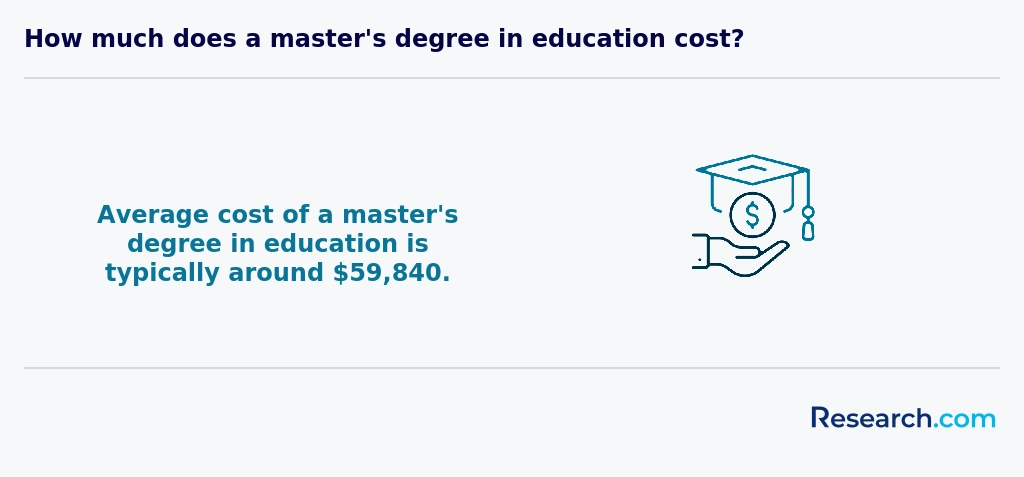
Calculating the Return on Investment (ROI) for an Education degree in Pullman, WA, empowers students to make financially sound decisions. By comparing total program costs-including tuition, fees, and living expenses-with projected entry-level salaries, you can estimate how quickly you’ll recoup your investment. For example, a bachelor’s degree at Washington State University carries an estimated four-year cost of $108,584; with an average starting salary of $63,130 for ESL teachers, graduates typically break even within two years of full-time employment. Instructional Designers, earning around $73,080 annually, can see an even faster ROI. Beyond traditional on-campus options, online programs often reduce living expenses and offer flexible pacing. Prospective students seeking the most cost-effective pathways may also compare our ranking with the Inexpensive Online Education Degree Programs Ranking in Kentucky, which highlights online degrees that combine low tuition with strong career outcomes. This comparison can reveal alternative program structures that align with your budget and career timeline. To further enhance ROI, consider leveraging financial aid, state grants like the Washington College Grant, and employer tuition reimbursement. Additionally, targeting high-demand specializations-such as ESL or instructional design-can increase starting salaries and shorten payback periods. By assessing both costs and earning potential, you’ll gain a clearer picture of which Education degree program in Pullman offers the optimal balance between affordability and long-term financial benefit.
If you're pursuing an education degree in Pullman, expect your coursework to blend essential theory with practical skills tailored for real classrooms. At Washington State University, many graduates recall foundational courses like Educational Psychology, which helped them understand how students learn at different stages-vital for adapting teaching methods effectively.
Courses in Curriculum Design and Assessment equip students with the ability to create and evaluate lesson plans, an everyday task you'll face as a teacher. Classroom Management classes focus on strategies to maintain a positive and engaging learning environment, something graduates often describe as a game-changer during their student teaching experiences in local Pullman schools.
Practical application is a big part of the program. Student teaching placements offer hands-on practice under expert mentorship, making the transition into full-time teaching smoother and more confident. Additionally, specialized courses like Educational Technology and Subject-Specific Methods prepare you for integrating digital tools or focusing on subjects such as math or English, key skills highlighted by recent graduates ready to meet today's classroom demands.
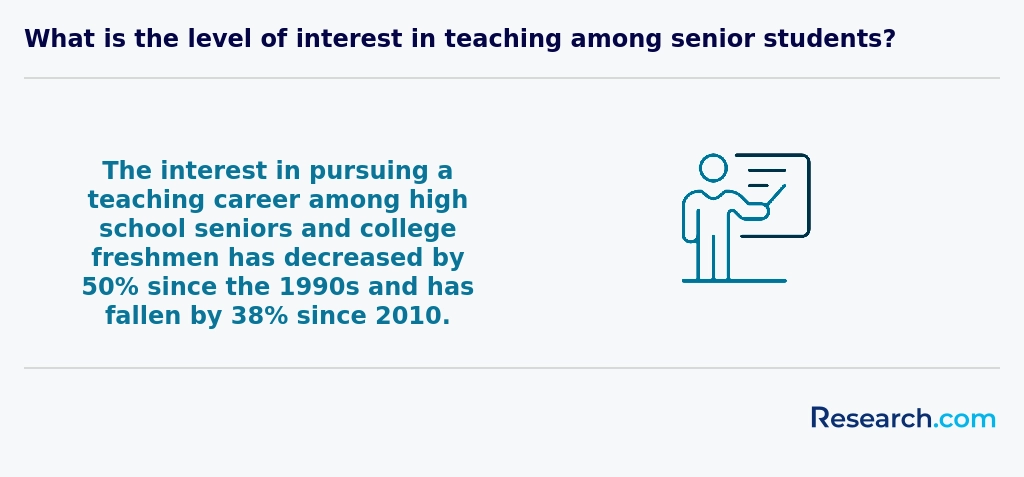
In Pullman, education degree specializations cover practical areas tailored to real classroom needs. Washington State University, the most popular institution in the area, offers focused tracks like Elementary Education, preparing graduates to teach kindergarten through sixth grade with strong foundations in child development. Secondary Education at WSU trains students to handle middle and high school subjects, a choice many find rewarding for working with adolescents.
Special Education specialization is another critical path, emphasizing inclusive strategies for students with disabilities. Graduates often share how this track transformed their approach to teaching diverse learners. Educational Leadership and Administration prepares students for roles in school management, appealing to those aiming to shape school policies further.
Additional options include Curriculum and Instruction and Early Childhood Education, popular for their practical emphasis. Students appreciate that Pullman's affordable teaching degree programs Pullman WA offers enable them to pursue such specializations without overwhelming financial pressure. Many also explore online curriculum and instruction degrees to supplement their campus experience.
Start by pinpointing your career goals within education, whether it's early childhood, special education, or leadership roles. Graduates from Washington State University in Pullman often highlight how the College of Education's accredited programs prepare them well for state teaching licenses and real-world classroom challenges. Evaluating the best affordable education degree programs in Pullman means factoring in WSU's in-state tuition around $11,500, plus exploring scholarships and part-time opportunities to ease costs.
Next, consider program flexibility-online or hybrid courses can be a game-changer for those balancing work or family. Support services like mentoring and practicum placements through WSU enhance your learning and career prospects. Many graduates appreciate how these connections, especially collaborations with local school districts, improve job placement rates and practical experience.
For understanding certification paths and requirements beyond Pullman, check resources such as Illinois teacher certification. This practical approach ensures you make a well-informed choice and aligns with the top education degrees cost and value Pullman offers today.
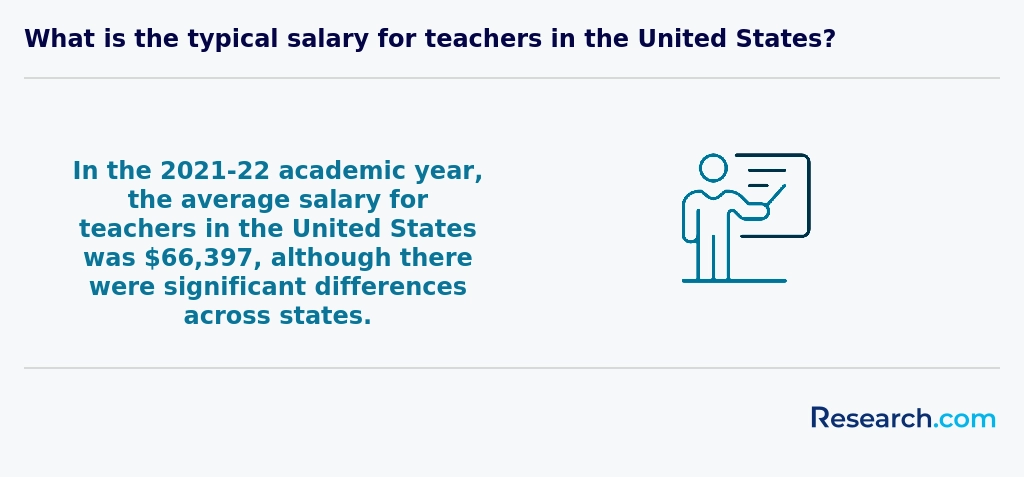
Graduates with an education degree in Pullman often pursue varied career paths reflecting their interests and skills. Many choose teaching jobs for education graduates in Pullman, especially as K-12 teachers, benefiting from Washington State University's solid teacher preparation programs that align with state certification standards. These programs ensure graduates are ready to step into classrooms with confidence and professionalism.
Others find rewarding careers as education administrators, managing school operations and curriculum planning. With leadership in demand, Pullman graduates often secure roles that impact entire school communities. Instructional coordinators and curriculum specialists provide another path, working behind the scenes to develop effective teaching materials, with regional salaries reflecting their expertise and experience.
For those drawn to student support, school counseling and special education offer meaningful work, though additional certifications may be required. Many graduates appreciate Pullman's accessible programs as a pragmatic step toward these careers. Those exploring flexible options might consider accredited online elementary education degrees that complement local opportunities for a balanced approach.

The education degree job market Pullman offers steady opportunities, especially for those ready to work within the local school district or at Washington State University. Graduates often find teaching positions in elementary and secondary schools around Pullman, benefiting from a stable demand fueled by modest enrollment growth. Many education graduates share how securing roles in special education or early childhood programs helped jumpstart their careers, highlighting the practical advantage of specialized certifications.
For added career growth, consider exploring roles beyond traditional classrooms, such as educational coordinators in community programs or positions in educational technology development. These paths often draw on skills learned during studies and provide fulfilling work aligned with local needs. Graduates from WSU often speak positively about engagement in educational research or tutoring programs, which demonstrates broader career versatility in Pullman.
Salaries generally match the Washington state average, with starting wages around $58,000, giving graduates a reasonable income foundation. Investment in an education degree here involves manageable tuition costs, and many find continuing education worthwhile for advancing within the field. Students aiming for leadership or specialized roles can enhance their prospects by seeking advanced degrees or certifications.
Those curious about further opportunities tied to faculty roles might benefit from understanding faculty and staff retention strategies, which often influence job stability in higher education careers locally.
2027 Most Affordable Education Degree Programs Ranking in Pullman
Investing in your education is a significant decision that can profoundly impact your future, and the Research.com team is committed to helping you make well-informed choices. To support prospective students in Pullman, we have carefully developed the "2027 Most Affordable Education Degree Programs Ranking in Pullman." Our dedication to quality, credibility, and accuracy is evident in the thorough research and analysis behind this ranking.
We utilized the following reputable data sources to ensure a comprehensive evaluation of affordable education degree programs:
By reviewing this ranking, readers will gain valuable insights into affordable and high-quality education degree options in Pullman, empowering them to make confident decisions about their academic futures. For more details on how this ranking was created, please visit our Research.com methodology page.

Frequently Asked Questions About education
Education degree students in Pullman can maximize their learning experience by actively engaging with faculty and peers at Washington State University, the primary institution offering education programs locally. The university provides access to diverse practicum opportunities within regional schools, allowing students to apply theory in real classroom settings. According to the National Center for Education Statistics, hands-on experience significantly improves readiness for teaching careers. Students should also take advantage of academic support services, including tutoring and career counseling, to strengthen content knowledge and pedagogical skills. Participating in local education-focused organizations offers networking benefits and exposure to current educational challenges in the Palouse region.
Emerging niches within the education field reflect evolving demands in both technology and inclusivity. In Pullman, Washington State University reports growing interest in areas such as educational technology, where specialists focus on integrating digital tools to enhance learning outcomes.
Another rising field is special education, targeting diverse learner needs including Autism Spectrum Disorder, which now affects about 1 in 36 children in the U.S., according to the CDC. Programs emphasizing culturally responsive teaching are also expanding, addressing increasing classroom diversity in the region.
Furthermore, career and technical education (CTE) has gained attention as workforce skills align more closely with industry needs, supported by recent state initiatives promoting vocational training pathways.
Preparing for the job market after completing an education degree in Pullman involves several strategic steps. Graduates should focus on obtaining relevant certifications required in Washington state, such as the state teaching license, which is essential for employment in public schools. It is advisable to gain practical experience through student teaching or internships, often integrated into local degree programs like those at Washington State University.
Networking with local educators and attending job fairs in Pullman can enhance employment opportunities. According to the Washington Workforce Training and Education Coordinating Board, the demand for qualified teachers in the region continues to grow, supporting positive job prospects. Additionally, staying updated on continuing education and educational technology trends helps graduates remain competitive.
Employers in Pullman highly value education degree graduates who demonstrate strong communication skills. Being able to clearly explain concepts and engage with students effectively is crucial in classrooms across the region. According to the Washington State Employment Security Department, teaching positions requiring these skills are expected to grow by 7% through 2028.
Another essential skill is adaptability. Schools in Pullman emphasize the ability to modify lesson plans and teaching styles to meet diverse student needs. This aligns with national trends showing that 65% of educators need to integrate technology fluently, especially following shifts toward digital learning environments.
Collaboration is also key. Employers seek graduates capable of working well with colleagues, parents, and administrators. The Pullman School District frequently highlights team-oriented educators as vital for a supportive learning atmosphere.
Classroom management skills remain a priority. Effective educators must maintain discipline and create positive learning environments, which directly impacts student success rates in Pullman schools, as reported by the Office of Superintendent of Public Instruction.
Finding internships in Pullman relevant to an education degree involves leveraging local resources and university partnerships. Washington State University (WSU), located in Pullman, offers robust career services that connect education students with internship opportunities in nearby schools and community programs.
Students should begin by visiting the WSU Career Center, which regularly posts internships tailored to future educators. Additionally, contacting local school districts such as Pullman Public Schools can provide direct internship placements focused on teaching and educational support.
Networking through faculty and attending university career fairs significantly increase internship prospects. According to WSU's 2023 data, about 62% of education students found internships via on-campus resources, illustrating the importance of campus engagement for securing relevant experiences.
Obtaining an education degree in Pullman significantly enhances career mobility and advancement opportunities within the local and regional education sectors. According to the Washington State Employment Security Department, educators in Whitman County, where Pullman is located, experience steady job growth, with a projected 5% increase in teaching positions by 2028.
Holding a degree in education often qualifies candidates for licensure and higher salary tiers in nearby school districts, such as Pullman School District, which emphasizes advanced degrees for promotional roles like instructional coordinator or administrative positions.
Additionally, having an education degree improves access to specialized roles, including curriculum development and education technology, which are expanding fields in the region. Credentials are also critical for those aiming to advance into leadership roles or pursue graduate studies.
Studying for an education degree in Pullman equips students with skills that extend beyond traditional teaching roles, fostering interdisciplinary capabilities. Washington State University, located in Pullman, integrates diverse fields such as psychology, communication, and technology into its education programs. This approach reflects recent data demonstrating that 70% of education graduates engage in roles requiring collaboration across multiple disciplines.
Courses often emphasize practical applications, including educational technology and community outreach. These experiences prepare students to work in varied settings such as social services and corporate training.
Furthermore, partnerships with local schools and organizations offer hands-on opportunities that reinforce cross-disciplinary knowledge, enhancing adaptability in a changing job market.
When choosing between a thesis and a non-thesis education degree program in Pullman, students should consider their career goals and learning preferences. Thesis programs typically require original research and are ideal for those aiming for doctoral studies or research-based careers. Non-thesis programs focus more on practical skills and coursework, suited for educators seeking classroom or administrative roles.
In Pullman, Washington State University offers both options, with about 15% of education graduates opting for the thesis track as of 2023 (WSU Office of Institutional Research). Understanding the time commitment is crucial: thesis programs often extend study duration due to research demands.
Financial considerations also matter. Thesis candidates might access research assistantships, while non-thesis paths could minimize extra expenses. Consulting academic advisors in Pullman universities can provide personalized guidance aligned to local education market needs.
Students based in Pullman who wish to study education abroad often start by exploring programs offered through Washington State University (WSU), a major institution in the area. WSU has partnerships with various international universities which can facilitate student exchanges and joint degree opportunities in education.
Additionally, students can participate in education-focused study abroad programs organized by education departments or offices within U.S. universities. These programs typically last from a few weeks to an academic year and combine coursework with practical teaching experiences.
Financial aid and scholarships are often available to help offset costs. According to Open Doors 2022 data, about 10% of education majors from U.S. institutions engage in study abroad experiences, indicating growing opportunities.
Students are encouraged to consult advisors at WSU's Global Learning department for tailored guidance on options that align with their career goals in education.
Students pursuing education degrees in Pullman have various part-time job opportunities that complement their academic training. Tutoring local K-12 students is a popular choice, allowing hands-on experience with lesson planning and student engagement. Research from Washington State University highlights that working as a peer tutor on campus helps build communication and instructional skills relevant to future teaching careers.
Other options include positions as teacher aides in nearby schools or childcare centers, providing practical classroom exposure. Additionally, roles in educational outreach programs or university labs offer insight into educational research methodologies. These jobs not only support financial needs but also enhance resumes for aspiring educators in Pullman.
Education students in Pullman benefit from multiple networking opportunities that connect them with peers, faculty, and local schools. Washington State University (WSU), the main institution in Pullman, offers professional development events and education-focused student organizations. For example, the WSU College of Education hosts workshops and guest speaker sessions featuring experienced educators from the region.
Students can also engage with the Pullman School District through practicum placements and student teaching, gaining firsthand experience and building contacts within local schools. Regional conferences, such as those sponsored by the Washington Education Association, are accessible for students to expand their professional networks. These opportunities help students prepare for careers in education by fostering connections throughout their studies.
Alumni networks play a crucial role for education degree students in Pullman by offering access to a wide community of professionals and former graduates. These networks provide valuable mentorship opportunities, helping current students navigate educational and career challenges.
In Pullman, universities such as Washington State University maintain active alumni associations that connect students with internship and job placements in local and national school districts. Studies show that 85% of graduates who engage with alumni networks report improved job prospects within six months of completing their degree (WSU Alumni Report 2023).
These networks also promote continued professional development and keep students informed about regional educational trends and innovations, fostering a stronger, well-supported learning environment.
In Pullman, customizing an education degree program to match your career goals is feasible by choosing from a variety of specializations and electives offered by local institutions. Washington State University, the primary provider in Pullman, allows students to tailor their degrees through focused minors or certificates in areas such as STEM education, special education, or administration. According to the university's 2023 course catalog, students can integrate practical internships and research projects aligned with their interests.
Flexibility options, such as online or hybrid courses, also support working professionals aiming to balance studies with current roles. Accredited programs follow regional standards ensuring your degree is both relevant and recognized nationwide.
Education students in Pullman commonly face several challenges during their academic journey. One significant obstacle is balancing practical teaching experiences with rigorous coursework. Many students must complete extended internships in local schools while maintaining their academic responsibilities, which can be demanding.
Another challenge relates to limited funding and resources for some education programs. According to recent reports by the Washington Student Achievement Council, state funding fluctuations impact available scholarships and financial aid, affecting affordability.
Additionally, students often encounter the difficulty of adapting to diverse classroom environments, requiring increased cultural competency and inclusive teaching strategies. This reflects broader national trends emphasizing equity in education.
These factors contribute to the complex experience of education majors in Pullman's higher education institutions.
With an education degree in Pullman, you can pursue several professional certifications that enhance your teaching credentials. The most common is the State of Washington teaching certification, required for public school teachers in the region. This license qualifies candidates to teach specific grade levels or subjects after passing required tests and completing a teacher preparation program.
Many graduates also pursue endorsements in special education, English as a Second Language (ESL), or Reading Specialist certification to expand their qualifications. According to the Washington Student Achievement Council, over 60% of education degree holders in Pullman earn an additional endorsement to diversify their career opportunities.
Additionally, some professionals seek National Board Certification, a prestigious credential demonstrating advanced teaching skills. This certification can increase salary potential and recognition in Washington schools.
Writing a successful application for an education program in Pullman requires careful attention to detail and clear presentation of your qualifications. Start by thoroughly researching programs offered at institutions like Washington State University, which is a prominent provider of education degrees in the area.
Highlight your academic achievements, relevant experience, and commitment to teaching or education. Many programs in Pullman value applicants with practical experience in schools or community settings. Be sure to tailor your personal statement to reflect your goals and how the program aligns with them.
Follow all application instructions carefully, including submitting official transcripts and letters of recommendation. According to the National Center for Education Statistics, competitive education programs often admit fewer than 30% of applicants, so presenting a polished, honest, and well-structured application is essential.
Education careers in the United States, including Pullman, are influenced by global trends emphasizing inclusive learning and technology integration. According to the National Center for Education Statistics, nearly 77% of U.S. teachers hold at least a bachelor's degree, reflecting strong professional standards. Pullman benefits from Washington State University's education programs, which align with international best practices.
Globally, educators are expected to adapt to diverse classrooms and use digital tools to enhance learning. For students in Pullman, pursuing an education degree offers access to cutting-edge research on pedagogy and multicultural education, positioning graduates to meet worldwide demands.
Gaining practical experience while studying for an education degree in Pullman typically involves participating in fieldwork and student teaching assignments. Local institutions like Washington State University offer education students opportunities to collaborate with nearby schools in the Palouse region, allowing hands-on experience in real classrooms. According to the WSU College of Education, student teaching placements can last a full semester, providing immersive training that aligns with state certification requirements.
Additionally, internships or practicum hours are often integrated into the curriculum, enabling students to develop classroom management and lesson planning skills. These experiences are essential for meeting Washington State's licensing standards for educators, as outlined by the Office of Superintendent of Public Instruction.
Choosing the right concentration within an education degree program in Pullman involves considering your career goals and interests. Concentrations often range from elementary education to special education and educational leadership. For example, Washington State University in Pullman offers multiple focus areas aligned with local school district needs. According to the National Center for Education Statistics, programs emphasizing STEM or special education tend to have higher employment rates nationwide. Additionally, consider the practical experience opportunities available, such as student teaching placements in Pullman public schools. Researching licensure requirements in Washington State can also help narrow down concentrations that lead directly to state certification.
- 2027 Most Affordable Education Degree Programs Ranking in Portland
- 2027 Most Affordable Education Degree Programs Ranking in Eugene
- 2027 Most Affordable Education Degree Programs Ranking in Stockton
- 2027 Most Affordable Education Degree Programs Ranking in San Francisco
- 2027 Most Affordable Education Degree Programs Ranking in Denver
- 2027 Most Affordable Education Degree Programs Ranking in Colorado Springs
- 2027 Most Affordable Education Degree Programs Ranking in Los Angeles
- 2027 Most Affordable Education Degree Programs Ranking in Riverside
- 2027 Most Affordable Education Degree Programs Ranking in Irvine
- 2027 Most Affordable Education Degree Programs Ranking in Phoenix
See What Experts Have To Say About Studying Education
Read our interview with Education experts

Alan J. Singer
Education Expert
Professor of Teaching, Learning and Technology
Hofstra University

Nooshan Ashtari
Education Expert
Professor & Book Author
University of Southern California

- 10 Reasons Why Education Helps to Advance Your Career - Insight Training https://insight.edu.au/blog/career-advancement-through-education/
- Online Degree vs. Traditional: Choosing the Right Path https://beal.edu/online-degree-vs-traditional/
- The 8 challenges of education in a changing world https://casvitrescantos.com/en/the-8-challenges-of-education-in-a-changing-world/
- Networking For Educators: How To Grow A Professional ... https://www.carlow.edu/networking-for-educators/
- Why Is Education Important in Your Career Advancement? - KWSP Malaysia https://www.kwsp.gov.my/en/w/article/career-advancement
- Teaching Degree Requirements: What You Need To Know https://www.teachersoftomorrow.org/blog/insights/teaching-degree-requirements/
- Know more about thesis vs non- thesis: what is the difference? https://studyfans.com/en/blogs/816
- Finding Networking Opportunities as a Student | National Society of High School Scholars https://www.nshss.org/resources/blog/blog-posts/how-to-find-networking-opportunities-as-a-student/
- Is a thesis always mandatory in a master's degree program? - EFMU: The Euler-Franeker Memorial University and Institute https://euler.euclid.int/is-a-thesis-always-mandatory-in-masters-degree-program/
- Pullman High School - Financial Aid https://phs.pullmanschools.org/financial-aid


