
2027 Fastest Online Education Degree Programs Ranking in Boston, MA

Co-Founder and Chief Data Scientist
Looking for the fastest online education degree programs in Boston, MA? This article introduces the 2027 Fastest Online Education Degree Programs Ranking in Boston, MA, carefully created by the Research.com team of data scientists.
It is designed to help you make informed decisions about which education degree programs fit your goals and schedule. Earning an education degree can open doors to new opportunities and personal growth.
Explore options that match your pace and lifestyle while advancing your career with confidence and clarity.
Key benefits of getting online education degree in Boston
- Salary: Graduates with education degrees in Boston can expect competitive salaries, such as Special Education Teachers earning around $76,000 annually and Instructional Designers making about $77,200, providing financial stability in rewarding careers.
- Career paths: Education graduates from local universities often find diverse opportunities in roles like Elementary School Teacher, ESL Teacher, or Early Childhood Educator, allowing flexibility to match personal interests and strengths.
- Online degree benefits: Completing an education degree online offers flexibility to balance work and study, as seen with graduates from Boston-based online programs who appreciate saving commuting time while accessing quality education.
- 2027 Fastest Online Education Degree Programs Ranking in Boston, MA
- What can I expect from online education degree in Boston?
- Where can I work with online education degree in Boston?
What can I expect from online education degree in Boston?
The average cost of an online education degree in Boston generally centers around $1,000 per credit hour, making programs at institutions like Boston University's Metropolitan College a notable example. Graduates often share how they balanced financial commitments with rich, engaging coursework that made every dollar worthwhile. For many, investing in 30 to 40 credits meant gaining access to exceptional faculty and a curriculum designed to elevate their professional skills.
Students from Northeastern University and the University of Massachusetts Boston frequently describe their experiences as both flexible and empowering, as they navigated courses while managing work and family life. The tuition investment opens doors not just to knowledge, but to practical online learning platforms like Blackboard or Canvas, fostering real connections with instructors and peers. This vibrant virtual classroom environment transforms challenges into opportunities, inspiring learners to thrive in their educational journey without sacrificing their personal commitments.
Financial aid and scholarships play a crucial role, providing encouragement to students who might otherwise hesitate. Such support allows them to confidently pursue their dreams in education, knowing they have a pathway forward in a city renowned for academic excellence and dedication to lifelong learning.
Where can I work with online education degree in Boston?
With an online education degree in Boston, graduates step into a vibrant job market filled with rewarding opportunities. Many find fulfilling careers as K-12 teachers in Boston Public Schools, where their skills in special education, STEM, or English language learning make a real difference in students' lives. Graduates from well-known Boston universities often share how their online experiences prepared them to confidently meet licensure requirements and excel in classrooms across the city.
Beyond teaching, the possibilities extend to educational administration, curriculum design, and coordinating instructional programs, particularly within Boston's respected colleges and universities. Alumni praise how their education degree helped them transition seamlessly into these leadership roles that shape the future of learning.
Private academies and tutoring centers also eagerly welcome online education degree holders who bring fresh, tech-savvy teaching methods. Professionals in Boston's growing education technology companies find purpose applying their knowledge to innovate tools that impact teaching everywhere. The city's diverse education landscape truly offers graduates a spectrum of fulfilling careers where passion meets opportunity.
Graduates with online education degrees in Boston find themselves stepping into rewarding careers with promising earnings. For example, elementary school teachers, including many graduates from reputable Boston colleges, typically earn around $70,740 annually, reflecting both their expertise and the city's competitive education market.
Special education teachers with these degrees often see even higher wages, averaging about $76,000 a year, which speaks to the vital skills they bring to diverse classrooms. Those focusing on teaching English as a Second Language enjoy salaries near $65,430, often finding fulfillment working with Boston's vibrant multicultural communities.
Early childhood educators in Boston typically earn about $41,410, a solid starting salary enhanced by the region's strong commitment to early learning programs. Instructional designers, another exciting career path for online degree holders, can expect an average of $77,200 annually, designing innovative learning experiences for local schools and universities.
Boston graduates often celebrate how their education degrees open doors to meaningful work that supports students and families, with salaries that validate their dedication and hard work.
- Boston offers accredited online education degrees at bachelor's and master's levels, focusing on teaching credentials, leadership, and special education.
- Tuition for bachelor's degrees ranges from $15,000 to $40,000, while master's programs typically cost between $25,000 and $50,000.
- Entry-level salaries for graduates start around $45,000 to $55,000 per year, with experienced professionals earning $70,000 to $80,000 in leadership roles.
- Job growth in Boston's education sector is expected to remain steady, especially in special education, ESL, and STEM fields.
- State licensure is required for teaching, and many programs include practical teaching experiences aligned with Massachusetts standards.
Completing an online education degree in Boston opens doors at your own pace, tailored to your life and ambitions. Many graduates from Boston's respected institutions find that a bachelor's degree typically takes about four years full-time, but flexible online options empower part-time students to progress steadily, sometimes finishing in five or six years without sacrificing work or family.
Master's students often feel energized by accelerated tracks offered by Boston colleges, enabling completion in as little as one year. Others embrace a two-year timeline with summer sessions, balancing study with real-world impact. Doctoral candidates appreciate that their three- to six-year journey accommodates deep research alongside professional growth, especially through part-time options designed for busy educators advancing their careers.
One common theme among Boston's online education graduates is the joy of aligning their studies with personal rhythms-whether it's a parent juggling classes after bedtime or a professional expanding expertise between workdays. The nurturing environment of Boston's online programs transforms typical timelines into individualized success stories, proving that dedication and flexibility truly go hand in hand.
Selecting the right online education program involves considering more than just rankings and coursework; it's also crucial to understand the experiences of students who have navigated these programs. Hearing from graduates provides valuable insights into the quality of education, the support provided, and the outcomes achieved. Many students who have completed their degrees at renowned institutions like Boston University share enlightening testimonials about their journey, highlighting the flexibility, academic rigor, and overall support they received. Students often praise the flexibility of online programs, which allowed them to balance work commitments with their academic pursuits. For instance, Karen, a graduate from Boston University, mentioned how the online format let her continue working as a teacher while completing her degree. This flexibility is a crucial factor in today's fast-paced world, where many individuals need to manage multiple responsibilities. Additionally, the academic rigor of these programs is often comparable to traditional classroom settings. Graduates frequently mention the demanding coursework and collaborative projects that pushed them to excel academically. This rigor ensures that students are well-prepared for the challenges they will face in their careers. Support services play a vital role in the success of online students. Many graduates express gratitude for the academic advising and career counseling services that guided them through their journey. These resources are invaluable, helping students navigate their educational paths and secure rewarding careers post-graduation. Moreover, networking opportunities are abundant even in the online format. Students often participate in virtual events that connect them with industry professionals, expanding their career prospects. This connection with the broader educational community enhances their overall experience and prepares them for the job market. Technological skills are another key benefit of online education programs. Graduates become proficient in various online tools, which not only aided their studies but also prepared them for the tech-savvy demands of modern educational environments. This emphasis on technology ensures that graduates are well-equipped to thrive in today's digital age. To learn more about the fastest online education programs in Massachusetts, you can explore comprehensive rankings and more detailed student experiences and testimonials at [fastest online education programs in massachusetts](https://research.com/rankings/education/fastest-online-education-ma). Understanding the experiences of previous students can provide a clearer picture of what to expect and help prospective students make more informed decisions about their educational journey.
Choosing between online and on-campus education degrees in Boston means embracing the learning style that fits your life best. Online programs, celebrated by graduates from institutions like Northeastern University, offer incredible flexibility. Imagine attending classes from home or your favorite café, fitting study time around a busy job or family. This freedom empowers many to pursue their teaching dreams without uprooting their lives.
In contrast, on-campus degrees at schools such as Boston University bring the vibrant energy of face-to-face interaction. Graduates recall the inspiring moments in lively classrooms and hands-on practicum experiences that build confidence and lasting connections. The structure of scheduled classes and direct collaboration fuels a dynamic learning journey.
Both paths in Boston ensure accredited, high-quality education, but your experience will reflect your daily rhythms and goals. Whether it's the convenience of asynchronous lectures online or the immersive community on campus, each offers a unique opportunity to step closer to becoming a passionate educator in this historic city.
Prospective students should plan applications months ahead to secure admission and financial aid. Typical steps and timelines include:
- Research program-specific requirements and deadlines: most Boston schools set fall deadlines around July 1 and spring deadlines around December 1.
- Gather academic transcripts: request official copies at least six weeks before deadlines.
- Prepare application materials: draft a clear personal statement, update your resume, and arrange two to three recommendation letters.
- Complete standardized tests (if required): schedule exams like the GRE at least three months before deadlines or choose test-optional programs.
- Submit the FAFSA early: file by the state priority deadline (often March 1) to maximize grant eligibility.
- Track your application: use each school’s portal to upload documents, monitor status, and promptly respond to any requests.
For students considering a shorter pathway, explore the easiest associates degree to get and transfer into a bachelor’s program later.
The average cost of an online education degree in Boston reflects a balance between quality and accessibility, with the median total tuition around $33,450. Many graduates from well-known Boston institutions, such as Boston University or Northeastern University, share inspiring stories of managing these costs while gaining valuable skills and credentials to advance their careers. These programs blend rigorous academics with the flexibility needed to juggle work and family life, creating a rewarding path to success.
For students focused on the total tuition and fees for education degree Boston MA programs, it's encouraging to note that in-state and out-of-state costs tend to align closely, often near $46,200. This investment opens doors not only to well-crafted curricula but also to supportive faculty who guide students through online learning platforms with ease. Graduates appreciate how these programs have helped them transform their passion for teaching into meaningful impact.
Boston's online education degrees also frequently come with additional options like flexible payment plans and scholarships, making the journey more affordable. Many education students benefit from specialized certifications that enhance their expertise-examples can be found in programs highlighted in child development degree details, which often complement their overall studies.
Embracing the opportunity to study in Boston's vibrant academic community gives students the chance to grow both personally and professionally, empowering them to contribute effectively to the field of education long after graduation.

Maximize your pace of study with proven strategies that reduce time to graduation:
- Transfer and Prior Learning Assessment: Submit transcripts for up to 30+ credits from accredited colleges or professional training programs.
- Credit-by-Exam Options: Earn credits through CLEP or DSST exams in general education subjects.
- Accelerated Term Schedules: Choose 8–10 week sessions, including summer and winter terms, to complete courses year-round.
- Competency-Based Learning: Progress upon mastery of skills, allowing you to move quickly through familiar topics.
- Dual Enrollment Pathways: Start at community colleges before transferring and save on tuition by exploring most affordable online colleges.
Students pursuing online education degrees in Boston discover empowering financial aid options that make higher education accessible and inspiring. Graduates from well-known institutions like Boston University and Northeastern University often speak of how federal aid transformed their journey. By completing the FAFSA, they accessed Pell Grants that didn't need repayment, along with low-interest federal loans and flexible work-study programs, allowing them to balance work and study with confidence.
State programs via the Massachusetts Educational Financing Authority (MEFA) further brighten the path by offering scholarships and grants tailored specifically for Massachusetts residents. Many Boston-area colleges supplement this support with merit- and need-based scholarships that help students feel valued and motivated.
Working professionals share stories of leveraging employer tuition assistance within Boston's school districts, turning career ambitions into achievable goals. External scholarships from organizations like the Massachusetts Teachers Association add another hopeful layer, fueling dreams with crucial financial backing.
These combined opportunities create a supportive atmosphere for every determined learner ready to transform their passion for education into a meaningful career.
To embark on an online education degree journey in Boston, you'll first need a high school diploma or equivalent, such as a GED, paving the way for exciting undergraduate programs. For those aiming higher, like a Master's in Education from renowned institutions such as Boston University or Boston College, holding a bachelor's degree is essential. Many graduates recall submitting official transcripts proudly, a testament to their dedication and readiness.
While standardized tests like the SAT or ACT play a smaller role post-pandemic, some Boston-area programs might still ask for placement exams or test scores to tailor your learning experience. Supporting materials like personal statements and recommendation letters give you the chance to highlight your passion and unique perspective - many applicants share stories of their fulfillment volunteering or teaching in local schools, which resonates deeply with admissions committees.
For working professionals, relevant experience or teaching credentials often open doors to advanced programs focused on leadership roles in Boston's vibrant educational community. With reliable technology and a positive mindset, your journey toward becoming a Boston-based educator can begin with confidence and enthusiasm.

Evaluating the return on investment is critical when choosing an online education degree. By comparing tuition costs with post-graduation earnings, students can make data-driven decisions that align with their financial and career goals. • Average Debt vs. Earnings: – Median student debt for education graduates in Massachusetts is around $29,000. – With entry-level teaching salaries averaging $45,000–$50,000 in Boston, most graduates recoup their investment within 5–7 years. • Payback Period Analysis: Calculating the payback period involves dividing total program costs by incremental annual earnings compared to non-degree holders. For example, an Instructional Designer earning $73,080 and spending $46,200 on tuition achieves a payback in roughly 3.5 years, assuming a 5% annual salary growth. • Long-Term Value: Beyond immediate earnings, an online education degree boosts career advancement potential. Many graduates report promotions to leadership roles (e.g., Curriculum Coordinator, Academic Director) within 3–5 years, which can increase salaries by 20–30%. • Alternative Pathways: For those seeking lower upfront costs, exploring a list of easiest education degrees can reveal accelerated programs with reduced credit requirements and tuition fees. • Intangible Benefits: – Enhanced professional network through online cohorts and alumni events – Improved digital literacy and instructional technology skills – Greater work-life balance, allowing part-time work during studies By assessing both quantitative metrics and qualitative outcomes, prospective students in Boston can confidently select an online education degree that offers the strongest return on investment.
Online education degree programs in Boston immerse students in courses designed to inspire confidence and mastery in teaching. Graduates from well-known Boston institutions often share how foundational classes like Educational Psychology transformed their understanding of student learning, enabling them to connect deeply with diverse learners in real classrooms.
Courses in Curriculum Development empower students to create engaging lesson plans that reflect Boston's vibrant community needs, making each day in the classroom rewarding. The integration of Instructional Technology equips future educators with cutting-edge tools to captivate and support students, a vital skill emphasized at top Boston colleges.
Specialized subjects such as Classroom Management, Differentiated Instruction, and Educational Law and Ethics prepare students for the dynamic challenges they will face in Boston's diverse schools. Hands-on experiences like student teaching, even online, allow students to confidently apply theory in real settings, lighting the path to becoming influential educators dedicated to community growth.
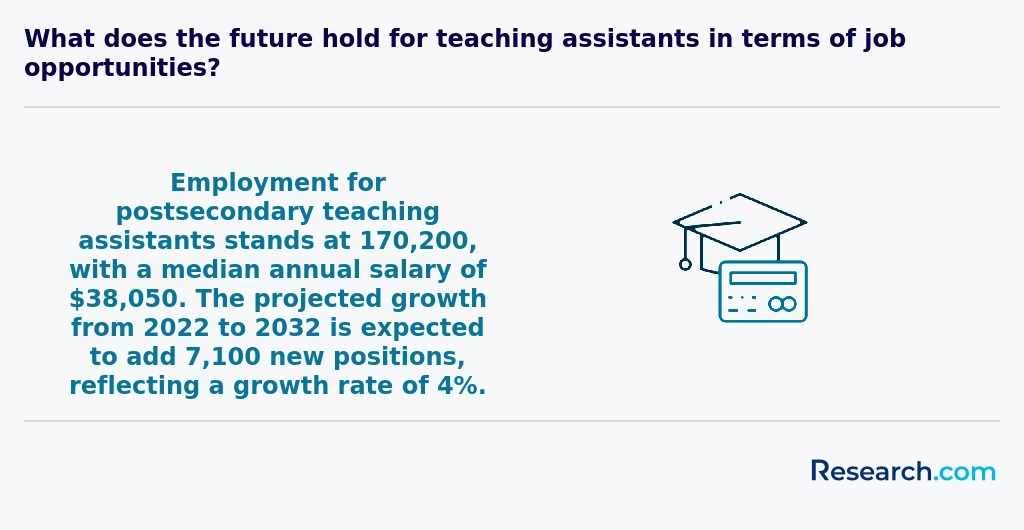
Students pursuing an online education degree in Boston find a range of inspiring specializations tailored to meet their career aspirations. Graduates from popular colleges in the city often highlight how the Curriculum and Instruction track empowered them to design innovative lesson plans that truly engage diverse classrooms. Specializations like Educational Leadership and Administration equip future school leaders with essential skills in budgeting and community relations, enabling them to confidently shape the future of local schools.
Many choose Special Education to make a meaningful difference for students with disabilities, crafting inclusive learning environments that celebrate every child's potential. For those drawn to nurturing young minds, the Early Childhood Education specialization brings excitement by focusing on key early developmental stages from birth through grade 3, highly valued in Boston's education landscape. Programs often incorporate English as a Second Language (ESL) or Multilingual Education to serve Boston's richly diverse communities effectively.
For anyone exploring the best online education programs Boston MA has to offer, these dynamic options reflect a commitment to excellence and growth. Students curious about broader opportunities might also explore Louisiana education degree programs as a helpful comparison in their educational journey.
Choosing the best online education degree in Boston starts with looking for programs from schools known for their strong commitment to both quality and student success. Graduates from Boston's top universities often share how their programs' alignment with real classroom challenges made their studies feel meaningful and inspiring. Many highlight that picking a school with regional accreditation from bodies like NECHE gave them confidence their degree would be respected and supported by employers across Massachusetts.
When exploring options, consider how programs match your passions and career goals-whether that's through specialization or preparation for state licensure. Busy learners appreciate the flexibility some Boston colleges offer, blending asynchronous learning with occasional live sessions to fit study around work and life.
For those seeking affordable online teaching programs Boston boasts, it's vital to review costs alongside available financial aid and scholarships. Many students recommend investigating resources like tutoring and career support, which Boston schools integrate to help you thrive beyond graduation. You can discover some of the top choices by checking top online education bachelor's degrees.
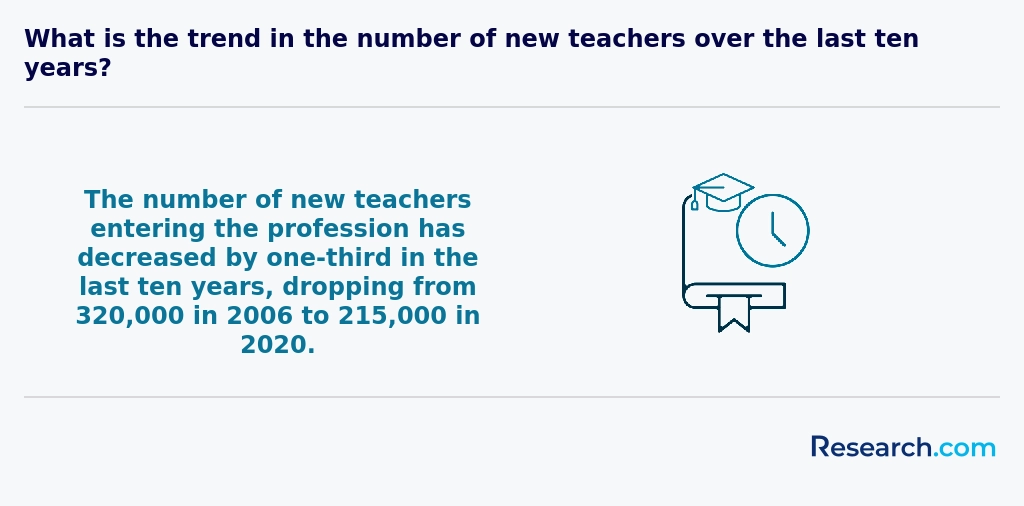
Graduates with an online education degree in Boston find a wealth of exciting career paths that match their passion for teaching and leadership. Many enter classrooms across the city, becoming certified teachers in vibrant public and private schools where they inspire young minds in subjects from early childhood education to specialized STEM fields. These education career opportunities Boston online programs offer emphasize real-world impact, as graduates witness firsthand the difference they make in diverse communities.
Others pursue roles in educational administration, stepping into positions like school principals or academic advisors, often influenced by the leadership experiences gained at well-known Boston colleges. Graduates also thrive as instructional designers and educational consultants in Boston's emerging edtech scene, blending creativity with cutting-edge technology to transform learning experiences.
Students from Boston institutions are encouraged by the city's dynamic environment and the variety of roles available. Whether working at community colleges or aiming for research and policy positions, they are motivated by the strong demand for qualified professionals and the chance to grow careers aligned with the top paying master's in education jobs. These diverse paths make an online education degree jobs in Boston MA an inspiring and promising choice.

The job market for online education degree jobs in Boston is vibrant and filled with opportunity. Graduates from well-known institutions like Boston University and Harvard Graduate School of Education often find themselves stepping seamlessly into roles across the city's robust public and private K-12 systems. These professionals contribute to classrooms, administrative offices, and innovative educational technology companies that thrive in Boston's ecosystem. Many feel a strong sense of purpose knowing their work impacts the diverse communities they once studied alongside.
Boston's support for education professionals is reflected in competitive salaries and steady growth forecasts, making the pursuit of an education degree online not only achievable but rewarding. Graduates appreciate how their online studies prepared them for licensure and various specializations like special education or ESL teaching, which are in high demand locally. Career paths also extend to higher education administration and corporate training sectors where creative approaches to teaching are valued.
For students curious about specialized roles, exploring a child life specialist job description can reveal additional options. The city's educational landscape promises that with dedication, an online education degree from Boston's respected programs can open doors to a fulfilling, impactful career.
Boston education degree salary outlook remains bright; many graduates report median salaries well above national averages, fueling optimism about investing in their online education journey.
2027 Fastest Online Education Degree Programs Ranking in Boston, MA
Investing in your education is a significant decision that can greatly impact your future, and the Research.com team is committed to helping you make well-informed choices. To support prospective students seeking the fastest online education degree programs in Boston, MA, we have carefully developed the "2027 Fastest Online Education Degree Programs Ranking in Boston, MA." Our dedication to quality, credibility, and accuracy is demonstrated through extensive research and rigorous analysis.
We utilized the following reputable data sources to ensure a thorough evaluation of programs:
By reviewing this ranking, readers will gain valuable insights into the most time-efficient online education degree options in Boston, helping to streamline their educational journey. For more details on how this ranking was created, please visit our Research.com methodology page.


# 4 position
UMassOnline
Master of Curriculum and Instruction
Frequently Asked Questions About education
Online education degree students in Boston can enhance their learning by actively engaging with course materials and instructors. Research from the Boston Higher Education Consortium emphasizes the importance of regular participation in virtual discussions to improve comprehension and retention. Students should also create a dedicated, distraction-free study space, which studies show increases focus by up to 40%. Time management skills are critical, as staggering study sessions helps maintain steady progress. Accessing Boston's local academic resources, such as virtual library services offered by universities, further supports success. Lastly, joining online student communities fosters networking and motivation, vital for sustained achievement in online programs.
Emerging niches within the education field increasingly focus on areas that address evolving societal and technological needs. One fast-growing niche is educational technology, where professionals design and implement digital learning tools. Boston benefits from this trend, given its strong tech ecosystem and numerous edtech startups.
Another key area is special education, particularly programs that emphasize inclusive strategies for diverse learners. Demand for specialists trained in remote and hybrid instructional methods has risen sharply since 2020.
Additionally, early childhood education programs incorporating social-emotional learning are expanding rapidly. According to the Massachusetts Department of Elementary and Secondary Education, enrollment in online degrees for these specialties has grown over 12% annually in the Boston metro area.
After completing an online education degree in Boston, preparing for the job market requires strategic planning. First, graduates should leverage Boston's extensive network of educational institutions and organizations to build connections. The city has a growing demand for qualified teachers, with the Massachusetts Department of Elementary and Secondary Education reporting a 5% increase in teaching vacancies in recent years.
Internships and substitute teaching positions offer practical experience and improve employability. Additionally, obtaining state licensure is essential; Massachusetts mandates specific certification for public school teaching roles. Boston's career services and local job fairs can help graduates identify opportunities and prepare strong resumes tailored to education roles.
Continuous professional development through workshops and networking with Boston-area educators can further enhance job prospects in this competitive market.
Employers in Boston highly value education degree graduates who demonstrate strong communication and classroom management skills. According to the Massachusetts Department of Elementary and Secondary Education, effective verbal and written communication ranks among the top competencies sought in new teachers.
Analytical thinking and adaptability are also critical, as educators must tailor lesson plans to diverse student needs while integrating technology into the classroom. A 2023 report from the Boston Plan for Excellence highlights problem-solving as essential due to evolving education standards.
Additionally, cultural competency is increasingly demanded, reflecting Boston's diverse student population. Professionalism and collaboration with colleagues and families further distinguish candidates.
Finding internships in Boston relevant to an education degree involves targeted research and networking. Boston is home to many educational organizations, including public schools, charter schools, and nonprofits focused on education. Students pursuing online education degrees should explore opportunities through platforms like Handshake and the Boston Public Schools' internship listings. According to the Massachusetts Department of Elementary and Secondary Education, Boston hosts over 125 public schools, many offering internship placements for aspiring educators.
Connecting with university career centers-even remotely-can provide access to exclusive internship programs. Additionally, joining local education associations, such as the Massachusetts Teachers Association, can help students engage with professionals and discover openings. Using LinkedIn to network with Boston educators increases the chances of finding internships tailored to education majors.
Obtaining an online education degree in Boston significantly enhances career mobility and advancement opportunities. Boston's strong education sector employs over 30,000 professionals, according to the U.S. Bureau of Labor Statistics (2023). Online degrees from regionally accredited institutions enable candidates to meet local certification requirements and often include specialization options valued by employers.
Flexible online programs allow working professionals to gain credentials without interrupting their employment. Many local school districts and private institutions recognize these degrees for promotions and salary increases. Furthermore, Boston's vibrant education community offers networking opportunities that online graduates can leverage for leadership roles.
Data from the Massachusetts Department of Elementary and Secondary Education shows that educators with advanced degrees earn up to 15% higher average salaries, underscoring the financial benefits of pursuing online education degrees in this region.
Studying for an education degree in Boston offers strong preparation for interdisciplinary roles by integrating diverse fields such as psychology, technology, and social sciences. Boston's universities emphasize collaborative learning, allowing students to engage with multiple disciplines through online coursework.
Programs often include training in educational technology, policy analysis, and community engagement, which are critical skills for addressing varied learning environments. According to the Boston Public Schools and Massachusetts Department of Education, educators with interdisciplinary skills are in high demand, reflecting a growing need for versatile professionals.
Online education degrees in Boston also benefit from partnerships with local institutions, offering real-world insights and applied experiences that enhance cross-disciplinary expertise for future educators.
Choosing between thesis and non-thesis online education degree programs in Boston depends largely on your career goals and academic interests. Thesis programs involve conducting original research and writing a detailed paper, which can prepare you for doctoral studies or research-focused careers. Non-thesis programs usually emphasize coursework and practical skills, ideal for those aiming to enter or advance in education practice quickly.
Boston is home to top universities like Boston University and Northeastern, offering both options online. According to the National Center for Education Statistics, about 60% of master's students in education nationwide prefer non-thesis tracks for faster completion. Consider your time availability, interest in research, and professional aspirations when deciding.
Students based in Boston interested in studying education abroad through online programs have access to various opportunities offered by US institutions with global partnerships. Many Boston-area universities, including public and private institutions, provide online education degrees that incorporate international perspectives or study-abroad components. According to the Massachusetts Department of Higher Education, over 30% of local college students pursue online courses, reflecting significant growth in remote learning options.
Several programs partner with foreign universities for virtual exchange experiences, providing cultural immersion without leaving the US. Additionally, students may enroll in accredited programs that fulfill licensure requirements in multiple countries, supporting broad career flexibility.
Boston offers several part-time job opportunities that complement education degree studies, especially for those pursuing online programs. Positions such as teacher assistants, after-school program coordinators, and substitute teachers provide valuable classroom experience while allowing flexible schedules.
Local school districts in Boston frequently hire substitute teachers who can work part-time, a role that often requires paraprofessional certification but benefits education students by enhancing instructional skills.
Additionally, roles in tutoring centers or community organizations like Boston After School & Beyond help students develop lesson planning and student engagement techniques. According to the Massachusetts Department of Elementary and Secondary Education, demand for support educators in Boston remains strong, aligning well with academic coursework.
These opportunities enable education degree students to apply theory in real settings, fostering practical knowledge necessary for future teaching careers.
Online education students in Boston have access to several networking opportunities despite their remote status. Many local universities, including Boston University and Boston College, host virtual career fairs and alumni networking events tailored for online learners. These events allow students to connect with industry professionals and fellow graduates across Massachusetts.
Additionally, organizations such as the Boston Education Network offer online forums and workshops specifically designed for education students. According to the Massachusetts Department of Higher Education, over 70% of online students in the state engage in at least one networking activity annually, enhancing their professional connections.
Students can also participate in local education conferences and virtual meetups, providing further chances to build relationships within the Boston education community.
Alumni networks play a crucial role in supporting online education degree students in Boston. These networks offer access to professional connections, which can help graduates find job opportunities in the city's competitive education sector. According to a 2023 report by the Boston Foundation, nearly 70% of job placements in education-related fields are influenced by networking.
Boston's strong higher education community includes many prominent institutions with active alumni groups that organize events and mentoring programs. These efforts help online students feel connected despite studying remotely.
Furthermore, alumni networks provide career advice, industry insights, and sometimes exclusive access to local internships and workshops.
Customizing an online education degree program in Boston allows students to align their studies with specific career goals. Many Massachusetts institutions offer flexible curricula where learners can select concentrations such as special education, instructional technology, or administration. According to the Massachusetts Department of Higher Education, over 60% of online education programs in the state provide elective courses tailored to individual interests.
Students may also pursue certifications alongside their degree, such as ESL or reading specialist credentials, which enhance job prospects. Additionally, Boston's rich network of schools and educational organizations offers internship and practicum opportunities that complement online learning. This hands-on experience helps integrate theory with practical skills needed in the local education market.
Advisors at Boston-area universities guide students through course choices to ensure their program meets licensure or career advancement requirements specific to Massachusetts schools.
Online education students in Boston often encounter several challenges related to access, engagement, and resources. Many face difficulties balancing coursework with work and family obligations, especially given Boston's high cost of living. Time management becomes critical, as reported by the Massachusetts Department of Higher Education. Additionally, some students report feeling isolated due to limited face-to-face interaction.
Technical issues can also be a barrier; reliable internet and compatible devices are essential. While Boston has strong internet infrastructure, disparities remain in underserved communities. According to a 2023 study by Boston University, nearly 15% of online learners struggled with technology access during their program.
Lastly, navigating financial aid and understanding transfer credits pose administrative hurdles that can delay graduation.
With an online education degree, professionals in Boston can pursue several key certifications to enhance their careers. Popular options include the Massachusetts Initial Teacher License, which many graduates seek to teach in public schools. Another notable certification is the Certified Teacher Leadership Certificate, designed for educators aiming at leadership roles. Additionally, specialists often pursue the English as a Second Language (ESL) Teaching Certification, reflecting Boston's diverse student population. According to the Massachusetts Department of Elementary and Secondary Education, over 80% of new teachers in Boston hold such certifications, emphasizing their importance in local education careers.
Writing a winning application for an online education program in Boston requires careful attention to detail. Start by researching specific Boston institutions like Boston University or Northeastern University, which offer reputable online programs. Highlight your academic achievements and relevant experience clearly, as these universities emphasize both academic readiness and practical skills.
Personalize your statement of purpose to explain why an online degree fits your goals, referencing how Boston's educational ecosystem supports your ambitions. Including data-backed reasons, such as Boston's ranking in educational innovation by U.S. News, can strengthen your case.
Lastly, ensure your application is error-free and submit all supporting documents on time. Meeting all requirements boosts your chances of admission into competitive Boston programs.
The field of education is increasingly viewed through a global lens, impacting how careers develop in the U.S. and specifically in Boston. Globally, teaching professions are evolving with a focus on cultural competence, technology integration, and lifelong learning. According to the National Center for Education Statistics, Massachusetts ranks among the top states for educational attainment and teacher salaries, reflecting Boston's strong investment in education careers.
Internationally, educators are encouraged to adopt diverse pedagogical methods to meet varied student needs. Boston's online education degrees emphasize these global competencies, preparing graduates for both local and international challenges in education.
Gaining practical experience while pursuing an online education degree in Boston is essential for career readiness. Many Massachusetts institutions partner with local K-12 schools and community organizations to offer virtual or in-person student teaching placements. These opportunities allow students to apply classroom theories in real educational settings. Additionally, internships and teaching assistant roles are frequently available through programs accredited by the Council for the Accreditation of Educator Preparation (CAEP).
Boston's strong network of public and charter schools provides diverse environments for hands-on experience. According to the Massachusetts Department of Elementary and Secondary Education, over 120,000 students are enrolled in Boston schools, representing a range of cultural and socioeconomic backgrounds. This diversity enriches practical training for online education students. Furthermore, some programs incorporate cohort-based projects and simulations to build skills when direct fieldwork is limited.
Choosing the right concentration within an online education degree program in Boston involves assessing your career goals and the needs of local schools. Boston's education system emphasizes areas such as special education, educational leadership, and curriculum design, reflecting broader trends in Massachusetts. According to the Massachusetts Department of Elementary and Secondary Education, demand for certified teachers in STEM and English as a Second Language (ESL) continues to grow.
Consider concentrations that align with these regional priorities, as they may improve job prospects. Also, review program accreditation and partnerships with Boston-area school districts, which can enhance practical experience and networking opportunities.
- 2027 Fastest Online Education Degree Programs Ranking in New York, NY
- 2027 Fastest Online Education Degree Programs Ranking in Philadelphia, PA
- 2027 Fastest Online Doctorate in Education Degree Programs Ranking in Washington, DC
- 2027 Fastest Online Education Degree Programs Ranking in Loretto, PA
- 2027 Fastest Online Education Degree Programs Ranking in Indiana, PA
- 2027 Fastest Online Master's in Education Degree Programs Ranking in Virginia Beach, VA
- 2027 Fastest Online Education Degree Programs Ranking in Norfolk, VA
- 2027 Fastest Online Education Degree Programs Ranking in Slippery Rock, PA
- 2027 Fastest Online Education Degree Programs Ranking in Pittsburgh, PA
- 2027 Fastest Online Education Degree Programs Ranking in California, PA
See What Experts Have To Say About Studying Education
Read our interview with Education experts

Nooshan Ashtari
Education Expert
Professor & Book Author
University of Southern California

Alan J. Singer
Education Expert
Professor of Teaching, Learning and Technology
Hofstra University

- Online Colleges in Massachusetts https://www.oedb.org/massachusetts/
- All Publications https://www.renniecenter.org/research
- Online Degrees in Massachusetts: Affordable Education https://ace.edu/tuition-and-admissions/ace-vs-other-schools/online-degrees-massachusetts/
- Workforce Development https://www.boston.gov/departments/workforce-development
- JVS Boston | Connecting Job Seekers & Employers In Boston https://www.jvs-boston.org/
- In Community: Career Connected Learning Through ... https://edvestors.org/research-insights/in-community-career-connected-learning-through-partnership
- Top 10 Colleges for an Online Degree in Boston, MA https://www.greatvaluecolleges.net/by-city/online-colleges-boston/
- Elementary Education Bachelor's Degree Program https://www.baypath.edu/academics/undergraduate-programs/elementary-education/availability/online/
- UMass Global | Accredited Online Degree Programs https://www.umassglobal.edu/
- Improvement Through Innovation: Insights from Boston's ... https://www.fullscalelearning.org/improvement-through-innovation-insights-from-bostons-schools-on-the-move/


