2027 Best Online Biology Degree Programs Ranking in Maryland

Co-Founder and Chief Data Scientist
Choosing the right biology degree program in Maryland can feel overwhelming, but this article is here to guide you. The 2027 Best Online Biology Degree Programs Ranking in Maryland was carefully crafted by the Research.com team of data scientists to help you find trustworthy options tailored to your goals.
By exploring this ranking, you'll gain valuable insights into programs that offer quality education and flexible online learning. Earning a biology degree opens doors to exciting careers and personal growth, making this guide a helpful step towards your future success.
Key benefits of getting online biology degree in Maryland
- Biology degree graduates in Maryland often pursue careers such as environmental scientists and biochemists, with U.S. salaries averaging around $71,000 to $94,000 annually, offering rewarding and stable income opportunities.
- A graduate from the University of Maryland, College Park, might explore diverse career paths like research, healthcare, or education, opening doors to exciting and impactful roles.
- Completing a biology degree online from institutions like Towson University provides flexibility and access to quality education while balancing personal and professional life, making it a smart choice for many students.
- 2027 Best Online Biology Degree Programs Ranking in Maryland
- What can I expect from online biology degree in Maryland?
- Where can I work with online biology degree in Maryland?
What can I expect from online biology degree in Maryland?
When it comes to the cost of an online biology degree in Maryland, many students find it surprisingly reasonable. Tuition varies depending on the school, but most programs hover around the same range, making it affordable compared to traditional on-campus options. For example, graduates from popular schools in the University System of Maryland often mention how in-state tuition and financial aid made a big difference in managing expenses.
One graduate shared that balancing work and study was easier knowing the online program's cost didn't break the bank. Because many Maryland institutions offer competitive rates combined with the convenience of online classes, it feels like a smart investment.
Additionally, some students appreciate how local schools provide in-state tuition benefits, which can save a good chunk of money. So, if you're living in Maryland, don't be surprised if your total tuition ends up being quite manageable while you enjoy the flexibility of studying at home.
Where can I work with online biology degree in Maryland?
If you earn an online biology degree in Maryland, you've got loads of cool career paths waiting for you. Lots of grads find themselves working in research labs tied to big-name places like Johns Hopkins University or the University of Maryland system. Imagine being part of teams pushing medical or environmental breakthroughs-that's pretty inspiring! These spots are buzzing hubs for life science research, so job options are strong.
Others land jobs with environmental consulting firms, helping protect the Chesapeake Bay or managing wildlife projects. Picture yourself out in the field, tracking species or restoring habitats-doing real hands-on conservation work. Plus, the state's Department of Natural Resources often hires biology grads to help with these efforts.
And if you're into healthcare, Maryland offers opportunities in clinical labs or public health, diagnosing diseases and fighting outbreaks alongside state health departments. Many grads also teach biology at local schools or colleges, sharing their passion with the next generation. So, whether it's science, nature, health, or education, Maryland's biology scene is rich with paths to explore!
If you're wondering how much you can make with an online biology degree in Maryland, the numbers are pretty encouraging. Graduates from schools like the University of Maryland or Towson University often start out earning around $50,000 to $60,000 a year in entry-level jobs like lab techs or research assistants. That's a solid paycheck, especially when you consider it's just the beginning.
As you gain experience or dive deeper into specialties-maybe going for a master's or doctorate-those salaries can jump above $100,000. Think of biomedical scientists or biochemists working in Maryland's bustling biotech industry or government labs near Washington D.C. They often earn between $90,000 and $110,000 according to local reports.
One grad shared how landing a spot at a NIH-affiliated research center boosted their salary and career outlook, thanks to Maryland's strong science community. So, whether you're just starting out or ready to climb higher, Maryland's biology degree pathways offer pay that's competitive and rewarding.
- Maryland offers accredited online and hybrid biology programs with flexible options for working adults.
- Public universities charge between $8,000 and $15,000 per year for in-state online students, while private schools may cost over $30,000 annually.
- Biology degrees usually require about 120 credit hours, including labs that may need local completion or special kits.
- Entry-level biology salaries in Maryland average around $50,000 annually, rising to $80,000 or more with experience in fields like biotech and healthcare.
- The state's biology job growth is faster than the national average, supported by research institutions, biotech firms, and federal agencies.
Most students in Maryland wrap up their online biology degrees in about four years if they're studying full-time. That's pretty standard and matches what you'd expect at schools like Towson University or the University of Maryland Global Campus. Graduates often share how keeping a steady course load each semester-around 15 credits-helps them stay on track without feeling overwhelmed. It's like having a rhythm that fits into your life, whether you're juggling work or family.
On the flip side, if you're taking things a bit slower, maybe part-time because of a job or other commitments, you might be looking at around five or six years to finish. Plenty of folks at these schools have found that flexibility a real lifesaver.
Transfer students who come in with credits from community colleges, like Montgomery College, often shave off a year or two. Some programs even offer accelerated options for super motivated students, letting them finish in about three years by taking summer classes too. It's all about finding what fits your pace and lifestyle in Maryland's online biology world.
Choosing between an online and an on-campus biology degree in Maryland really comes down to how you want to learn and live your college life. For example, grads from University of Maryland's on-campus biology program often rave about the hands-on lab work, where they get to mix chemicals and use real microscopes with professors right there to guide them. It's buzzing with energy, study groups, and spontaneous chats about biology between classes.
On the flip side, students who went the online route with schools like Towson or UMBC love the flexibility to study from home or even their favorite local coffee shop. They mention how great it is to fit lessons around their jobs or family life without stressing about daily campus trips. Sure, labs might happen through local partnerships or occasional campus visits, so it's more limited, but many say the freedom and convenience are a game changer.
Costs can also feel different. Maryland online biology students often save on housing or transport but might see extra tech fees. Still, whether on campus or online, you get a program sticking to Maryland's strong academic standards, so you're well-prepped for next steps in biology.
If you're thinking about getting an online biology degree in Maryland, you'll want to know the average cost before jumping in. The typical total price for a biology degree online hovers around $25,320, with in-state students usually paying less-roughly $27,972 is common-while out-of-state students might face higher costs, near $41,802. Schools like Towson University and the University of Maryland Global Campus are popular choices, offering programs that balance quality education with reasonable tuition.
Many graduates recall that while tuition was a key expense, managing additional fees was pretty straightforward. Things like lab materials, textbooks, and online exam costs were kept manageable, which helped students stay on budget without surprises. It's also worth noting that Maryland's online biology degree tuition fees often reflect in-state discounts, making it easier for locals to pursue their studies without a financial overload.
One great plus is the variety of financial aid options out there. Plenty of students tap into Maryland state grants or federal aid to help lower costs, along with scholarships from universities themselves. This definitely lifts a weight off your shoulders and makes the degree feel much more attainable. And for those curious about the career payoff, check out high paying biology jobs that can come after graduation-they give motivation to power through!
If you're eyeing an online biology degree in Maryland, there are plenty of financial aid options to help lighten the load. Many biology students at popular schools like the University of Maryland or Towson University rely on federal Pell Grants, which don't need to be paid back-perfect for those worried about debt. Filing the FAFSA early is a must to grab these funds.
Maryland also steps up with state-specific grants through the Maryland Higher Education Commission. These include programs like the Guaranteed Access Grant, which has helped students from tough financial spots get into their dream biology programs without stressing over money.
On top of that, universities often offer biology-specific scholarships just for STEM students, which some graduates say made a huge difference by covering books or lab fees.
Some students take out federal loans, but many appreciate how payments can be paused until after graduation. Plus, paid internships connected to Maryland's biology programs give a nice boost, with some graduates recalling how those stipends helped cover daily expenses while gaining real-world experience.
If you're thinking about jumping into an online biology degree in Maryland, here's the scoop on what you'll need. Most schools want to see that you've wrapped up high school or have a GED, with solid grades especially in biology, chemistry, and math like algebra or precalculus. Graduates from places like Towson University or University of Maryland share how having those science classes under their belt made the online labs and lectures way less intimidating.
Admissions usually want your official transcripts, proof you finished those core classes, and sometimes even test scores like the SAT or ACT-though some programs are cool with skipping those. You might also need to toss in a personal statement or letters of recommendation if the program asks for it.
If you've already got some college credits and want to transfer, most Maryland colleges will want transcripts showing you've done the basics, like general biology and chemistry, at a decent grade. Thanks to articulation agreements between schools, moving credits around is often smoother than you'd expect, which is a big help for busy students balancing work and life.
For those eyeing a graduate biology degree online here, be ready to prove that you hold a bachelor's in biology or a related field. Some grad programs even want you to complete courses like genetics or microbiology first, so you're not thrown in the deep end. Plenty of Maryland grads say these prerequisites set them up for success, making the tough stuff feel manageable and the whole experience a lot more rewarding.
If you're diving into an online biology degree in Maryland, expect a solid mix of courses that really get you hands-on with the science-virtually, of course. Graduates from popular schools like the University of Maryland often mention starting with essentials like general biology and chemistry, which lay down the building blocks for everything else. These classes aren't just textbook stuff; they help you see how life works at the tiniest levels, like exploring cells or understanding chemical reactions.
Then, it gets way more interesting with classes like genetics, where you unravel DNA mysteries, or ecology, which connects you to the environment and living creatures around you. Imagine learning about animal behaviors or plant interactions through cool virtual labs that mimic real experiments at Maryland colleges.
Many online students also enjoy specialized courses like molecular biology and microbiology, which feel like stepping into a microscopic world that's buzzing with life. Plus, bioinformatics and biostatistics prepare you for the future by boosting your data skills-super handy for jobs in research or healthcare.
If you're checking out online biology degree specializations Maryland schools offer, you'll find some pretty cool options to match what you're into. Many students from places like the University of Maryland or Johns Hopkins University rave about specializations like Environmental Biology, where you get to dive into real-world issues like climate change and resource management-perfect if you care about the planet and want to make a difference. Others love exploring Molecular and Cellular Biology, which digs into how life works at a teeny-tiny level and opens doors to careers in biotech or healthcare.
Maryland biology degree concentration options online also include Microbiology, ideal for those fascinated by germs and how they impact health, and Wildlife Biology, which is great if you're into animal behavior or conservation. Graduates often tell stories about how virtual labs and projects helped them feel connected, even when studying remotely. If you want to see how these programs stack up, check out the best online biological science degree programs for more info.
Picking the best online biology degree in Maryland means zooming in on a few key things. First off, make sure the school's regionally accredited-many students from big names like the University of Maryland rave about their programs because they're backed by MSCHE, giving you confidence that your credits will count. It's also super helpful if the curriculum fits what you want to do, whether that's marine biology, biotech, or something niche. Some Maryland schools focus on hands-on lab skills that really boost your resume.
Cost-wise, Maryland's public universities often have tuition rates around $10K yearly, but some grads say programs like UM Global Campus offer more affordable options for online learners. Don't forget to check out scholarships and financial aid aimed at biology majors in Maryland to ease expenses.
Finally, flexibility goes a long way-working professionals appreciate asynchronous classes and strong support services. Plus, graduates often highlight how local job growth and internship connections helped jumpstart their biology careers. If you want to speed things up, there's also an accelerated biology online degree that might be right for you.
If you're eyeing an online biology degree in Maryland, there's a bunch of cool career paths waiting for you. Graduates from popular schools around here often land roles as biomedical researchers at places connected to the National Institutes of Health or dive into environmental science jobs, helping protect the Chesapeake Bay. Others have found their groove working in biotech startups or as healthcare pros in clinical research labs. It's pretty exciting how a degree from Maryland's top biology programs can unlock doors in sectors buzzing with innovation and real-world impact.
Many students appreciate how flexible online courses let them balance work and study, especially since Maryland employers are keen on hiring folks with strong biology backgrounds. Plus, if you want to stand out or try a specific niche like genetic counseling, some grads go on for extra certifications or grad school. For those curious about budgeting for their studies, it's worth checking out options for an affordable biology bachelor's degree online to keep costs down while still getting a top-notch education in this vibrant state.
Knowing these job opportunities in Maryland makes taking that step into an online biology degree feel like a smart move for a rewarding career ahead.
The job market for an online biology degree in Maryland is pretty promising, especially if you're aiming to work close to home after graduation. Graduates from popular schools like the University of Maryland or Towson University often land roles in sectors like biomedical research, healthcare services, and environmental conservation. Many find that Maryland's proximity to federal hubs like NIH in Bethesda opens doors to unique career paths that mix hands-on research and policy work.
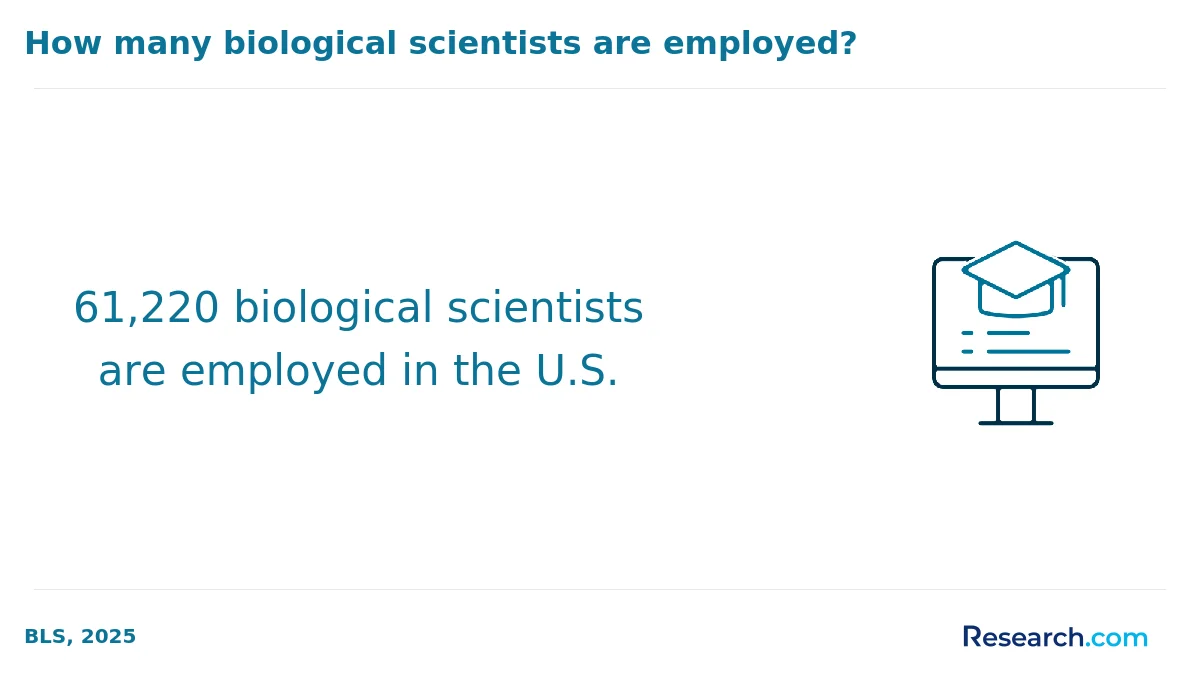
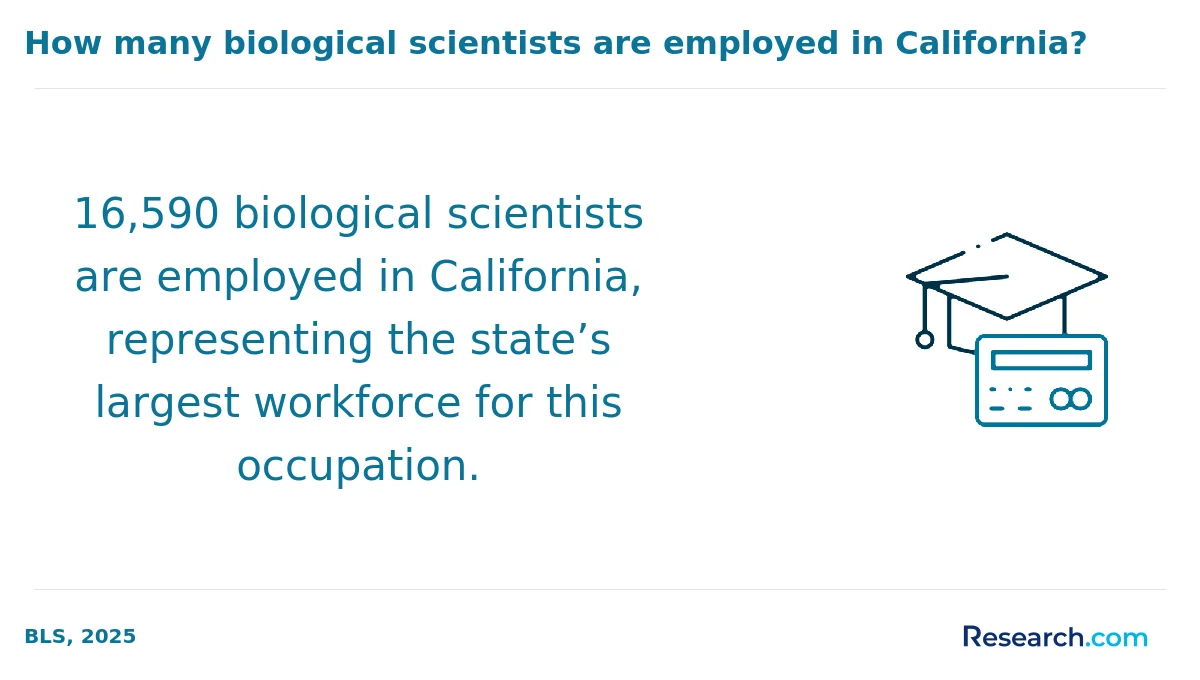
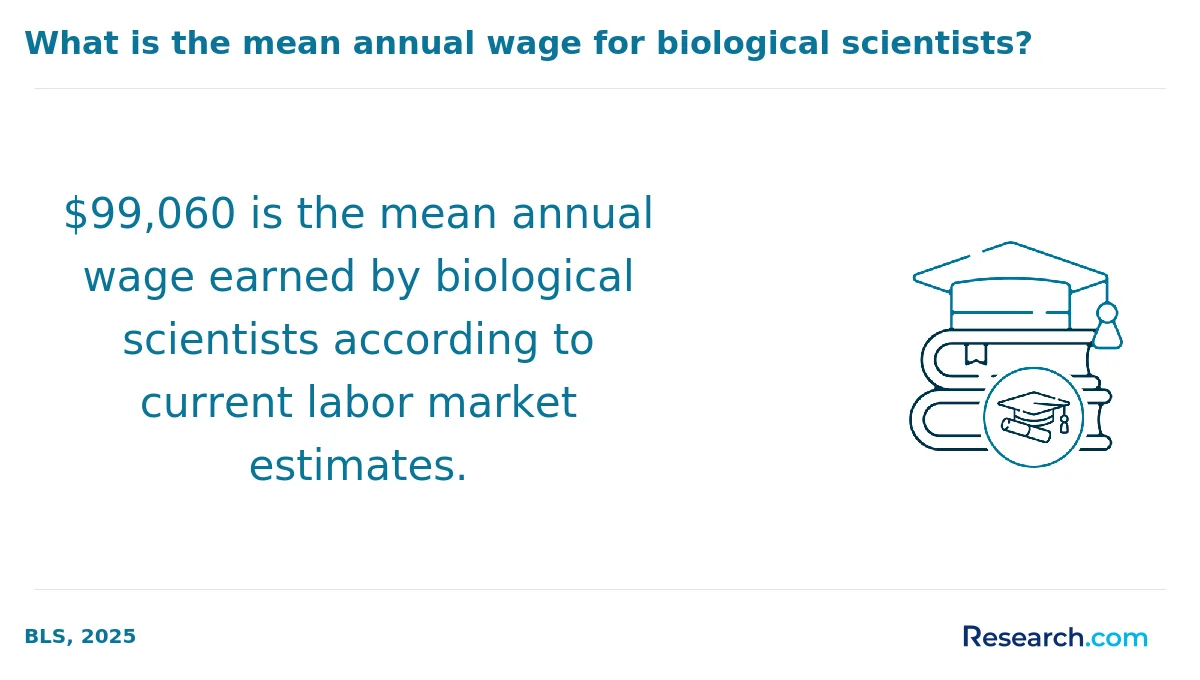
For students focused on biology degree employment opportunities Maryland offers diverse choices. Jobs like research assistants, lab technicians, or environmental consultants are common and tend to pay well-biological scientists here often see median wages north of $70,000. Plus, having a degree coupled with some local internship experience really helps in landing these roles.
Tuition costs can feel steep, but online programs often provide more flexible options that make earning your degree in Maryland manageable. If you want to understand more about the education needed to become a biologist, there's great info available that can really clear things up and help you plan ahead.
2027 Best Online Biology Degree Programs Ranking in Maryland
Investing in your education is a significant decision that can shape your future, and the Research.com team understands the importance of making informed choices. To assist prospective students in Maryland, we have meticulously crafted the "2027 Best Online Biology Degree Programs Ranking in Maryland." Our commitment to quality, credibility, and accuracy is reflected in the extensive research and analysis conducted to compile this ranking.
We utilized the following reputable data sources to ensure a comprehensive evaluation of biology programs:
By exploring this ranking, readers will gain valuable insights into the best online biology degree programs available in Maryland, helping them make informed decisions about their educational paths. For more details on our methodology, please visit our Research.com methodology page.


# 3 position
University of Maryland Global Campus
Master of Biotechnology: Bioinformatics

# 4 position
University of Maryland Global Campus
Bachelor of Biotechnology
Frequently Asked Questions About biology
Online biology degree students in Maryland can enhance their learning by actively engaging with course materials and faculty. Many Maryland institutions offer virtual labs and interactive simulations, which help replicate hands-on experiences essential in biology education. Students should also leverage local resources like the Smithsonian Environmental Research Center, which provides research opportunities and internships for Maryland residents.
Forming study groups through online platforms and participating in discussion forums can promote deeper understanding and peer support. Furthermore, Maryland's network of biotechnology companies offers valuable connections for internships and career advice. According to the Maryland Higher Education Commission, actively using these local and online resources improves retention and success rates in biology programs.
The biology field is rapidly evolving, with several emerging niches gaining prominence and attracting student interest. In Maryland, online biology degree programs increasingly emphasize areas like bioinformatics, which combines biology and computer science to analyze genetic data. This interdisciplinary skill set is vital as the state's biotechnology sector expands, supported by institutions like the University of Maryland BioPark.
Another growing field is environmental biology, focused on solving ecological challenges affecting Maryland's diverse ecosystems, including the Chesapeake Bay. Careers in conservation biology and ecological restoration are becoming more accessible through online courses aligned with local environmental priorities.
Additionally, molecular biology and biotechnology continue to grow as crucial sectors, especially with Maryland's strong presence in health research and pharmaceutical development. According to the Maryland Department of Labor, life sciences jobs are projected to grow 10% from 2020 to 2030, highlighting these niches' expanding opportunities.
Preparing for the job market after earning an online biology degree in Maryland requires a strategic approach. Graduates should focus on gaining relevant experience through internships or volunteer work within Maryland's strong biotech and healthcare sectors. Organizations like the Maryland Tech Council highlight that these industries continue to grow, offering numerous entry-level positions.
Networking is essential; joining local professional associations such as the Maryland Academy of Sciences can provide valuable connections. Additionally, developing skills in data analysis and laboratory techniques, which are in high demand, improves employability. Keeping up with Maryland's state-specific job market trends via the Department of Labor helps target opportunities effectively.
Employers in Maryland value biology degree graduates who demonstrate strong analytical and critical thinking skills. These abilities are essential for interpreting complex scientific data and contributing to research and development projects. Communication skills, both written and verbal, are also crucial, as graduates often collaborate with multidisciplinary teams and must present findings clearly.
Technical proficiency with laboratory equipment and bioinformatics tools is increasingly important, reflecting the state's growing biotechnology sector. According to the Maryland Department of Labor, hands-on experience and familiarity with software like R or Python enhance employability. Problem-solving capabilities and adaptability to new technologies are also highly sought after in Maryland's evolving biological sciences job market.
Finding internships in Maryland relevant to a biology degree involves exploring opportunities offered by universities, research institutions, and local organizations. Many Maryland colleges, including those offering online biology programs, maintain partnerships with research centers such as the National Institutes of Health (NIH) and the Smithsonian Environmental Research Center. These institutions provide valuable internships that focus on biomedical, environmental, and ecological research.
Students should also utilize statewide resources like the Maryland Higher Education Commission and the Maryland Department of Labor's job portals. These platforms often list biology-related internship openings in government agencies, biotech companies, and conservation projects.
Networking through professional groups like the Maryland branch of the American Society for Microbiology can further increase access to internships. According to the Bureau of Labor Statistics, Maryland's strong life sciences sector supports over 2,500 biotech firms, indicating robust internship possibilities for biology students.
In Maryland, earning an online biology degree can significantly enhance career mobility and advancement within the state's diverse life sciences sector. The Maryland Department of Labor reports a growing demand for biological scientists, with projected employment growth of 9% from 2022 to 2032. This growth benefits graduates by opening opportunities in research, healthcare, and environmental fields.
Online biology programs equip students with critical skills, such as data analysis and laboratory techniques, that Maryland employers value. Professionals with a bachelor's degree in biology often qualify for entry-level roles, while advanced degrees support progression into specialized or leadership positions.
Moreover, Maryland's proximity to federal agencies such as the National Institutes of Health provides online biology graduates with networking and internship opportunities, further boosting career prospects and advancement potential.
Studying for a biology degree in Maryland equips students with a strong foundation in natural sciences, critical for interdisciplinary careers. Many Maryland institutions emphasize integrating biology with fields like environmental science, biotechnology, and public health, reflecting the state's diverse economic needs.
Online programs often include coursework in data analysis, chemistry, and computer science, enabling graduates to collaborate across disciplines effectively. According to the Maryland Higher Education Commission, approximately 60% of biology graduates pursue roles requiring skills beyond traditional biology.
This broad training supports careers in healthcare, research, and environmental policy, where biology intersects with technology and public welfare.
Choosing between a thesis and a non-thesis biology degree program in Maryland depends on your career goals and learning preferences. Thesis programs emphasize research, requiring you to complete an original study and defend it. This path suits students aiming for doctoral studies or careers in research and academia.
Non-thesis programs focus more on coursework and practical skills, ideal for those seeking employment in industry or government roles immediately after graduation. Maryland universities offering online biology degrees typically present both options, so checking specific program requirements is essential.
According to the National Center for Education Statistics, Maryland awards over 400 biology-related bachelor's and master's degrees annually, reflecting strong local demand for both research and applied skills.
Evaluating faculty expertise, available research resources, and your professional timeline helps determine the best fit.
Students in Maryland interested in studying biology abroad often explore partnership programs offered by local universities. Many schools in Maryland, such as the University of Maryland, have established exchange agreements with international institutions, enabling students to spend a semester or year abroad while earning credits toward their biology degree.
Additionally, Maryland students may take advantage of online biology courses with international perspectives, offered by accredited universities worldwide. These programs allow learners to gain global knowledge without relocating.
According to the Maryland Higher Education Commission, about 12% of Maryland undergraduates participate in some form of study abroad, including STEM fields like biology. Students should consult academic advisors to find programs aligned with their educational and professional goals.
Maryland offers a variety of part-time job opportunities that can enhance the education of students pursuing an online biology degree. Positions such as laboratory assistants are common, providing hands-on experience in biotechnology firms and academic research labs, especially near Baltimore and the University of Maryland campuses. According to the U.S. Bureau of Labor Statistics, Maryland employs a significant number of biological technicians, with wages averaging around $48,000 annually, indicating strong industry demand.
Other relevant part-time roles include environmental field technicians who work with local agencies like the Maryland Department of Natural Resources. These jobs allow students to apply ecological and biological knowledge in real-world settings, strengthening practical skills needed for future careers.
Additionally, teaching assistant positions in community colleges or tutoring services offer flexible hours and deepen understanding of biology concepts through peer education. Combining part-time employment with studies can provide both income and valuable experience in the state's growing biomedical and environmental sectors.
Online biology students in Maryland benefit from various networking opportunities through both their institutions and statewide professional organizations. Many Maryland universities offering online biology degrees provide access to virtual student groups, research symposiums, and alumni networks that connect learners with peers and professionals. Additionally, the Maryland State Biology Association hosts events and webinars that encourage interaction and professional growth within the field.
Local chapters of national organizations, such as the American Institute of Biological Sciences, often hold meetings in Maryland that online students can attend or participate in virtually. Networking through internships and Maryland-based research programs also supports hands-on connections within the biology community. According to the Maryland Higher Education Commission, more than 60% of online science students engage in such activities to enhance their careers.
Alumni networks play a crucial role in supporting online biology degree students in Maryland. These networks connect current students with graduates who work in various biology-related fields, such as healthcare, research, and environmental science. Access to this community provides valuable mentorship opportunities and industry insights.
In Maryland, where institutions often collaborate with prominent research centers like the National Institutes of Health, alumni connections can open doors to internships and job placements. According to the Maryland Higher Education Commission, over 60% of biology graduates find employment through networking.
This support helps online students build professional relationships despite geographic distance, enhancing career prospects after graduation.
Maryland offers several online biology degree programs that allow students to tailor their studies to specific career goals. Many universities provide elective courses or specialization tracks in areas like molecular biology, ecology, or biotechnology. This customization helps students focus on sectors such as healthcare, environmental science, or research.
Students should consider programs that offer internships or partnerships with Maryland's robust biotech industry, especially around the I-270 corridor, known as the "DNA Alley." Practical experience enhances employability in competitive fields.
Advising services at Maryland institutions also support personalized academic planning, ensuring course choices align with professional aspirations.
Online biology students in Maryland often face several key challenges related to the practical nature of the discipline. While theoretical coursework can be delivered remotely, laboratory experience remains essential. Many programs require students to complete in-person lab sessions or find approved local facilities, which can complicate scheduling and increase travel time.
Additionally, some Maryland students report difficulties in accessing specialized academic advising specific to biology online, affecting course progression. Reliable high-speed internet is another critical factor, especially in rural areas where connectivity rates lag behind the statewide average of 89% (U.S. Census Bureau, 2023).
Finally, balancing online coursework with professional or personal commitments remains a frequent concern, as biology studies demand consistent engagement with complex material.
An online biology degree from Maryland prepares graduates for several professional certifications that enhance career prospects. Common certifications include the Certified Biological Safety Professional (CBSP), valuable for those working in labs or healthcare settings. Another option is the American Society for Clinical Pathology's Board of Certification (BOC), relevant for clinical laboratory scientists.
Maryland students can also pursue certification as a Certified Wildlife Biologist through The Wildlife Society, especially given the state's diverse ecosystems. Additionally, those interested in environmental consulting may seek credentials such as the Certified Environmental Scientist (CES) offered by the National Registry of Environmental Professionals.
Data from the Maryland Department of Labor highlights growth in biotechnology and environmental sectors, increasing demand for these certifications. These credentials can validate skills and increase competitiveness in Maryland's job market.
To write a winning application for an online biology program in Maryland, start by clearly demonstrating your passion for biological sciences. Maryland hosts several respected institutions offering accredited online biology degrees, such as the University of Maryland Global Campus. Highlight any relevant coursework, lab experience, or research projects. Include strong letters of recommendation, preferably from biology professors or professionals familiar with your academic abilities.
Maryland's biology job market grows steadily, with the U.S. Bureau of Labor Statistics projecting a 7% increase in life scientist roles by 2031. Mention how your goals align with this trend. Also, carefully follow each program's application instructions, submitting official transcripts and standardized test scores when required.
A career in biology offers broad global opportunities, reflecting the growing importance of biological sciences in addressing worldwide challenges. In the United States, biology professionals often engage in research, healthcare, environmental conservation, and biotechnology, fields expanding rapidly due to technological advances.
Maryland, in particular, is a strong hub for biology careers because of its proximity to major research institutions such as the National Institutes of Health and the U.S. Department of Agriculture. According to the Maryland Department of Labor, employment for biological scientists in the state is projected to grow by 12% from 2022 to 2032, faster than the average for all occupations.
Globally, biology careers contribute to public health and sustainability efforts. Professionals trained in Maryland's online biology programs can thus expect to work in sectors impacting both local and international communities, giving their education wide relevance and adaptability.
Gaining practical experience while pursuing an online biology degree in Maryland is essential for career readiness. Many Maryland institutions encourage students to participate in internships at local research centers, hospitals, or environmental agencies. For example, the Maryland Department of Natural Resources offers internship programs that provide hands-on experience in ecological studies.
Students can also engage in virtual labs and simulation tools provided by their universities to develop technical skills remotely. Additionally, Maryland's proximity to major research hubs like the National Institutes of Health (NIH) offers opportunities for collaborative projects and volunteer roles, even for online learners.
Networking through local biology societies and attending conferences, some available online, can further enhance practical exposure.
Choosing the right concentration within an online biology degree in Maryland depends on your career goals and interests. Popular concentrations include molecular biology, environmental biology, and biotechnology. Maryland's job market, influenced by agencies like the NIH and biotech firms near Baltimore, favors specializations in health sciences and research fields.
Research Maryland's local industry trends and university offerings. For example, University of Maryland Global Campus provides options tailored to biotechnology, aligning with state employment growth in that sector, which is expected to rise by 10% over the next decade according to Maryland Department of Labor.
Consider internship opportunities, faculty expertise, and available lab resources when deciding your focus. Reviewing course content carefully helps ensure your chosen concentration equips you with relevant skills.
- 2027 Best Online Biology Degree Programs Ranking in Pennsylvania
- 2027 Best Online Biology Degree Programs Ranking in Massachusetts
- 2027 Best Online Biology Degree Programs Ranking in Indiana
- 2027 Best Online Biology Degree Programs Ranking in Florida
- 2027 Best Online Biology Degree Programs Ranking in Wisconsin
- 2027 Best Online Biology Degree Programs Ranking in Texas
- Online Biology Degrees https://mycollegeguide.org/online-biology-degrees/
- 4 Types of Biology Concentrations | University of Bridgeport https://www.bridgeport.edu/news/biology-concentrations/
- Majoring in Biology: How to Determine which Colleges Offer the Best Fit - Collegiate Gateway https://collegiategateway.com/majoring-in-biology-how-to-determine-which-colleges-offer-the-best-fit/
- Careers Guidance https://www.rsb.org.uk/career-guidance.html
- Study Biology Abroad | Go Overseas https://www.gooverseas.com/study-abroad/biology
- Career Paths https://bowiestate.edu/academics/colleges/college-of-arts-and-sciences/departments/natural-sciences/undergraduate-programs/biology-major/career-paths.php
- Turn Your Passion for Science Into a Rewarding Career With a Biology Degree - UNCF https://uncf.org/the-latest/a-biology-degree-can-open-the-door-to-life-and-living
- PROBLEMS AND SOLUTIONS IN BIOLOGY EDUCATION ... https://uniconflix.com/index.php/ICLT/en/article/download/2740/1493/3000
- What Can You Do With a Biology Degree? https://willamette.edu/academics/college/biology/career-options
- Online Bachelor's Degree: Biotechnology https://www.umgc.edu/online-degrees/bachelors/biotechnology