2027 Best Online Biology Degree Programs Ranking in Indiana

Co-Founder and Chief Data Scientist
Choosing the right online biology degree program in Indiana can feel overwhelming. To help, the Research.com team of data scientists created the 2027 Best Online Biology Degree Programs Ranking in Indiana.
This article offers a clear guide to programs truly worth considering, empowering you to make an informed decision with confidence.
Whether you want to advance your career or explore your passion for life sciences, earning a biology degree opens exciting opportunities. Reading this ranking will inspire you and simplify your path forward.
Key benefits of getting online biology degree in Indiana
- Biology degree graduates in Indiana can expect competitive salaries, with many entering healthcare, environmental science, or research roles that typically offer annual wages ranging from $45,000 to $75,000 nationwide, reflecting rewarding financial prospects.
- Graduates from Indiana University often pursue diverse career paths such as biomedical research, wildlife conservation, or healthcare, showing the degree's versatility in exciting and impactful fields.
- Obtaining a biology degree online at a respected Indiana institution offers flexibility for busy students, allowing you to balance work and studies while gaining the same quality education as traditional programs.
- 2027 Best Online Biology Degree Programs Ranking in Indiana
- What can I expect from online biology degree in Indiana?
- Where can I work with online biology degree in Indiana?
What can I expect from online biology degree in Indiana?
When considering the average cost of an online biology degree in Indiana, you'll find that tuition typically ranges between $10,000 and $15,000 per year at public institutions like Indiana University and Purdue University. Graduates often recall the great value they received, balancing quality education with affordable pricing, especially compared to many on-campus programs elsewhere.
Many students appreciate how these schools offer financial aid options and scholarships designed to reduce out-of-pocket expenses, making the investment in your future more manageable. For example, a graduate from Indiana University shared feeling empowered by the cost-effectiveness, allowing them to focus on studies without overwhelming debt.
Keep in mind that the approximate total cost for completing around 120 credit hours is within a reasonable range, factoring in lower fees associated with remote learning. Alongside cost savings, you benefit from access to top-notch faculty and resources that help make your biology degree journey both inspiring and practical.
Where can I work with online biology degree in Indiana?
With an online biology degree in Indiana, you can step confidently into several rewarding career paths. Graduates from well-known institutions like Indiana University and Purdue University often find themselves in healthcare roles such as laboratory technicians or clinical research specialists, working alongside professionals in top hospitals and research centers. Imagine contributing to cutting-edge medical studies or supporting patient care in vibrant Indianapolis medical hubs.
If nature inspires you, consider positions with Indiana's Department of Natural Resources or environmental consulting firms. Many biology grads engage in wildlife management or habitat restoration across the Indiana Dunes or Hoosier National Forest, making tangible impacts on local ecosystems.
In agriculture, as Indiana leads in corn and soybean production, biology graduates collaborate with agribusinesses or research facilities on crop improvement and pest control, directly influencing food security and sustainability.
The education sector also welcomes biology graduates as dynamic science teachers or curriculum developers at community colleges and schools throughout the state, turning passion for biology into meaningful instruction.
Finally, thriving biotechnology and pharmaceutical companies in Indianapolis offer roles in biological analysis and product development, a perfect fit for those eager to innovate and shape the future.
Graduates with an online biology degree in Indiana often find their first jobs paying between $40,000 and $50,000 annually. Those stepping into roles like laboratory technicians or research assistants-common starting points for biology majors from schools such as Indiana University or Purdue University Global-gain valuable hands-on experience that builds a strong foundation for their careers.
As you gain experience, particularly in Indiana's thriving healthcare and pharmaceutical sectors around Indianapolis and Fort Wayne, salaries can rise significantly. Many graduates move into specialized roles like medical scientists or biochemists, earning closer to $85,000 per year. These positions typically require further education or training but reward persistence and advanced skills.
Some biology graduates also choose paths in education. High school biology teachers across Indiana earn around $55,000 annually, a stable and fulfilling career for those passionate about inspiring the next generation of scientists.
Choosing an online biology degree in Indiana opens doors to diverse opportunities. Stay curious, embrace challenges, and remember that each step-whether at a local community college or a larger university-brings you closer to your career goals and greater earning potential.
- The cost of an online biology degree in Indiana ranges from about $10,000 to $25,000 at public universities, with private schools generally costing more.
- Entry-level biology jobs in Indiana pay around $45,000 annually, with experienced professionals earning about $70,000 or higher.
- Indiana's biology job market includes healthcare, environmental agencies, agricultural research, and biotechnology firms, supported by a growing life sciences industry.
- Online programs with virtual labs and practical research projects meet employer demands for hands-on skills in biology, data analysis, and biotech applications.
- Indiana public universities often offer in-state tuition rates and financial aid for online students, making education more affordable.
- Choosing a regionally accredited online biology program is important for degree recognition by employers and graduate schools nationwide.
Typically, completing an online biology degree in Indiana takes about four years for full-time students, matching the pace of most undergraduate programs. Graduates from Indiana University and Purdue University often share how staying consistent with their semester courses helped them maintain steady progress toward their degrees.
However, if you're balancing work or family commitments, expect your timeline to extend to five or six years, much like many part-time students do. One graduate recalled how enrolling in summer sessions accelerated their journey, turning what could have taken six years into just four by earning extra credits during breaks.
Utilizing prior credits from community college can also drastically shorten your path. Indiana's strong articulation agreements mean you can transfer these credits seamlessly, saving valuable time.
Remember, managing course loads alongside financial responsibilities is key. Many graduates found that setting a sustainable pace, rather than rushing, kept both their motivation and grades high throughout their studies.
Choosing between an online and on-campus biology degree in Indiana means weighing flexibility against hands-on experience. Graduates from Indiana University's online biology program often praise the freedom to balance work or family while progressing through coursework at their own pace. This setup is perfect for those who can't relocate or commute, yet still want a solid foundation in biological sciences.
On the other hand, Purdue University's on-campus students speak highly of the immersive lab sessions and face-to-face collaboration with professors-key for mastering complex biological techniques. Imagine conducting real experiments or joining research projects at Indiana's vibrant biomedical facilities, experiences that truly bring biology to life.
While online courses use virtual labs and simulations, on-campus programs provide direct access to campus resources and networking opportunities that many find invaluable. The choice ultimately depends on your lifestyle and learning style, but rest assured, both paths in Indiana offer respected, quality biology education that can launch a rewarding career.
The average cost of an online biology degree Indiana students can expect is around $11,264 for residents, a figure that many graduates from well-known institutions across the state recognize as a reasonable investment. For those coming from out-of-state, the cost tends to rise, with median expenses near $14,958, reflecting the common tuition differences colleges apply. For example, students attending popular universities like Indiana University or Purdue University have shared how understanding these costs early helped their planning and motivated them through challenging coursework.
When thinking about Indiana online biology degree tuition fees, it's helpful to remember that this total often covers more than just tuition. Graduates recall balancing expenses such as lab materials and technology fees, vital components for a hands-on subject like biology. Despite these added costs, many find the flexibility of online programs suits their busy lives, making it easier to manage work, family, and study.
One inspiring aspect shared by online biology graduates from Indiana institutions is how scholarships and financial aid played a key role in reducing what they actually paid. Careful use of resources like FAFSA, combined with school-specific grants, can lower your expenses significantly and make pursuing your passion more attainable. And once you complete your degree, you'll be able to explore exciting opportunities and discover what jobs can you get with a biology degree, opening doors that make every dollar of your investment worth it.
Indiana students pursuing an online biology degree have a strong support network through various financial aid options that can make their educational journey feel achievable and rewarding. Completing the FAFSA is the crucial first step to unlock federal aid, including the Pell Grant, which many biology students at Indiana University have relied on to cover tuition costs without the burden of repayment.
State-specific grants like the Frank O'Bannon Grant also play a vital role, providing significant tuition assistance to residents attending public institutions such as Purdue University. Former online biology learners often share how this grant eased their financial stress, allowing them to focus more on mastering their studies.
Beyond grants, Indiana's universities award merit-based scholarships that recognize academic dedication and special talents, valuable for online biology students striving to stand out. Many graduates highlight how these awards transformed their educational experience, reinforcing their confidence and determination.
Additionally, federal student loans with manageable terms offer another layer of support, but borrowing wisely is key. Some students have successfully combined these with employer tuition assistance programs, a practical benefit increasingly available to Indiana residents advancing their biology education while working.
To embark on your journey toward an online biology degree in Indiana, you must first meet some foundational prerequisites that set you up for success. Most programs expect a high school diploma or GED, ensuring you have the essential academic background. Graduates from Indiana universities often recall how having completed high school courses in biology, chemistry, and algebra equipped them with the confidence to tackle college-level studies.
Some institutions may ask for a minimum GPA, typically around 2.5, to demonstrate your readiness for the challenges ahead. For those pursuing graduate studies, a bachelor's degree with a GPA around 3.0 or higher is often necessary, along with relevant research experience or laboratory work, which many online students find both rewarding and motivating.
Remember, universities like Indiana University or Purdue offer guidance on submitting official transcripts and crafting impactful statements of purpose. This preparation not only opens doors but inspires you to thrive in the world of biological sciences.
When you enroll in an online biology degree program in Indiana, expect to dive deeply into courses like General Biology I and II, where you'll explore the intricate workings of cells and entire organisms. Graduates from institutions such as Indiana University or Purdue often mention how these foundational classes sparked their curiosity about life's complexity, preparing them for real-world challenges.
Microbiology and Genetics follow closely, opening doors to understanding tiny organisms and the DNA code that shapes everything. Many students find these subjects both fascinating and empowering, imagining themselves solving health or environmental issues in exciting careers.
You'll also study Anatomy and Physiology, gaining insights into human body systems that prove invaluable whether you're heading into healthcare or research. Ecology and Environmental Biology highlight Indiana's rich ecosystems; graduates often reflect on how these courses ignited a passion for conserving local biodiversity.
Biochemistry and research methods round out the experience, blending chemistry with biology and sharpening your analytical skills. Thanks to partnerships between online programs and local labs, students often perform hands-on experiments that bring classroom theory to life in their own communities.
If you're exploring an online biology degree in Indiana, you'll find an array of specializations designed to match both your passion and Indiana's vibrant industries. Many graduates from popular universities across the state have thrived by choosing concentrations like molecular and cellular biology, where they dive into genetics and medical research, often collaborating remotely with labs in Indianapolis. Others gravitate toward environmental biology, taking advantage of Indiana's rich natural resources, learning how to contribute meaningfully to conservation efforts and ecological policy development.
Microbiology is another dynamic focus, perfect for those wanting to engage with healthcare innovations or public health challenges, especially given Indiana's growing biomedical sector. Biotechnology combines biology with innovative technology, preparing students for exciting roles in bioinformatics and genetic engineering in Bloomington and beyond. For students aiming at healthcare careers, the healthcare and pre-medical biology tracks provide essential coursework that's aligned with medical school requirements, making the transition smoother.
Indiana learners often see firsthand how these specializations open doors locally and nationally. For guidance on the best options, consider exploring an online bs biology degree, which offers flexible paths tailored to your ambitions and Indiana biology degree program concentrations.
Choosing the best online biology degree programs Indiana means focusing on regionally accredited schools known for rigorous curricula that balance theory with practical experience. Graduates from Indiana University and Purdue University often share how their programs' blend of virtual and local lab opportunities made complex concepts feel real and achievable. Imagine progressing through genetics or ecology courses with professors deeply involved in research that directly impacts Indiana's environment, offering you mentorship and networking that can shape your future.
Cost is a critical factor too. Many students find relief through scholarships targeting STEM majors, which helps manage tuition that typically averages around $11,000 for in-state learners. Flexibility also matters-successful alumni often describe how asynchronous classes allowed them to juggle family or work commitments without missing key biology content.
If you want to explore options that combine quality and ease, consider checking out an easy online biology program. Remember, career services and internship opportunities in Indiana's healthcare and environmental fields can turn your degree into a launching pad for success.
A variety of exciting career paths open up for those earning an online biology degree in Indiana. Graduates from universities like Indiana University or Purdue often find rewarding roles as research technicians in local labs or government agencies, contributing to groundbreaking projects that impact public health and the environment. Many biology degree holders become environmental consultants, working alongside regional industries to protect Indiana's natural habitats while ensuring compliance with environmental regulations. Others have stepped into pharmaceutical companies as lab analysts or quality control specialists, where their precision helps create life-saving medicines.
Some graduates choose to share their passion by becoming biology teachers in Indiana's schools, sparking curiosity in younger generations while holding proper certifications. For those curious about healthcare, options such as genetic counseling or clinical laboratory science offer meaningful ways to apply biology knowledge after further training. The thriving life sciences sector in Indiana means these career options with Indiana biology degree online often lead to fulfilling, impactful roles. Many students have found that pursuing an online biology bachelor degree from a respected institution is the perfect stepping stone toward such opportunities.
The job market for graduates with an online biology degree in Indiana is encouraging and diverse, reflecting the state's expanding healthcare, research, and environmental sectors. Graduates from universities like Indiana University and Purdue often find themselves working in biotech hubs around Indianapolis, where companies such as Eli Lilly seek skilled professionals to join their teams. These environments foster innovation and provide practical career pathways for biology majors.
Many biology graduates in Indiana have successfully found roles in environmental agencies and healthcare institutions, gaining real-world experience through internships and research funded by the state. Their employment opportunities highlight a steady demand aligned with the state's commitment to STEM development. If you're curious about what kind of expertise you need, check out what do you study to become an aquatic biologist, which illustrates specialized biology career pathways that can inspire your own.
Choosing an online biology degree in Indiana doesn't just open doors in laboratories and hospitals; it also allows you to contribute to impactful projects on water quality and conservation. Graduates report a fulfilling balance between competitive salaries and meaningful work, making biology a promising field for career growth. The positive outlook for biology degree employment opportunities Indiana confirms the potential you have to thrive here.
2027 Best Online Biology Degree Programs Ranking in Indiana
Investing in your education is a significant decision that can shape your future, and the Research.com team fully recognizes the importance of making well-informed choices. To support prospective students seeking online biology degrees in Indiana, we have carefully developed the "2027 Best Online Biology Degree Programs Ranking in Indiana." Our dedication to quality, credibility, and accuracy is demonstrated through thorough research and rigorous analysis.
We utilized the following reputable data sources to ensure a comprehensive and trustworthy evaluation of the programs:
By exploring this ranking, readers will gain valuable insights into the top online biology degree options in Indiana, enabling them to make confident and informed educational decisions. For an in-depth understanding of how this ranking was created, please visit our Research.com methodology page.


Frequently Asked Questions About biology
Online biology degree students in Indiana can maximize their learning experience by actively engaging with their coursework and utilizing available resources. Many Indiana universities offer virtual labs and interactive simulations to help students grasp complex biological concepts. Additionally, students should participate in online study groups or discussion forums to enhance understanding through collaboration.
Applying knowledge through internships or research opportunities in Indiana's diverse ecosystems, such as the Indiana Dunes or Hoosier National Forest, can deepen practical learning. According to the Indiana Commission for Higher Education, nearly 60% of biology students benefit from experiential learning, which improves retention and job readiness.
Time management and consistent communication with faculty are essential. Most Indiana institutions provide academic advising tailored to online students to support success.
Emerging niches within biology are rapidly evolving, especially for students pursuing online degrees in Indiana. One notable area is bioinformatics, which combines biology with data science to analyze genetic information. According to the Indiana Department of Workforce Development, demand for skilled bioinformatics professionals is projected to grow by 15% over the next decade.
Another growing field is environmental biology, focusing on ecological conservation and pollution control, critical for Indiana's numerous waterways and farmlands. Additionally, synthetic biology is gaining attention, where scientists engineer organisms for health and industrial applications.
These niches offer promising career paths aligned with Indiana's expanding biotech and agricultural sectors.
Graduates with an online biology degree from Indiana can strengthen their job prospects by gaining relevant experience through internships or volunteer work. Indiana hosts numerous research institutions and healthcare facilities where students can apply their skills. According to the Indiana Department of Workforce Development, biology-related jobs in the state are projected to grow by 7% from 2022 to 2032, highlighting the importance of practical experience. Networking with professionals via local biology or science associations also offers valuable connections. Additionally, developing skills in data analysis and laboratory techniques enhances employability in Indiana's biotechnology and environmental sectors.
Employers in Indiana highly value biology graduates who demonstrate strong analytical and laboratory skills. Proficiency in data analysis, using tools such as Excel and statistical software, is often required, especially within the Indianapolis and Bloomington biotech sectors. According to the Indiana Department of Workforce Development, communication skills are essential, as biology professionals frequently collaborate across teams and present research findings clearly.
Hands-on experience with techniques like PCR, microscopy, and fieldwork strengthens a candidate's profile. Additionally, knowledge of regulatory standards and ethical research practices is critical for roles in pharmaceuticals and environmental biology.
Critical thinking and problem-solving abilities also ranked among the top skills by Indiana employers, ensuring graduates can adapt to the evolving challenges in biology-related fields.
Finding internships in Indiana relevant to a biology degree involves leveraging multiple local resources. Start by contacting career services at your online biology program, as many Indiana schools maintain partnerships with state research centers and healthcare facilities. Indiana's robust life sciences sector, including organizations like BioCrossroads, often lists internship opportunities focused on biotech and environmental biology.
Utilize state job portals such as Indiana Career Connect, where internships in biology-related fields frequently appear. Networking through professional groups like the Indiana Academy of Science can also connect you with mentors and employers.
University-affiliated research institutes, including Indiana University's biology departments, regularly offer internships or cooperative education roles and provide valuable experience in labs or fieldwork.
An online biology degree in Indiana can significantly enhance career mobility and advancement opportunities. Indiana's growing life sciences sector employs over 42,000 people, according to BioCrossroads, a regional industry organization. Holding a degree demonstrates core knowledge in biological concepts, lab skills, and data analysis-qualifications sought by employers in healthcare, research, and environmental organizations across the state.
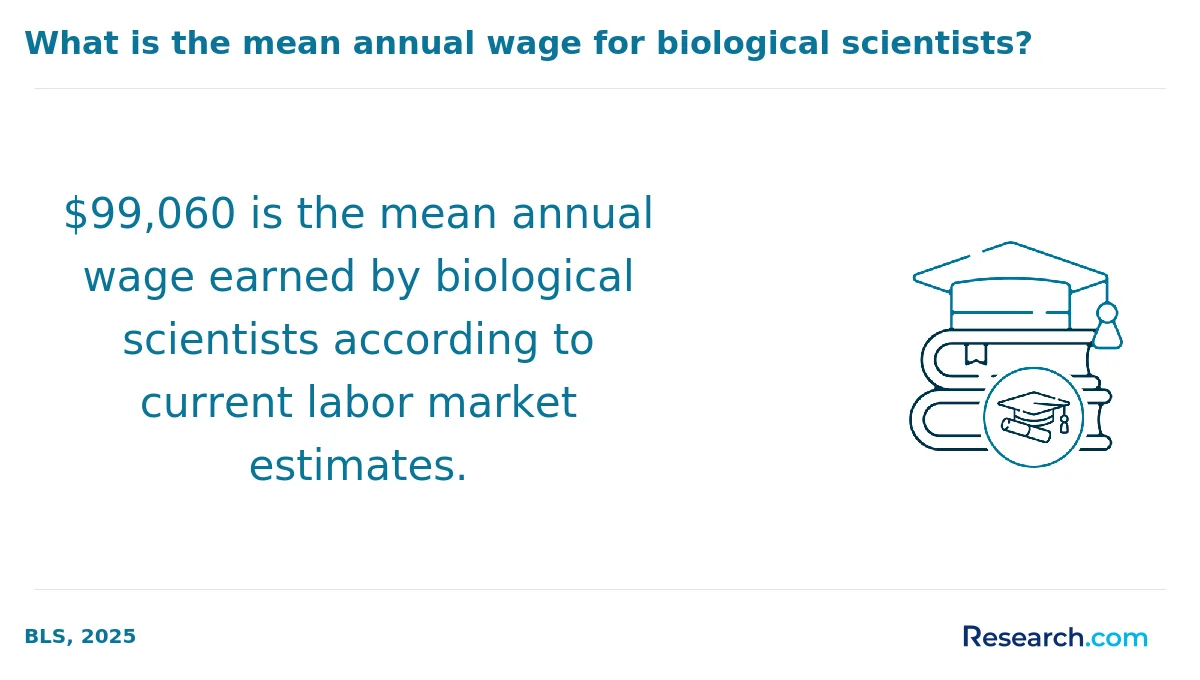
Many Indiana employers also value the flexibility and self-discipline reflected by completing an online program. Graduates often access higher-paying roles, with median annual salaries for biological scientists in Indiana reported by the Bureau of Labor Statistics at around $66,000. Additionally, an accredited online degree can facilitate entry into graduate study, which further advances career prospects.
Studying for a biology degree in Indiana offers robust preparation for interdisciplinary careers by integrating core biological sciences with fields like environmental science, biotechnology, and healthcare. Many Indiana online programs emphasize collaboration between departments, providing courses that combine biology with data analysis, chemistry, and technology. This broad approach reflects the needs of Indiana's growing life sciences sector, which employs over 26,000 workers as reported by BioCrossroads in 2023.
Indiana universities often partner with local research institutions and industries, offering students virtual internships and research projects. This exposure helps students develop skills applicable in diverse roles such as bioinformatics, pharmaceuticals, or environmental policy.
Additionally, Indiana's emphasis on STEM education supports biology students in gaining quantitative and technical expertise critical for interdisciplinary work, enhancing their career versatility.
When choosing between a thesis and a non-thesis biology degree program in Indiana, students should consider their career goals and learning preferences. Thesis programs typically require original research and a formal dissertation, ideal for those interested in graduate school or research careers.
Non-thesis options focus more on coursework and practical skills, suited for students aiming to enter the workforce directly, such as in healthcare or environmental biology roles. Indiana universities offering online biology degrees often provide both options to accommodate different ambitions.
According to the National Center for Education Statistics, about 40% of biology master's graduates in Indiana complete thesis programs, reflecting regional research demands.
Evaluating faculty expertise and available research resources at Indiana institutions can further guide the decision between these tracks.
Students in Indiana interested in studying biology abroad have limited direct options through local online programs. Most Indiana-based institutions focus on in-state or fully online biology degrees without designated international study components. However, some universities encourage participation in exchange programs or research collaborations with partner schools overseas, often in Europe or Canada.
Many Indiana schools in the Council on Public Liberal Arts Colleges (COPLAC) or Big Ten Academic Alliance provide access to study-abroad biology research opportunities. These programs are typically short-term and supplement online coursework rather than fully replacing it.
According to the National Center for Education Statistics, under 5% of biology students in Indiana pursue foreign study, primarily due to limited institutional partnerships. Prospective students should explore programs at universities like Indiana University or Purdue, which may offer virtual global learning options tied to biology.
Students pursuing online biology degrees in Indiana can enhance their education through various part-time jobs related to their field. Laboratory technician roles at local healthcare facilities or research centers provide practical experience with biological testing and data collection. Indiana's healthcare sector employed over 123,000 people in 2023, reflecting growing opportunities in biomedical roles, as reported by the Indiana Department of Workforce Development.
Additionally, internships or assistant positions with environmental agencies offer hands-on work in conservation and ecology. Indiana's Department of Natural Resources frequently hires part-time help for wildlife management projects. These roles help develop skills in field research and data analysis, complementing academic coursework.
Positions in technical support for biotech startups in Indianapolis, part of the state's expanding life sciences sector, also offer valuable exposure to industry applications of biology.
Online biology students in Indiana have several networking opportunities despite studying remotely. Many universities offer virtual events, such as guest lectures and career fairs, connecting students with professionals and alumni in biology fields. For example, Indiana University and Purdue University provide access to online student organizations and mentorship programs that facilitate peer and faculty interaction.
Local and regional scientific societies, like the Indiana Academy of Science, often host conferences and workshops open to students. These events help build valuable professional contacts. Additionally, Indiana's growing biotech sector, particularly around Indianapolis, presents internships and job-shadowing opportunities, which can be vital for networking in biology careers.
Alumni networks play a significant role in supporting online biology degree students in Indiana by connecting them with graduates who have established careers in the field. These networks offer valuable mentorship opportunities, helping students navigate career paths and understand industry expectations. According to the Indiana Commission for Higher Education, biology graduates benefit from strong professional connections in sectors like healthcare, environmental science, and biotechnology.
Through alumni events and online forums, students can access job leads and internships. Networking with alumni also provides insights into local labor market trends, which is essential given Indiana's growing biotech industry centered around Indianapolis and Bloomington.
Customizing an online biology degree program in Indiana allows students to align their education with specific career goals. Many Indiana schools offer flexible elective options, enabling focus areas such as environmental biology, molecular biology, or biotechnology. Students can often choose research projects or internships that match their interests and local industry demands.
Indiana's strong life sciences sector, supported by organizations like BioCrossroads, provides valuable practical experiences. Additionally, online programs frequently include opportunities for lab work or field studies either locally or through partner institutions, which is important for skill development.
Advisors play a key role in helping students select courses that fit career paths in healthcare, conservation, or research.
Online biology students in Indiana often face challenges related to the hands-on nature of the subject. Biology programs require laboratory experience, which can be difficult to replicate remotely. Many Indiana institutions address this by offering hybrid formats or requiring occasional campus visits, but this can limit flexibility for some students.
Another common challenge is access to up-to-date lab equipment and resources. Online students may not have the same immediate access as on-campus peers, which can slow practical learning.
Indiana's rural areas also pose connectivity issues; according to the Indiana Broadband Office, 12% of residents lack reliable high-speed internet, affecting online study consistency. Time management and self-discipline are additional hurdles seen nationwide among online learners, including those pursuing biology in Indiana.
With an online biology degree in Indiana, graduates can pursue several professional certifications that enhance their career prospects. One prominent option is the Certified Biological Safety Professional (CBSP) credential, which validates expertise in laboratory safety and biological risk management.
Additionally, becoming a Certified Wildlife Biologist through The Wildlife Society is valuable, especially in Indiana, where conservation efforts are active. This certification supports roles in environmental consulting or state agencies.
For those interested in clinical settings, becoming a Certified Clinical Research Professional (CCRP) offers opportunities in biomedical research, aligning well with Indiana's growing life sciences industry, valued at over $10 billion as per BioCrossroads.
These certifications strengthen practical skills and improve job marketability in the competitive biology field.
Writing a winning application for an online biology program in Indiana requires clear focus and preparation. Start by highlighting your academic background, especially relevant science coursework such as biology, chemistry, and math. Indiana universities often look for a minimum GPA around 3.0 for biology candidates. Include any lab or research experience, as hands-on skills strengthen your profile.
Personal statements should emphasize your passion for biology and explain why you chose an online format. Mention Indiana-specific interests, like the state's strong agricultural and environmental research sectors. According to the Indiana Commission for Higher Education, emphasizing local industry knowledge can improve your application.
Finally, prepare strong letters of recommendation from science professors or supervisors familiar with your capabilities in biology-related settings.
Biology careers hold significant value worldwide, including for students pursuing online biology degrees in Indiana. Globally, biologists contribute to healthcare, environmental protection, and biotechnology. In the US, biology professionals are expected to grow 8% from 2020 to 2030, according to the Bureau of Labor Statistics. Indiana's life sciences sector employs over 35,000 workers, reflecting strong regional opportunities for biology graduates. Online biology programs in Indiana prepare students for roles in research, conservation, and medical fields that have international importance. These careers foster global collaboration on issues like pandemics, climate change, and biodiversity, underscoring biology's broad impact beyond borders.
Students pursuing an online biology degree in Indiana can gain practical experience through local internships, lab partnerships, and volunteering opportunities. Many Indiana universities offering online biology programs collaborate with nearby research centers and healthcare facilities to provide hands-on experiences. According to the Indiana Commission for Higher Education, approximately 30% of biology undergraduates complete internships prior to graduation, boosting employability.
Virtual labs and simulation software also play a key role in practical learning, enabling students to practice scientific methods remotely. Additionally, students can participate in local environmental conservation projects or healthcare internships to apply biological concepts directly in community settings.
Choosing the right concentration within an online biology degree program in Indiana depends largely on your career goals and interests. Common concentrations include molecular biology, environmental biology, and biotechnology. Each area offers distinct opportunities: for example, Indiana's growing biotech industry, valued at over $3 billion annually, supports skills in genetics and lab techniques.
Research local job trends and internships by consulting resources like the Indiana Department of Workforce Development. Consider concentrations that align with in-demand skills such as data analysis or conservation, which reflect Indiana's ecological diversity.
Lastly, review course offerings and faculty expertise at your chosen school to ensure strong support in your selected field.
- 2027 Best Online Biology Degree Programs Ranking in Wisconsin
- 2027 Best Online Biology Degree Programs Ranking in Pennsylvania
- 2027 Best Online Biology Degree Programs Ranking in Florida
- 2027 Best Online Biology Degree Programs Ranking in Maryland
- 2027 Best Online Biology Degree Programs Ranking in Massachusetts
- 2027 Best Online Biology Degree Programs Ranking in Texas
- 25 Careers You Can Pursue with a Biology Degree https://www.careeraddict.com/biology-degree-careers
- Biology Bachelor's Degree | Salem University Career Paths & Flexible Programs https://www.salemu.edu/biology-bachelor-degree-career-paths-salem-university/
- Alumni associations - LIVE https://masterlive-vaccinology.eu/alumni-associations/
- Biology Certifications: Benefits, Examples and Job Options https://yourcareersupport.com/biology-certifications/
- Careers Guidance https://www.rsb.org.uk/career-guidance.html
- Future of Biology: Emerging Technologies & Breakthroughs https://www.fbae.org/the-future-of-biology-emerging-discoveries-technologies-and-scientific-breakthroughs/
- Best Online Biology Degree Programs (BS) in Indiana https://bestaccreditedcolleges.org/degrees/indiana-online-biology-bs.html
- Careers in Biology You Can Pursue with a Biology Degree and Certificate Program https://www.kgcareeracademy.com/post/careers-in-biology-you-can-pursue-with-a-biology-degree-and-certificate-program
- Careers in Biological Sciences: Opportunities, Skills, and the Future of Work https://www.hyperec.com/blog/careers-in-biological-sciences-opportunities-skills-and-the-future-of-work/
- 33 Best Biology colleges in Indiana, US [2026 Rankings] https://edurank.org/biology/indiana-state/