2027 Best Online Biology Degree Programs Ranking in Pennsylvania

Co-Founder and Chief Data Scientist
Choosing the right online biology degree program can shape your future in exciting ways. If you're a student in Pennsylvania exploring options, this article is here to guide you.
The 2027 Best Online Biology Degree Programs Ranking in Pennsylvania was developed by the Research.com team of data scientists. It offers a carefully researched list to help you find programs that truly stand out.
Reading this article will empower you to make an informed decision and take a confident step toward a rewarding career in biology. Your passion for science deserves the best pathway forward.
Key benefits of getting online biology degree in Pennsylvania
- Biology graduates in Pennsylvania often find careers in healthcare and environmental science, where mean salaries in related fields across the US typically range from $50,000 to $70,000 annually, offering solid financial stability.
- Graduates from Pennsylvania universities like Penn State benefit from diverse career paths including research, biotechnology, and conservation, reflecting exciting opportunities to make a real-world impact.
- Completing a biology degree online at institutions like Temple University offers flexibility to balance work and study, often resulting in quicker graduation and valuable hands-on experience through virtual labs and interactive coursework.
- 2027 Best Online Biology Degree Programs Ranking in Pennsylvania
- What can I expect from online biology degree in Pennsylvania?
- Where can I work with online biology degree in Pennsylvania?
What can I expect from online biology degree in Pennsylvania?
The average cost of an online biology degree in Pennsylvania typically ranges from $30,000 to $60,000 for the full program, depending on the institution and residency status. For instance, graduates from Penn State World Campus often recount balancing affordable tuition with the flexibility of remote study, which allowed them to work or manage family commitments without compromising their education. These students appreciated the mix of online lectures and occasional in-person lab sessions at designated testing centers, which added tangible hands-on experience important for career readiness.
Many online biology programs in Pennsylvania offer financial aid options and payment plans, making the cost feel more manageable. Graduates describe this support as crucial in maintaining motivation and focus throughout the roughly four-year duration of the degree. The investment feels justified since the strong local biotech industry and research opportunities fuel promising job prospects in fields like molecular biology and environmental science.
Moreover, learners value the accredited status of established schools, reinforcing their confidence that the money spent translates into respected credentials with lasting professional value.
Where can I work with online biology degree in Pennsylvania?
Graduates with an online biology degree in Pennsylvania often find themselves stepping into dynamic roles in healthcare and medical laboratories, where they apply their knowledge as biological technicians or research coordinators. Imagine a graduate connecting theories from Penn State's program directly to hands-on experiences in a Philadelphia hospital lab, fueling both passion and professional growth.
Others are drawn to environmental science careers, working with agencies like the Pennsylvania Department of Environmental Protection to tackle real-world conservation challenges. Biotechnology hubs near Pittsburgh offer opportunities to become quality control analysts or research assistants, where graduates from Carnegie Mellon or the University of Pittsburgh thrive in cutting-edge product development.
Academia also welcomes biology graduates, often as lab instructors or curriculum developers at community colleges throughout the state. Many report a strong sense of fulfillment guiding the next generation of scientists while continuing research projects inspired by their education in Pennsylvania's diverse ecosystems.
Government agencies further expand career paths, with roles in public health and wildlife conservation offering meaningful chances to impact regional biodiversity and regulatory compliance. This blend of vibrant sectors creates a hopeful and exciting future for online biology graduates in Pennsylvania.
Graduates with an online biology degree in Pennsylvania can anticipate starting salaries generally between $45,000 and $55,000, reflecting entry-level roles such as research assistants or laboratory technicians. For instance, graduates from popular schools like Penn State or Temple University often find opportunities in Philadelphia's thriving healthcare and biomedical sectors, where the cost of living nudges salaries slightly higher.
With several years of experience, biology graduates working in the state's pharmaceutical and biotechnology industries can earn between $65,000 and $90,000. Many report that holding additional certifications or engaging in continuing education boosts their chances of hitting this mid-career range, especially when employed by academic institutions or government agencies around Pittsburgh or Harrisburg.
For those who advance into specialized research scientist or managerial roles within Pennsylvania's dynamic biotech hubs, annual salaries often exceed $100,000. Graduates frequently express excitement about the potential for growth and innovation, particularly in environments fostering biotechnology innovation near Philadelphia.
While precise salary data for every role remains limited, these general figures offer a positive vision of financial growth tied to experience, location, and sector within Pennsylvania's biology fields.
- Online biology degrees in Pennsylvania can be completed fully remotely or through hybrid programs with some campus visits.
- The total cost for a bachelor's degree ranges from $30,000 to $50,000, with lower tuition at public universities for in-state residents.
- Biology graduates start with an average salary of $45,000 to $50,000, increasing to $70,000 to $80,000 after five to ten years of experience.
- Job growth for biological scientists in Pennsylvania is expected to match the national average, supported by industries like healthcare and pharmaceuticals.
- Programs focus on areas such as molecular biology, ecology, or biotechnology and often offer flexible schedules for working students.
Completing an online biology degree in Pennsylvania generally takes around four years for full-time students, mirroring the experience of many graduates from institutions like Penn State World Campus or Temple University's online programs. These students often describe a steady rhythm of coursework balanced with flexible scheduling, allowing them to pursue studies alongside work or family obligations. Part-time learners sometimes extend their timelines to five or six years but appreciate the ability to adjust pacing without sacrificing quality.
Many who transferred credits from community colleges in Pennsylvania found their journey shortened thanks to statewide articulation agreements, making degree completion feel more attainable and rewarding. Graduates recall that while accelerated tracks are limited due to lab requirements, motivation and careful planning helped them progress efficiently.
Looking forward, emerging tech and virtual labs hold promise for reducing these timelines by making hands-on experiences more accessible online, potentially transforming how quickly Pennsylvania students can earn their biology degrees in the near future.
Online biology degrees in Pennsylvania offer unmatched flexibility, allowing students from institutions like Penn State World Campus to balance studies with work and family life. Graduates often share how virtual labs and asynchronous lectures enabled them to progress at their own pace without commuting across the state. This adaptability feels empowering, especially for those managing busy schedules.
By contrast, on-campus programs at universities such as the University of Pennsylvania provide immersive hands-on experiences. Students recall vibrant lab sessions where they handled biological specimens firsthand and collaborated closely with faculty, fostering a deep connection to the subject and peers. This tactile learning boosts confidence in practical skills essential for future research careers.
Cost considerations also shape the decision. Some Pennsylvania schools maintain consistent tuition regardless of format, but online learners often appreciate savings on housing and transport. Access to on-campus resources like libraries and STEM networking can feel energizing for traditional students, while online learners benefit from steadily improving virtual support services, making education increasingly accessible across the state.
The average cost of an online biology degree in Pennsylvania typically centers around $43,662, reflecting a realistic expectation for many students. Graduates from well-known Pennsylvania institutions pursuing biology often recall balancing tuition with personal budgets, especially at universities popular for their strong biology departments like Penn State or Temple University. These schools offer competitive online options where tuition is generally aligned with this median cost, helping students plan their financial commitments carefully.
When exploring online biology degree tuition and fees Pennsylvania students might face additional expenses beyond tuition, such as digital lab kits and technology fees, which are often built into the overall program costs but can still add hundreds or thousands of dollars annually. Many find these investments worthwhile, noting how accessing innovative virtual labs enhances learning flexibility without the burden of commuting costs.
Several graduates highlight the benefit of Pennsylvania-specific financial aid, including state grants and scholarships, which can soften the financial load. These resources make the pursuit of an online biology degree in Pennsylvania more accessible and encourage students to envision advancing in fields they've learned about. Indeed, understanding these costs early supports confident future planning.
For those curious about potential career paths post-degree, exploring careers with a biology degree provides valuable insight that complements financial considerations and helps students stay motivated ahead.
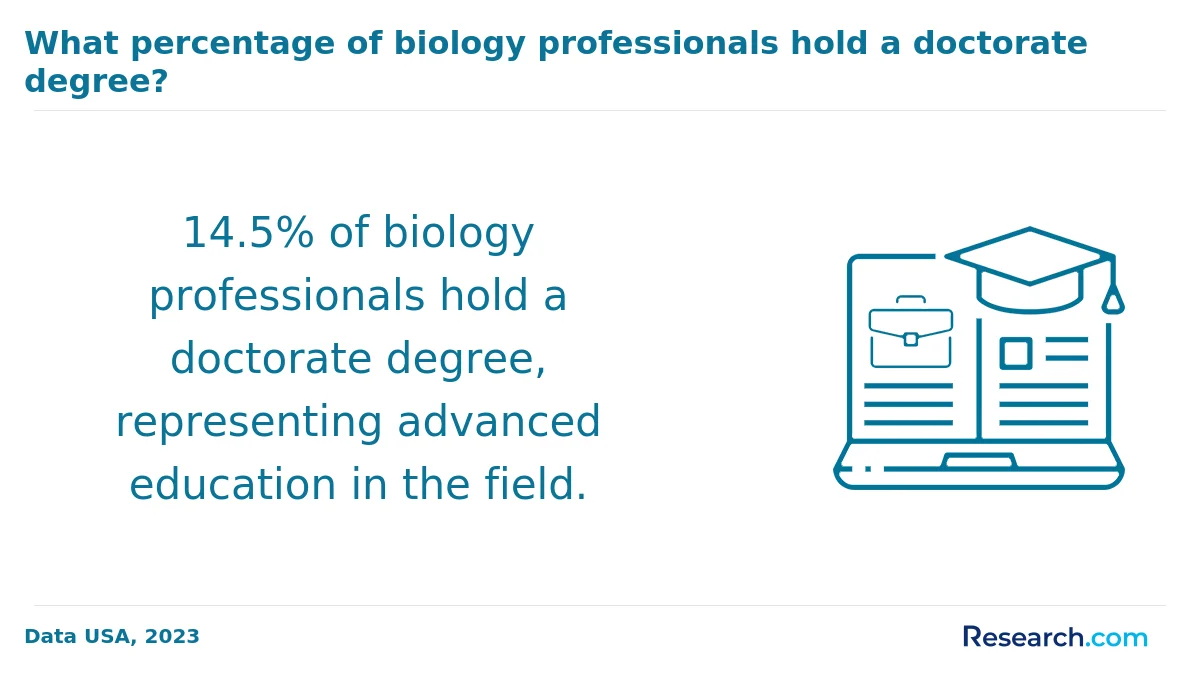
Students pursuing an online biology degree in Pennsylvania often find federal aid crucial, with FAFSA unlocking access to Pell Grants up to $7,395 annually. Graduates from well-regarded schools like Penn State World Campus or Temple University's online programs recall how these grants eased their budgets significantly, allowing them to focus more on studies and less on financial stress.
State aid, particularly through the Pennsylvania Higher Education Assistance Agency, adds another layer of support. Many biology students successfully apply for the Pennsylvania State Grant, receiving up to $5,000 annually. This often covers a large portion of the $7,500 average tuition at public institutions, making the dream of earning a degree more attainable.
Beyond federal and state options, scholarships tailored for science majors or adult learners at institutions such as West Chester University bring personalized relief. Work-study and private STEM scholarships also enhance affordability, enabling students to gain experience and stay financially steady while advancing their biology careers.
Looking ahead, the integration of employer-assisted tuition and expanding virtual work-study opportunities promises even greater financial flexibility for Pennsylvania's online biology students.
To enroll in an online biology degree program in Pennsylvania, students generally need a high school diploma or GED, paired with a solid background in core sciences like biology and chemistry, and math courses such as algebra. Graduates from well-known Pennsylvania universities often recall how these prerequisites built their confidence, preparing them for the challenging but rewarding coursework ahead.
Many programs at institutions like Penn State or Temple University also value applicants who submit official transcripts verifying these courses. Some students have shared how providing detailed records helped smooth their transfer process, especially when moving from community colleges into four-year programs.
Emerging trends show a growing flexibility, with some universities adopting test-optional policies; however, being ready to submit SAT or ACT scores can improve a candidate's chances. Future applicants might also expect a more personalized application approach, including letters of recommendation or personal statements showcasing their passion and readiness for biology.
Practical experience from current students reveals that meeting these standards not only meets minimum criteria but also sparks excitement and motivation to dive deeper into the biological sciences.
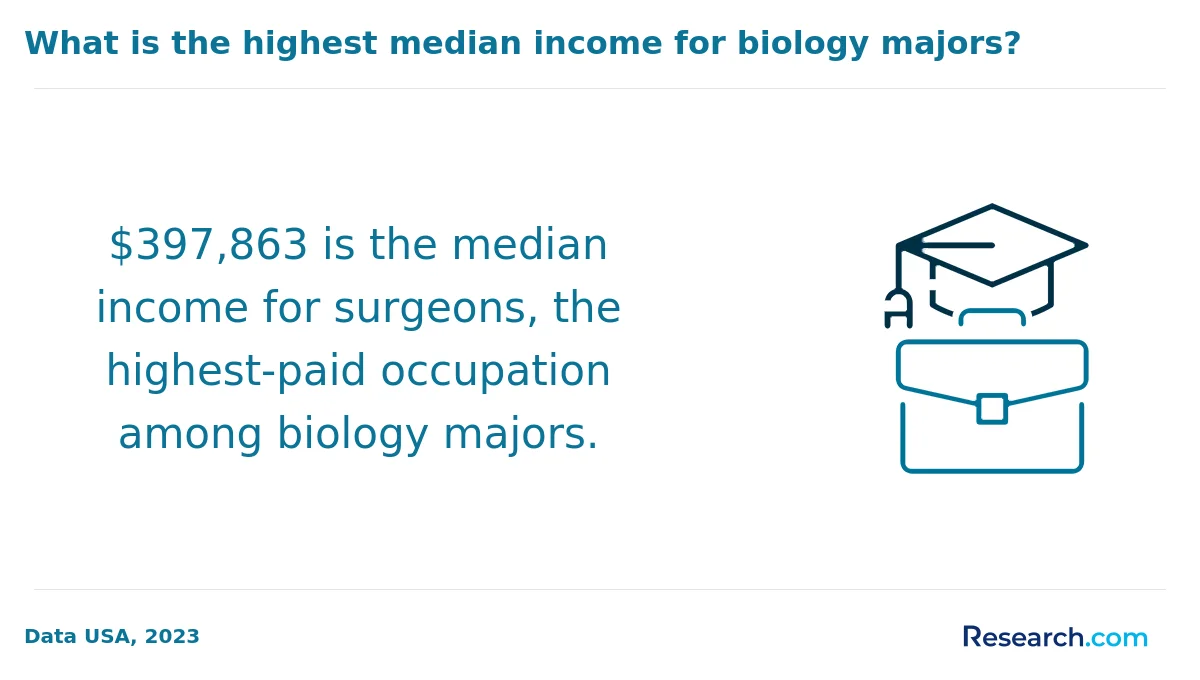
Online biology degrees in Pennsylvania typically feature a blend of core courses such as general biology, microbiology, genetics, ecology, anatomy, and biochemistry. Graduates from popular institutions like Pennsylvania State University and Temple University often recall how lab and research courses adapted through virtual simulations helped them grasp complex scientific methods despite the remote format.
The curriculum frequently includes specialized electives like bioinformatics and computational biology, reflecting the state's push toward integrating technology with life sciences. Many students find this exciting as it opens doors to cutting-edge fields like molecular genetics and environmental biotechnology.
Imagine a student partnering locally for their internship while analyzing large biological datasets on their laptop at home-this flexible approach is what many in Pennsylvania appreciate, balancing rigorous education with personal commitments.
Graduates express enthusiasm about gaining practical skills and theoretical knowledge simultaneously, helping them feel confident stepping into careers in healthcare, research, or environmental consulting-all from an accessible online platform grounded in Pennsylvania's academic standards.
Online biology degree specializations in Pennsylvania are evolving to meet emerging scientific challenges and student interests. Graduates from top colleges in the state often share enthusiasm about molecular and cellular biology, a field that dives deeply into genetics and biochemistry, preparing them for cutting-edge research and biotech careers. This specialization is particularly appealing within Pennsylvania's strong healthcare and research sectors.
Environmental biology also excites students who appreciate Pennsylvania's diverse ecosystems, allowing them to study conservation or ecological impacts in real-time through virtual labs and local field opportunities. Those attracted to aquatic sciences find new ways to explore marine biology, focusing on waterways like the Delaware River, blending hybrid study models with online coursework.
Many students pursue biomedical sciences or physiology, motivated by Pennsylvania's proximity to leading biotech firms and research hospitals. These programs often spark positive student experiences by linking theoretical studies to health innovations.
Ultimately, those interested in flexible biology program concentrations in Pennsylvania discover a range of options-including botany and zoology-that resonate with their passions. Prospective students seeking detailed comparisons of biology offerings can explore biology online degrees.
Choosing the best online biology degree programs Pennsylvania wide means looking beyond tuition costs or convenience. Graduates from well-regarded institutions like Penn State or Temple University often recall how regional accreditation and strong faculty research shaped their understanding of genetics or biochemistry. Imagine attending virtual labs that simulate real Philadelphia-based ecosystems or partnering with local labs for hands-on experiences-these innovative approaches bridge theory and practice, essential in biology education's future landscape.
Many students appreciate programs offering flexible scheduling to juggle family or jobs, especially when pursuing affordable biology degrees Pennsylvania online. Sharing stories from online cohorts reveals the emotional satisfaction of connecting coursework with Pennsylvania's biotech industry, where internship and job placement ties make a genuine difference. To explore pathways that simplify your decision, consider options highlighted in easiest online biology degrees, which spotlight emerging trends tailored for diverse learners ready to enter evolving biological fields.
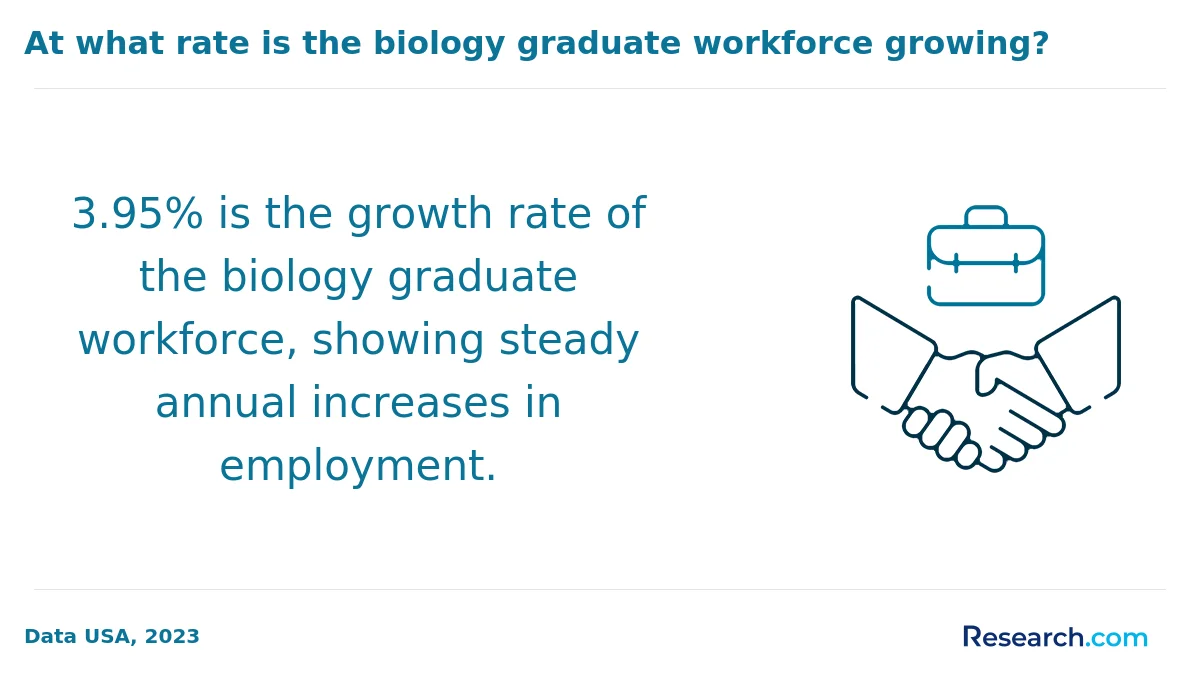
Graduates pursuing an online biology degree in Pennsylvania find themselves at the crossroads of numerous exciting career paths fueled by the state's rich healthcare and research landscape. Alumni from popular institutions like Penn State and Temple University share inspiring stories of stepping into roles as medical technologists and research assistants, thriving in hospital labs and innovative biotech startups. The melding of online flexibility with Pennsylvania's robust academic resources creates opportunities to advance toward medical school or pharmacy programs, broadening horizons for motivated students.
Exploring further, many graduates are drawn to environmental biology careers. With Pennsylvania's increased commitment to conservation, alumni often work with state agencies or ecological consultancies, translating scientific knowledge into impactful sustainability initiatives. This evolving field exemplifies the growing demand captured under biology degree job prospects Pennsylvania, blending passion with purpose.
Students also find rewarding careers in teaching, where biology educators nurture future STEM talent in schools across the state. These pathways highlight the dynamic potential that an online biology degree career opportunities Pennsylvania offers. For more insight, explore the biology bachelor degree online options that align with your ambitions.
Graduates with an online biology degree in Pennsylvania find themselves entering a dynamic and evolving job market. Many biology graduates from well-known institutions in the state share stories of landing rewarding roles in biotechnology hubs around Philadelphia or engaging in impactful environmental work near the Lehigh Valley. The diversity of local employment opportunities-from laboratory technician positions in leading hospitals to environmental consulting-allows students to tailor their careers towards sectors they feel passionate about.
Several graduates recount how their online studies prepared them for real-world challenges within Pennsylvania's healthcare and environmental fields, fostering a sense of excitement about their future. As biological scientist roles are projected to grow locally, students can anticipate positive job prospects. Those interested in specialized paths also explore ways to become an aquatic biologist or work in conservation, enhancing Pennsylvania's rich natural resources.
Choosing an online biology degree in Pennsylvania offers not only flexibility but also connection to a strong job market. The steady expansion in employment opportunities encourages hopeful students to envision thriving careers across biology degree employment opportunities Pennsylvania presents.
2027 Best Online Biology Degree Programs Ranking in Pennsylvania
Investing in your education is a significant decision that can shape your future, and the Research.com team understands the importance of making informed choices. To assist prospective students in Pennsylvania, we have meticulously crafted the "2027 Best Online Biology Degree Programs Ranking." Our commitment to quality, credibility, and accuracy is reflected in the extensive research and analysis conducted to compile this ranking.
We utilized the following reputable data sources to ensure a comprehensive evaluation of biology programs:
By exploring this ranking, readers will gain valuable insights into the best online biology degree programs available in Pennsylvania, empowering them to make educated decisions about their academic and professional futures. For more details on our methodology, please visit our Research.com methodology page.


Frequently Asked Questions About biology
Online biology degree students in Pennsylvania can enhance their learning by actively engaging with digital resources and faculty. Utilizing state university libraries like those at Pennsylvania State University, which offers extensive databases and virtual lab simulations, provides critical hands-on experience. Joining online study groups and attending virtual office hours helps clarify complex topics and deepen understanding.
The Pennsylvania Department of Education reports growing demand for biology graduates, making internships with local research institutions valuable. Students should seek partnerships with organizations such as the Academy of Natural Sciences of Drexel University for practical exposure. Staying current with advancements in biotechnology, an industry employing over 25,000 Pennsylvanians, also supports academic and career success.
Emerging niches in the biology field reflect rapid scientific and technological advances, offering exciting opportunities for students pursuing online biology degrees in Pennsylvania. Fields like bioinformatics and computational biology are gaining momentum as researchers analyze large data sets to drive medical and environmental breakthroughs. According to the Pennsylvania Department of Labor & Industry, jobs in bioinformatics are projected to grow faster than average through 2030.
Environmental biology focusing on climate change impacts is also crucial, given Pennsylvania's diverse ecosystems. Biotechnology, particularly genetic engineering and synthetic biology, continues to expand with applications in agriculture and healthcare. These emerging areas blend biology with data science, technology, and sustainability, making them attractive paths for students in online programs seeking relevance and career growth.
After completing an online biology degree in Pennsylvania, preparing for the job market involves strategic steps tailored to the state's opportunities. Pennsylvania's biotechnology and healthcare sectors are significant employers, with over 85,000 life science jobs as reported by the Pennsylvania Department of Labor & Industry in 2023.
Graduates should build a strong resume highlighting both academic achievements and practical skills gained through internships or lab work, even if virtual. Networking is crucial; joining local scientific organizations like the Pennsylvania Biology Teachers Association can provide valuable connections.
Additionally, acquiring certifications relevant to biotechnology or environmental biology increases employability. Job seekers should monitor openings on state job boards and use resources from Pennsylvania's career centers to navigate the evolving biology job market effectively.
Employers in Pennsylvania highly value biology graduates who demonstrate strong laboratory and technical skills. Proficiency in data analysis and familiarity with software such as SPSS or R are essential, as biology roles increasingly rely on computational methods. Communication skills, both written and oral, are critical for presenting research findings effectively. Additionally, problem-solving abilities and critical thinking are vital for adapting to complex biological challenges.
Knowledge of current biological techniques, such as PCR and microscopy, is often requested. According to the Pennsylvania Department of Labor & Industry, jobs in life sciences grew by 3.8% from 2019 to 2023, emphasizing the need for adaptable and skilled graduates.
Finding internships in Pennsylvania relevant to a biology degree involves a strategic approach focused on local resources. Start by connecting with your online program's career services, which often maintain partnerships with regional employers and research institutions. Pennsylvania hosts numerous renowned biology-related organizations, including the Pennsylvania Department of Conservation and Natural Resources and the University of Pennsylvania's biomedical research centers.
Job sites like Handshake and internships.com often list biology internships specific to Pennsylvania. Additionally, networking through scientific societies such as the Pennsylvania Academy of Science can help identify hidden opportunities. According to the Bureau of Labor Statistics, Pennsylvania employs over 20,000 biological scientists, indicating a robust job market for interns to enter.
An online biology degree in Pennsylvania can significantly enhance career mobility and advancement within the state's growing life sciences sector. Pennsylvania is home to over 1,300 biotechnology firms and research institutions, creating diverse opportunities for biology graduates, according to the Pennsylvania Department of Labor & Industry. Earning a degree online from an accredited Pennsylvania university allows students to build essential skills while maintaining flexibility.
Graduates with biology degrees often qualify for roles in healthcare, environmental science, and pharmaceuticals, fields expected to grow by 7% in Pennsylvania through 2030. The degree can open doors to higher-paying specialized positions and eligibility for graduate programs. Employers increasingly recognize accredited online degrees, reflecting a shift toward flexible learning models in the state's competitive job market.
Studying for a biology degree online in Pennsylvania equips students with a strong foundation in life sciences while encouraging interdisciplinary skills. Pennsylvania's universities emphasize integrating biology with technology, healthcare, and environmental science, reflecting the state's diverse industry needs. For example, programs often include coursework in bioinformatics, biotechnology, and data analysis, skills highly sought after in biotech hubs like Philadelphia and Pittsburgh.
According to the Pennsylvania Department of Labor & Industry, biology-related jobs are projected to grow by 10% through 2030, particularly in interdisciplinary roles involving healthcare and environmental management. This growth highlights the importance of adaptable skills gained through these programs.
Additionally, online biology degrees in Pennsylvania often encourage collaboration across fields, preparing students to work in research, public health, or ecological consulting. These opportunities align with the state's strong commitment to scientific innovation and public welfare.
Choosing between a thesis and a non-thesis biology degree program in Pennsylvania depends largely on your career goals and time commitment. A thesis program emphasizes original research, suited for students aiming for doctoral studies or research careers. It typically requires completing a research project and writing a detailed thesis.
Non-thesis programs focus more on coursework and practical skills, ideal for students pursuing immediate employment in biology-related fields such as healthcare, environmental consulting, or education. These programs often include internships or project-based learning instead of a formal thesis.
According to data from the Pennsylvania Department of Education, about 40% of students in biology graduate programs choose the thesis track, highlighting its appeal for research-focused careers.
Students in Pennsylvania interested in studying biology abroad through online programs have several pathways to consider. While most online biology degrees are offered by U.S. institutions, some universities collaborate with international partners to provide global perspectives within their curricula. For example, Pennsylvania students might enroll in U.S. accredited online biology programs that include study-abroad options or international research projects as part of their degrees.
Additionally, Pennsylvania residents can explore accredited online programs from institutions with global recognition, which often make use of virtual exchanges or remote internships abroad. According to the National Center for Education Statistics (NCES), over 12% of U.S. college students participate in study-abroad experiences, though online biology degrees typically integrate international elements virtually rather than requiring physical travel.
These flexible options allow Pennsylvania students to benefit from global biology perspectives while completing their degrees remotely. It's important to review the specific program's offerings to ensure they meet professional and licensing requirements within Pennsylvania.
In Pennsylvania, students pursuing an online biology degree can enhance their education through various part-time jobs that offer practical experience. Positions such as laboratory assistants, research aides, and wildlife technicians are common opportunities. These roles allow students to apply biological concepts in real-world settings while balancing their studies.
Biotechnology firms and healthcare facilities across Pennsylvania, especially in Philadelphia and Pittsburgh, frequently hire part-time workers for tasks like specimen processing and data collection. According to the Pennsylvania Department of Labor & Industry, biological technician roles in the state have a median hourly wage of about $22, providing both income and relevant skills.
Additionally, institutions like the Pennsylvania Game Commission offer seasonal internships or part-time jobs focused on wildlife management.
Online biology students in Pennsylvania benefit from a variety of networking opportunities that connect them with peers, faculty, and professionals in the field. Many Pennsylvania universities offering online biology degrees encourage participation in virtual study groups and professional organizations such as the Pennsylvania Academy of Science. Students can also attend webinars and online conferences that focus on regional biological research and environmental issues.
Moreover, some schools have partnerships with local research institutions and biotech companies, providing access to internships and collaborative projects. According to the Pennsylvania Department of Labor, the life sciences sector employs over 96,000 workers statewide, offering a robust community for networking and career growth.
Online platforms and alumni networks further facilitate connections by sharing job postings, research opportunities, and mentorship programs tailored specifically for biology students. These resources help online learners build valuable relationships despite the distance learning format.
Alumni networks offer significant benefits for online biology degree students in Pennsylvania by fostering professional connections and career opportunities. These networks connect current students with graduates working in diverse biology fields, such as biotechnology or environmental science, common industries in the state. According to the Pennsylvania Department of Labor & Industry, alumni contacts can increase job placement rates by up to 20% in STEM areas.
Access to experienced alumni enables students to receive mentorship, guidance on research opportunities, and advice on navigating Pennsylvania's competitive job market. Networking events and online forums organized by alumni chapters allow students to build lasting relationships beyond the virtual classroom.
Students pursuing an online biology degree in Pennsylvania can tailor their programs through elective courses aligned with specific career goals. Many Pennsylvania universities offer options in fields like biotechnology, ecology, or molecular biology. Selecting these electives enables deeper study in areas with growing job markets, such as biotech firms around Philadelphia and Pittsburgh, according to the Pennsylvania Department of Labor & Industry.
Additionally, students may incorporate internships, research projects, or lab opportunities remotely or locally to gain hands-on experience. Some schools also allow concentration or minor pairings in complementary disciplines like environmental science or health sciences, enhancing career flexibility.
Advising services are crucial; academic advisors help design a pathway fitting both interests and Pennsylvania's workforce demand in biology-related sectors.
Online biology students in Pennsylvania often face several challenges related to the nature of the subject and the mode of learning. One major difficulty is the limited access to hands-on laboratory experiences, which are essential for understanding complex biological concepts. Although many programs supplement this with virtual labs or local partnerships, replicating in-person experiments remains a hurdle.
Time management is another concern, as students balance coursework with personal and professional responsibilities. According to the Pennsylvania Department of Education, nearly 45% of online learners juggle work and studies simultaneously, increasing stress levels.
Additionally, students sometimes struggle with the availability of academic support and limited interaction with instructors compared to traditional settings. These factors can impact engagement and comprehension, critical in scientifically rigorous fields like biology.
With an online biology degree from Pennsylvania, graduates can pursue various professional certifications to enhance their careers. Common options include the Certified Biological Technician (CBT) credential, offered by the National Association of Biological Technicians. This certification validates skills in laboratory and field biology work.
Another option is certification in Environmental Science, such as the Certified Environmental Scientist (CES) through the American Academy of Environmental Engineers and Scientists. This is relevant for biology graduates aiming to work in environmental fields in Pennsylvania.
Additionally, Pennsylvania's strong biotechnological and pharmaceutical sectors create demand for qualifications in regulatory affairs, like the Regulatory Affairs Certification (RAC).
These certifications help professionals stand out in a competitive job market. According to the Pennsylvania Department of Labor & Industry, biology-related jobs are projected to grow 8% through 2030, underscoring the value of certification.
Writing a winning application for an online biology program in Pennsylvania requires clear focus and attention to detail. Start by thoroughly researching programs approved by the Pennsylvania Department of Education and accredited by recognized agencies like the Middle States Commission on Higher Education.
Highlight your academic background with emphasis on science courses, labs, and relevant experiences. Pennsylvania biology programs often value a strong foundation in chemistry and biology, as supported by the Bureau of Labor Statistics, which notes growth in biology-related fields in the state.
Demonstrate your motivation by explaining how an online biology degree aligns with your career goals. Include any research, internships, or volunteer work that showcases your dedication to biology. Strong recommendation letters from science instructors in Pennsylvania can also enhance your application's credibility.
The global perspective on a biology career emphasizes its critical role in addressing worldwide challenges like climate change, health, and biodiversity. In the United States, including Pennsylvania, biology graduates enjoy strong job prospects, with the U.S. Bureau of Labor Statistics projecting a 5% growth in biological science jobs from 2021 to 2031.
Pennsylvania is home to leading institutions offering online biology degrees that prepare students for global work environments. The state's biotech industry and research centers contribute to diverse career opportunities in healthcare, environmental science, and pharmaceuticals.
Internationally, biology skills are highly valued for research collaboration and innovation. Students trained in Pennsylvania can access global networks and contribute to solutions in public health and sustainability.
Gaining practical experience while pursuing an online biology degree in Pennsylvania is crucial for building skills that employers value. Many Pennsylvania institutions encourage students to engage in local internships or research projects. For example, partnerships with nearby universities, hospitals, or environmental organizations offer hands-on opportunities.
Students can often arrange lab internships through the Pennsylvania Department of Conservation and Natural Resources or collaborate on community health projects with state-run programs. According to the Pennsylvania State Board of Education, about 60% of online biology students find internships locally.
Additionally, virtual lab simulations and research assignments complement field experiences, enhancing students' practical knowledge without geographic limits.
Choosing the right concentration within an online biology degree program in Pennsylvania depends on your career goals and interests. Popular concentrations include molecular biology, ecology, and biotechnology, each offering distinct career paths. For example, biotechnology aligns well with Pennsylvania's growing life sciences industry, which employs over 50,000 professionals statewide, according to the Pennsylvania Department of Labor & Industry.
Consider programs that offer flexibility and internship opportunities, as Pennsylvania universities often partner with local industries and research centers. Also, review course offerings and faculty expertise to ensure the concentration matches your professional aspirations.
Additionally, check if the concentration prepares you for required certifications or graduate study, especially in specialized fields. This approach helps tailor your education to Pennsylvania's job market demands effectively.
- 2027 Best Online Biology Degree Programs Ranking in Maryland
- 2027 Best Online Biology Degree Programs Ranking in Massachusetts
- 2027 Best Online Biology Degree Programs Ranking in Indiana
- 2027 Best Online Biology Degree Programs Ranking in Florida
- 2027 Best Online Biology Degree Programs Ranking in Wisconsin
- 2027 Best Online Biology Degree Programs Ranking in Texas
- Pennsylvania Commission for Community Colleges https://www.pacommunitycolleges.org/resources/financial-aid/
- Careers in Biological Sciences: Opportunities, Skills, and the Future of Work https://www.hyperec.com/blog/careers-in-biological-sciences-opportunities-skills-and-the-future-of-work/
- How to Create a Biology Course Plan for Accelerated Degree Completion https://www.straighterline.com/blog/how-to-create-an-efficient-biology-course-plan-for-accelerated-degree-completion
- Biology https://www.commonwealthu.edu/academics/programs/biology-ba-bs
- Biology Major Jobs: Careers in the Biological Sciences | Houston Christian University https://hc.edu/articles/biology-major-jobs-careers-in-the-biological-sciences/
- How To Become A Biologist | Biology Degrees And Careers https://www.learnhowtobecome.org/science-technology-careers/biology/
- How a Strong Alumni Network Can Benefit Students https://www.pacificu.edu/blog/how-strong-alumni-network-can-benefit-students
- Biology Degree https://westmoreland.edu/academics/programs/biology.html
- Best Online Colleges In Pennsylvania 2025 https://www.affordablecollegesonline.org/online-colleges/pennsylvania/
- Study Biology Abroad | Go Overseas https://www.gooverseas.com/study-abroad/biology