2027 Biology Degree Payback Report: Which Programs Deliver the Best Cost-to-Salary Return

Co-Founder and Chief Data Scientist
A biology degree can open doors to healthcare, biotech, research, conservation, and graduate study, but its financial payoff depends heavily on cost and career direction. College Board's 2024 pricing data shows published in-state tuition and fees at public four-year colleges average $11,610, while private nonprofit colleges average $43,350. That gap can change payback time dramatically.
This guide is for students comparing biology programs, parents weighing tuition risk, and graduates planning next steps. You'll learn how costs, salaries, job growth, degree level, and specialization affect return on investment.
Key Things You Should Know
- The strongest biology degree ROI usually comes from low-cost public programs, community college transfer pathways, employer-funded options, and programs that build lab, data, or healthcare-adjacent skills before graduation.
- Payback varies widely: a lower-cost bachelor's degree can break even much faster than a high-cost private program, especially when the first job is a technician or entry-level research role rather than a licensed clinical or advanced scientific role.
- BLS 2024 wage data shows biology-related outcomes range from about $51,430 for biological technicians to more than $100,000 for medical scientists and biochemists, so specialization and graduate education matter as much as the major name.
- What Is the Return on Investment of a Biology Degree?
- Which Biology Programs Deliver the Best Cost-to-Salary Return?
What Is the Return on Investment of a Biology Degree?
The return on investment of a biology degree is the financial value a student receives compared with the full cost of earning the credential. For biology, ROI is not just a tuition question. It also depends on whether the student uses the degree for immediate employment, medical or dental school preparation, biotech work, environmental roles, teaching, public health, or graduate research.
A practical biology degree ROI calculation should include tuition, fees, living costs, books, lab fees, lost wages while studying, grants, scholarships, loan interest, and the salary difference between the student's likely job with and without the degree. The key outcome is payback time: how long it takes for additional earnings to offset education costs.
Biology is different from some career-specific majors because a bachelor's degree can lead to several paths, but many higher-paying biology careers require graduate school, professional school, certification, or specialized technical experience. That makes program choice especially important. A strong ROI program is usually not the most famous program; it is the one that gets the student to a realistic career target at the lowest reasonable net cost.
The table below summarizes how degree level affects cost-to-salary return. Use it as a starting point, not a guarantee, because employer demand, location, internship access, and graduate school plans can change the outcome.
| Biology education path | Typical use | ROI profile | Best fit |
| Associate degree or transfer pathway | Complete general education and lower-division science courses before transferring | Often strong if credits transfer cleanly and the student avoids retaking courses | Cost-conscious students pursuing a bachelor's degree |
| Bachelor's in biology | Entry-level lab, healthcare support, environmental, education, or graduate-school preparation | Moderate ROI unless paired with internships, lab skills, data skills, or a professional-school plan | Students who want broad science preparation |
| Master's in biology or related field | Research, biotech, teaching, public health, regulatory, or specialized technical roles | Can improve ROI when the specialization maps to employer demand | Students targeting advancement without a long doctoral pathway |
| PhD or professional degree | Medical, dental, veterinary, academic, senior research, or clinical science careers | Potentially high lifetime payoff but longer break-even period and higher opportunity cost | Students committed to licensed or advanced scientific careers |
For most undergraduates, the core ROI question is simple: will the program help you reach a specific next step at a cost you can repay with realistic early-career earnings? If the answer depends on "eventually going to medical school" or "probably getting a research job," the safer move is to compare schools by outcomes, advising quality, clinical exposure, research access, and net price before enrolling.
Which Biology Programs Deliver the Best Cost-to-Salary Return?
The biology programs with the best cost-to-salary return tend to combine low net price with strong career preparation. In practical terms, that often means public universities with in-state tuition, community college transfer agreements, biology programs with built-in research or internship requirements, and tracks in high-demand areas such as biotechnology, molecular biology, computational biology, bioinformatics, microbiology, environmental science, or pre-health preparation.
A program's published tuition does not tell the full story. Students should compare net price after grants, time to graduation, transfer credit acceptance, paid research opportunities, and how often graduates enter jobs or graduate programs related to biology.
The table below ranks program types by likely cost-to-salary return, assuming the student completes the degree on time and chooses a path aligned with employer demand.
| Program type | Why ROI can be strong | Main risk | Best student profile |
| In-state public bachelor's in biology | Lower tuition reduces the salary needed to break even | Large classes may require extra effort to secure research experience | Students who can graduate on time and use advising early |
| Community college to public university transfer | Lower first-two-year costs can reduce total debt | Poor transfer planning can delay graduation | Students who verify course equivalency before enrolling |
| Biology with biotech, molecular, or bioinformatics concentration | Skills may align better with lab, pharma, diagnostics, and data-heavy roles | May require stronger math, coding, or lab workload | Students open to industry roles, not only clinical careers |
| Co-op or internship-based biology program | Paid experience can improve employability and reduce opportunity cost | May extend the academic calendar if not planned well | Students who want job-ready experience before graduation |
| High-cost private biology program | Can pay off if aid is strong, outcomes are excellent, or professional-school placement is high | Weak ROI if debt is high and first job is entry-level | Students receiving major grants or targeting highly supported pathways |
The highest-return choice is often a program that looks less expensive on paper but is strong in advising, undergraduate research, and placement. A low-cost program with weak support can still become expensive if a student changes majors late, repeats lab sequences, or needs extra semesters.
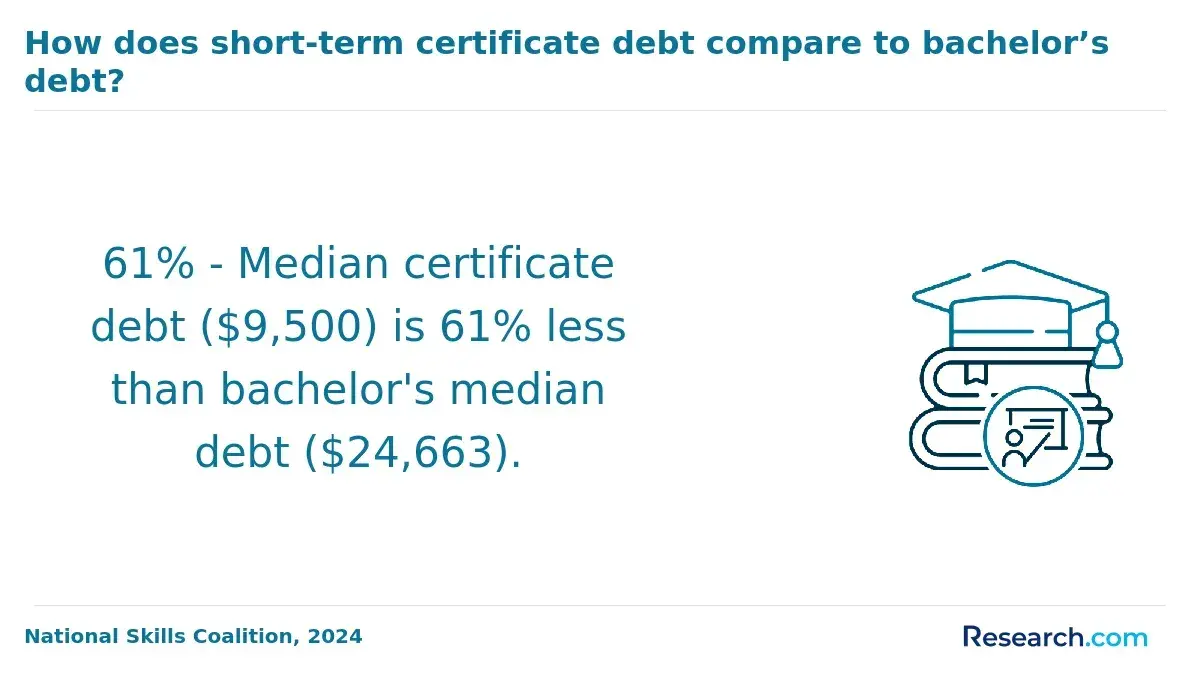
Tuition affects biology degree payback more than many students expect because entry-level biology salaries are often moderate. According to College Board's 2024 Trends in College Pricing, average published tuition and fees for in-state students at public four-year institutions are $11,610, compared with $30,780 for out-of-state public students and $43,350 for private nonprofit institutions. For the reader, the lesson is direct: the same biology job can produce very different ROI depending on the debt taken on to get there.
Biology students should focus on net price, not sticker price. Net price is the amount left after grants and scholarships, and it is usually more useful than the advertised tuition rate. A private college with strong grants may cost less than an out-of-state public university, while a low-tuition program may become costly if it causes delayed graduation.
When comparing tuition, look beyond the headline number. These cost drivers often affect biology students more than general business or humanities majors because lab-based programs can have sequencing requirements and limited course availability.
- Lab and course fees: Biology, chemistry, anatomy, microbiology, and field courses may carry additional fees that raise total cost.
- Time to graduation: Missing a required lab sequence can delay graduation by a semester or full year, increasing both tuition and living costs.
- Transfer credit rules: Credits that do not apply to the major can erase expected savings from community college or prior coursework.
- Living costs: Housing, transportation, and local cost of living may outweigh tuition differences between schools.
- Unpaid experience requirements: Some research, clinical shadowing, or conservation opportunities may be unpaid, which can affect students who need income while studying.
The safest financial approach is to request a degree plan from each school showing required courses by semester, accepted transfer credits, estimated fees, and expected graduation date. A biology program with a clear four-year map and affordable net price usually has a better payback profile than a more expensive program without measurable career advantages.
Break-even time is the number of years it takes for the extra earnings from a biology degree to recover the cost of earning it. A simple formula is: total out-of-pocket cost divided by annual earnings gain. The challenge is that biology earnings gains vary widely, especially because many students use the major as a stepping stone to graduate or professional school.
For a student who enters an entry-level lab role, a low-cost degree may pay back within a manageable period. A high-cost degree can take much longer unless it leads to a higher-paying pathway, such as medical science, biotech, clinical research management, or a professional health career.
The table below shows how different cost levels can change payback logic. It uses scenarios rather than promises because salaries and costs differ by school and labor market.
| Scenario | Education cost profile | Career start | Likely payback pattern |
| Low-cost public or transfer route | Lower tuition and reduced borrowing | Technician, lab assistant, environmental assistant, or graduate school | Usually the most forgiving path if early earnings are moderate |
| Moderate-cost public or private program with aid | Manageable net price and clear advising | Research, healthcare support, biotech, or pre-professional track | Can be worthwhile when the student graduates on time and gains experience |
| High-cost program with limited aid | Heavy borrowing or high family contribution | Entry-level biology role | Riskier unless the school provides exceptional placement value |
| Biology plus graduate or professional school | Longer education timeline and higher opportunity cost | Medical, dental, veterinary, research, or advanced science role | Longer break-even period with potentially higher lifetime earnings |
Students can make a realistic estimate by calculating total net cost, expected debt at graduation, starting salary range for target roles, and monthly loan payment. If the payment would force career decisions the student does not want, the program may not be the right financial fit even if it is academically strong.
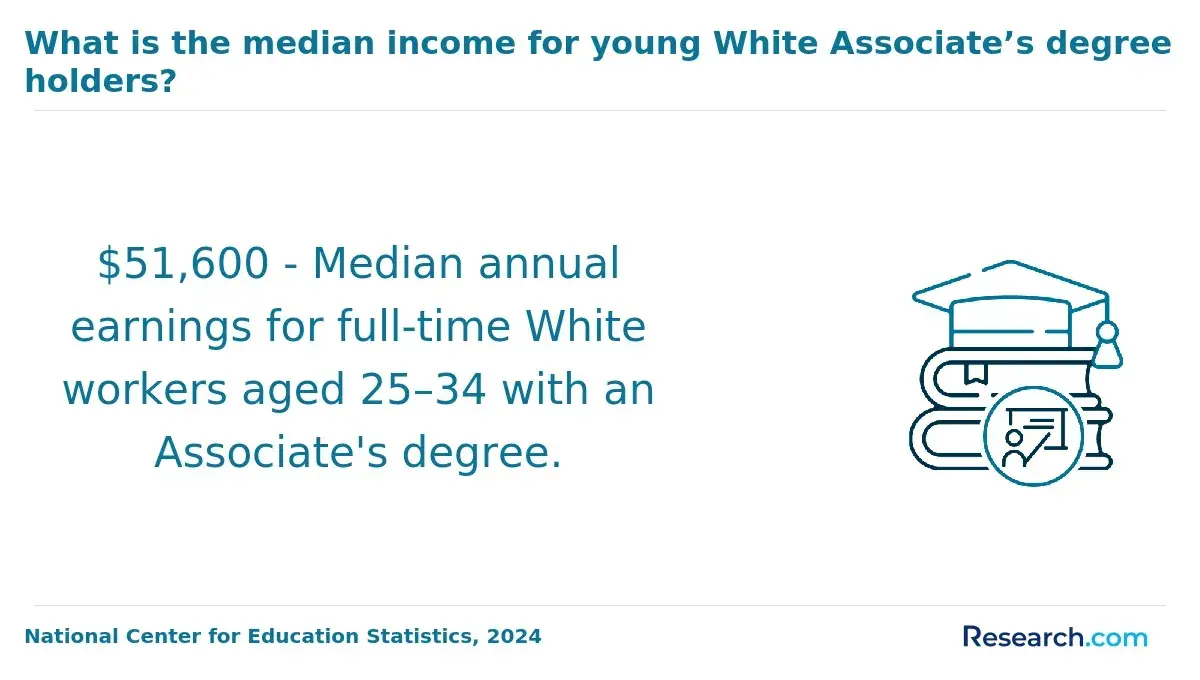
The biggest biology ROI factors are net cost, graduation speed, specialization, experience, location, and whether the student needs more education after the bachelor's degree. Employer demand has shifted toward candidates who can combine biology knowledge with lab instrumentation, data analysis, regulatory awareness, or clinical workflow experience.
Students should evaluate programs using the factors below because they directly affect cost, employability, or both.
- Net price after aid: A lower net price reduces the salary needed to justify the degree.
- Time to completion: Biology course sequences can delay graduation if prerequisites are missed, so a clear academic map matters.
- Hands-on experience: Research assistantships, internships, clinical exposure, and fieldwork can make a graduate more competitive.
- Technical skill depth: Programs with molecular techniques, statistics, coding, GIS, bioinformatics, or quality-control training often create more career options.
- Graduate-school alignment: Pre-med, pre-dental, veterinary, and PhD-bound students need advising that protects GPA, prerequisites, and application timing.
- Local employer connections: Schools near hospitals, labs, biotech firms, public health agencies, or environmental employers may offer stronger work-based learning.
A common mistake is choosing a biology program only because it has a strong overall university brand. Brand can help, but ROI usually depends more on the student's net cost, transcript strength, lab experience, and fit with the intended career path. Students comparing science with business-oriented graduate pathways may also want to explore alternatives such as the easiest MBA to get into programs if management, operations, or healthcare administration is the long-term goal rather than laboratory or clinical science.
Employer demand affects whether a biology degree turns into a strong return or a slow payoff. BLS projections released in 2024 show medical scientist employment is expected to grow much faster than the average for all occupations over the 2023-2033 period. For biology students, that points to a clear pattern: advanced research, health science, and biotech-related pathways may offer stronger long-term value than general biology roles without specialization.
At the bachelor's level, employers often look for evidence that a graduate can contribute on day one. That means familiarity with lab safety, sample preparation, PCR or cell culture when relevant, data documentation, statistical software, quality assurance, or regulatory standards. In environmental roles, field methods, GIS, permitting knowledge, and technical writing can matter as much as coursework.
Technology is also changing biology hiring. AI and automation are not eliminating the need for biology graduates, but they are raising expectations. Automated lab systems, genomic tools, machine learning models, and digital health data require workers who can understand both biological context and data quality. Students who avoid quantitative courses may have fewer options in fast-growing research and industry settings.
The strongest job-growth strategy is to choose electives and experiences around a target employer category. A student interested in biotech should build molecular and data skills. A student interested in public health should consider epidemiology, statistics, and communication. A student interested in conservation should add GIS, field methods, and environmental policy exposure.
Students can improve the financial value of a biology degree by lowering costs and increasing employability before graduation. The best strategy is not simply to choose the cheapest school; it is to choose the lowest-cost program that still provides the advising, labs, prerequisites, and work experience needed for the intended career.
Use the steps below to compare biology programs in a practical way before committing.
- Start with a career target: Decide whether the degree is for employment after graduation, medical or dental school, biotech, public health, teaching, conservation, or graduate research.
- Calculate net price: Compare aid letters using out-of-pocket cost, required fees, living costs, and expected borrowing.
- Verify accreditation: Confirm institutional accreditation and check whether any intended professional path has separate prerequisite or licensing expectations.
- Ask for a four-year course map: Biology prerequisites are sequenced, so missed courses can delay graduation and weaken ROI.
- Check undergraduate research access: Ask how many students work in labs, whether roles are paid, and how early students can participate.
- Compare outcomes: Request placement data for biology graduates, not just universitywide employment figures.
- Build marketable skills: Prioritize statistics, coding, lab instrumentation, technical writing, regulatory basics, or GIS if they match your target field.
- Limit debt for uncertain plans: If you are unsure about graduate school or medical school, avoid assuming that future high earnings will automatically solve high borrowing.
Students should also avoid red flags. Be cautious if a school cannot explain transfer policies, has limited required lab access, provides vague career outcomes, or treats "pre-med" as a guaranteed destination. Biology can be an excellent foundation, but the payoff improves when the student has a concrete plan by the second year.
If your goal is people operations in healthcare, biotech, or life sciences companies rather than laboratory work, a career-focused graduate option such as a 1 year online master's in human resources may offer a more direct route after earning a science bachelor's degree.
Biology offers flexibility, but it is not always the highest-ROI choice for every science-minded student. Similar fields may produce stronger early earnings, clearer licensure pathways, or more direct job alignment. The right comparison depends on whether the student wants patient care, lab research, environmental work, data analysis, teaching, or management.
The table below compares biology with common alternatives. It focuses on decision fit rather than ranking every field by salary.
| Field | ROI strengths | Trade-offs | Best fit |
| Biology | Flexible foundation for healthcare, research, biotech, public health, and graduate school | Some higher-paying roles require advanced education | Students who want broad life-science options |
| Nursing | Clearer licensure path and direct clinical employment | Requires clinical placements and state licensure | Students committed to patient care |
| Biochemistry | Stronger alignment with molecular research, pharma, and advanced lab work | Often more chemistry-intensive | Students interested in research and biotech |
| Public health | Good fit for population health, epidemiology, policy, and community programs | Some roles require a master's degree | Students interested in prevention, data, and health systems |
| Environmental science | More direct path to field, consulting, and regulatory work | Pay varies widely by employer sector | Students who prefer fieldwork and environmental problem-solving |
| Computer science or data science | Often stronger early salary potential and broad employer demand | Less focus on biological systems unless paired with bioinformatics | Students who enjoy coding and quantitative work |
Biology is most competitive for ROI when paired with a specialization. For example, biology plus coding can lead toward bioinformatics, biology plus chemistry can support pharma research, and biology plus clinical experience can support health-profession applications. Students interested in healthcare careers that have a clearer licensure-to-job connection may also compare biology with options such as the cheapest online SLP programs, especially if patient-facing therapy work is the goal.
A biology degree is worth it when the program's net cost is manageable and the student has a realistic path to employment, graduate school, or a licensed profession. It is less attractive when the student borrows heavily without a target career, avoids quantitative or lab skill development, or assumes that the major alone will lead to a high-paying science job.
The degree is a strong fit for students who are curious about living systems, willing to complete demanding lab science courses, and ready to build experience outside the classroom. It is also useful for students preparing for medicine, dentistry, veterinary medicine, physician assistant programs, physical therapy, public health, genetic counseling, biotech, conservation, or research.
Students should consider a different path if they mainly want fast entry into a specific licensed healthcare job, prefer business leadership over science, or dislike lab and data work. In those cases, nursing, allied health, health administration, data science, or business programs may offer a clearer return.
Before enrolling, ask each school direct questions that connect cost to outcome.
- What is the average net price for students like me after grants and scholarships?
- How many biology majors graduate in four years?
- Which required courses are offered every semester, and which are limited?
- What share of biology majors participate in research, internships, clinical work, or fieldwork?
- What jobs or graduate programs do recent biology graduates enter?
- How does advising support pre-med, pre-dental, veterinary, public health, or biotech students?
- What technical skills will I have by graduation beyond general biology coursework?
The bottom line: biology can deliver a strong cost-to-salary return, but only when the student controls cost and chooses a career-aligned pathway. If your long-term interest is leading teams or managing healthcare, biotech, or life-science organizations, compare the biology path with business-oriented options such as executive MBA programs after gaining work experience.
Biology graduates can enter a wide salary range because the degree supports many occupations rather than one single job. BLS May 2024 wage data places the median annual wage for biological technicians at about $51,430, which is a useful benchmark for students planning to work immediately after a bachelor's degree. That figure suggests that high debt can be difficult to manage if the first role is entry-level lab support.
Higher salaries are more common in roles that require specialized training, graduate education, industry experience, regulatory knowledge, quantitative skills, or management responsibility. Biology students who want stronger ROI should identify the target role early and build the required skill set before graduation.
The table below compares common biology-related career directions. It is most useful for understanding the salary ceiling and education trade-offs behind each path.
| Career path | Typical entry requirement | Salary context | ROI implication |
| Biological technician | Bachelor's degree or strong lab coursework | BLS May 2024 median wage is about $51,430 | Works best with low debt and paid lab experience |
| Microbiologist | Bachelor's degree for some roles; graduate degree for advanced research | Median wages are higher than technician roles in many settings | Better ROI when the program includes microbiology lab depth |
| Medical scientist | Often PhD, medical degree, or advanced research training | BLS May 2024 median wage is above $100,000 | Potentially strong long-term payoff but delayed earnings |
| Biochemist or biophysicist | Often advanced degree for independent research | BLS May 2024 median wage is also above $100,000 | Best for students committed to advanced science training |
| Environmental or conservation role | Bachelor's degree, field experience, and sometimes GIS skills | Pay varies by government, nonprofit, and consulting employer | ROI improves when students add data, mapping, or regulatory skills |
Salary data should be used as a planning tool, not a promise. Region, employer type, internship history, graduate degree plans, and technical skills all affect offers. Students aiming for biotech, pharma, diagnostics, bioinformatics, or clinical research should review job postings in their target city before choosing electives.
Other Things You Should Know About Biology
Biology can lead to high-paying careers, but many of them require graduate education, professional school, or specialized technical experience. Entry-level roles after a bachelor's degree are often more moderate in pay, so program cost matters.
The best ROI usually comes from an affordable bachelor's program with strong lab access, research opportunities, internships, and a concentration tied to demand, such as biotechnology, molecular biology, microbiology, bioinformatics, or pre-health preparation.
An online biology degree can be worthwhile for general coursework or degree completion, but students should confirm how lab requirements are handled. For research, healthcare, or graduate-school preparation, hands-on lab access is often essential.
Biology is a common pre-med major because it overlaps with many prerequisites, but it is not required. Medical schools typically care more about prerequisite completion, GPA, test scores, clinical exposure, service, and overall readiness than the major name alone.
- Tuition fees and costs - Master General Biology (Biological Sciences) https://www.uva.nl/shared-content/programmas/en/masters/biological-sciences-general-biology/tuition-fee-and-costs/tuition-fees-and-costs.html
- Definition of HOW https://www.merriam-webster.com/dictionary/how
- how - Tłumaczenie po polsku - Słownik angielsko-polski Diki https://www.diki.pl/slownik-angielskiego
- HOW - Translation in Polish - bab.la https://en.bab.la/dictionary/english-polish/how
- Does College Pay Off? A Comprehensive Return On Investment Analysis - FREOPP https://freopp.org/whitepapers/does-college-pay-off-a-comprehensive-return-on-investment-analysis/
- ROI Of College Majors By Early And Mid-Career Salaries | Bankrate https://www.bankrate.com/loans/student-loans/roi-mid-career-by-major/
- HOW Definition & Meaning | Dictionary.com https://www.dictionary.com/browse/how
- Major Differences https://www.educationnext.org/major-differencecs-why-some-degrees-cost-colleges-more-than-others/
- Top 15 Highest‑Paying Pharmacy Jobs in the UK 2025 (Including Salaries) https://apexlearning.org.uk/highest-paying-biology-degree-jobs-2025-2026/
- Which College Majors Make the Most Money in 2026? | StraighterLine https://www.straighterline.com/blog/the-12-highest-paying-college-majors