2027 Biology Degree Schedule Flexibility Report: Online, Hybrid, Evening, Weekend, and Accelerated Options Compared

Co-Founder and Chief Data Scientist
Choosing a biology degree schedule is harder than picking "online" or "campus." Biology programs often include labs, fieldwork, exams, and group projects that can limit flexibility. NCES reported in 2024 that 53% of undergraduates took at least one distance education course in fall 2022, showing how common flexible study has become.
This guide helps working adults, caregivers, and transfer students compare online, hybrid, evening, weekend, and accelerated formats by attendance, pace, workload, cost, and career fit so they can choose a schedule they can realistically finish.
Key Things You Should Know
- Fully online biology degrees usually offer the most location flexibility, but many still require scheduled exams, virtual labs, mailed lab kits, proctored assessments, or occasional in-person science labs.
- Hybrid, evening, and weekend formats can work well for students with jobs or caregiving duties, but the key question is not the label; it is how often labs, exams, advising, and group work require fixed attendance.
- A 12-credit full-time load can require about 36 hours per week when class time and study time are combined under the standard credit-hour model, while accelerated 7- or 8-week terms compress that workload into a shorter calendar.
- How Do Online, Hybrid, Evening, Weekend, and Accelerated Degree Programs Differ?
- How Flexible Are Fully Online Degree Programs?
How Do Online, Hybrid, Evening, Weekend, and Accelerated Degree Programs Differ?
Flexible biology degree formats differ in three practical ways: where learning happens, when attendance is required, and how quickly courses move. A format that sounds convenient can become difficult if lab meetings, exam windows, or group projects conflict with work or caregiving responsibilities.
The table below compares the major schedule formats students are likely to see in associate, bachelor's, degree-completion, and some master's-level biology programs. Use it to identify which options deserve a closer review before contacting admissions.
| Format | Typical attendance pattern | Best fit | Main trade-off |
| Fully online | Courses are delivered online; labs may be virtual, kit-based, locally arranged, or occasionally in person. | Students who need location flexibility and can manage independent study. | Not always self-paced, and lab science requirements may reduce flexibility. |
| Hybrid | Online coursework is combined with scheduled campus labs, exams, seminars, or intensive sessions. | Students near campus who want online convenience without losing hands-on lab access. | Travel and fixed lab times can create scheduling pressure. |
| Evening | Classes meet after standard work hours, often one or more nights per week. | Students with predictable daytime work schedules. | Long work-plus-class days can be tiring, especially in lab-heavy terms. |
| Weekend | Classes, labs, or intensives meet on Saturdays, Sundays, or selected weekends. | Students whose weekdays are unavailable because of work, caregiving, or commuting. | Weekend blocks can interfere with family responsibilities and may not be offered every term. |
| Accelerated | Courses run in compressed terms, often 5 to 8 weeks, with fewer weeks per course but higher weekly intensity. | Students with strong time management, transfer credits, and a clear completion goal. | The pace can be unforgiving if work hours, health, childcare, or lab access changes. |
For biology specifically, the biggest difference is lab delivery. Lecture courses such as genetics, ecology, cell biology, or bioethics may adapt well to online delivery, but chemistry, microbiology, anatomy, molecular biology, and upper-division lab courses often require more structured attendance.
Students comparing flexible degree options in biology can also learn from how other professional programs handle scheduling. For example, applicants reviewing cheapest online SLP programs often need to look beyond online coursework and verify clinical placements, intensives, and supervision rules; biology students should take the same approach with labs and field requirements.
How Flexible Are Fully Online Degree Programs?
Fully online biology programs are usually the most flexible for students who cannot commute regularly. They may be delivered asynchronously, meaning students watch lectures and complete assignments within weekly deadlines, or synchronously, meaning students attend live online sessions at set times.
The word "online" does not automatically mean "self-paced." Many online biology courses follow weekly modules with due dates for quizzes, discussions, lab reports, exams, and group assignments. Students who work rotating shifts should ask whether lectures are recorded, whether live sessions are mandatory, and whether exams must be taken during narrow time windows.
Biology labs are the main flexibility test. Online programs may use several lab models, and each one affects schedule and cost differently.
- Virtual labs: Students complete simulations online, which can be flexible but may not satisfy every prerequisite, employer, graduate school, or licensure-related expectation.
- Lab kits: Students receive materials for approved home experiments, but they may need a safe workspace, reliable shipping, and enough uninterrupted time for multi-step activities.
- Local lab arrangements: Students complete labs at an approved nearby college, employer site, or partner location, which adds coordination work and may follow another institution's calendar.
- Campus intensives: Students travel to campus for concentrated lab sessions, sometimes over a weekend or several days, which can be efficient but difficult for caregivers or out-of-state learners.
Fully online biology study is often best for students who are disciplined, comfortable using learning platforms, and able to plan ahead for labs. It may be a poor fit for students who need frequent in-person help, lack reliable internet, or are aiming for a path that strongly values traditional lab documentation.
A practical red flag is vague wording such as "labs completed online" without details. Before enrolling, ask the program to identify which courses use virtual labs, which require kits, which require proctoring, and whether graduate schools or professional programs have accepted those lab credits in the past.
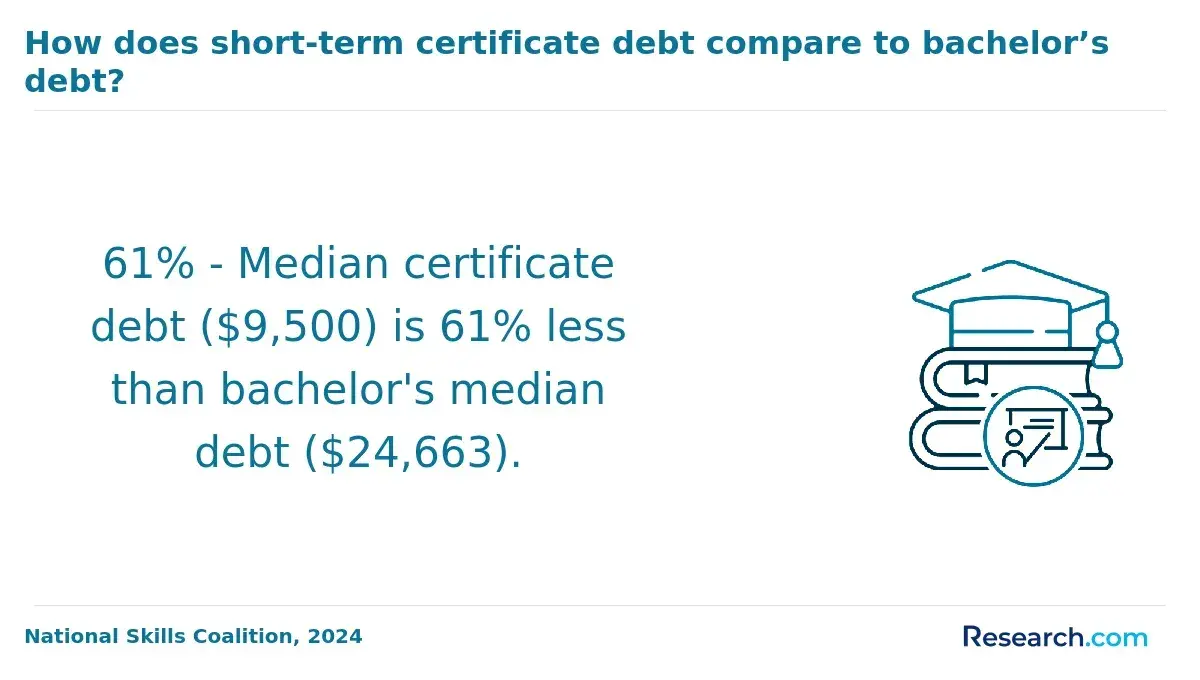
Hybrid biology programs combine online convenience with in-person science training. They can be a strong option for students who live within commuting distance and want hands-on lab access, faculty interaction, and campus resources without attending every class in person.
In-person requirements vary widely. Some hybrid programs require weekly campus labs, while others use occasional weekend intensives, summer lab blocks, or a few campus visits per term. The schedule may also change by course level: lower-division lectures may be mostly online, while upper-division biology labs may require more campus time.
Students should separate "hybrid lecture" from "hybrid degree." A program may advertise online lectures while still requiring fixed attendance for general chemistry, organic chemistry, microbiology, anatomy and physiology, or research methods. That distinction matters because one required daytime lab can make an otherwise flexible schedule unworkable.
The following questions help clarify the real attendance burden before enrollment. They are especially important for students who live far from campus or need childcare coverage.
- How many campus visits are required each term for the biology major, not just general education courses?
- Are labs offered at night, on weekends, or only during weekday daytime blocks?
- Can required labs be taken at a partner school closer to home?
- Are campus intensives announced before registration so students can request time off work?
- What happens if a student misses a lab because of illness, weather, caregiving, or work travel?
Hybrid programs are usually most realistic for students with stable transportation, predictable local availability, and a willingness to plan their calendar around labs. They are less suitable for students who travel frequently for work or who cannot attend campus on short notice.
Accelerated biology degrees shorten the calendar by using compressed terms, heavier course loads, year-round enrollment, transfer credits, prior learning credit, or degree-completion pathways. They can help students finish faster, but they do not reduce the amount of biology content students must learn.
Many accelerated courses run in 5-, 6-, 7-, or 8-week sessions instead of a traditional 15-week semester. That structure can be efficient for one course at a time, but it can become intense when lab reports, exams, readings, and projects overlap.
The table below summarizes common completion patterns. Actual timelines depend on transfer credit, placement into math and chemistry, course availability, and whether the student can take lab sciences in sequence without gaps.
| Student starting point | Common accelerated path | Realistic caution |
| First-time bachelor's student | Year-round study and compressed terms may shorten the path compared with a traditional calendar. | Science sequences can limit acceleration because prerequisites must be taken in order. |
| Associate degree transfer student | A degree-completion biology pathway may focus on upper-division major courses. | Missing chemistry, calculus, or lab prerequisites can add time. |
| Career changer | Post-baccalaureate or second-degree coursework may target prerequisites for health, research, or teaching goals. | Accelerated science prerequisites can be difficult while working full time. |
| Graduate applicant | Some master's programs use 8-week online terms or cohort-based pacing. | Research, thesis, internship, or fieldwork expectations may still follow fixed timelines. |
Accelerated biology study works best when students have a stable weekly schedule, strong foundational science skills, and few unexpected time demands. It is riskier for students taking organic chemistry, physics, or statistics at the same time as upper-division biology because these courses require steady practice.
A useful rule is to test the pace before committing to a full accelerated load. Start with one compressed science course, track weekly hours honestly, and then decide whether adding another accelerated course is realistic.
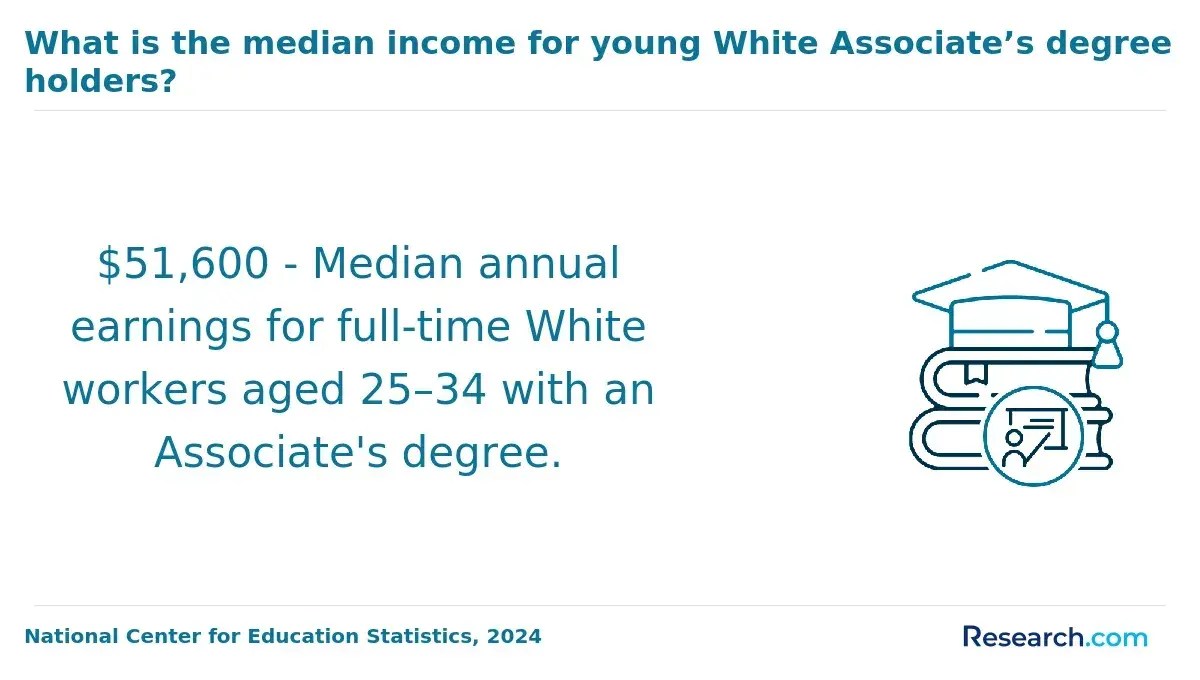
Part-time, full-time, and self-paced study are different scheduling choices. Part-time and full-time refer to credit load, while self-paced refers to how much control the student has over deadlines. A program can be online and full-time, part-time and synchronous, or accelerated but not self-paced.
Under the standard credit-hour model used in U.S. higher education, one credit generally represents one hour of instruction and about two hours of outside work each week during a traditional term. For a 12-credit schedule, that can mean roughly 36 total weekly hours, which is why "full-time student" can feel like a second full-time job.
The table below compares the main pacing options by workload and flexibility. It can help students choose a load that fits real life rather than an ideal calendar.
| Pacing option | Typical workload pattern | Best fit | Risk to watch |
| Part-time | Fewer courses per term and a longer completion timeline. | Working adults, caregivers, and students returning after time away. | Some required courses may not be offered every term, extending the timeline further. |
| Full-time | Higher credit load and faster progress toward graduation. | Students with strong availability and reliable support systems. | Lab courses can make the weekly workload heavier than expected. |
| Self-paced | Students move through material with more control over timing, within program limits. | Independent learners with irregular schedules and strong discipline. | Not all biology labs, exams, or group work can be completed fully on demand. |
| Cohort-based | Students move through courses with the same group on a fixed schedule. | Students who want structure, peer support, and predictable sequencing. | Less flexibility if work or family obligations change mid-program. |
Students comparing biology formats may also look at flexible models in other fields. For instance, executive MBA programs often use weekend residencies or cohort schedules for working professionals; biology students should evaluate whether a similar fixed-meeting model helps them stay on track or creates attendance conflicts.
The safest choice is usually the schedule a student can sustain during a difficult week, not the fastest schedule possible during a perfect week. For biology majors, that means accounting for exam weeks, lab reports, tutoring, group projects, and prerequisite sequences.
Working adults and caregivers usually need flexibility in more than one dimension: time of day, location, assignment windows, lab attendance, and the ability to slow down when life changes. The best format depends on whether the student needs predictable structure or maximum control.
For many caregivers, asynchronous online coursework is helpful because lectures and readings can be completed around school pickups, medical appointments, or eldercare responsibilities. However, fixed lab meetings, proctored exams, and group projects can still require backup care.
The following format recommendations are practical starting points, not universal rules. Students should compare them against their job schedule, commute, caregiving coverage, and learning style.
- Choose fully online study if location is the main barrier and the program clearly explains how biology labs are completed.
- Choose hybrid study if hands-on labs are important and campus visits can be planned well in advance.
- Choose evening study if work hours are stable during the day and the student can handle long weekdays.
- Choose weekend study if weekdays are unavailable and family or work responsibilities allow large weekend blocks.
- Choose accelerated study if the student has transfer credits, strong science preparation, and enough weekly time to handle compressed deadlines.
- Choose part-time study if schedule stability, health, caregiving, or income protection matters more than finishing as quickly as possible.
One common mistake is choosing a format based only on commute time. A student may save travel hours in an online program but lose flexibility if exams are live, group projects require evening meetings, or labs must be completed during narrow windows.
Students balancing school with employment can compare biology programs the way many applicants compare a 1 year online master's in human resources: the advertised timeline matters, but the real test is whether weekly deadlines, live sessions, and capstone expectations fit an adult schedule.
Flexible biology formats can meet accreditation expectations when the institution is properly accredited and the curriculum satisfies the same academic standards as campus-based programs. The schedule format itself does not determine quality; accreditation, faculty qualifications, lab rigor, assessment methods, and learning outcomes matter more.
Students should first verify institutional accreditation through recognized U.S. accrediting agencies. For biology, programmatic accreditation is less common than in nursing, engineering, education, or allied health, so students should focus on whether the degree is accepted for their intended next step.
Licensure and professional pathway requirements vary. Biology is not usually a licensed profession by itself, but biology coursework may support paths such as medical school, physician assistant programs, dental school, physical therapy, teaching certification, clinical laboratory science, environmental roles, or graduate research. Those pathways may have specific lab, prerequisite, GPA, observation, exam, or in-person training expectations.
Before enrolling in a flexible biology program, students should verify requirements with the destination organization, not just the college offering the degree. The following checks reduce the risk of earning credits that do not apply to the intended goal.
- Ask graduate or professional schools whether they accept online labs, virtual labs, or kit-based labs for prerequisites.
- Confirm whether teaching certification or clinical laboratory pathways require state-approved fieldwork, student teaching, or supervised clinical hours.
- Review whether prerequisite science courses must be completed within a certain timeframe.
- Check whether the transcript identifies online delivery, lab modality, or accelerated terms in a way that could matter to reviewers.
- Request written guidance when possible, especially for health-profession prerequisites.
The safest approach is to work backward from the student's goal. A biology degree for general science literacy, biotech support, or environmental work may allow more scheduling flexibility than a pre-health path with strict lab prerequisites.
Tuition is only one part of the cost comparison. Biology students should also consider lab fees, technology fees, textbooks, lab kits, software, proctoring, commuting, parking, childcare, lost work hours, and travel for campus intensives.
College Board's 2024 Trends in College Pricing reported average published tuition and fees of $11,610 for in-state students at public four-year institutions for 2024-25. That figure is useful as a benchmark, but individual online, hybrid, private, and out-of-state programs can differ substantially, especially after scholarships, transfer credits, and fees.
The table below summarizes cost factors that commonly differ by schedule format. It is designed to help students ask better cost questions before comparing sticker prices.
| Format | Cost advantages to check | Hidden or variable costs to check |
| Fully online | May reduce commuting, parking, relocation, and housing costs. | Technology fees, proctoring fees, lab kits, shipping, webcam requirements, and local lab costs. |
| Hybrid | May preserve access to campus labs and services while reducing daily commuting. | Travel for labs, parking, childcare during campus sessions, and schedule-related missed work. |
| Evening | Can allow daytime employment to continue. | Transportation at night, meal costs, childcare, and fatigue-related course repetition risk. |
| Weekend | Can reduce weekday work disruption. | Weekend childcare, lost overtime, limited public transit, and intensive lab-day expenses. |
| Accelerated | May reduce time to completion if transfer credits and course sequencing align. | Higher short-term tuition load, fewer work hours, course withdrawal risk, and rapid textbook purchasing. |
Financial aid eligibility often depends on enrollment intensity, program eligibility, satisfactory academic progress, and whether courses apply to the degree. Part-time students may receive less aid per term, while accelerated students may need to understand annual and lifetime aid limits.
Students should compare total program cost, not just per-credit tuition. A lower tuition program may be more expensive if it requires repeated campus travel, unpaid time away from work, or extra prerequisite terms.
Support, workload, and outcomes can matter as much as schedule flexibility. A biology program that looks convenient may be difficult to complete if tutoring is unavailable after work hours, advisors do not understand transfer credits, or labs are poorly coordinated.
BLS data published in the 2024 Occupational Outlook Handbook listed $51,430 as the May 2023 median pay for biological technicians. This does not mean a biology degree leads to a guaranteed salary, but it helps students evaluate whether cost, time, and schedule trade-offs fit their intended career path or graduate-school plan.
When comparing programs, students should look for evidence that the schedule is supported by services designed for adult learners and science majors. These questions are especially important for online, evening, weekend, and accelerated biology students.
- Are biology tutoring, writing support, library help, and advising available outside standard business hours?
- Does the program publish sample weekly workloads for lecture and lab courses?
- Are faculty office hours available online or after work hours?
- How are lab partners, group projects, and presentations handled for students in different time zones?
- Does the program publish retention, graduation, transfer, graduate-school, or employment outcomes for biology students?
- Can students pause, reduce course load, or switch formats without losing progress?
Common red flags include unclear lab requirements, unavailable course rotations, mandatory live sessions that are not disclosed upfront, limited make-up policies, and admissions advice that focuses only on speed. A credible program should be willing to explain exactly how students complete labs, exams, advising, and major requirements.
Students can also borrow a comparison habit from applicants researching the easiest MBA to get into: access matters, but admission flexibility should not replace questions about academic support, completion expectations, and long-term outcomes.
The best next step is to request a term-by-term degree plan. Then compare it against a real weekly calendar that includes work, commuting, caregiving, sleep, study time, lab time, and emergencies. If the plan only works when everything goes perfectly, choose a slower or more structured format.
Evening and weekend biology programs can fit a full-time work schedule when classes are predictable and required courses rotate reliably. They are most helpful for students who prefer in-person learning but cannot attend during business hours.
The trade-off is fatigue and calendar density. A student who works 8 hours, commutes, and then attends a 3-hour evening lab may have limited time left for reading, lab reports, and exam preparation. Weekend blocks can reduce weekday stress, but they may replace rest time, family time, or paid overtime.
Before choosing evening or weekend study, students should check how consistently the school offers major courses outside daytime hours. Many colleges offer introductory biology at night, but upper-division courses such as immunology, developmental biology, biochemistry, or ecology may rotate less often.
These schedule checks can prevent delayed graduation. Use them before assuming an evening or weekend program will stay flexible from start to finish.
- Confirm whether every required biology course has an evening, weekend, or online section within a two-year rotation.
- Ask whether labs and lectures meet on the same night or on separate days.
- Check whether exams are held during class time or scheduled separately.
- Review whether summer courses are available, since limited evening rotations can slow progress.
- Ask how often courses are canceled because of low enrollment.
Evening and weekend formats are usually strongest for students with regular Monday-to-Friday jobs. They are harder for shift workers, healthcare employees, first responders, retail managers, and caregivers whose schedules change week to week.
Other Things You Should Know About Biology
Sometimes, but it depends on the school's course availability, residency rules, lab capacity, and advising policies. Students should ask whether credits transfer smoothly between formats before enrolling.
Policies vary by course. Some labs allow make-up work, while others require attendance because of safety rules, equipment access, group experiments, or specimen timing. Students with work or caregiving conflicts should review missed-lab policies in writing.
They can if live lectures, exams, presentations, or group meetings are scheduled in the institution's local time zone. Students outside that zone should confirm whether recordings, alternate exam windows, and asynchronous participation are available.
Many programs allow students to reduce their course load, but some cohort-based or financial-aid structures make changes complicated. Students should ask about stop-out rules, part-time options, withdrawal deadlines, and whether required courses are offered often enough to avoid long delays.
- Flexible Learning Opportunities https://www.monroeu.edu/our-formula-success/flexible-learning-opportunities
- Variable Costs for Different Majors? https://talk.collegeconfidential.com/t/variable-costs-for-different-majors/1708563
- 8 Effective Strategies for Teaching Biology | Gizmos https://gizmos.explorelearning.com/resources/insights/teachingstrategies-for-biology
- Effective Teaching Strategies in Biological Education https://osjournal.org/ojs/index.php/OSJ/article/view/2550/353
- Learn How to Use Social Media Responsibly in College https://www.edumed.org/online-schools/biology-degrees/accelerated/
- How to Create a Biology Course Plan for Accelerated Degree Completion https://www.straighterline.com/blog/how-to-create-an-efficient-biology-course-plan-for-accelerated-degree-completion
- Difference between Hybrid, Online & In-Class Degree Programmes | BSBI https://www.berlinsbi.com/blog/what-is-the-difference-between-hybrid-online-and-in-class-degree-programmes
- Are Weekend and Evening Courses the Future of Higher Ed? https://www.keg.com/news/are-weekend-and-evening-courses-the-future-of-education