2027 Biology Degree Value by Institution Type: Public, Private, Nonprofit, and Online Models Compared

Co-Founder and Chief Data Scientist
Choosing where to earn a biology degree can change your total cost, lab access, schedule flexibility, employer perception, and long-term return. College Board's 2024 pricing report lists average tuition and fees at $11,610 for in-state public four-year colleges versus $43,350 at private nonprofit colleges, before aid.
That gap makes institution type a major financial decision for pre-med students, future researchers, working adults, and career changers. This guide compares public, private, nonprofit, for-profit, and online biology pathways so you can judge value beyond tuition alone.
Key Things You Should Know
- Public in-state biology programs often start with the lowest published tuition, but the best value depends on net price, lab quality, transfer credit, time to completion, and whether you can access internships or undergraduate research.
- Private nonprofit colleges can justify higher sticker prices when grants, strong advising, research placement, and alumni networks reduce borrowing or improve progression to graduate, medical, dental, pharmacy, or biotech pathways.
- Online biology degrees can be credible when offered by accredited institutions with real lab solutions, but students should verify course delivery, lab fees, transfer rules, and whether the program supports health-profession or graduate-school prerequisites.
- Is a Public University Biology Degree More Cost-Effective Than a Private One?
- How Do Employers View the Credibility of an Online Biology Degree?
Is a Public University Biology Degree More Cost-Effective Than a Private One?
A public university biology degree is often more cost-effective for students who qualify for in-state tuition, can commute, or can transfer from a community college. However, "public" does not automatically mean cheapest, because out-of-state tuition, housing, lab fees, excess-credit fees, and delayed graduation can erase the initial advantage.
College Board's 2024 Trends in College Pricing and Student Aid reports average published tuition and fees of $11,610 for in-state public four-year students, $30,780 for out-of-state public four-year students, and $43,350 for private nonprofit four-year students. For a biology major, this matters because lab courses, summer research, clinical volunteering, and graduate-school preparation often add opportunity costs beyond tuition.
The table below compares institution types by the value factors that matter most for biology students. Use it as a first-pass filter, then compare actual financial-aid offers and program outcomes before deciding.
| Institution or delivery model | Typical value advantage | Main trade-off | Best fit |
| Public in-state university | Lower published tuition and broad course offerings | Large classes and competitive access to research labs at some campuses | Students seeking affordability, transfer pathways, and access to state university labs |
| Public out-of-state university | May offer strong research facilities or specialized biology tracks | Tuition can approach private-college levels without the same institutional grants | Students targeting a specific program, ecology setting, marine lab, or research specialty |
| Private nonprofit college | Potentially smaller classes, advising, grants, and alumni support | Higher sticker price and variable net price after aid | Students who benefit from mentoring, structured advising, and graduate-school preparation |
| Private for-profit institution | Flexible scheduling may appeal to working adults | Completion, cost, transferability, and employer perception require close scrutiny | Students who have verified accreditation, transfer policies, total cost, and career support |
| Online biology program | Schedule flexibility and reduced relocation costs | Lab delivery, research access, and health-profession prerequisites must be checked carefully | Working adults, military students, caregivers, and students far from campus |
The strongest financial comparison is not sticker tuition; it is total net cost to graduation. Before choosing a public or private biology program, compare these items side by side:
- Net price after grants, scholarships, and tuition discounts, not just published tuition
- Lab, technology, course-material, clinical-placement, parking, and health-service fees
- Transfer-credit acceptance from community colleges, AP, IB, CLEP, or prior college coursework
- Four-year course sequencing, especially for chemistry, organic chemistry, genetics, anatomy, physiology, and physics
- Access to research, internships, pre-health advising, and letters of recommendation
- Likely borrowing and whether the school's support systems improve your chance of finishing on time
For many students, the best-value biology degree is an in-state public program with strong advising and research access. A private nonprofit program can be worth the higher sticker price when institutional aid lowers the net price and the school gives you better mentoring, completion support, or access to competitive pre-health and research pathways.
How Do Employers View the Credibility of an Online Biology Degree?
Employers generally view an online biology degree through three lenses: accreditation, evidence of hands-on scientific training, and the reputation of the institution awarding the degree. Online is a delivery format, not an institution type, so an online biology degree may come from a public university, private nonprofit university, or private for-profit school.
The most credible online biology programs make the lab requirement visible. They may use campus intensives, approved local lab sites, mailed lab kits for lower-level courses, virtual simulations combined with supervised assignments, or hybrid formats for upper-division work. For roles in laboratory research, biotechnology, environmental science, or healthcare preparation, employers and graduate programs may care less about whether lectures were online and more about whether you completed rigorous labs, research projects, statistics, and scientific writing.
Online credibility varies by field and licensure context. Students comparing cheapest online SLP programs, for example, often learn to check clinical-hour rules and accreditation first; biology students should apply the same discipline when checking lab requirements, pre-med prerequisites, and graduate-school expectations.
The table below separates credibility signals from potential red flags. This helps you evaluate an online biology program before committing tuition or transfer credits.
| Credibility factor | What to look for | Why it matters for biology students |
| Institutional accreditation | Accreditation from a recognized institutional accreditor | Supports transfer credit, federal financial aid eligibility, and graduate-school review |
| Transcript and degree title | Degree awarded by the university, not by a third-party platform | Employers often evaluate the institution and major more than the course modality |
| Lab design | Clear explanation of required wet labs, hybrid labs, or approved local lab options | Biology is a lab-based field, and weak lab exposure can limit readiness |
| Faculty access | Office hours, advising, research supervision, and recommendation-letter support | Graduate and professional schools often value strong academic references |
| Career support | Internship help, research placement, resume review, and alumni connections | Online students may need intentional support to build local experience |
An online biology degree is usually a better fit for students who need flexibility and can independently arrange research, clinical volunteering, or field experience. It may be a weaker fit for students who need daily lab access, intensive faculty research mentoring, or a highly structured pre-med campus environment.
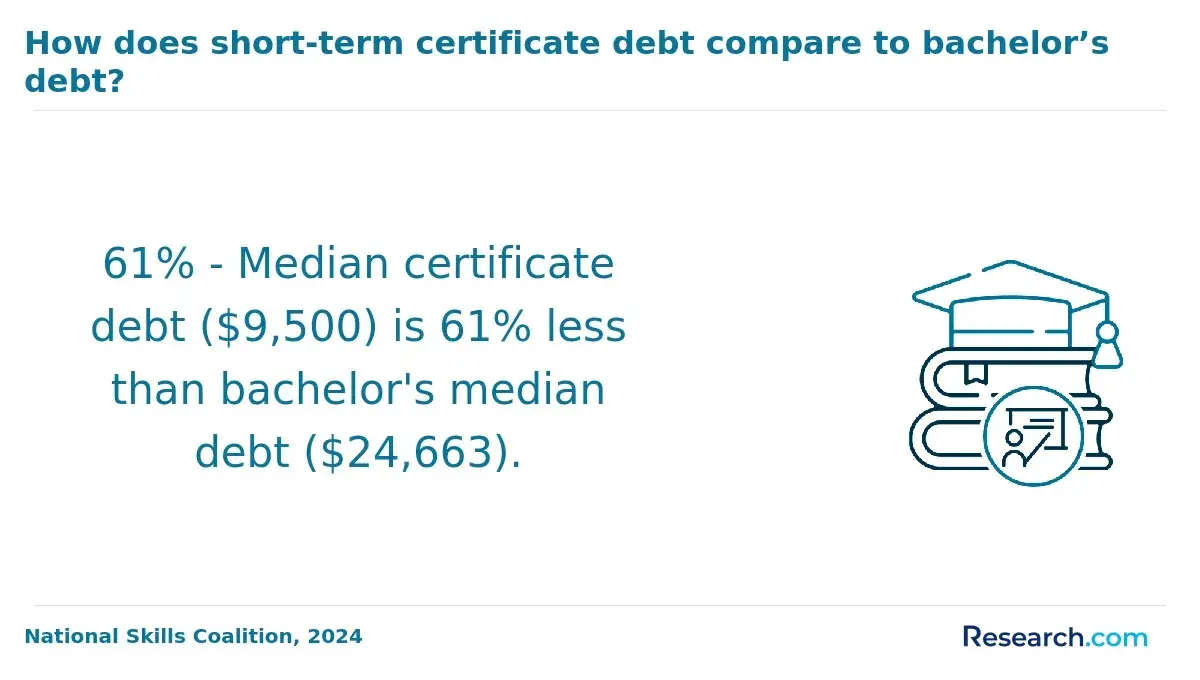
Private nonprofit universities can offer stronger career networking for some biology students, especially when they have active alumni in medicine, dentistry, pharmacy, biotechnology, environmental consulting, public health, or academic research. The advantage is not automatic, though; a large public research university with extensive labs and employer partnerships may outperform a small private college with limited science infrastructure.
Networking matters in biology because many early opportunities are relationship-driven: research assistant roles, summer lab placements, clinical shadowing, faculty recommendations, and referrals to graduate programs. The value of a private nonprofit network is strongest when the school actively connects students to these opportunities instead of merely advertising alumni success.
Networking quality is also program-specific. Professionals comparing executive MBA programs often evaluate peer cohorts and alumni access as part of ROI; biology students should similarly ask whether the science department, not just the university, has a useful network.
Look for concrete evidence of networking support before paying a private-college premium:
- Named partnerships with hospitals, research institutes, museums, conservation organizations, biotech firms, or public-health agencies
- Documented undergraduate research participation and poster-presentation opportunities
- Pre-health advising that includes application timelines, mock interviews, and committee letters when available
- Alumni panels or mentoring programs specific to biology, neuroscience, health sciences, or environmental science
- Internship support for students who do not already have family or professional connections in science or healthcare
A private nonprofit biology program may be worth more when its network improves access to experiences that strengthen graduate-school, medical-school, or entry-level employment applications. If the network is vague, inactive, or mostly unrelated to science, a lower-cost public university may offer better value.
Yes, online biology programs can include hidden or easy-to-miss fees. The most common issue is that students compare tuition per credit but overlook lab kits, proctoring, technology fees, campus intensives, clinical or field placements, and travel required for hybrid science courses.
Hidden costs matter more in biology than in many lecture-based majors because lab science is expensive to deliver. Even when an online program saves money on housing or commuting, it may still require specialized equipment, software, in-person lab weekends, or local site coordination.
The table below lists cost categories that online biology students should verify before enrolling. These are not guaranteed charges, but they are common enough to ask about in writing.
| Potential cost | Why it appears in online biology programs | What to ask before enrolling |
| Lab kits or lab materials | Some courses require at-home experiments or mailed materials | Are lab kits included in tuition, billed separately, or purchased from a vendor? |
| Campus intensive travel | Upper-level labs may require in-person sessions | How many visits are required, and are lodging and transportation student expenses? |
| Online course or technology fees | Schools may charge per credit or per term for online platforms | Are online fees included in the published tuition estimate? |
| Exam proctoring | Science courses may require secure testing | Are proctoring fees charged per exam or per course? |
| Local placement expenses | Fieldwork, internships, or supervised labs may require site approval | Does the school help secure sites, or is the student responsible? |
| Delayed completion | Lab sequences may not be offered every term | Can a part-time student complete prerequisites without losing a semester? |
To avoid underestimating the cost of an online biology degree, request a full program-cost worksheet and compare it with your likely schedule. Focus on the cost to finish, not the advertised cost to start.
- Ask for tuition, required fees, lab expenses, books, software, and travel estimates by semester
- Confirm whether lab science courses are fully online, hybrid, or campus-based
- Check whether transfer credits apply to the major, not only to general electives
- Verify whether financial aid covers summer terms, part-time enrollment, and required intensives
- Ask whether a course rotation plan exists for working adults who can take only one or two courses at a time
An online biology program can still be a strong value if it prevents relocation, allows continued employment, and accepts substantial transfer credit. It becomes risky when the program's lab model, fee structure, and course schedule are unclear.
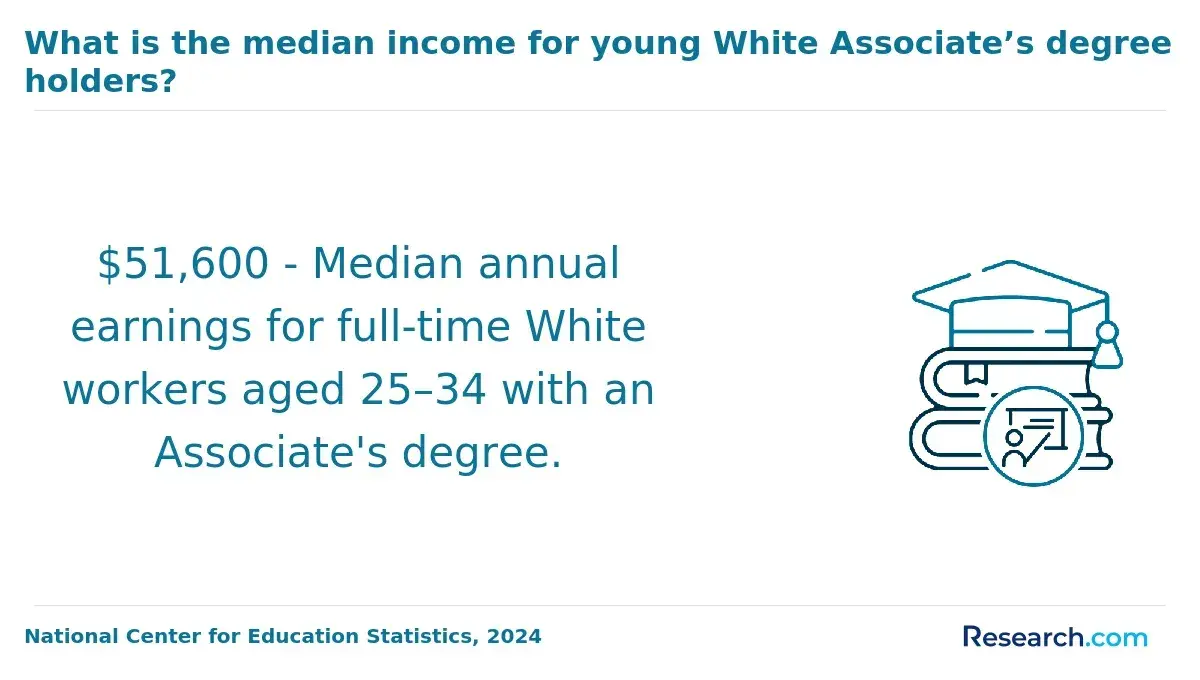
Recruiters may recognize prestigious private nonprofit universities, but prestige is only one signal. In biology, employers and graduate programs often place heavy weight on lab skills, research experience, internships, data analysis, scientific writing, GPA in prerequisite courses, and recommendation letters.
Prestige can help most in competitive settings where networks and research visibility matter, such as elite biomedical research labs, major pharmaceutical internships, selective graduate programs, and pre-health advising pipelines. Even then, a student from a less famous public university with strong research experience may be more competitive than a student from a prestigious college with little hands-on work.
BLS occupational data published in 2024 lists the median annual wage for biological technicians at $51,430 based on May 2023 data. That figure is useful because many bachelor's-level biology graduates begin in technician, research assistant, environmental, quality-control, or laboratory support roles where demonstrated skills can matter as much as institutional brand.
Recruiters are more likely to respond positively when your biology degree is supported by evidence such as:
- Wet-lab, field, or computational biology experience tied to real projects
- Coursework in genetics, microbiology, biochemistry, statistics, ecology, or molecular biology aligned with the job
- Internships, undergraduate research, clinical exposure, or fieldwork
- Experience with lab documentation, safety procedures, data interpretation, and scientific communication
- Faculty or supervisor references who can describe your reliability and technical ability
A prestigious private nonprofit degree can add value, especially when it connects you to selective opportunities. It should not be treated as a substitute for experience, affordability, or program fit.
Graduation rates affect biology degree value because the highest-return degree is the one you can realistically complete without excessive delay or debt. Biology majors often face sequenced prerequisites, rigorous lab courses, and competitive grade expectations, so weak advising or poor course availability can increase the risk of taking extra semesters.
NCES data released in 2024 continues to show that six-year completion rates vary by institution control, with private nonprofit four-year institutions generally reporting higher completion than public four-year institutions and private for-profit institutions reporting lower completion. The takeaway is not that one category is always better; it is that completion probability should be part of your ROI calculation.
The table below shows how graduation outcomes should change the way you interpret cost. A lower annual price may not be the best deal if the program structure makes timely completion unlikely.
| Completion factor | Why it matters for biology ROI | What to examine |
| Six-year graduation rate | Shows whether students commonly finish within a reasonable time frame | Institution-wide rate and, if available, biology or science-major completion data |
| Course sequencing | Biology depends on prerequisite chains in chemistry, math, and upper-level labs | Whether required courses are offered every term or only once per year |
| Transfer pathway clarity | Poor transfer planning can add semesters and debt | Articulation agreements and major-specific transfer maps |
| Academic support | Science gateway courses can be challenging | Tutoring, supplemental instruction, advising, and repeat-course policies |
| Part-time feasibility | Working students may need predictable schedules | Evening, online, summer, and hybrid availability for required labs |
When comparing school types, treat graduation rate as a risk indicator. A private nonprofit college with a higher net price may provide better value if it offers structured advising that helps you graduate on time, while a low-cost public or online program may be the better choice if it has clear course maps and strong transfer support.
A private university biology degree does not automatically provide better long-term salary growth. Salary growth in biology usually depends on specialization, advanced education, technical skills, location, research productivity, and movement into higher-paying areas such as biotechnology, pharmaceuticals, clinical research, bioinformatics, regulatory affairs, or healthcare professions.
For bachelor's-level roles, institution type may influence access to internships and networks, but it rarely determines earnings by itself. For advanced roles, graduate or professional education can matter more than the undergraduate institution. BLS wage data published in 2024 lists the median annual wage for medical scientists at $100,890 based on May 2023 data, but many roles in that category require a doctoral or professional degree rather than only a bachelor's in biology.
The table below shows how different biology pathways can change ROI. It is designed to help you connect institution type to career strategy rather than assume that higher tuition leads to higher pay.
| Career direction | Typical education pathway | Institution-type value consideration |
| Laboratory technician or research assistant | Bachelor's degree plus lab experience | Choose the program with affordable cost and strong hands-on lab preparation |
| Pre-med, pre-dental, pre-veterinary, or pre-pharmacy | Bachelor's prerequisites plus professional school | Prioritize advising, prerequisite rigor, clinical exposure, GPA support, and debt control |
| Biotechnology or pharmaceutical roles | Bachelor's degree, internships, and sometimes master's training | Look for industry partnerships, research labs, and location near biotech employers |
| Environmental biology or ecology | Bachelor's degree plus fieldwork; graduate study for some roles | Field stations, public agencies, GIS training, and seasonal experience may outweigh prestige |
| Bioinformatics or computational biology | Biology degree with statistics, programming, and data skills | Programs with quantitative coursework can improve flexibility across industries |
Private universities can support salary growth when they provide better access to selective internships, research mentors, alumni referrals, or graduate-school preparation. Public and online programs can produce strong outcomes when students deliberately build experience, technical skills, and professional networks while controlling debt.
Alumni networks at private nonprofit and campus-based public universities are often easier to experience through in-person events, research labs, student organizations, and local employer pipelines. Online biology programs can also provide long-term support, but students usually need to be more intentional about joining virtual events, contacting alumni, and building local experience.
The strongest alumni network is not necessarily the largest. A smaller nonprofit college may have responsive alumni in medicine or research, while a large public university may offer broader geographic reach and more specialized science contacts. Online programs vary widely; some fully integrate online students into career services, while others provide only basic job boards.
Online students in many disciplines face the same issue. People comparing a 1-year online master's in human resources often look beyond speed and price to career support; biology students should similarly ask how alumni access works after graduation.
Use these questions to compare alumni and career support across nonprofit, public, for-profit, and online biology programs:
- Can biology students search alumni by employer, graduate program, location, or career field?
- Are online students eligible for the same career fairs, advising appointments, and alumni mentoring programs?
- Does the biology department host alumni working in healthcare, biotech, environmental science, education, or research?
- Are there student chapters or professional groups connected to biology, pre-health, neuroscience, ecology, or public health?
- Does career support continue after graduation, or does it end when the student leaves the program?
- Can alumni help students find shadowing, research, internships, or informational interviews rather than only full-time jobs?
A nonprofit or public university may have a stronger long-term network if its alumni are active and accessible. An online biology program can compete when it provides real advising, virtual networking, and employer connections that include remote and adult learners.
The right biology degree pathway depends on your career goal, financial limits, preferred learning format, and need for support. The best-value option is the one that gives you credible science training, realistic completion odds, manageable debt, and access to the experiences your next step requires.
Start by identifying your target outcome. A student planning for medical school should weigh GPA support, prerequisite quality, clinical exposure, and debt differently from a student seeking a laboratory technician role or a working adult finishing a degree online.
Follow this sequence before choosing a biology program:
- Define the goal: employment after the bachelor's degree, graduate research, professional school, teaching, environmental work, biotech, or career change.
- Check accreditation and transferability before comparing tuition, especially for online and private for-profit options.
- Calculate total net cost to graduation, including tuition, fees, housing, lab costs, travel, lost work time, and expected borrowing.
- Map every required biology, chemistry, physics, math, and statistics course by term to see whether you can finish on time.
- Compare lab access, research opportunities, internships, pre-health advising, and faculty recommendation support.
- Ask for outcomes data, including graduation rates, graduate-school placement information, career services access, and student debt context.
- Choose the lowest-cost program that still provides the credibility, support, and experience required for your specific goal.
Common mistakes can make a biology degree more expensive or less useful than expected. Avoid these errors when comparing institution types:
- Assuming online means easier, cheaper, or less credible without checking the specific institution and lab model
- Comparing sticker price instead of net price after grants, scholarships, and transfer credit
- Choosing a prestigious private college without confirming research access, advising quality, or debt impact
- Ignoring course sequencing and discovering too late that a required lab is offered only once per year
- Assuming a bachelor's in biology alone is enough for roles that usually require graduate or professional training
- Overlooking private for-profit risks such as transfer-credit limits, unclear outcomes, or weak science infrastructure
Students who need admission flexibility should still evaluate quality carefully. In other fields, searches for the easiest MBA to get into can be useful only when paired with accreditation, outcomes, and cost checks; biology students should take the same approach when a school promises convenience or fast admission.
As a rule of thumb, choose an in-state public university when affordability and broad science resources are your priorities. Choose a private nonprofit college when aid makes the net price reasonable and the mentoring or network is clearly stronger. Choose an online biology program when flexibility is essential and the lab structure is credible. Be cautious with any program, regardless of type, that cannot explain accreditation, total cost, lab requirements, completion support, and career outcomes.
Private colleges often market personalized faculty mentorship, and some truly deliver it through smaller seminars, accessible professors, and structured advising. For biology students, mentorship can be valuable because faculty can help you choose research projects, sequence prerequisites, prepare for graduate school, and develop strong recommendation letters.
However, private status alone does not guarantee better mentorship. A public honors college, a regional public university, or a research-intensive state campus may provide excellent faculty access, while a private institution with underfunded labs may offer limited research depth. The practical question is not "private or public?" but "Will this program give me repeated, meaningful contact with science faculty?"
Mentorship is especially important for students pursuing competitive biology-related pathways. Medical, dental, veterinary, physician assistant, pharmacy, genetic counseling, and doctoral programs commonly expect strong academic preparation, relevant experience, and convincing recommendations. A student who needs help building that profile may benefit from a school with proactive advising, even if the sticker price is higher.
Ask admissions counselors and department chairs these questions before assuming a private college offers better mentoring:
- How early can biology majors join faculty research projects?
- Are first-year and transfer students assigned science faculty advisors or general advisors?
- How many students typically compete for paid or credit-bearing lab positions?
- Do faculty write committee letters or individual recommendation letters for pre-health applicants?
- Can online or commuter students access the same advising and research support as residential students?
- What happens if a required biology or chemistry course is full, canceled, or offered only once per year?
Private colleges can offer better mentorship when faculty are accessible, advising is structured, and research participation is realistic. If those supports are not documented, a lower-cost public program with strong departmental advising may be the smarter choice.
Other Things You Should Know About Biology
It can be respected if it comes from an accredited institution and includes credible lab science, rigorous coursework, and relevant experience. Employers usually care about skills, experience, and the institution awarding the degree, not only the delivery format.
It may be worth it if grants lower the net price and the program offers strong advising, research access, graduate-school preparation, and alumni support. If those benefits are unclear, a lower-cost public option may offer better value.
For many students, the lowest-cost path is completing transferable general education and introductory science courses at a community college, then finishing at an in-state public university. The savings depend on transfer rules, course sequencing, and whether credits apply to the biology major.
Institution type can influence advising, research access, and recommendation opportunities, but it does not determine admission by itself. Prerequisite grades, test scores when required, experience, recommendations, and program fit usually matter more.
- Myth vs Fact on Private College https://aefcool.org/myth-vs-fact-on-private-college/
- The Labor Market for Recent College Graduates https://www.newyorkfed.org/research/college-labor-market
- Top 15 Highest‑Paying Pharmacy Jobs in the UK 2025 (Including Salaries) https://apexlearning.org.uk/highest-paying-biology-degree-jobs-2025-2026/
- For-Profit Colleges: What Every Student Should Know | OnlineColleges.net https://www.onlinecolleges.net/for-students/for-profit-colleges-student-guide/
- Different degrees of debt: Student borrowing in the for-profit, nonprofit, and public sectors | Brookings https://www.brookings.edu/articles/different-degrees-of-debt-student-borrowing-in-the-for-profit-nonprofit-and-public-sectors/
- Popular college major has one of the lowest starting salaries - Newsweek https://www.newsweek.com/popular-college-major-has-one-of-the-lowest-starting-salaries-11693762
- Board of Governors of the Federal Reserve System https://www.federalreserve.gov/econres/notes/feds-notes/non-completion-student-debt-and-financial-well-being-20230821.html
- What Is the Difference Between Public and Private Research Institutes? » WAITRO https://waitro.org/blog/what-is-the-difference-between-public-and-private-research-institutes/
- Top 10 Highest Paying Jobs With A Biology Degree 2025 (Inc Salaries) | Nexford University https://www.nexford.edu/insights/highest-paying-jobs-with-biology-degree