2027 Fastest Online Biology Degree Programs Ranking in Wisconsin

Co-Founder and Chief Data Scientist
If you're considering advancing your education with a biology degree, finding the right program is essential. This article introduces the 2027 Fastest Online Biology Degree Programs Ranking in Wisconsin, created by the Research.com team of data scientists. It aims to help you navigate the options and make an informed decision based on reliable data.
Exploring these top-ranking programs can open doors to exciting career opportunities in science and healthcare. Whether you seek flexibility or speed, this guide offers valuable insights tailored to Wisconsin students.
Investing in a biology degree is a meaningful step toward your future, and this article is here to support you.
Key benefits of getting online biology degree in Wisconsin
- Biology degree graduates in Wisconsin can expect entry-level salaries typically ranging from $40,000 to $60,000 annually in related fields like environmental science and laboratory work, offering a solid financial foundation.
- A biology graduate from the University of Wisconsin might pursue careers in healthcare, research, environmental consulting, or education, illustrating the degree's versatile and rewarding opportunities.
- Completing a biology degree online from a school like the University of Wisconsin Flexible Option allows students to balance studies with work or family commitments, providing convenience without sacrificing quality or career prospects.
- 2027 Fastest Online Biology Degree Programs Ranking in Wisconsin
- What can I expect from online biology degree in Wisconsin?
- Where can I work with online biology degree in Wisconsin?
What can I expect from online biology degree in Wisconsin?
The average cost of an online biology degree in Wisconsin typically ranges between $10,000 and $30,000, depending on the university and program structure. Graduates from well-regarded institutions like the University of Wisconsin often share how investing in their education brought them closer to fulfilling careers in biotechnology and environmental science. Many find the blend of online coursework and occasional on-campus experiences empowering, fueling a strong sense of achievement and confidence.
Students appreciate that these programs balance affordability with high-quality instruction from respected faculty. The flexibility lets them manage work, family, and study so they can advance their careers without pausing life. For example, learners at popular colleges report that virtual labs and interactive simulations create immersive, hands-on learning moments, making complex biological concepts feel tangible and exciting.
Financial aid options and scholarships further support students in managing costs, allowing them to focus on mastering skills like scientific communication and research design. This investment not only opens doors to rewarding professions but also fosters a deep connection to Wisconsin's vibrant scientific community.
Where can I work with online biology degree in Wisconsin?
Graduates with an online biology degree in Wisconsin find themselves welcomed into thriving industries like healthcare, environmental science, research, and education. Many have stepped confidently into roles at renowned institutions such as the University of Wisconsin-Madison, where hands-on lab experience complements their online studies and prepares them for real-world challenges.
Healthcare opportunities abound in Wisconsin's vibrant biotech hubs and hospitals, with graduates becoming clinical laboratory technologists or research assistants at places like the Medical College of Wisconsin. This hands-on expertise opens doors to impactful careers supporting patient health and medical innovation.
Others pursue their passion for nature through environmental consulting or conservation work, partnering with agencies like the Wisconsin Department of Natural Resources to protect the Great Lakes and forest lands. Here, biology graduates feel a deep connection to the state's unique ecosystems while building rewarding careers.
A growing number also embrace research and academic paths, supporting scientific breakthroughs in genetics and microbiology at local universities. Meanwhile, those drawn to education become valued science teachers, inspiring Wisconsin's next generation with their real-world knowledge and enthusiasm.
Graduates from online biology programs in Wisconsin often find promising salary opportunities that reflect the state's vibrant scientific community. Many biology graduates from institutions like the University of Wisconsin-Madison embark on careers in fields such as environmental consulting and biotechnology, with salaries typically ranging from the mid-$40,000s for entry-level roles to $85,000 or more for advanced positions. This wide range empowers you to build a pathway that matches your passion and expertise.
Imagine working in Madison's thriving biotech sector, where the demand for skilled biologists opens doors to rewarding careers. Graduates often share stories of starting as biological technicians earning around $44,000 and growing into specialized roles like microbiologists or biochemists, earning between $60,000 and $90,000 annually, according to Wisconsin's Department of Workforce Development.
The excitement of contributing to groundbreaking research or environmental solutions, paired with competitive pay, makes pursuing biology in Wisconsin a hopeful and inspiring choice. With diverse options and supportive local industries, your biology degree can truly be a launching pad for a fulfilling career.
- In-state tuition for online biology degrees at public universities in Wisconsin ranges from $9,000 to $12,000 per year, while private institutions can cost up to $30,000 annually.
- Programs often cover molecular biology, ecology, genetics, and environmental science, providing a broad foundation for various career paths.
- Entry-level salaries for biology graduates in Wisconsin typically range from $40,000 to $50,000 per year, with median salaries growing to $70,000 to $80,000 with experience.
- Job growth is expected in environmental science, biotechnology, and healthcare, supported by Wisconsin's agriculture, manufacturing, and research sectors.
- Accreditation and state authorization are important to ensure program quality and credit transferability when pursuing an online biology degree in Wisconsin.
Completing an online biology degree in Wisconsin can be an exciting and flexible journey, typically taking about four years for full-time students, especially at renowned institutions like the University of Wisconsin system. Many graduates remember balancing their studies alongside personal commitments, appreciating how Wisconsin's online programs offer the freedom to speed up or slow down as needed, fitting life's busiest moments.
Part-time students often take around six years, embracing the opportunity to learn at their own pace without sacrificing quality. Some graduates share how accelerated courses and summer sessions made it possible to finish sooner, boosting their confidence and career prospects. For those pursuing a master's degree in biology online, the journey usually spans two to three years, including engaging research projects that deepen knowledge and spark passion.
Wisconsin's supportive online biology programs empower students with flexible schedules, credit transfer options, and modular courses, making the dream of earning a degree truly achievable in a timeframe that works for them.
Choosing between an online and on-campus biology degree in Wisconsin opens exciting pathways tailored to your lifestyle. Imagine studying at the University of Wisconsin-Madison, where on-campus students dive into hands-on lab work, collaborating with professors in state-of-the-art research facilities-an experience that fuels passion and builds strong connections in the scientific community.
Meanwhile, students pursuing online biology degrees from institutions like the University of Wisconsin-Whitewater enjoy remarkable flexibility. They balance work, family, and studies effortlessly, joining virtual lectures and engaging in interactive simulations from home. These graduates often appreciate the freedom to shape their learning schedules without missing out on core concepts.
Both approaches lead to valuable skills and respected degrees accredited by the Higher Learning Commission. Whether exploring the vibrant campus life or leveraging online convenience, Wisconsin biology students embrace unique journeys that empower them to thrive in healthcare, education, or research careers with confidence and enthusiasm.
The average cost of an online biology degree in Wisconsin is encouragingly accessible, with a median total cost of approximately $26,350. Many students pursuing their passion for biology through respected universities like the University of Wisconsin system find this investment manageable and well worth the opportunities it unlocks. Graduates from these programs often reflect on how the in-state tuition rates, typically aligned with online learning fees, offer a balanced approach to quality education and affordability.
For those pursuing Wisconsin online biology degree tuition and fees, public universities provide a strong value proposition. These institutions combine affordability with robust support systems, including access to virtual labs and digital materials that cut down additional costs. Graduates frequently mention how hands-on experiences delivered online still connect them deeply to the biological sciences, preparing them effectively for real-world challenges and future careers.
Many students discover financial aid options and scholarships tailored for online learners, further easing the financial journey. With costs significantly less than some private institutions, the decision to enroll online helps maintain a positive financial outlook while engaging in meaningful study.
Exploring biology careers after graduation, many find that the practical knowledge gained online translates smoothly into exciting job opportunities. If you are curious about potential paths, check out more about biology careers to stay inspired and informed on where a degree in biology from Wisconsin can take you.
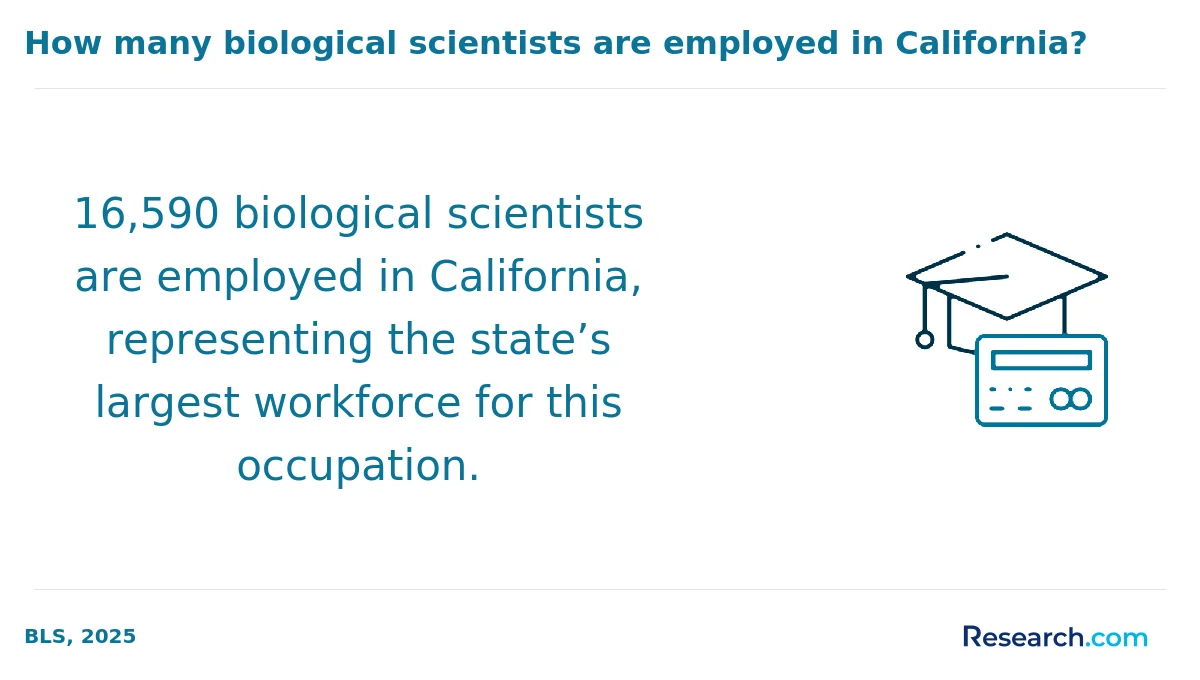
Many students pursuing an online biology degree in Wisconsin find encouragement knowing that financial aid options are within reach to support their academic journey. Graduates from well-known schools like the University of Wisconsin-Madison often recall how federal aid through FAFSA unlocked opportunities such as Pell Grants, which can offer up to $7,395 annually, easing their tuition worries remarkably.
State-specific programs like the Wisconsin Higher Education Grant (WHEG) and Wisconsin Tuition Grant (WTG) have been a game changer for residents attending local institutions, providing thousands of dollars yearly based on financial need. These grants allowed students to focus deeply on mastering biology without the constant stress of finances.
Institutional scholarships at colleges like Marquette University and UW-Milwaukee also provide inspiring pathways, rewarding academic achievement and dedication with tuition reductions up to 50%. Imagine cutting costs significantly while advancing in your biology studies online!
Beyond tuition, many students appreciate how community organizations, such as the Wisconsin Society of Science Teachers, extend generous scholarships aimed at future biologists. These layered financial resources light the way toward success, making an online biology degree both affordable and attainable in Wisconsin.
Starting your online biology degree journey in Wisconsin is an exciting step, and meeting the right prerequisites can set you up for success. Most programs here welcome students who have completed a high school diploma or GED, especially those who have excelled in science and math. Imagine a Wisconsin graduate recalling how a solid foundation in biology, chemistry, and algebra made advanced topics at the University of Wisconsin feel approachable and engaging from day one.
Courses like calculus or statistics often strengthen your ability to analyze data-a skill highly valued in biology fields. Some programs may also value physics, connecting you to real-world applications like understanding ecosystems or molecular interactions. Standardized tests such as the SAT or ACT might be requested, but many universities in Wisconsin have embraced test-optional policies, focusing instead on overall academic performance and passion for science.
Transfer students often find that submitting official transcripts and maintaining a steady GPA opens doors at well-regarded schools like Marquette or UW-Madison. With these steps, you'll be ready to dive into the fascinating world of biology, fully supported by Wisconsin's accessible and student-centered programs.
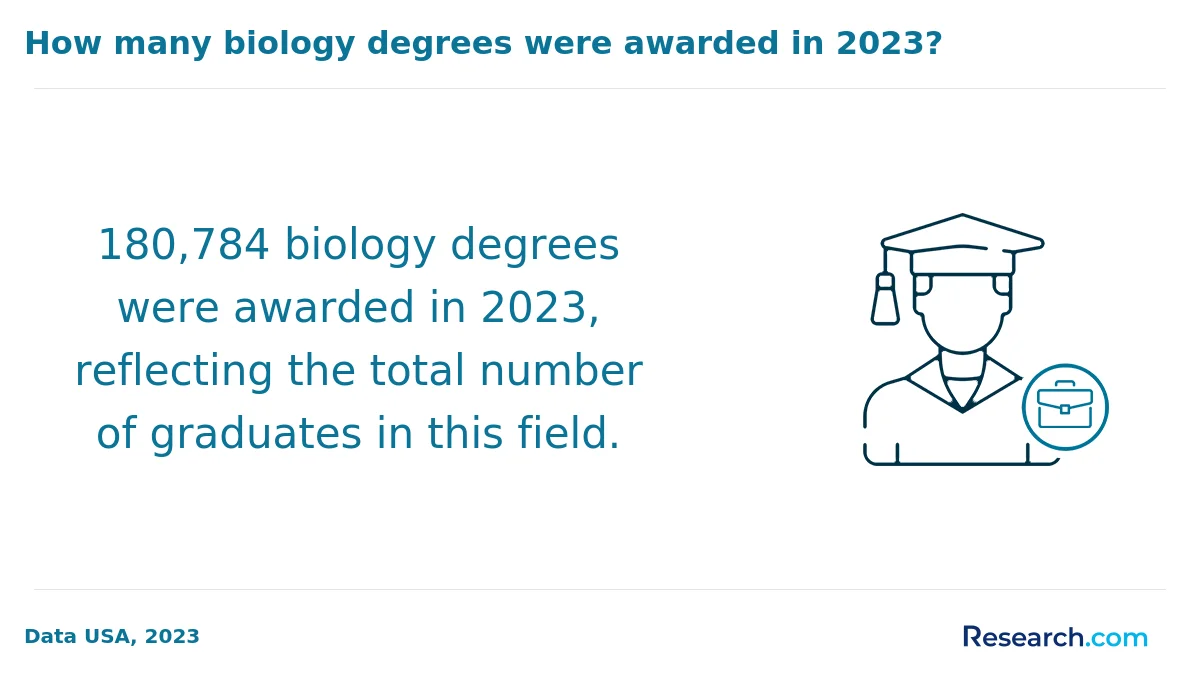
Students pursuing an online biology degree in Wisconsin embrace a vibrant journey through courses that open doors to understanding life's complexity. At respected institutions like the University of Wisconsin and Madison College, graduates often reflect on how foundational classes such as General Biology brought the microscopic world to life, sparking excitement about cell structures and genetic mysteries.
Hands-on learners appreciate how Principles of Chemistry and Organic Chemistry connect classroom concepts to real biochemical processes, making the invisible visible. Courses in Microbiology ignite curiosity about the unseen bacteria that shape health and environment, while Anatomy and Physiology reveal the incredible design of the human body-perfect for those dreaming of careers in healthcare.
Ecology and Environmental Biology courses, often highlighting local Wisconsin ecosystems like the Great Lakes, inspire students to become passionate stewards of nature. Specialized classes in Genetics and Plant Biology deepen understanding of heredity and growth, empowering students to envision innovative futures in biotechnology. These engaging programs, blending theory and practice, leave graduates motivated and ready to transform their passion for biology into meaningful impact.
Online biology degree specializations Wisconsin students choose from offer exciting and diverse pathways that truly reflect their passions and career goals. Many learners at popular institutions like the University of Wisconsin or Marquette University find themselves drawn to concentrations such as Cell and Molecular Biology, which sparks enthusiasm for biomedical research and biotechnology innovation. Graduates often share how this focus empowered them to contribute to real-world advancements in healthcare.
Others thrive in Ecology and Environmental Biology, engaging with local conservation efforts throughout Wisconsin's vast natural landscapes. These students feel inspired by the chance to protect ecosystems and promote sustainability in their communities. Microbiology and Genetics also attract students eager to work with microorganisms or delve into gene functions-a perfect match for those fascinated by agriculture or personalized medicine.
Studying at Wisconsin colleges known for flexibility, the online biology degree concentration options Wisconsin offer encourage hands-on learning through virtual labs or hybrid models. For those exploring academic pathways, this bachelor's degree biology online can open doors to rewarding careers while nurturing a deep connection to both science and the vibrant life sciences sector growing statewide.
Choosing the best online biology degree in Wisconsin means focusing on what truly fits your goals and lifestyle. Many graduates from popular institutions find that programs offering flexible schedules, like asynchronous courses, allow them to balance family and work while diving deep into core areas such as genetics and ecology. The sense of accomplishment from mastering biochemistry through virtual labs is often highlighted by students who appreciate how Wisconsin schools bring biology to life, even online.
Another key is affordability. Wisconsin's in-state tuition rates often provide a more accessible route, drawing students looking for affordable biology degrees Wisconsin online without sacrificing quality. Graduates frequently share how scholarships and financial aid made their dreams attainable, encouraging others not to overlook these benefits.
For those curious to explore options, checking out the easiest biology degree online programs can spark confidence and inspire you to find the perfect match. Ultimately, it's about joining a community where faculty expertise, career support, and real-world relevance come together, helping you thrive in Wisconsin's vibrant life sciences scene.
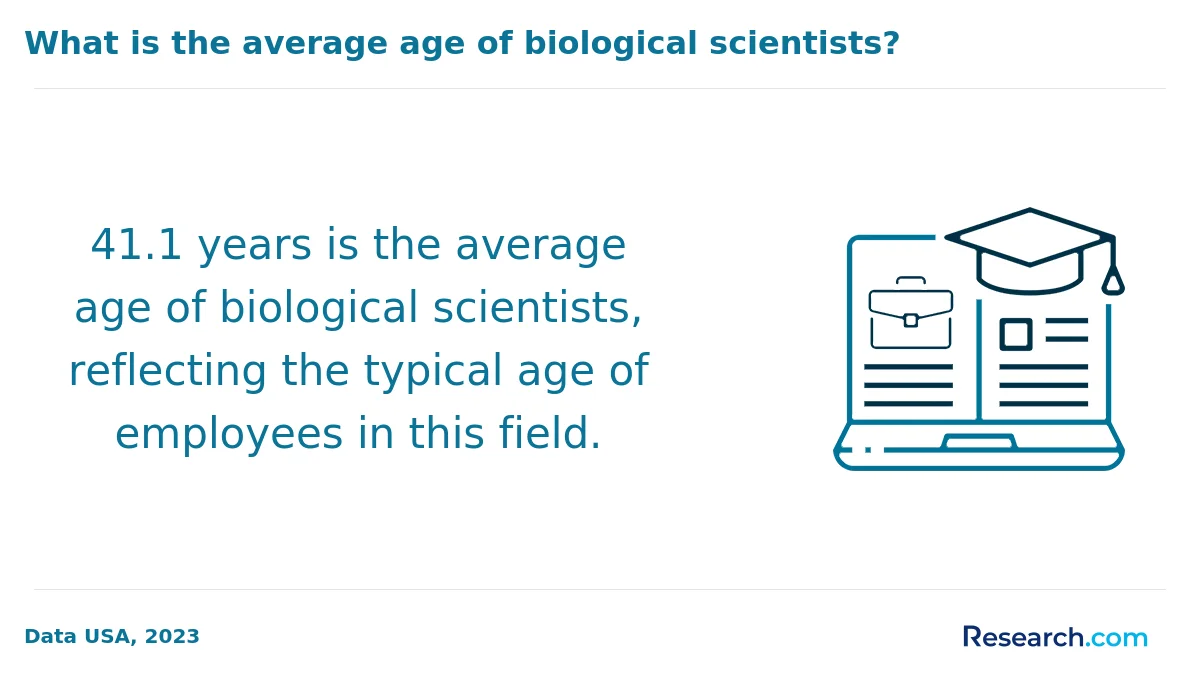
Graduates who earn an online biology degree in Wisconsin find a wealth of rewarding career paths that energize their passion for science and impact the community. Many step into healthcare roles such as biological technicians or medical laboratory technologists, combining biology knowledge with hands-on skills to support vital medical work. Environmental biology careers also flourish here, thanks to Wisconsin's stunning forests and lakes that provide real-world labs for conservation, wildlife management, and environmental consulting. Popular universities and colleges in the state help students turn curiosity into action by connecting them with local agencies and fieldwork opportunities.
For those drawn to innovation, research and development in biotechnology and agricultural sciences offer exciting futures in Wisconsin's thriving biotech hubs. Graduates from these programs often contribute to groundbreaking projects in genetics or crop science. Teaching is another inspiring avenue, with many alumni choosing to share their enthusiasm for biology by educating the next generation in high schools or colleges. Exploring biology degree job opportunities Wisconsin-wide reveals a thriving landscape where passion meets purpose, especially for those pursuing bachelor biology online.
The job market for an online biology degree in Wisconsin is vibrant and full of promise, especially for graduates from well-regarded institutions like the University of Wisconsin-Madison and Marquette University. Many biology graduates find themselves thriving in roles such as environmental scientists, lab technicians, or biotechnicians in Madison's bustling biotech sector or Milwaukee's agricultural research facilities. This dynamic career landscape offers exciting opportunities for those eager to contribute to cutting-edge agricultural innovation or environmental sustainability.
Graduates often share inspiring stories of landing positions tied directly to Wisconsin's rich agricultural research, where they apply their skills to improve crop science and soil health. The competitive starting salaries, typically between $40,000 and $50,000, reflect the value employers place on their expertise. Exploring career pathways further, students discover resources like the aquatic biologist career path to help guide their futures.
Many online biology degree students appreciate how Wisconsin's focus on agriculture and biotech creates diverse career opportunities with biology degree Wisconsin, allowing them to fulfill their passions while staying locally connected.
2027 Fastest Online Biology Degree Programs Ranking in Wisconsin
Investing in your education is a significant decision that can shape your future, and the Research.com team understands the importance of making informed choices. To assist prospective students in Wisconsin, we have meticulously crafted the "2027 Fastest Online Biology Degree Programs Ranking in Wisconsin." Our commitment to quality, credibility, and accuracy is reflected in the extensive research and analysis conducted to compile this ranking.
We utilized the following reputable data sources to ensure a comprehensive evaluation of biology degree programs:
By exploring this ranking, readers will gain valuable insights into the fastest online biology degree programs in Wisconsin, helping them make well-informed decisions about their educational paths. For more details on our methodology, please visit our Research.com methodology page.


Frequently Asked Questions About biology
Online biology degree students in Wisconsin can enhance their learning by actively engaging with course materials and participating in virtual labs or simulations offered by their programs. Utilizing resources such as the Wisconsin Science Festival or local university webinars can provide additional context and networking opportunities. According to the Wisconsin Department of Public Instruction, students who combine online studies with hands-on experiences perform better in biological sciences.
Joining online study groups or forums helps build peer support and deepen understanding of complex topics. Wisconsin's growing biotech sector also offers internship possibilities that students should pursue for practical exposure.
The biology field is rapidly expanding into new and specialized areas. Among these, bioinformatics stands out, combining biology with data science to analyze complex genetic information. This niche is growing in Wisconsin, supported by research institutions integrating computational biology into their programs.
Another emerging area is environmental biotechnology, focused on using biological processes to solve ecological challenges. Wisconsin's abundant natural resources create opportunities for specialists in this field, particularly related to water quality and agricultural sustainability.
Additionally, neurobiology is gaining attention, studying the nervous system to understand diseases and develop treatments. Wisconsin universities offer online courses reflecting these trends, preparing students for careers in cutting-edge biological research.
After earning an online biology degree in Wisconsin, preparing for the job market involves building practical skills and professional connections. Wisconsin's biology-related fields, including biotechnology and environmental science, are growing steadily. According to the Wisconsin Department of Workforce Development, employment in life sciences is projected to grow by 7% through 2030.
Students should seek internships or volunteer opportunities with local research institutions, healthcare organizations, or environmental agencies to gain hands-on experience. Wisconsin is home to several biotech companies and research facilities, such as the Wisconsin Institutes for Discovery. Networking through professional organizations like the Wisconsin Academy of Sciences, Arts & Letters can also open doors.
Additionally, developing skills in data analysis, lab techniques, and scientific communication is essential. Graduates can enhance their resumes by obtaining certifications or participating in workshops relevant to their specialty. Finally, staying informed about Wisconsin's industry trends helps graduates target employers effectively.
Employers in Wisconsin highly value biology degree graduates who demonstrate strong analytical and laboratory skills. Proficiency in data analysis and familiarity with scientific software tools are essential, as many research roles require managing complex datasets.
Communication skills, both written and oral, are also critical. Graduates must effectively convey scientific findings to diverse audiences, including non-specialists and stakeholders.
Problem-solving ability and critical thinking rank among top skills sought by regional employers, especially in sectors like healthcare, environmental science, and biotechnology. According to the Wisconsin Department of Workforce Development, biology-related jobs are projected to grow by 5% from 2022 to 2032, highlighting the need for adaptability and continuous learning.
Technical expertise in molecular biology techniques and fieldwork experience further enhance employability in Wisconsin's competitive job market.
Finding internships in Wisconsin relevant to a biology degree requires targeted research and networking. Start by exploring opportunities through university career centers, as many schools offering online biology degrees maintain connections with local employers. The Wisconsin Department of Workforce Development provides resources for internships in scientific fields, including biology-related positions.
Wisconsin's strong agricultural and environmental sectors-supported by institutions like the University of Wisconsin-Madison-create numerous internship openings in research, healthcare, and conservation. Industry hubs in Madison and Milwaukee often list internships at biotech firms and environmental agencies. Websites like Handshake and internships.com also aggregate relevant listings within the state's biology-related fields.
Networking with professors and joining professional associations, such as the Wisconsin Biology Technical Advisory Committee, can further enhance access to practical experience. Early and proactive applications improve chances, as biology internships in Wisconsin are competitive but valuable for career advancement.
Obtaining an online biology degree in Wisconsin can significantly improve career mobility and advancement opportunities within the state's growing life sciences sector. Wisconsin is home to over 200 biotechnology companies, according to the Wisconsin BioHealth Network, creating a strong demand for skilled professionals in biology-related fields.
Online degrees offer flexible access to accredited programs, allowing students to balance work and studies while gaining relevant knowledge in genetics, environmental biology, or biochemistry. This flexibility supports continuous professional development, a key factor in career progression.
Graduates with biology degrees in Wisconsin often find employment in research institutions, healthcare, and agriculture, where the Wisconsin Department of Workforce Development projects a 7% growth in biological sciences jobs by 2028.
Studying for a biology degree online in Wisconsin offers strong preparation for interdisciplinary careers by integrating coursework across multiple scientific domains. Wisconsin's higher education institutions emphasize collaboration between biology, environmental science, and health disciplines, reflecting the state's diverse ecosystems and robust medical research sector.
Students benefit from access to research aligned with local industries, including biotechnology and agricultural sciences. According to the Wisconsin Department of Workforce Development, biology-related fields are projected to grow by 7% through 2030, increasing demand for professionals skilled in cross-disciplinary problem solving.
The curriculum typically includes training in data analysis, molecular biology, and environmental policy, equipping graduates to engage in roles that require knowledge beyond traditional biology. This approach enhances employability in sectors like pharmaceuticals, conservation, and public health.
When choosing between a thesis and a non-thesis biology degree program in Wisconsin, consider your career goals and time commitment. Thesis programs typically require original research and a formal paper, suited for students aiming for research roles or graduate studies. Non-thesis programs focus on coursework and practical skills, ideal for those seeking employment in industry or education without pursuing a PhD.
Wisconsin institutions, such as the University of Wisconsin system, offer both options. According to NCES data, about 40% of biology graduates in Wisconsin complete thesis programs, reflecting strong research opportunities.
Evaluating faculty expertise and available research projects online can also guide your decision, along with considering program length and flexibility.
Students in Wisconsin interested in studying biology abroad have several pathways, though direct enrollment in foreign institutions from Wisconsin is less common for online biology degrees. Many Wisconsin universities with strong biology programs, such as the University of Wisconsin-Madison, offer study abroad programs or partnerships with international schools. These experiences usually complement online degree coursework by providing hands-on research or fieldwork overseas.
For fully online students, options to complete accredited biology studies entirely abroad are limited by U.S. accreditation standards and credit transfer rules. According to the National Center for Education Statistics, U.S. institutions prioritize credits from recognized foreign programs, so students should verify transferability before enrolling abroad.
Additionally, Wisconsin students can explore global virtual internships or research collaborations through university connections, combining international exposure with online study. These options broaden practical knowledge without requiring physical relocation, aligning with trends in remote STEM education.
Students pursuing an online biology degree in Wisconsin can benefit from part-time jobs that build relevant skills and experience. Laboratory technician roles in local hospitals and research institutions offer hands-on opportunities in biology-related fields. According to the Wisconsin Department of Workforce Development, biological science technicians earn a median hourly wage of around $20.30 statewide.
Internships or assistant positions at environmental agencies, such as the Wisconsin Department of Natural Resources, help students understand ecological monitoring and conservation. Additionally, jobs in biotechnology firms in biotech hubs like Madison provide exposure to applied biology in industry settings.
These positions complement academic learning by enhancing practical skills and professional networks.
Online biology students in Wisconsin have access to a variety of networking opportunities essential for their academic and professional growth. Many universities offering online biology degrees also provide virtual student organizations and clubs focused on biology and related fields. These groups facilitate connections with peers and faculty, creating a collaborative learning environment.
Additionally, Wisconsin's strong biotechnology and healthcare sectors offer professional organizations like the Wisconsin Bioscience Council and local chapters of national groups such as the American Society for Microbiology. These groups often host webinars and virtual events suitable for online students.
Students can also tap into internship and research partnerships coordinated by universities and regional employers, which can enhance practical experience and expand professional networks. According to the Wisconsin Department of Workforce Development, biological sciences employment is projected to grow 7% through 2030, reinforcing the value of these connections.
Alumni networks provide significant benefits for online biology degree students in Wisconsin by connecting them with graduates who share similar academic and professional interests. These networks often offer mentorship opportunities, helping current students navigate career paths in fields like environmental science, biotechnology, and healthcare. According to the Wisconsin Technical College System, involvement in alumni groups increases job placement rates by facilitating introductions to local employers and research institutions.
Networking through alumni can also lead to internships and collaborative projects, enhancing practical experience. Given Wisconsin's robust biotech industry, these connections are particularly valuable for biology students seeking to enter competitive job markets.
Many Wisconsin universities offer flexible online biology degree programs that allow students to tailor their studies to specific career goals. Customization often includes choosing electives, minors, or concentrations such as environmental biology, molecular biology, or biotechnology. Students can select courses focusing on laboratory techniques or field research, depending on their desired career path.
Some programs incorporate internship opportunities or research projects with local organizations, which helps students gain practical experience in Wisconsin's diverse ecosystems. According to the Wisconsin Department of Public Instruction, demand for biology-related jobs in fields like healthcare, agriculture, and environmental science is expected to grow 8% through 2030.
Advising services and flexible scheduling enable students to balance studies with professional commitments, making online biology degrees adaptable to individual goals.
Online biology students in Wisconsin face several notable challenges. One common issue is limited access to laboratory experiences, which are essential for mastering practical skills in biology. While online programs often include virtual labs, Wisconsin employers and graduate schools still value hands-on training, leaving some students at a disadvantage. Additionally, time management can be difficult, as many students balance coursework with jobs or family responsibilities.
Connectivity problems in rural parts of Wisconsin also affect online learning quality. According to the Wisconsin Department of Public Instruction, about 14% of households in rural Wisconsin lack reliable broadband internet, complicating participation in synchronous classes.
Finally, finding quality peer interaction and support can be harder online, impacting networking opportunities and motivation.
With an online biology degree in Wisconsin, you can pursue several professional certifications that enhance your career opportunities. Common certifications include the Certified Biological Safety Professional (CBSP) and the Certified Wildlife Biologist (CWB), both respected in research and conservation fields.
Graduates may also qualify for certifications in clinical laboratory science, such as the ASCP Board of Certification, enabling work in medical and diagnostic labs. Additionally, Wisconsin offers state-specific licenses for roles like pest control and environmental consulting, which often require a biology background.
These certifications can improve job prospects in industries ranging from healthcare to environmental management within Wisconsin's growing biotech and ecological sectors.
When applying to an online biology degree program in Wisconsin, start by carefully reviewing each school's specific admission requirements. Most programs will ask for your official transcripts, standardized test scores if applicable, and letters of recommendation. Highlight your academic background in science, particularly biology-related coursework, to demonstrate your preparedness.
Strong personal statements are essential. Clearly explain your motivation for studying biology online and how the program fits your career goals. Use concrete examples related to your experience or interests in biology, which can strengthen your application. Wisconsin's online biology programs often emphasize research skills, so mentioning any lab experience or scientific projects can be beneficial.
According to the Wisconsin Educational Communications Board, the state supports numerous online learning initiatives designed to maintain academic rigor. Many programs prefer applicants with solid foundations in biology and chemistry. Lastly, ensure your application is error-free and submitted ahead of deadlines to improve your chances of acceptance.
The global perspective on a biology career highlights its growing importance in addressing worldwide challenges like climate change, health, and biodiversity. In Wisconsin, students earning an online biology degree join a field that is increasingly connected to international research and collaboration.
Biology professionals often work on problems relevant across borders, such as disease control and environmental conservation. According to the U.S. Bureau of Labor Statistics, employment for biologists is projected to grow 8% from 2022 to 2032, reflecting strong job prospects.
Wisconsin's biology graduates benefit from local institutions partnering globally, which enriches research and career opportunities. This global outlook encourages skills in technology, communication, and data analysis, essential for today's biology workforce.
Gaining practical experience while studying for an online biology degree in Wisconsin is essential for career readiness. Many online programs encourage students to participate in local internships or lab assistant positions, which can be arranged near their residence. The Wisconsin Department of Natural Resources and local universities often offer opportunities for fieldwork and research in biology-related areas.
Students can also engage with community colleges or nearby research institutions for hands-on training. Additionally, some programs provide virtual labs and simulations to complement real-world activities. Leveraging Wisconsin's rich biodiversity and health sectors enhances practical skills crucial for future biology professionals.
Choosing the right concentration within an online biology degree program in Wisconsin begins with identifying your career goals. Wisconsin offers diverse biological sectors such as environmental science, biotechnology, and healthcare, reflecting regional industry strengths. For example, the state's growing biotech industry, centered in Milwaukee and Madison, favors molecular biology and genetics specializations.
Consider how each concentration aligns with local job markets and internships. According to the Wisconsin Department of Workforce Development, biology-related jobs are expected to grow by 7% through 2030, with emphasis on research and applied science.
Review curriculum details carefully and seek programs offering faculty support and research opportunities tailored to your interests. This ensures your degree meets both academic and professional standards, preparing you for Wisconsin's competitive biology fields.
- 2027 Fastest Online Biology Degree Programs Ranking in Indiana
- 2027 Fastest Online Biology Degree Programs Ranking in Pennsylvania
- 2027 Fastest Online Biology Degree Programs Ranking in Florida
- 2027 Fastest Online Biology Degree Programs Ranking in Maryland
- 2027 Fastest Online Biology Degree Programs Ranking in Massachusetts
- 2027 Fastest Online Biology Degree Programs Ranking in Texas
- Best Online Colleges In Wisconsin | AffordableCollegesOnline https://www.affordablecollegesonline.org/online-colleges/wisconsin/
- write a letter of application for the position of teacher biology - Brainly.in https://brainly.in/question/57038693
- 4 Types of Biology Concentrations | University of Bridgeport https://www.bridgeport.edu/news/biology-concentrations/
- How a Strong Alumni Network Can Benefit Students https://www.pacificu.edu/blog/how-strong-alumni-network-can-benefit-students
- Biology Major Jobs: Careers in the Biological Sciences | Houston Christian University https://hc.edu/articles/biology-major-jobs-careers-in-the-biological-sciences/
- What can I do with a biology degree? https://targetjobs.co.uk/careers-advice/career-ideas/what-can-i-do-biology-degree
- 5 Most Interesting Biology Research Topics You Should Follow https://www.peru.edu/blogs-room/all-blogs/2024/5-most-interesting-biology-research-topics-you-should-follow.php
- Online Degree vs. Traditional: Choosing the Right Path https://beal.edu/online-degree-vs-traditional/
- PROBLEMS AND SOLUTIONS IN BIOLOGY EDUCATION ... https://uniconflix.com/index.php/ICLT/en/article/download/2740/1493/3000
- Careers Guidance https://www.rsb.org.uk/career-guidance.html