2027 Fastest Online Biology Degree Programs Ranking in the South

Co-Founder and Chief Data Scientist
Choosing the right biology degree program can be challenging, especially when looking for options in the South. This article shares the 2027 Fastest Online Biology Degree Programs Ranking in the South, created by the Research.com team of data scientists to guide you through the best choices available.
By exploring this ranking, you'll discover programs designed to fit your pace and goals. Earning a biology degree opens doors to exciting careers and personal growth. Let this article support your journey toward a rewarding future in science.
Key benefits of getting online biology degree in the South
- While specific salary data for biology-related jobs in the South is not available, biology graduates in the US typically earn around $60,000 to $80,000 annually, reflecting strong earning potential in fields like environmental science and biotechnology.
- A biology degree from a southern university, such as the University of Florida, opens doors to diverse careers including wildlife conservation, research, healthcare, and education, offering exciting opportunities to make a difference.
- Completing a biology degree online, for example from a popular southern institution like Arizona State University, provides flexibility and accessibility, allowing students to balance work and life while gaining quality education that boosts confidence and career readiness.
- 2027 Fastest Online Biology Degree Programs Ranking in the South
- What can I expect from online biology degree in the South?
- Where can I work with online biology degree in the South?
What can I expect from online biology degree in the South?
Students pursuing an online biology degree in the South can generally expect annual tuition costs between $5,000 and $10,000 for in-state enrollment at public universities. This price range applies to many well-known institutions across states like Florida, Texas, and Georgia, where online biology programs offer flexible scheduling to fit busy lifestyles.
Graduates often appreciate how this affordability combines with quality education that meets regional accreditation standards, such as those from the Southern Association of Colleges and Schools Commission on Colleges (SACSCOC). For example, some students at Southern universities share how their lower tuition allowed them to balance work, family, and studies without excessive financial strain.
Many programs also encourage applicants to seek scholarships and financial aid specifically for STEM online learners, which can further reduce costs. This approach not only makes online biology degrees accessible but empowers students to pursue in-demand career paths in healthcare, environmental science, or biotech.
Where can I work with online biology degree in the South?
Graduates with an online biology degree from Southern universities such as the University of Florida or Texas A&M often find rewarding positions in research centers, healthcare, and environmental sectors throughout the South. Many work as laboratory technicians or research assistants at NIH-affiliated labs in states like North Carolina and Georgia, gaining hands-on experience in cutting-edge biological research.
Healthcare roles are plentiful, with graduates filling jobs as clinical research coordinators or medical lab technologists in bustling hospitals and biotech firms in Houston's energy corridor. This practical experience fosters confidence and opens doors to career growth in regions where demand is rising.
Environmental job opportunities abound in Florida and Louisiana, where graduates participate in conservation programs with agencies like the EPA. Their work involves protecting coastal habitats, making a visible impact that deeply motivates many alumni.
Those passionate about teaching find fulfilling careers in K-12 and community colleges across the South. The expanding online education platforms allow biology graduates from schools such as the University of Georgia to share knowledge widely and adapt to student needs in diverse settings.
Graduates with an online biology degree in the South can generally expect median annual salaries between $50,000 and $80,000, depending on their location and experience. For instance, those studying at well-regarded regional universities often find strong biotech and healthcare job markets in states like Texas and Georgia, where entry-level salaries typically start near $50,000 and can rise above $75,000 with experience.
One graduate from a Southern university shared that starting in a Texas biotech firm offered a salary close to $52,000, reflecting the region's growing industry demand. Another who specialized in environmental biology found opportunities at conservation agencies paying between $45,000 and $70,000, aligning with local ecosystem needs.
While exact salary data from the Bureau of Labor Statistics is limited, these figures reflect realistic expectations for biology degree holders aiming to build careers in healthcare, research, or environmental science in the South. Graduates are encouraged to pursue additional certifications or advanced degrees to maximize earning potential in this competitive regional market.
- Tuition for online biology bachelor's programs in the South ranges from $10,000 to $25,000 per year for in-state students, varying by public or private institutions.
- Entry-level biology graduates in the South typically earn between $40,000 and $50,000 annually, with salaries rising to $60,000-$80,000 or more with experience.
- The Southern biology job market includes sectors like healthcare, biotechnology, environmental science, agriculture, and education, with some fields growing faster than national averages.
- Accreditation from bodies such as the Southern Association of Colleges and Schools Commission on Colleges (SACSCOC) is important for degree recognition and employer acceptance.
- Many online programs offer flexible schedules and access to virtual or local labs, supporting the hands-on experience necessary for biology studies.
Completing an online biology degree in the South typically takes between two and four years, depending on how you approach your studies. Many students at institutions like the University of Florida or Texas A&M find that enrolling full-time and using year-round course options helps them finish in about four years or less. Accelerated programs with summer courses and credit for prior learning can reduce that timeframe to as little as two and a half years.
For those balancing work or family, part-time enrollment is common, and this might extend completion to five years or more. Graduates in these scenarios appreciate the flexibility that Southern universities offer, as they can tailor their pace without feeling rushed or overwhelmed. Transfer credits from community colleges or AP classes often shorten degree duration while easing financial strains.
Students often share how managing their schedule around a job or family becomes more manageable knowing they can speed up or slow down when needed. This flexibility creates a positive, motivating experience for many studying biology online in the South.
Adopt these strategies to shorten your path to graduation:
- Evaluate and transfer eligible credits from previous coursework or CLEP exams
- Enroll in summer and winter sessions to maintain momentum and reduce term gaps
- Opt for competency-based or self-paced courses that let you progress by mastery
- Align general education and biology electives to satisfy requirements concurrently
- Leverage online study groups and regular check-ins with instructors to stay on track
Explore the cheapest online pharmacy school for insights on affordable online science pathways.
Choosing between an online and an on-campus biology degree in the South means weighing flexibility against hands-on experience. Online programs, such as those offered by Southern universities, let you study on your own schedule, which works well if you juggle work or family. Graduates often appreciate how virtual lectures and assignments fit into busy lives without sacrificing a quality education.
However, biology is a lab-intensive field. On-campus students at places like the University of Florida benefit from direct access to labs and research mentors, gaining real-time practice with scientific instruments. Many online programs in the South try to bridge this gap by offering hybrid options with occasional lab visits, letting you combine convenience with practical skills.
Networking also differs: on-campus students enjoy close peer and faculty connections that lead to internships, while online learners engage through forums and virtual meetings, which are improving in quality year by year. Knowing these contrasts helps you pick the path that suits your lifestyle and career goals best.
Online biology programs in the South ensure practical experience through:
- Virtual lab simulations replicating microscopy, genetic analysis, and ecology experiments
- Home-delivered lab kits with supplies for anatomy, microbiology, and molecular biology exercises
- Regional partnerships offering in-person workshops or summer research intensives at local campuses
- Remote capstone projects supervised by faculty, focusing on real-world biological research and data interpretation
These components develop critical lab skills, enhance research competency, and prepare graduates for roles in healthcare, conservation, and biotech. For insights into comparable hands-on training in healthcare fields, visit the cheapest online pharmacy school.
The average cost of an online biology degree in the South typically varies based on residency and institution type. Data shows that the median total cost for in-state students is around $15,501, while out-of-state students might expect to pay closer to $33,157. Graduates from popular universities in states like Texas, Florida, and Georgia often recall budgeting carefully to manage these tuition expenses effectively.
Public universities in the region generally offer more affordable tuition rates for Southern residents, making them attractive choices. For example, students attending well-regarded public schools reported balancing tuition with other essential fees, such as technology and lab materials, which are common in biology programs. These additional expenses can add several hundred dollars per semester but are discounted compared to on-campus options, saving on housing and commuting costs.
Private colleges in the South often have higher tuition rates but usually provide abundant scholarships and financial aid opportunities, which many biology students successfully use to reduce their net costs. Understanding the full scope of tuition and fees for Southern online biology degrees helps prospective learners plan their finances and pursue studies with confidence and enthusiasm.
For those researching career outcomes alongside costs, learning what jobs can you get with a biology degree adds motivation to invest wisely in the right program that fits personal circumstances and career goals.
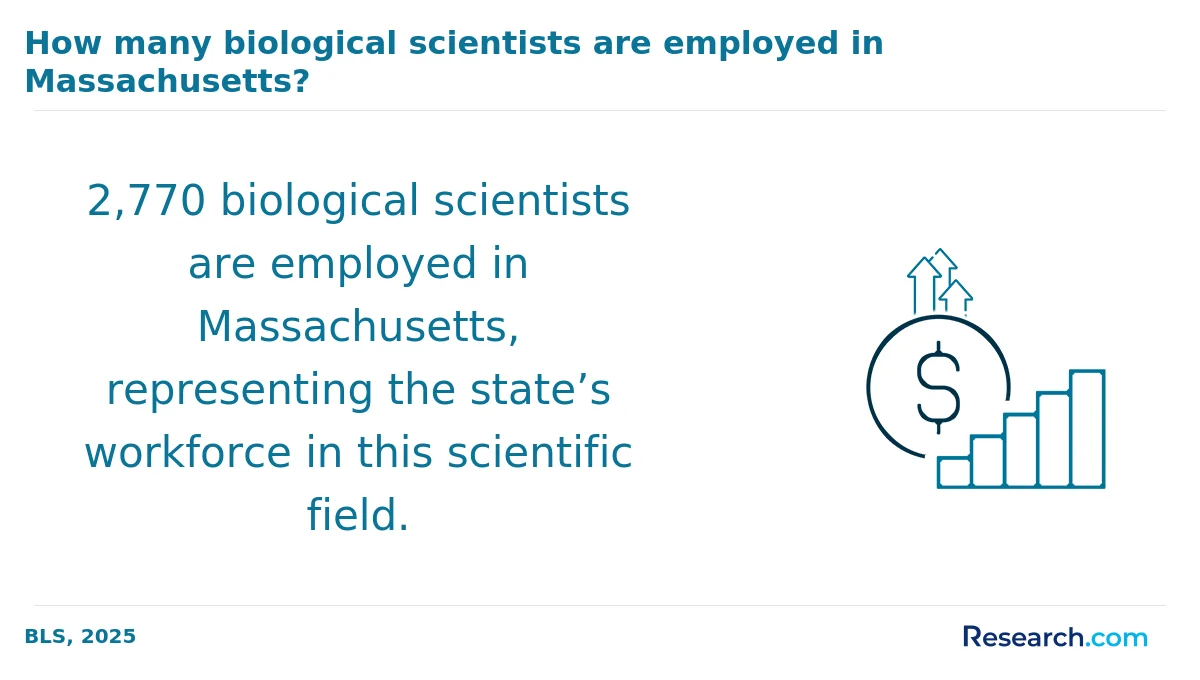
To finish your biology degree faster, focus on planning and pacing strategies that align with your goals.
- Review and submit transfer credits early to reduce required coursework.
- Enroll in summer or intersession courses to complete credits year-round.
- Choose programs with competency-based models or self-paced modules.
- Plan a balanced course load each term and consult academic advisors for accelerated pathways.
- Leverage credit-by-exam options (CLEP, DSST) where available.
For additional ways to save time and money, see our cheapest online pharmacy school guide.
Students pursuing an online biology degree in the South have several financial aid options that make education more affordable. Many graduates recall how completing the FAFSA opened doors to federal grants like the Pell Grant, which can provide up to $7,395 annually to eligible low-income students, significantly easing tuition burdens at public universities such as the University of Florida or Texas A&M. Federal loans with flexible repayment terms further support students balancing studies and finances.
State scholarships offer practical relief too. For example, Georgia residents often rely on the HOPE Scholarship to cover tuition costs when attending schools like Georgia Southern University, even for online programs. Similar state-funded initiatives in North Carolina and Florida encourage local students to stay in-state while progressing toward their biology degrees.
Many biology students also find success applying for scholarships from organizations like the American Institute of Biological Sciences, which have funded their research projects or conference travel. Additionally, institutions frequently provide merit-based awards and payment plans that help students stay motivated and focused without financial stress.
This multi-layered aid approach has helped countless Southern biology students manage costs while achieving their career goals with confidence and support.
To finish your biology degree sooner, combine proven strategies that align with Southern online programs’ flexible designs.
- Maximize transfer credits by evaluating previous college courses and AP exam scores
- Earn credit through CLEP or DSST exams for foundational science and math classes
- Enroll year-round-summer and winter terms-to tackle extra courses without overloading standard semesters
- Choose programs offering competency-based or self-paced options to move quickly through mastered topics
- Partner with an academic advisor to create an optimized course plan and ensure on-time graduation
- Explore dual enrollment or concurrent tracks in related fields-check out our cheapest online pharmacy school for inspiration on accelerated health-science pathways
To enroll in an online biology degree program in the South, you'll first need a high school diploma or equivalent. Graduates from popular Southern universities often recall that completing foundational courses in biology, chemistry, physics, and math like algebra was essential. This preparation made their transition to college-level biology courses much smoother and less stressful.
Many programs still require SAT or ACT scores, although some Southern schools are adopting test-optional policies. For example, students who applied to recognized universities in the region reported that scoring between 1050 and 1250 on the SAT strengthened their applications significantly.
A minimum GPA of around 2.5 to 3.0 is common, and some colleges pay close attention to grades in science and math. Transfer students should prepare official transcripts to maximize credit transfers, with many schools accepting up to 60 credits-a big help for shortening degree time and reducing costs.
Understanding these prerequisites early, as many successful Southern biology students have done, can boost your confidence and set you on a clear path toward degree completion.
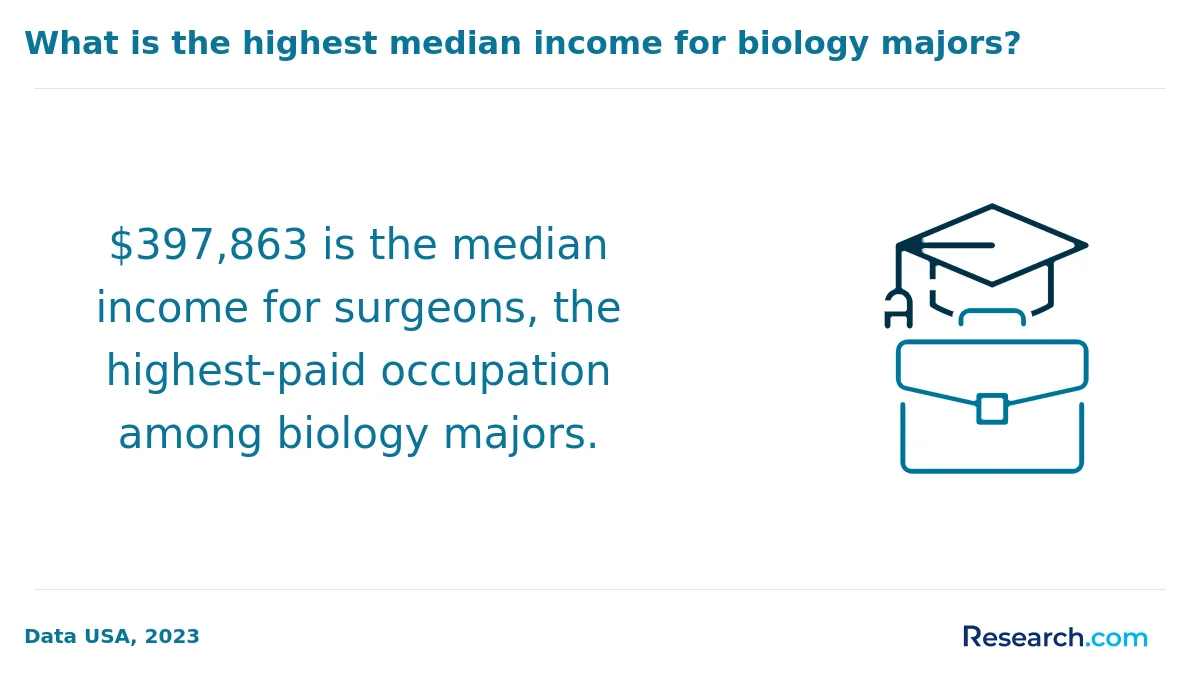
Completing your online biology degree faster requires planning and leveraging program features. Use these strategies to reduce time to graduation:
- Maximize credit transfers for previous college coursework or certifications.
- Choose programs with self-paced or competency-based options.
- Enroll in back-to-back terms, including summer or winter sessions.
- Test out of introductory courses with CLEP or DSST exams.
- Map out prerequisite requirements and register early to avoid delays.
For additional cost-saving tips, compare science programs like the cheapest online pharmacy school.
Online biology degrees in the South typically include core courses like cell biology, genetics, and microbiology that provide a strong foundation in life sciences. Graduates from well-regarded Southern universities find that these courses clarify complex concepts by relating them to real-world situations, such as understanding how cellular functions impact health or how genetics influences agricultural practices common in the region.
Many programs also emphasize organismal biology with classes in botany, zoology, and physiology, helping students visualize plant and animal life familiar in Southern ecosystems. For example, virtual labs at popular colleges in the South simulate ecological fieldwork, enabling students to engage with biodiversity without leaving home.
Ecology and environmental biology are staples, reflecting the South's rich natural habitats. Students learn about conservation through case studies focused on local ecosystems, fostering a sense of connection and responsibility. Electives in molecular biology or bioinformatics allow learners to tailor studies toward emerging fields, giving them confidence and focus when approaching their careers.
Online biology degree specializations in the South are designed to meet both regional ecological concerns and industry demands, making programs highly relevant for local job markets. Graduates from universities like the University of Florida and Georgia Tech have emphasized how specializations such as Environmental Biology prepare them to work on conservation projects in wetlands and coastal regions prevalent in the South. Meanwhile, programs including Microbiology align closely with Southern institutions focusing on medical research, offering opportunities in healthcare and pharmaceutical sectors.
Many students appreciate the Biotechnology specialization, which reflects the growing biotech industry in states like North Carolina, providing hands-on skills that lead directly to innovative careers. Other popular tracks include Health Sciences, perfect for those aiming for medical or allied health fields in thriving Southern metro areas, and Marine Biology, ideal for studying Atlantic and Gulf Coast ecosystems. Exploring options through an online bs biology degree allows students to balance their work and education while focusing on South regional biology degree concentrations online that align with their career goals.
To choose the best online biology degree in the South, start by verifying regional accreditation like SACSCOC to ensure your credits and degree hold value. Graduates from popular Southern universities often highlight how this accreditation made transferring credits and finding jobs smoother after graduation. Focus on programs offering specializations that align with your interests, such as molecular biology or ecology, and prioritize those with virtual labs or hands-on experiences to build real skills remotely. Consider tuition carefully; many students appreciate affordable biology degrees online Southern US options at state universities offering in-state rates which reduce costs significantly.
Look for strong student support services like tutoring and career advising, as these resources can transform the online learning journey, making students feel connected and motivated. Finally, check graduation rates and job placement data relevant to Southern states, where biology-related fields are growing steadily. For those wanting an accessible path, exploring an easy online biology program can also be a smart strategy to succeed without overwhelming challenges.
Graduates with an online biology degree in the South find themselves well-positioned for careers in healthcare, environmental science, research, education, and agriculture. For example, many biology graduates from well-known Southern universities pursue certifications to become lab technicians or physician assistants, roles growing rapidly in states like Texas and Florida. These positions often offer stable salaries between $60,000 and $80,000, allowing graduates to enjoy rewarding, hands-on work in thriving regional healthcare sectors.
Those passionate about environmental conservation often engage with state wildlife agencies or environmental consulting firms, leveraging Southern ecology's unique challenges to build meaningful careers. Biotechnology and biomedical research hubs in Atlanta and Raleigh provide vibrant environments for biology majors eager to join innovative labs or startups. Several graduates appreciate the cost-effectiveness and flexibility of their online biology bachelor degree programs, which balance affordability with the quality needed to enter these industries.
Additionally, teaching opportunities at high schools and community colleges remain accessible for biology majors, especially those seeking to inspire future scientists. Agriculture-related roles, involving crop science or animal health, also offer practical pathways in many Southern states with strong farming traditions. By focusing on this mix of opportunities, students can align their studies with career goals suited to the South's dynamic job market for biology graduates. This approach ensures that online biology degree career opportunities in the South can meet diverse interests and lifestyle needs.
The job market for graduates with an online biology degree in the South is robust and expanding, driven by strong industry clusters in states like North Carolina, Texas, and Florida. Graduates from popular universities such as the University of Florida or Texas A&M often secure roles in biotechnology parks and healthcare hubs that require skills in genetics, cellular biology, and environmental science. Entry-level positions like laboratory technicians or research assistants are common starting points, offering salaries around $48,000 annually, with opportunities to advance to specialized roles that pay significantly more.
Many biology students find that earning their degree online not only saves on relocation costs but also connects them to local employers through internships or regional research partnerships. For those seeking to understand career paths, resources explaining what do you study to become an aquatic biologist offer valuable insight tailored to the Southern biological sciences landscape.
With a positive job outlook, especially in growing sectors like pharmaceuticals and environmental agencies, an online biology degree job outlook South highlights practical opportunities for long-term career growth and competitive salaries.
2027 Fastest Online Biology Degree Programs Ranking in the South
Investing in your education is a significant decision that can influence your future career and personal growth. The Research.com team recognizes the importance of making well-informed choices and has dedicated substantial effort to ensure the quality, credibility, and accuracy of the "2027 Fastest Online Biology Degree Programs Ranking in the South." This ranking is the result of rigorous research and careful analysis based on multiple authoritative data sources to provide prospective students with trustworthy guidance.
We utilized the following reputable data sources to create this ranking:
By consulting this ranking, readers will obtain valuable insights into the most efficient and reputable online biology degree programs in the southern United States, helping them navigate their educational journey with confidence. For a detailed explanation of our ranking process, please visit our Research.com methodology page.


# 5 position
University of Florida
Master of Microbiology and Cell Science: Medical Microbiology and Biochemistry

# 7 position
University of Maryland Global Campus
Master of Biotechnology: Bioinformatics

# 8 position
University of Maryland Global Campus
Bachelor of Biotechnology


Frequently Asked Questions About biology
Students pursuing online biology degrees in the South can enhance their education by actively engaging in virtual labs and simulations. Many Southern universities incorporate advanced technology to replicate hands-on experiences, crucial for mastering biological concepts. According to the National Center for Education Statistics, 35% of Southern institutions offer specialized online biology internships, which provide practical exposure. Networking through regional biology associations, such as the Southern Appalachian Botanical Society, also helps students connect with professionals and peers. Additionally, time management and consistent communication with faculty ensure students stay on track despite the flexibility of online learning. Leveraging these strategies enriches comprehension and career readiness in biology.
The field of biology is rapidly evolving, with several emerging niches gaining traction especially in the Southern United States. One prominent area is bioinformatics, which combines biology and computer science to analyze genetic data. This niche is critical for advancements in personalized medicine and is growing due to investments in biotechnology hubs in states like North Carolina and Georgia.
Another rising focus is environmental biology, emphasizing biodiversity and conservation, particularly relevant to the South's diverse ecosystems. Climate change studies and ecological restoration projects increasingly require skilled biologists.
Additionally, synthetic biology, involving the design of new biological parts and systems, is expanding, supported by Southern universities collaborating with biotech firms.
According to the National Center for Education Statistics, enrollment in biology-related programs in Southern states grew by 12% from 2018 to 2023, reflecting increasing interest in these innovative fields.
Graduates with an online biology degree in the South should focus on gaining practical experience to improve job prospects. Internships and volunteer opportunities at local research centers or environmental agencies provide valuable hands-on skills. According to the U.S. Bureau of Labor Statistics, biology-related jobs in Southern states are expected to grow by about 7% through 2031, highlighting the importance of relevant experience.
Networking with regional professionals through local scientific societies such as the Southern Association of Biologists can open doors to job opportunities. Additionally, earning certifications in specialized fields like biotechnology or ecological management can boost employability.
Staying informed about regional industry trends and continuing education options is also advisable to remain competitive in the evolving job market.
Employers in the South highly value several key skills in biology degree graduates. Critical thinking and problem-solving rank among the top, as these skills enable graduates to analyze complex biological data effectively. Communication skills, both written and verbal, are essential for collaborating in diverse scientific teams and writing clear reports.
Technical proficiency, including laboratory techniques and familiarity with bioinformatics software, is increasingly important due to the region's growing biotech industry, as highlighted by the South Carolina Department of Commerce. Additionally, adaptability and lifelong learning are prized, given the fast-evolving nature of biological sciences.
Understanding regulatory standards and environmental laws specific to Southern states can also give candidates a competitive edge.
Finding internships in the South relevant to a biology degree involves leveraging regional resources and institutional networks. Many universities in southern states, such as the University of Florida and Texas A&M, have established partnerships with local research centers, hospitals, and environmental organizations. These collaborations often offer internship opportunities tailored for biology students.
Students should also explore platforms like the Southern Regional Education Board's internship listings, which frequently update biology-related positions in states like Georgia, Alabama, and North Carolina. According to the National Center for Education Statistics, biology internships in the South increased by 12% between 2019 and 2023, signaling growing opportunities.
Additionally, contacting career services at one's online college helps gain access to exclusive internship postings. Networking through professional groups such as the Southern Association of Biology Teachers can further connect students with internships focused on ecology, biotechnology, and health sciences.
Online biology degrees in the South offer significant benefits for career mobility and advancement. Due to growing investment in biotech and environmental sectors, states like North Carolina and Georgia report a 12% growth in biology-related jobs through 2030, according to the U.S. Bureau of Labor Statistics.
Online programs provide flexibility that allows professionals to upskill without leaving their current positions, making it easier to qualify for senior roles or specialized fields such as genetic research or conservation biology.
Additionally, many Southern universities offering online biology degrees have partnerships with local industries, enhancing networking opportunities and internships. This connection increases chances of job placement and promotion within the region's expanding life sciences sector.
Studying for an online biology degree in the South offers students a strong foundation in scientific principles alongside exposure to regional ecological and agricultural systems. Many Southern universities incorporate interdisciplinary coursework, blending biology with environmental science, technology, and health sciences.
The region's focus on diverse ecosystems, such as wetlands and coastal zones, provides practical case studies that prepare students for varied roles. According to the Southern Association of Colleges and Schools Commission on Colleges, programs often include collaborations with local research institutions, emphasizing hands-on learning and cross-disciplinary problem solving.
This approach equips graduates to work effectively in fields like bioinformatics, conservation, and public health. By integrating biology with data analysis, policy, and technology, these programs reflect workforce demands in the South's growing biotechnology and healthcare sectors.
Choosing between a thesis and a non-thesis biology degree program in the South depends largely on your career goals. Thesis programs emphasize original research, preparing students for PhD paths or research positions. These often require 6 to 12 months for research and writing, which can affect time to graduation.
Non-thesis programs focus on coursework and may include a project or comprehensive exam instead. They suit professionals aiming for industry roles, education, or health-related jobs.
According to the Southern Association of Colleges and Schools, about 40% of Southern biology master's programs offer thesis options. Students seeking research experience should consider these carefully.
Cost and time commitments also differ between the two paths, so evaluate your resources and aspirations before deciding.
Students based in the South have limited direct options for studying biology abroad through online degree programs. Most accredited biology degrees offered by Southern universities focus on domestic curricula with in-person labs. However, some Southern institutions have partnerships with international universities, allowing students to participate in short-term study abroad programs or virtual exchange courses.
These hybrid formats provide valuable global perspectives without requiring full relocation. According to the Southern Regional Education Board, over 60% of Southern universities see growing interest in international collaboration, though fully online biology degrees with foreign institutions remain rare.
Students should also consider programs with global research projects or internships abroad combined with online coursework to enhance their international experience.
Part-time job opportunities in the South that complement biology degree education are diverse and valuable for students. Positions such as laboratory assistants, wildlife technicians, and pharmacy aides offer practical experience applicable to biology studies. According to the U.S. Bureau of Labor Statistics, Southern states like Texas and Florida have above-average employment levels in biological sciences and healthcare support roles.
Working as a lab assistant in universities or private research firms helps students apply theory to practice while improving technical skills. Wildlife technician roles linked to state parks or conservation agencies provide hands-on experience in ecology and environmental biology.
Pharmacy aides in Southern healthcare facilities assist in medication management and gain exposure to human biology, a crucial area for many biology majors. These part-time roles enhance resumes and build professional networks relevant to biology careers.
Online biology students in the South benefit from various networking opportunities tailored to their regional context. Many Southern universities offering online biology degrees encourage participation in virtual seminars and conferences hosted by organizations such as the Southern Section of the American Society for Cell Biology (ASCB).
Students can also connect through online study groups and dedicated biology forums set up by institutions like the University of Florida and Texas A&M. Additionally, professional associations like the Southeastern Ecology and Evolution Conference offer discounted memberships to online learners, fostering regional connections.
These platforms help students engage with peers, faculty, and local industry professionals, enhancing career prospects within the Southern US biology community.
Alumni networks provide significant benefits for online biology degree students in the South. These networks offer access to professional connections that can lead to internships, research opportunities, and job placements within the region's growing life sciences sector. According to the National Association of Colleges and Employers, 70% of jobs are found through networking, highlighting the importance of these connections for graduates. Southern universities often have strong ties with local biotech companies, hospitals, and environmental agencies, enhancing career prospects for online students.
These networks also facilitate mentoring programs, where experienced alumni guide current students through career planning and graduate school decisions. This support can be especially valuable for students studying remotely. Furthermore, many Southern institutions host exclusive alumni events and virtual meetups, helping online biology students build community and share knowledge despite geographic distance.
Customizing an online biology degree program in the South allows students to align their education with specific career goals. Many Southern universities offer concentrations such as environmental biology, biotechnology, or health sciences, enabling focused study.
Students can select electives related to intended fields, including marine biology or genetics, which are growing sectors in the region. Research opportunities and internships, often facilitated through partnerships with Southern research institutions, provide practical experience crucial for career readiness.
Flexible scheduling in online formats helps accommodate working professionals aiming to specialize without interrupting employment. According to the Southern Regional Education Board, institutions in the South increasingly support personalized curricula designed to meet evolving industry demands.
Online biology students in the South face several notable challenges. A primary issue is limited access to hands-on laboratory experiences, which are essential for mastering biological sciences. Many Southern institutions attempt to provide virtual labs, yet these can fall short in replicating real-world experimentation.
Connectivity is another concern. Rural areas in Southern states often suffer from unreliable internet, impacting students' ability to stream lectures or participate in live discussions. According to the Federal Communications Commission, approximately 22% of rural Southern households lack broadband access, posing a significant barrier.
Additionally, balancing coursework with work and family obligations remains difficult. Many Southern learners enroll part-time, stretching degree completion times. Academic support services may also be less accessible online, affecting retention and success rates in biology programs.
With an online biology degree, professionals in the South can pursue several certifications to enhance their career prospects. Common certifications include the Certified Biological Technician (CBT) credential from the National Association of Biological Technicians. This certification demonstrates practical skills in biological research and lab techniques.
Many graduates also seek certifications in related fields such as environmental science or laboratory management. For example, the American Society for Clinical Pathology offers a Medical Laboratory Scientist certification, valuable for those working in clinical settings.
Some Southern states require additional licensure for biology educators, often necessitating passing the Praxis Biology exam to teach at the secondary level. Pursuing these credentials can open doors to roles in research, healthcare, education, and environmental management across the region.
Applying to an online biology program in the South requires clear, strategic preparation. Admissions committees value applicants who demonstrate a strong foundation in science and clear career goals. Highlight your relevant academic background, such as coursework in biology, chemistry, and math, alongside any lab or research experience.
Include a well-crafted personal statement that explains your motivation for studying biology and why an online program in the Southern U.S. fits your educational needs. According to the Southern Regional Education Board, programs in this region emphasize practical, career-ready skills.
Be sure to submit all required documents on time, including transcripts and letters of recommendation from science instructors or employers. A competitive GPA often exceeds 3.0 for biology majors in Southern universities.
Finally, if the program offers an interview or essay prompt, use it to showcase your passion for biology and commitment to succeeding in an online learning environment.
The global perspective on a biology career highlights expanding opportunities influenced by environmental challenges and technological advances. In the United States, biology jobs are projected to grow 8% from 2022 to 2032, faster than average across all occupations, according to the Bureau of Labor Statistics. For students in the South pursuing online biology degrees, this growth aligns with regional needs in agriculture, healthcare, and biotechnology sectors.
Internationally, research collaborations and conservation efforts underscore biology's global impact. Southern universities often partner with global institutions, enhancing online programs with relevant, worldwide knowledge. This prepares graduates for careers that address issues like climate change, genetic research, and epidemiology on both local and global stages.
Gaining practical experience while pursuing an online biology degree in the South is achievable through several approaches. Many Southern universities with online programs collaborate with local labs and research centers to offer internships and hands-on projects. According to the National Science Foundation, nearly 60% of biology students in the Southern U.S. engage in internships or lab work during their studies.
Students can also participate in virtual labs and simulations designed to replicate real-world biological research. Additionally, joining regional biology organizations or attending Southern scientific conferences can provide networking and applied experience. Local internships, even part-time, remain valuable for skill development and job readiness.
Choosing the right concentration within an online biology degree program in the South starts with understanding your career goals. Biology offers various specializations such as ecology, molecular biology, or biotechnology, each aligning with different industries.
Look for programs accredited by recognized agencies like the Southern Association of Colleges and Schools Commission on Colleges (SACSCOC), which ensures quality education in the region. According to the National Center for Education Statistics, schools in states like Florida, Texas, and Georgia offer diverse biology focuses suited to the Southern job market.
Consider local demand: for example, Texas has growing biotech hubs, so a concentration in biotechnology can enhance job prospects.
- Online Degree vs. Traditional: Choosing the Right Path https://beal.edu/online-degree-vs-traditional/
- EVENTS https://thebiosa.org/events/
- How a Strong Alumni Network Can Benefit Students https://www.pacificu.edu/blog/how-strong-alumni-network-can-benefit-students
- These Jobs Rock With a Degree in Biology https://www.keuka.edu/vi/node/10739
- Best Online Biology Degrees https://www.affordablecollegesonline.org/biology-programs/
- write a letter of application for the position of teacher biology - Brainly.in https://brainly.in/question/57038693
- Biology Major Jobs: Careers in the Biological Sciences | Houston Christian University https://hc.edu/articles/biology-major-jobs-careers-in-the-biological-sciences/
- How To Become A Biologist | Biology Degrees And Careers https://www.learnhowtobecome.org/science-technology-careers/biology/
- Get to Know Biology Education Program: Overview, Courses, and Career Opportunities | Universitas Muhammadiyah Surakarta https://www.ums.ac.id/en/news/our-stories/get-to-know-biology-education-program-overview-courses-and-career-opportunities
- How to Create a Biology Course Plan for Accelerated Degree Completion https://www.straighterline.com/blog/how-to-create-an-efficient-biology-course-plan-for-accelerated-degree-completion