2027 Most Affordable Online Biology Degree Programs Ranking in the USA

Co-Founder and Chief Data Scientist
Choosing the right biology degree program can feel overwhelming, especially when looking for affordable options. To make this easier, the Research.com team of data scientists has created the 2027 Most Affordable Online Biology Degree Programs Ranking in the USA. This ranking highlights quality programs that won't break the bank.
Reading this article will help you discover valuable options tailored to your budget and goals. Pursuing a biology degree opens doors to exciting careers in science and healthcare, making it a smart investment in your future.
Key benefits of getting online biology degree in America
- Biology degree graduates can pursue careers such as biological technicians, with an average hourly wage of $23.00, offering a solid income foundation in science-related fields.
- Graduates from universities like the University of California gain access to diverse career paths, including research, healthcare, and environmental science, making a biology degree versatile and rewarding.
- Online biology degrees, like those from Arizona State University, provide flexible schedules and accessibility, allowing students to balance work and study without sacrificing quality education.
- 2027 Most Affordable Online Biology Degree Programs Ranking in the USA
- What can I expect from online biology degree in America?
- Where can I work with online biology degree in America?
What can I expect from online biology degree in America?
The average cost of pursuing an online biology degree in America generally ranges between $7,000 and $15,000 per year for in-state tuition and fees at public universities. Graduates from well-known institutions frequently highlight the financial advantages of online study, such as reduced expenses related to housing and commuting, which contribute to an overall more affordable education experience. For example, students enrolled in online biology programs at prominent universities often benefit from financial aid packages and scholarships tailored specifically to remote learners.
Many students appreciate the flexibility of spreading tuition payments across semesters while maintaining part-time or full-time enrollment. This affordability allows them to balance education with employment or family responsibilities without compromising academic rigor. At colleges respected for their biology programs, online learners find access to the same esteemed faculty and comprehensive curricula as on-campus peers, enhancing their confidence and engagement despite studying remotely.
Where can I work with online biology degree in America?
Graduates with an online biology degree in America find employment across multiple dynamic sectors. Many secure roles in healthcare, for instance, working as medical laboratory technologists who play a crucial part in diagnosing diseases through lab analysis. Some pursue advanced training to become physician assistants or genetic counselors, careers often highlighted by alumni from respected programs at universities like the University of Florida or Oregon State University.
Others thrive in research settings, joining federal agencies such as the National Institutes of Health or environmental organizations like the Environmental Protection Agency. These roles require sharp analytical skills developed during rigorous coursework and hands-on lab experience, frequently mentioned by graduates of institutions like Arizona State University.
The biotechnology and pharmaceutical industries also provide rich career avenues, employing biology degree holders as research assistants and regulatory specialists. Graduates often express enthusiasm about contributing to innovations in drug development and quality control, especially those from schools like the University of Illinois Springfield that emphasize practical training.
Educational careers as science teachers at high schools or community colleges remain an accessible, fulfilling option, particularly when combined with teaching credentials. Many report a strong sense of purpose helping inspire the next generation of scientists.
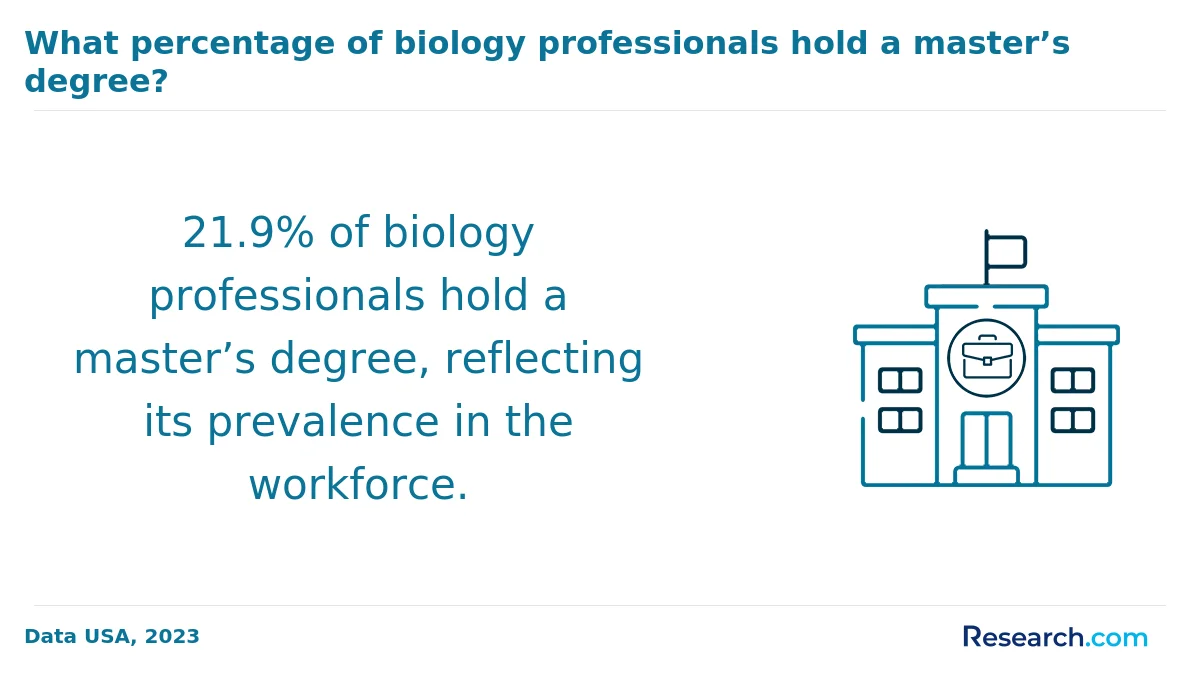
Graduates with an online biology degree in America typically see a median annual wage around $85,830, according to the U.S. Bureau of Labor Statistics (BLS, 2023). Entry-level roles often start near $50,000, offering new graduates from institutions like the University of Florida or Arizona State University a solid foundation as they enter the workforce.
Those working as biological technologists in research and development earn about $66,800 annually, which is a common early-career position for biology graduates from schools such as Penn State or the University of Michigan. Specialized fields like microbiology and biochemistry provide even higher wages, with microbiologists earning close to $89,000 per year.
Many graduates find that location plays a crucial role. For example, biology alumni from universities in Boston or San Francisco frequently command higher salaries due to the concentration of biotech companies and research institutions.
Importantly, the mode of study-whether online or on-campus-does not diminish earnings potential, especially when combined with internships or certifications. Advanced degrees pursued after an initial biology degree often exceed $100,000 annually in roles such as research scientists or university professors, reflecting rewarding career progressions.
- Online biology degrees cover core subjects such as cell biology, genetics, ecology, and biochemistry while allowing remote coursework.
- The average tuition ranges from $10,000 to $30,000 per year, with public universities usually offering lower costs for in-state students.
- Biology graduates' starting salaries typically range from $45,000 to $55,000 annually, increasing to $70,000-$90,000 or more with experience or advanced degrees.
- Job growth for biological scientists is projected at about 7% from 2022 to 2032, consistent with average growth across all occupations.
- Many online programs include virtual labs or require occasional on-site sessions to provide practical hands-on experience.
Completing an online biology degree in America generally takes about four years for full-time students, mirroring the timeline of traditional on-campus programs. Students at well-known institutions like the University of Florida or Arizona State University often follow an eight-semester schedule, accumulating between 120 and 130 credit hours to meet graduation requirements. Many graduates express satisfaction with the structured pace that allows them to balance coursework and hands-on lab components through local partnerships or summer intensive sessions.
Part-time study options enable students managing jobs or family responsibilities to progress at a comfortable pace, extending their graduation timeline to six years or more. Graduates from universities such as Oregon State have shared that this flexibility reduces stress while maintaining academic rigor. Transfer students, including those who come from community colleges with credits already earned, sometimes complete their degree more quickly, underscoring the personal nature of each educational journey.
Overall, these timelines provide clarity for students planning their academic path in a dynamic and supportive online biology learning environment in America.
Continuing education options for online biology graduates often expand career prospects and deepen expertise:
- Master’s programs in fields like molecular biology, ecology or bioinformatics build specialized skills.
- PhD tracks offer research-intensive study, ideal for careers in academia or advanced industry roles.
- Professional degrees, including medical (MD), dental (DDS), veterinary (DVM) and pharmacy (pharmd degree), prepare you for clinical practice.
- Certificate programs in areas such as environmental management or biostatistics provide focused credentials.
- Online workshops and short courses help stay current with emerging techniques and technologies in biological research.
Online and on-campus biology degrees in the United States differ primarily in their learning formats and experiences. Students pursuing an online biology degree from institutions like Arizona State University appreciate the flexibility to study genetics or ecology modules from home while managing work or family commitments. These programs often include recorded lectures and virtual labs that simulate hands-on learning, catering to those needing adaptability without sacrificing academic rigor.
Conversely, graduates from traditional on-campus programs at universities such as the University of California, Berkeley, emphasize the value of direct access to state-of-the-art labs and in-person mentorship. The immersive environment fosters collaboration, enabling chemistry or molecular biology students to conduct experiments under expert supervision, which many find essential for mastering complex techniques.
Financially, on-campus students might encounter higher tuition and housing costs-around $10,000 annually for in-state public universities-but benefit from campus scholarships and resources. Online learners save on commuting and housing and often experience lower program fees, enhancing affordability while maintaining quality education standards.
Online biology programs replicate in-person labs through:
- Virtual lab simulations that mimic real-world experiments
- Lab kits shipped to your home for hands-on activities
- Short on-campus intensives or local lab partnerships
- Internship and research collaborations for field experience
These methods ensure you develop practical skills in cell culture, microscopy, and data analysis. Before enrolling, verify program details on lab delivery methods, required equipment, and available support services like virtual lab tutorials. For those interested in expanding their expertise beyond biology, a pharmd degree can further enhance laboratory and clinical competencies.
The average cost of an online biology degree in America varies significantly based on residency status and the institution type. Data indicates that the median total cost for completing such a degree is approximately $27,425. Students attending as in-state residents generally face lower expenses, around $12,928, while out-of-state students may expect costs near $26,208. These figures reflect tuition and fees for programs typically requiring about 120 credit hours to graduate.
Many graduates from well-regarded public universities appreciate that affordable online biology degree programs 2027 remain accessible thanks to in-state tuition benefits and flexible course delivery. For instance, students enrolled through prominent state schools find the balance of quality education and cost efficiency encouraging, allowing them to focus on scientific inquiry without overwhelming financial burden. Private institutions generally command higher tuition, but often provide additional resources and opportunities that appeal to certain learners.
Besides tuition, additional expenses like lab kits, textbooks, and technology fees can increase overall costs. However, many students report satisfaction with the comprehensive value received, especially when combining financial aid, scholarships, and employer tuition reimbursement programs. For those exploring career outcomes, checking resources on the best paying jobs in biology can motivate the investment.
The financial landscape continues to evolve as more colleges adopt competitive online tuition rates, making the goal of obtaining a biology degree both attainable and rewarding within the diverse educational ecosystem in America.
Online biology degree programs include essential lab components designed to build real-world skills while maintaining flexibility. Common formats include:
- Virtual lab simulations: Interactive software that mirrors traditional experiments and tracks data in real time.
- Lab kit shipments: Home-delivery of materials and equipment, allowing hands-on experiments with clear instructions.
- On-site residencies or local partnerships: Short, intensive lab sessions at campus locations or approved labs near you.
- Cost considerations: Supplemental fees for kits or travel may range from $100–$500 per course; factoring these into your budget helps avoid surprises.
Carefully review each program’s lab delivery methods and associated costs before enrolling. For those drawn to practical science training, an affordable pharmd degree also blends online coursework with hands-on learning.
Students pursuing an online biology degree in America often rely on a variety of financial aid sources to manage costs effectively. Federal aid is widely accessible; completing the FAFSA opens doors to Pell Grants, which can offer up to $7,395 annually for eligible low-income undergraduates, a crucial support many biology students at universities like Arizona State University have utilized to alleviate tuition burdens.
Beyond Pell Grants, Federal Supplemental Educational Opportunity Grants (FSEOG) provide additional funds based on financial need, sometimes reaching $4,000 yearly. Many online learners also benefit from subsidized federal loans that do not accumulate interest while still enrolled, easing concerns about debt during studies. For instance, graduates from the University of Florida praised this safety net as they advanced through their online biology courses.
State programs further enhance support. California's Cal Grant is a prime example, awarding up to $12,570 annually to in-state students attending public schools such as the University of California system, helping students focus more on learning rather than finances. Complementing these are university scholarships, merit-based or need-driven, specifically tailored for biology majors, often highlighted by students at institutions like Oregon State University.
Finally, private scholarships from organizations like the American Institute of Biological Sciences offer valuable aid ranging from $500 to thousands of dollars. Many biology students find searching dedicated scholarship databases rewarding, enabling them to celebrate academic progress without overwhelming financial stress.
Online biology programs ensure practical skills through a mix of virtual and in-person opportunities.
- Virtual simulations for microbiology, genetics, and ecology experiments
- On-campus residencies or lab kits shipped to your home
- Collaborative research projects with faculty and peers
- Internships at local labs, hospitals, or environmental agencies
This hands-on training develops laboratory techniques, data analysis skills, and confidence with real-world equipment. Many students leverage these experiences before pursuing a pharmd degree.
To enroll in an online biology degree in America, applicants must typically have completed a high school diploma or its equivalent, such as a GED, with strong performance in science and math courses. Graduates from popular institutions like the University of Florida or Arizona State University often recall that success began with solid grades-at least a C or better-in biology, chemistry, and algebra or higher-level math. These foundational courses prepare students for the complexities of college-level biology.
Many programs may require standardized test scores such as the SAT or ACT; however, an increasing number of universities have adopted test-optional policies post-pandemic, easing this barrier. Applicants frequently need to submit letters of recommendation and personal statements that express genuine enthusiasm and readiness for rigorous scientific study.
Transfer students must provide transcripts demonstrating prior college coursework, often in foundational science classes. A minimum GPA around 2.0 to 2.5 on a 4.0 scale is commonly expected. This approach ensures students feel confident and well-prepared to thrive in demanding biology programs offered by respected American universities.
Online biology degrees incorporate hands-on training through several methods:
- Virtual lab simulations that mimic real-world experiments
- At-home lab kits containing essential materials for remote practice
- Optional short-term residencies or lab intensives on campus
- Partnerships with local labs for in-person access
- Clear technical requirements (stable internet, specific software, basic lab tools)
Many programs blend these formats to fit diverse needs. Similar to an pharmd degree, this hands-on approach ensures you develop critical laboratory skills and confidence before entering your chosen career path.
Online biology degree programs in America consistently feature foundational courses such as General Biology, Cell Biology, Ecology, Genetics, and Evolutionary Biology. Graduates from well-known institutions often reflect on how these courses established a solid base, enabling them to confidently engage with more complex topics. For instance, students at public universities appreciate the balance of theory and applied learning, which helps bridge classroom content with real-world biological systems.
Beyond core subjects, many programs offer specialized courses in areas like Microbiology and Immunology, Molecular Biology, Biochemistry, Human Anatomy and Physiology, and Environmental Biology. Learners from renowned colleges praise the availability of such electives, which align well with their career ambitions in research, healthcare, and environmental management. The flexibility to delve into subjects such as pharmacology or conservation biology makes the educational experience both relevant and inspiring.
Students frequently mention the integration of scientific methods and experimental design into the curriculum, enhancing critical thinking and analytical skills. Online programs at leading universities maintain rigorous standards through virtual labs or partnerships with local facilities, ensuring hands-on experience despite the remote format.
Online biology degree specializations USA typically include a range of focused fields allowing students to tailor their studies to specific interests and career goals. Popular concentrations often consist of molecular biology and biotechnology, where graduates from renowned institutions across America express excitement about mastering laboratory techniques that open doors to pharmaceutical and genetic engineering careers.
Ecology and environmental biology are equally prevalent, offering students from leading colleges practical experience in fieldwork and data analysis that addresses pressing challenges like climate change. Many biology degree concentration options America include microbiology, valued for its applicability in health and research laboratories, aligning well with the rising demand in public health sectors.
Additional niche specializations such as marine biology, zoology, and plant sciences provide diverse pathways, reflecting the varied interests of biology students nationwide. Those exploring program choices should consult the best biological science degree online programs to identify curricula that integrate these specializations effectively.
Choosing the best online biology degree in America involves evaluating several critical factors, grounded in real experiences of graduates from well-known universities. Accreditation is paramount; regional accreditation ensures that your degree is recognized nationally and credits transfer smoothly. Graduates from top online biology programs in America often emphasize the value of comprehensive curricula that cover molecular biology, genetics, and ecology with hands-on virtual or local lab opportunities. These practical components enhance understanding and readiness for biological careers.
Cost considerations are essential, especially when seeking the best affordable online biology degree USA options. Many students find that online formats reduce expenses related to housing and commuting, making programs more accessible without compromising quality. Faculty expertise further shapes the learning journey, with dedicated instructors and accessible support services fostering confidence and academic success in remote environments.
Students balancing work or family often prioritize programs offering flexibility through part-time or asynchronous courses. Real stories highlight how access to career services and strong advising positively impacts job placement and graduate school admission. Exploring options like an accelerated biology degree online can also provide an efficient path to degree completion.
Graduates with an online biology degree in America often embark on diverse career paths spanning healthcare, research, environmental science, education, and biotechnology. Many find opportunities as biological technicians or laboratory assistants, collaborating with scientists in research institutions or pharmaceutical companies. For instance, graduates from well-known universities appreciate how their online studies prepare them for such roles, where analyzing biological data and conducting experiments are daily tasks. This variety highlights the broad scope for those exploring online biology degree career opportunities USA.
Additional careers include medical technologists and health scientists, positions that typically require further certification but build on a biology foundation. Biotechnology firms also recruit graduates for drug development and genetic research roles, providing pathways with competitive salaries. Environmental biology careers are prominent in organizations such as the EPA, focusing on ecosystem analysis and combating climate change.
Teaching at secondary or postsecondary levels remains a popular choice, especially for those passionate about education. Biology students from prominent colleges often share how practical, flexible online programs allow them to balance training with real-life responsibilities. Prospective students can discover affordable bachelor degree online biology programs that facilitate access to these rewarding fields through affordable bachelor degree online biology offerings.
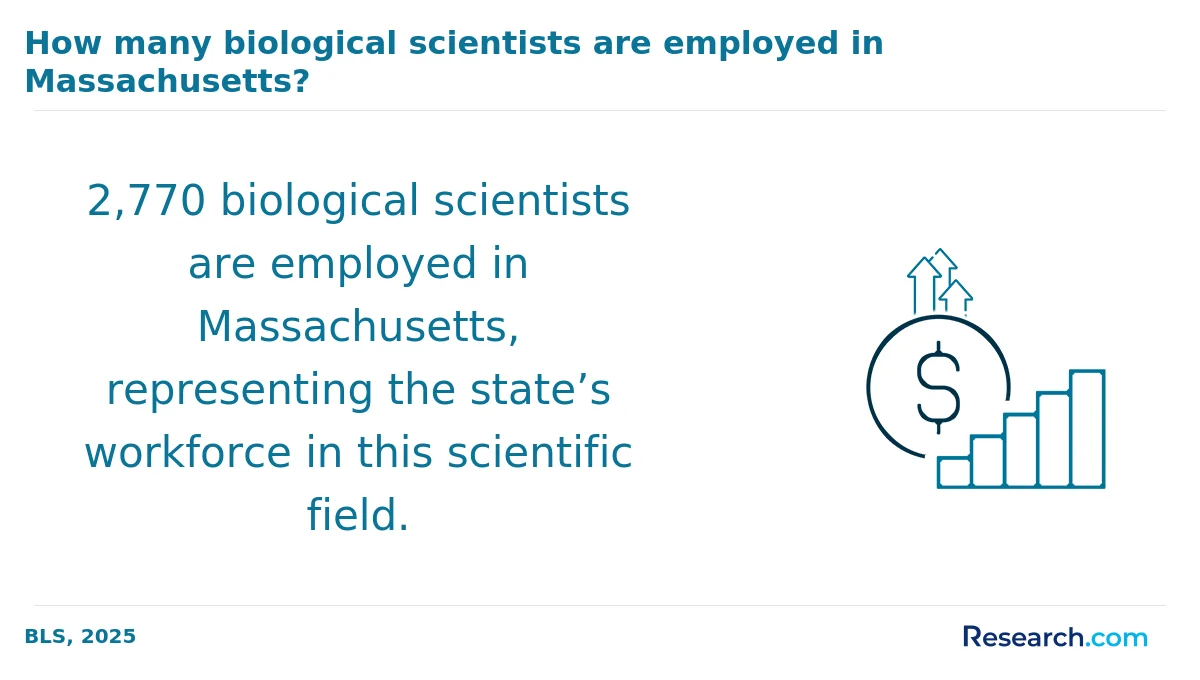
The job market for graduates with an online biology degree in America is robust and diverse, offering promising employment opportunities across various sectors. Graduates from renowned institutions such as the University of Florida or Arizona State University report successfully entering fields like biomedical research, environmental consulting, and pharmaceutical development. These roles often leverage the foundational knowledge acquired online alongside practical internships.
Employment prospects align with the positive online biology degree job outlook USA, as the U.S. Bureau of Labor Statistics projects an 8% growth in biological science occupations over the next decade. This outlook reflects growing demand in healthcare advancements, environmental sustainability, and biotechnology.
Many students find that an online biology degree offers flexibility without compromising quality, enabling them to balance work and study while accessing competitive tuition rates. Graduates commonly benefit from higher salaries in specialized roles such as biotechnology, while entry-level positions like biological technicians provide steady starting wages. By supplementing their degree with remote research projects, graduates enhance their employability in this competitive market.
For those seeking further insight into the career lifecycle for biology graduates, it is helpful to become a biologist through guided pathways that clarify skill development and salary expectations.
The biology degree employment opportunities America offers continue to expand, especially for candidates who combine their degree with certifications or advanced training, making an online biology degree a worthwhile investment.
2027 Most Affordable Online Biology Degree Programs Ranking in the USA
Investing in your education is a significant decision that can shape your future, and the Research.com team understands the importance of making informed choices. To assist prospective students seeking affordable biology degrees, we have meticulously developed the "2027 Most Affordable Online Biology Degree Programs Ranking in the USA." Our commitment to quality, credibility, and accuracy is reflected in the rigorous research and analysis undertaken to compile this ranking.
We utilized the following reputable data sources to ensure a comprehensive evaluation of online biology programs:
By exploring this ranking, readers will gain valuable insights into affordable biology programs nationwide, enabling them to make informed decisions regarding their education investments. For more information about our ranking process, please visit our Research.com methodology page.
# 1 position
University of Florida
Master of Microbiology and Cell Science: Medical Microbiology and Biochemistry




# 16 position
University of Maryland Global Campus
Master of Biotechnology: Bioinformatics


Frequently Asked Questions About biology
Online biology degree students in America can maximize their learning by actively engaging with course materials and participating in virtual labs and discussions. The American Society for Microbiology suggests supplementing online lectures with practical experiences to deepen understanding. Utilizing university-provided digital libraries and scientific databases, such as PubMed or JSTOR, is essential for accessing the latest research. Networking with peers and professors via forums or video calls enhances collaboration and knowledge sharing. Additionally, managing time effectively and setting consistent study schedules are critical, as research from the National Center for Education Statistics shows that online students benefit from strong self-discipline to succeed.
Emerging niches within the biology field reflect advances in technology and societal needs. One growing area is synthetic biology, where researchers design and build new biological parts, devices, and systems. According to the National Science Foundation, investment in synthetic biology research in the US has increased significantly in recent years.
Another expanding field is computational biology, which combines biology with data science and computer modeling. The rise of big data has created numerous jobs requiring skills in both biology and informatics.
Environmental biology focused on climate change impacts is also gaining attention. The US Bureau of Labor Statistics projects faster-than-average growth for environmental scientists through 2031.
Finally, personalized medicine, which uses biological data to tailor treatments to individuals, is a critical emerging niche supported by institutions like the NIH.
Graduates with an online biology degree in America should focus on building practical skills to enhance employability. Internships and research experiences, even remote or local, are crucial for applying theoretical knowledge. The U.S. Bureau of Labor Statistics notes that biological science jobs are expected to grow by 8% from 2022 to 2032, underscoring demand for qualified candidates.
Networking plays a key role; joining professional organizations like the American Institute of Biological Sciences can provide access to job boards and mentors. Developing proficiency in laboratory techniques and data analysis software, such as R or Python, also increases market value.
Additionally, earning certifications related to biotechnology or environmental science can boost a resume. Staying informed about industry trends and continuing education opportunities ensures candidates remain competitive in the evolving biology job market.
Employers in the United States highly value biology graduates who demonstrate strong analytical and laboratory skills. According to the National Science Foundation, about 67% of biology-related jobs require proficiency in data analysis and experimental techniques. Critical thinking is essential, as professionals must interpret complex biological data and solve scientific problems efficiently.
Communication skills are also crucial. Biology graduates need to explain research findings clearly to both scientific and non-scientific audiences. Teamwork is another key skill, with many projects requiring collaboration among multidisciplinary teams.
Technical proficiency in software such as R, Python, and various lab instruments is increasingly demanded. A recent survey by the American Institute of Biological Sciences highlights these competencies as top priorities for employers in biotechnology, healthcare, and environmental sectors.
Finding internships relevant to a biology degree in America requires proactive research and networking. Many universities with online biology programs maintain partnerships with local labs, research centers, and healthcare facilities that offer internship opportunities. The National Association of Colleges and Employers (NACE) reports that about 60% of students secure internships through university career services.
Students should also explore platforms like Handshake and Indeed, which frequently list biology-related internships nationwide. Professional organizations such as the American Institute of Biological Sciences (AIBS) provide listings and resources tailored to biology students.
Applying early and preparing a strong resume highlighting relevant coursework and lab skills increases chances of selection.
An online biology degree in America can significantly enhance career mobility and advancement opportunities. Many employers recognize accredited online degrees as equivalent to traditional ones, especially from established institutions. According to the Bureau of Labor Statistics, biology-related jobs are expected to grow 5% from 2021 to 2031, which is about as fast as average.
With an online degree, students can gain essential skills in genetics, ecology, and biochemistry while balancing work or family. This flexibility helps individuals enter or progress in fields such as healthcare, research, and environmental science. Moreover, having a degree often leads to higher salaries; for example, biologists with a bachelor's degree earn a median annual wage of around $82,000 (BLS, 2023).
Online programs also frequently offer networking opportunities and certifications that support advancement in specialized areas. This can open doors to roles in biotechnology firms, pharmaceuticals, or government agencies. Overall, an online biology degree supports career advancement by providing credible, relevant training aligned with current industry needs.
Studying for a biology degree in America equips students with skills applicable across various fields, supporting interdisciplinary career paths. Biology programs often integrate coursework in chemistry, physics, mathematics, and computer science, reflecting the interconnected nature of modern science. For example, bioinformatics, a growing field, combines biology with data analysis and computer programming.
According to the National Center for Education Statistics, over 60% of biology degrees include lab work and research projects that develop critical thinking and problem-solving skills valuable in healthcare, environmental science, and biotechnology.
Additionally, many universities encourage collaboration through team-based projects, fostering communication skills essential for interdisciplinary work.
Choosing between a thesis and a non-thesis biology degree program in America depends largely on your career goals and learning preferences. Thesis programs, often requiring original research, are suitable if you plan to pursue graduate studies or research roles. According to the National Center for Education Statistics (NCES), about 30% of biology master's graduates in the U.S. complete a thesis, reflecting its importance in academia.
Non-thesis programs focus more on coursework and practical skills, ideal for those targeting industry positions or teaching roles. These programs often require fewer credits, allowing quicker completion.
Cost, time commitment, and your interest in research should guide your decision.
Students based in America seeking to study biology abroad typically explore partnerships between U.S. universities and foreign institutions, enabling enrollment in joint or exchange programs. Many programs integrate online coursework with short-term study or research stays overseas, accommodating hands-on laboratory experiences vital for biology degrees.
The Institute of International Education reported that over 19,000 U.S. students studied biological sciences abroad in recent years, with popular destinations including the United Kingdom, Australia, and Canada. These programs often emphasize global biodiversity, ecology, and biotechnology.
Some American universities offer fully online biology degrees with options for international fieldwork or collaborations, allowing students to gain global perspectives without relocating permanently. Accreditation and credit transfer policies remain important considerations for students planning such pathways.
Part-time job opportunities that complement an online biology degree in America are diverse and beneficial for gaining practical experience. Many students work as laboratory assistants in research institutions or university labs, supporting experiments and learning technical skills. According to the U.S. Bureau of Labor Statistics, biology technicians earn a median hourly wage of about $22.10, showing promising financial support while studying.
Other jobs include positions as pharmacy aides or wildlife rehabilitators, which allow direct application of biological knowledge. Internships with environmental organizations or healthcare providers are also common, providing hands-on learning and networking. These roles enhance resumes and readiness for full-time careers in biology fields.
Online biology students in America have access to diverse networking opportunities despite their remote learning environments. Many accredited programs partner with biology-focused professional organizations like the American Institute of Biological Sciences (AIBS) and the Society for Integrative and Comparative Biology (SICB), offering students access to conferences, webinars, and career-services. According to the National Center for Education Statistics, over 60% of online biology programs encourage participation in virtual study groups and research forums to build peer connections.
Universities often facilitate mentorship programs linking students with alumni and faculty experts. Additionally, platforms such as LinkedIn host specialized groups where biology students discuss research trends and job openings. These resources help students build valuable professional networks crucial for internships and employment.
Alumni networks play a crucial role in supporting online biology degree students in America by offering valuable connections within the scientific and academic communities. Many universities provide access to exclusive job boards, internships, and research opportunities tailored for biology majors. According to the National Association of Colleges and Employers (NACE), nearly 85% of jobs are filled through networking, highlighting how these connections can improve employment prospects after graduation.
Moreover, alumni groups often host webinars, workshops, and mentorship programs, helping students stay updated on emerging trends in fields like genetics, ecology, and biotechnology. This ongoing engagement strengthens both professional skills and career development vital to biology graduates.
Customizing an online biology degree in America allows students to align their education with specific career goals. Many programs offer electives or concentrations such as molecular biology, environmental science, or biotechnology. This flexibility helps students focus on areas with strong job growth, like biotechnology where employment is projected to grow 7% from 2021 to 2031 (U.S. Bureau of Labor Statistics).
Students can also select internships or research opportunities offered virtually or locally to gain practical experience. Choosing programs with adaptable course schedules fits working professionals' needs. Additionally, some schools allow combining biology studies with minors like computer science or health sciences, broadening career options. Careful planning ensures the degree supports long-term goals effectively.
Online biology students in America often face significant challenges related to practical coursework. Biology relies heavily on lab work, which is difficult to replicate virtually. Many programs require in-person lab sessions or partnerships with local institutions. According to the National Center for Education Statistics, about 60% of biology graduates reported concerns about accessing quality lab experiences online.
Another challenge is staying engaged in a demanding science curriculum without direct face-to-face interaction. Biology classes often involve complex concepts and group work, which can be harder to manage remotely. Time management and self-discipline are critical skills for success in online biology studies.
Technical issues can also impede learning, especially for students in rural areas with limited internet access. A 2023 Pew Research study found that 25% of students enrolled in online science programs experienced internet connectivity problems, affecting their ability to participate fully.
With an online biology degree from an accredited American institution, graduates can pursue several professional certifications to enhance their careers. Common options include becoming a Certified Biological Technician (CBT), offered by the American Society for Clinical Pathology. This credential demonstrates technical competence in biological research and lab work. Another option is the Certified Wildlife Biologist credential from The Wildlife Society, suited for those working in environmental and conservation fields.
Additionally, graduates can consider certifications in specialized areas such as clinical laboratory science or biotechnology, certified by bodies like the American Society for Clinical Laboratory Science. These certifications often require some work experience alongside the degree. According to the U.S. Bureau of Labor Statistics, having these credentials can improve job prospects and salary potential in biological sciences careers.
Writing a winning application for an online biology program in America requires clear focus on academic achievements and relevant experiences. Highlight your background in sciences, especially biology, chemistry, and mathematics, as these are key subjects. Many programs seek candidates with strong GPA scores, often 3.0 or higher.
Showcase any laboratory or research experience, volunteer work, or internships related to biology. According to the National Center for Education Statistics, biology is among the most popular STEM majors, so emphasizing unique experiences helps your application stand out.
Craft a compelling personal statement explaining your motivation to pursue biology online and your career goals. Also, secure strong recommendation letters from science instructors or employers familiar with your skills.
Finally, ensure your application is complete and submitted before deadlines, as many accredited online biology degrees follow strict timelines.
Biology careers in the United States are increasingly influenced by global scientific advancements and environmental challenges. According to the U.S. Bureau of Labor Statistics, the employment of biological scientists is projected to grow 8% from 2022 to 2032, reflecting a strong domestic and international demand. Globally, biology professionals collaborate on issues like climate change, disease control, and biotechnology innovations.
The U.S. higher education system offers online biology degrees that prepare students for global opportunities through comprehensive curricula aligned with international research standards. This allows graduates to engage in cross-border projects and contribute to worldwide efforts in healthcare, conservation, and agriculture.
Students considering online biology programs in America can expect education that meets both national accreditation requirements and global scientific expectations, making their skills relevant across countries.
Gaining practical experience while pursuing an online biology degree in America is essential for career readiness. Many programs partner with local laboratories, research institutions, or healthcare facilities to offer internships or practicum opportunities. These hands-on experiences allow students to apply theoretical knowledge in real-world settings.
Additionally, some universities provide virtual labs or simulations to develop technical skills digitally. According to the National Science Foundation, about 35% of biology students participate in internships before graduation, which enhances employability. Volunteering in community science projects or working as research assistants can also build valuable experience during studies.
Networking with faculty and attending biology conferences or webinars further supports practical learning and professional growth.
Choosing the right concentration within an online biology degree program in America depends on your career goals and interests. Popular concentrations include molecular biology, ecology, biotechnology, and bioinformatics. According to the National Center for Education Statistics, over 70% of biology graduates in the US enter health, research, or environmental fields.
Research job trends and salaries linked to each concentration using resources like the Bureau of Labor Statistics, which reports a 7% growth in life science occupations through 2031. Also, consider program alignment with industry certifications or graduate school prerequisites.
Review course offerings and faculty expertise to ensure the curriculum meets your learning needs and professional plans.
- Careers Guidance https://www.rsb.org.uk/career-guidance.html
- How To Become A Biologist | Biology Degrees And Careers https://www.learnhowtobecome.org/science-technology-careers/biology/
- 4 Types of Biology Concentrations | University of Bridgeport https://www.bridgeport.edu/news/biology-concentrations/
- Biology Major Jobs: Careers in the Biological Sciences | Houston Christian University https://hc.edu/articles/biology-major-jobs-careers-in-the-biological-sciences/
- EVENTS https://thebiosa.org/events/
- How to Create a Biology Course Plan for Accelerated Degree Completion https://www.straighterline.com/blog/how-to-create-an-efficient-biology-course-plan-for-accelerated-degree-completion
- Turn Your Passion for Science Into a Rewarding Career With a Biology Degree - UNCF https://uncf.org/the-latest/a-biology-degree-can-open-the-door-to-life-and-living
- Study Biology Abroad | Go Overseas https://www.gooverseas.com/study-abroad/biology
- How a Strong Alumni Network Can Benefit Students https://www.pacificu.edu/blog/how-strong-alumni-network-can-benefit-students
- Careers in Biological Sciences: Opportunities, Skills, and the Future of Work https://www.hyperec.com/blog/careers-in-biological-sciences-opportunities-skills-and-the-future-of-work/