2027 Fastest Online Biology Degree Programs Ranking in Florida

Co-Founder and Chief Data Scientist
Choosing the right biology degree program can shape your future and open doors to exciting career opportunities. For Florida students eager to study online, finding trustworthy information is key.
This article features the 2027 Fastest Online Biology Degree Programs Ranking in Florida, developed by the Research.com team of data scientists. It's designed to help you make well-informed decisions on which programs truly stand out.
Explore this ranking to discover valuable insights, save time, and confidently pursue a meaningful biology degree that fits your goals.
Key benefits of getting online biology degree in Florida
- Biology degree graduates in Florida can expect competitive salaries in related fields, with U.S. median annual wages around $50,000 to $70,000 depending on the specific job, offering a solid financial foundation.
- Career paths include roles like environmental scientist, biotechnology researcher, or healthcare specialist, as seen with graduates from popular Florida universities such as the University of Florida, providing diverse and rewarding opportunities.
- Online biology degrees offer flexibility, allowing students to balance studies with work or family; many graduates from institutions like Florida International University praise the convenience and quality that rival traditional degrees.
- 2027 Fastest Online Biology Degree Programs Ranking in Florida
- What can I expect from online biology degree in Florida?
- Where can I work with online biology degree in Florida?
What can I expect from online biology degree in Florida?
The average cost of an online biology degree in Florida varies, but most students find themselves investing between $20,000 and $40,000 for a full bachelor's program. Graduates from well-known institutions like the University of Florida or Florida International University often describe their educational investment as a gateway to a thrilling scientific journey rather than just a price tag.
Picture diving into digital labs from your living room, seamlessly balancing family dinners while studying the intricate dance of marine ecosystems unique to Florida's coasts. The tuition feels more like a ticket to this immersive experience, where your studies ripple into real-world applications-from Everglades research projects to local environmental consulting internships.
Flexible payment options and financial aid further soften the cost curve. Many students celebrate the blend of affordability and academic prestige that Florida's accredited programs offer, fueling their excitement to step into booming fields like biotechnology or environmental science while managing the realities of life outside the screen.
Where can I work with online biology degree in Florida?
With an online biology degree in Florida, you step into a world where ecosystems and careers blend seamlessly. Imagine a graduate from the University of Florida diving into Miami's bustling healthcare scene, becoming a clinical research coordinator at a leading hospital, helping decode the mysteries of disease with every sample analyzed. Another Florida State University alum thrives in the wetlands, partnering with the Florida Fish and Wildlife Conservation Commission, tracking endangered species and fighting climate change threats.
Picture a biology grad from the University of South Florida sparking young minds as a vibrant high school science teacher, making textbooks come alive with the magic of Florida's unique biodiversity. Meanwhile, others find their rhythm in Tampa's booming biotech hubs, developing life-saving drugs or pioneering genetic research, blending lab coats with innovation. These stories aren't just dreams-they're the pulse of Florida's diverse job market for biology majors, where every graduate's path is a thrilling expedition through science, impact, and discovery.
With an online biology degree in Florida, entering the workforce feels like stepping into a vibrant ecosystem of opportunities. A recent graduate from a well-known Florida university described landing a job as a biological technician, earning about $46,000 per year-enough to start building independence while still learning the ropes. Imagine spending your days supporting research that could unlock cancer cures or environmental solutions, all while earning a solid entry-level salary.
Then there are those who dive deeper, specializing and climbing to biochemist or biophysicist roles where median salaries near $89,000 reward their expertise. Graduates who pursued additional certifications relish the jump in pay and responsibilities, working on biotechnology projects or pharmaceuticals around Miami's bustling medical hubs.
Environmental scientists and specialists, especially from colleges near Florida's dazzling coasts, often find roles paying an average of $62,000. These professionals play crucial parts in preserving the state's unique ecosystems, infusing their careers with meaningful purpose and steady income.
For biology students tracking salaries across Florida's cities-from Orlando's innovative labs to Tampa's research centers-the potential to grow financially and intellectually feels real and exciting. The landscape is diverse, just like the biology they study.
- Online biology degrees in Florida cover essential topics such as ecology, genetics, microbiology, and cellular biology with academic rigor equal to on-campus programs.
- Tuition for online biology bachelor's degrees ranges from $6,000 to $20,000 per year, with public universities offering lower rates for in-state residents.
- Biological scientists in Florida earn an average starting salary of about $65,000, which can rise above $85,000 with experience in fields like biotechnology and environmental consulting.
- Programs follow state licensing and accreditation standards and align with professional societies, often including practical lab work through local partnerships or residencies.
- Students have opportunities for internships and research projects tied to Florida's ecosystems, such as the Everglades and coastal marine environments.
Imagine juggling work, family, and your passion for biology while completing an online degree in Florida. Most full-time students at popular institutions like the University of Florida or Florida State University navigate roughly 120 to 130 credit hours, finishing their journey in about four years. One graduate recalls powering through eight semesters, taking around 15 credits each, balancing virtual labs without ever setting foot on campus. That feeling of logging into interactive lab simulations from a cozy home nook sparked excitement and renewed motivation every week.
Part-time students, often working professionals or parents, stretch the timetable naturally, stretching their degree into five years or more. Another graduate mentioned loving the flexibility of Florida's programs, where year-round classes and accelerated options allowed them to chip away faster when life permitted.
Transfer credits also shift timeframes, trimming years off for those who've already gathered college courses elsewhere. The statewide articulation agreements in Florida smooth this bridge, making each credit feel like a stepping stone rather than a hurdle.
In the end, the journey's length dances with your pace, plans, and Florida's unique academic ecosystem-offering freedom and community in equal measure.
Picture studying biology at the University of Florida's bustling campus, where graduates recall the thrill of hands-on lab work, the hum of microscopes, and spontaneous chats with professors just outside lecture halls. This on-campus vibe bursts with tactile energy-fieldwork in nearby wetlands, dissecting specimens under sunlight, and close-knit lab partners forging research breakthroughs together. It's a lively ecosystem of collaboration and immediate discovery.
Now, imagine a passionate biology student juggling work and family in Miami opting for an online degree through an accredited Florida institution. This student experiences biology through glowing screens, virtual labs, and carefully curated hands-on kits shipped to their door. The flexibility breathes freedom, transforming study time into moments stolen between shifts, all while still keeping pace with traditional curricula.
Both paths traverse genetics, ecology, and microbiology, but the on-campus route immerses you in physical labs and vibrant networking at FSU, while the online degree offers adaptable learning tailored for Florida's busy dreamers. Either way, Florida's biology education adapts to your rhythm, blending science with life's unique dance.
Accreditation should be one of the first filters you use when comparing online biology degrees in Florida. A regionally accredited institution has gone through an external review process for academic quality, student support, faculty qualifications, and financial stability. For biology students, this matters because many career and graduate school pathways depend on whether your credits and degree come from a recognized institution.
Accreditation can affect several practical outcomes:
- Whether your credits are likely to transfer to another college or university
- Whether you can qualify for federal financial aid
- How employers, graduate schools, and professional programs evaluate your degree
- The quality controls behind online labs, science coursework, faculty credentials, and assessment standards
Programmatic accreditation is less common for general biology bachelor’s degrees than for fields such as nursing, pharmacy, or engineering, but you should still review how each program handles laboratory learning, research preparation, and upper-division science requirements. If your long-term goal is a regulated healthcare profession, verify the prerequisites required by that profession before enrolling.
Students comparing science-related online options may also want to review cost patterns in adjacent fields. For example, the cheapest online pharmacy school rankings can help you understand how tuition and value differ across health and life science programs.
The average cost of an online biology degree in Florida often feels like navigating a financial labyrinth, but for many students, it's more manageable than it first appears. Graduates from popular Florida public universities, such as the University of Florida or Florida State University, report a median in-state tuition around $11,625, reflecting a budget-friendly choice for those who qualify as residents. This accessibility fuels a sense of excitement as students dive into their biology studies without the heavy burden of sky-high tuition fees.
Out-of-state students face a different landscape, with average costs climbing to around $49,735 for the full program. Imagine someone passionate about marine biology relocating and investing in their future-a substantial commitment, but one often balanced by the rich academic resources and flexibility online learning from these institutions offers. These figures align closely with the typical Florida online biology degree tuition fees, allowing students to anticipate the financial path ahead with clarity.
Private institutions further amplify the cost, pushing totals near or beyond $49,680, yet these schools often provide specialized tracks, tight-knit community feel, or cutting-edge research opportunities. Florida biology graduates frequently express that these intangible benefits justify the premium, transforming what seems like a steep outlay into a rewarding investment in their professional lives.
Many students also discover financial aid and scholarships tailored for biology majors in Florida, easing their journey. To better assess how these costs translate into long-term rewards, exploring potential earnings is vital-details on biology degree salary can be found here. That understanding often brings a comforting sense of empowerment to prospective students calculating their future.
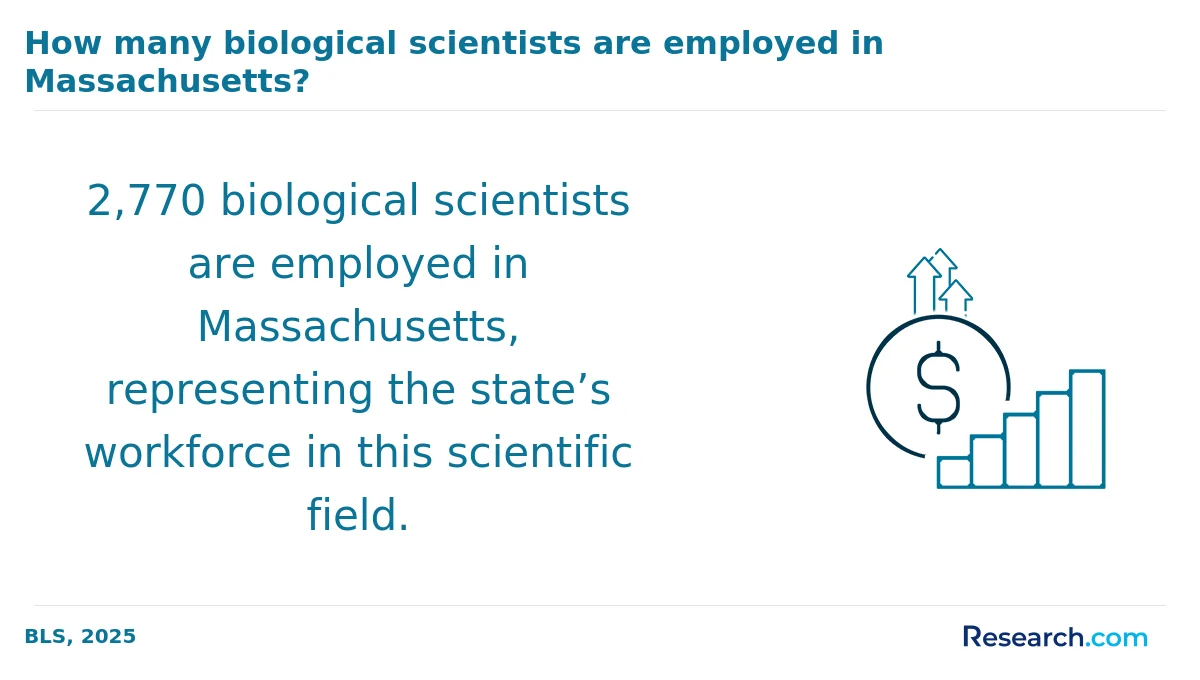
Imagine unlocking a treasure chest of financial aid as you dive into your online biology studies in Florida-where Pell Grants can shower you with up to $7,395, easing the path toward uncovering life's mysteries. Graduates from the University of Florida often tell tales of the Florida Student Assistance Grant (FSAG) lifting their spirits and tuition loads alike, especially when juggling work and coursework.
The Bright Futures Scholarship buzzes like a friendly pollinator, rewarding those who've poured passion into academics across the state, including Florida State University's virtual biology classrooms. Picture community foundations and organizations like the Florida Academy of Sciences stepping in like curious mentors, handing out private scholarships to fuel your scientific quests.
For many working professionals, employer tuition assistance programs become a secret ally-transforming weekday coffee breaks into moments of study and progress. Early FAFSA applications and glowing grades amplify these chances, making the dream of an affordable, quality biology degree in Florida come alive like a vibrant ecosystem thriving beneath your fingertips.
Diving into an online biology degree in Florida feels like unlocking a secret garden, but to enter, you first need the right keys. Picture a student at the University of Florida who breezed through his high school with a solid STEM foundation-biology, chemistry, algebra, all checked off like badges earned on a quest. This background isn't just paperwork; it's the sturdy bridge to mastering cellular mysteries and ecological webs later online.
Meanwhile, a Florida State University graduate recalls how their SAT scores weren't mandatory but acted as a secret weapon, opening doors to scholarships and competitive program spots. For those transferring in, imagine submitting transcripts reflecting college-level bio and chem courses as if handing over a map that says, "I'm prepared for the deeper dives ahead."
Others have shared stories of balancing application essays and recommendation letters like weaving narratives of passion that fueled their biology dreams. Whether it's proving English proficiency or meeting application fees, these steps built a launchpad under their ambitions in Florida's online biological sciences scene.
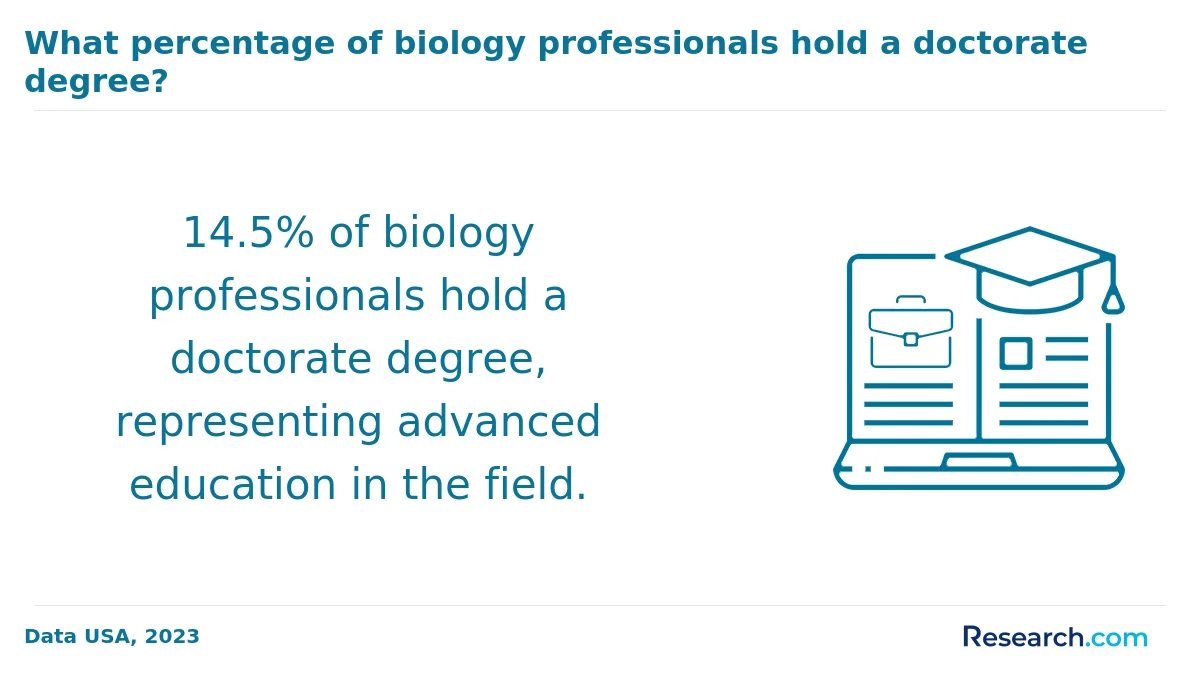
Diving into an online biology degree in Florida means immersing yourself in courses that bring life's mysteries into clear focus. Graduates from popular schools like the University of Florida often recall their first encounter with General Biology, where molecular magic and cellular battles unfold, painting a vibrant picture of life's blueprint. Imagine logging into Microbiology classes and exploring the hidden world of microorganisms that influence health and ecosystems-this feels like unlocking a secret garden.
Courses like Anatomy and Physiology at institutions such as Florida State University turn your screen into a fascinating exploration of body systems humming in harmony. Genetics classes make heredity tangible, making you the storyteller of traits passed down through generations.
Specializations bring the unique Floridian environment closer: Ecology sheds light on the Everglades' delicate dance of life, while Marine Biology plunges you into ocean waves teeming with biodiversity. Graduates cherish the hands-on feel, even through virtual labs, where bioinformatics and cellular communication feel just as thrilling as doing it in person.
Diving straight into the vibrant world of online biology degree specializations Florida offers, students often find themselves captivated by Marine Biology, especially with Florida's sprawling coastline. Picture a graduate from the University of Florida excitedly describing hands-on projects involving coastal ecosystems and sea turtle conservation, blending passion with purpose. Meanwhile, Biotechnology inspires another wave of learners who thrive on innovation at places like Florida State University, mastering genetic engineering and molecular biology with dreams of fueling breakthroughs in medicine.
Others gravitate toward the pulse of human health through Pre-Medical Biology or Biomedical Sciences, feeling that electric anticipation as they unravel the mysteries of anatomy and pharmacology, ready to join healthcare frontlines. Environmental Biology sparks a fire too, inviting students from the University of Central Florida to explore Florida's unique Everglades, melding ecology with policy to protect nature's grand designs. For those curious about the full spectrum, exploring best online biology degree options reveals insights into Florida biology degree programs concentrations that echo the state's ecological and scientific spirit.
Choosing the best online biology degree in Florida means immersing yourself in programs that don't just teach facts but spark wonder through real-world connections. Imagine a graduate from the University of Florida describing how virtual labs mirroring Florida's unique ecosystems made genetics and ecology come alive in her dorm room. These hands-on experiences-whether virtual or coordinated with local institutions-are what set great online biology programs apart.
Look beyond just tuition numbers; affordability matters, but so does the balance of rigorous academics and supportive faculty who inspire you like a mentor guiding a deep dive into marine microbiology off the coast of Miami. Florida's universities known for top biology programs weave these elements together, shaping students who thrive beyond textbooks.
Don't accept cookie-cutter programs. Embrace flexibility to fit your life and career dreams while staying connected to Florida's scientific community. Hundreds of students find success exploring easiest biology degrees online that combine this local flair with strong academic foundations. This approach reflects how affordable biology degrees online Florida can still offer profound, unforgettable learning journeys.
Graduates stepping into Florida's vibrant life sciences arena find themselves at a crossroads of thrilling possibilities. With an online biology degree in Florida, former students from institutions like the University of Florida or Florida State University often describe the thrill of navigating ecosystems as diverse as the Everglades, blending passion with purpose in roles that champion environmental conservation or wildlife preservation. Picture yourself conducting field research or shaping policies with the Florida Fish and Wildlife Conservation Commission, where your work directly nurtures habitats under the sun-soaked skies.
Others take the biomedical highway, fueled by curiosity and the steady heartbeat of healthcare innovation. Graduates often recount their transition into clinical research or lab technology, embracing the $54,000 median wage while advancing Florida's medical landscape. This path bridges the gap between biology and patient care, resonating deeply with those eager to make tangible impacts beyond the microscope.
Educational roles spark another palette of opportunities, as many biology graduates thrive in schools or interactive centers like aquariums, where science transforms into stories that captivate young minds. Meanwhile, Florida's booming biotech scene invites those curious about blending biology with computation-grads collaborate with over 1,200 companies statewide, carving niches at the cutting edge of bioinformatics.
Choosing an online program for these adventures offers flexibility and affordability, making options like a bachelor degree in biology online attractive for busy professionals ready to dive into Florida biology degree job opportunities.
The job market for online biology degree job prospects Florida graduates sparkles with promise, blending the vibrancy of bustling metro hubs like Miami and Tampa with the serenity of natural preserves. Graduates from renowned Florida universities often find themselves diving into roles as biological technicians or environmental scientists, where real-world tasks like preserving delicate ecosystems or assisting cutting-edge laboratory research become second nature.
Biology graduate employment opportunities Florida unfold in dynamic healthcare settings and thriving biotech firms, where innovation meets impact. Many graduates celebrate hands-on internships embedded in their programs, which transform theory into practical skills that employers crave. Entry salaries offer exciting entry points, with pathways quickly ascending toward specialized fields commanding $60,000 or more annually.
Florida's nurturing academic environment, combined with state initiatives, creates fertile ground for jobs in biotechnology startups and research centers. Those interested in aquatic or environmental biology can explore detailed paths, including aquatic biologist education requirements often incorporated into online curricula.
2027 Fastest Online Biology Degree Programs Ranking in Florida
Investing in your education is a significant decision that can shape your future, and the Research.com team understands the importance of making informed choices. To assist prospective students in Florida, we have meticulously crafted the "2027 Fastest Online Biology Degree Programs Ranking in Florida." Our commitment to quality, credibility, and accuracy is reflected in the extensive research and analysis conducted to compile this ranking.
We utilized the following reputable data sources to ensure a comprehensive evaluation of biology degree programs:
By exploring this ranking, readers will gain valuable insights into the fastest online biology degree programs available in Florida, helping them make informed and confident decisions about their educational paths. For more details on our methodology, please visit our Research.com methodology page.
# 1 position
University of Florida
Master of Microbiology and Cell Science: Medical Microbiology and Biochemistry

Frequently Asked Questions About biology
Online biology degree students in Florida can enhance their learning by actively engaging with course materials and participating in virtual labs and discussions. Florida universities often provide access to cutting-edge digital resources and databases that support scientific research. Students should take advantage of internship opportunities within Florida's extensive environmental and marine biology sectors, which offer practical experience.
Additionally, setting a consistent study schedule helps manage workload effectively, especially given the demanding nature of biology coursework. According to the National Center for Education Statistics, Florida ranks among the top states for enrollment in online science degrees, reflecting strong institutional support for remote learners.
Networking with peers and faculty via online platforms also fosters academic growth and collaboration in this competitive field.
Emerging niches within the biology field offer promising career paths, especially for students pursuing online biology degrees in Florida. One fast-growing area is marine biotechnology, leveraging Florida's extensive coastline and diverse marine ecosystems. According to the Florida Department of Environmental Protection, research in marine life innovations and conservation technology is rapidly expanding.
Another emerging niche is bioinformatics, where biology intersects with computer science. This field supports advances in genetics and personalized medicine, sectors growing quickly in Florida's healthcare industry. The Florida Biomedical Research Institute reports increased demand for professionals skilled in data analysis and biological modeling.
Environmental biology focused on climate change resilience and ecosystem management is also gaining momentum, driven by Florida's vulnerability to hurricanes and rising sea levels. These areas present opportunities for online biology students to specialize in applied research and policy development.
After completing an online biology degree in Florida, preparing for the job market involves several key steps. First, gaining practical experience through internships or research projects is essential. Florida offers diverse opportunities in marine biology, environmental science, and healthcare sectors, especially around institutions like the University of Florida and Florida State University.
Networking is also crucial. Joining local professional groups, such as the Florida Academy of Sciences, can connect graduates with employers and peers.
Finally, staying updated on certification requirements and seeking further specialization-for example, in biotechnology or conservation-can strengthen a candidate's profile in Florida's competitive biology job market.
Employers seeking biology degree graduates in Florida prioritize a mix of technical knowledge and practical skills. Strong laboratory skills, including proficiency with molecular biology techniques and data analysis, are essential. According to the Florida Department of Economic Opportunity, attention to detail and critical thinking are highly valued to handle complex biological data accurately.
Communication skills, both written and verbal, are also crucial, as scientists must present findings clearly to diverse audiences. Familiarity with bioinformatics and statistical software is increasingly important due to the rise of biotechnology jobs in Florida's growing life sciences sector, which employs over 80,000 people statewide per recent industry reports.
Additionally, teamwork and adaptability stand out, as many Florida biotech firms operate in collaborative environments. Overall, versatility combined with a solid foundation in biological sciences improves a graduate's employability in Florida's competitive market.
To find internships in Florida relevant to a biology degree, start by exploring university career centers. Many Florida schools with online biology programs have strong connections to local research institutions and environmental organizations. The Florida Department of Environmental Protection and the Everglades Foundation often offer internship opportunities for biology students.
Additionally, websites like Handshake and the Florida Internship Clearinghouse list biology-related internships statewide. Networking with faculty and joining professional groups such as the Florida Academy of Sciences can also provide leads. According to the National Association of Colleges and Employers, internships significantly increase employment chances post-graduation.
Obtaining an online biology degree in Florida can significantly enhance career mobility and advancement opportunities within the state. Florida's growing biotechnology and environmental sectors offer diverse job prospects for biology graduates. According to the Florida Department of Economic Opportunity, employment in life sciences is expected to grow 7% through 2030, which is faster than the average for all occupations.
Online degrees provide flexibility allowing students to gain relevant skills while maintaining current employment, which can lead to quicker promotions or job switches. Many employers in Florida value regionally accredited online degrees, especially those with coursework aligned to industry needs and research methods. Universities such as the University of Florida and Florida International University offer accredited online biology programs that meet these standards.
The accessibility of internships and research collaborations through Florida's universities also supports career growth. Graduates with online biology degrees often qualify for roles in healthcare, environmental consulting, and education, fields that consistently show positive salary trends statewide. Thus, these degrees help open doors to expanding professional networks and higher earning potential within Florida's competitive labor market.
Studying for a biology degree online in Florida equips students with skills essential for interdisciplinary careers combining biology with fields like environmental science, biotechnology, and public health. Florida's diverse ecosystems and strong research institutions provide unique opportunities for applied learning.
Many programs integrate courses in chemistry, computer science, and statistics, fostering a broad scientific foundation. According to the Florida Department of Education, over 40% of biology graduates find employment in interdisciplinary roles within five years, such as environmental consulting or pharmaceutical development.
Online formats also emphasize teamwork and communication, improving collaboration across scientific disciplines. This prepares graduates to adapt as biology intersects increasingly with technology and policy fields in Florida's growing industries.
When choosing between a thesis and a non-thesis online biology degree program in Florida, consider your career goals and learning preferences. Thesis programs emphasize original research, preparing students for doctoral studies or research-driven jobs. Non-thesis tracks focus more on coursework and practical skills, making them suitable for immediate entry into industry or education roles.
Florida colleges offering biology degrees, like University of Florida, note that thesis programs often require an additional semester, potentially increasing costs. According to the Florida Department of Education, about 35% of biology graduates from online programs opt for research-intensive careers, where a thesis can be crucial for advancement.
Evaluate faculty expertise and available research resources in your online program, as these affect thesis quality. Also, consider your time availability since thesis paths demand more self-motivation and extended commitment.
Students based in Florida who wish to study biology abroad while enrolled in online degree programs often seek partnerships between Florida institutions and international universities. Such collaborations can provide opportunities to complete coursework remotely and participate in study-abroad experiences or internships aligned with biology studies.
Florida's public universities, including the University of Florida and Florida State University, sometimes offer exchange programs facilitating biology students' access to overseas research facilities. However, the availability of these options varies by program and year. Prospective students should consult their academic advisors about current agreements.
Many online biology degrees emphasize research and lab work, which can limit fully remote international study options. Still, students may supplement online classes with short-term international trips or virtual collaborations with global researchers.
According to the Florida Department of Education, approximately 10% of biology undergraduates pursue some form of study abroad, often through summer programs or semester exchanges designed to complement their online coursework.
Students pursuing online biology degrees in Florida can benefit from various part-time jobs that align with their academic goals. Laboratory assistant positions at universities or research centers provide hands-on experience with biological experiments. According to the Florida Department of Education, openings in research support roles have grown by 8% over the past five years.
Wildlife rehabilitation centers and environmental conservation agencies also offer part-time roles where students can apply ecological knowledge in real-world settings. The Florida Fish and Wildlife Conservation Commission frequently seeks interns and assistants for fieldwork and data collection.
Additionally, healthcare facilities may hire biology students as medical or research aides, helping bridge education and practical skills. These opportunities complement coursework and enhance employability upon graduation.
Online biology students in Florida have several networking opportunities despite their remote status. Many state universities, such as the University of Florida and Florida State University, offer virtual student organizations and biology clubs that provide platforms for interaction and collaboration.
Additionally, students can attend Florida-based virtual science conferences and workshops, often sponsored by institutions like the Florida Academy of Sciences. These events allow students to connect with professionals and researchers active in the field.
Florida also hosts local chapters of national biology societies, which sometimes offer online networking events accessible to remote students. Leveraging social media groups specific to Florida biology students can further enhance peer connections and mentorship possibilities.
Alumni networks offer significant benefits for online biology degree students in Florida by providing valuable professional connections. Graduates from Florida's universities often join these networks, which include thousands of biology professionals working across academic, healthcare, and environmental fields.
These connections can lead to internship and job opportunities, which are crucial since Florida is home to numerous biotech firms and research institutions. According to the Florida Department of Economic Opportunity, biology-related jobs in the state are projected to grow by 14% over the next decade.
Alumni networks also facilitate mentorship, allowing students to gain insights into industry trends and research developments. This support can be instrumental for remote learners seeking guidance and career advice.
Customizing an online biology degree in Florida allows students to align their education with specific career goals. Many Florida universities offer a range of concentration options such as molecular biology, environmental science, or biotechnology. Choosing electives and specialized courses can help deepen expertise in these areas, which is essential for competitive fields like healthcare or research.
Florida schools also often provide opportunities for virtual internships and research projects that build practical skills. According to the Florida Department of Education, tailoring coursework to industry demands enhances job readiness in regional sectors such as marine biology and biomedicine. Additionally, academic advisors can assist in selecting courses that meet both degree requirements and professional objectives.
Online biology students in Florida often face several notable challenges. One major issue is limited access to hands-on laboratory experiences, which are crucial for mastering biological concepts but difficult to replicate virtually. Many programs try to address this with lab kits or local partnerships, though availability varies.
Another challenge is maintaining consistent internet connectivity, especially in rural areas of Florida where broadband access is less reliable. This can disrupt live lectures and coursework submission.
Additionally, Florida's biology students frequently report difficulties balancing coursework with work or family commitments, making time management essential. According to the National Center for Education Statistics, about 43% of online undergraduates nationwide juggle employment alongside studies, reflecting similar trends among Florida students.
Lastly, some students find it hard to engage fully without in-person interaction, affecting motivation and networking opportunities.
With an online biology degree in Florida, graduates can pursue several professional certifications to enhance their careers. Popular certifications include Certified Biological Technician (CBT) through the American Society for Clinical Pathology, which validates technical expertise in biological sciences.
Those interested in environmental biology may seek the Certified Ecologist credential from the Ecological Society of America, valuable for positions in Florida's diverse ecosystems. Additionally, the Florida Department of Health offers certifications for roles such as laboratory technologists, which require a biology background and state licensure.
Certification programs often require specific coursework, exams, and experience, so online biology students should verify eligibility early. These credentials improve job prospects in research, environmental consulting, and healthcare fields across Florida.
To write a winning application for an online biology program in Florida, start by focusing on academic achievements. Highlight your strong science background, including coursework in biology, chemistry, and math. Florida universities often require a minimum GPA of 3.0 for competitive programs. Include relevant experiences such as laboratory work, internships, or volunteer roles related to biology to demonstrate practical skills.
Craft a compelling personal statement that explains why you want to study biology online and how it fits your career goals. Florida's biology job market is growing, with a 7% rise expected by 2031, according to the U.S. Bureau of Labor Statistics, showing demand for qualified graduates.
Lastly, secure strong letters of recommendation from instructors familiar with your scientific abilities and work ethic to improve your chances.
Biology careers have a strong global outlook, with increasing demand for expertise in fields like environmental science, biotechnology, and healthcare. In the United States, biology remains a popular degree choice, with the U.S. Bureau of Labor Statistics projecting a 5% growth in life scientist roles from 2021 to 2031. Florida, known for its rich biodiversity and growing healthcare sector, offers unique opportunities for biologists in conservation and medical research. According to Florida's Department of Economic Opportunity, the life, physical, and social science occupations are expected to grow faster than average statewide.
Florida's online biology degrees attract students looking to combine flexible learning with access to research institutions like the University of Florida and Florida State University. Graduates can leverage global scientific developments while addressing local ecosystems. Understanding global challenges such as climate change and pandemics increases the relevance of biology careers worldwide, offering diverse paths from research to policy development.
Gaining practical experience while pursuing an online biology degree in Florida is essential for skill development and job readiness. Many Florida institutions offering online biology degrees have partnerships with local research centers and environmental organizations, allowing students to complete internships or volunteer work nearby. These opportunities provide hands-on experience in fields such as marine biology, ecology, and biotechnology.
Additionally, students can engage in virtual lab simulations or remote research projects, which some universities incorporate into their online curriculum. According to the Florida Department of Education, about 60% of biology programs in the state encourage combining online study with local practical experiences. This blended approach helps bridge the gap between theory and practice effectively.
Choosing the right concentration within an online biology degree program in Florida depends on your career goals and interests. Common concentrations include molecular biology, environmental biology, and biotechnology, each offering unique pathways. For example, Florida's growing biotechnology sector, especially in areas like Orlando and Tampa Bay, increases demand for specialists in molecular biology and bioinformatics (Florida Department of Economic Opportunity, 2023).
Consider programs that offer coursework aligned with Florida's key industries such as marine biology, given the state's extensive coastline and marine ecosystems. Accredited institutions must meet NCAA and SACSCOC standards, ensuring quality education that supports professional licensure or graduate studies.
Review faculty expertise and research opportunities, as these enhance learning and job readiness. Also, check whether your concentration offers internships or partnerships with Florida-based research institutions.
- 2027 Fastest Online Biology Degree Programs Ranking in Indiana
- 2027 Fastest Online Biology Degree Programs Ranking in Maryland
- 2027 Fastest Online Biology Degree Programs Ranking in Pennsylvania
- 2027 Fastest Online Biology Degree Programs Ranking in Texas
- 2027 Fastest Online Biology Degree Programs Ranking in Wisconsin
- 2027 Fastest Online Biology Degree Programs Ranking in Massachusetts
- Biology students continue decades of research experience ... https://www.ic.edu/news/05-14-2026/biology-students-continue-decades-research-experience-florida-keys
- Resources for 16-18 year olds https://www.sebiology.org/careers/school-students.html
- Most Popular Online Biological & Biomedical Sciences ... https://courseadvisor.com/majors/biological-and-biomedical-sciences/rankings/most-popular-online/bachelors-degrees/southeast/florida/
- 4 Types of Biology Concentrations | University of Bridgeport https://www.bridgeport.edu/news/biology-concentrations/
- Biology Major Jobs: Careers in the Biological Sciences | Houston Christian University https://hc.edu/articles/biology-major-jobs-careers-in-the-biological-sciences/
- Remote Biology Jobs: Work From Home Guide https://outlier.ai/blog/work-remotely-with-biology-degree
- What Can You Do With a Biology Degree? https://willamette.edu/academics/college/biology/career-options
- Careers in Biology https://www.aibs.org/careers/
- PROBLEMS AND CHALLENGES IN 21ST CENTURY ... https://journal.lppmunindra.ac.id/index.php/RDJE/article/download/26534/7915
- Study Biology Abroad | Go Overseas https://www.gooverseas.com/study-abroad/biology