2027 Easiest Online Master's in Biology Degree Programs Ranking in the Midwest

Co-Founder and Chief Data Scientist
Choosing the right online master's degree can feel overwhelming, especially in a field as dynamic as biology. This article introduces the 2027 Easiest Online Master's in Biology Degree Programs Ranking in the Midwest, crafted by the Research.com team of data scientists. It's designed to help you make an informed decision about which programs truly stand out.
Whether you want to advance your career or deepen your understanding of living systems, a biology degree opens many doors. Reading this guide will give you confidence in selecting a program that fits your goals and lifestyle.
Key benefits of getting online biology degree in the Midwest
- The average salary for biology-related careers in the Midwest typically ranges from $40,000 to $70,000 annually, offering stable income opportunities for graduates in healthcare, research, and environmental science fields.
- Biology graduates from popular Midwestern universities often find diverse career paths such as lab technician, wildlife biologist, or healthcare professional, allowing for fulfilling work aligned with their interests and skills.
- Completing a biology degree online in the Midwest provides flexibility for balancing work and study, often resulting in better time management and the ability to gain practical experience while earning the degree.
- 2027 Easiest Online Master's in Biology Degree Programs Ranking in the Midwest
- What can I expect from online biology degree in the Midwest?
- Where can I work with online biology degree in the Midwest?
What can I expect from online biology degree in the Midwest?
The average cost of an online biology degree in the Midwest typically ranges from $10,000 to $25,000 per year, depending on the institution and residency status. Many Midwestern public universities, for example, offer in-state tuition rates that are remarkably affordable, sometimes extending these rates to online learners regardless of where they live. Graduates from popular schools report that this flexibility significantly eased their financial burden while allowing them to build skills valuable in research or environmental work.
Financial aid and scholarships are commonly available, helping students manage tuition and other expenses. One graduate shared how applying for merit-based aid at a large Midwestern university reduced costs by nearly half. Additionally, some programs offer payment plans, making budgeting more manageable for working adults balancing coursework with other responsibilities.
While comparing costs, consider the total investment-factoring in potential fees for lab kits or occasional proctored exams. Planning early and reaching out to admissions offices at institutions well-known for online biology degrees in the region, such as those near agricultural hubs, can uncover helpful resources and optimize affordability.
Where can I work with online biology degree in the Midwest?
Graduates with an online biology degree in the Midwest typically find job opportunities across healthcare, environmental science, biotechnology, and research sectors. For example, many graduates from universities like the University of Illinois or Ohio State University secure roles in hospitals or public health departments, working as medical technologists or lab assistants-positions that benefit from the region's strong healthcare growth.
Others land environmentally focused jobs, such as with local conservation groups or government agencies like the EPA, especially in states abundant with farmland and parks like Michigan. These roles often involve hands-on work in ecology or natural resource management, providing a rewarding connection to the outdoors and community impact.
Biotech firms based in Minneapolis or St. Louis also hire biology graduates for roles in genetic research or pharmaceutical production, tapping into cutting-edge science careers. Postgraduate degrees can enhance chances to work in university research labs or government institutions, where coordination of molecular biology projects is common.
Overall, Midwest online biology graduates enjoy diverse, practical career paths grounded in regional industry strengths and community needs.
Graduates with an online biology degree in the Midwest can anticipate starting salaries generally between $40,000 and $50,000, especially in entry-level research assistant roles located in smaller cities or rural areas. For instance, a recent graduate from a popular Midwestern university found an entry-level position in a local laboratory near Minneapolis earning around $45,000, which helped cover living expenses while providing valuable experience.
More specialized roles, such as those in biotechnology firms or pharmaceutical companies in urban hubs like Chicago or Columbus, often offer salaries ranging from $70,000 to $90,000. Graduates pursuing these paths report feeling optimistic about their financial growth, noting the higher demand and competitive pay tied to advanced skills and certifications.
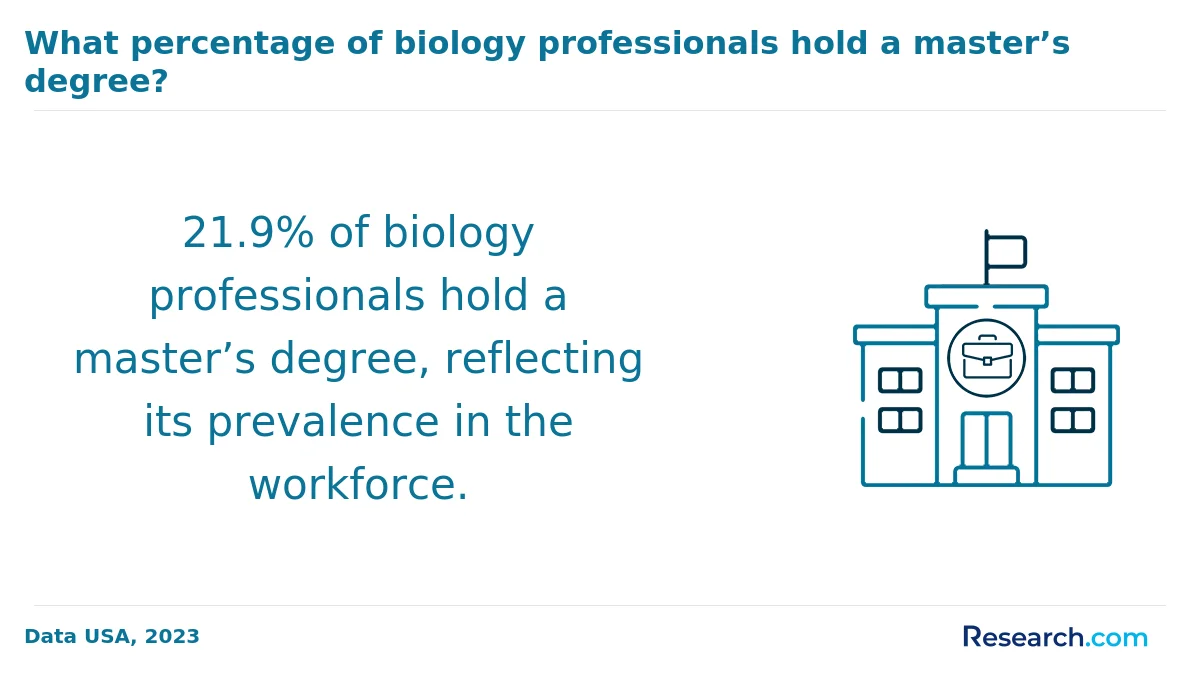
Holding a master's degree boosts earning potential by about 15%, a significant advantage highlighted by graduates who completed advanced studies at well-known Midwest institutions. They describe this as a meaningful step toward career advancement and salary stability.
- Tuition for online biology degrees in the Midwest ranges from $12,000 to $30,000, depending on the institution and whether it is public or private.
- Public universities typically offer more affordable tuition for in-state students compared to private institutions.
- About 15% of biology jobs in the region are in medical and health services, with many others in agriculture and environmental science.
- Starting salaries for biology graduates average $45,000 to $55,000 per year, with experienced professionals earning up to $80,000 annually.
- Many programs include on-campus labs or local internships to provide practical experience valued by employers.
- Midwestern states like Illinois, Ohio, and Indiana have the most online biology programs, often featuring specializations such as molecular biology and bioinformatics.
Completing an online biology bachelor's degree in the Midwest typically takes about four years for full-time students. Graduates from universities like the University of Illinois Springfield share how balancing a full course load each semester helped them stay on track within this timeframe. Part-time students or those opting for flexible schedules may take five to six years, which allows for managing work or family commitments without overwhelming pressure.
Master's degrees usually require one to three years, depending on the program structure. For example, Ohio University offers both thesis and non-thesis options, where students finishing 30 to 36 credit hours often complete their degree in about two years full-time. Many alumni appreciate choosing accelerated tracks that let them dive into core courses quickly, shortening the timeline significantly.
Key to success is understanding how course load, prerequisite classes, and any required lab work affect pacing. Transfer credits can effectively reduce total time. Midwest schools often emphasize flexibility, enabling learners to tailor their studies to fit personal schedules without sacrificing quality.
Online biology master’s programs in the Midwest provide robust services to ensure student success and engagement:
- Academic Advising: One-on-one support for course selection, degree planning and progress tracking.
- Career Services: Resume workshops, job placement assistance and virtual networking with industry partners.
- Virtual Labs & Libraries: Secure access to lab simulations, e-journals and regional research databases.
- Technical Support: 24/7 helpdesk for platform navigation, software issues and connectivity troubleshooting.
- Peer Networks & Mentoring: Discussion forums, study groups and connections with alumni in biology fields.
Many programs also highlight alternative health science pathways, such as exploring a pharmacist degree for expanded career opportunities.
Online biology degrees in the Midwest, such as those offered by public universities like the University of Illinois or Michigan State, provide practical flexibility ideal for students balancing work or family. Graduates often appreciate the ability to watch recorded lectures and access virtual labs at hours that fit their schedules, eliminating daily commutes. This convenience means you can study from your home in smaller towns or suburbs without relocating.
On-campus programs at institutions like the University of Wisconsin or Ohio State University offer immersive, hands-on lab experiences that online formats sometimes struggle to replicate. Students share stories about the value of face-to-face time with professors and peers, fostering deeper relationships and mentorships crucial for research careers.
Tuition costs remain comparable between online and in-person degrees in the Midwest, averaging around $10,200 annually for public schools. However, online students save on housing and transportation, helping ease financial pressure. Consider your learning style: if practical labs and direct engagement matter most, campus is ideal; if flexibility is crucial, online fits better.
The average cost of an online biology degree in the Midwest typically ranges around $12,928 for in-state students and can rise to approximately $25,376 for out-of-state attendees. Graduates from well-known public universities often remark on the affordability and flexibility, especially when attending schools in states like Ohio or Illinois, where credit requirements and tuition rates align favorably for residents. For bachelor's programs requiring between 120 and 140 credit hours, students can budget accordingly, knowing fees for lab materials or other online-specific resources often add a few hundred dollars per semester.
Private colleges in the Midwest generally have higher tuition rates, sometimes exceeding $30,000 annually. Yet, those graduates frequently share how scholarships and financial aid packages helped ease the expense burden, making the higher sticker price manageable. It's important for prospective students to carefully compare schools, since some institutions also offer accelerated options, which reduce both time and cost, appealing to those prioritizing efficiency.
For those looking into affordable online biology master's programs Midwest options also exist with credit hours totaling around 30 to 36, translating to lower overall tuition but similar additional fees for lab access or research components. When planning, consider how transferable credits can shorten your path and ultimately lower tuition costs.
Many students feel encouraged learning that a biology degree can open doors to lucrative careers. It is worth exploring pathways linked to the highest paying job with biology degree to justify this investment and support career planning.
When pursuing an online biology degree in the Midwest, securing financial aid starts with completing the FAFSA to access federal options like Pell Grants, which can cover up to $7,395 annually. Many biology students at popular Midwestern universities, such as those attending online programs at the University of Illinois or Ohio State University, found this step essential for their budgeting success.
Midwestern states often offer targeted grants, too. For example, Illinois's Monetary Award Program (MAP) and Ohio's Choose Ohio First Scholarship specifically support residents pursuing STEM fields like biology, helping students reduce tuition burdens significantly. Graduates from these programs report feeling more confident about managing their expenses.
Institutional scholarships for biology majors and research assistantships, occasionally open to online learners, provide additional financial relief. Students balancing work and study at schools like the University of Wisconsin-Madison have utilized these resources to lessen debt.
Finally, don't overlook employer tuition assistance or scholarships from organizations like the American Society for Microbiology, which some students have found inspiring and motivating during their degree journey.
To enroll in an online biology degree in the Midwest, you'll first need the right academic background. Most programs require a bachelor's degree if you're applying for a master's, often in biology, biochemistry, or a related science. For undergraduates, a high school diploma with solid science coursework works. Many graduates from popular Midwest universities, like University of Illinois or Ohio State, highlight how completing foundational classes-introductory biology, organic chemistry, and statistics-helped them feel confident starting advanced studies.
Standardized tests like the GRE may be required, but many programs in the region have made these optional recently. So, check individual college policies and save yourself some stress if you can. Access to reliable technology and internet is essential since online platforms and virtual labs are the primary learning modes. Graduates recall how having a quiet study space and steady internet at home made juggling coursework and life much smoother.
Finally, be ready to submit letters of recommendation, a statement of purpose, and a CV or resume. These documents showcase your motivation and relevant experience, which admissions committees at Midwest colleges value highly.
In Midwest online biology degree programs, expect a curriculum that covers essential biology areas with flexibility suited to online learners. Graduates from popular institutions often speak positively about core courses like Cell Biology, which dives into how cells function and interact, making concepts easier to visualize when you think about your own body's daily cellular activities.
Ecology and Evolution courses help students understand ecosystems, which Midwest universities emphasize due to the region's rich natural environments. For example, graduates recall virtual field trips and projects analyzing local biodiversity.
Genetics and Microbiology classes deepen understanding of heredity and microorganisms, relevant for fields like healthcare and environmental science, common career paths for Midwest students.
Many students appreciate Anatomy and Physiology courses that prepare them for health-related roles, often paired with practical lab experiences arranged through local partnerships.
Biochemistry and Research Methods equip learners with skills to analyze data and conduct experiments, essential for scientific careers. Midwest colleges balance theory with real-world relevance, making these courses engaging and applicable to today's biological challenges.
Online biology degree specializations Midwest universities commonly offer focus areas like molecular biology, environmental biology, microbiology, biotechnology, and conservation biology. Graduates from these programs often reflect on their hands-on experience with gene studies or ecosystem projects that directly prepared them for local job markets.
Molecular biology suits students driven to explore cells and genetics, ideal for health science roles. Environmental biology is highly relevant in the Midwest, with its strong agricultural economy, enabling students at regional universities to engage in sustainability initiatives or biodiversity research that impact local communities. Microbiology attracts those interested in healthcare or pharmaceuticals, while biotechnology students develop innovative medical or agricultural products. Conservation biology addresses the protection of species and habitats across the region's urban and rural landscapes, giving students a tangible connection to the environment they live in.
To explore more about biological science programs that match your interests and career goals, consider reviewing biological science programs. This step helps you identify specializations aligned with both your passion and the Midwest job market trends, supporting practical and rewarding career paths.
Start by verifying the program's accreditation, focusing on regionally accredited schools in the Midwest like those recognized by the Higher Learning Commission. Graduates from these programs often express confidence in transferability of credits and accessing federal aid, which lightens financial burdens. When assessing curriculum, look for a balance of foundational biology courses with electives tailored to your interests-whether you favor molecular biology or environmental sciences-much like students at popular Midwestern universities who appreciate flexible, relevant coursework.
Cost is a practical concern; affordable online biology programs Midwest typically range from $9,000 to $13,000 per year for public options, with private schools charging more. Comparing total expenses including materials helps avoid surprises. Graduates recall how research opportunities and faculty expertise enhanced their experience, especially programs offering virtual labs or summer projects at affiliated facilities. Also, consider the quality of student support services, such as career counseling and technical help, which many Midwestern colleges prioritize for online learners. For a practical list of options, explore the fastest biology online degrees available.
Graduates with an online biology degree in the Midwest find diverse career paths aligned with regional strengths. Many start as laboratory technologists or biomedical researchers within healthcare systems, a growing field as demand for biology skills increases. For example, graduates from universities like the University of Illinois or Ohio State report success securing roles in these health sectors. Others pursue research careers in nearby biotech hubs, such as those in Minnesota and Kansas City, benefiting from proximity to agricultural and pharmaceutical firms, a key advantage when exploring online biology degree careers Midwest.
Environmental science roles are common, with biology graduates engaging in conservation and environmental monitoring supported by the region's vast natural resources. State agencies and the EPA often provide internships that help students gain practical experience. Education is another viable route, especially for those attending colleges known for strong teacher prep programs; they prepare for certification exams needed in many Midwestern states. Many biology graduates appreciate that studying at popular Midwestern schools equips them well for these varied opportunities, blending academic knowledge with local job prospects.
Considering costs and outcomes, prospective students often seek the cheapest online biology degree options in the Midwest to maximize return on investment. Starting salaries typically range from $45,000 to $60,000, reflecting solid mid-tier earning potential for biology-related jobs in the region.
The job outlook for online biology graduates Midwest is steady, supported by strong demand in agriculture, healthcare, and environmental sectors typical of the region. Graduates from prominent Midwestern schools often find opportunities at research institutions or biotech firms located near urban centers like Chicago or Minneapolis. These roles might involve crop innovation, pharmaceutical research, or managing natural resources, reflecting the Midwest's diverse economy. Practical experience gained through internships offered by popular universities helps graduates stand out despite the challenges of a primarily online education.
Midwest online biology degree employment opportunities typically include positions in labs, field research, and data analysis, where employers value skills in bioinformatics and laboratory techniques. Salaries range broadly from $60,000 to $75,000 annually, with higher wages in states boasting strong biotech hubs. Students should also consider in-state public universities that offer tuition around $30,000, making the degree affordable with positive employment returns.
Those wondering what do you need to do to become a biologist benefit by building practical skills and networking through university programs, preparing them to enter this promising regional job market.
2027 Easiest Online Master's in Biology Degree Programs Ranking in the Midwest
Investing in your education is a significant decision that can shape your future, and the Research.com team understands the importance of making informed choices. To assist prospective students interested in biology, we have carefully developed the "2027 Easiest Online Master's in Biology Degree Programs Ranking in the Midwest." Our dedication to quality, credibility, and accuracy is demonstrated through rigorous research and analysis supporting this ranking.
We utilized the following reputable data sources to ensure a comprehensive evaluation of these programs:
By consulting this ranking, readers will gain valuable insights into the most accessible online biology master's programs in the Midwest, empowering them to choose the best fit for their goals. For additional information on how this ranking was created, please visit our Research.com methodology page.



Frequently Asked Questions About biology
Students pursuing online biology degrees in the Midwest can enhance their learning by actively engaging with virtual labs and simulation tools, which replicate hands-on experiences critical in biology education. Research shows that Midwestern institutions increasingly integrate these technologies to maintain high educational standards (National Center for Education Statistics, 2023).
Joining regional biology organizations, such as the Midwestern Association of Biology Teachers, offers networking and mentorship opportunities. These connections can provide practical insights and career guidance beyond the virtual classroom.
Additionally, students should leverage local internships at nearby research centers or universities. The Midwest hosts several prominent biology research facilities, including those affiliated with the University of Michigan and the University of Illinois, that often support remote learners.
Emerging niches within the biology field are shaping new career paths, especially for students pursuing online biology degrees in the Midwest. One fast-growing area is bioinformatics, which combines biology, computer science, and statistics to analyze large data sets like genetic information. According to the National Science Foundation, Midwest universities are expanding research in this field due to the region's strong healthcare and agricultural sectors.
Another important niche is environmental biology focused on sustainability. With the Midwest's vast agricultural landscape, programs emphasize studying ecosystem health and conservation strategies. Jobs in biotechnology, particularly in agricultural biotech, are also rising as local industries adopt new technologies to improve crop resilience. These niches reflect current regional needs and offer promising opportunities for online biology graduates.
To prepare for the job market after earning an online biology degree in the Midwest, students should focus on gaining relevant work experience and networking within local industries. Internships or research opportunities at regional universities, healthcare facilities, or environmental organizations can improve practical skills and enhance resumes.
Strong communication and technical skills are vital, as Midwest employers increasingly seek candidates who can analyze data and collaborate across disciplines. The U.S. Bureau of Labor Statistics reports a projected 5% growth in biological science jobs through 2031, particularly in states like Illinois and Ohio.
Obtaining certifications relevant to biology fields, such as laboratory techniques or project management, may also boost employability.
Employers in the Midwest seeking biology degree graduates prioritize a blend of technical and soft skills. Strong analytical abilities and proficiency in laboratory techniques remain essential, as reported by the Bureau of Labor Statistics and regional workforce studies. Data analysis, particularly using software like R or Python, is increasingly demanded due to the rise in bioinformatics roles. Communication skills are equally important, enabling graduates to convey complex scientific results clearly to diverse audiences.
Understanding environmental regulations and local ecosystems is a plus, especially in agriculture-heavy states like Iowa and Illinois, according to the Midwest Biological Sciences Workforce report (2023). Teamwork and problem-solving skills also feature prominently in employer surveys across the region.
Finding internships in the Midwest relevant to a biology degree involves exploring multiple local resources. Many universities with online biology programs maintain partnerships with regional employers in healthcare, agriculture, and environmental science. For example, institutions often connect students with research centers, like the Great Lakes Bioenergy Research Center.
Additionally, websites like Handshake and the National Association of Colleges and Employers (NACE) list internship opportunities tailored for biology students. It's essential to network with faculty and join professional organizations such as the Midwest Ecology and Evolution Conference, which frequently promote internships.
Graduate students should also consider government agencies like the USDA Midwest centers, which offer internships every year focused on biology-related research.
An online biology degree can significantly enhance career mobility and advancement opportunities in the Midwest. The region's strong focus on agriculture, healthcare, and environmental sciences means graduates with biology expertise are in demand. According to the Bureau of Labor Statistics, biological technicians in the Midwest can see employment growth of about 5% through 2031, aligning with national trends.
Many employers in states like Illinois, Ohio, and Michigan recognize accredited online biology programs, allowing graduates to qualify for roles traditionally requiring on-campus education. This flexibility enables working professionals to upskill without relocating. Additionally, advanced degrees often lead to higher salaries and leadership positions in research labs, biotech companies, and environmental agencies.
Institutions such as Purdue University and the University of Illinois offer respected online biology master's degrees that facilitate career advancement while accommodating busy lifestyles. Their curricula emphasize applied skills relevant to the Midwest's job market.
Studying for a biology degree online in the Midwest offers strong preparation for interdisciplinary roles by integrating diverse scientific fields. Many Midwestern universities emphasize collaboration between biology, environmental science, data analytics, and health disciplines. According to the National Center for Education Statistics, Midwestern institutions often include coursework that combines molecular biology, ecology, and bioinformatics, equipping students with versatile skills.
These programs leverage regional research strengths, such as agriculture and public health, helping students apply biology knowledge in real-world contexts. The emphasis on problem-solving with cross-disciplinary tools typically increases graduates' employability in sectors like biotechnology, healthcare, and environmental consulting.
When choosing between a thesis and a non-thesis online biology degree program in the Midwest, consider your career goals first. Thesis programs typically involve original research and prepare students for doctoral studies or research-focused jobs. Non-thesis options emphasize coursework and practical skills, suitable for those seeking industry or education roles.
Midwestern universities offering biology degrees often follow this standard, but check specific requirements. For example, the University of Missouri lists a thesis program for students aiming at research, while their non-thesis path suits teaching or applied positions.
Research from the National Center for Education Statistics shows about 60% of biology master's graduates in the U.S. choose non-thesis options, reflecting career trends.
Assess your time commitment and interest in research; thesis programs usually demand more hours and independent work, while non-thesis tracks have more structured classwork.
Students in the Midwest interested in studying biology abroad through online programs have several options. Many Midwestern universities partner with institutions overseas, allowing students to complete part of their biology degree remotely while earning credits recognized internationally. According to the National Center for Education Statistics, approximately 12% of Midwestern institutions offer such collaborative online programs in the sciences.
Some programs include virtual labs and global research projects, giving students exposure to diverse biological ecosystems without leaving home. Additionally, organizations like the Midwest Association of Graduate Schools support exchange programs that facilitate credit transfers for biology students.
These options help Midwestern students gain international experience and network globally while benefiting from familiar online learning platforms and accredited US degrees.
Students pursuing an online biology degree in the Midwest have several part-time job opportunities that complement their education. Laboratory assistants in universities and medical facilities often hire biology students, providing hands-on experience with scientific equipment. Additionally, internships at agricultural companies are common in states like Iowa and Nebraska, where agriculture strongly influences the economy.
Environmental field technicians also offer valuable work related to ecology and conservation. The U.S. Bureau of Labor Statistics predicts a 7% growth in biological technician roles through 2031, particularly in Midwest research centers. These jobs deepen practical knowledge while aligning with academic goals.
Online biology students in the Midwest benefit from numerous networking opportunities despite the remote learning format. Many universities in this region offer virtual seminars, workshops, and biology-focused student organizations that connect learners with faculty and industry professionals. For example, Midwestern schools often collaborate with local research institutions and biotech companies, allowing students to access mentorship and internship possibilities.
Professional groups like the Midwest Section of the American Society for Microbiology hold annual conferences where students can present research and meet peers. According to the National Science Foundation, Midwestern states employ approximately 15% of the nation's biological scientists, emphasizing strong local industry connections valuable to students.
Alumni networks play a crucial role for students pursuing online biology degrees in the Midwest. These networks provide access to professional connections that can enhance career opportunities in fields like biotechnology, environmental science, and healthcare. According to the National Center for Education Statistics, Midwestern universities often emphasize strong alumni engagement, which helps graduates find internships and job placements.
Many biology alumni participate in mentoring programs, offering guidance tailored to the unique challenges of remote learners. They also share insights about local industry trends in states like Ohio and Illinois, where biology-related jobs are growing.
Furthermore, alumni events and online communities facilitate knowledge exchange, helping students stay updated on scientific advancements specific to the region. This networking often leads to collaborations on research projects or professional development opportunities.
Customizing an online biology degree in the Midwest involves selecting electives and concentrations aligned with your career goals. Many universities offer specialized tracks such as molecular biology, environmental science, or biotechnology. For example, the University of Michigan provides options to focus on bioinformatics or ecology through online coursework.
Students can also pursue research projects or internships with local institutions to gain practical experience, even remotely. According to the National Center for Education Statistics, over 40% of Midwest schools with biology programs allow credit transfer for relevant work experience or certifications, helping tailor your learning path.
Advising services are key; academic counselors help map courses to industry demands, particularly in sectors vital to the Midwest economy like agriculture and healthcare. This flexible approach supports diverse career goals, from lab research to environmental consulting.
Online biology students in the Midwest often face unique challenges related to practical lab experiences. Biology programs typically require hands-on laboratory work, which can be difficult to replicate virtually. Many institutions try to address this by offering intensive on-campus residencies or partnerships with local labs.
Another common issue is limited access to research opportunities. According to the National Center for Education Statistics, Midwest universities have fewer online-focused research collaborations compared to other regions, which can affect practical skill development.
Additionally, students may encounter connectivity problems in rural areas, impacting their ability to participate in synchronous sessions. Navigating these issues requires strong self-discipline and effective time management skills.
With an online biology degree, particularly from Midwest schools, students can pursue several professional certifications to enhance their careers. Common certifications include Certified Biological Safety Professional (CBSP) and the American Society for Clinical Pathology (ASCP) certifications for laboratory professionals.
Others may target environmental certifications, like those offered by the National Registry of Environmental Professionals (NREP), which are relevant to biology graduates focused on ecology or conservation.
Obtaining these credentials often requires specific coursework plus work experience, which many online programs in the Midwest support through partnerships and internships. According to the U.S. Bureau of Labor Statistics, growth in biology-related fields in the Midwest is steady, increasing the value of certifications.
To write a winning application for an online biology program in the Midwest, start by clearly demonstrating your passion for biology and relevant experiences. Many Midwestern universities emphasize practical skills and research, so highlight any lab work, internships, or related employment. Maintain a strong GPA, as competitive programs often require at least a 3.0.
Craft a compelling personal statement that connects your career goals with the program's strengths. According to the National Center for Education Statistics, schools like the University of Illinois and Ohio State prioritize well-rounded candidates who show both academic capability and clear motivation.
Obtain letters of recommendation from professionals familiar with your scientific work or academic performance. Finally, ensure all application materials are complete and free of errors; attention to detail reflects your commitment to success in a rigorous biology program.
The field of biology offers diverse career opportunities with a strong global impact. In the United States, particularly the Midwest, biology professionals contribute to areas like healthcare, environmental conservation, and agricultural innovation. According to the U.S. Bureau of Labor Statistics, biological scientists in the Midwest earn a median annual wage of about $75,000, reflecting steady demand.
Global challenges such as climate change and pandemics have increased the value of expertise in biology. Online biology degrees from Midwestern universities prepare students to engage in international research and collaboration.
The growing emphasis on biotechnology and sustainability worldwide makes biology careers relevant beyond borders, offering graduates a competitive edge in a global job market.
Gaining practical experience while pursuing an online biology degree in the Midwest often involves integrating local opportunities with virtual coursework. Many universities encourage students to engage in internships or research projects at nearby institutions, such as the University of Michigan's biological research labs or the Mayo Clinic in Minnesota. According to the National Science Foundation, hands-on experiences significantly improve career prospects for biology graduates.
Students can also volunteer with environmental organizations or participate in fieldwork supported by state natural resource departments. These real-world activities complement online studies and deepen understanding of biological concepts.
Additionally, some programs incorporate virtual labs and simulations, which provide valuable interactive learning when in-person options are limited.
Choosing the right concentration within an online biology degree program in the Midwest involves considering your career goals and local industry demands. Popular specializations include molecular biology, environmental biology, and biotechnology. The Midwest has a strong agricultural and manufacturing sector, which often values expertise in plant sciences and bioinformatics.
Review program curricula carefully, as courses should align with your intended career path. According to the National Center for Education Statistics, biology enrollment in Midwestern colleges is growing, reflecting demand in health and research fields. Looking at regional job outlooks from the U.S. Bureau of Labor Statistics can also help you decide which concentration offers good employment prospects.
- WI Higher Educational Aids Board - External Links https://heab.state.wi.us/exlinks.html
- Bachelor Degree Requirements https://msutexas.edu/academics/scienceandmath/biology/courses-bareq.php
- What Can You Do With a Biology Degree? https://willamette.edu/academics/college/biology/career-options
- How To Become A Biologist | Biology Degrees And Careers https://www.learnhowtobecome.org/science-technology-careers/biology/
- Biology Master of Science https://www.unk.edu/academics/msbio/index.php
- Remote Teaching Science Biology Job Midwest https://www.virtualvocations.com/q-remote-teaching-science-biology-job-midwest.html
- Biology Major Jobs: Careers in the Biological Sciences | Houston Christian University https://hc.edu/articles/biology-major-jobs-careers-in-the-biological-sciences/
- Online Bachelor's Degree Completion Financial Aid https://www.hamline.edu/admission-aid/financial-aid/online-bachelors
- 6 Great Colleges for Marine Biology in the Midwest https://sayhellocollege.com/blog/6-great-colleges-for-marine-biology-in-the-midwest/
- Careers Guidance https://www.rsb.org.uk/career-guidance.html