2027 Fastest Online Master's in Biology Degree Programs Ranking in the Northeast

Co-Founder and Chief Data Scientist
Taking the next step in your education is exciting, especially when it comes to advancing in the field of biology. Finding the right program can feel overwhelming, but we're here to help.
This article features the 2027 Fastest Online Master's in Biology Degree Programs Ranking in the Northeast, created by the Research.com team of data scientists. It's designed to give you clear, reliable insights into top programs worth considering.
Exploring these options will empower you to make an informed decision and open doors to new opportunities in biology.
Key benefits of getting online biology degree in the Northeast
- Biology degree graduates in the Northeast often pursue careers in healthcare and research, with many earning competitive salaries around $60,000 to $80,000 annually, reflecting strong earning potential.
- Graduates from popular Northeast universities, like Boston University, find diverse career paths including environmental science, biotechnology, and education, offering exciting opportunities to make an impact.
- Obtaining a biology degree online from schools like the University of Massachusetts allows flexible learning schedules and reduces commuting, making it easier to balance work and study while still accessing quality education.
- 2027 Fastest Online Master's in Biology Degree Programs Ranking in the Northeast
- What can I expect from online biology degree in the Northeast?
- Where can I work with online biology degree in the Northeast?
What can I expect from online biology degree in the Northeast?
The average cost of an online biology degree in the Northeast typically ranges from $15,000 to $40,000, depending on the institution and program length. Graduates from well-known universities like those in Massachusetts or New York often recount that while tuition can feel like a significant investment, the flexibility and quality of education make it worthwhile. Many appreciate how online formats allow them to balance work and study without relocating, which can offset expenses related to housing and commuting.
One graduate shared how their program's integration of virtual labs and local partnerships made expensive travel for hands-on experience unnecessary, adding real value without extra cost. Another highlighted that scholarships and financial aid widely available at reputable Northeast colleges help ease the financial burden, making advanced biology studies more accessible.
Investing in these programs means gaining practical skills and connections from active faculty researchers, which often leads to strong employment prospects in healthcare or environmental sectors predominant in this region. This approach turns tuition into an investment in a promising career rather than just an expense.
Where can I work with online biology degree in the Northeast?
Graduates with an online biology degree from institutions like the University of Massachusetts or Cornell often find themselves welcomed into thriving biotech hubs concentrated around Boston and New York. Many share how their first roles as lab technicians or research assistants quickly lead to dynamic positions in pharmaceutical companies, where the pulse of genetics and molecular biology innovation beats strongest.
Others describe rewarding experiences working with environmental agencies across New Jersey and New York, where their skills contribute to vital conservation projects and regulatory compliance. The chance to actively protect natural resources creates a sense of purpose beyond a typical job.
Teaching biology at community colleges or high schools within the region offers graduates a fulfilling avenue to inspire the next generation. Additionally, roles in hospitals and health research centers give graduates opportunities to engage deeply with clinical trials or epidemiology, reinforcing the Northeast's strong medical presence.
These careers don't just provide employment; they build community and foster lasting professional growth. Many alumni reflect fondly on how their biology degree opened doors to meaningful work that resonates with their passion for science and service.
Graduates from online biology programs in the Northeast often find rewarding salary opportunities shaped by their expertise and regional demand. Those working as biochemists or biophysicists near urban centers like Boston and New York City frequently earn salaries exceeding $90,000 annually. For example, alumni from well-regarded institutions such as Northeastern University and the University of Massachusetts report entering the workforce with starting positions paying around $55,000, progressing to salaries near $95,000 or more as experience grows.
Many graduates land roles in biotechnology firms or pharmaceutical companies located in New Jersey and Connecticut, where wages typically surpass those in more rural locales. Biological technicians beginning their careers may expect earnings close to $50,000, with potential to rise to about $65,000 over time through gained skills and responsibility. Experienced managers in biology-related fields often cross the six-figure mark, reflecting the complexity and leadership demands of their roles.
These salary figures underscore the value of online biology degrees from accredited Northeast colleges, demonstrating how dedication and choosing the right location can translate into meaningful career growth and financial stability.
- Online biology degrees in the Northeast cover areas like genetics, ecology, microbiology, and biotechnology, offered by accredited universities in states such as New York and Massachusetts.
- Bachelor's tuition costs range from $15,000 to $35,000, while graduate programs may cost between $20,000 and $50,000, with financial aid available.
- Entry-level salaries for biology graduates in the region average $50,000 to $60,000, with mid-career earnings reaching $80,000 to $100,000 in specialized fields.
- The job market is growing at about 5% through 2031, driven by demand in health sciences, environmental policy, and research sectors.
- Many programs offer career services, internships, and networking opportunities to help students gain employment in biotech, clinical labs, and research institutions.
Completing an online biology degree in the Northeast often takes about four years for undergraduates when studying full-time, similar to traditional campus timelines. Many graduates from universities in New York or Massachusetts share that the flexibility of online courses made it possible to balance family or part-time work, sometimes allowing them to finish sooner or comfortably extend their studies without added pressure.
For master's degrees, working professionals across Pennsylvania and neighboring states often find themselves navigating timelines between 18 months and three years. The availability of accelerated and year-round courses at well-regarded institutions helps them tailor their pace, fitting science coursework around busy schedules. Graduates frequently mention that this adaptability reduces stress and fosters a genuine enthusiasm for learning despite their commitments.
Ultimately, factors like credit requirements, enrollment status, and program style play crucial roles in completion time. Reflecting on their journeys, many recognize that the supportive online environments in Northeastern schools offer a rewarding path that respects each learner's unique situation-making the pursuit of biology both achievable and fulfilling.
Online biology master's programs in the Northeast ensure you master essential hands-on skills through:
- Virtual simulations that replicate cell dissections, molecular assays and ecological surveys on intuitive platforms
- At-home lab kits shipped directly, complete with microscopes, reagents and detailed protocols to practice techniques safely
- Partnerships with local research labs or institutions for optional on-site fieldwork, internships and collaborative projects
These blended lab options guarantee you graduate with both theoretical knowledge and real-world expertise. Curious about lab-intensive curricula in related fields? Check out online pharmd programs.
Graduates from universities like the University of Massachusetts and SUNY often reflect on the distinct rhythms of online versus on-campus biology studies in the Northeast. Online programs provide unparalleled flexibility, allowing students balancing work or family commitments to engage deeply with material from anywhere, a relief echoed by many who appreciated cutting out daily commutes through Boston's busy traffic or New York's hectic subway rides.
In contrast, on-campus biology students at institutions such as Northeastern University often emphasize the energy of campus life and spontaneous lab collaborations that enrich understanding beyond textbooks. Physical labs offer tactile experiences with microscopes and specimens that virtual labs try to simulate, but can never fully replace.
Cost-wise, some online learners note the savings on campus fees and housing, though occasional in-person lab sessions locally can counterbalance those savings. Still, many appreciate the strong academic standards shared across both formats, recognizing that success hinges on their own discipline and motivation in managing coursework.
Accreditation ensures your online biology degree is respected by employers, qualifies you for federal financial aid, and supports seamless credit transfer.
- Regional Accreditation: Opt for programs approved by NECHE or MSCHE to guarantee academic quality.
- Programmatic Standards: Look for curricula aligned with ABET biology guidelines or equivalent professional bodies.
- Verified Lab Components: Confirm virtual simulations and local lab partnerships meet industry requirements.
- Graduate Pathways: Credits from accredited programs streamline admission to advanced degrees like online pharmd programs.
The average cost of an online biology degree in the Northeast typically centers around $28,500 in total tuition, with significant variations depending on residency status and institution type. Graduates from popular programs at schools like the University of Massachusetts often find the in-state total cost to hover near $12,540, making the degree more accessible for local students. Out-of-state learners, meanwhile, face a median total cost close to $15,690. These figures reflect the reality that public institutions usually offer more affordable online biology master's programs in the Northeast, especially compared to private colleges where tuition rates can be substantially higher.
Many graduates recall that while the initial sticker price appeared daunting, understanding these median costs helped them manage expectations and plan smartly. One graduate from Rutgers University described balancing tuition expenses with scholarships and assistantships that softened the financial load, a strategy common among students seeking affordable online biology master's programs Northeast-wide.
It is also worth noting that additional fees-technology, lab, and administrative-can add several hundred to over a thousand dollars, depending on the university. Yet, the value derived from these programs often surpasses the cost. For those wondering about potential outcomes, there are numerous high paying biology jobs waiting for graduates who invest wisely in their education.
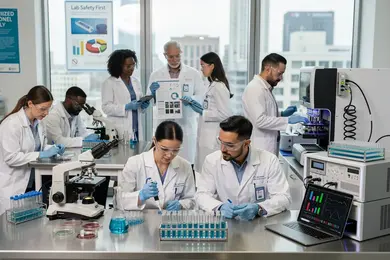
Understanding how practical components work can help you plan your studies and ensure you meet all graduation requirements.
- Virtual simulations
- Access to interactive platforms (e.g., Labster) for experiments in genetics, microbiology, and biochemistry
- At-home lab kits
- Mailed with reagents, safety gear, and step-by-step guides
- Local partnerships
- Optional in-person sessions at nearby accredited labs or partner institutions
- On-campus intensives
- Short residencies (1–2 weeks) for hands-on training and skill assessments
- Support and assessment
- Dedicated lab mentors, technical support, and digital submissions for lab reports
For those exploring similar online science degrees, consider affordable online pharmd programs to compare lab delivery models.
Many students pursuing online biology degrees in the Northeast find federal aid indispensable. For example, graduates from institutions like the University of Massachusetts or SUNY describe how Pell Grants, averaging about $4,000 yearly, helped ease tuition burdens. Those with higher financial needs were also awarded Supplemental Educational Opportunity Grants, which provided crucial additional funds. Graduate students, especially from private New England colleges, shared how federal Direct Loans, with their flexible terms and competitive interest rates, became a lifeline during advanced studies.
State-funded programs play a significant role as well. Undergraduates enrolled in New York's accredited online biology programs benefited greatly from the Tuition Assistance Program, receiving up to $5,000 annually. These grants often provided the difference between part-time work and fully focusing on studies, fostering a sense of relief and motivation among recipients.
Moreover, many Northeast universities back biology learners through merit-based scholarships that recognize academic excellence and research promise. Graduates reflect on how these scholarships, alongside fellowships from organizations such as the National Science Foundation, made rigorous STEM study both achievable and inspiring.
Some students, balancing jobs in healthcare or environmental sectors, gratefully used employer tuition reimbursement, blending work and study seamlessly. The combined effect of federal, state, institutional, and private resources turned daunting expenses into manageable investments, opening doors to fulfilling biology careers.
To finish your degree faster, focus on these proven strategies:
- Enroll full-time or select accelerated terms to complete more credits per session.
- Transfer eligible undergraduate or graduate credits-check each program’s credit-transfer policy.
- Take advantage of prior learning assessments (PLAs) or credit-by-exam options.
- Follow year-round course schedules, including summer and winter sessions.
- Choose self-paced or modular courses that let you progress at your own speed.
- Review acceleration models in related STEM fields (e.g., online pharmd programs) to spot best practices.
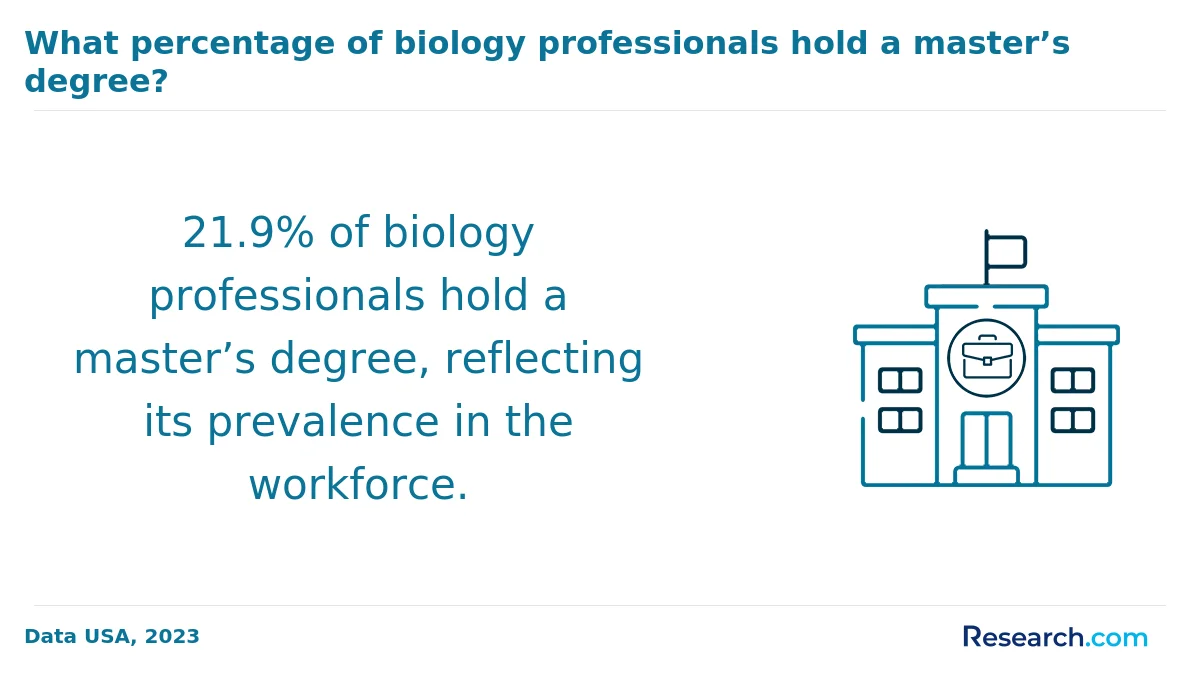
When preparing to enroll in an online biology degree program in the Northeast, it's essential to recognize the foundational knowledge schools expect. Graduates from universities like the University of Massachusetts often reflect on their early challenges mastering core science prerequisites, which helped them build confidence for advanced topics. Typically, applicants need a high school diploma for undergraduate programs or a relevant bachelor's degree for graduate studies.
Transcript requirements generally include successful completion of key courses such as biology, chemistry-including both general and organic-mathematics through calculus or statistics, and sometimes physics. These academic foundations aren't just bureaucratic boxes; they truly prepared many students for the depth of study ahead.
Beyond academics, letters of recommendation and personal statements play a significant role. Graduates frequently recall how their research experiences or internships, often highlighted in these documents, created a compelling application narrative that resonated with admissions committees at Northeastern University and similar institutions.
Understanding these prerequisites early can transform the application process from a daunting hurdle into a confident step toward a rewarding biology career in the Northeast.
Online biology programs integrate hands-on training to develop essential laboratory skills and ensure career readiness. Common models include:
- Virtual lab simulations for real-time data analysis and experiment replication
- Home-delivered lab kits with guided instructions and pre-measured materials
- Partnerships with local colleges or healthcare facilities for in-person lab days
- Short on-campus residencies or weekend intensives to practice advanced techniques
Evaluating these components helps you pick a program that balances flexibility with authentic lab experience. Many top online programs adopt strategies similar to online pharmd programs, blending virtual and in-person elements for maximum skill development.
Online biology degrees in the Northeast consistently include core courses like cell biology, genetics, ecology, and physiology, forming the backbone of students' understanding of life sciences. Graduates from institutions such as the University of Massachusetts have noted how mastering these foundational subjects helped them confidently analyze complex biological systems, whether studying cellular processes or ecosystem dynamics in their local environments.
Alongside these essentials, students often engage deeply with related sciences like chemistry and biochemistry, which provide crucial insights into molecular interactions that underpin biological functions. For example, learners at Northeastern colleges frequently share how organic chemistry coursework illuminated pathways they later encountered in biotechnology applications.
Many programs also emphasize statistics and research methods-skills vital for designing experiments and interpreting data. Graduates recall how these classes boosted their ability to communicate scientific findings clearly, preparing them for careers in healthcare or environmental research, fields prominent in the Northeast.
Specialized electives such as bioinformatics, molecular biology, or environmental biology allow students to tailor their studies to their ambitions. Those who have pursued environmental biology often reflect warmly on how local fieldwork and virtual labs enriched their online learning experience, bridging theory and practice despite the distance.
Students pursuing an online biology degree in the Northeast often encounter a rich array of specializations that reflect the region's scientific strengths. Graduates from universities in New York or Massachusetts frequently highlight the appeal of concentrating in Molecular and Cellular Biology, where they engage with cutting-edge genetics research fueled by biotech hubs in cities like Boston. Others thrive in Environmental Biology, drawn by coursework centered on ecosystem dynamics and conservation efforts tailored to this region's emphasis on sustainability.
Many biology master's degree concentrations Northeast programs incorporate Marine Biology, capitalizing on the extensive coastal environments accessible to learners. Students value the real-world connections they forge visiting local marine research centers. Popular concentrations also include Biomedical Science, offering pathways into healthcare or pharma research, and the rapidly evolving Biotechnology field where innovation is paramount.
Reasonably priced programs allow flexible options, and interdisciplinary specializations enhance career prospects, as echoed by graduates who found that combining biology with data science or public health provided a competitive edge. For those seeking detailed guidance on selecting programs, consulting the best online biological science degree programs proves invaluable.
Choosing the best online biology degree in the Northeast means prioritizing accredited programs that reflect the region's high educational standards. Graduates from well-known colleges such as those in Boston or upstate New York often highlight the value of programs recognized by regional bodies, which made transferring credits and gaining employer trust much smoother for them.
Consider a curriculum that fits your interests - whether it's molecular biology or ecology - and offers practical experiences despite being online. Some Northeast schools incorporate virtual lab simulations that former students found truly engaging, giving them confidence in applying their skills practically.
Affordability is another important factor; many students balance cost with quality by exploring affordable biology master's degrees in Northeast institutions that provide generous financial aid. One way to find solid options is to research accelerated biology online degree programs that can save time and money without sacrificing depth.
Finally, look for strong faculty involvement and student support services. Graduates often praise programs where professors actively publish research and advisors remain accessible, making online learning feel personalized and inspiring.
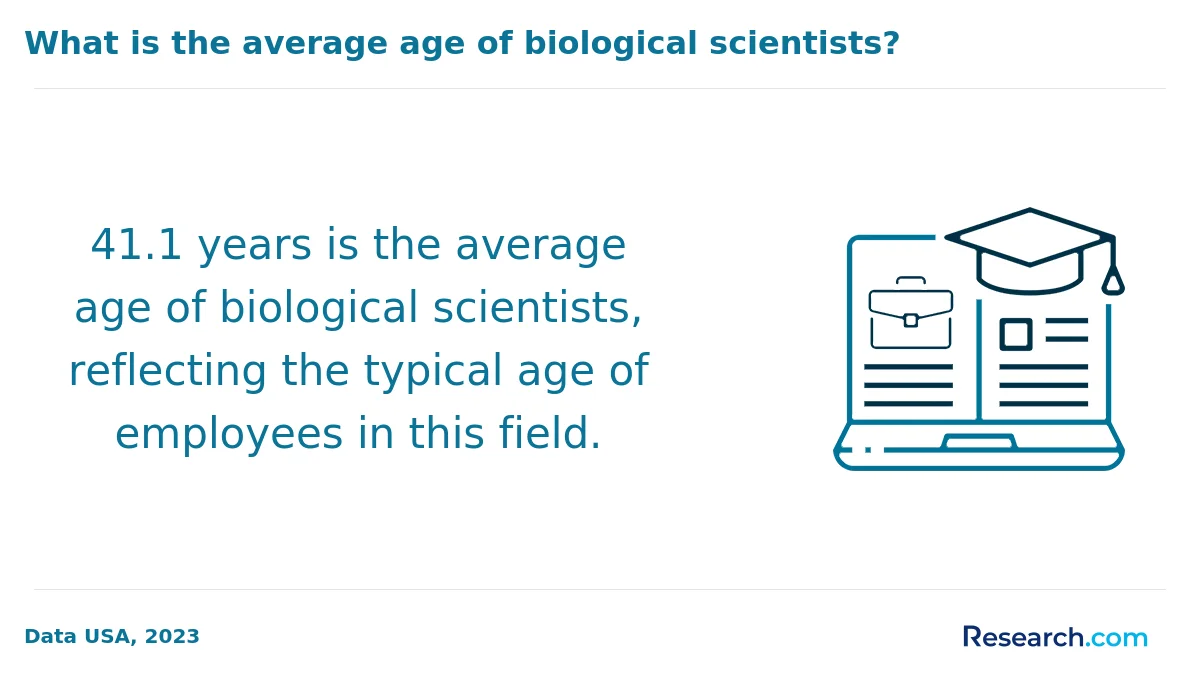
Graduates with an online biology degree in the Northeast often discover a wide spectrum of career paths waiting for them, shaped by the region's robust healthcare, environmental, and biotech sectors. Many find rewarding roles as biomedical researchers or clinical laboratory technicians, drawing on the expertise cultivated at popular institutions such as the University of Massachusetts or Boston University. These biology degree job opportunities in Northeast healthcare settings evoke a sense of purpose, as professionals contribute directly to advancements in patient care and medical research.
Others pursue careers in environmental science, working as conservationists or wildlife biologists with agencies managing the Northeast's diverse ecosystems. Graduates from colleges like Northeastern University often share how their studies inspired deep appreciation for the local environment, fueling their passion for protecting coastal and forest habitats.
Biotechnology hubs in the Boston-Cambridge area offer graduates positions in research and quality control, demonstrating how an online biology degree careers Northeast can be both innovative and lucrative. Many of these students reflect on the practical experience gained through internships that turned classroom knowledge into real-world impact.
For those drawn to education or communication, becoming science educators or writers offers fulfilling ways to help promote scientific literacy. Exploring affordable biology bachelor's degree online options allows prospective students to prepare for these diverse roles while balancing life commitments and finances.
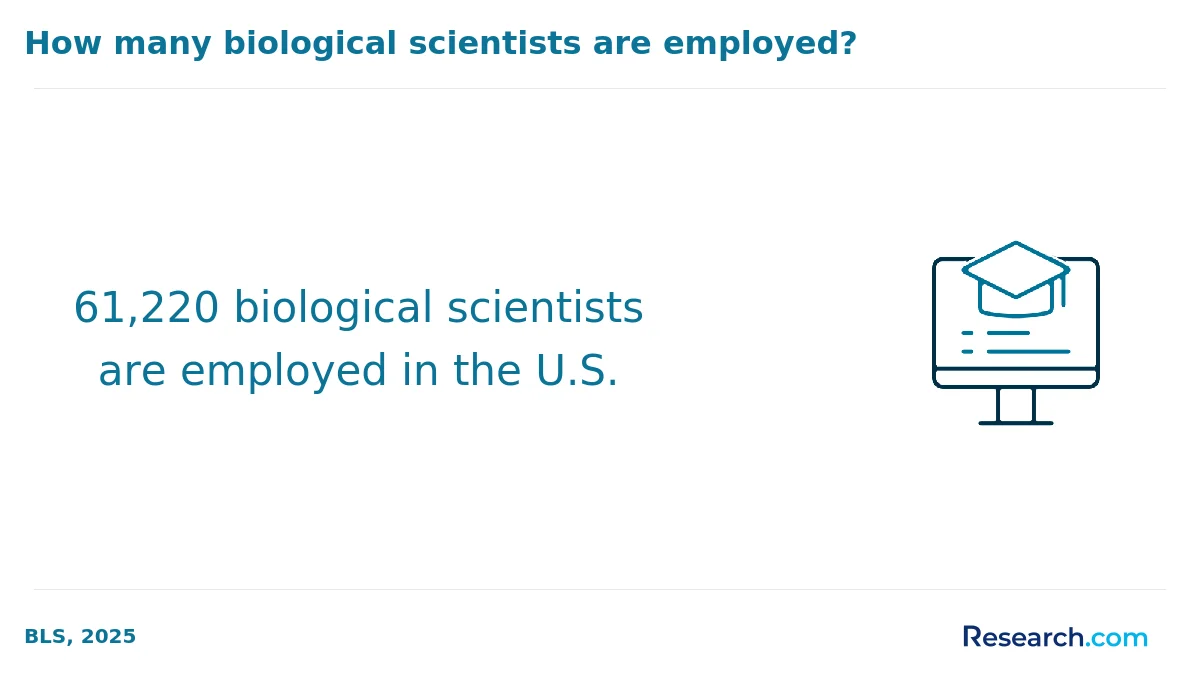
The job market for graduates with an online biology degree in the Northeast is marked by encouraging prospects, especially given the region's vibrant biotech hubs and healthcare sectors. Graduates from universities known for strong biology programs often find themselves well-positioned for roles in pharmaceutical firms, environmental consultancies, and medical research institutions clustered in cities like Boston and New York. Those pursuing biology careers experience excitement and optimism as they step into dynamic workplaces that value both foundational knowledge and specialized skills.
Many graduates report that the balance of online study alongside practical applications offered by these programs prepares them to meet the region's demand. This practical edge aligns closely with the regional growth in biology careers growth Northeast region, where employers seek individuals adept in current scientific methods and emerging technologies. The accessible format of online degrees reduces barriers, allowing students to focus on gaining credentials and certifications linked to their interests.
Succeeding in this field also means understanding the education needed to become a biologist, which often includes combining degree work with internships or lab experiences. Graduates frequently share how this comprehensive approach leads to a sense of readiness and confidence as they transition into competitive roles within the Northeast's robust science community.
2027 Fastest Online Master's in Biology Degree Programs Ranking in the Northeast
Investing in your education is a significant decision that can shape your future, and the Research.com team understands the importance of making informed choices. To assist prospective students, we have meticulously crafted the "2027 Fastest Online Master's in Biology Degree Programs Ranking in the Northeast." Our commitment to quality, credibility, and accuracy is reflected in the extensive research and analysis conducted to compile this ranking.
We utilized the following reputable data sources to ensure a comprehensive evaluation of biology programs:
By exploring this ranking, readers will gain valuable insights into the fastest online master's biology programs in the Northeast, helping them make well-informed decisions about their educational paths. For more details on our methodology, please visit our Research.com methodology page.


Frequently Asked Questions About biology
Online biology degree students in the Northeast can enhance their learning by actively engaging with virtual labs and simulations, which many accredited programs now offer. These tools help bridge the gap between theory and practice, crucial for understanding complex biological processes. According to the National Center for Education Statistics, over 40% of Northeast institutions provide such interactive content. Students should also participate in online discussion forums and connect with regional biology research groups to gain practical insights. Utilizing local internship partnerships can offer hands-on experience, an asset supported by numerous universities in the region. Regular communication with faculty and peers remains key to a successful online learning journey.
The field of biology is rapidly expanding, with several emerging niches gaining prominence in the Northeast. One key area is bioinformatics, which combines biology with data science to analyze complex biological data sets. According to the National Center for Biotechnology Information, institutions in the Northeast are leading advances in this specialty. Another growing field is synthetic biology, focusing on designing and creating new biological parts and systems, supported by research hubs like those in Massachusetts and New York.
Environmental genomics is also rising, addressing climate change impacts on ecosystems, an important concern for the region's diverse habitats. Additionally, neurobiology and personalized medicine continue to attract investment and research, especially near Boston's medical research centers.
Preparing for the job market after completing an online biology degree in the Northeast involves several strategic steps. Graduates should focus on gaining practical experience through internships or research opportunities offered by regional institutions such as the Marine Biological Laboratory in Woods Hole or local public health agencies. Networking with professionals in industries like biotechnology, environmental science, or pharmaceuticals is crucial, especially in hubs like Boston and New York. According to the Bureau of Labor Statistics, biological scientists in the Northeast earn a median annual wage higher than the national average, reflecting robust regional demand. Utilizing university career services and attending relevant conferences can also enhance job prospects.
Employers in the Northeast value biology graduates who combine strong technical expertise with practical problem-solving skills. Proficiency in laboratory techniques, including molecular biology and data analysis, is essential due to the region's emphasis on biotechnology and pharmaceutical industries. According to the New England Board of Higher Education, graduates skilled in bioinformatics and statistical software enjoy higher employment rates.
Communication skills are also highly sought after. The ability to present scientific findings clearly to interdisciplinary teams enhances collaboration. Additionally, experience with research methods and regulatory compliance aligns with the standards upheld by many Northeastern research institutions and healthcare companies.
Adaptability and continuous learning are important in this ever-evolving field, ensuring graduates remain competitive in dynamic job markets.
Finding internships in the Northeast relevant to a biology degree begins with leveraging local resources and institutional partnerships. Many universities, including those offering online biology programs, have established connections with regional hospitals, research centers, and environmental organizations. For example, institutions in Massachusetts and New York collaborate closely with biotech firms and academic research labs, where biology students often intern.
Students should utilize career services at their schools, which frequently list internship opportunities specifically geared toward biology majors. Networking through professional organizations like the American Institute of Biological Sciences (AIBS) can also be valuable.
Additionally, the Northeast features a strong concentration of federal agencies, such as the EPA's regional offices, offering internships in ecological and environmental biology fields. According to the National Science Foundation, about 35% of biology-related internships in 2023 were located in this region, reflecting robust opportunities tied to its high density of research institutions.
Proactive outreach to faculty mentors and alumni networks can further increase access to internships aligned with your online coursework and career goals.
Online biology degrees have become a practical path for career mobility and advancement in the Northeast. Many regional employers recognize accredited online programs from established institutions, which helps graduates compete for specialized roles in biotechnology, environmental science, and healthcare. According to the National Center for Education Statistics, enrollment in online graduate biology programs in Northeast states grew by over 15% from 2018 to 2022, reflecting increased demand.
Graduates with online biology degrees often qualify for higher-paying jobs or promotions, supported by the Bureau of Labor Statistics data indicating a median wage increase of approximately 12% for workers with advanced science degrees in this region. Additionally, flexible online study enables professionals to upskill without leaving their current roles, keeping pace with innovations in fields like genomics and pharmaceuticals.
Studying for a biology degree online in the Northeast equips students with a broad scientific foundation essential for interdisciplinary roles. Many universities in this region emphasize integrating biology with fields like environmental science, biotechnology, and data analysis. According to the National Science Foundation, Northeast institutions lead in research funding, supporting hands-on experience in emerging areas such as bioinformatics.
Students benefit from curricula designed to develop communication, critical thinking, and technical skills valued in various sectors, including healthcare and policy. Regional collaborations with biotech firms and research centers further enhance practical training.
These factors ensure graduates are prepared to navigate complex scientific challenges across disciplines.
When choosing between a thesis and a non-thesis online biology degree in the Northeast, consider your career goals. A thesis option typically involves original research and is ideal for students aiming for PhD programs or research careers. Non-thesis programs focus on coursework and practical skills, suitable for those pursuing professional jobs in industry or education.
Public universities in the Northeast, such as the University of Massachusetts and Rutgers University, offer both options with varying credit requirements. Research from the National Center for Education Statistics indicates that about 40% of online biology master's students in this region favor non-thesis tracks for faster completion. Understanding your long-term objectives helps select the right path.
Students in the Northeast interested in studying biology abroad often explore online programs with international components or partnerships. Many universities offer study-abroad opportunities integrated into their biology curricula, allowing students to earn credit while gaining global experience. Some Northeast institutions collaborate with schools in Europe, Asia, and Latin America, enabling remote learners to participate in virtual exchange programs or short-term residencies.
According to the Institute of International Education, about 60% of U.S. students who study abroad choose science and health fields, including biology. While on-campus study abroad remains traditional, online biology degree students increasingly benefit from digital global networking and research projects.
Northeastern universities like Boston University and the University of Connecticut provide access to global research through virtual labs, making overseas study more accessible for distance learners.
Part-time job opportunities that complement a biology degree in the Northeast often include laboratory technician roles, research assistant positions, and environmental fieldwork. These jobs provide practical experience in biological research, data collection, and analysis, enhancing academic learning with hands-on skills.
Many universities and research institutions in the Northeast, such as those in Boston and New York City, offer part-time roles for students. According to the National Science Foundation, the Northeast leads in biological research funding, creating numerous openings in related fields.
Additionally, internships or technician jobs at hospitals and pharmaceutical companies are common. These positions help students understand real-world applications of biology and improve their resumes for future career opportunities.
Online biology students in the Northeast have access to many networking opportunities through regional universities and professional organizations. Schools often host virtual career fairs and biology-focused webinars that connect students with local scientists and industry leaders. According to the New England Board of Higher Education, collaborative online platforms are increasingly popular for student engagement across institutions.
Professional associations like the Northeast Association of Biology Teachers and the American Institute of Biological Sciences offer memberships, conferences, and online forums for students to build connections. These groups frequently provide access to internships, research projects, and job postings relevant to the Northeast's robust biotechnology and environmental science sectors.
Local chapters of national biology societies also encourage mentorship and peer networking, which are valuable for career development. Students can benefit especially from partnerships between universities and nearby biotech hubs such as Boston's Innovation District, enhancing industry ties even when studying remotely.
Alumni networks provide significant benefits for online biology degree students in the Northeast by offering professional connections essential to career growth. These networks often include graduates working in regional biotech hubs such as Boston and New York, providing students with access to industry insights and job internships. According to the National Center for Biotechnology Information, the Northeast hosts over 35% of the nation's life sciences workforce, making networking especially valuable.
Through alumni events and online platforms, students can engage with experienced professionals who mentor them on research opportunities, funding, and career pathways. These connections enhance job placement rates and support lifelong learning.
Customizing an online biology degree in the Northeast allows students to tailor their education to specific career goals. Many universities offer elective courses or concentrations such as molecular biology, environmental science, or bioinformatics. This flexibility helps students build relevant skills for sectors like healthcare, research, or conservation.
Internships and research projects available through partnerships with local institutions enhance practical experience. According to the National Center for Education Statistics, over 60% of biology programs in the Northeast provide options to specialize online.
Students also benefit from academic advising to select courses that align with industry demands in the region, particularly in biotechnology hubs like Boston and New York.
Online biology students in the Northeast often face challenges related to limited access to in-person lab experiences. Biology is a hands-on field, and many programs struggle to provide sufficient virtual lab alternatives. According to the National Center for Education Statistics, fewer than 30% of online biology programs in this region include comprehensive lab components. Additionally, students may encounter difficulties coordinating internships and research opportunities, which are critical for practical skills.
Connectivity issues are another concern, especially in rural areas of states like Vermont and Maine, where reliable high-speed internet is less common. This can hinder participation in synchronous classes and virtual discussions. Moreover, balancing coursework with personal and professional responsibilities remains a significant barrier for many.
An online biology degree from a Northeastern institution can open doors to several professional certifications, enhancing career prospects in health, research, and environmental fields. Common certifications include the Certified Biological Technician (CBT) offered by the U.S. Department of Agriculture, which validates practical lab and field skills. Graduates may also pursue certifications like the American Society for Clinical Pathology's (ASCP) Specialist in Molecular Biology, relevant for clinical laboratory roles.
Environmental biology students often seek Certified Environmental Professional (CEP) status, recognized regionally for work in conservation.
According to the Bureau of Labor Statistics, biological technician roles in the Northeast are projected to grow by 5% through 2030, indicating steady demand for certification credentials in this region.
When applying to an online biology program in the Northeast, crafting a clear and focused application is essential. Start by highlighting your academic background, particularly in sciences like biology, chemistry, and math. Strong GPA and relevant coursework strengthen your profile. Many Northeastern schools value research experience or laboratory work, so include detailed descriptions of any hands-on biology projects.
Personal statements should emphasize your motivation for studying biology online, your career goals, and how the program fits your needs. According to the National Center for Education Statistics, around 15% of biology graduate students in the Northeast pursue online degrees, reflecting growing demand for flexible study options.
Letters of recommendation from faculty familiar with your scientific skills can significantly boost your credibility. Lastly, adhere meticulously to each school's application requirements to avoid delays or disqualification.
Biology careers are increasingly influenced by global challenges such as climate change, public health, and biodiversity loss. Professionals trained in biology have opportunities worldwide to contribute to research, environmental conservation, and healthcare innovations.
In the United States, particularly in the Northeast, biology graduates are well-positioned due to the region's concentration of research institutions and biotech companies. According to the National Science Foundation, the Northeast employs roughly 21% of all biological scientists nationally, reflecting strong demand.
With online biology degrees gaining popularity, students in this region can access globally relevant curricula while focusing on local ecosystems and industry trends. This approach prepares them for careers ranging from laboratory research to international policy advising.
Gaining practical experience while pursuing an online biology degree in the Northeast is achievable through several pathways. Many accredited institutions partner with local laboratories, hospitals, and environmental organizations to offer supervised internships or fieldwork opportunities. For example, students can participate in research projects at regional universities such as Rutgers or the University of Massachusetts. These experiences help build hands-on skills in genetics, ecology, or biotechnology.
Additionally, virtual labs and simulation software increasingly supplement traditional labs, allowing remote students to practice experimental techniques. Volunteer or part-time jobs with conservation groups in the Northeast, where biology research is prominent, provide valuable real-world exposure. According to the National Center for Education Statistics, about 60% of biology undergraduates seek internships, highlighting their importance for career readiness.
Choosing the right concentration within an online biology degree in the Northeast depends on your career goals and interests. Common options include molecular biology, ecology, biotechnology, and health sciences. According to the National Center for Education Statistics, programs in this region often align concentrations with local industry needs, such as biotechnology hubs in Massachusetts and environmental science opportunities in New York.
Consider job market trends; for example, biotech employment in the Northeast grew by 10% from 2018 to 2023 (MassBio report). Research local universities' faculty expertise and online resources to ensure strong support in your chosen field. Also, check for flexibility in electives that match your career path.
- Study Biology Abroad | Go Overseas https://www.gooverseas.com/study-abroad/biology
- Online Degree vs. Traditional: Choosing the Right Path https://beal.edu/online-degree-vs-traditional/
- Biology, BS https://www.nec.edu/biology
- Online Biology Degrees | Bachelor's in Biology https://www.onlinecolleges.net/degrees/biology/
- How a Strong Alumni Network Can Benefit Students https://www.pacificu.edu/blog/how-strong-alumni-network-can-benefit-students
- Free Online Biology Course for College Credit- No Books or Tuition https://www.onlinedegree.com/free-courses/biology-organisms-ecosystems/
- PROBLEMS AND SOLUTIONS IN BIOLOGY EDUCATION ... https://uniconflix.com/index.php/ICLT/en/article/download/2740/1493/3000
- Biology/Biomedical Placements/Internships | Gradcracker - Careers for STEM Students https://www.gradcracker.com/search/science/biology-biomedical-work-placements-internships
- Turn Your Passion for Science Into a Rewarding Career With a Biology Degree - UNCF https://uncf.org/the-latest/a-biology-degree-can-open-the-door-to-life-and-living
- Fast Way to Get an Online Biology Degree | Straighterline https://www.straighterline.com/blog/how-to-earn-an-online-biology-degree