2027 Most Valuable Online Master's in Biology Degree Programs Ranking in the USA

Co-Founder and Chief Data Scientist
Exploring advanced education in biology can open doors to exciting career opportunities and personal growth. Choosing the right online master's program is a crucial step toward achieving your goals.
The article introduces the 2027 Most Valuable Online Master's in Biology Degree Programs Ranking in the USA, developed by the Research.com team of data scientists. This ranking is designed to help you make an informed decision by highlighting programs that offer strong value and quality education.
Reading this article will guide you toward programs that align with your ambitions and provide a rewarding learning experience in biology.
Key benefits of getting online biology degree in America
- Biology degree graduates can pursue diverse careers such as environmental scientists, who earn a median annual salary of around $73,230, providing a rewarding and financially stable future.
- Many biology graduates from popular universities, like the University of California, Berkeley, find opportunities in research, healthcare, or conservation, reflecting the versatility of this degree.
- Completing a biology degree online, as seen at institutions like Oregon State University, offers flexibility and accessibility, making it easier to balance studies with work or family commitments.
- 2027 Most Valuable Online Master's in Biology Degree Programs Ranking in the USA
- What can I expect from online biology degree in America?
- Where can I work with online biology degree in America?
What can I expect from online biology degree in America?
The average cost of earning an online biology degree in America usually ranges from $15,000 to $40,000 for a bachelor's program, depending on the institution and residency status. For example, graduates from well-known public universities with strong biology departments often pay lower tuition if they qualify as in-state students, while private colleges frequently charge higher rates. Many students find value paying for accredited programs that balance quality education with affordability.
Graduates typically report that investing in programs offering virtual labs and interactive tools, such as those used by several leading universities, makes the cost worthwhile. These features help replicate hands-on experiences crucial for biology while fitting the budget. Some learners also appreciate institutions providing flexible payment plans or access to federal financial aid, which lessens upfront financial pressure.
Planning ahead to compare tuition fees, accreditation status, and additional expenses like textbooks or lab fees across schools such as Arizona State University or Oregon State University can help manage costs realistically. Many students express satisfaction when their degree aligns with career goals in healthcare or environmental science without overwhelming debt.
Where can I work with online biology degree in America?
With an online biology degree in America, you can pursue a variety of practical career paths that align with your interests and the job market. Graduates from well-known programs, such as those at Arizona State University or the University of Florida, often start in healthcare settings. Here, they work as medical laboratory technologists or clinical research coordinators, roles that directly impact patient care and medical innovation.
Many also find rewarding positions in the pharmaceutical and biotechnology sectors, especially around hubs like Boston and the North Carolina Research Triangle. These jobs often involve drug development or regulatory roles, giving you a chance to contribute to cutting-edge science. Graduates relate feeling proud to be part of teams advancing new treatments.
Another common route is environmental science, where alumni join agencies like the Environmental Protection Agency to help protect ecosystems. This path suits those who enjoy outdoor, impactful work.
For those interested in academia or education, online biology degrees from popular programs open doors to lab technician jobs or teaching roles. Graduates report satisfaction in sharing their knowledge, whether in classrooms or museums, making biology accessible and exciting.
With an online biology degree in America, graduates can realistically expect starting salaries around $50,000 to $60,000 annually, especially in entry-level roles such as laboratory technicians or research assistants. For example, graduates from well-known programs like those at the University of Florida or Penn State have reported earning about $53,000 in their initial years, which provides a solid foundation for building experience and advancing careers.
Those pursuing a master's degree through online programs often see salary increases of 10% to 20%, reflecting enhanced expertise and research skills sought after by biotech and pharmaceutical employers. Graduates working in vibrant biotech hubs like Boston or San Diego frequently earn salaries exceeding $90,000 due to local industry demand.
Moreover, specializing in areas such as bioinformatics or clinical research management can push median salaries into the $80,000 to $110,000 range. Graduates from online biology degrees at institutions like Oregon State University have leveraged this by gaining certifications and networking, translating into rewarding opportunities with competitive pay.
Such earnings demonstrate that with strategic planning, relevant experience, and regional flexibility, an online biology degree in America can unlock thriving career pathways with satisfying compensation.
- Online biology degrees in the U.S. range from associate to master's levels, with programs designed for flexibility and self-paced learning.
- Bachelor's degree costs vary from $10,000 to over $40,000 depending on the school, while master's programs typically cost between $20,000 and $50,000.
- Entry-level salaries for biology graduates average between $45,000 and $55,000 annually, increasing to $70,000-$90,000 in specialized fields.
- The job market for biological sciences is expected to grow 5% to 8% over the next decade, matching the average growth rate for all occupations.
- Online programs often include virtual labs, research projects, and internships, with accreditation ensuring education quality and recognition.
Completing an online biology degree in America usually takes about four years for full-time undergraduates, aligning with popular programs at universities like Arizona State University and Oregon State University. These schools offer flexible online formats that certain graduates appreciated because they could balance part-time work while steadily earning credits without feeling overwhelmed.
Master's degrees, such as those from Johns Hopkins University's online biology program, often take two years full-time. Many students find pacing their courses around family or job commitments helpful, extending this to three or five years if studying part-time. This approach allowed graduates to stay motivated without sacrificing quality.
Transfer credits can shorten the timeline significantly. Students transferring from community colleges or prior college studies in states like California have shaved months off their completion time, making their goals feel more attainable.
Realistic planning involves assessing program requirements, including virtual labs or thesis projects, which students at Northern Arizona University found engaging yet flexible enough to fit into busy schedules.
Choosing between an online and an on-campus biology degree in America depends largely on how you want to balance flexibility with hands-on experience. For example, a graduate from a public university like the University of Florida appreciated the ability to study at their own pace through online courses, which fit well around a busy work schedule. They used virtual labs and simulations instead of physical ones, which helped grasp complex concepts but sometimes felt less immersive.
Conversely, graduates from colleges such as the University of California, Davis highlight the value of in-person labs and direct faculty interaction. Being on campus allowed them to participate in real-time research projects, internships, and access cutting-edge equipment-experiences that online programs strive to replicate but can't fully match.
From a budgeting angle, online programs often lower tuition costs, easing financial stress. For instance, some online master's biology programs at public universities cost between $15,000 and $25,000 total, noticeably less than the average $10,000 annual in-state on-campus tuition. Weigh your priorities carefully: if real-world lab work and networking are vital, on-campus might suit better; if flexibility and savings matter more, online could be ideal.
The average cost of an online biology degree in America varies significantly depending on residency and institution type. Data shows the median total cost hovers around $24,448, but in-state students typically pay about $12,540, while out-of-state students face median costs near $25,376. Many public universities like those in state systems offer more affordable in-state tuition, which appeals to students looking to balance quality education with budget constraints. Graduates from these programs often praise the financial accessibility and flexibility, enabling them to focus on coursework without excessive debt stress.
Private universities generally charge higher rates regardless of residency, so prospective students should carefully consider whether the additional investment aligns with their career goals. Many students who enrolled in well-known online biology programs appreciated transparent breakdowns of tuition and fees, including sometimes overlooked expenses like technology and lab access fees.
Graduate students pursuing a master's level online biology degree can expect tuition to rise, but many find it worthwhile due to advanced coursework and research opportunities. When evaluating total expenses, reflect on options for financial aid and scholarships, particularly those targeting STEM majors. Applying for these can substantially reduce costs, as several public universities prioritize in-state students with discounts.
To gain perspective on future career possibilities, it helps to explore resources like what can a biology degree get you. This aids in connecting tuition investment with long-term professional outcomes and financial planning. Being pragmatic about tuition and fees for online biology master's USA programs ensures a solid foundation for your education and career path.
Students pursuing an online biology degree in America can access various financial aid options to keep costs manageable. Many graduates from universities like the University of Florida and Arizona State University emphasize the importance of filing the Free Application for Federal Student Aid (FAFSA). This unlocks Pell Grants worth up to $7,395 annually, which don't require repayment, and federal student loans with relatively low interest rates around 5.5%. These loans offer flexible repayment plans, easing financial stress during and after studies.
Federal Work-Study programs can provide part-time campus or remote jobs, helping students cover expenses while gaining valuable experience. Several states also offer grants and scholarships specifically for in-state online learners, helping those attending institutions like Oregon State University or the University of North Texas.
Many universities, especially those with strong STEM reputations, offer merit-based scholarships that biology students frequently use to reduce out-of-pocket costs. Beyond that, professional groups like the American Institute of Biological Sciences sometimes fund scholarships and fellowships for motivated graduate students.
Lastly, students working full-time should explore employer tuition assistance programs, which often cover a significant portion of course fees, making the path to a biology degree financially smoother and more accessible.
To enroll in an online biology degree program in America, start by ensuring you have a high school diploma or equivalent. Graduates from well-known universities like the University of Florida often recall how completing core science courses-biology, chemistry, and physics-provided a solid base that eased their transition to more advanced topics. Alongside sciences, you should have a good grasp of math, particularly algebra, as it's essential for understanding biological data.
If you're aiming for a master's degree, a bachelor's in biology or a related field like environmental science is mandatory. Many online programs, including those at the University of Arizona, expect applicants to have taken foundational courses in genetics and molecular biology during undergraduate studies. This preparation helps avoid feeling overwhelmed during graduate work.
Though standardized tests such as the SAT or ACT are becoming optional, submitting strong applications that include recommendation letters or personal statements can make a positive difference. Also, students who've earned credits at community colleges like Miami Dade College find that transferring these prerequisites saves time and resources, helping them stay motivated and on track.
Online biology master’s programs ensure essential hands-on skills through a mix of virtual and real-world activities:
- Virtual lab simulations that mimic cell culture, microscopy, and DNA analysis in an interactive platform
- At-home lab kits for experiments involving agar plating, enzyme assays, or ecological sampling, shipped directly to students
- Short on-campus residencies or partnerships with local laboratories to complete advanced molecular and biochemical techniques
- Faculty-mentored capstone projects or research internships that build professional portfolios and publishable findings
If you’re seeking deeper clinical lab training or exploring related fields, consider a pharmacist degree.
Online biology degree programs in America typically include foundational courses like General Biology, Organic and Inorganic Chemistry, and Microbiology. Graduates from well-known universities often share how these classes laid the groundwork for understanding cell functions, chemical reactions, and the roles of microorganisms in health. For example, students at institutions such as the University of Florida or Arizona State University remark on how strong chemistry basics helped them grasp complex biological processes later on.
Core courses also cover Anatomy and Physiology, Genetics, and Ecology, which connect textbook knowledge to real-world applications-like tracking how genes influence inherited traits or studying ecosystems firsthand, even virtually. Many students find biostatistics especially valuable, as it equips them with skills to analyze experimental data confidently.
More advanced courses allow customization through electives in biotechnology or molecular biology, letting students align studies with their career goals. Online labs and simulations offered by schools such as Oregon State University provide practical experience, helping students feel prepared for hands-on work despite the remote setup.
When choosing an online biology degree in America, you'll find several specialization options that fit diverse career paths. Common areas include Molecular Biology and Genetics, focusing on gene technologies that align with booming biotech sectors, and Ecology and Environmental Biology, which addresses urgent issues like climate change. Graduates from popular universities have shared how diving deeply into Microbiology and Immunology helped them land roles in healthcare and pharmaceuticals. Other specializations include Cell Biology, Marine Biology, and Biotechnology, each offering unique practical applications. For students exploring available choices, understanding these specializations is key to aligning studies with career goals.
Many students rely on programs that highlight online biology degree specializations USA offers, helping them tailor their education effectively while balancing work or family commitments. For example, graduates from well-known colleges report satisfaction when applying Biotechnology knowledge to real-world industrial projects. For those looking to start, consider exploring flexible curriculum options at institutions recognized nationally.
You can find a comprehensive list of programs and specialization paths through resources like the online biology bachelor degree guide, which helps gauge which universities provide strengths in your field of interest.
Focus first on accreditation when choosing the best online biology degree programs USA. Graduates from regionally accredited schools like Oregon State University and the University of Florida report feeling confident their degrees opened doors in both jobs and graduate schools. Next, evaluate curriculum options-students who balanced courses in molecular biology and ecology found programs with diverse specializations and practical labs, even online, best matched their career goals. Cost plays a big role too; many found public universities more affordable, especially for in-state students, while others appreciated programs with flat tuition regardless of residency, helping manage expenses like books and lab kits. Faculty expertise matters-graduates valued instructors actively involved in research who provided meaningful support through advising and career counseling. Finally, consider career outcomes. Knowing biological scientist jobs are projected to grow encourages students to seek programs with strong ties to employers. For those seeking an easy biology online degree, easy biology online degree options can offer a practical start while balancing life commitments.
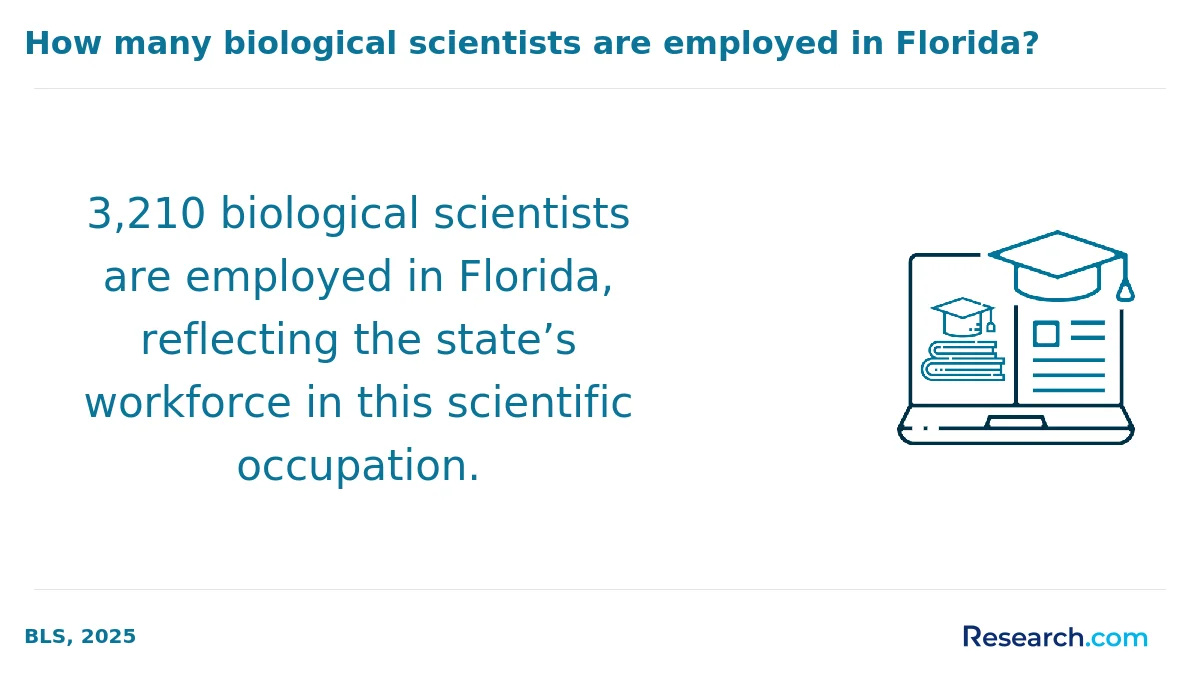
Graduates with an online biology degree in America find career opportunities with online biology degree in USA that span many sectors. For example, many start as biological technicians or research assistants, supporting scientific studies at institutions like the University of Florida or Arizona State University. These roles provide hands-on experience in genetics or ecology labs, helping graduates build strong practical skills.
Others leverage their degree to enter healthcare fields. Biology graduates often pursue certifications or further education for careers such as genetic counseling or clinical lab technology, pathways common among alumni from schools like Ohio State University. With healthcare jobs projected to grow notably, this direction offers both stability and growth potential.
Environmental science also attracts biology degree holders who seek to work as specialists monitoring ecosystems or managing resources, roles growing by 8% according to BLS. Many graduates from universities such as the University of Wisconsin highlight rewarding careers in conservation and policy consulting.
In fields like biotechnology and pharmaceuticals, advanced degrees are valuable for product development or regulatory roles. Graduates investing in a master's degree, which can cost between $10,000 and $30,000, see lucrative returns. These practical career paths come alive through stories of graduates from top American universities balancing flexible schedules offered by online bachelor degrees biology programs.
The job market for graduates with an online biology degree in America remains strong, especially for those who focus on gaining practical experience alongside their studies. Biology career opportunities in America are expanding in areas like biotechnology, environmental science, and healthcare, with roles such as biological technicians and environmental scientists showing steady demand. Graduates from popular institutions known for their biology programs often share experiences of balancing online coursework with internships, which enhances their employability.
Many students attending well-regarded universities find that obtaining certifications in specialized laboratory technology or environmental analysis complements their degree and leads to better job prospects. Median wages for positions related to biology are competitive, with biological technicians earning around $49,800 annually and environmental scientists near $76,530, reflecting the value employers place on these roles.
Flexibility in online degree programs allows students to maintain part-time work or internships, crucial for practical skill development, a key factor highlighted in the how to pursue a career in aquatic biology guidance.
Ultimately, the online biology degree job outlook USA is favorable, as long as students strategically build relevant skills to compete effectively in this evolving job market.
2027 Most Valuable Online Master's in Biology Degree Programs Ranking in the USA
Investing in your education is a significant decision that can shape your future, and the Research.com team understands the importance of making informed choices. To assist prospective students interested in biology, we have meticulously developed the "2027 Most Valuable Online Master's in Biology Degree Programs Ranking in the USA." Our commitment to quality, credibility, and accuracy is demonstrated through rigorous research and thorough analysis.
We utilized the following reputable data sources to ensure a comprehensive evaluation of master's biology programs:
By exploring this ranking, readers will gain valuable insights into the most valuable online master's biology programs nationwide, helping them make well-informed decisions about their educational and career paths. For more details on how the ranking was created, please visit our Research.com methodology page.

# 2 position
University of Florida
Master of Microbiology and Cell Science: Medical Microbiology and Biochemistry

# 3 position
University of Maryland Global Campus
Master of Biotechnology: Bioinformatics




Frequently Asked Questions About biology
Online biology degree students in America can maximize their learning by actively engaging with course materials and participating in virtual labs and discussions. According to the National Center for Education Statistics, students who regularly interact with instructors and peers tend to perform better. Utilizing resources such as the American Society for Microbiology's online materials enhances understanding of complex topics. Time management is crucial; dedicating consistent study hours helps maintain progress across semesters. Additionally, students should seek internships or research projects locally to apply concepts practically, bridging the gap between theory and real-world biology applications.
The field of biology is rapidly evolving, with several emerging niches gaining prominence in the United States. One key area is synthetic biology, where researchers design and construct new biological parts and systems. According to the American Association for the Advancement of Science, synthetic biology investments in the U.S. have grown significantly over the past decade.
Another expanding niche is bioinformatics, which combines biology and data science to analyze complex biological data. The U.S. Bureau of Labor Statistics projects a 15% growth rate in bioinformatics jobs through 2030.
Environmental genomics is also gaining traction, focusing on using genetic tools to address ecological issues prevalent across American ecosystems.
Preparing for the job market after earning an online biology degree in America requires a strategic approach. First, gaining practical experience through internships or research projects is crucial. According to the National Science Foundation, hands-on experience significantly increases employability in biology-related fields.
Networking is also vital. Joining professional organizations, such as the American Institute of Biological Sciences, helps connect graduates with potential employers and job opportunities. Additionally, developing soft skills, including communication and teamwork, enhances job readiness.
Certifications or specialized training, like bioinformatics or laboratory techniques, can boost a candidate's marketability. Finally, staying informed about emerging trends in biotech and environmental biology ensures graduates remain competitive in a dynamic job market.
Employers in the United States highly value biology graduates who demonstrate strong analytical and critical thinking skills. According to the National Association of Colleges and Employers (NACE), over 80% of biology-related employers seek candidates proficient in scientific research methods and data analysis software. Communication skills, both written and verbal, are crucial for explaining complex biological concepts clearly, especially in interdisciplinary teams.
Technical expertise in laboratory techniques and bioinformatics is increasingly in demand due to advances in genetic research and biotechnology. Problem-solving abilities and adaptability are also essential, reflecting the fast-paced nature of biological sciences in American industries such as healthcare, pharmaceuticals, and environmental science.
The Bureau of Labor Statistics indicates that employers prefer graduates comfortable with digital tools for data collection and interpretation, a skill often emphasized in online biology degree programs. These competencies collectively prepare students for successful careers in research, education, and applied biology fields across the United States.
Finding internships relevant to a biology degree in America requires a strategic approach. Start by exploring resources at your college's career services; many online biology programs partner with research institutions and local companies offering internship opportunities. According to the National Association of Colleges and Employers (NACE), nearly 60% of biology students secure internships before graduation, which significantly improves job prospects.
Online platforms like Handshake and LinkedIn also list numerous biology-related internships nationwide. Additionally, organizations such as the American Society for Microbiology provide internship listings and mentorship programs. Networking at virtual conferences or joining biology-related student organizations helps identify valuable openings in research labs or healthcare facilities.
Obtaining an online biology degree in America can significantly improve career mobility and advancement opportunities. According to the U.S. Bureau of Labor Statistics, jobs in biological sciences are projected to grow by 6% from 2021 to 2031, faster than the average for all occupations. An advanced degree, including those earned online, often leads to higher-paying positions in research, healthcare, and biotechnology sectors.
Online biology programs provide flexibility for working professionals to gain credentials without interrupting their careers. Employers increasingly recognize accredited online degrees as equivalent to traditional ones, expanding job prospects.
Moreover, specialization options like molecular biology and environmental biology enhance competitiveness in niche fields.
Studying for a biology degree in America equips students with skills that extend beyond traditional biology, fostering interdisciplinary expertise. Many programs emphasize collaboration across fields such as bioinformatics, environmental science, and healthcare. According to the National Center for Education Statistics, over 60% of biology graduates pursue careers involving multiple scientific disciplines.
Online biology degrees often include coursework in chemistry, data analysis, and technology, preparing students to engage with complex problems. This interdisciplinary approach is valued in industries like pharmaceuticals, conservation, and biotechnology.
Students also develop critical thinking and research skills, essential for roles that blend science with policy or business.
Choosing between a thesis and a non-thesis biology degree program in America depends largely on your career goals and learning preferences. A thesis option typically suits students aiming for research positions or doctoral studies, as it requires conducting original research and writing a substantial paper. According to the National Center for Education Statistics, about 40% of master's biology programs in the US offer thesis tracks.
A non-thesis program often focuses on coursework and practical skills, making it ideal for professionals seeking to advance in industry or education without a research-heavy commitment. These programs may include internships or comprehensive exams instead.
Consider the time commitment, as thesis programs usually take longer to complete-often 2 to 3 years versus 1 to 2 years for non-thesis tracks. Review specific program requirements and career outcomes when making your choice.
Students based in America who wish to study biology abroad online have several pathways available. Many U.S. institutions offer exchange programs or joint degrees with foreign universities, allowing students to earn credits abroad while completing an American degree.
Additionally, American students can enroll in internationally recognized online biology programs offered by universities outside the U.S. Careful attention should be given to accreditation and credit transfer policies to ensure degree recognition at home.
According to the National Center for Education Statistics, over 15% of U.S. biology undergraduates participate in study abroad or international collaboration at some point, reflecting growing interest in global biological sciences.
Securing financial aid and verifying visa requirements for any required in-person components are also important steps for students exploring these options.
Part-time job opportunities that complement an online biology degree in America include roles such as laboratory assistants, research aides, and environmental technicians. These positions offer practical experience in scientific methods and data collection, which are vital for biology students. For example, laboratory assistants often help with experiments and manage equipment, enhancing technical skills. According to the U.S. Bureau of Labor Statistics, lab assistants earn a median hourly wage of $17.50, making it a financially viable option for students.
Research aide positions, often available at universities or government agencies, expose students to real-world biological research. Environmental technician roles allow students to engage with fieldwork related to ecology and conservation.
These part-time jobs not only reinforce academic knowledge but also improve resumes, increasing competitiveness for future full-time roles in biology-related fields.
Online biology students in America have growing networking opportunities despite the physical distance from campuses. Many universities host virtual events, such as webinars and guest lectures, which allow students to connect with faculty and professionals in biology fields. According to the National Center for Education Statistics, over 60% of biology programs now incorporate online community platforms to foster interaction among students.
Professional organizations like the American Institute of Biological Sciences offer student memberships that include access to conferences and online forums. Additionally, platforms such as LinkedIn and ResearchGate are commonly used to build connections with researchers and potential employers.
Alumni networks serve as a valuable resource for online biology degree students in America by connecting them with graduates who have navigated similar academic and career paths. These networks often provide mentoring opportunities, sharing insights on specialized fields such as molecular biology, ecology, or bioinformatics.
Through events, social media groups, and professional platforms like LinkedIn, alumni connections can help students find internships, research projects, and job openings in competitive biology sectors. According to the National Association of Colleges and Employers, 85% of job placements come through networking.
Moreover, alumni can offer guidance on graduate programs and funding sources, essential for advancing biology careers in America's evolving scientific landscape.
Customizing an online biology degree in America allows students to align their education with specific career goals. Many accredited universities offer concentration options such as molecular biology, environmental science, or biotechnology, enabling focused study within biology. Coursework flexibility lets students choose electives that build skills suited to careers in research, healthcare, or education. Additionally, some programs incorporate internships or research projects, providing practical experience. According to the National Center for Education Statistics, over 60% of biology students in the US select specialized tracks to enhance employability. Consulting academic advisors helps tailor the curriculum and meet professional certification requirements.
Online biology students in America often face challenges related to hands-on laboratory experience, which is essential for mastering many biology concepts. While virtual labs exist, they may not fully replicate in-person experimentation, potentially limiting skill development. According to the National Science Foundation, about 70% of biology degrees emphasize lab work, which can be difficult to complete remotely.
Technical issues are also common. Reliable internet and up-to-date software are necessary to access lectures, simulations, and research materials. Students in rural areas may struggle with connectivity, impacting their learning.
Additionally, biology programs demand strong time management skills, as balancing complex coursework with personal responsibilities is essential for success. Many students report feeling isolated without direct instructor contact or peer support, which can affect motivation and retention rates, according to the Online Learning Consortium's 2023 report.
Graduates with an online biology degree in the USA can pursue several professional certifications to enhance their career prospects. Common certifications include the Certified Biological Safety Professional (CBSP) and the American Society for Clinical Pathology (ASCP) certification for laboratory professionals. These credentials validate expertise in specific biology fields and increase employability in healthcare, research, and environmental sectors. According to the U.S. Bureau of Labor Statistics, jobs related to biological sciences are projected to grow 5% from 2021 to 2031. Additionally, certifications in biotechnology and environmental science, such as from the National Registry of Environmental Professionals, offer specialized career paths for degree holders.
Applying to an online biology program in America requires clear, focused preparation. Start by thoroughly researching programs accredited by recognized bodies such as the Council for Higher Education Accreditation (CHEA) or the U.S. Department of Education. Many top biology programs expect applicants to have a strong background in sciences, including coursework in biology, chemistry, and mathematics.
Highlight your academic achievements and relevant experience in your personal statement. Emphasize any research projects, lab work, or internships related to biology. According to the National Center for Education Statistics, science programs typically seek students with a minimum GPA of 3.0.
Additionally, secure strong letters of recommendation from professors or professionals familiar with your scientific skills and commitment. Proof of effective time management and motivation for online learning will strengthen your application, as online biology degrees often require self-discipline to succeed.
The global perspective on a biology career highlights the growing importance of biological sciences in addressing worldwide challenges, from health to environmental issues. In the United States, biology graduates are well-positioned due to the country's robust research infrastructure and funding. According to the U.S. Bureau of Labor Statistics, employment for biological scientists is projected to grow 6% from 2021 to 2031, reflecting steady demand.
International collaboration is common, with American biologists partnering on projects related to pandemics, climate change, and biodiversity. Online biology degrees offered by U.S. institutions educate students to meet these global demands, combining scientific knowledge with technological skills essential for the modern workforce.
Online biology students in America can gain practical experience through various opportunities alongside their coursework. Many programs encourage internships at local research institutions, hospitals, or environmental agencies, allowing students to apply theoretical knowledge in real-world settings.
Some universities partner with labs and organizations to offer virtual lab simulations, which replicate hands-on experiments digitally. According to the National Science Foundation, approximately 75% of biology undergraduates in the U.S. engage in research experiences, emphasizing their importance.
Volunteering for citizen science projects or contributing to biology-related community outreach can also build valuable skills. Additionally, attending regional conferences or webinars helps students network with professionals and stay updated on advances in the field.
Choosing the right concentration within an online biology degree program in America begins with assessing your career goals. Biology fields range from molecular biology and genetics to ecology and environmental biology, each offering distinct professional paths. According to the U.S. Bureau of Labor Statistics, specialized roles in biotechnology and biomedical research grow faster than average.
Consider the curriculum offered by the program, ensuring it aligns with your interests and job market trends. Accredited programs recognized by agencies such as the Higher Learning Commission provide quality assurance. Additionally, research if the program offers hands-on lab components or virtual simulations, vital for skill development in biology.
Networking opportunities with faculty and professionals can influence your future career, so evaluate available support. Finally, review the flexibility and cost since investing time and money wisely supports long-term success in biology careers.
- Study Biology Abroad | Go Overseas https://www.gooverseas.com/study-abroad/biology
- What Can You Do With a Biology Degree? https://willamette.edu/academics/college/biology/career-options
- Turn Your Passion for Science Into a Rewarding Career With a Biology Degree - UNCF https://uncf.org/the-latest/a-biology-degree-can-open-the-door-to-life-and-living
- Best Online Biology Degrees 2025 https://www.onlineu.com/degrees/biology
- Careers in Biology https://www.aibs.org/careers/
- Biology/Biomedical Placements/Internships | Gradcracker - Careers for STEM Students https://www.gradcracker.com/search/science/biology-biomedical-work-placements-internships
- 4 Types of Biology Concentrations | University of Bridgeport https://www.bridgeport.edu/news/biology-concentrations/
- EVENTS https://thebiosa.org/events/
- How a Strong Alumni Network Can Benefit Students https://www.pacificu.edu/blog/how-strong-alumni-network-can-benefit-students
- PROBLEMS AND CHALLENGES IN 21ST CENTURY ... https://journal.lppmunindra.ac.id/index.php/RDJE/article/download/26534/7915