2027 Most Affordable Online Bachelor's in Biology Degree Programs Ranking in the USA

Co-Founder and Chief Data Scientist
Choosing the right biology degree program can feel overwhelming, especially with so many options available online. To make this easier, the Research.com team of data scientists has created the 2027 Most Affordable Online Bachelor's in Biology Degree Programs Ranking in the USA. This ranking helps you identify quality programs that fit your budget without sacrificing education.
In this article, you'll find trustworthy information to guide your decision. A biology degree opens doors to exciting career opportunities in health, research, and the environment-making your journey worthwhile. Let's explore the top affordable options together.
Key benefits of getting online biology degree in America
- Salary for biology degree graduates: While specific data is unavailable, biology-related careers in the US often range widely, with many roles offering competitive wages that can grow significantly with experience and specialization.
- Career paths: Graduates from universities like the University of California can pursue diverse fields such as environmental science, biotechnology, or healthcare, opening doors to exciting and impactful jobs.
- Benefits of online biology degrees: Completing a biology degree online from institutions like Arizona State University offers flexibility, allowing students to balance work, life, and study while accessing quality education from anywhere.
- 2027 Most Affordable Online Bachelor's in Biology Degree Programs Ranking in the USA
- What can I expect from online biology degree in America?
- Where can I work with online biology degree in America?
What can I expect from online biology degree in America?
The average cost of an online biology degree in America varies significantly depending on the institution, but public universities offering in-state tuition or flat-rate online fees often charge between $10,000 and $25,000 for a full bachelor's program. Graduates from popular programs at state universities frequently emphasize the affordability and flexibility these prices enable, especially when balancing work and family commitments. For example, many find that institutions like Arizona State University or the University of Florida provide competitive tuition that fits tighter budgets without sacrificing program quality.
Students report feeling positive about managing their finances while accessing rigorous coursework covering cellular biology, genetics, and lab sciences. The inclusion of virtual labs or occasional in-person sessions at local facilities helps them gain hands-on experience without excessive commuting costs. Additionally, some graduates highlight scholarship opportunities and payment plans that further ease the financial burden. Overall, the cost-efficiency of biology degrees via online programs in the U.S. complements the growing job prospects and strong academic standards found in accredited schools nationwide.
Where can I work with online biology degree in America?
Graduates with an online biology degree from reputable American universities like the University of Florida or Oregon State University often find diverse employment opportunities across multiple sectors. Many pursue research roles at institutions or government labs, focusing on genetics, microbiology, or ecology. For instance, graduates frequently secure positions at agencies like the National Institutes of Health or the Environmental Protection Agency, where their accredited degrees with lab experience hold significant value.
In the expanding biotechnology field, alumni work as lab technicians and quality control analysts at pharmaceutical or agricultural technology firms. According to the Biotechnology Innovation Organization, the steady growth of biotech jobs makes it a promising path. Graduates also thrive in environmental consulting, engaging in wildlife management or natural resource conservation with entities such as state environmental agencies or the U.S. Fish and Wildlife Service.
Additionally, many biology graduates transition into healthcare roles or secondary education after certifications. They report a strong sense of accomplishment from applying their biological knowledge to public health or teaching, reflecting the flexibility and relevance of their online degrees in America's job market.
Graduates with an online biology degree in America typically see starting salaries in the range of $45,000 to $55,000, which aligns closely with experiences of those from well-regarded universities like Arizona State University or the University of Florida. Entry-level positions in biological technician roles, environmental science, and research assistance often hover around these figures, providing a solid foundation for recent graduates eager to enter the workforce.
Many biology alumni report that specialization or additional certifications can elevate earnings to between $55,000 and $75,000 annually, especially in fields such as medical technology or laboratory management. This reflects nationwide data trends where roles tied to pharmaceutical sales or biotech leadership command higher wages.
Graduates working in biotech hubs like California and Massachusetts may start with salaries closer to $50,000-$65,000, with seasoned professionals earning well beyond $80,000. These figures illustrate how strategic career choices, combined with the respected academic background of an online degree, can lead to rewarding financial outcomes in the competitive American job market.
- Online biology bachelor's degrees offer flexibility with fully online programs covering subjects like genetics, ecology, and biotechnology.
- Tuition varies widely, with public universities charging between $8,000 and $15,000 per year for in-state students, while private universities can cost $20,000 to $35,000 annually.
- Median annual wage for biological scientists is approximately $85,000, with entry-level salaries ranging from $50,000 to $60,000.
- Employment growth for biology graduates is projected at around 8% over the next decade, driven by advances in medical research and biotechnology.
- Accreditation by regional bodies is crucial for quality assurance and eligibility for federal financial aid.
An online biology degree in America typically requires about four years of full-time study, aligning with traditional bachelor's programs. Most accredited programs demand around 120 to 130 credit hours, usually completed over eight semesters. Many graduates from well-known institutions like Arizona State University and the University of Florida report finishing within this timeframe, appreciating the structured pacing that matches their busy lifestyles.
Part-time students, including working adults, often take longer-sometimes up to six years-due to balancing courses with other responsibilities. However, some graduates highlight how accelerated options, such as year-round classes and higher course loads, enable completion in less than four years, a common feature at universities like Oregon State.
Transfer credits from prior coursework or exams can also speed up progress, with roughly 38% of biology students nationally benefiting by reducing time to degree by one to two years. Many appreciate the online format's flexibility but acknowledge mandatory lab components occasionally require in-person attendance or local arrangements.
Online biology degrees in the US provide significant flexibility, allowing students to balance coursework with jobs or family life. Graduates from well-known institutions like Arizona State University often highlight the convenience of accessing lectures anytime, which fits varied schedules. The National Center for Education Statistics notes that about 37% of American college students took online courses recently, reflecting a growing acceptance of digital learning.
Conversely, on-campus programs at universities such as the University of California, Berkeley, emphasize hands-on lab work vital for mastering biological techniques like microscopy and dissections. Students there recall the value of direct mentorship and real-time collaboration in well-equipped labs, experiences difficult to replicate online.
Cost differences matter too. While public four-year colleges charge around $10,940 annually for in-state tuition on campus, online degrees may decrease expenses related to housing and commuting. However, tuition for online biology programs varies widely, depending on the institution's reputation and course depth.
Both formats maintain accreditation standards, ensuring curriculum quality. Social interaction is richer on campus, but online students appreciate their adaptability and self-driven progress in the digital learning environment.
Accreditation ensures your online biology degree meets rigorous academic and industry standards. Before enrolling, verify these key quality markers:
- Regional accreditation from agencies recognized by the U.S. Department of Education (e.g., HLC, SACSCOC)
- Programmatic accreditation or endorsement by bodies like the American Society of Biological Sciences (ASAB)
- Clear policies on credit transfer and articulation agreements with four-year institutions
- Transparency on additional fees (lab kits, residencies) and how virtual labs replicate hands-on learning
Choosing an accredited program maximizes acceptance of your credits, strengthens graduate-school applications, and bolsters employer confidence. For comparable accreditation guidance in health sciences, see our overview of the most affordable online pharmd degree.
The average cost of an online biology degree in America varies notably based on residency and institution type. Median total tuition amounts to approximately $57,240, but for in-state students, the cost drops substantially to around $26,470. Out-of-state students often encounter higher expenses, with median costs near $63,097, reflecting the typical premium for non-resident tuition. These figures help frame realistic expectations for those researching the average cost of an online biology degree USA.
Many students enrolling at well-known public universities for biology appreciate that online programs can offer in-state tuition rates even if they live out-of-state, creating significant savings. Graduates from such programs often share positive reflections on affordability paired with comprehensive coursework and virtual lab experiences. These factors make pursuing an affordable online bachelor's in biology programs USA both achievable and rewarding without sacrificing quality.
Additional expenses such as textbooks, lab kits for virtual labs, and tech fees should be anticipated and typically add a few thousand dollars over the degree length. Financial aid, scholarships, and employer tuition reimbursement programs substantially mitigate these costs, with about 85% of undergraduates obtaining some form of aid. Many biology majors find these supports crucial to managing expenses while pursuing careers in the field.
Former biology students from renowned American universities highlight that while tuition is a key consideration, the long-term value and career potential at these institutions justify the investment. For those curious about career pathways, exploring resources on high paying jobs in biology reinforces the financial and personal benefits of completing an online biology degree.
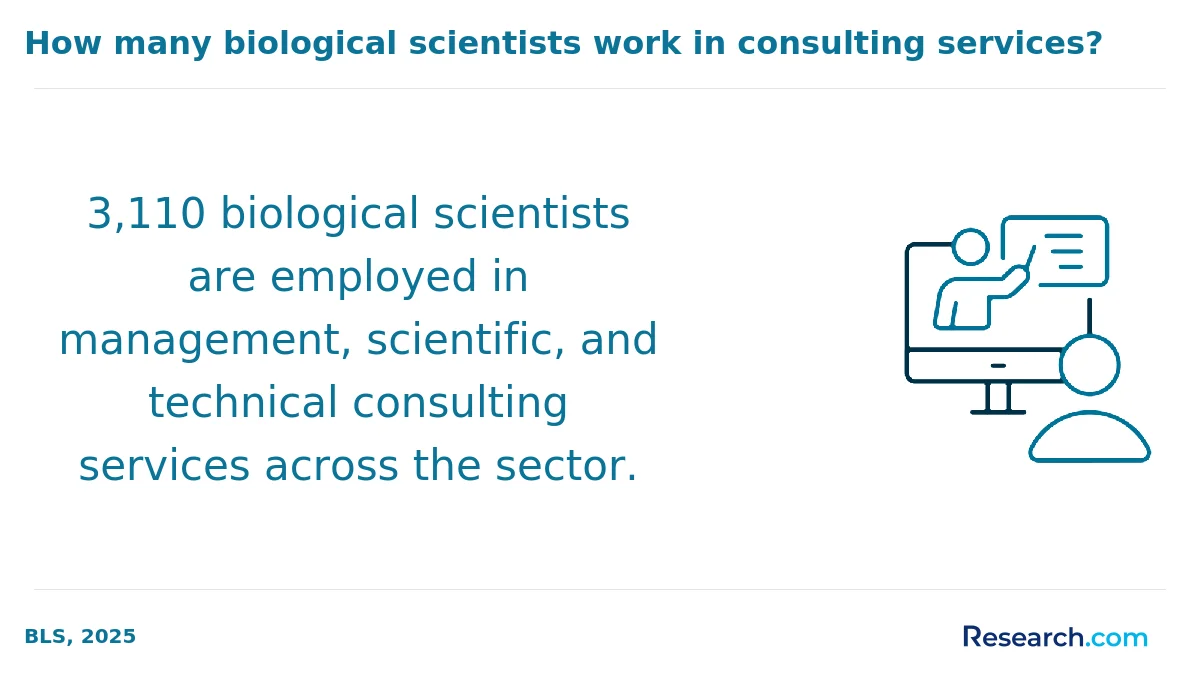
Online biology students in America often rely on multiple financial aid sources to manage tuition costs that can range from $10,000 to over $40,000 annually depending on the institution. For example, a biology student at the University of Florida might utilize federal Pell Grants, which offer up to $7,395 per year based on need, reducing reliance on loans. Many students appreciate the Direct Subsidized and Unsubsidized Loans available through FAFSA, as these provide manageable, low-interest borrowing options during their studies.
State-specific programs also play a pivotal role. California students benefit from the Cal Grant, which can cover full tuition at public universities, making programs at schools like UCLA more accessible. Graduates from universities such as Ohio State recall securing institutional scholarships tailored for STEM fields, including biology, which rewarded academic excellence and research potential.
Private scholarships from organizations like the American Society for Microbiology add another layer of support, often inspiring students with promising academic and leadership qualities. Those who proactively engage with FAFSA and local aid report significantly lowered financial burdens, enabling passionate biology learners nationwide to pursue their degrees with confidence.
Enrolling in an online biology degree program in America typically requires a high school diploma or equivalent, such as a GED. Graduates from well-known institutions like the University of Florida or Arizona State University often recall the importance of strong foundations in science and math, particularly in high school biology, chemistry, and algebra or higher-level math. These subjects prepare students for complex topics like genetics and ecology encountered early in their coursework.
Applicants frequently need to submit transcripts demonstrating completion of these prerequisite courses. About 75% of online biology bachelor's programs recommended by the National Center for Education Statistics emphasize prior biology and chemistry classes. Some colleges also expect physics or environmental science background to strengthen analytical skills.
Standardized test scores such as the SAT or ACT may be requested, but many students appreciate the growing test-optional trend, which places more weight on transcripts and completed courses. Transfer students often need verified college credits in science from accredited institutions, as seen by those who successfully transitioned to programs at Rutgers or Texas A&M.
Successful applicants often highlight strong academic records and a genuine passion for biology, supported by letters of recommendation or personal statements, reflecting their clear career goals in the field.
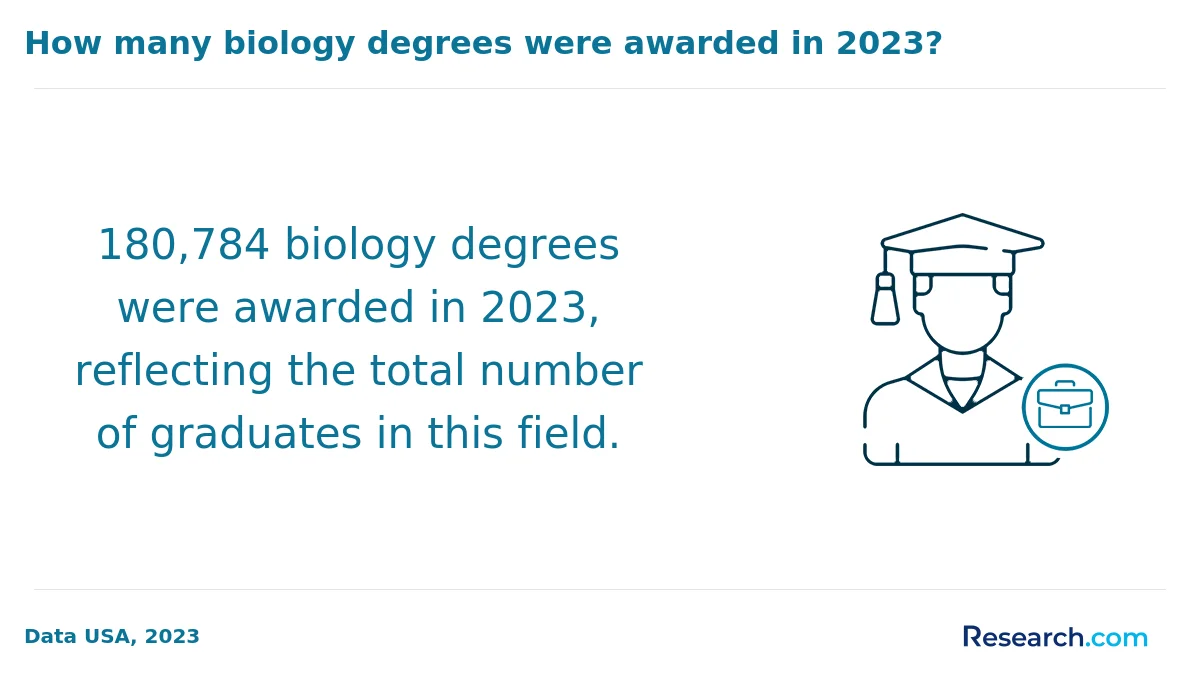
Online biology degree programs in America typically include a range of foundational and specialized courses designed to build comprehensive expertise. Graduates from well-regarded institutions like the University of Florida or Arizona State University report starting with core courses such as General Biology I and II, which cover essential topics like cell biology, genetics, and ecology. These courses establish a solid base for understanding living systems.
Students often advance to specialized subjects, including Microbiology, which examines bacteria and viruses, and Human Anatomy and Physiology, providing insights into the structure and function of the human body. Biochemistry courses link biological processes with chemistry, helping learners grasp molecular interactions and metabolic pathways critical for research and healthcare careers.
Numerous programs incorporate genetics and evolutionary biology to deepen comprehension of biodiversity. To gain practical experience, many students appreciate virtual labs and simulations, or complete hands-on work at affiliated local facilities, bridging theoretical knowledge with real-world skills.
Complementary coursework in chemistry, physics, mathematics, and statistics ensures graduates are well-equipped for scientific analysis and interdisciplinary challenges prevalent in biology-related fields.
Online biology degree specializations USA commonly include molecular biology and genetics, environmental biology, microbiology, health sciences, and biotechnology. Graduates from well-known colleges report that focusing on molecular biology sharpens their expertise in genomics and personalized medicine, which aligns with the expanding biotech industry in America. Popular biology bachelor's program concentrations America also frequently involve environmental biology, equipping students with practical knowledge in ecology and conservation, responding to growing job prospects in environmental consulting driven by new regulations.
Microbiology specialization draws students interested in applying microbiological principles to medicine and agriculture, often leading to roles in food safety and infection control. Many pre-medical or health sciences tracks provide foundational insights crucial for advancing into nursing or medical school. Real-life experiences shared by online learners highlight the flexibility of these programs offered by respected universities, who report students feeling motivated knowing their studies directly prepare them for thriving careers.
For those exploring more niche pathways, neurobiology, marine biology, and biotechnology offer unique interdisciplinary approaches. Exploring the best undergraduate biological science online programs further helps prospective students identify which specialized tracks meshes best with their goals and the current market demand.
Choosing the best online biology degree in America involves evaluating several key factors. Graduates from top programs at universities well-known for biology report that regional accreditation is essential; it ensures your credits transfer smoothly and your degree holds value in the job market. For example, students from major state universities often highlight how regional accreditation supported their acceptance into graduate schools and research positions.
Curriculum quality is critical. Comprehensive programs covering molecular biology, genetics, and ecology, along with practical lab work completed locally, offer a balanced education. Many successful graduates recommend looking for programs aligned with your interests, such as environmental biology or biotechnology, to maximize career prospects. This approach fits well when searching for affordable online biology degrees USA, where cost-effectiveness meets rigorous academics.
Cost considerations cannot be overlooked. While the National Center for Education Statistics notes average public university tuition around $10,940 annually for in-state students, some online options charge under $8,000, easing financial stress. Careful comparison of tuition per credit and available aid is advised.
Additionally, the value of student support services and faculty expertise comes from personal experience. Graduates emphasize that strong academic advising and internship connections positively impacted their employment outcomes, supporting job placement in competitive biology careers. Programs with such resources replicate the advantages found at leading institutions across America.
For those prioritizing accelerated paths, exploring an accelerated biology degree can be an effective strategy.
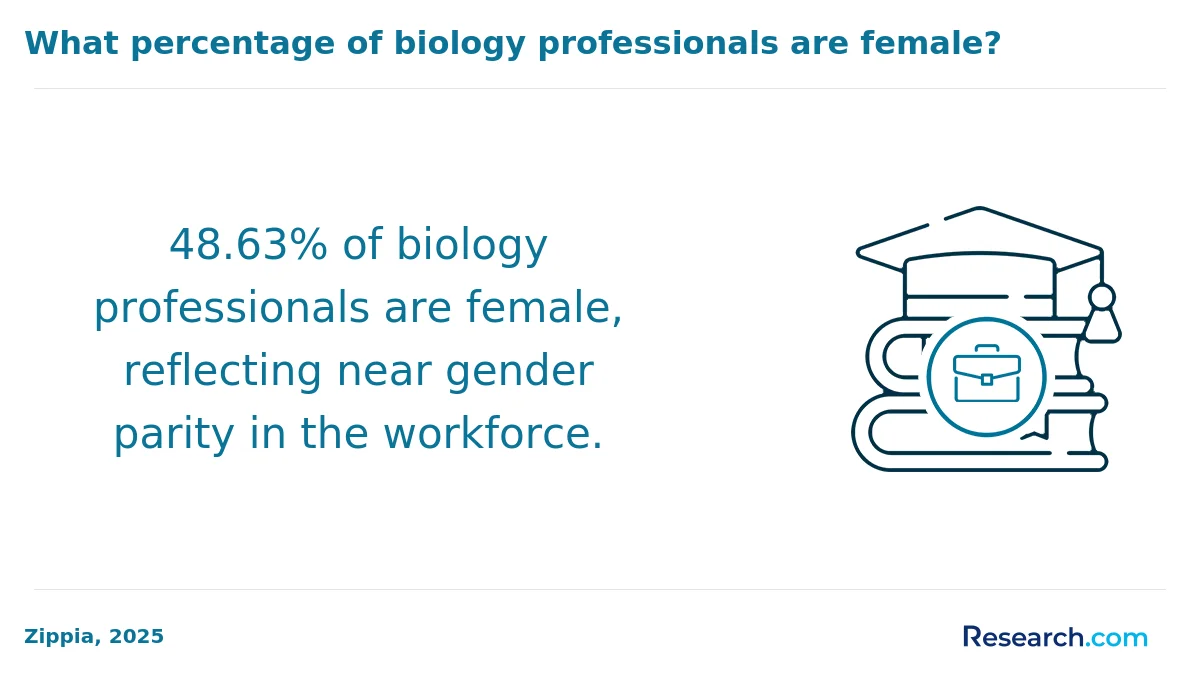
Graduates with an online biology degree in America access diverse career options with online biology degree USA that span biomedical research, environmental science, and healthcare. For instance, many biology graduates from popular institutions like the University of Florida engage in biomedical research, analyzing genetics or disease processes in government labs, often earning median salaries near $60,000 annually. Healthcare roles, such as medical laboratory technologists, also attract graduates who find themselves assisting clinicians in diagnostics, with wages around $56,000 per year and job growth expected to increase by 7% through 2031.
Biology degree job opportunities in America extend into education, where graduates become high school teachers or educational coordinators at zoos and nature centers. Such positions typically require additional certification but come with salaries ranging from $55,000 to $62,000. Graduates from institutions like Arizona State University report fulfilling careers in both science teaching and conservation efforts. Furthermore, many pursue advanced studies or roles in biotechnology and pharmaceutical sales. The affordability of biology programs, including the affordable biology online bachelor degree, enhances these promising career paths for numerous students nationwide.
The job market for online biology degree graduates in America displays consistent growth, aligning well with rising demand in healthcare, environmental science, and biotechnology sectors. Graduates from well-known universities like the University of Florida or Arizona State University often secure roles as biological technicians or environmental scientists, where practical skills developed through virtual labs prove invaluable. This steady demand creates a positive employment outlook for those pursuing an online biology degree job outlook USA.
Many graduates find that having flexible online education options allows them to balance work and study, which enhances their career prospects. Median salaries reflect promising opportunities: biological technicians earned around $47,000 annually, while research-focused biological scientists averaged $84,000 in 2022. This competitive compensation highlights the value of expertise gained in popular programs at schools such as Oregon State University or Penn State World Campus.
Employers increasingly seek candidates with strong data analysis and laboratory skills, often integrated into curricula of online biology programs. For students evaluating career paths, understanding how much do biologists make can inform decisions, especially when specialized roles in pharmacology or microbiology offer higher pay. Biology career opportunities in America remain robust for graduates who stay current with scientific advancements.
2027 Most Affordable Online Bachelor's in Biology Degree Programs Ranking in the USA
Investing in your education is a significant decision that can shape your future, and the Research.com team understands the importance of making informed choices. To assist prospective students seeking affordable online biology degrees, we have meticulously developed the "2027 Most Affordable Online Bachelor's in Biology Degree Programs Ranking in the USA." Our dedication to quality, credibility, and accuracy is evident through the thorough research and analysis underpinning this ranking.
We utilized the following reputable data sources to ensure a comprehensive evaluation of online biology programs:
By consulting this ranking, readers will gain valuable insights into the most cost-effective programs, enabling well-informed educational decisions. For further information on how we created this ranking, please visit our Research.com methodology page.


# 3 position
University of Maryland Global Campus
Bachelor of Biotechnology


# 5 position
Northern Arizona University
Bachelor of Health Sciences, Allied Health, Diagnostic Medical Imaging and Therapy




# 9 position
Thomas Edison State University
Bachelor of Biology


Frequently Asked Questions About biology
Online biology degree students in America can maximize their learning by actively engaging with their coursework and utilizing available resources. Many institutions offer virtual labs and simulations that provide hands-on experience essential for biology. According to the National Center for Education Statistics, students who regularly participate in interactive activities tend to perform better academically.
Joining online study groups or discussion forums helps foster collaboration and deeper understanding of complex topics. Additionally, seeking internships or volunteer opportunities related to biology can offer practical experience and networking within the U.S. scientific community.
Students should also take advantage of academic advising and tutoring services often provided by schools. Staying organized and adhering to a consistent study schedule improves information retention and time management.
Emerging niches within the biology field reflect advances in technology and societal needs. In the United States, areas like bioinformatics, synthetic biology, and environmental genomics are growing rapidly. According to the U.S. Bureau of Labor Statistics, jobs in bioinformatics are projected to grow 15% by 2030, faster than average for all occupations.
Online biology degrees increasingly include courses in computational biology and genomic data analysis. This prepares students for roles in healthcare, agriculture, and environmental conservation.
Another expanding niche is neurobiology, driven by increased funding from institutions like the NIH to study brain function and neurological diseases.
Students pursuing online programs can expect curricula reflecting these advancements to enter a dynamic job market.
After completing an online biology degree in America, preparing for the job market involves several strategic steps. First, gaining practical experience through internships or volunteer positions is crucial. According to the Bureau of Labor Statistics, employers in biology-related fields often prefer candidates with hands-on laboratory or research experience.
Networking is another vital strategy. Joining professional organizations such as the American Institute of Biological Sciences can connect graduates to job opportunities, mentorship, and career resources.
Additionally, many biology roles require specialized skills like data analysis or proficiency in specific lab technologies. Online certificate programs or workshops can help develop these competencies.
Finally, tailoring resumes and practicing interview skills are essential to stand out in a competitive market, where the median annual wage for biological scientists was $87,590 in 2022.
Employers in America highly value a combination of technical knowledge and practical skills in biology degree graduates. Core competencies include strong understanding of molecular biology, genetics, and ecology, supported by the ability to apply laboratory techniques effectively. According to the U.S. Bureau of Labor Statistics, analytical skills and proficiency with scientific instruments rank among the top traits sought in biology-related roles.
Critical thinking and data analysis are essential, as biology professionals often handle complex datasets. Communication skills, both written and oral, are also important for collaborating on research and presenting findings. Employers prefer graduates familiar with bioinformatics and statistical software, reflecting the increasing digitalization of biological sciences.
Finding internships in America related to a biology degree involves several strategic steps. Start by exploring university career centers that often partner with local research institutions, hospitals, and environmental organizations to offer biology-focused internships. According to the National Association of Colleges and Employers (NACE), over 66% of biology students secure internships through these campus resources.
Online platforms like Handshake and Indeed also list science internships, allowing students to filter by location and field. The American Institute of Biological Sciences (AIBS) recommends looking for government internships such as those with the National Institutes of Health (NIH) or the Environmental Protection Agency (EPA), which provide competitive biology-related research opportunities.
Networking is essential; connecting with professors, attending virtual biology conferences, and joining related professional societies can open doors. Many internships in biology are competitive, so early application and leveraging school affiliations are key to success.
An online biology degree in America can significantly enhance career mobility by providing flexible access to accredited programs nationwide. Graduates gain foundational knowledge in key biological sciences, opening doors to diverse fields such as healthcare, environmental science, biotechnology, and education.
According to the U.S. Bureau of Labor Statistics, employment in biological science occupations is projected to grow 8% from 2021 to 2031. This growth indicates expanding opportunities for biology degree holders.
Online degrees also support career advancement for working professionals by allowing skill development without career interruption. Many employers recognize reputable online biology degrees, which can lead to higher salaries and leadership roles.
Data from the National Center for Education Statistics highlights that online learners often pursue degrees to increase qualifications, directly impacting their job prospects within the US labor market.
Studying for a biology degree in America equips students with broad scientific knowledge essential for interdisciplinary roles. Many programs emphasize combining biology with fields such as chemistry, computer science, and environmental science, reflecting trends in the job market. According to the National Center for Education Statistics, over 60% of biology graduates in the U.S. work in interdisciplinary settings, including biotechnology and healthcare.
Online biology degrees often include coursework in data analysis, bioinformatics, and laboratory techniques, preparing students for diverse roles. This approach responds to the growing demand for professionals who can bridge biology with technology and policy, addressing complex global challenges.
Choosing between a thesis and a non-thesis biology degree program in America depends on your career goals and learning preferences. Thesis options typically involve conducting original research, which can strengthen skills valued in scientific careers and graduate studies. According to the National Center for Education Statistics, about 30% of biology bachelor's programs offer thesis components.
Non-thesis programs focus more on coursework, often including internships or practical experiences, making them suitable for students aiming for immediate employment in industry or education. The American Institute of Biological Sciences notes that non-thesis graduates frequently enter roles in biotechnology, healthcare, or education without pursuing advanced degrees.
Your decision should consider how much you want to specialize in research versus applying broad biological knowledge.
American students interested in studying biology abroad through online programs have several options, although they are somewhat limited compared to traditional international study. Many U.S. institutions partner with foreign universities to offer joint online biology degrees or courses, providing global perspectives without leaving the country. According to the National Center for Education Statistics, less than 5% of biology bachelor's degree students participate in study abroad, making fully online international programs more attractive for flexibility.
Some accredited foreign universities in countries like the United Kingdom and Australia offer biology degrees online that accept U.S. students. These programs often follow international standards but may require additional credential evaluation for U.S. employment or graduate study.
It is important for students to verify accreditation, understand credit transfer policies, and consider language and time differences when choosing an online biology degree abroad.
Part-time jobs can greatly enhance the educational experience for students pursuing biology degrees online in America. Popular roles include laboratory assistants, where students gain hands-on experience handling specimens and conducting experiments. According to the U.S. Bureau of Labor Statistics, biology-related technical jobs like this are expected to grow by 5% from 2021 to 2031.
Another common option is working as research aides in universities or private companies, helping collect and analyze data. Entry-level internships in environmental agencies offer practical skills while complementing academic studies. The flexible hours of these jobs accommodate online learners' schedules, providing valuable industry exposure and networking opportunities.
Online biology students in America have growing access to networking opportunities that complement their digital learning experience. Many universities offer virtual career fairs and online student organizations related to biology, allowing students to connect with peers and professionals nationwide. According to the National Association of Colleges and Employers (NACE), 85% of students found internships through networking, underscoring its importance for biology majors. Students can also join professional groups such as the American Institute of Biological Sciences, which provides webinars, mentorship programs, and discussion forums accessible remotely. These resources help overcome geographical barriers and build valuable academic and career connections in the biology field.
Alumni networks play a crucial role for students pursuing online biology degrees in America by connecting them to experienced professionals and peers. These networks often provide access to job opportunities, internships, and research collaborations, which can be vital in competitive fields like biology. According to the National Association of Colleges and Employers (NACE), 85% of jobs are filled through networking, underscoring the importance of alumni connections.
Additionally, alumni mentorship programs can offer guidance on career paths in areas such as biotechnology, environmental science, or healthcare. Students benefit from shared resources, industry insights, and updated information about advances in biology. This support strengthens both academic and professional development.
Customizing your online biology degree program in America often begins with selecting suitable concentrations or specializations. Many universities offer options like molecular biology, ecology, or biotechnology, allowing you to tailor studies to your career interests. According to the National Center for Education Statistics, about 65% of biology degree programs include elective courses to enhance specialization.
Additionally, you can choose relevant internships or research projects. These experiences provide practical skills highly valued in fields like healthcare, environmental science, or pharmaceuticals. For example, programs accredited by the American Society for Biochemistry and Molecular Biology often promote hands-on lab work.
Consider institutions that offer flexible course scheduling to accommodate working professionals, as well as access to career advising services focused on biology-related employment trends.
Online biology students in America face several notable challenges. One common difficulty is limited access to hands-on laboratory experience, which is essential for mastering biological techniques. Although virtual labs and simulations help, they often cannot fully replicate real-world experiments. According to the National Science Foundation, about 70% of biology-degree programs require lab components that are challenging to complete remotely.
Time management is another frequent issue. Online students often juggle studies with work and family, making it harder to stay on track. Research from the Online Learning Consortium shows that 40% of students cite balancing commitments as a primary obstacle.
Finally, limited direct interaction with faculty and peers can impact learning and networking opportunities. Biology education benefits greatly from collaboration and mentorship, which may be reduced in online formats.
Graduates with an online biology degree in America can pursue several professional certifications that enhance their career prospects. Common certifications include becoming a Certified Biological Technician (CBT) through the American Society for Clinical Pathology. This certification validates lab skills and knowledge in biology-related fields.
Another option is the Certified Wildlife Biologist credential offered by The Wildlife Society, which is valuable for those interested in ecology and conservation careers. For those moving into clinical or applied sciences, certifications such as the Clinical Laboratory Scientist or Molecular Biology Specialist are available through various accredited bodies.
These credentials often require passing exams and meeting work experience criteria. According to the U.S. Bureau of Labor Statistics, roles requiring certification generally see faster job growth and higher earnings within biological sciences.
Writing a winning application for an online biology program in America requires clear demonstration of your academic preparedness and passion for the field. Start by highlighting your relevant coursework, such as biology, chemistry, and mathematics, since strong foundational knowledge is crucial. Include any lab experience or research projects, even if completed remotely.
Strong letters of recommendation, preferably from science instructors or professionals, can significantly boost your application. According to the National Center for Education Statistics, biology is among the fastest-growing majors, so emphasize your motivation and career goals clearly.
Lastly, craft a concise personal statement explaining why you choose an online biology degree and how it aligns with your future plans. This helps admission committees assess your fit for their program and online study demands.
The global perspective on biology careers highlights numerous opportunities for graduates, especially those trained through online programs in the United States. According to the U.S. Bureau of Labor Statistics (BLS), employment for biological scientists is projected to grow 5% from 2021 to 2031, reflecting steady demand.
U.S.-trained biologists often engage in research, healthcare, environmental conservation, and biotechnology sectors worldwide. Online biology degrees from accredited American institutions prepare students with skills that align with international standards, facilitating career mobility.
Moreover, many global organizations value qualifications recognized by U.S. education systems, making American biology graduates competitive on the international stage. This is reinforced by strong research collaborations between U.S. universities and institutions abroad.
Gaining practical experience is essential while studying for an online biology degree in America. Many accredited programs incorporate virtual labs and simulations to offer hands-on learning remotely. Additionally, students can seek internships at local research institutions, hospitals, or environmental agencies, often arranged through their college's career services. According to the National Science Foundation, around 40% of biology undergraduates participate in internships or research before graduation.
Volunteer opportunities and independent research projects also provide valuable experience. Some universities partner with local organizations to facilitate fieldwork or lab work for online biology students. Engaging in these activities helps build skills and enhances job prospects in the competitive life sciences field.
Choosing the right concentration in an online biology degree in America depends on your career goals and interests. Popular concentrations include microbiology, biotechnology, environmental biology, and molecular biology, each leading to different career paths.
Research from the National Center for Education Statistics shows that biology graduates with specialized knowledge often earn higher salaries and have more job opportunities. For example, biotechnology roles are growing at 7% annually according to the U.S. Bureau of Labor Statistics.
Consider how each concentration aligns with industries like healthcare, research, or environmental conservation. Review course curricula and available lab components, as hands-on experience remains crucial despite online learning settings.
Accreditation and faculty expertise also matter; programs accredited by recognized agencies such as the ABET or regional accreditors ensure quality education accepted by employers.
- Alumni Network https://ssp.org/alumni-network/
- Turn Your Passion for Science Into a Rewarding Career ... https://uncf.org/the-latest/a-biology-degree-can-open-the-door-to-life-and-living
- How to Earn an Online Biology Degree https://www.straighterline.com/blog/how-to-earn-an-online-biology-degree
- What Can You Do With a Biology Degree? https://willamette.edu/academics/college/biology/career-options
- Bachelor's in Biology - Degrees - Online Colleges https://www.onlinecolleges.net/degrees/biology/
- Undergraduate Online Financial Aid https://www.bushnell.edu/financial-aid/undergraduate-online/
- 2026 Best Online Biology Degrees https://www.onlineu.com/degrees/biology
- How To Become A Biologist | Biology Degrees And Careers https://www.learnhowtobecome.org/science-technology-careers/biology/
- Careers in Biology | AIBS https://www.aibs.org/careers/
- EVENTS – Biology Students' Association https://thebiosa.org/events/