2027 Most Valuable Online Bachelor's in Biology Degree Programs Ranking in the USA

Co-Founder and Chief Data Scientist
Choosing the right biology degree can shape your career and open doors to exciting opportunities. This article presents the 2027 Most Valuable Online Bachelor's in Biology Degree Programs Ranking in the USA, created by the Research.com team of data scientists to support your decision-making process.
By exploring this ranking, you'll gain insights into reputable programs that offer great value, flexibility, and quality education. Whether you're starting or continuing your academic journey, a biology degree can inspire discovery and growth in a dynamic field with meaningful impact.
Key benefits of getting online biology degree in America
- Biology degree graduates in the US can expect various salary ranges, with many starting around $50,000 annually, depending on the career path and location, offering a solid foundation for growth and stability.
- Graduates often pursue diverse careers such as research, healthcare, environmental science, or biotechnology, with many successful alumni from universities like the University of California enjoying flexible and rewarding roles.
- Online biology degrees, like those from Arizona State University, provide greater flexibility and accessibility, allowing students to balance work and study while gaining the same quality education as traditional programs.
- 2027 Most Valuable Online Bachelor's in Biology Degree Programs Ranking in the USA
- What can I expect from online biology degree in America?
- Where can I work with online biology degree in America?
What can I expect from online biology degree in America?
The average cost of an online biology degree in America varies significantly, typically ranging from $15,000 to $50,000 for a bachelor's program. This wide span reflects differences between public universities offering in-state tuition rates and private institutions, which tend to be more expensive. For example, graduates from public state universities often report manageable tuition fees enhanced by financial aid or scholarships, enabling them to focus on their studies without excessive financial strain.
Many students appreciate the flexibility of online programs that allow them to balance part-time work while continuing coursework. At well-regarded universities with strong biology departments, such as large state schools known for their STEM focus, learners often highlight the combination of theoretical knowledge and hands-on lab experiences-sometimes completed through partnerships with local labs-as a major advantage. These real-world connections help solidify skills that are crucial for careers in biotechnology, healthcare, or research.
Graduates frequently mention the value of financial aid combined with internship opportunities, which reduce the overall cost and enhance career readiness. This practical approach makes earning a biology degree online both economically accessible and professionally rewarding across America.
Where can I work with online biology degree in America?
Graduates with an online biology degree in America find diverse employment opportunities across industries like healthcare, environmental science, biotechnology, education, and government sectors. For example, a graduate from a well-regarded university such as the University of Florida can secure entry-level roles as laboratory technicians or research assistants in hospitals or pharmaceutical firms, where the U.S. Bureau of Labor Statistics predicts an 8% growth in biological technician roles through 2032.
Others work as environmental analysts or conservation scientists, often employed by agencies like the EPA or private consulting firms. Here, graduates from institutions like Oregon State University benefit from the growing 6% demand driven by sustainability efforts. Biotechnology companies, particularly in hubs near Johns Hopkins University, also hire biology graduates for product development and regulatory affairs, tapping into a workforce of over 300,000 in the sector.
Many online biology graduates find meaningful careers as secondary school teachers or science communicators, roles supported by over 300,000 biology-related teaching jobs nationwide. Government agencies such as the USDA and CDC frequently recruit biology majors for technical and research positions, providing stable career paths for those looking to impact public health and agriculture directly.
Graduates with an online biology degree in America can typically expect starting salaries ranging from $40,000 to $50,000 annually in entry-level roles such as research assistants or laboratory technicians. For example, many biology graduates from well-known institutions like the University of Florida or Arizona State University have found early jobs within this range, gaining valuable experience in laboratories and research centers.
With further experience or specialization, particularly in pharmaceutical or biotechnology sectors, salaries frequently rise to exceed $100,000 annually. Experienced biological scientists working in places such as California or Massachusetts-states known for their robust life sciences industries-benefit from higher wages driven by demand and cost of living.
Those pursuing advanced degrees like master's or doctorates often secure positions as medical or research scientists, where median earnings reach about $105,000 per year. Graduates from top biology programs report positive outcomes, often feeling the financial rewards align closely with their educational investments.
Ultimately, career choice, location, and educational advancement greatly influence earning potential, but an online biology degree from reputable American universities remains a competitive credential for entering these rewarding fields.
- Many accredited universities offer fully online bachelor's degrees in biology with courses in genetics, ecology, cell biology, and evolution.
- Tuition for online biology degrees ranges from $30,000 to $60,000, with public universities generally charging less for in-state students.
- Graduates typically start with salaries around $50,000 per year, while median wages for biological scientists are about $83,000 annually.
- Job growth for life scientists is projected at 5% through 2030, with expanding opportunities in biotechnology, environmental science, and healthcare.
- Online programs should be accredited by recognized agencies like the Higher Learning Commission to ensure degree validity and career opportunities.
Completing an online biology degree in America typically requires about four years of full-time study, aligning with standard programs at universities such as the University of Florida or Arizona State University. These programs usually demand 120 to 130 credit hours, covering core biology subjects, general education, and electives. Graduates often describe balancing their coursework with part-time jobs or family commitments, highlighting how flexible scheduling helped manage their workloads effectively.
Many students at institutions like Oregon State University benefit from part-time enrollment options, extending their study duration to five or six years without sacrificing quality. This flexibility accommodates diverse lifestyles and financial situations, making biology degrees accessible to working adults.
Accelerated programs, though less common, exist at select colleges and can reduce completion times to about three years through intensive course loads and summer classes. Graduates pursuing these fast-tracked options often emphasize the rewarding challenge and sense of accomplishment gained by finishing early while maintaining strong academic performance.
Online biology degrees in the United States offer significant flexibility, allowing students from universities like Arizona State or Oregon State to balance studies with personal and professional commitments. Lectures, assignments, and exams are often accessed asynchronously, enabling learners to study at their own pace without relocating or adjusting daily routines.
Conversely, on-campus programs at institutions such as UCLA or the University of Michigan emphasize hands-on laboratory work that is crucial for mastering techniques in genetics or molecular biology. Graduates highlight that direct access to campus labs and faculty enriches their practical skills and prepares them well for research-intensive careers.
Cost differences are notable. While the National Center for Education Statistics reports an average annual tuition near $10,000 for in-state students, some online programs may reduce expenses by eliminating fees related to housing and transportation. However, tuition parity exists in many universities, so prospective students should review specific program fees carefully, including any lab kit costs for online courses.
Both formats maintain accreditation standards, providing degrees that employers across biotech and healthcare sectors recognize equally. On-campus students also benefit from richer networking through clubs and seminars, while online learners make use of interactive digital platforms to connect with peers and instructors.
In America, the average cost of an online biology degree typically ranges depending on residency status and the type of institution attended. For in-state students at public universities, the median total tuition stands around $26,470, making these programs the most affordable option for many aspiring biologists. Graduates from such institutions often share how this balance of quality education and cost-efficiency allowed them to focus more on their studies and less on financial stress.
Conversely, out-of-state students at public universities face higher median costs, approximately $63,097, reflecting the premium charged for non-resident tuition. Despite this, many students find value in enrolling at well-known public research universities that offer robust online biology programs, benefiting from extensive resources and networking opportunities that ease the journey through an online degree.
Private colleges generally deliver more costly programs with a median cost near $57,240 for an online biology degree. However, these institutions frequently provide scholarships and financial aid to lessen the burden. Students who have pursued private education often emphasize the rewarding experience of smaller class sizes and personalized attention, which can enrich their learning even remotely.
Additional expenditures such as technology fees, virtual lab costs, and textbooks also contribute to total expenses, which can reach a few thousand dollars over the course of a degree. To fully understand the total expenses for online biology bachelor's in the USA, prospective students should carefully consider these factors alongside tuition fees.
Many biology students recognize the importance of seeking financial aid and scholarships, which are widely accessible and can significantly reduce costs. Those interested in exploring what jobs can you get with a biology degree also find that investing in a high-quality online education can open doors to promising career paths with favorable returns on their educational investment.
Students pursuing an online biology degree in America often rely on federal financial aid, accessed through the FAFSA, which opens opportunities for grants, loans, and work-study programs. For example, a graduate from a well-known public university recalls how the Pell Grant, offering up to $7,395 for the 2023-2024 academic year, significantly reduced their tuition burden. State grants also make a substantial difference, depending on residency, often targeting students enrolled in biology programs at prominent institutions like the University of California or the University of Florida.
Merit-based scholarships are common at many colleges, rewarding academic excellence and strong science credentials. Graduates from competitive biology programs at universities such as Ohio State University have praised how these awards helped alleviate financial stress. Additionally, private scholarships from organizations like the American Society for Microbiology support STEM students, further easing costs.
Federal loans, despite requiring repayment, remain a practical option due to lower interest rates and flexible repayment. Work-study options and part-time jobs at popular biology schools also provide valuable income, helping students balance financial and academic demands.
To enroll in an online biology degree in America, applicants must typically hold a high school diploma or GED, with a GPA around 2.5 to 3.0 on a 4.0 scale. For example, graduates from well-known institutions like the University of Florida or Arizona State University often recall meeting these basic benchmarks before admission.
Standardized tests like the SAT or ACT are sometimes required, though many top programs have adopted test-optional policies, easing access for students with diverse backgrounds. Students frequently need foundational science coursework from high school, including biology, chemistry, and math up to Algebra II, mirroring the academic rigor expected on campuses like the University of Michigan.
Transfer students must submit transcripts confirming prerequisite completion, often in general biology and chemistry, before advancing to specialized subjects such as genetics. Personal essays explaining interest in biology provide a valuable platform for applicants to express passion, a step many graduates found empowering during their applications.
Hands-on lab experience is increasingly integrated through at-home kits or local facilities, ensuring practical skills even in online settings. This blend of academic and practical prerequisites helps students feel confident and prepared as they begin their biology studies remotely.
Online biology degree programs in America typically include core courses such as cell biology, genetics, microbiology, ecology, and anatomy to build a solid scientific foundation. Graduates from well-known institutions like Arizona State University and Oregon State University often highlight how cell biology courses helped them understand cellular processes essential for healthcare roles, while genetics classes explained inheritance and molecular biology techniques that are critical in research settings.
Chemistry and physics are also required to complement biological knowledge, ensuring students develop a well-rounded scientific skill set. For example, students recall how organic chemistry classes were challenging but rewarding, providing insights crucial for biotechnology careers.
Mathematics courses, particularly statistics and calculus, play a significant role in analyzing biological data, reflecting biology's shift toward quantitative and computational skills. Electives such as marine biology, environmental biology, and neurobiology allow students to pursue specialized interests aligned with career ambitions, making the experience both engaging and personally meaningful.
Online biology degree specializations in the USA typically cover areas such as Cell and Molecular Biology, Ecology and Environmental Biology, Microbiology, Biotechnology, Marine Biology, and Biomedical Science. Graduates from renowned colleges like the University of Florida or Arizona State University often report that focusing on Cell and Molecular Biology equips them for rewarding careers in genetics and pharmaceuticals. Ecology and Environmental Biology specializations attract students passionate about conserving natural habitats, reflecting significant demand in environmental management sectors.
Many students pursuing a degree in biological sciences majors in America choose Microbiology or Biotechnology specializations, drawn by the growing opportunities in public health and genetic engineering industries. For instance, biotechnology's projected 8% growth makes it a strategic focus for students seeking innovation-driven roles. Others find Marine Biology especially engaging, offering hands-on understanding of ocean ecosystems, a field emphasized by coastal universities.
Programs offering these tracks are often accessible through an online bs biology degree, allowing learners nationwide to tailor education specializing in thriving scientific disciplines while managing work and life balance effectively.
Choosing the best online biology degree in America hinges on accreditation by Regional Accreditation bodies, ensuring your degree holds value with employers and graduate programs. Graduates from well-known colleges like the University of Florida or Arizona State University often praise the quality of faculty expertise and research opportunities, which enrich their learning experience.
Curriculum relevance is key. Many affordable biology bachelor programs America now include specializations such as molecular biology or environmental biology. This alignment with evolving career fields helps students remain competitive in a job market projected by the U.S. Bureau of Labor Statistics to grow by approximately 5% for biological scientists over the next decade.
Cost considerations matter deeply; public in-state programs average $7,000 annually versus $18,000 for private institutions. Working professionals benefit from programs offering asynchronous courses and virtual labs, a setup embraced by students seeking flexibility without sacrificing hands-on learning.
For those exploring accessible options, the easy online biology program category provides pathways that balance affordability and quality, supporting career goals efficiently.
Reputation tied to student support and job placement also guides decision-making, making these factors crucial for choosing among the best online biology degrees in the USA.
Graduates with an online biology degree in America enter diverse career paths reflecting strong industry demand. Many pursue healthcare roles such as registered nurses or medical laboratory technologists, leveraging their science foundation to join advanced programs in medicine or pharmacy. The U.S. Bureau of Labor Statistics projects a 13% growth in healthcare occupations from 2021 to 2031, underscoring robust opportunities.
Others focus on research careers, working as biological technicians or research associates in pharmaceutical companies or agencies like the National Institutes of Health. Biology graduates from universities known for strong science programs often share positive experiences balancing online coursework with hands-on lab internships, helping them confidently enter research fields. This versatility attracts students seeking online biology degree career options USA.
Environmental biology offers specialties in conservation and ecological assessment, frequently linked to federal agencies or private firms. Biotechnology also continues expanding with roles in genetic engineering and quality control, benefiting graduates from programs offering cutting-edge curriculum. Several graduates highlight how an online biology bachelor degree enables flexible learning while preparing for these careers.
Furthermore, education and science communication provide paths for certified high school teachers or science writers, appealing to those driven by community impact. The varied job market and competitive salaries motivate biology degree holders across America to pursue careers aligning with their interests and skills in this evolving field.
The job market for online biology degrees in USA remains robust and diverse, particularly for graduates from well-regarded institutions such as the University of Florida and Arizona State University. These graduates often find that employment opportunities with online biology degree America offer strong prospects in research, healthcare, and environmental roles. For example, an online biology graduate working in a biotech firm in California might engage in new medicine development, leveraging skills gained through hands-on projects incorporated into their online curriculum.
Many students appreciate how online programs provide flexible pathways to careers in biological sciences, helping them gain experience while balancing personal commitments. Although some higher-tier research or healthcare roles require advanced degrees or certifications, numerous entry-level jobs like biological technicians or environmental specialists remain accessible. Graduates report that internships and industry collaborations, offered through prominent programs, enhance their readiness for positions in competitive metropolitan areas.
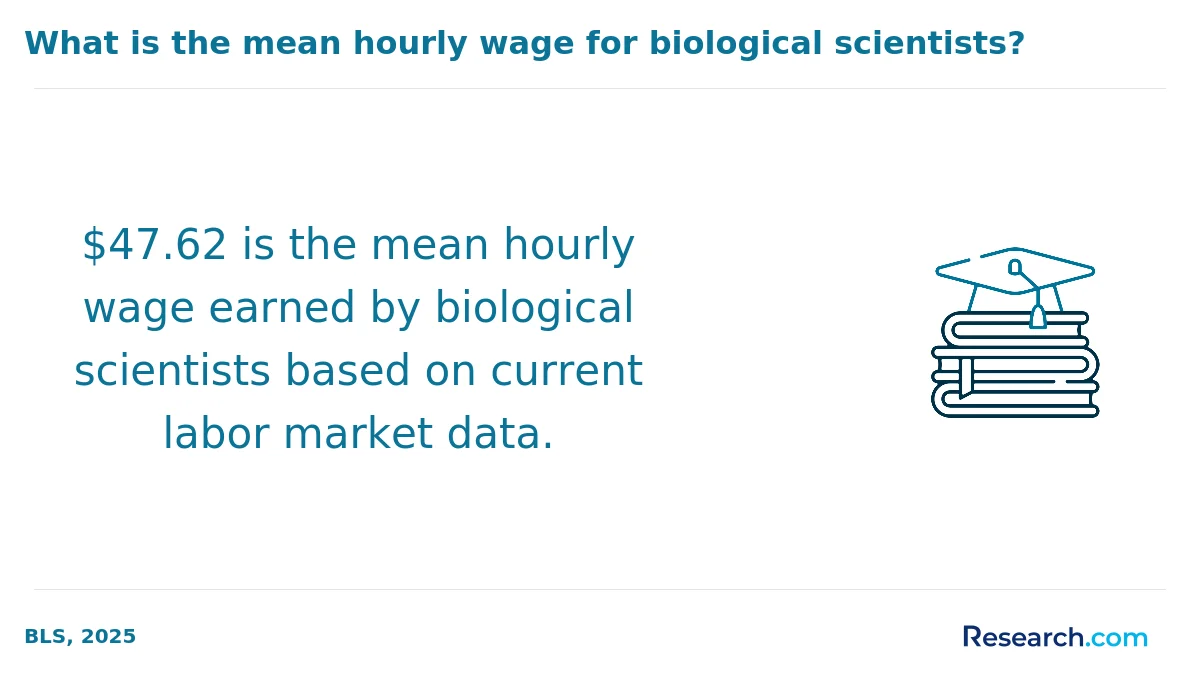
Salary data reflects promising outcomes, with biological technicians earning a median wage of around $48,180 annually, while environmental scientists average $79,100. For detailed information on specialized fields within biology, such as aquatic biology, students can explore what do you study to become an aquatic biologist, which provides insights related to career paths and salary potential.
2027 Most Valuable Online Bachelor's in Biology Degree Programs Ranking in the USA
Investing in your education is a significant decision that can shape your future, and the Research.com team understands the importance of making informed choices. To assist prospective students interested in biology, we have meticulously crafted the "2027 Most Valuable Online Bachelor's in Biology Degree Programs Ranking in the USA." Our commitment to quality, credibility, and accuracy is reflected in the extensive research and analysis conducted to compile this ranking.
We utilized the following reputable data sources to ensure a comprehensive evaluation of biology degree programs:
By exploring this ranking, readers will gain valuable insights into the most valuable online biology programs, helping them make well-informed decisions about their educational and career pathways. For more details on how we created this ranking, please visit our Research.com methodology page.


# 3 position
Northern Arizona University
Bachelor of Health Sciences, Allied Health, Diagnostic Medical Imaging and Therapy





# 8 position
University of Maryland Global Campus
Bachelor of Biotechnology

# 9 position
Thomas Edison State University
Bachelor of Biology


Frequently Asked Questions About biology
Online biology degree students in America can maximize their learning experience by actively engaging with course materials and participating in virtual labs whenever available. Research from the National Center for Education Statistics shows that students who use interactive digital tools tend to perform better in STEM-related courses.
Building a consistent study schedule helps maintain focus and mastery over complex topics like genetics or ecology. Joining online study groups or academic forums dedicated to biology further enriches understanding through peer discussions and resource sharing.
Additionally, seeking internships or research opportunities at local institutions complements online coursework with practical experience, a crucial factor given that 68% of biology graduates in the US find employment linked to hands-on skills (U.S. Bureau of Labor Statistics, 2023).
The biology field is rapidly evolving, with several emerging niches gaining prominence. One notable area is synthetic biology, which involves engineering organisms for applications in medicine, agriculture, and environmental solutions. The U.S. federal government has increased funding in this sector, recognizing its potential impact on bioengineering industries.
Another growing niche is microbiome research, focusing on the complex communities of microbes in the human body and their effects on health. This area benefits from advancements in sequencing technologies and is linked to personalized medicine trends.
Additionally, bioinformatics combines biology with computer science, addressing the need to analyze large biological datasets. According to the National Science Foundation, job growth in this area is expected to rise sharply through 2030, reflecting its importance in genomics and biotechnology.
To prepare for the job market after completing an online biology degree in America, it is essential to gain practical experience alongside academic knowledge. Internships and research opportunities provide hands-on skills that employers highly value. According to the National Science Foundation, around 57% of biology graduates in the U.S. engage in research projects, enhancing employability.
Networking with professionals through biology associations like the American Institute of Biological Sciences can open career doors. Additionally, developing strong communication and data analysis skills is crucial, as many biology roles require interpreting complex information.
Obtaining certifications relevant to biotechnology or environmental science may further boost job prospects.
Employers in America prioritize a combination of technical and soft skills when hiring biology degree graduates. According to the National Association of Colleges and Employers (NACE), critical thinking and problem-solving are top attributes sought by employers across scientific fields, including biology.
Proficiency in laboratory techniques and data analysis is essential. Graduates should be skilled in using tools like PCR, microscopy, and statistical software such as R or SPSS, which are standard in many biology jobs.
Communication skills, both written and oral, are highly valued. Biology professionals must clearly explain complex scientific concepts to diverse audiences, including non-scientists.
Teamwork and adaptability are also important, given the collaborative nature of research and biotechnology industries in the US.
Finding internships related to biology in America begins with leveraging university career centers, which often have partnerships with local laboratories, research institutions, and healthcare facilities. Students enrolled in online biology programs should actively use virtual career services and internship databases, such as those provided by the National Association of Colleges and Employers (NACE).
Another effective approach is networking through professional organizations like the American Institute of Biological Sciences (AIBS) or the Society for Integrative and Comparative Biology (SICB), which regularly post internship opportunities.
According to the U.S. Bureau of Labor Statistics, biology-related internships often span fields such as environmental science, biotechnology, and healthcare, with growth projected at 5% through 2031.
Seeking internships at government agencies like the EPA or NIH can also provide valuable experiences relevant to biology degrees. Early application and tailored resumes increase chances of placement.
Obtaining an online biology degree in America significantly enhances career mobility and advancement opportunities in scientific and healthcare fields. According to the U.S. Bureau of Labor Statistics, employment in biological sciences is projected to grow 5% from 2021 to 2031, faster than the average across all occupations.
Online degrees provide flexibility, allowing students to gain credentials without interrupting current jobs, making it easier to switch careers or pursue promotions. Employers increasingly recognize accredited online programs, especially those from regionally accredited institutions.
Graduates with a biology degree can access roles in research, biotechnology, environmental science, and healthcare, where continuous education correlates with higher salaries and leadership roles. Additionally, online learning platforms often offer networking opportunities that can open doors to advanced positions.
Studying for a biology degree in America equips students with a broad foundation in life sciences and fosters skills across multiple disciplines. US biology programs typically integrate coursework in chemistry, physics, and mathematics, which are essential for understanding complex biological systems.
Many online biology degrees emphasize research methods and data analysis, preparing students to work in fields like biotechnology, environmental science, and healthcare. According to the National Center for Education Statistics, interdisciplinary STEM roles are growing at a rate of 8% annually, highlighting the demand for versatile biology graduates.
This multidisciplinary approach creates opportunities for collaboration with computer science, engineering, and public health professionals, making graduates valuable contributors to innovative scientific projects.
Choosing between a thesis and a non-thesis biology degree program in America depends largely on your career goals and learning preferences. Thesis programs involve conducting original research and writing a detailed dissertation. They are suited for students interested in research, academia, or advanced graduate study. According to the National Center for Education Statistics, about 30% of biology bachelor's degrees in the U.S. incorporate research components, reflecting the value placed on hands-on investigation.
Non-thesis programs focus more on coursework and practical skills, preparing students for immediate employment in fields like biotechnology, healthcare, or environmental science. These programs may take less time to complete and are often preferred by working professionals seeking flexibility. Understanding your future plans will guide your choice between these two paths.
Students based in America seeking to study biology abroad have limited options through fully online international programs. Most online biology degrees are offered domestically, but some U.S. institutions partner with foreign universities for study-abroad experiences or research collaborations.
American students can enroll in exchange programs or short-term study opportunities sponsored by U.S. universities, focusing on fieldwork or specialized courses in biology within countries like Australia, the United Kingdom, or Canada.
Data from the Institute of International Education (IIE) shows that biology is among the popular fields for study abroad, with approximately 5% of U.S. students participating globally in STEM disciplines.
However, fully online biology degrees with an international curriculum remain rare, so students often pursue domestic online options supplemented by abroad fieldwork or internships.
Part-time job opportunities that complement an online biology degree in America often involve roles that reinforce laboratory and research skills. Common positions include laboratory assistants, where students support experiments and data collection. According to the U.S. Bureau of Labor Statistics, biological technicians earned a median hourly wage of $21.05 in 2023, making this a practical option for students.
Other roles such as environmental field technicians or wildlife assistants provide hands-on experience in ecology and conservation biology. These jobs help students apply theoretical knowledge while building professional networks.
Additionally, tutoring in biology or related STEM subjects can enhance communication skills and deepen subject mastery. Such part-time work strengthens a student's resume and professional expertise.
Online biology students in America can access a variety of networking opportunities that help connect them with peers, faculty, and industry professionals despite the virtual setting. Many accredited programs partner with scientific organizations such as the American Society for Microbiology and the Ecological Society of America, offering students membership discounts and virtual conference access.
Additionally, online platforms like LinkedIn host groups specifically for biology students and professionals, enabling meaningful discussions and job leads. Some universities organize virtual career fairs and alumni networking events, which are crucial for internship and job placements. According to the National Center for Education Statistics, about 30% of biology graduates find their first job through networking.
Alumni networks offer essential support for online biology degree students in America by providing connections to professionals and researchers in the field. These networks enable current students to gain mentorship, career advice, and internship opportunities that can be critical for building experience.
According to the National Science Foundation, biology remains a popular major in the US, leading to a competitive job market. Alumni can help bridge this gap by sharing job openings and industry insights, increasing graduates' employment prospects.
Moreover, alumni events and online platforms foster collaboration and lifelong learning among biology graduates, enhancing both professional growth and academic advancement.
Customizing an online biology degree program in America allows students to align their education with specific career goals. Many universities offer elective courses in areas like molecular biology, ecology, or biotechnology, enabling specialization.
Students can also choose from research projects, internships, or lab work components that focus on practical skills relevant to fields such as healthcare, environmental science, or pharmaceuticals. According to the National Center for Education Statistics, over 60% of biology students at U.S. institutions participate in internships or hands-on experiences before graduation.
Additionally, some schools provide options for double majoring or adding certificates in areas like bioinformatics or public health, helping students enhance their expertise and job prospects.
Online biology students in America often face significant challenges related to hands-on lab experiences. Biology programs typically require practical work, which can be difficult to replicate fully in a virtual setting. Many institutions address this by offering lab kits or requiring occasional campus visits, but access and scheduling can still pose barriers.
Students also encounter challenges in staying motivated and managing time effectively. According to research by Inside Higher Ed, nearly 40% of online students report difficulties balancing coursework with personal and professional obligations.
Additionally, finding strong faculty interaction can be harder online. Biology students benefit from mentorship and discussion, which may be limited in large online classes. These challenges influence persistence and success rates in biology online degrees across the US.
With an online biology degree in America, graduates can pursue several professional certifications that enhance career opportunities. Popular options include the Certified Biological Safety Professional (CBSP) credential, which is ideal for those interested in laboratory safety and research compliance. Another respected certification is the American Society for Clinical Pathology's (ASCP) Biological Scientist certification, which validates technical expertise in clinical settings.
Additionally, individuals may seek certification as a Wildlife Biologist through The Wildlife Society, especially if focused on ecology and conservation. Certifications like these often require a combination of education, relevant work experience, and passing an exam, aligning well with the training received in accredited online biology programs.
Writing a winning application for an online biology program in America requires careful preparation. First, highlight your academic background, especially courses in biology, chemistry, and math. Admissions committees look for strong foundational knowledge. According to the National Center for Education Statistics, biology remains one of the top five most popular STEM bachelor's degrees in the U.S., increasing competition.
Next, craft a clear personal statement explaining your interest in biology and your career goals. Emphasize how online learning fits your lifestyle and academic needs. Include specific examples of your passion for biology, such as research projects or volunteer work. Strong letters of recommendation from science instructors or professionals can boost your chance.
Lastly, ensure all application materials are error-free and submitted before deadlines, which typically fall between December and March for most programs.
Biology careers are increasingly valued globally, with the United States playing a leading role in research and innovation. According to the U.S. Bureau of Labor Statistics, biological scientists' employment is projected to grow 5% from 2021 to 2031, reflecting steady demand. The global need for expertise in areas like biotechnology, healthcare, and environmental science drives opportunities for biology graduates worldwide.
American universities provide strong online biology degree programs that prepare students for both domestic and international challenges. Collaboration between U.S. institutions and global research centers enhances knowledge exchange, benefiting students interested in diverse biology careers.
Gaining practical experience while pursuing an online biology degree in America is essential for developing real-world skills. Many programs incorporate virtual labs and simulations to replicate hands-on activities. These tools help students understand complex biological processes through interactive experiences.
Additionally, students can seek internships or research opportunities with local institutions or biotech companies. According to the National Science Foundation, nearly 70% of biology undergraduates participate in research during their studies, enhancing employment prospects.
Service learning and volunteer roles at museums, hospitals, or environmental organizations also provide valuable exposure. Networking with professors and professionals can open doors to these practical experiences even while studying remotely.
Choosing the right concentration within an online biology degree program in America requires careful consideration of your interests and career goals. Popular concentrations include molecular biology, environmental biology, microbiology, and biotechnology. According to the National Center for Education Statistics, approximately 15% of biology degrees awarded in 2022 focused on molecular and cellular biology, reflecting strong job market demand.
Evaluate how each concentration aligns with federal job growth projections from the U.S. Bureau of Labor Statistics. For example, environmental biology is expected to grow 8% by 2032 due to increased environmental regulations. Seek programs offering internships or research opportunities related to your chosen field to gain practical experience.
Consider the program's faculty expertise and specialization, which can impact the quality of education and mentorship. Additionally, check if the curriculum includes transferable skills such as data analysis and lab techniques, as these are highly valued in biology-related careers across the U.S.
- Careers in Biological Sciences: Opportunities, Skills, and the Future of Work https://www.hyperec.com/blog/careers-in-biological-sciences-opportunities-skills-and-the-future-of-work/
- What Can You Do With a Biology Degree? https://willamette.edu/academics/college/biology/career-options
- 4 Types of Biology Concentrations | University of Bridgeport https://www.bridgeport.edu/news/biology-concentrations/
- Biology Major Jobs: Careers in the Biological Sciences | Houston Christian University https://hc.edu/articles/biology-major-jobs-careers-in-the-biological-sciences/
- PROBLEMS AND SOLUTIONS IN BIOLOGY EDUCATION ... https://uniconflix.com/index.php/ICLT/en/article/download/2740/1493/3000
- How to Create a Biology Course Plan for Accelerated Degree Completion https://www.straighterline.com/blog/how-to-create-an-efficient-biology-course-plan-for-accelerated-degree-completion
- Top 30 Biology Scholarships to Apply to in December 2025 https://bold.org/scholarships/by-major/biology-scholarships/
- Online Degree vs. Traditional: Choosing the Right Path https://beal.edu/online-degree-vs-traditional/
- Best Online Biology Degrees 2025 https://www.onlineu.com/degrees/biology
- Study Biology Abroad | Go Overseas https://www.gooverseas.com/study-abroad/biology