2027 Most Affordable Online Biology Degree Programs Ranking in the South

Co-Founder and Chief Data Scientist
Choosing the right biology degree program can feel overwhelming, especially when balancing cost and quality. This article presents the 2027 Most Affordable Online Biology Degree Programs Ranking in the South, carefully crafted by the Research.com team of data scientists. It aims to guide you through the best options available for an affordable and reputable education.
Whether you're starting fresh or advancing your career, earning a biology degree opens doors to exciting opportunities in healthcare, research, and environmental fields. Discover programs that fit your budget and goals to take confident steps toward your future.
Key benefits of getting online biology degree in the South
- Biology graduates in the South can expect average salaries around $50,000 to $70,000 annually in related fields like environmental science and lab technology, offering a promising financial future.
- Career paths often include roles in research, healthcare, and environmental conservation, as seen with graduates from the University of Florida, providing diverse and rewarding opportunities.
- Online biology degrees from institutions like Arizona State University offer flexible schedules and lower costs, making it easier to balance work, family, and education without sacrificing quality.
- 2027 Most Affordable Online Biology Degree Programs Ranking in the South
- What can I expect from online biology degree in the South?
- Where can I work with online biology degree in the South?
What can I expect from online biology degree in the South?
The average cost of pursuing an online biology degree in the South typically ranges between $6,000 and $12,000 per year, depending on your residency and the institution you choose. Many Southern universities, like the University of Florida and Texas A&M University, offer competitive in-state tuition rates even for online students, making it a financially wise decision for those balancing budgets and ambitions.
I've seen graduates thrive who initially worried about expenses but discovered that these affordable options allowed them to focus on their studies without financial stress. Imagine studying cutting-edge topics like genetics or microbiology from your home while knowing you're saving compared to national averages-this accessibility opens doors for many.
With such cost-effective programs, you can fully engage in virtual labs and collaborative projects without worrying about breaking the bank. The lower tuition in Southern programs doesn't mean lower quality; instead, it often reflects a commitment to supporting diverse learners from all walks of life who seek impactful careers in biology.
Where can I work with online biology degree in the South?
With an online biology degree earned from respected Southern institutions like the University of Florida or Emory University, you'll find a wealth of career paths awaiting you across the region. Graduates often step into dynamic healthcare roles such as laboratory technicians or clinical research assistants, especially in bustling cities like Houston and Atlanta where demand for skilled professionals is high.
Many also find fulfillment in environmental science careers, working with agencies like the Texas Commission on Environmental Quality to protect diverse ecosystems. Imagine spending your days helping conserve wetlands or managing wildlife habitats-this hands-on impact is especially rewarding for those passionate about the environment.
Others use their degree as a launching pad into education, becoming inspiring high school science teachers in states like North Carolina or Tennessee through alternative certification programs. This path allows graduates to spark curiosity and empower the next generation in their own communities.
Finally, research opportunities abound for those drawn to labs and universities, with roles as research assistants providing invaluable experience. The Southern academic scene embraces biology graduates, offering a vibrant mix of careers that combine meaningful work with regional growth.
Graduates with an online biology degree in the South often find promising earning potential, with entry-level roles starting around $40,000 to $50,000 per year. Many begin as research assistants or laboratory technicians at institutions like the University of North Carolina or Florida State University, gaining invaluable hands-on experience while earning a solid wage.
As you build expertise in areas such as molecular or environmental biology, salaries can rise toward $70,000 or more, especially in urban hubs like Houston or Raleigh-Durham, where biotech firms and medical research facilities are thriving. Southern graduates often share how advancing their education or obtaining certifications opened doors to specialized positions, pushing their incomes higher and expanding career opportunities.
The combination of practical experience, regional demand, and dedication can yield rewarding salaries in this field. Graduates report feeling energized knowing their work supports cutting-edge discoveries or environmental solutions, all while earning a respectable income in Southern markets with a vibrant scientific community.
- The average annual cost for a bachelor's biology degree at Southern public universities ranges from $8,000 to $15,000 for in-state students.
- Online biology programs in the South typically offer flexible coursework and include key subjects like cellular biology, genetics, and biotechnology.
- Degrees are often accredited by the Southern Association of Colleges and Schools Commission on Colleges (SACSCOC), ensuring educational standards.
- Starting salaries for biology graduates in the South range from $40,000 to $48,000, increasing to $60,000-$75,000 with experience in specialized fields.
- Job opportunities are strongest in metro areas like Atlanta, Raleigh-Durham, and Houston, especially in biotech, healthcare, and environmental sectors.
Completing an online biology degree in the South typically takes about four years for full-time students, aligning with the experience of many graduates from universities like the University of Florida or the University of Georgia. These students often balance demanding core science courses with electives and general education, steadily progressing toward their goals.
However, flexibility is a hallmark of Southern online programs. Many students at institutions such as North Carolina State University choose part-time enrollment to manage work or family, extending their journey to five or six years without losing momentum. This option allows for a personalized pace, reducing stress while maintaining steady progress.
There are also accelerated paths at some Southern colleges, where motivated learners complete their biology degree in as little as two and a half years by dedicating themselves to year-round study, including summer semesters. Graduates who took this route share a sense of accomplishment, having conquered a rigorous schedule to reach their dreams faster.
When choosing between online and on-campus biology degrees in the South, the main difference often comes down to flexibility and hands-on experience. Many graduates from schools like Texas A&M appreciate how on-campus programs allow them to dive directly into lab work and collaborate face-to-face with professors. This hands-on approach builds confidence using scientific equipment and conducting real experiments, which is invaluable in biology.
Conversely, online programs from universities such as North Carolina State offer remarkable flexibility. Graduates balancing jobs or family commitments find that the ability to study remotely fits their busy lives without sacrificing academic quality. These programs often include hybrid models, where students complete necessary labs locally or through internships, ensuring practical skills don't take a back seat.
For students in rural Southern areas, online degrees also remove the barrier of long commutes to campus, opening doors to programs like those at the University of Florida. Ultimately, both paths build a strong foundation in biology, but your choice depends on whether you thrive in hands-on environments or value adaptable schedules. Your passion for biology will find its path in either setting.
The average cost of an online biology degree in the South typically centers around $33,120, with in-state students paying about $15,501 on average and out-of-state students slightly more at $33,157. This spread reflects the many affordable online biology degree programs southern states offer, especially at public universities known for balancing quality and cost. Graduates from these programs often mention feeling relieved that their education didn't break the bank while still providing a robust, career-ready foundation.
Many Southern universities, such as those popular for biology degrees in states like Georgia, Florida, and Texas, structure tuition to ensure accessibility without sacrificing quality. A common real-life situation involves students budgeting for roughly 120 to 130 credit hours, often supplementing tuition with reasonable expenses for technology, lab kits, and materials. These costs highlight the importance of planning but also allow students to foresee the value of a well-rounded online education.
When considering the average cost of online biology degrees in the South, it's inspiring to remember that financial aid options can make this path more attainable. Numerous Southern schools participate in federal and state aid programs, helping students manage expenses effectively. Prospective learners can also explore scholarships targeted at biology or STEM majors in the region.
To understand the possibilities after graduation, consider how many students leverage their degree to access fulfilling jobs for biology majors across the South, enjoying the rewarding career paths made possible by their affordable online studies.
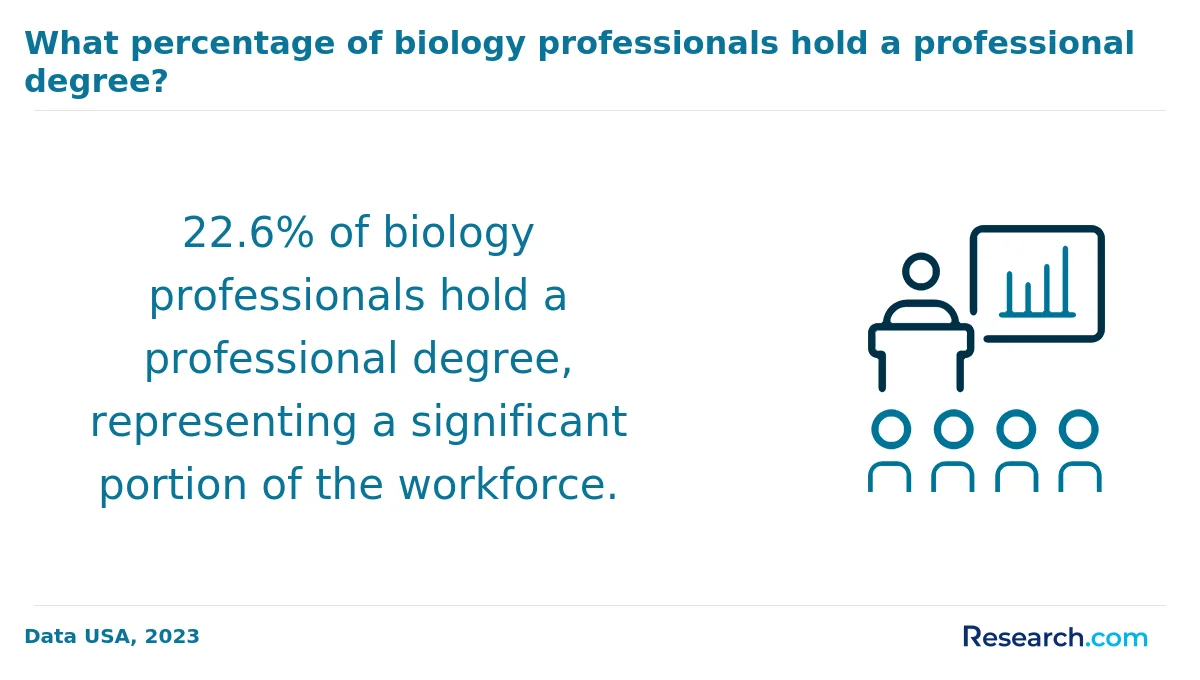
Accreditation confirms program quality, supports financial aid eligibility, and ensures your online biology degree is recognized by employers and graduate schools.
- Regional bodies like the Southern Association of Colleges and Schools Commission on Colleges (SACSCOC) accredit institutions in the South.
- Consult the U.S. Department of Education or Council for Higher Education Accreditation (CHEA) databases to verify program status.
- Accredited programs facilitate credit transfer, graduate study admission, and licensure preparation.
- For a model of transparent accreditation practices, see our online pharmd programs overview.
When pursuing an online biology degree in the South, financial aid options can truly transform your educational journey. Many students at institutions like the University of Florida or the University of North Carolina have shared how completing the FAFSA unlocked access to federal Pell Grants, offering up to $7,395 annually without the stress of repayment. This support made balancing school and life manageable, especially when paired with Direct Subsidized Loans that keep interest costs low while studying.
State programs are another powerful resource. Graduates from Texas A&M recall how the Texas Grant program eased their tuition burdens, while peers in Georgia benefited from the HOPE Scholarship by maintaining good grades. These grants are designed to reward your determination and commitment to STEM fields like biology.
Don't overlook scholarships from universities and organizations either-many biology students have received awards based on merit or their research involvement, offered by groups such as the American Institute of Biological Sciences. Plus, employer tuition assistance can help working professionals in the South move ahead without financial strain.
Engaging early with financial aid advisors at your chosen Southern university can reveal personalized strategies to maximize funding and flexible payment plans. Their guidance often lights the path to success, turning challenges into achievable goals.
To enroll in an online biology degree program in the South, you'll need to focus on a few essential prerequisites that set you up for success. Most programs expect you to have a high school diploma or GED, but more importantly, a solid foundation in science and math. Imagine a graduate from a well-known Southern university who credits their success to having taken biology, chemistry, and algebra in high school-even physics if possible. These courses sharpen your analytical skills and build confidence for tackling advanced biology topics.
Many Southern colleges require SAT or ACT scores, though test-optional policies are becoming more common to ease access. Where scores matter, strong math and science results can make your application stand out, like they did for a student who secured a spot through academic excellence rather than test scores alone.
For those transferring from other colleges, transcripts with completed introductory biology and chemistry courses are vital. Letters of recommendation or personal statements also provide a chance to share your passion for biology, just as many successful online learners have done.
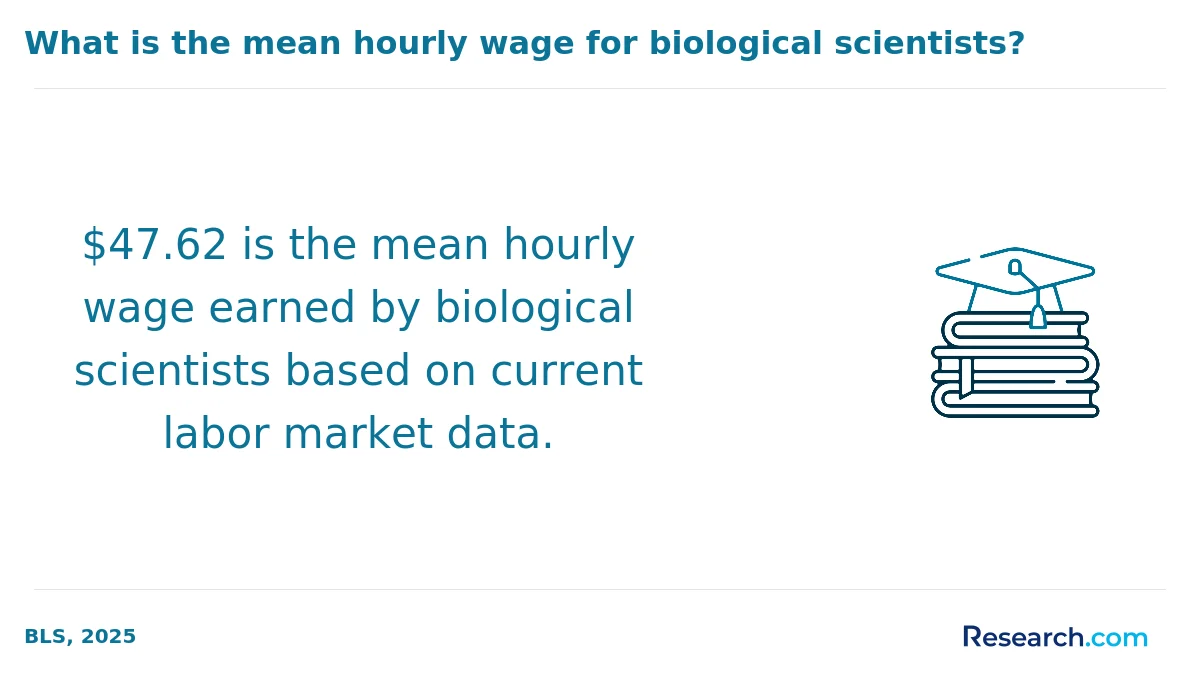
When pursuing an online biology degree in the South, you'll find a carefully crafted curriculum designed to build a thorough understanding of biology through core courses like General Biology I and II, covering cell biology, genetics, and evolution. Many graduates from well-known Southern institutions attest that these foundational classes prepared them to confidently explore real-world biological systems.
Microbiology and Human Anatomy and Physiology are often next, offering vivid insights into microorganisms and the human body-imagine visualizing the intricate functions of cells right from your home. Chemistry courses, including general and organic, play a vital role, as many Southern programs ensure you gain the necessary lab skills either virtually or through limited campus visits.
Statistics and Biostatistics are frequently included, teaching students to analyze data crucial for research careers. Many Southern graduates share how such courses helped them engage deeply with research projects, shaping their career paths toward environmental biology or biotechnology.
Electives like ecology and cell biology enrich your experience, letting you tailor the degree to your passions while meeting the high academic standards of prestigious Southern colleges.
When exploring an online biology degree in the South, you'll find several compelling specializations that align with the region's unique ecosystems and job market. Many graduates from popular southern universities share how focusing on Environmental Biology allowed them to engage directly with conservation projects in biodiverse areas, reflecting local commitments to sustainability. Others choose Molecular and Cell Biology to prepare for healthcare and biotech careers, especially in states like Texas and Florida where these sectors are booming. The options are diverse; Marine Biology specialization is perfect for those near coastal areas, offering insights into ocean ecosystems and supporting industries such as fisheries. Wildlife Biology remains a favorite for students fascinated by the rich animal populations in Georgia or Tennessee, guiding them toward impactful conservation roles.
If you're eager to explore biology major concentration options southern universities offer, health sciences specialties also provide a solid foundation for medicine and allied health fields. For a comprehensive overview of paths to advance your studies confidently, consider an online bachelor of biology degree which integrates these dynamic specializations with flexible, accessible learning.
When choosing the best online biology degree in the South, focus first on accreditation-programs recognized by SACSCOC guarantee that your education meets rigorous standards and will be valued by employers. Graduates from Southern universities often praise how well their accredited programs prepared them for real-world challenges. For example, those balancing careers found flexibility in asynchronous courses especially helpful, allowing them to study at their own pace while managing work and family commitments.
Look for programs that offer hands-on experiences despite the online format. Some Southern colleges cleverly combine virtual labs with partnerships at local facilities, so students can still gain essential practical skills. Remember, affordable online biology degrees in the South often include financial aid and reduced tuition designed specifically for remote learners, making your investment smarter and more manageable.
Faculty expertise greatly enriches the learning journey. Graduates often recall how knowledgeable professors who actively lead biological research inspired their passion and opened doors in fields like biotechnology and environmental science. If you want a smooth start, consider exploring options like easy biology degree online programs that many students in the region found accessible and rewarding.
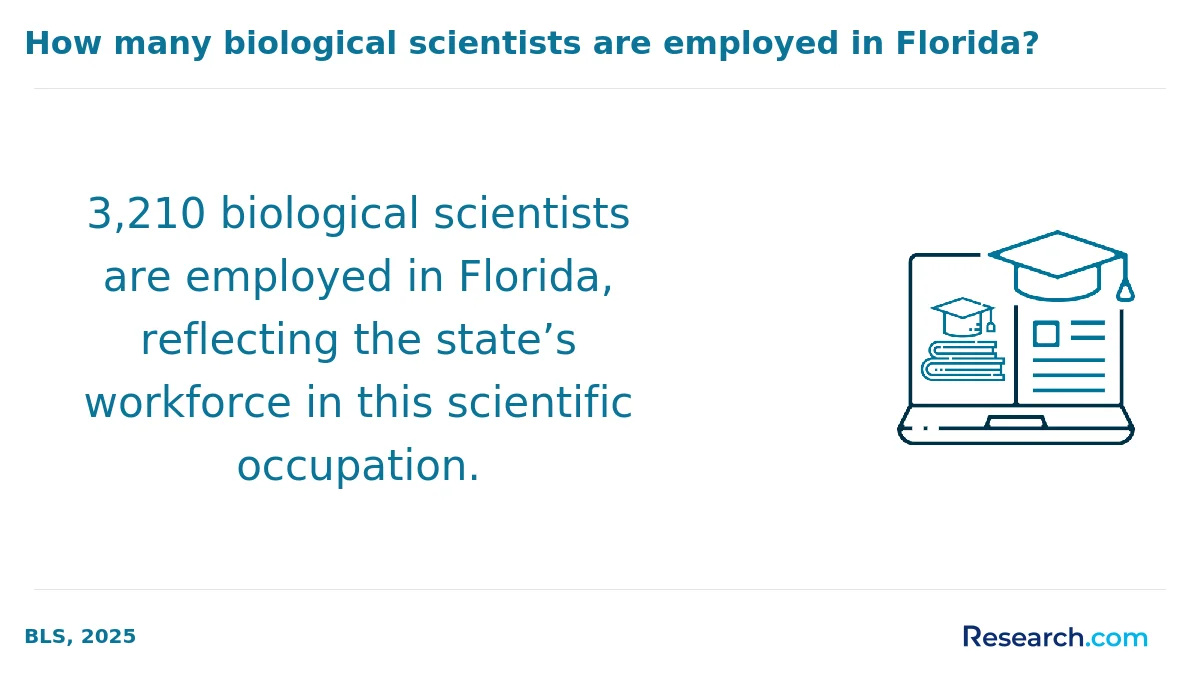
If you're pursuing an online biology degree in the South, you'll find a wealth of career paths that truly match the region's dynamic economy and growing industries. Graduates from universities in Texas, Florida, and Georgia often land roles in healthcare and biomedical research, taking advantage of booming opportunities in labs and public health agencies. They feel a strong sense of purpose working in settings where their skills directly impact community wellness and innovation.
Environmental science careers are equally rewarding, especially in states like North Carolina and Florida. Graduates contribute to coastal management or wildlife conservation, engaging with the Southeast's rich biodiversity. This real-world impact keeps many motivated to protect natural habitats and shape regional ecological policies.
For those interested in the biotech sector, hubs such as Research Triangle Park and Houston Medical Center provide fertile ground for careers in pharmaceutical research and quality control. Graduates often share how these roles offer continuous learning and a chance to be at the cutting edge of scientific discovery.
Finally, teaching remains a fulfilling path, with graduates stepping into STEM education roles across Southern schools, inspired by the opportunity to shape future generations. These varied options highlight the excellent online biology degree job prospects southern states provide, especially when paired with affordable local tuition.
Many students explore these opportunities through programs like the online bachelor biology, gaining flexibility while preparing for impactful, regionally relevant careers.
The job outlook for online biology degrees in the South is promising, fueled by growing industries in healthcare, biotechnology, and environmental science. Graduates from Southern universities often find themselves stepping into vibrant career paths at hubs like Research Triangle Park or the Texas Medical Center, where hands-on internships and research opportunities help bridge academic knowledge with real-world experience. Many who studied online appreciate how their flexible programs prepared them for dynamic roles in biotechnology companies, pharmaceutical research, or environmental consulting. These employers increasingly value the adaptability and technological skills remote learners bring to the table.
Biology degree employment opportunities in Southern states are further enhanced by partnerships between universities and local industries, making it easier for graduates to enter the workforce. Salary ranges start around $47,000 for biological technicians and can exceed $80,000 in advanced positions, reflecting the region's competitive market. For students wondering how do you become an aquatic biologist, this area offers rich practical experiences and promising growth as well.
2027 Most Affordable Online Biology Degree Programs Ranking in the South
Investing in your education is a significant decision that can shape your future, and the Research.com team understands the importance of making informed choices. To assist prospective students seeking affordable online biology degrees in the South, we have carefully developed the "2027 Most Affordable Online Biology Degree Programs Ranking in the South." Our dedication to quality, credibility, and accuracy is demonstrated through rigorous research and thorough analysis conducted to create this ranking.
We utilized the following reputable data sources to ensure a comprehensive evaluation of online biology programs:
By reviewing this ranking, readers will gain valuable insights into affordable and credible online biology degree programs, enabling them to make well-informed educational choices. For more details on our methodology, please visit our Research.com methodology page.
# 1 position
University of Florida
Master of Microbiology and Cell Science: Medical Microbiology and Biochemistry


# 6 position
University of Maryland Global Campus
Master of Biotechnology: Bioinformatics

# 7 position
University of Maryland Global Campus
Bachelor of Biotechnology



Frequently Asked Questions About biology
Students pursuing online biology degrees in the South can enhance their learning by engaging actively with professors and peers through virtual office hours and discussion forums. Research shows that interaction improves comprehension and retention of complex biological concepts. Utilizing regional resources, such as local ecological parks or university-affiliated research centers, offers practical insights. Accredited Southern institutions often provide access to specialized databases like the Biological Abstracts or JSTOR, which support deeper study.
Additionally, students should balance coursework with internships or volunteer opportunities in Southern states, boosting practical experience relevant to local ecosystems. According to the Southern Regional Education Board, nearly 70% of biology graduates in the South find improved employment prospects after participating in hands-on work related to their online studies.
Emerging niches within the biology field reflect rapid advancements and growing demand in specialized areas. In the Southern United States, fields like bioinformatics, environmental biology, and synthetic biology are gaining significant attention. According to the Southern Regional Education Board, programs in these areas are expanding to meet workforce needs. Bioinformatics combines biology and computer science to analyze genetic data, crucial for healthcare innovations. Environmental biology has risen due to increasing focus on climate change and conservation in the South's diverse ecosystems. Synthetic biology, involving the design of new biological parts, is also drawing investment thanks to biotech growth in states like North Carolina and Texas.
Graduates with an online biology degree in the South can prepare for the job market by gaining practical experience through internships or volunteer work in local research labs, healthcare facilities, or environmental organizations. Many Southern universities have partnerships offering hands-on opportunities even for online students.
Networking is crucial; joining regional biology associations like the Southern Section of the American Society of Plant Biologists can open doors to job leads. According to the U.S. Bureau of Labor Statistics, biology-related jobs in the South are projected to grow 8% from 2022 to 2032, suggesting steady demand.
Additionally, obtaining relevant certifications or pursuing specialized certifications in biotechnology or environmental science can improve employability in competitive fields.
Employers in the South highly value strong analytical and laboratory skills in biology degree graduates. According to the National Science Foundation, proficiency in data analysis and familiarity with modern lab technologies are essential for many biology-related roles in the region.
In addition, communication skills are critical, as graduates often work in collaborative environments or need to explain complex scientific concepts clearly. Problem-solving ability and adaptability are also frequently mentioned by employers, especially given the evolving nature of biological research and environmental challenges in southern states.
Many regional employers prefer candidates with experience in field research and knowledge of local ecosystems, emphasizing practical application alongside theoretical knowledge.
Finding internships relevant to a biology degree in the South involves exploring multiple local resources. Many universities in Southern states have partnerships with nearby research centers, hospitals, and environmental agencies. For example, institutions often collaborate with organizations like the South Carolina Department of Natural Resources or Florida's Fish and Wildlife Conservation Commission.
Students should utilize their university's career services and biology department contacts, as these offices maintain up-to-date internship listings. Additionally, platforms like Handshake and ZipRecruiter often feature regional biology internships specifically targeted at Southern students.
According to the Bureau of Labor Statistics, the South is experiencing growth in biological sciences roles, especially in Texas and Florida, which boosts internship opportunities. Applying early and tailoring applications to Southern employers' focus areas, such as ecology or healthcare, increases success rates.
An online biology degree in the South can significantly boost career mobility and advancement. Many Southern states have growing biotech, healthcare, and environmental sectors that value degrees from accredited institutions. According to the U.S. Bureau of Labor Statistics, biology-related jobs in the Southeast are projected to grow by 8% by 2030, faster than the national average.
Online programs offer flexibility, allowing students to continue working while earning credentials that qualify them for specialized roles. Employers in states like Georgia and North Carolina increasingly recognize online degrees, enhancing job prospects.
Additionally, Southern universities often maintain strong industry connections, facilitating internships and networking for online learners. This real-world exposure is critical for advancing to leadership positions in scientific research, education, or healthcare.
Studying for a biology degree in the South offers strong interdisciplinary preparation due to the region's emphasis on applied and collaborative sciences. Many Southern universities integrate biology courses with environmental science, biotechnology, and health studies, reflecting the diverse ecosystems and industries in the area.
Online programs often include training in data analysis, lab technology, and communication skills, which are essential for roles that intersect with public health, agriculture, and conservation. According to the Southern Regional Education Board, over 60% of biology graduates in this region pursue careers requiring cross-disciplinary knowledge.
This approach equips students to work effectively in fields such as biomedical research, environmental policy, and science education, meeting the growing demand for versatile expertise in the workforce.
When choosing between a thesis and a non-thesis online biology degree program in the South, consider your career goals. A thesis option often suits students aiming for research roles or doctoral studies. It involves conducting original research and writing a detailed paper under faculty supervision.
The non-thesis path typically focuses on coursework and may appeal to professionals seeking applied skills or teaching credentials. It usually requires fewer credit hours and can be completed more quickly.
According to the Southern Association of Colleges and Schools Commission on Colleges, both program types must meet rigorous standards, but thesis programs might demand more time and commitment.
In 2023, nearly 45% of Southern biology graduates chose non-thesis options, valuing flexibility.
Students based in the South interested in studying biology abroad have several options through partnerships between Southern U.S. universities and international institutions. Many online biology programs in the region offer study-abroad components or international research opportunities, allowing students to gain global experience without relocating permanently.
For example, universities like the University of Florida and Texas A&M include virtual exchange programs and summer research projects abroad as part of their biology curricula. According to the Institute of International Education, Southern institutions have increased their international partnerships by 15% over the past five years.
These experiences help students develop a broader understanding of global biological issues and biodiversity, enriching their academic and professional prospects in biology.
Part-time job opportunities in the South that complement a biology degree often focus on research assistance, laboratory technician roles, and environmental fieldwork. For example, many universities and medical centers in states like Texas and Georgia offer undergraduate research assistant positions, allowing students to gain hands-on experience with biological data and lab techniques. According to the U.S. Bureau of Labor Statistics, technician roles in biological sciences are projected to grow about 6% nationally through 2032, with the South showing robust demand due to expanding healthcare and agricultural sectors.
Additionally, internships or part-time positions at local nature reserves and wildlife organizations provide practical field experience valuable for ecology or conservation biology students. The South's diverse ecosystems make such jobs accessible and relevant.
Online biology students in the South have growing networking opportunities through regional professional organizations and university-affiliated groups. For example, the Southern Society of Naturalists and the Southeast Ecology and Evolution Conference offer virtual events that allow students to connect with professionals and researchers across Southern states.
Many Southern universities provide online students access to virtual career fairs, webinars, and mentorship programs. According to the National Center for Education Statistics, several Southeastern institutions rank in the top 25 for biology degrees, enhancing networking potential due to their extensive alumni networks.
Additionally, students can participate in internships and research collaborations coordinated by university career offices that often partner with local biotech firms and conservation agencies.
Alumni networks offer significant benefits to online biology degree students in the South by providing valuable connections within the regional scientific and healthcare communities. Graduates from Southern universities often remain active in fields like biotechnology, environmental science, and healthcare, creating diverse professional opportunities.
Through these networks, students access mentoring, internships, and job leads, which are crucial in a competitive job market. For example, universities in the Southeast frequently report higher graduate employment rates linked to alumni engagement, according to the Southern Regional Education Board.
Networking within these associations can also lead to collaborative research and continued education opportunities tailored to Southern ecological and medical concerns, enhancing career prospects for biology students.
Students pursuing an online biology degree in the South can tailor their programs by selecting concentrations aligned with their career goals. Many Southern universities offer specializations such as environmental biology, biotechnology, or health sciences. This allows learners to focus on areas like research, healthcare, or conservation.
Elective courses enable further customization, including topics like genetics, ecology, or microbiology. Additionally, some programs provide internship or research opportunities through partnerships with local institutions, enhancing practical experience.
Advisors often assist students in planning coursework that meets licensure or certification requirements for professions such as teaching or laboratory work. According to the National Center for Education Statistics, Southern states report strong enrollment in STEM online programs, reflecting growing accessibility and diverse options.
Online biology students in the South often face challenges related to limited access to local lab facilities. Biology programs require hands-on experiments, which can be difficult to replicate remotely. Some schools offer virtual labs or partner with local centers, but availability varies widely across states.
Internet connectivity issues also affect many Southern students, particularly in rural areas where broadband access can be unreliable. According to the Federal Communications Commission, about 17% of rural Southern households lack high-speed internet, impacting timely participation in courses.
Additionally, students may struggle with fewer networking opportunities and limited faculty interaction compared to traditional programs, which can affect mentorship and career support. Balancing coursework with personal and work responsibilities remains a common hurdle.
With an online biology degree, especially from programs available in the South, graduates can pursue a variety of professional certifications that enhance career opportunities. Common certifications include the Certified Biological Scientist (CBS) offered by the American Institute of Biological Sciences, which validates expertise in biological sciences.
Other options include certifications in specialized fields such as Clinical Laboratory Science or Environmental Science Technician, which are highly relevant in Southern states with growing healthcare and environmental sectors. According to the Bureau of Labor Statistics, the South sees steady demand for biological technicians and environmental scientists, making these certifications valuable.
Professional development through certifications can improve job prospects in research, healthcare, and conservation industries.
Writing a successful application for an online biology degree program in the South requires clear demonstration of your academic readiness and genuine interest in the field. Most universities in Southern states, such as Texas and Florida, look for applicants with strong science backgrounds, particularly in biology, chemistry, and math.
Applicants should highlight relevant coursework, laboratory experience, and any related internships. Including a well-crafted personal statement that explains your motivation to study biology online and how it fits your career goals strengthens your case.
Many Southern programs value applicants who show commitment to local ecological or medical issues, which can be included in essays or recommendation letters. Always follow each school's specific instructions carefully to ensure your application stands out.
Biology careers offer diverse opportunities worldwide, influenced by global challenges like climate change, health, and biodiversity. In the United States, including the South, biology professionals are increasingly engaged in fields such as biotechnology, environmental science, and health research.
The U.S. Bureau of Labor Statistics projects a 7% growth in biological science jobs from 2021 to 2031, signaling steady demand. Many Southern states host major research institutions contributing to global biology initiatives, making the region significant for online biology education.
Online biology degrees from Southern universities prepare students for roles in global research, conservation, and healthcare, reflecting international scientific priorities and collaborative projects.
Students pursuing an online biology degree in the South can gain practical experience through local internships and research opportunities. Many universities in states like Georgia, Florida, and North Carolina partner with nearby hospitals, research centers, and environmental agencies to provide hands-on learning. For example, Clemson University offers remote students access to lab placements through regional collaborations.
Joining local chapters of biology or science organizations, such as the Southern Section of the American Society for Microbiology, can expand networking and skill-building. Additionally, some programs incorporate virtual labs and simulation tools recognized by the Society for the Advancement of Biology Education Research.
The U.S. Bureau of Labor Statistics highlights that practical experience enhances employment prospects in biology fields prevalent in the South, including biotechnology and environmental science.
Choosing the right concentration within an online biology degree program in the South depends on your career goals and interests. Popular concentrations include molecular biology, environmental science, and biotechnology. According to the National Center for Education Statistics, Southern universities often emphasize applied fields, reflecting regional industry demands such as agriculture, healthcare, and conservation.
Consider local job trends; for example, environmental biology may offer roles in coastal preservation in states like Florida and Louisiana. Biotechnology concentrations align well with growing health technology sectors in Texas and North Carolina. Researching faculty expertise and available internships at Southern institutions can also guide your choice. Aligning concentrations with regional industry growth enhances job prospects post-graduation.
- Get to Know Biology Education Program https://www.ums.ac.id/en/news/our-stories/get-to-know-biology-education-program-overview-courses-and-career-opportunities
- Undergraduate Online Financial Aid https://www.bushnell.edu/financial-aid/undergraduate-online/
- Top 15 Highest Paying Biology Degree Jobs 2025-2026 https://apexlearning.org.uk/highest-paying-biology-degree-jobs-2025-2026/
- Turn Your Passion for Science Into a Rewarding Career ... https://uncf.org/the-latest/a-biology-degree-can-open-the-door-to-life-and-living
- Online Bachelor's in Biology: Find Top Schools & Programs https://www.edumed.org/online-schools/biology-degrees/
- These Jobs Rock With a Degree in Biology https://www.keuka.edu/vi/node/10739
- Bachelor's in Biology - Degrees - Online Colleges https://www.onlinecolleges.net/degrees/biology/
- Online Biology Degrees https://mycollegeguide.org/online-biology-degrees/
- Bachelor of Science in Biology https://scsu.edu/academics/programs/biology.php
- 2026 Best Online Biology Degrees https://www.onlineu.com/degrees/biology