2027 Best Online Master's in Biology Degree Programs Ranking in Indiana

Co-Founder and Chief Data Scientist
Choosing the right online master's degree in biology can shape your future career and personal growth. For students in Indiana, this article offers guidance to help you navigate your options confidently.
The 2027 Best Online Master's in Biology Degree Programs Ranking in Indiana was developed by the Research.com team of data scientists to highlight top programs worth considering.
Reading this article will empower you with valuable insights, making the decision process easier and more informed as you pursue a rewarding biology degree.
Key benefits of getting online biology degree in Indiana
- Biology degree graduates in Indiana can expect entry-level salaries around $45,000 to $55,000 annually, with potential to grow as they gain experience. While specific state data is limited, US averages for related roles like environmental scientists highlight promising earning potential.
- Graduates from Indiana universities often pursue careers in research, healthcare, conservation, or education, benefiting from diverse job opportunities that align with their interests and strengths. This variety allows graduates to find fulfilling roles that match their passions.
- Completing a biology degree online provides flexibility for balancing work, family, and studies, making education more accessible and convenient. Many online graduates from Indiana institutions report feeling empowered and better prepared due to interactive learning and real-world application.
- 2027 Best Online Master's in Biology Degree Programs Ranking in Indiana
- What can I expect from online biology degree in Indiana?
- Where can I work with online biology degree in Indiana?
What can I expect from online biology degree in Indiana?
The average cost of pursuing an online biology degree in Indiana is notably affordable, often falling below the national average for similar programs. Many students find that Indiana universities, such as Indiana University, provide accessible tuition rates that make earning a quality biology degree financially manageable. Graduates frequently share how these cost-effective programs allowed them to balance education without overwhelming debt, making their academic journey feel achievable and rewarding.
Indiana residents enjoy the added benefit of in-state tuition rates, even while studying remotely, which enhances affordability and opens doors for a wider range of students. This financial accessibility pairs well with flexible course designs that accommodate busy schedules, helping learners take a meaningful step toward their careers without sacrificing income or family time.
With tuition structured to support persistence and success, many online biology students feel empowered to pursue specializations in biotechnology or environmental science, knowing their investment in education aligns with real ROI in Indiana's growing industries.
Where can I work with online biology degree in Indiana?
Graduates with an online biology degree in Indiana find themselves welcomed into dynamic career fields full of promise and growth. Many alumni from Purdue University and Indiana University share inspiring experiences working with leading healthcare companies like Eli Lilly, where their skills in molecular biology and biotechnology flourish in research and development roles. These positions not only challenge their expertise but also allow them to contribute to life-changing pharmaceutical advancements.
Others thrive in environmental roles, collaborating with the Indiana Department of Natural Resources to protect wildlife habitats and conduct impactful ecological research. Hands-on fieldwork offers a rewarding connection to nature and a chance to make a real difference locally. Many biology graduates also excel in academia and research labs at these universities, gaining experience that fuels innovation and strengthens Indiana's scientific community.
The growing biotech industry in the state welcomes graduates eager to apply their analytical talents in cutting-edge areas like bioinformatics and biomedical engineering. Educators find meaningful work inspiring future generations in schools and science museums across Indiana, sharing their passion for biology and fueling public curiosity.
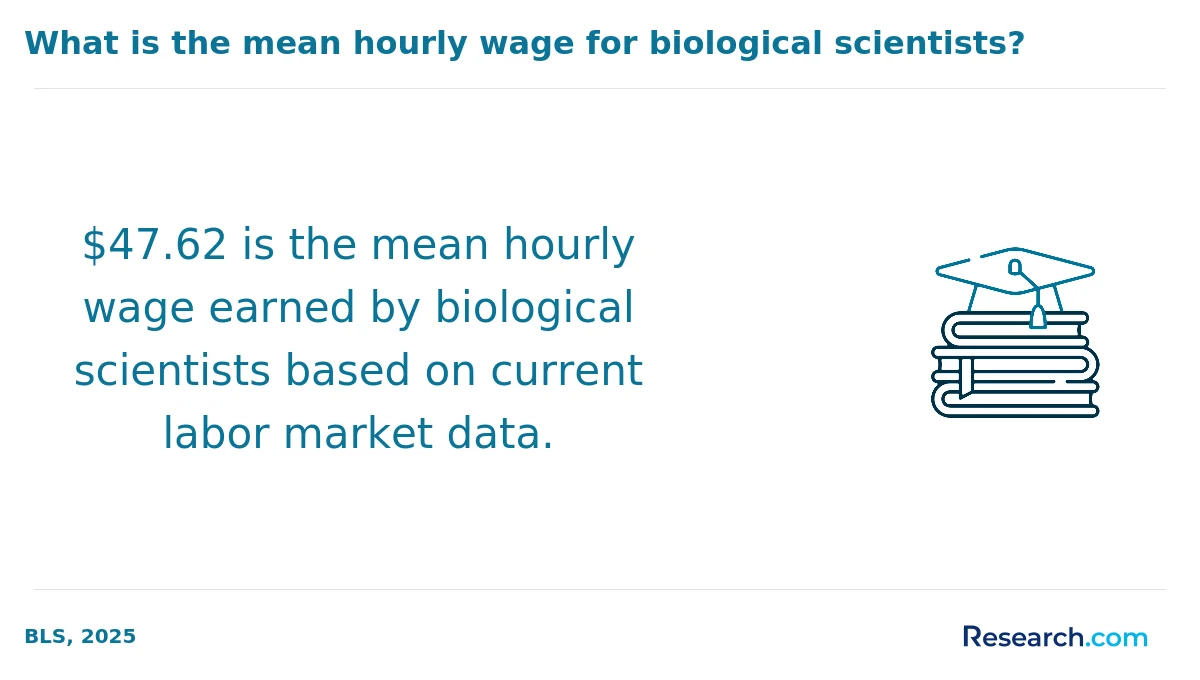
Graduates with an online biology degree in Indiana can expect rewarding salary opportunities that reflect both their dedication and expertise. For those starting out, entry-level roles such as research assistants or environmental specialists often offer salaries between $50,000 and $60,000 per year. This is a promising start for graduates from institutions like Indiana University or Purdue University, who find hands-on experience and flexible online options valuable for launching their careers.
As graduates gain experience or obtain advanced certifications, their income potential rises significantly. Senior biologists and university researchers in Indiana often earn between $90,000 and $110,000 annually, especially in sectors like pharmaceutical development and agricultural biotechnology.
Many biology graduates have shared how their online degrees enabled them to balance work and study while advancing quickly in the competitive job market. The evolving industries in Indiana provide exciting pathways and competitive wages that inspire students to pursue specialization, turning their passion for biology into lifelong careers with growing financial rewards.
- Online biology degrees in Indiana offer flexible programs covering genetics, ecology, molecular biology, and cell biology.
- Tuition for bachelor's degrees ranges from $25,000 to $35,000 for in-state students, with graduate programs costing $20,000 to $40,000 depending on the school and length.
- Average starting salaries for biology graduates in Indiana are between $45,000 and $50,000 annually, increasing to around $75,000 with experience and advanced degrees.
- Job opportunities are strong in Indianapolis and Bloomington, including roles like research technician, environmental consultant, and laboratory manager.
- Programs meet Indiana's licensing and accreditation standards, supporting both employment and further education options.
Completing an online biology degree in Indiana is an exciting journey that typically takes about four years for full-time students, especially at well-known institutions like Indiana University or Purdue University Global. Many graduates describe balancing their coursework with life's demands as a rewarding challenge, made easier by flexible schedules designed to fit busy lifestyles.
Students who choose part-time enrollment often find themselves able to dive deeper into subjects while managing other responsibilities, extending their studies but enriching their experience. Others embrace accelerated options, finishing in as few as three years by taking extra courses each term or utilizing summer sessions-transforming ambition into achievement.
For those pursuing a master's degree online, typical completion spans from 1.5 to 3 years. Graduates from programs in Indiana often highlight how choosing between thesis and non-thesis tracks allowed them to tailor their education perfectly to their passions and professional goals.
Ultimately, Indiana's blend of flexible programs and supportive communities empowers students to design study paths that inspire confidence and success every step of the way.
Choosing between an online and an on-campus biology degree in Indiana truly depends on your lifestyle and learning preferences, but both paths open exciting doors. Graduates from Indiana State University often share how on-campus programs offer vibrant hands-on lab experiences, allowing them to engage directly with experiments under expert guidance, which builds deep confidence in practical skills.
Meanwhile, many Purdue University online biology students appreciate the flexibility to study around work and family commitments. They embrace virtual labs and local partnerships that still provide valuable application opportunities without sacrificing accessibility. This approach empowers them to stay motivated and thrive in their own environments.
Both formats meet rigorous accreditation standards, so whether you're networking face-to-face on campus or sparking inspiring discussions through video calls online, you're gaining quality knowledge that aligns with Indiana's strong demand for biology professionals.
Your biology journey in Indiana can be tailored to fit your unique rhythm, unlocking your potential no matter where you learn.
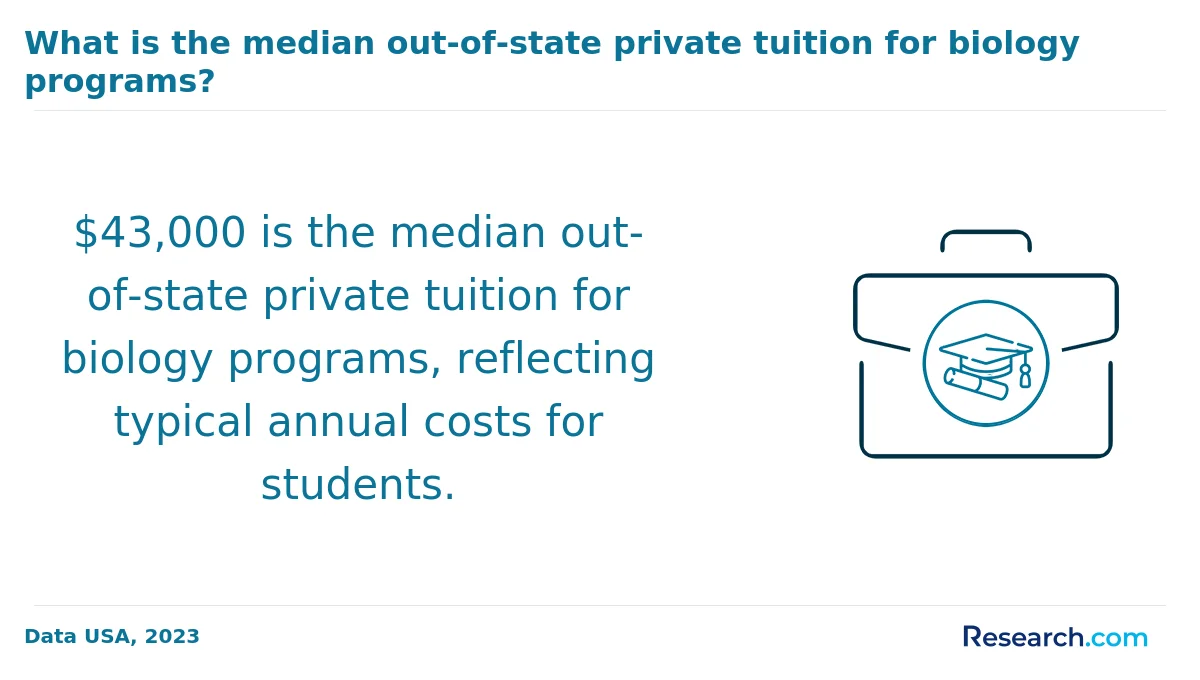
The average cost of an online biology degree in Indiana offers promising affordability for many aspiring students. With the median in-state total cost near $11,264, public universities like Indiana University and Ball State University provide accessible options for residents eager to advance their knowledge. Graduates reflect on their journey fondly, appreciating how manageable tuition costs allowed them to focus on learning rather than financial strain. This positive experience encourages new students to pursue their passion without hesitation.
For those considering tuition and fees for biology master's Indiana programs, the value goes beyond just price. Many find that the investment unlocks exciting career opportunities, bringing them closer to the highest paying job with biology degree options. The thriving academic communities in Indiana's public institutions create an engaging environment, fostering personal growth while keeping education costs reasonable.
Private and out-of-state options may come with higher prices, but they often offer specialized tracks and unique resources that some students find rewarding. Many biology students feel empowered knowing that whether they attend a local public school or explore wider choices, a wealth of financial aid and scholarships are available to help manage expenses and make their degree attainable.
Choosing an online biology degree in Indiana is a step toward a brighter future, balancing quality education with cost-conscious planning that fits the needs of diverse learners across the state.
Students pursuing an online biology degree in Indiana have access to a wealth of financial aid options that truly lighten the financial load. Imagine a Purdue University biology student receiving a Pell Grant worth up to $7,395 annually, empowering them to focus on courses without constant worry about tuition. Many also benefit from federal loans with manageable interest rates near 6%, easing the path through graduate studies.
State programs like the 21st Century Scholars and the Frank O'Bannon Grant make higher education at Indiana's public colleges more attainable, even for online learners. Graduates from Indiana University often recall how institutional scholarships targeted specifically for biology majors made their dream degrees a reality.
Beyond federal and state aid, scholarships from schools and employers supporting biology and healthcare fields provide crucial assistance. These combined resources foster a supportive environment where dedication to biology can flourish without overwhelming financial stress.
To embark on your journey toward an online biology degree in Indiana, the key prerequisites open doors to exciting academic growth. Graduates from well-known Indiana institutions often recall how their high school foundation in biology, chemistry, and algebra set them up for success. Having a high school diploma or GED is the essential first step, along with demonstrating solid performance in science and math courses-typically a C or higher. This foundation paves the way for understanding complex topics like genetics or ecology taught online.
For those aspiring to graduate studies, Indiana schools expect a bachelor's degree in biology or a closely related field, reflecting your commitment and passion. Many learners from top colleges found that submitting GRE scores was optional but sharing a heartfelt statement of purpose and recommendation letters truly highlighted their dedication.
Visualize studying biology online from the comfort of your home, knowing you are meeting the same academic standards as peers on campus, poised to join a vibrant community of Indiana biology enthusiasts ready to tackle their dreams.
Online biology degree programs in Indiana equip students with a vibrant curriculum that sparks curiosity and fuels passion for the biological sciences. Graduates from well-known Indiana schools often express how foundational courses like cell biology and molecular biology helped them understand the intricate workings of life at a microscopic level, making complex concepts feel exciting and achievable.
Many students find studying environmental biology especially inspiring, as it connects classroom lessons to the rich ecosystems found throughout Indiana-from lush wetlands to thriving forests. These courses foster a deep respect for nature, encouraging students to become active conservationists.
Courses like human anatomy and physiology open doors for future healthcare professionals, while genetics and evolution offer fascinating insights into how life adapts and thrives. Indiana learners appreciate microbiology classes, too, as they reveal the unseen world that impacts agriculture and health in their own communities.
Advanced topics such as biotechnology and bioinformatics give students practical, hands-on skills. Graduates often highlight how ecology projects tied to local state parks made their studies come alive, turning theoretical knowledge into real-world impact.
Indiana's online biology degree specializations open exciting pathways for students eager to make a meaningful impact. Graduates from popular colleges across the state often share how focusing on molecular biology and biotechnology empowered them to join cutting-edge research labs or biotechnology firms in Indianapolis, a thriving hub for innovation. Others enthusiastic about environmental biology have relished exploring local ecosystems virtually, preparing for roles in conservation and sustainable management that directly affect Indiana's waterways and wildlife.
Students pursuing an Indiana online master's biology program focuses report gaining confidence through hands-on virtual labs and expert faculty guidance, whether in cellular and organismal biology or in the increasingly vital fields of microbiology and immunology. These areas equip graduates to support healthcare breakthroughs or public health initiatives especially meaningful after recent global health challenges.
Additionally, some embrace the future by specializing in bioinformatics and computational biology, combining Indiana's rich biological diversity with powerful data analysis skills. To discover more options and thriving biological science programs, explore biological science programs that align with your passion and career dreams.
Choosing the best online biology degree in Indiana means focusing on accredited programs that offer not only solid curricula but also flexibility tailored to your career goals. Graduates from institutions like Indiana University highlight the importance of specialization options, such as molecular biology or ecology, which helped them feel confident and engaged throughout their studies. Practical experiences matter too-several programs provide virtual labs and partnerships with local organizations, bringing biology to life beyond textbooks. Purdue University's online biology graduates often emphasize how these hands-on opportunities enriched their learning and prepared them for real-world challenges.
Affordability is key since Indiana's public universities offer competitive tuition that fits many budgets. If you're considering an affordable online biology master's Indiana offers, explore financial aid and scholarships designed for STEM students. Others have found success by researching the fastest biology online degrees as a way to accelerate their path while keeping costs manageable. Above all, strong student support systems ensure you stay motivated and connected every step of the way.
Indiana's online biology degree opens exciting doors to a variety of fulfilling career options. Graduates from well-known institutions like Indiana University and Purdue University often find rewarding roles in laboratory research, contributing to cutting-edge projects in Indianapolis or Bloomington's biotech hubs. These jobs allow them to engage in real-world applications of genetics and life sciences, sparking a sense of pride and purpose. Exploring career options with online biology degree Indiana reveals paths in health care as well, where alumni pursue certifications to become physician assistants or public health specialists, supporting the state's robust medical community.
Jobs for online biology graduates Indiana also extend to environmental conservation, where graduates work with the Indiana Department of Natural Resources to protect diverse ecosystems. Many share inspiring stories of hands-on experiences restoring wildlife habitats or developing sustainable programs. With an online biology degree, educators at respected colleges motivate the next generation, combining teaching with research to foster curiosity and innovation.
For those considering affordability and flexibility, graduates emphasize the benefit of choosing the cheapest online biology degree options, making their dreams accessible while advancing toward a meaningful career.
The job market for graduates holding an online biology degree in Indiana is vibrant and full of opportunity. Many who have completed their studies at well-known institutions like Indiana University Bloomington or Purdue University Fort Wayne have found rewarding careers in biomedical research facilities, pharmaceutical companies, and environmental conservation agencies across the state. These graduates often share how hands-on experiences through virtual labs and local internships helped them confidently enter competitive roles.
Biology career opportunities Indiana continue to expand as major employers such as Eli Lilly and Company and Zimmer Biomet actively seek skilled professionals for research, product development, and quality control positions. The steady 8% employment growth projected through 2030 reinforces the promising outlook for students completing online biology programs.
For those wondering what do you need to do to become a biologist, Indiana's combination of quality education, affordable tuition, and a strong regional economy creates an encouraging path to success.
2027 Best Online Master's in Biology Degree Programs Ranking in Indiana
Investing in your education is a significant decision that can shape your future, and the Research.com team understands the importance of making informed choices. To assist prospective students in Indiana, we have meticulously crafted the "2027 Best Online Master's in Biology Degree Programs Ranking in Indiana." Our commitment to quality, credibility, and accuracy is reflected in the extensive research and analysis conducted to compile this ranking.
We utilized the following reputable data sources to ensure a comprehensive evaluation of biology programs:
By exploring this ranking, readers will gain valuable insights into the best online biology master's programs available in Indiana, helping them make informed decisions about their educational paths. For more details on our methodology, please visit our Research.com methodology page.


Frequently Asked Questions About biology
Online biology degree students in Indiana can maximize their learning experience by actively engaging with both digital resources and local scientific communities. Utilizing interactive platforms provided by accredited Indiana institutions helps reinforce core biological concepts effectively. According to the Indiana Commission for Higher Education, students benefit from accessing virtual labs and research databases tailored to their curriculum.
Connecting with nearby research centers, such as those affiliated with Indiana University or Purdue University, offers valuable opportunities for internships or collaborative projects. Additionally, joining professional organizations like the Indiana Biological Survey can enhance practical knowledge and networking. Time management and seeking faculty support through online office hours further improve academic success.
The biology field is rapidly evolving, and several emerging niches are gaining attention, especially for students pursuing online degrees in Indiana. One key area is bioinformatics, which combines biology and computer science to analyze large datasets, such as genetic information. This niche is critical as Indiana hosts growing biotech firms requiring such expertise. Another expanding sector is environmental biology focused on sustainable practices, reflecting Indiana's commitment to environmental conservation supported by local organizations like the Indiana Department of Environmental Management.
Additionally, regenerative medicine, involving stem cell research and tissue engineering, is gaining ground. Indiana's biomedical research centers offer collaboration opportunities in this field. Lastly, agricultural biotechnology remains vital, considering Indiana's strong agricultural economy, providing broad career prospects for biology graduates.
After completing an online biology degree in Indiana, preparing for the job market involves several focused steps. Networking is crucial; engage with local professional biology groups like the Indiana Academy of Science to connect with employers and mentors. Gaining practical experience through internships or research projects enhances your resume and increases job competitiveness. Indiana's bioscience industry employs over 55,000 workers with an average annual wage of about $70,000, according to the Indiana Biosciences Research Institute. Additionally, consider certifications relevant to your biology field, such as laboratory skills or environmental science credentials, to strengthen your professional profile.
Developing strong communication and technical skills is also vital, as employers value candidates who can analyze data and convey complex information clearly. Utilize Indiana's Career Connect platforms and university resources for job placement and career counseling. Staying updated on local job market trends through the Indiana Department of Workforce Development can guide your job search effectively. Pursuing continuous education or specialized training in areas like biotechnology or conservation biology also opens additional career pathways in Indiana's evolving biology sector.
Employers in Indiana value biology graduates who possess strong analytical and laboratory skills. Familiarity with techniques such as molecular biology, data analysis, and bioinformatics is especially important. According to the Indiana Commission for Higher Education, employers also prioritize critical thinking and problem-solving abilities, essential for addressing real-world biological challenges.
Communication skills are crucial, as graduates often work in teams or explain complex concepts to non-specialists. Additionally, adaptability to new technologies and interdisciplinary knowledge, including environmental science and healthcare, enhances employment prospects.
Given Indiana's growing biotech and healthcare industries, practical experience through internships or research is highly regarded. The Indiana Biosciences Research Institute notes that hands-on skills boost hireability significantly.
Finding internships in Indiana for biology students begins with leveraging university career services, which often provide listings and connections to local employers. Many schools in Indiana collaborate with regional organizations such as the Indiana Academy of Science and the Indiana Department of Natural Resources, offering opportunities in research and environmental biology.
Additionally, platforms like Handshake and internships.com feature biology-related internships specific to Indiana. Networking through professional groups, such as the Indiana Biology Teachers Association, can open doors to unpaid or volunteer positions that build valuable experience.
According to the Indiana Commission for Higher Education, internships significantly improve employment prospects in STEM fields, including biology.
An online biology degree in Indiana can significantly enhance career mobility and advancement opportunities. The state's growing biomedical and agricultural industries increasingly seek professionals with strong biology backgrounds. According to the Indiana Department of Workforce Development, occupations in life sciences are projected to grow by nearly 7% through 2030, creating new roles requiring advanced knowledge.
Completing an online biology program offers flexibility for working adults, allowing them to upskill without relocating. Employers in Indiana value accredited degrees, and an online education from recognized institutions meets this standard.
Graduates may access roles in research, environmental management, healthcare, and education sectors, often qualifying for leadership or specialized positions due to their advanced training.
Studying for a biology degree in Indiana offers strong preparation for interdisciplinary roles by integrating principles from chemistry, environmental science, and data analysis. Indiana universities often emphasize collaborative projects that simulate real-world problems, encouraging students to apply biological knowledge across fields such as healthcare, agriculture, and technology.
Many programs incorporate hands-on lab experiences combined with remote options, helping students develop skills in both wet lab techniques and computational biology. According to the Indiana Commission for Higher Education, biology graduates increasingly find roles that require understanding of multiple scientific domains and data management.
This approach equips students with the adaptability needed in evolving job markets, particularly in areas like biotechnology and environmental consulting that are expanding in Indiana.
When choosing between a thesis and a non-thesis biology degree program in Indiana, consider your career goals first. Thesis programs typically involve original research and are ideal for students aiming for PhD studies or research-based careers. Non-thesis options focus more on coursework and practical skills, suitable for those seeking professional roles in healthcare, education, or industry.
Indiana universities often offer both paths; for example, Purdue University's online biology master's emphasizes research for thesis students. According to the National Center for Education Statistics, over 40% of biology graduates in Indiana enter research fields, highlighting the value of thesis experience.
Additionally, thesis programs usually take longer due to research commitments, whereas non-thesis degrees can be completed faster. Evaluate your learning style, time availability, and future plans before deciding.
Students based in Indiana seeking to study biology abroad have several options through partnerships between Indiana universities and international institutions. Many Indiana schools offering online biology degrees also provide study-abroad programs or exchange opportunities to gain global experience. For instance, Indiana University supports programs in Europe and Asia focusing on environmental biology and biotechnology, which may complement online coursework.
Additionally, Indiana residents can explore accredited online biology degrees from universities with global campuses or international recognition. Pursuing these options can enhance cross-cultural scientific understanding and research skills.
According to the National Center for Education Statistics (NCES), nearly 15% of Indiana's undergraduate biology students participate in some form of international study annually, reflecting growing interest in global biology education experiences.
In Indiana, several part-time job opportunities align well with an online biology degree, enhancing practical experience while studying. Laboratory assistant positions at universities or private research facilities provide hands-on skills in specimen analysis and data recording. These roles often require minimal hours and offer valuable exposure to biological research methods.
Environmental technician jobs with state agencies or local conservation groups involve monitoring water quality, wildlife habitats, and pollution levels, helping students apply ecological knowledge. According to the Indiana Department of Natural Resources, these roles are in steady demand due to ongoing environmental initiatives.
Part-time work in healthcare settings, such as phlebotomy or medical assistant roles, also complements biology studies by deepening understanding of human anatomy and physiology. These opportunities support both academic growth and professional networking for future career pathways.
Online biology students in Indiana have various networking opportunities despite their remote status. Many universities provide access to virtual seminars, workshops, and research forums, connecting students with faculty and industry professionals.
Statewide professional organizations, such as the Indiana Academy of Science, offer online events and regional meetings that help students build valuable contacts with local biologists and researchers. In addition, Indiana's growing life sciences sector, supported by organizations like BioCrossroads, frequently hosts networking events which online students can attend either virtually or in person.
Indiana also has active online student groups and discussion boards within institutions, fostering peer connections. According to the National Center for Education Statistics, over 30% of Indiana students participate in such online communities, enhancing collaboration and career development.
Alumni networks offer significant advantages for students pursuing online biology degrees in Indiana. These networks connect current students with graduates who have navigated similar academic and career paths. According to the Indiana Commission for Higher Education, strong alumni engagement can increase job placement rates by up to 20% in science fields. This is particularly important in biology, where internships and research opportunities often arise through personal connections.
Students benefit from mentorship opportunities, career advice, and access to professional events statewide. Indiana's growing biotech sector, especially around Indianapolis, attracts many alumni who can facilitate work experience and collaborations. These networks create a bridge between education and employment, which is crucial for successful biology careers.
Customizing an online biology degree in Indiana allows students to align their studies with specific career goals such as research, healthcare, or environmental science. Many programs offer elective courses and specialization tracks that focus on areas like molecular biology, biotechnology, or ecology.
Students can also benefit from Indiana's strong network of research institutions and industry partners, which may provide virtual internships or collaborative projects. According to the Indiana Commission for Higher Education, about 30% of biology graduates pursue further specialization through certifications or additional training relevant to state job markets.
Advising services in online programs help tailor course selections to fit personal career paths, enhancing job readiness upon graduation.
Online biology students in Indiana often face challenges related to limited hands-on laboratory experience, which is vital for mastering biological concepts and techniques. While virtual labs and simulations are improving, they cannot fully replace in-person experiments. Access to research opportunities and internships can also be limited compared to traditional programs, impacting practical skill development.
Moreover, some students experience difficulty balancing coursework with work or family obligations, as most online programs require significant self-discipline. According to the National Center for Education Statistics, Indiana has a higher-than-average proportion of working adults enrolled in online degrees, amplifying this challenge.
Connectivity and technology issues can also disrupt learning, especially in rural areas of Indiana where reliable internet access remains inconsistent.
With an online biology degree in Indiana, graduates can pursue several professional certifications to enhance their career prospects. Popular certifications include Certified Biological Technician (CBT) offered by the American Society for Clinical Pathology, which validates laboratory skills. Additionally, aspiring educators can seek Indiana state certification for high school biology teaching.
Environmental biologists may pursue the Certified Ecologist credential through the Ecological Society of America, useful for roles in conservation and resource management. The Indiana Department of Environmental Management also recognizes certifications for specialists in hazardous waste operations.
These certifications align with Indiana's growing biotechnology sector, which employed over 14,000 workers in 2022 according to the Indiana Economic Development Corporation, offering multiple pathways for biology graduates.
To write a winning application for an online biology program in Indiana, start by thoroughly researching the specific universities and their admission requirements. Institutions typically look for a strong academic record with coursework in biology, chemistry, and related sciences. Highlight any relevant experience, such as lab work or internships, which demonstrate your practical skills.
Be sure to craft a clear and concise personal statement explaining your interest in biology and how this degree supports your career goals. According to the Indiana Commission for Higher Education, emphasizing your connection to Indiana's growing life sciences sector can strengthen your application.
Additionally, submit all required documents on time, including transcripts, letters of recommendation, and standardized test scores if requested. Maintaining good communication with admission offices can clarify any uncertainties and show your dedication.
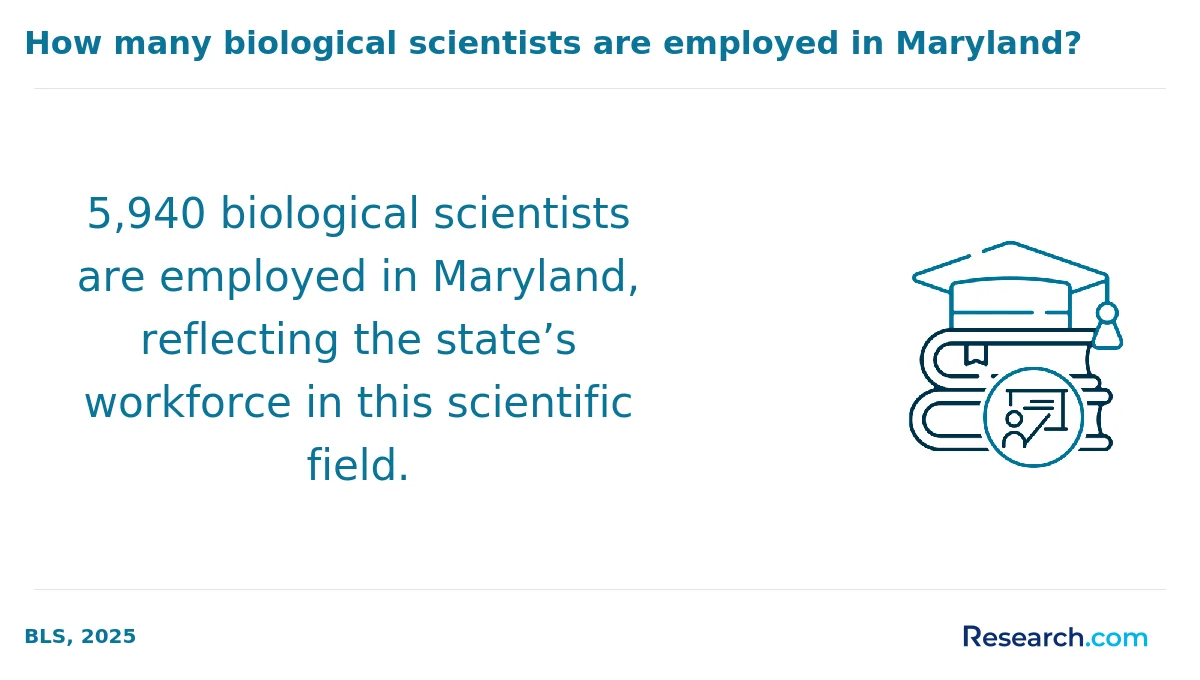
A biology career offers broad global opportunities, reflecting the demand for life science expertise worldwide. In the United States, biology graduates contribute to sectors like healthcare, environmental science, and biotechnology. Indiana, home to significant pharmaceutical companies and research institutions, plays an important role in this landscape. According to the Bureau of Labor Statistics, employment of biological scientists in the U.S. is projected to grow 6% from 2022 to 2032, slightly faster than average.
Internationally, biology skills are vital to addressing challenges like climate change, disease control, and food security. Indiana's online biology degree programs help students develop knowledge appreciated globally, preparing them for careers in research, education, and industry. Institutions such as Purdue University provide resources linking local study to global biological issues. This connection emphasizes the value of biology degrees earned in Indiana for worldwide career prospects.
Gaining practical experience while studying for an online biology degree in Indiana is crucial for career readiness. Many Indiana institutions offer hybrid options or local lab partnerships enabling students to complete hands-on work near their homes. For example, Purdue University's online biology programs often include lab courses at designated local facilities.
Additionally, students can seek internships at Indiana's numerous biological research centers and healthcare organizations, such as the Indiana University School of Medicine or the Indianapolis Zoo's conservation programs. The state's Department of Natural Resources also provides volunteer and internship opportunities in wildlife management and environmental biology.
Networking through professional Indiana-based biology organizations can help students find relevant practical opportunities during their studies.
Choosing the right concentration within an online biology degree program in Indiana requires careful consideration of your career goals and interests. Popular options include molecular biology, environmental biology, and biotechnology, each offering distinct skill sets and job prospects. For example, Indiana's strong agricultural industry creates demand for environmental biology expertise, while the growing biotech sector in Indianapolis favors molecular biology and genetics specializations.
Review the curriculum and faculty expertise of programs offered by Indiana universities to ensure alignment with your interests. Additionally, check any partnership opportunities for internships or research within Indiana's biomedical and environmental organizations, which bolster practical experience. According to the Indiana Department of Workforce Development, biology-related jobs are expected to grow by 8% over the next decade, highlighting promising employment outcomes.
- Choosing Between a Thesis & Non-Thesis Master's Degree https://www.gograd.org/resources/thesis-or-non-thesis-masters-degree/
- 27 Jobs For Recent Biology Graduates (Cells to Success) https://interviewguy.com/jobs-for-recent-biology-graduates/
- Best Online Biology Degree Programs (BS) in Indiana https://bestaccreditedcolleges.org/degrees/indiana-online-biology-bs.html
- Remote Teaching Science Biology Jobs Indiana https://www.virtualvocations.com/q-remote-teaching-science-biology-jobs-indiana.html
- Turn Your Passion for Science Into a Rewarding Career With a Biology Degree - UNCF https://uncf.org/the-latest/a-biology-degree-can-open-the-door-to-life-and-living
- Online Degree vs. Traditional: Choosing the Right Path https://beal.edu/online-degree-vs-traditional/
- Building Automation & Security Systems | Commercial HVAC Service Parts https://www.long.com/
- Academic Networking 101: How to Build Your Research Community https://www.thesavvyscientist.com/academic-networking/
- Study Biology Abroad - Top Universities for Masters, MBA, PhD Degree Programs https://studee.com/degree/abroad/biology
- Choosing a Thesis vs. Non-Thesis Program: What Every Graduate Student Needs to Know https://presenti.ai/blog/choosing-a-thesis-vs-non-thesis-program/