2027 Biology Degree Recruiter Preference Report: What Employers Value Most in New Graduates

Co-Founder and Chief Data Scientist
Biology hiring is increasingly screening for proof of hands-on lab competence, not just completed coursework. The U.S. Bureau of Labor Statistics lists biological technicians at about 76,600 U. S. jobs in 2024 and projects 5% growth through 2034, signaling steady but competitive demand.
This guide is for biology majors, recent graduates, and career changers targeting entry-level lab, biotech, environmental, clinical research, and quality roles. You will learn what recruiters value, which technical skills and tools matter, how GPA is weighed, and how to tailor resumes, prepare for assessments, and improve offer chances.
Key Things to Know About Recruiter Preferences in the Biology Industry
- Recruiters usually treat a biology degree as the baseline for research assistant, biological technician, QC analyst, environmental science, and clinical research coordinator roles, but they rank internships, documented lab techniques, GLP/GMP awareness, and clean data handling as stronger differentiators than coursework alone.
- BLS reported a May 2024 median wage of $51,430 for biological technicians, so entry-level candidates should judge certificates and extra training by whether they directly unlock higher-paying regulated, clinical, biomanufacturing, or data-heavy roles rather than by credential name alone.
- The strongest fresh-graduate profiles combine wet-lab skills such as PCR, aseptic technique, microscopy, cell culture, ELISA, and sample preparation with digital tools such as Excel, LIMS, GraphPad Prism, R or Python, electronic lab notebooks, and ATS-friendly resumes that match the target job description.
- Do Biology jobs require a degree?
- What are the top qualities employers look for in Biology graduates today?
Do Biology jobs require a degree?
Most professional biology jobs do require a degree, especially when the work involves experimental design, regulated documentation, animal or human-subject research, environmental compliance, or laboratory quality systems. Recruiters use the degree as evidence that a candidate understands scientific reasoning, safety, statistics, and core biological concepts, but they still look for proof that the applicant can perform reliably in a real lab or field setting.
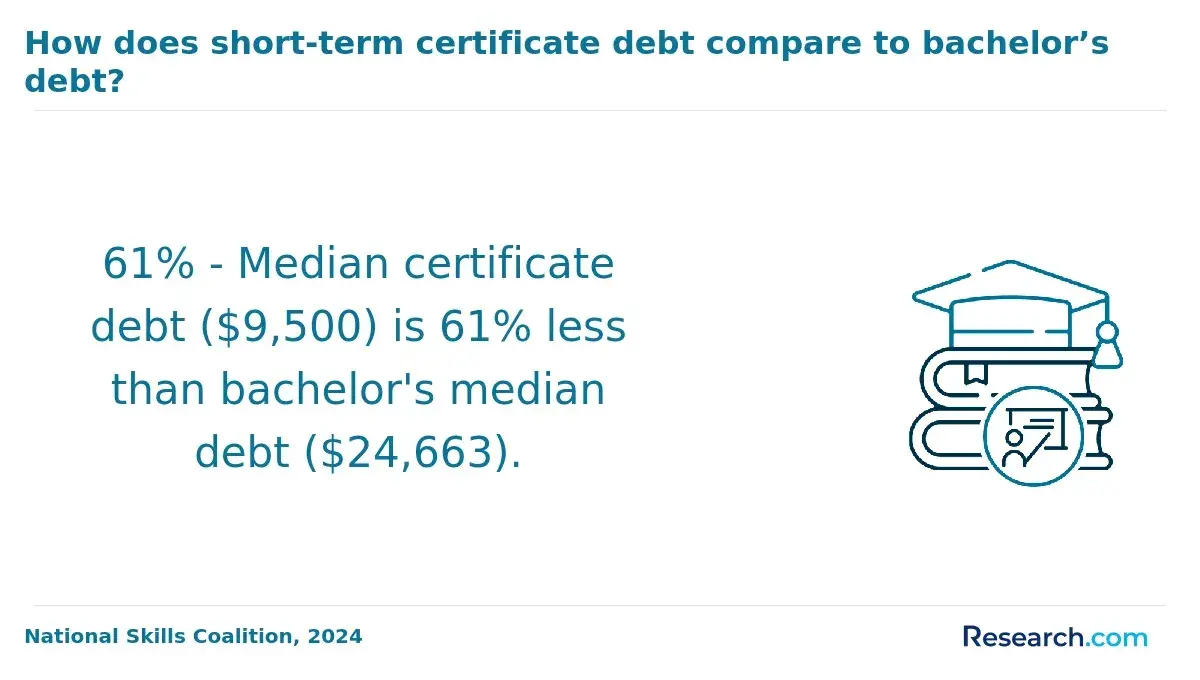
For entry-level roles, the practical answer is role-specific: a bachelor's degree is the safest credential for research, biotech, environmental, and clinical research jobs, while some lab assistant, specimen processing, manufacturing associate, or field technician roles may accept an associate degree, certificate, military lab experience, or documented hands-on training.
BLS reported the May 2024 median wage for biological technicians at $51,430, which makes it important to compare the cost of additional schooling with the specific roles it helps you access.
The table below compares common biology entry paths and how recruiters typically interpret them during screening. Use it to decide whether you need a degree, a certificate, or a role-specific bridge credential before applying:
| Target role | Typical education signal recruiters expect | When an alternative path may work | Recruiter concern to address |
| Research assistant or biological technician | Bachelor's degree in biology, molecular biology, microbiology, biochemistry, or related field | Strong undergraduate research, internship, or lab technician experience may offset a less direct major | Can the candidate follow protocols, document results, and troubleshoot experiments? |
| Lab assistant or specimen processor | Associate degree, certificate, or relevant lab coursework may be acceptable | Good fit for candidates building experience before applying to higher-responsibility roles | Does the applicant understand safety, chain of custody, and sample integrity? |
| Quality control analyst in biotech or pharma | Bachelor's degree plus exposure to GMP, SOPs, assays, and documentation | Manufacturing experience plus targeted GMP training can help | Can the candidate produce audit-ready, repeatable work? |
| Clinical research coordinator assistant | Bachelor's degree in biology, health science, public health, or related field | Healthcare, patient-facing, or regulatory documentation experience can help | Does the candidate understand ethics, data accuracy, and protocol compliance? |
| Environmental field technician | Bachelor's or associate degree in biology, ecology, environmental science, or related field | Field sampling, GIS, permitting, or seasonal conservation experience can be competitive | Can the candidate collect defensible field data under variable conditions? |
Certificates make the most sense when they are named in postings, tied to regulated work, or required by state rules. For example, clinical laboratory pathways, speech-language pathology, and other healthcare-adjacent careers have separate credential expectations; a biology degree can provide prerequisites, but programs such as the cheapest online SLP programs serve a different licensed career track and should not be treated as substitutes for general biology employment preparation.
What are the top qualities employers look for in Biology graduates today?
Recruiters hiring biology graduates look for candidates who can convert classroom knowledge into dependable, safe, and well-documented work. The most valued qualities are not vague "passion for science" claims; they are observable behaviors that reduce training burden, contamination risk, data errors, and team friction.
Employer surveys from the National Association of Colleges and Employers continue to emphasize communication, teamwork, problem-solving, and professionalism among top attributes for new college hires. In biology hiring, those traits are evaluated through lab notebooks, internship recommendations, protocol examples, presentations, and how clearly candidates explain experimental results.
The table below translates recruiter-valued qualities into evidence a new graduate can show on a resume, portfolio, or interview answer. This matters because many applicants list traits without proving them:
| Quality recruiters value | Why it matters in biology roles | Strong evidence for a new graduate |
| Scientific judgment | Entry-level staff must recognize when results look inconsistent or biologically implausible | Capstone, thesis, or internship example where you interpreted unexpected results |
| Accuracy and documentation discipline | Small errors can invalidate experiments, audits, or clinical research records | Experience with lab notebooks, SOPs, chain-of-custody records, or QC logs |
| Safety mindset | Employers need candidates who protect samples, coworkers, animals, patients, and the environment | Training in biosafety, chemical hygiene, PPE, waste handling, or animal care protocols |
| Coachability | New hires are expected to learn site-specific methods quickly | Supervisor feedback, progressive responsibility in a lab, or examples of adapting after failed trials |
| Communication | Biology work depends on clear handoffs between scientists, technicians, QA, manufacturing, and regulatory staff | Poster presentations, research reports, cross-functional project work, or concise data summaries |
To demonstrate these qualities, build your applications around proof rather than personality statements. Recruiters respond best when each claim is attached to a method, outcome, sample type, instrument, dataset, or documented responsibility.
- Replace "detail-oriented biology graduate" with a bullet about maintaining complete ELN entries, labeling samples accurately, or following SOPs during repeated assays.
- Replace "strong communicator" with a poster presentation, lab meeting update, written report, or handoff note that influenced a project decision.
- Replace "team player" with a cross-functional example involving a PI, lab manager, QA staff, field crew, or clinical coordinator.
- Replace "quick learner" with a new technique you learned, the number of supervised runs completed, and how you reduced errors or improved consistency.
The most requested technical skills depend on whether the employer is in academic research, biotech, diagnostics, pharma manufacturing, environmental consulting, agriculture, or clinical research. Across these settings, recruiters prefer candidates who can name specific techniques, explain why they used them, and describe how they protected sample quality and data integrity.
The table below groups high-demand technical skills by common entry-level biology roles. It is designed to help graduates prioritize training and resume keywords based on the roles they actually want, rather than trying to list every technique they have ever seen in class:
| Entry-level role | Recruiter-prioritized technical skills | What stronger candidates can explain |
| Molecular biology research assistant | PCR, qPCR exposure, gel electrophoresis, DNA/RNA extraction, pipetting accuracy, buffer preparation | Controls, contamination prevention, primer or sample issues, and interpretation of bands or amplification curves |
| Cell biology or microbiology technician | Aseptic technique, cell culture, microbial culture, staining, microscopy, plate counts, media preparation | How they maintained sterility, monitored growth, and identified failed or questionable runs |
| Biotech or pharma QC analyst | ELISA, chromatography exposure, assay validation basics, SOP compliance, GMP documentation, deviations | How documentation supports reproducibility, audits, batch release, and investigation of out-of-spec results |
| Environmental biology technician | Field sampling, specimen identification, water or soil testing, GPS/GIS basics, chain of custody | How sampling design, labeling, and site conditions affect defensibility of field data |
| Clinical research assistant | Protocol tracking, informed consent support, data entry, regulatory binders, adverse event awareness | Why accuracy, confidentiality, and escalation procedures matter in human-subject research |
| Bioinformatics or data-support assistant | Spreadsheet modeling, R or Python basics, sequence databases, data cleaning, visualization | How they checked assumptions, documented code, and avoided overinterpreting noisy biological data |
If you are missing several requested skills, choose a narrow target and build proof quickly. A graduate aiming for molecular biology roles should not spend the same training time on GIS that an environmental field applicant would prioritize:
- For wet-lab roles, create a one-page skills inventory that separates "performed independently," "performed under supervision," and "observed in coursework."
- For data-heavy biology roles, prepare a small portfolio with a cleaned dataset, annotated code, a figure, and a short explanation of biological interpretation and limitations.
- For regulated roles, practice explaining SOPs, deviations, calibration, sample traceability, and why "not documented" often means "not done" in employer settings.
- For field roles, highlight physical readiness, seasonal availability, sampling accuracy, navigation tools, and comfort working in non-lab environments.
Specialized certifications are not universally necessary for entry-level biology jobs. In most research assistant, lab technician, environmental technician, and biotech associate roles, recruiters treat certifications as helpful add-ons only after the candidate has the required education, technique exposure, documentation discipline, and safety awareness.
Certifications become much more important when the role is regulated, clinical, animal-related, or manufacturing-heavy. BLS reported a May 2024 median wage of $62,870 for clinical laboratory technologists and technicians, but many clinical lab roles have state, employer, or certification-board requirements that differ from general biology jobs. Candidates should verify eligibility before paying for exam prep or certificate programs.
The table below separates credentials that may improve screening from those that are usually optional for fresh biology graduates. Use it to avoid spending money on a certificate that does not match your target job postings:
| Credential area | Where it can help | When it is worth pursuing | When to wait |
| ASCP or clinical laboratory credentials | Hospital labs, diagnostics, reference labs, clinical testing | When job postings or state rules explicitly require or prefer the credential | If you are targeting non-clinical research or biotech roles that do not mention it |
| GMP or biomanufacturing certificates | Pharma, biologics, cell therapy, vaccine manufacturing, QC | When you lack industry experience but want to show readiness for regulated documentation | If the certificate is generic and does not include SOPs, deviations, batch records, or quality systems |
| AALAS animal care credentials | Animal research facilities, vivariums, preclinical research | When the role involves animal handling, husbandry, welfare, or research support | If you do not want animal-care responsibilities |
| Clinical research certificates | Clinical research coordinator assistant, trial support, site operations | When paired with exposure to protocols, regulatory binders, consent processes, or patient-facing work | If you have no clinical research experience and the credential is not recognized by target employers |
| OSHA, biosafety, or chemical hygiene training | Labs, fieldwork, manufacturing, environmental sampling | When postings emphasize safety-sensitive work or hazardous materials | If the training is outdated, too basic, or unrelated to the role |
Before enrolling, calculate ROI using job descriptions rather than marketing language. If a credential appears repeatedly across your target postings, is recognized by employers, and fills a clear gap in your profile, it may be worthwhile; if it is only a resume decoration, internship experience or a focused portfolio may produce a better return.
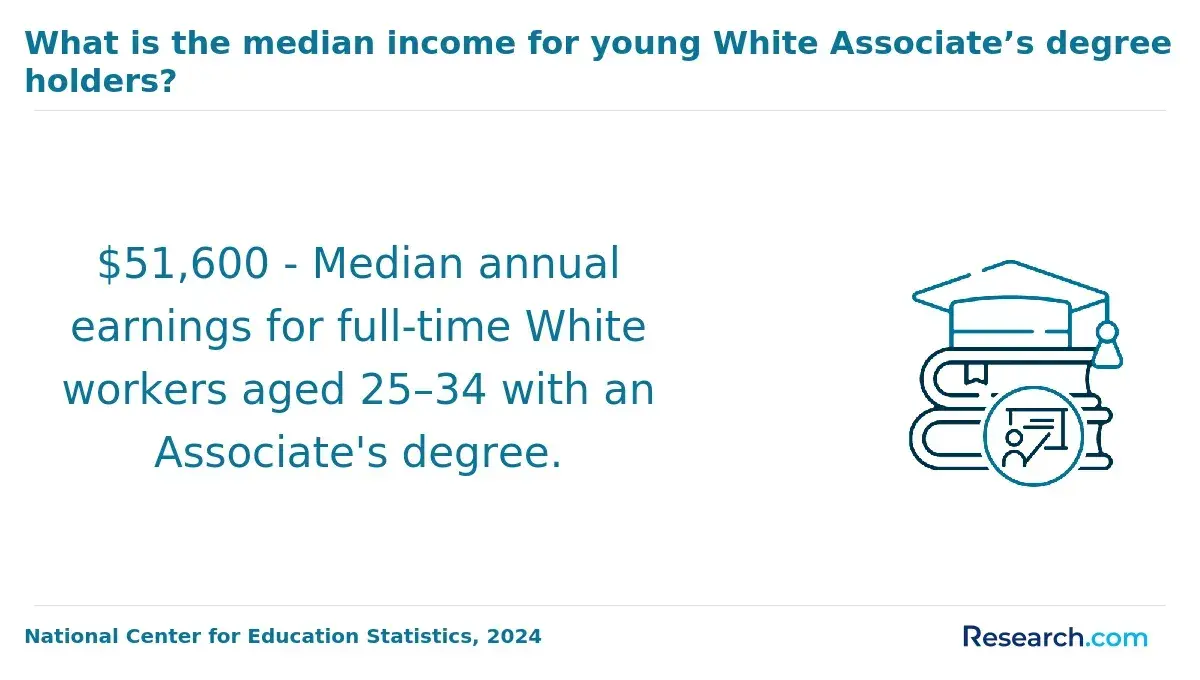
Recruiters do consider GPA and academic honors, but they rarely outweigh relevant experience once a candidate has proof of lab, field, data, or regulated-work competence. GPA matters most for first-screen filters, competitive internships, research-intensive roles, graduate-school-linked positions, and employers that use minimum academic cutoffs because they receive large applicant volumes.
A common recruiter benchmark is a 3.0 GPA minimum for early-career roles, though some research, pharma, consulting, or rotational programs may prefer higher academic records. If your GPA is strong, show it; if it is not, lead with skills, projects, internships, publications, presentations, and recent performance in advanced laboratory or quantitative courses.
The table below shows how recruiters commonly weigh academic signals against practical proof. It can help you decide what to feature first on your resume:
| Candidate signal | Recruiter weight for entry-level biology roles | Best use on application materials |
| Overall GPA | Moderate when employers use academic cutoffs; lower once experience is strong | List if it strengthens your profile or meets the posting's preferred benchmark |
| Major GPA | Useful when stronger than overall GPA and relevant to the role | Use to show strength in biology, chemistry, statistics, or lab-heavy coursework |
| Academic honors | Helpful credibility signal, especially for new graduates | Place near education, but do not let honors replace technical evidence |
| Research thesis or capstone | High when it demonstrates methods, analysis, troubleshooting, and communication | Convert into 2 to 3 resume bullets with techniques, samples, tools, and findings |
| Internship or lab job | Very high for recruiter confidence | Place above coursework if it includes relevant techniques or regulated documentation |
If your GPA is low, do not hide obvious requirements, but do not lead with weakness. Use a concise education section, emphasize recent technical performance, and prepare a short interview explanation that shows accountability and improvement without oversharing.
Some biology graduates later pivot into business, product, healthcare administration, or operations. If academic selectivity is a concern for future graduate study outside science, comparing pathways such as the easiest MBA to get into can be useful, but it should not distract from building the lab or industry proof needed for your first biology job.
Top biology employers recruit through a mix of campus pipelines, internships, professional networks, staffing partners, scientific societies, job boards, and direct outreach. The best channel depends on whether you want academic research, biotech, pharma, diagnostics, environmental consulting, government, agriculture, or clinical research.
Recruiters often favor candidates they have seen before through internships, co-ops, undergraduate research, conference posters, or referrals because those channels reduce uncertainty. For a fresh graduate, applying only through large job boards is usually less effective than combining online applications with targeted networking and evidence-based outreach.
The table below shows where biology employers commonly source new talent and what each channel is best suited for. Use it to diversify your search instead of relying on one platform:
| Recruitment channel | Common employers using it | Best fit for candidates seeking | Screening advantage |
| Campus career centers and science departments | Local biotech firms, labs, environmental employers, hospitals, research institutes | Internships, technician roles, research assistant positions | Employer already trusts the school pipeline |
| Undergraduate research labs | Universities, academic medical centers, grant-funded labs | Research assistant, lab manager assistant, graduate-school preparation | Direct PI or lab manager recommendation |
| Internships and co-ops | Pharma, diagnostics, biomanufacturing, agriscience, environmental consulting | Conversion to full-time entry-level roles | Employer has observed work habits and technical learning curve |
| Professional societies and conferences | Ecology, microbiology, neuroscience, cell biology, biotechnology organizations | Specialized scientific networking and poster visibility | Candidate can discuss work with practitioners |
| Staffing agencies and contract research organizations | Pharma, biotech, diagnostics, CROs, temporary lab staffing | Contract-to-hire, QC, manufacturing support, trial support | Faster matching for defined technical skills |
| Federal, state, and local government portals | Public health labs, environmental agencies, agriculture departments, wildlife agencies | Public-sector science and field roles | Clear qualification standards and structured applications |
| LinkedIn and employer career pages | Most mid-size and large life-science employers | Direct applications, recruiter outreach, alumni networking | Profile can reinforce resume keywords and project proof |
Use a channel strategy rather than a volume-only strategy. A practical weekly plan is to apply to carefully matched postings, contact alumni or lab managers, follow up on internships, and keep a spreadsheet of job titles, required techniques, application dates, and recruiter responses.
Biology interviews often test whether candidates can think and work like careful entry-level scientists. Recruiters and hiring managers may not expect mastery, but they do expect candidates to explain techniques clearly, recognize sources of error, follow safety rules, and communicate results without exaggeration.
The table below outlines common assessment formats and what each one is designed to reveal. Reviewing these formats helps you prepare for the actual evidence employers want, not just generic interview questions:
| Assessment or interview format | What the employer is testing | Common entry-level example |
| Technical screen with recruiter or hiring manager | Whether your resume skills are real and role-relevant | "Walk me through your PCR experience and how you prevented contamination." |
| Protocol or SOP discussion | Ability to follow instructions, identify risk points, and document work | Reviewing a sample protocol and identifying critical steps |
| Data interpretation exercise | Scientific reasoning, graph literacy, and comfort with uncertainty | Explaining a plate reader output, growth curve, gel image, or qPCR plot |
| Practical lab demonstration | Pipetting, aseptic technique, labeling, measurement, or basic bench behavior | Observed pipetting accuracy or mock sample preparation |
| Behavioral interview | Reliability, teamwork, safety judgment, and response to errors | "Tell me about a time an experiment failed and what you did next." |
| Panel interview or lab tour | Fit with team workflow and ability to ask informed questions | Meeting scientists, technicians, QA staff, or field leads |
Prepare by building a short story bank from your coursework, internships, research, fieldwork, or jobs. Each story should show the sample or system, the method, the problem, your action, the result, and what you learned:
- Choose five techniques from the job posting and practice explaining the purpose, controls, failure points, and safety concerns for each.
- Review your own lab reports or projects so you can discuss methods and results without sounding memorized.
- Practice interpreting a simple graph, table, gel image, or assay result out loud in plain language.
- Prepare one example of a mistake, failed experiment, contamination issue, or unexpected result and explain your response professionally.
- Ask role-specific questions about training, documentation systems, sample volume, QA expectations, and how performance is measured during the first 90 days.
Recruiters reject many biology applicants before an interview because the application does not prove role fit. The most common red flags are not always serious misconduct; often they are avoidable signals that the candidate does not understand how biology employers screen for reliability, safety, documentation, and specific technical match.
The table below pairs common screening red flags with stronger alternatives. Use it as a checklist before submitting applications:
| Recruiter red flag | Why it hurts biology applicants | Better alternative |
| Generic resume used for every biology job | ATS and recruiters cannot see the match to the role's techniques, samples, tools, or regulations | Customize the top skills and experience bullets to the specific posting |
| Listing techniques without context | "PCR" or "cell culture" alone does not show level of independence or quality awareness | State sample type, purpose, supervision level, controls, or output |
| Overstating proficiency | Hiring managers may test claims in interviews or assessments | Use honest levels such as performed independently, assisted, trained, or observed |
| No safety or documentation evidence | Employers worry about contamination, compliance gaps, and retraining burden | Include SOPs, ELN, LIMS, PPE, biosafety, chain of custody, or QC documentation |
| Unexplained employment or education gaps | Recruiters may assume incomplete information or reliability risk | Address gaps briefly through relevant work, caregiving, coursework, volunteering, or training |
| Messy formatting or inconsistent dates | Attention to detail is part of lab credibility | Use simple formatting, consistent tense, readable headings, and error-free dates |
| Soft skills with no evidence | Claims like "hardworking" do not help screeners rank candidates | Attach soft skills to team projects, presentations, mentoring, handoffs, or supervisor feedback |
Automated screening adds another layer of risk. ATS and AI-assisted tools may rank resumes based on job-title alignment, required skills, degree field, location, work authorization, and keywords, so a strong candidate can still be missed if the resume uses vague language or buries relevant evidence:
- Do not label yourself only as "biology student" if the posting is for "QC analyst," "research assistant," or "environmental technician"; mirror the target role when accurate.
- Do not hide relevant work under coursework if it involved real samples, instruments, field collection, data analysis, or documentation.
- Do not submit a two-page skills dump; prioritize the skills named in the posting and remove unrelated filler.
- Do not ignore required schedule, physical, location, or authorization criteria; recruiters often screen those before technical details.
A biology resume should make the recruiter's screening decision easy. In the first 10 to 20 seconds, the document should answer four questions: what role you are targeting, which biology techniques you can perform, what tools or documentation systems you know, and what proof you have from internships, research, coursework, fieldwork, or employment.
Start with the job posting, not with a generic template. Biology applicants often undersell themselves by placing strong technical evidence in a course list, while overstating broad traits in the summary:
- Copy the required and preferred skills from the job description into a checklist, then mark which ones you can honestly support with evidence.
- Write a targeted headline such as "Biology Graduate | Molecular Biology Research Assistant | PCR, Gel Electrophoresis, ELN, Excel" when those claims are accurate.
- Create a technical skills section with categories such as molecular methods, cell culture, field sampling, data tools, documentation, and safety.
- Turn academic projects into experience bullets by naming the organism, sample type, technique, instrument, dataset, or analysis method.
- Use achievement bullets that show scope, such as number of samples processed, number of trial runs, type of assay, presentation venue, or quality-control responsibility when you can verify it.
- Match LinkedIn, Handshake, or portfolio language to your resume so recruiters see consistent role focus and skill evidence.
- Save a clean ATS version without graphics, text boxes, unusual columns, or unreadable icons.
Strong biology bullets are specific but careful. Instead of "worked in a lab," write a statement that shows the method, responsibility, and purpose without exaggerating authority you did not have.
Example: "Prepared bacterial cultures, performed serial dilutions, recorded colony counts, and maintained complete lab notebook entries for an undergraduate microbiology project evaluating growth under varying conditions." This tells the recruiter more than a keyword list because it shows both technique and documentation behavior.
If you are considering a pivot away from bench science into life-science recruiting, HR, training, or workforce operations, a biology background can still help you understand scientific teams. In that case, targeted graduate options such as a 1 year online master's in human resources may be more relevant than additional lab coursework, but only if your target roles clearly value HR credentials.
Biology recruiters increasingly expect graduates to be comfortable with both bench tools and digital systems. Automation, AI-assisted literature review, electronic lab notebooks, image analysis, and LIMS platforms are changing entry-level workflows, so candidates who can combine lab competence with data literacy stand out.
The table below summarizes tools that frequently appear in entry-level biology job descriptions or interviews. The goal is not to master every brand, but to understand the category, workflow, and data-quality risks behind each tool:
| Tool or software category | Examples recruiters may recognize | Why it matters to employers |
| Spreadsheet and data cleaning tools | Microsoft Excel, Google Sheets | Used for sample tracking, calculations, QC summaries, and basic analysis |
| Statistical and graphing software | GraphPad Prism, R, RStudio, Python, Jupyter Notebook | Supports reproducible analysis, figures, and interpretation of experimental results |
| Electronic lab notebooks | Benchling, LabArchives, institutional ELN systems | Creates searchable, auditable records of protocols, observations, and results |
| Laboratory information management systems | LIMS platforms used by diagnostics, QC, and research labs | Tracks samples, workflows, chain of custody, and reporting status |
| Bioinformatics databases and tools | NCBI, BLAST, UCSC Genome Browser, Ensembl | Helps candidates work with sequences, annotations, alignments, and genomic context |
| Image and instrument analysis tools | ImageJ/Fiji, flow cytometry software, plate reader software, qPCR instrument software | Converts raw instrument output into interpretable results while preserving data integrity |
AI tools can help with literature scanning, code drafting, and protocol summarization, but recruiters are cautious about unverified outputs. A strong candidate can say how they check AI-generated summaries against primary sources, protect confidential data, and avoid copying unvalidated code into regulated workflows.
For graduates who eventually want to move from the lab into operations, commercialization, or biotech leadership, technical fluency remains useful even if they later pursue business training such as executive MBA programs. Early-career recruiters still want evidence that the applicant understands how scientific data is produced before managing the systems around it.
Other Things You Should Know About Biology
Search beyond "biologist." Useful entry-level titles include biological technician, research assistant, laboratory technician, QC analyst, environmental technician, clinical research assistant, specimen processor, microbiology technician, field technician, and biomanufacturing associate.
Fully remote biology jobs are less common at entry level because many roles require benchwork, fieldwork, instruments, samples, or regulated facilities. Hybrid or remote-friendly options are more realistic in clinical research support, data analysis, scientific writing, regulatory documentation, and bioinformatics support.
Not automatically. Graduate school makes sense when it is required for your target career, funded well enough to justify the cost, or gives access to specialized research training. If applications are failing because your resume lacks internships, tools, or targeted keywords, practical experience may be the better first step.
If you have submitted 20 to 30 well-matched applications with few or no responses, revise your strategy. Review whether your resume mirrors postings, whether you are applying to realistic entry-level titles, whether you have evidence for required techniques, and whether you are using networking channels in addition to job boards.
- Research Programs vs. Internships: Which is Right For You? | Polygence https://www.polygence.org/blog/research-programs-vs-internships
- How Internships Help You Choose a Major: Earn Real-World Experience Before Committing to Your Choice https://www.deltainstitute.co/blog-delta-institute/how-internships-help-you-choose-a-major-gaining-real-world-experience-before-committing-to-your-academic-path
- 'What Is Your Biggest Weakness’? – 17 “Weaknesses” That Might Actually Make Great Hires https://dovetail.com/employee-experience/what-weaknesses-reveal-in-interviews/
- Careers in Biological Sciences: Opportunities, Skills, and the Future of Work https://www.hyperec.com/blog/careers-in-biological-sciences-opportunities-skills-and-the-future-of-work/
- Careers for Biology Students: Top Jobs & Career Paths https://clinilaunchresearch.in/blog/top-careers-for-biology-students/
- 19 strengths and weaknesses for job interviews https://careers.societegenerale.com/en/tips-candidates/during-job-interview/qualities-weakness-interview
- The Life Sciences Job Market in 2025: Trends, Opportunities, and Career Paths | IntuitionLabs https://intuitionlabs.ai/articles/life-sciences-job-market-2025
- How personality shapes success in biotech and pharma careers https://www.squipp.be/how-to-identify-the-pharmaceutical-or-biotech-career-that-matches-your-personality-and-work-style