2027 Best Online Bachelor's in Biology Degree Programs Ranking in the USA

Co-Founder and Chief Data Scientist
Choosing the right online bachelor's degree in biology can feel overwhelming with so many options available. To help you navigate this, the article features the 2027 Best Online Bachelor's in Biology Degree Programs Ranking in the USA, created by Research.com's team of data scientists.
By exploring this ranking, you'll gain valuable insights into the programs that truly stand out. Earning a biology degree opens doors to exciting careers in science, healthcare, and research. This guide is designed to help you make an informed decision with confidence on your educational journey.
Key benefits of getting online biology degree in America
- Biology degree graduates often find rewarding jobs in healthcare and research, with many earning from $50,000 to $80,000 annually, offering financial stability and growth potential.
- Graduates from well-known universities explore diverse careers like environmental science, biotechnology, or education, enabling exciting opportunities to make a positive impact in various fields.
- Online biology degrees provide flexibility and accessibility, allowing students to balance work and study effectively while gaining the same quality education as traditional programs, as shown by successful alumni from established online universities.
- 2027 Best Online Bachelor's in Biology Degree Programs Ranking in the USA
- What can I expect from online biology degree in America?
- Where can I work with online biology degree in America?
What can I expect from online biology degree in America?
The average cost of earning an online biology degree in America usually lands somewhere between $15,000 and $40,000 for the entire program, depending on whether you're enrolling in a public university with in-state tuition benefits or a private college. Imagine a biology student juggling virtual labs in a program offered by institutions like Arizona State University or Oregon State University, realizing how financial aid and scholarships can transform a potentially daunting price tag into a manageable investment.
Graduates often share excitement about how their affordable tuition didn't compromise learning quality-combining rigorous core classes like genetics with immersive experiences such as virtual dissections and at-home lab kits. These programs harness technology to provide hands-on adventures that feel just as real as a campus lab, all while staying budget-conscious.
Financial aid letters, like those from midwestern public universities, have been game-changers for students balancing family life, underscoring how accessible an online biology degree can be without breaking the bank or sacrificing depth.
Where can I work with online biology degree in America?
Graduates from online biology programs at schools like Arizona State University or Oregon State University often find themselves stepping into vibrant roles filled with discovery and impact. Imagine working in a bustling research lab, designing experiments and analyzing complex data to unlock the mysteries of genetics or microbiology. Many leap into positions with government agencies or private labs, drawing on their strong scientific foundation to contribute to cutting-edge projects.
Others channel their passion into healthcare, becoming clinical research coordinators or medical lab technologists, where each day brings new challenges and the chance to aid in developing life-saving treatments. The excitement of a growing biotech sector in America opens doors to pharmaceutical sales or innovative startup roles, where creativity meets science in a fast-paced environment.
Some graduates find joy outdoors, joining environmental agencies like the EPA or private firms, monitoring ecosystems and influencing conservation policies. Meanwhile, a teaching slot at a local community college or a curriculum specialist role lets them inspire future generations, turning their online biology credentials into a gateway to diverse, fulfilling careers.
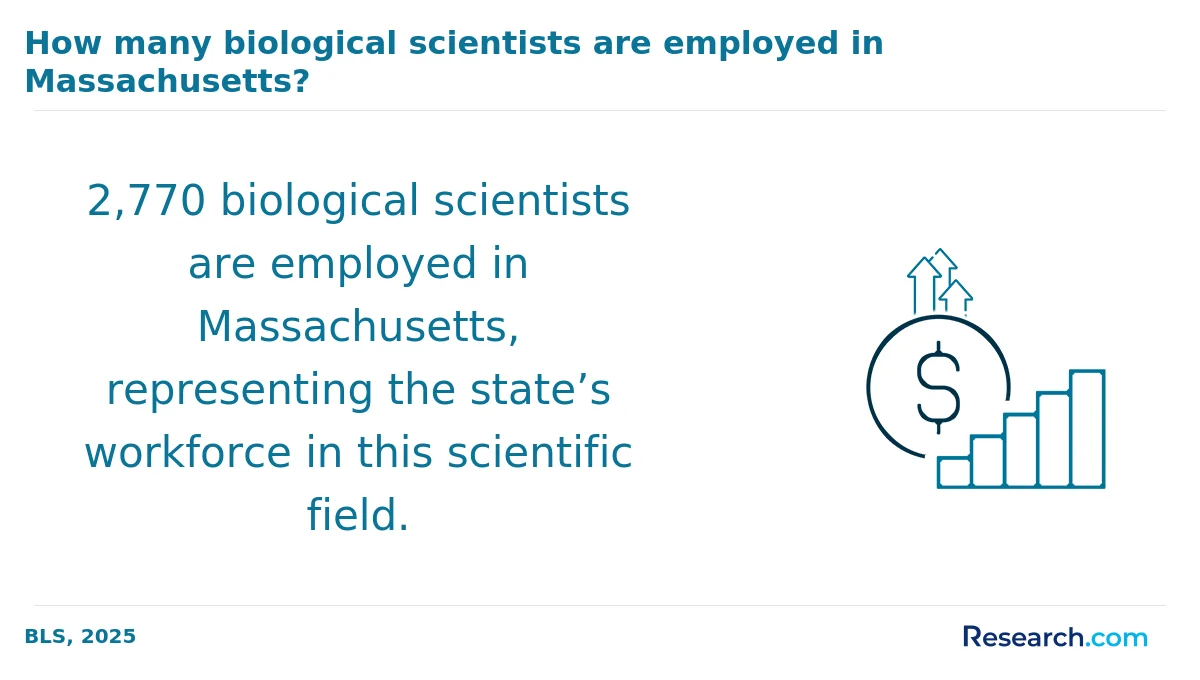
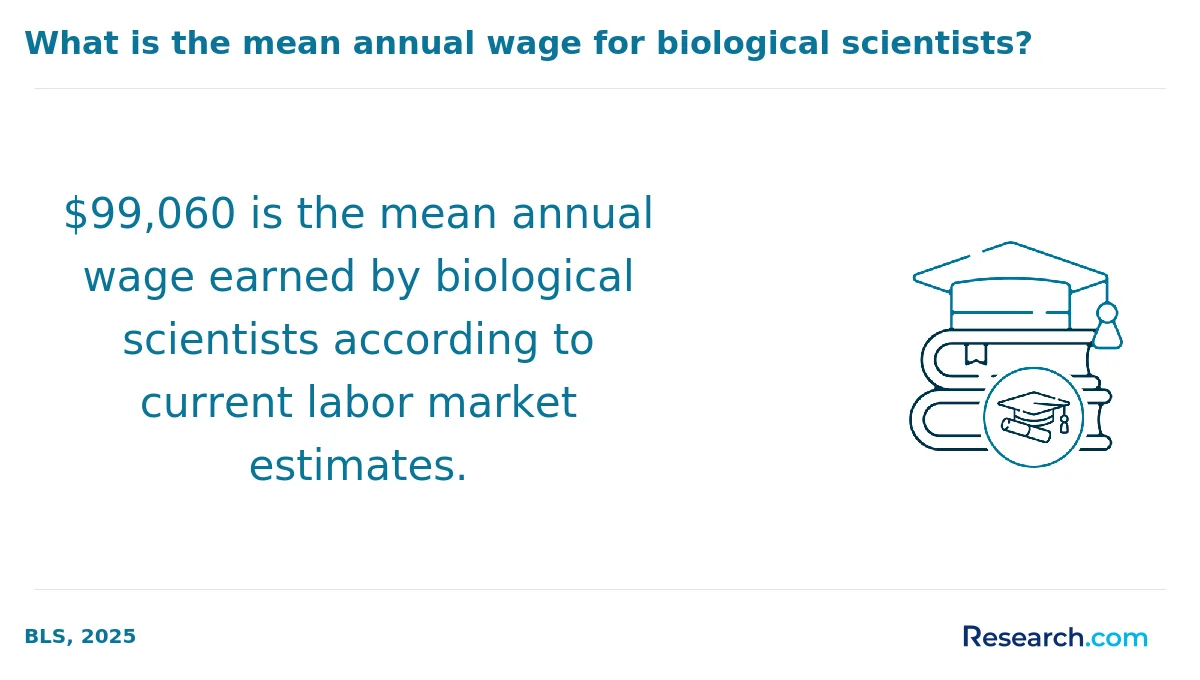
Picture this: you've just graduated with an online biology degree from a well-known American university, ready to dive into the workforce. While the Source Data doesn't provide exact salary numbers for biology jobs, real-world trends tell a vibrant story. Graduates often start out in roles like biological technicians, where the median annual income floats around $49,000. It's the kind of job that hones your lab skills, letting you get your hands dirty with fascinating research - sort of like those students from top institutions who kick off their careers in bustling biotech hubs.
Step into pharmaceutical manufacturing or environmental science, and the salary scene brightens. Biology professionals in these sectors can expect median wages stretching from $76,530 to nearly $93,000 annually, according to 2023 data. Think of graduates from popular programs blending fieldwork and lab analysis, landing these roles in cities like Boston or San Francisco, where the air buzzes with innovation and opportunity.
Although advanced degrees generally push earnings higher, a bachelor's online degree from an accredited U.S. school already sets up graduates to tap into rewarding careers with competitive pay, especially when paired with passion and persistence.
- Online biology bachelor's degrees usually require about 120 credit hours and take around four years full-time to complete.
- Annual tuition for online biology programs ranges from $15,000 to $30,000 at public universities and can exceed $40,000 at private institutions.
- Graduates can work as biological technicians, research assistants, or environmental consultants, with median salaries around $47,000 per year.
- Biology-related jobs are expected to grow 7% from 2022 to 2032, faster than the average for all occupations.
- Accreditation by recognized bodies is important for credit transfer, graduate school, and employment opportunities.
Imagine diving into the vibrant ecosystem of biology at a place like the University of Florida, where online students typically gear up for a four-year adventure. This timeframe mirrors what you'd expect from many American institutions, where the rhythm of 15 credits per semester sets the pace. But life's journey isn't always linear-more than one student from Arizona State found their path stretching or shrinking based on personal rhythm, thanks to flexible course loads.
Picture a graduate juggling family and work, stretching a degree from the University of Texas Rio Grande Valley into a six-year marathon by taking part-time classes. Conversely, some ambitious learners at Oregon State University sprint through accelerated programs in under three years, crunching summer courses like a thrilling science experiment.
Whether you're easing in or racing ahead, the timeline adapts. Transfer credits spark delight by shaving off semesters, while working through the maze of tuition costs might invite a slower, steady stride. Across America's online biology landscape, your degree's duration is as individual as the ecosystems you'll study.
Imagine juggling a full-time job in downtown Chicago while completing your biology degree at the University of Florida through an online program. You watch lectures at midnight and explore gene-editing via virtual labs, skipping the morning traffic and dorm room noise. Online biology degrees in America thrive on this freedom, delivering coursework through digital portals and offering simulated labs or occasional hands-on kits, crafting a flexible yet robust learning experience.
Contrast this with the pulse of an on-campus biology major at UC Berkeley, navigating bustling hallways toward state-of-the-art wet labs filled with microscopes and petri dishes. Those peers experience tangible chemistry-the smell of agar, the thrill of real-time experiments-which glues theory to reality. Nearly 85% of U.S. biology programs demand such labs, grounding students in practical skills essential for careers like research or clinical work.
Tuition tells another story: in-state public university students pay roughly $10,940 yearly, while online students dodge housing and commuting fees, easing financial strain. Graduates fondly recall how online paths honed self-discipline and adaptability, vital in today's shifting academic landscapes. Both routes demand rigor but differ in the heartbeat of daily experience-digital flexibility versus tactile immersion.
The average cost of an online biology degree in America often surprises many hopeful students, with the median total tuition and fees landing around $57,240. Imagine a biology student at a renowned public university juggling labs, lectures, and late-night study sessions while watching those numbers tick upwards. For in-state learners, the financial load can be much lighter - closer to $26,470 - making local institutions a beacon of hope for budget-conscious scholars. Meanwhile, out-of-state students face a heftier bill, averaging about $63,097, reflecting the premium placed on crossing state borders for quality education.
Online learners developing a passion for cellular ecosystems and genetic codes at popular colleges often share stories of balancing study and life, embracing the flexibility that virtual classes provide. Yet, the price tag remains a real consideration. These tuition figures generally bundle in not just classes but also technology fees and digital materials essential for a hands-on biology education.
For prospective students eager to dig deeper into the field and its rewards, exploring details like the biology degree salary potential can be motivating. Sites like biology degree salary reveal how investing in a biology education can translate to fulfilling, well-compensated careers. When planning for the average cost of online biology degree USA pathways, understanding these numbers helps frame your educational journey ahead.
Before enrolling in an online biology program, confirm you meet these core requirements:
- A reliable computer (Windows or Mac) with at least 8 GB RAM and the latest browser
- High-speed Internet connection (minimum 5 Mbps download) for seamless video lectures and virtual labs
- Webcam and microphone for live discussions, group projects, and proctored exams
- Access to virtual lab platforms (e.g., Labster) provided by your institution
- Basic lab kit (microscope, slide prep tools) shipped by the program for hands-on experiments
- Data analysis software (such as R, Python or SPSS) for biostatistics and bioinformatics coursework
Most programs outline specific tech specs during orientation and offer dedicated IT support or loaner equipment. For related health-science pathways, explore our pharmacy school online page.
Imagine tackling your online biology classes at a top school like the University of Florida, knowing your financial aid package is a safety net woven from diverse threads. Many biology students thrive thanks to federal aid like the Pell Grant, which offers up to $7,395 annually without haunting repayment demands. Graduates recall how this relief transformed their study experience, easing the strain as they dove into genetics or ecology.
State grants add another puzzle piece-for example, California residents unlocking Cal Grant funds to soften tuition costs at University of California campuses. Texas students cheer over the TEXAS Grant, injecting hope and fuel into their academic pursuits. Institutional scholarships, often tied to passion for research or conservation, sparkle for many; these come directly from colleges big and small, rewarding merit or need.
Beyond cash, work-study roles help balance microscopes and part-time jobs seamlessly. Some graduates mention military tuition assistance or employer tuition reimbursement as hidden gems, blending professional life with their biology ambitions, turning dreams into real-world careers.
To embark on an online biology degree journey in America, expect to show a solid scientific passport-high school courses in biology, chemistry, math (think algebra, geometry or beyond), and sometimes physics stand as your boarding pass. Many graduates from institutions like the University of California or State Universities fondly recall navigating these prerequisites, feeling the thrill of unlocking molecular mysteries right from their homes.
Imagine completing virtual labs or at-home experiments, a modern twist embraced by schools famous for their biology programs. A GPA around 2.5 to 3.0 often serves as the educational key, assuring readiness for college rigors. Some grads share how test-optional policies, post-pandemic, made their applications feel less daunting, highlighting the evolving educational landscape.
Submitting transcripts, recommendation letters, and personal statements transforms your story-from fascination with DNA to dreams of discovery-into admission gold. Placement tests may fine-tune your starting point, ensuring your learning adventure begins exactly where it should. This blend of rigor and flexibility reflects the dynamic spirit of biology education across America.
Diving into an online biology degree in America feels like unlocking a treasure chest of life's mysteries, starting with foundational courses like General Biology that unravel the secrets of cells, genes, and ecosystems. Graduates from top programs at renowned universities often describe their first deep dive into microcosms of bacteria and viruses through Microbiology as eye-opening, revealing hidden worlds that influence everything from health to climate.
Hands-on exploration shines in Anatomy and Physiology, where students imagine tracing the flow of blood through the human body or the mechanics behind muscle movements - vivid moments often recalled from virtual labs of major state universities. Chemistry lovers relish Biochemistry, connecting chemical reactions inside living organisms to real-world medicine and environmental impacts.
Other courses like Genetics and Molecular Biology invite learners to decode DNA's language, inspiring awe at evolution written in the blueprint of life. Ecology classes transport them to lush forests or polluted rivers, sparking a powerful sense of responsibility toward nature.
These American programs blend theory with igniting curiosity, helping students feel truly connected to biology's living pulse, whether learning from their hometown or studying at prestigious schools online.
Online biology degree specializations USA paint a vibrant canvas for curious minds eager to dive deep within the living world. Imagine unraveling the secrets of cells in Molecular and Cell Biology, where graduates from top programs like those at large state universities rejoice in biotechnological breakthroughs that make lab coats feel like superhero capes. Meanwhile, the Ecology and Environmental Biology trail is perfect for those craving a green thumb with a mission to protect America's vast natural landscapes, connecting theory to the real dirt underfoot.
The thrill intensifies with Microbiology, where students uncover invisible warriors affecting health and environment, a favorite for learners at renowned colleges juggling virtual labs that spark genuine excitement. Biotechnology specializations fuse bio with tech-ideal for dreamers eager to innovate in labs buzzing with industry-grade equipment.
Biology bachelor's programs specializations America highlight these diverse options, often sprinkled with practical internships that bring concepts alive. For a comprehensive dive into these choices, check out the best online biology degree offerings curated from America's finest universities.
When hunting for the best online biology degree programs USA, imagine standing in a bustling virtual lab at a top-tier American university. Graduates often rave about how their chosen schools sculpt their passion into expertise, blending rigorous courses with flexible schedules. The magic starts with accreditation-think of it as the golden seal that assures your degree carries weight across hospitals, research labs, or graduate halls.
Picture a student diving into genetics modules at a prestigious Californian college, while another explores microbiology through immersive virtual labs offered by renowned eastern universities. Costs vary wildly; some public programs offer affordable accredited biology degrees online America, making dreams plausible without drowning in debt. Those who've walked these paths often highlight how opportunities for hands-on projects or optional fieldwork, even online, made science vivid and thrilling.
Curious minds can explore specialized tracks tailored to careers in ecology or pre-medical fields, just like stories from grads who found their calling this way. For those exploring pathways, the array of choices can feel overwhelming-but to ease the search, check out comprehensive guides on easiest biology degrees online for insights that spark confidence and clarity.
Imagine graduates from a spectrum of renowned institutions across America, from state universities to community colleges, stepping into vibrant roles thanks to their online biology degrees. These pioneers-armed with practical skills and passion-seamlessly integrate into bustling laboratories as biological technicians or leap into the world of environmental consulting, championing sustainability and biodiversity. For those fascinated by the fusion of tech and nature, biotech firms become playgrounds for innovation, where pharmaceutical researchers craft tomorrow's cures. In lively classrooms, educators inspired by their own journeys lead the next generation of curious minds, turning complex biology into captivating stories.
These stories reflect the rich tapestry of online biology degree careers USA, where affordability meets opportunity. Graduates often share how studying through flexible online programs, including the well-regarded courses offered by top public universities, empowered them to balance life and learning while preparing for fields bustling with growth. For anyone eager to explore these pathways, a bachelor degree in biology online offers a launching pad into this thrilling diversity.
Among biology degree job opportunities America offers, roles like environmental consultants, healthcare lab scientists, and community college instructors are vivid examples of careers combining passion, science, and impact-perfect for those driven by curiosity and change.
The job market for an online biology degree in America buzzes with diverse opportunities and unexpected pathways. Graduates from universities like Arizona State and the University of Florida often share stories of breaking into booming biotech hubs-Boston's innovation corridors or Research Triangle Park's vibrant labs-where their online biology degree job outlook USA comes alive. They find themselves knee-deep in pharmaceutical research or environmental projects tackling climate change, fields growing steadily thanks to advances in genetics counseling and biomedical technology.
Biology graduate employment opportunities America extend beyond traditional labs. Many recent graduates recount how their online programs provided practical skills and research experience, making entry-level roles as biological technicians or quality control analysts accessible with median salaries between $45,000 and $55,000. Others explore niche careers, sometimes starting paths with aquatic biologist education requirements, blending passion with profession while navigating this exciting, evolving market.
2027 Best Online Bachelor's in Biology Degree Programs Ranking in the USA
Investing in your education is a significant decision that can shape your future, and the Research.com team understands the importance of making informed choices. To assist prospective students, we have meticulously crafted the "2027 Best Online Bachelor's in Biology Degree Programs Ranking in the USA." Our commitment to quality, credibility, and accuracy is reflected in the extensive research and analysis conducted to compile this ranking.
We utilized the following reputable data sources to ensure a comprehensive evaluation of biology programs:
By exploring this ranking, readers will gain valuable insights into the best online biology bachelor's programs in the USA, helping them make well-informed decisions about their educational paths. For more details on our methodology, please visit our Research.com methodology page.


# 3 position
Northern Arizona University
Bachelor of Health Sciences, Allied Health, Diagnostic Medical Imaging and Therapy





# 8 position
University of Maryland Global Campus
Bachelor of Biotechnology

# 9 position
Thomas Edison State University
Bachelor of Biology


Frequently Asked Questions About biology
Online biology degree students in America can maximize their learning experience by actively engaging with multiple digital resources and staying disciplined with their study schedules. Most accredited biology programs offered online include interactive labs and virtual simulations, which help students grasp complex concepts. According to the National Center for Education Statistics, over 7 million students took at least one online course in 2022, showing the rise of effective distance learning.
Joining online study groups and forums fosters collaboration, crucial for mastering biology's practical applications. Additionally, pursuing internships or research opportunities at local institutions can provide hands-on experience beyond virtual classrooms. Staying connected with faculty through regular communication enhances understanding and provides valuable mentorship. Leveraging these strategies helps American students thrive in online biology education.
The field of biology in the United States is rapidly evolving, with several emerging niches gaining significant attention. One of the fastest-growing areas is synthetic biology, which combines engineering principles with biology to design new biological parts and systems. According to the National Science Foundation, funding for synthetic biology research has increased steadily over the past five years.
Another promising niche is bioinformatics, where biology meets data science to analyze large biological datasets. The U.S. Bureau of Labor Statistics projects an 11% growth rate for jobs in this sector through 2030. Additionally, environmental biotechnology focusing on sustainable solutions for pollution and conservation is expanding due to increasing climate concerns.
These niches reflect how biology degrees online are adapting to include interdisciplinary skills, preparing students for an innovative workforce.
Preparing for the job market after earning an online biology degree in America involves strategic planning and practical experience. Students should seek internships or research opportunities, as 82% of employers value hands-on experience alongside academic credentials, according to the National Association of Colleges and Employers (NACE).
Networking is key; joining professional organizations like the American Institute of Biological Sciences can connect graduates with potential employers. Additionally, developing skills in data analysis and laboratory technologies increases employability, given the growing emphasis on biotechnology and healthcare sectors.
Completing relevant certifications, such as in bioinformatics or environmental science, can also enhance a resume. Lastly, leveraging career services through accredited online programs helps with interview preparation and job placement.
Employers in America highly value biology degree graduates who demonstrate strong analytical and laboratory skills. According to the National Association of Colleges and Employers (NACE), proficiency in data analysis and familiarity with laboratory techniques rank among the top sought-after abilities.
Critical thinking and problem-solving are equally important, enabling graduates to interpret complex biological data effectively. Additionally, communication skills-both written and verbal-are essential for presenting research findings clearly.
Technical competence in using software for bioinformatics and statistical analysis is increasingly demanded, reflecting the growing role of technology in biology.
Lastly, teamwork and adaptability are key, as many biology careers involve interdisciplinary collaboration across the healthcare, environmental, and pharmaceutical sectors.
Finding internships relevant to a biology degree in America involves proactive research and leveraging multiple resources. Many universities offering online biology degrees maintain partnerships with local labs, research centers, and healthcare organizations to help students access internships.
Students should also explore federal and state programs, such as those listed on USAJobs.gov or through the National Institutes of Health (NIH), which frequently provide paid internships in biological research. According to the NIH, over 1,000 internships are offered annually for undergraduates in biology-related fields.
Networking through professional organizations like the American Society for Microbiology or the Ecological Society of America can connect students with internship opportunities. Many internships require applying months in advance, so preparing a strong resume and securing recommendation letters early is crucial.
An online biology degree in America significantly enhances career mobility and advancement by providing flexible access to accredited programs recognized by employers. According to the National Center for Education Statistics, degrees in biology and life sciences consistently rank among those with stable job growth, projected at 7% from 2021 to 2031. Graduates with an online biology degree can pursue diverse roles in healthcare, research, environmental management, and biotechnology.
Many employers now accept online degrees equally with traditional ones, especially from regionally accredited institutions, allowing graduates to apply for positions nationwide. The convenience of online learning enables professionals to upskill without interrupting their careers, improving prospects for promotions and salary increases.
Studying for a biology degree in America equips students with a strong foundation in core scientific principles, fostering critical thinking and problem-solving skills. Many programs emphasize interdisciplinary learning by integrating courses in chemistry, computer science, and environmental science. This blend allows graduates to adapt to diverse fields like bioinformatics, biotechnology, and public health.
According to the National Center for Education Statistics, over 20% of biology bachelor's graduates work in interdisciplinary roles within five years of graduation. Online programs mirror this trend by offering flexible curricula that encourage collaboration across traditional scientific boundaries.
Through research projects and internships, students gain hands-on experience applying biology concepts in varied contexts, enhancing their readiness for complex careers.
Choosing between a thesis and a non-thesis online biology degree in America depends largely on your career goals and learning preferences. Thesis programs emphasize research and require students to complete an original project, which suits those considering graduate school or research roles. According to the National Center for Education Statistics, thesis-based degrees often appeal to students aiming for scientific careers or academia.
Non-thesis programs focus more on coursework and practical skills, ideal for students targeting industry jobs or teaching positions. They usually require more credits but less time on independent research. Many online bachelor's biology degrees offer both options to fit different professional paths.
American students seeking to study biology abroad while enrolled in U.S. programs have several options through exchange programs and international partnerships. Many accredited U.S. universities offer joint or dual degree programs with institutions in countries like the United Kingdom, Australia, and Canada, allowing students to earn credits overseas.
Additionally, online biology degree programs sometimes include opportunities for virtual international collaboration or short-term study abroad experiences. According to the American Society for Biochemistry and Molecular Biology (ASBMB), over 60% of biology undergraduates participate in internships or research, which can include international labs.
These programs help students gain global perspectives while staying enrolled in American institutions, making them suitable for those unable to relocate permanently.
Part-time job opportunities aligned with a biology degree in America often include roles such as laboratory assistants, research aides, and wildlife technicians. These positions provide practical experience, reinforcing theoretical knowledge gained through online studies. According to the U.S. Bureau of Labor Statistics, laboratory technician roles grew by 6% from 2020 to 2030, reflecting steady demand.
Internships or part-time work at hospitals, universities, or environmental agencies are also common. These settings expose students to real-world biological applications, ranging from clinical research to conservation.
Additionally, roles in pharmaceutical sales or as medical scribes are viable, offering insights into healthcare and life sciences.
Such jobs often accommodate flexible schedules to fit around academic commitments.
Networking opportunities for online biology students in America are growing as universities expand virtual platforms. Many schools offer access to professional biology organizations like the American Institute of Biological Sciences, which facilitates online events and conferences. According to the National Science Foundation, about 45% of biology undergraduates participate in research projects, often remotely, connecting them with faculty and peers nationwide.
Additionally, students can join virtual study groups, internships, and webinars hosted by institutions and labs partnering with online programs. Online biology students often use LinkedIn and school alumni networks to engage with professionals and secure job opportunities in research, healthcare, and environmental fields.
Alumni networks provide valuable benefits to students enrolled in online biology degree programs in America. These networks connect current students with graduates who have professional experience in biological sciences and related fields. Access to alumni can lead to mentorship opportunities, internships, and job referrals, which are crucial in a competitive job market.
According to the National Association of Colleges and Employers (NACE), 85% of jobs are filled through networking. For biology students, this means alumni connections often open doors in research labs, healthcare, environmental agencies, and biotech companies across the U.S.
Additionally, alumni associations may host webinars, career fairs, and events tailored to biology careers, providing up-to-date industry insights and fostering a sense of community among dispersed online learners.
In America, customizing an online biology degree to fit your career goals begins with selecting specializations or concentrations that align with your interests. Many programs offer tracks such as molecular biology, environmental biology, or biotechnology.
Choosing electives related to your desired field enhances your expertise. For example, if you aim for a career in healthcare, courses in genetics or microbiology are beneficial. For research-focused roles, prioritize lab-based and analytical classes.
Additionally, some universities allow internships or research projects remotely, providing practical experience. According to the National Center for Education Statistics, 65% of biology graduates find work in applied biological fields, underscoring the importance of tailored study paths.
Advising services are also critical-use academic advisors to help design a curriculum that meets industry demands and your career ambitions.
Online biology students in America commonly face challenges related to the hands-on nature of the discipline. Biology programs often require laboratory work and field experiences that are difficult to replicate virtually. According to the National Center for Education Statistics, 60% of biology students report concerns about accessing appropriate lab equipment and materials online. Another challenge is time management, as many online students juggle studies with full-time jobs or family responsibilities. Furthermore, technical issues and limited interaction with faculty can impact learning effectiveness. These hurdles make maintaining motivation and achieving practical skills more difficult for online biology students.
An online biology degree in America can qualify graduates for several professional certifications that enhance career prospects. Common certifications include the Certified Biological Safety Professional (CBSP) and the Certified Clinical Research Professional (CCRP), both recognized nationally.
For those interested in laboratory work, the American Society for Clinical Pathology offers the Medical Laboratory Scientist (MLS) credential. This certification requires a bachelor's degree in biology or related fields and prepares students for clinical laboratory roles.
Environmental biologists often pursue the Certified Environmental Professional (CEP) credential, which focuses on environmental regulations and science. Additionally, some graduates seek certification as a Wildlife Biologist through The Wildlife Society, supporting careers in conservation.
These certifications typically require passing an exam and may have experience prerequisites. According to the U.S. Bureau of Labor Statistics, biology-related occupations are expected to grow by 8% from 2020 to 2030, underscoring the value of these credentials.
Writing a winning application for an online biology program in America requires attention to detail and clear communication of your passion for the field. Start by highlighting relevant academic achievements, especially in sciences like chemistry, biology, and math, which strengthen your candidacy. According to the National Center for Education Statistics, biology remains one of the most popular undergraduate majors nationwide.
Include any research experience, internships, or volunteer work related to biology to demonstrate practical skills. A strong personal statement explaining your motivation and career goals is crucial. Tailoring your essay to the specific program's focus and mentioning faculty research interests can enhance your application's relevance.
Lastly, secure compelling letters of recommendation from professors or supervisors who can speak to your strengths in biology and your readiness for rigorous online study.
A biology career in America is highly valued globally due to the country's strong emphasis on scientific research and innovation. The U.S. Bureau of Labor Statistics projects a 6% growth rate in biological sciences jobs from 2021 to 2031, indicating steady demand. American-trained biologists often collaborate internationally on issues like public health, environmental conservation, and biotechnology, expanding their global impact.
Online biology degrees from U.S. institutions are recognized worldwide, providing students flexibility while meeting rigorous academic standards. Graduates frequently contribute to global challenges such as disease control, climate change, and sustainable agriculture, reflecting biology's vital role across borders.
Gaining practical experience while studying for an online biology degree in America is essential for career readiness. Many programs require or encourage internships, allowing students to work in labs, research centers, or environmental agencies. Some universities partner with local institutions to provide hands-on opportunities despite the online format.
Volunteering in hospitals, museums, or conservation projects is another option to apply biological concepts practically. Additionally, virtual labs and simulation software-used by about 60% of accredited programs-help students develop technical skills remotely, according to the National Center for Education Statistics.
Research participation is also possible through faculty-led projects, even online, enriching practical knowledge crucial for biology fields.
Choosing the right concentration within an online biology degree in America begins with understanding your career goals. Biology offers diverse paths such as molecular biology, ecology, biotechnology, and public health. According to the Bureau of Labor Statistics, fields like biomedical science and environmental science are growing at 9% and 5% rates respectively, indicating strong job prospects.
Consider the curriculum focus of each concentration and how it aligns with your interests. Research universities' faculty expertise, and available internships as these enhance practical learning. Also, check for program accreditation by agencies like the Higher Learning Commission to ensure quality education.
- PROBLEMS AND SOLUTIONS IN BIOLOGY EDUCATION ... https://uniconflix.com/index.php/ICLT/en/article/download/2740/1493/3000
- PROBLEMS AND CHALLENGES IN 21ST CENTURY ... https://journal.lppmunindra.ac.id/index.php/RDJE/article/download/26534/7915
- Trainees and interns https://www.embl.org/careers/internships/
- Study Biology Abroad | Go Overseas https://www.gooverseas.com/study-abroad/biology
- How a Strong Alumni Network Can Benefit Students https://www.pacificu.edu/blog/how-strong-alumni-network-can-benefit-students
- Biology/Biomedical Placements/Internships | Gradcracker - Careers for STEM Students https://www.gradcracker.com/search/science/biology-biomedical-work-placements-internships
- Turn Your Passion for Science Into a Rewarding Career With a Biology Degree - UNCF https://uncf.org/the-latest/a-biology-degree-can-open-the-door-to-life-and-living
- Best Online Biology Degrees 2025 https://www.onlineu.com/degrees/biology
- Online Degree vs. Traditional: Choosing the Right Path https://beal.edu/online-degree-vs-traditional/
- Careers in Biological Sciences: Opportunities, Skills, and the Future of Work https://www.hyperec.com/blog/careers-in-biological-sciences-opportunities-skills-and-the-future-of-work/