2027 Most Valuable Online Biology Degree Programs Ranking in the Midwest

Co-Founder and Chief Data Scientist
Choosing the right biology degree program can feel overwhelming, especially with so many online options in the Midwest. This article presents the 2027 Most Valuable Online Biology Degree Programs Ranking in the Midwest, created by the Research.com team of data scientists to guide you toward the best choices.
Reading this ranking helps you find programs that offer strong value and opportunities. Pursuing a biology degree opens doors to exciting careers and personal growth, making your education a rewarding investment for the future.
Key benefits of getting online biology degree in the Midwest
- Biology graduates in the Midwest pursue careers such as laboratory technicians and environmental scientists, with median annual salaries around $50,000 to $70,000 nationwide, offering a rewarding income for those passionate about science.
- A graduate from the University of Michigan found diverse career paths in research, healthcare, and conservation, showing how a biology degree opens doors to exciting and impactful job opportunities.
- Online biology degrees from universities like Indiana University provide flexibility and convenience, allowing students to balance work and study while gaining the same respected credentials as traditional programs.
- 2027 Most Valuable Online Biology Degree Programs Ranking in the Midwest
- What can I expect from online biology degree in the Midwest?
- Where can I work with online biology degree in the Midwest?
What can I expect from online biology degree in the Midwest?
In the Midwest, pursuing an online biology degree typically costs between $300 and $600 per credit hour at public universities. Graduates from programs at well-known institutions like Ohio State University and the University of Illinois often share how this investment felt reasonable given the quality of education and flexibility they experienced. Many found that balancing work, family, and studies was achievable without sacrificing academic rigor.
These programs offer more than just affordable tuition; they provide relevant coursework in areas such as ecology, genetics, and biotechnology, often paired with virtual labs or local partnerships for hands-on experience. Imagine a graduate who works during the day and completes their molecular biology assignments asynchronously at night, steadily advancing toward their degree without interrupting their career path.
Financial aid and scholarships are widely accessible to online learners, easing the cost burden further. With such support, students across Ohio, Illinois, Michigan, and Indiana feel empowered to pursue their passion for biology while maintaining financial stability.
Where can I work with online biology degree in the Midwest?
Graduates with an online biology degree from institutions like the University of Michigan or Ohio State University often discover a variety of fulfilling career paths right here in the Midwest. Many find themselves drawn to research roles in academic labs or government agencies such as the Missouri Department of Conservation, where they apply their knowledge to real-world environmental studies affecting local ecosystems.
Others pursue opportunities in healthcare and biotechnology hubs spread across Illinois and Minnesota. For example, alumni frequently work as clinical research coordinators or lab technicians at places like the Mayo Clinic, contributing directly to cutting-edge medical advancements that inspire pride and purpose.
Environmental consulting is another thriving avenue. Graduates help businesses and agencies manage vital resources like soil and water, often collaborating with the EPA offices in Chicago or Ann Arbor. It's rewarding work that connects science to community well-being.
Finally, many biology degree holders embrace education careers, teaching future scientists at local high schools or community colleges. With their expertise, they spark curiosity and excitement in students, continuing the legacy of Midwestern innovation and care.
Graduates from popular Midwestern universities pursuing online biology degrees often find themselves stepping into rewarding career paths with salaries that reflect their effort and expertise. In states like Illinois, Michigan, and Ohio, median annual earnings for biological scientists typically range from $60,000 to $75,000. This means a recent graduate working as a lab technician or research assistant might start at about $40,000 to $50,000, a solid foundation for building skills and experience.
For example, a graduate from a well-known Midwestern university working in a metropolitan area such as Minneapolis or Columbus might see their salary rise steadily once they move into specialized roles in biotechnology or environmental science. Many celebrate salaries approaching or surpassing $80,000 as they develop their professional portfolio and explore opportunities in private sector firms or advanced research institutions.
Remember, choosing your location within the Midwest also matters. Rural areas may offer fewer opportunities and slightly lower pay, but the experience gained can be invaluable. Your biology degree allows you to contribute meaningfully to industries like healthcare and agriculture, which thrive here and continue to expand.
- Many colleges in Illinois, Ohio, Michigan, and Indiana offer fully or partially online biology degrees.
- The total cost for an online biology degree in the Midwest typically ranges from $20,000 to $35,000, with public universities offering lower tuition for in-state students.
- Biology graduates start with salaries of $45,000 to $55,000, which can grow to $65,000 to $80,000 mid-career depending on the field.
- Midwestern states like Minnesota and Iowa have strong biotechnology sectors, while Ohio and Michigan host many research universities and hospitals.
- Online biology programs often include internships or lab work that may require some in-person attendance at campuses or partner sites.
Completing an online biology degree in the Midwest typically takes about four years for full-time students, reflecting what's common at popular institutions like the University of Illinois or Ohio State University. Many graduates describe this period as a rewarding journey, balancing challenging coursework with exciting virtual labs that bring biology to life even through a screen.
Part-time students, juggling jobs or family commitments, often find themselves pacing studies over five to six years. This flexibility is a lifeline, allowing you to earn a degree on your terms without sacrificing other responsibilities. Graduates from Michigan State University, for example, highlight how this extended timeline gave them space to excel both personally and academically.
Transfer students from Midwest community colleges frequently accelerate their path, entering upper-division courses sooner and finishing in as little as two to three years. This practical approach can transform your educational experience, saving time and cost while staying on track with your career goals.
Many graduates build on an online biology degree by pursuing advanced studies or professional certifications that align with their career goals:
- Master’s and PhD programs in fields like molecular biology, ecology or bioinformatics deepen research expertise and open doors to academia and industry.
- Healthcare professions such as medicine, dentistry or pharmacy offer patient-centered roles; for flexible post-baccalaureate options, explore a pharmacy degree online.
- Certifications in environmental management, biotechnology or public health enhance credentials for specialized industry positions.
- Teacher licensure and science communication tracks prepare graduates to inspire the next generation in classrooms, museums and outreach programs.
When choosing between online and on-campus biology degrees in the Midwest, the core difference lies in how you engage with the material and campus life. Graduates from universities like the University of Illinois or Michigan State often recall their hands-on lab experiences, where working directly with microscopes and specimens solidified their understanding of molecular biology and ecology. These practical moments are tough to replicate fully online.
On the other hand, students pursuing online biology degrees at schools such as Ohio State's distance programs find flexibility invaluable. Balancing work or family, they access lectures and assignments anytime, often collaborating through virtual forums. While they might miss regular face-to-face lab sessions, some programs arrange periodic in-person labs or simulations to bridge that gap.
The financial aspect also plays a role. Online programs often reduce costs by cutting fees related to campus facilities and commuting, which Midwestern students appreciate when managing budgets. Overall, your choice depends on whether immediate hands-on interaction or adaptable learning fits your unique life-and career dreams in biology.
Proper accreditation ensures degree value and employer recognition.
- Regional accreditation by bodies like the Higher Learning Commission (HLC) validates institutional standards and credit transferability.
- Program-specific endorsements (for example, from the American Society for Biochemistry and Molecular Biology) highlight rigorous lab experiences and curriculum quality.
- Ongoing external reviews and standardized assessments support continuous improvement and align courses with industry needs.
Before applying, confirm each program’s accreditation status via the U.S. Department of Education database. For perspective on health-related program accreditation and affordability, consider exploring a pharmacy degree online.
The average cost of an online biology degree in the Midwest typically centers around $25,376, with in-state students paying closer to $12,928 and out-of-state students facing higher tuition. Many students from well-known institutions like the University of Illinois Springfield or Kansas State University have found that choosing a public university in the region offers a practical balance between quality education and affordability. These Midwest online biology degree tuition and fees allow learners to pursue their passion without overwhelming financial burdens, especially when compared to private universities that often charge significantly more.
One graduate shared how the transparent tuition rates and available financial aid made the journey manageable, allowing them to focus on hands-on learning rather than worrying about mounting bills. Others have noted that the credit-hour pricing system, commonly between $300 and $600 per credit, means you can tailor your course load each semester and control your spending more effectively. This approach helps many to juggle studies alongside work or family commitments.
Keep in mind that additional expenses, like lab kits and textbooks, can add up, but these investments support your real-world understanding and practical skills. Students pursuing biology often appreciate that these costs pave the way to exploring exciting career paths. To get inspired, check out the list of high paying jobs in biology, which makes the commitment feel even more worthwhile.
When you assess your options, remember the key is balancing cost, quality, and experience - a strategy many successful biology graduates in the Midwest have embraced.
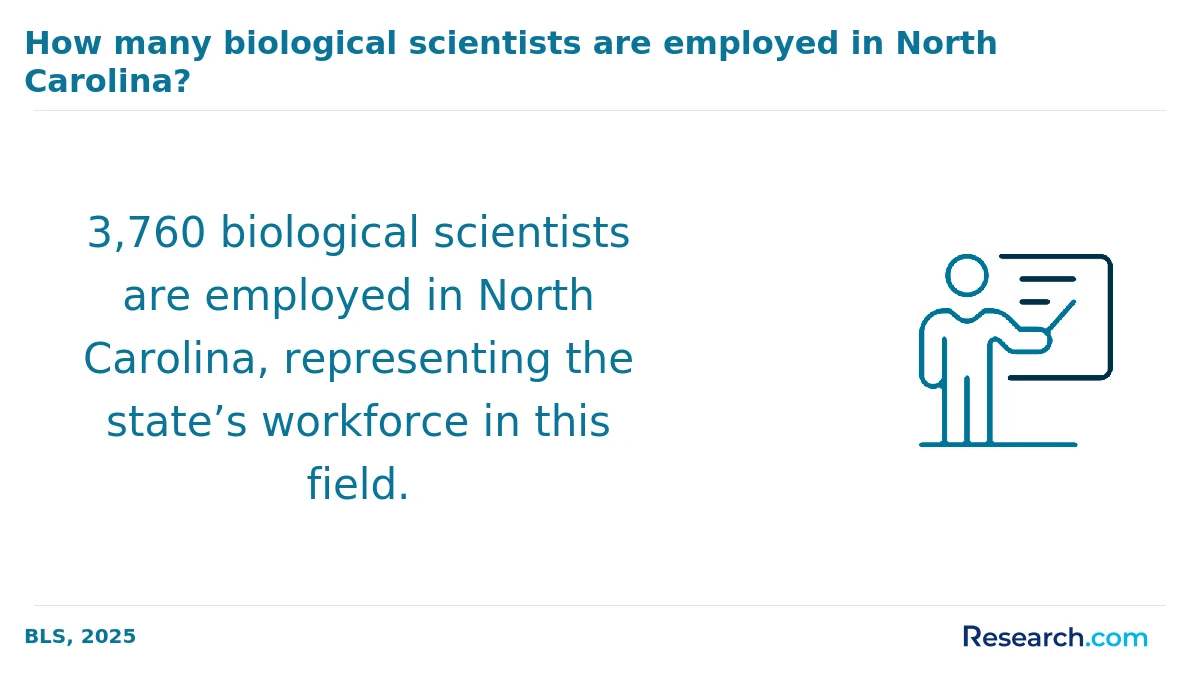
Online biology programs in the Midwest ensure hands-on training through a mix of high-quality virtual labs and optional in-person experiences, so you graduate with real-world skills.
- Virtual simulations using industry-standard software recreate core experiments in genetics, microbiology, and ecology
- Mailed lab kits with detailed video tutorials guide at-home practice in sample preparation and analysis
- Optional on-campus or regional intensives provide access to advanced equipment and faculty mentorship
- Partnerships with local biotech firms or research centers offer field-based practicums and networking opportunities
- Live online lab sessions and one-on-one coaching reinforce techniques and safety protocols
These practical components build competencies in experimental design, data interpretation, and laboratory best practices, preparing you for career roles from clinical research to environmental analysis.
For related healthcare-focused online programs, explore our pharmacy degree online options.
When pursuing an online biology degree in the Midwest, a variety of financial aid options can make your journey much more affordable. Many students at well-known institutions like the University of Illinois or Michigan State University start by completing the FAFSA to unlock federal grants, loans, and work-study opportunities. One graduate shared how receiving the Pell Grant, which can provide up to $7,395 annually, significantly lightened their financial load, allowing them to focus on studies rather than worries about tuition fees.
State-specific grants, such as Illinois' Monetary Award Program (MAP), also help students cut costs. Similarly, working professionals often benefit from employer tuition assistance programs, which have been a game-changer for many balancing jobs alongside their education in places like Ohio State University. Merit scholarships based on academic performance or research experience further ease expenses, with some colleges offering awards tailored specifically for online learners.
Private scholarships from organizations devoted to biological sciences can supplement your aid package. Combining these resources is a smart, proactive way to turn your dreams into reality while studying biology across the Midwest.
Online biology degrees rely on creative solutions to deliver essential hands-on training. Programs in the Midwest typically offer:
- Virtual labs with interactive simulations for experiments in genetics, ecology, and microbiology
- At-home lab kits shipped with materials and step-by-step guides for core techniques
- Short on-campus intensives or partnerships with regional labs for specialized protocols
- Collaborative research projects supervised by faculty to apply classroom concepts in real time
Choosing a program with clear lab pathways helps you build technical skills and meet accreditation standards. Just as students in a pharmacy degree online navigate practical sessions, biology majors can leverage these structured experiences to impress future employers.
To enroll in an online biology degree program in the Midwest, you'll first need a high school diploma or its equivalent. Many Midwest colleges, such as those known for strong biology programs, look for students who come prepared with a solid foundation in high school biology, chemistry, and math-often algebra or even trigonometry. Imagine a recent online biology graduate from a well-regarded Midwestern university who shared how mastering these courses early enabled smoother understanding of complex genetics and ecology topics later on.
Besides coursework, demonstrating English proficiency is crucial. You'll be reading research papers and writing lab reports, so clear communication skills are essential. Some schools might still ask for SAT or ACT scores, but many have become test-optional, easing entry for motivated learners.
If you're transferring from another school, having official transcripts proving completed biology and chemistry courses can accelerate your path. Students from colleges with reputable programs in the region often find this helpful to dive deeper into advanced subjects sooner. Additionally, having reliable internet and technology ready for virtual labs is a must-graduates frequently mention how access to smooth video simulations made their remote studies engaging and effective.
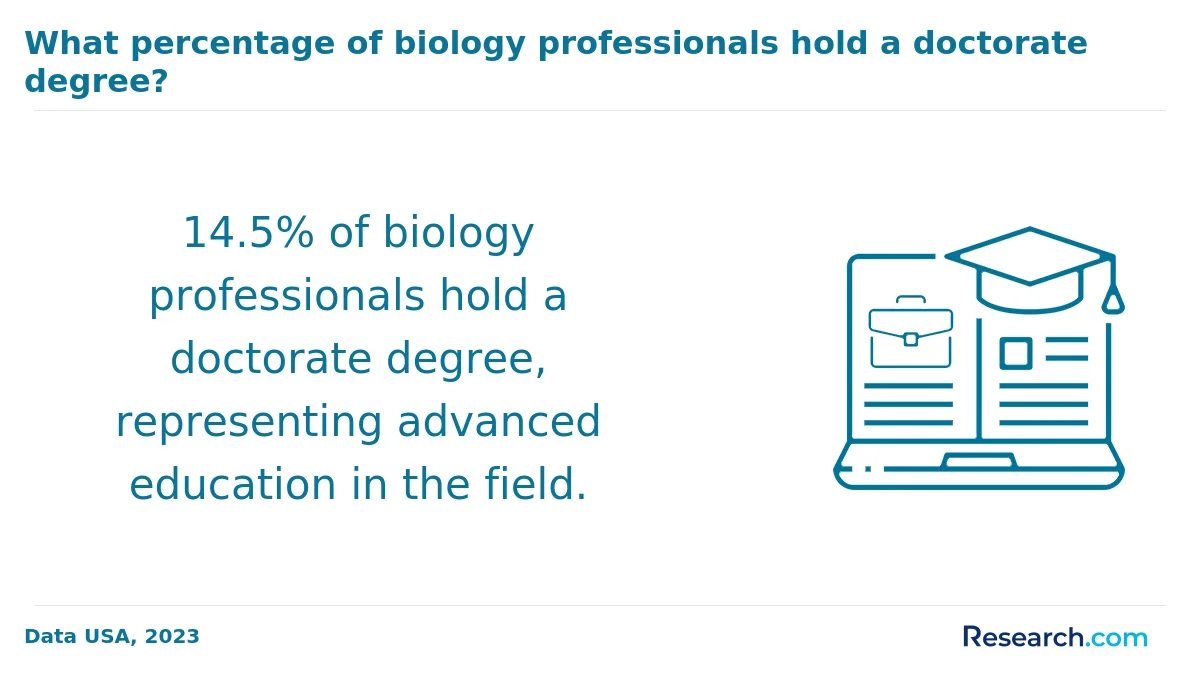
Accreditation confirms that an online biology program meets rigorous academic and industry standards. When evaluating programs, consider:
- Regional accreditation (e.g., Higher Learning Commission) for institutional quality
- Programmatic accreditation (e.g., ASBMB) to ensure specialized curriculum
- Faculty credentials and virtual lab technology that align with accreditor requirements
- Student support services-tutoring, career counseling, technical help-that maintain compliance
- Clear transfer credit policies and credit-hour standards recognized by other institutions
Apply the same accreditation criteria you’d use for a pharmacy degree online to verify program legitimacy and value.
Students pursuing an online biology degree in the Midwest typically dive into core courses like cell biology, genetics, ecology, and microbiology. These classes lay a strong foundation by exploring everything from microscopic life to complex ecosystems. Graduates from well-known schools in the region often share how understanding genetics felt empowering when they connected that knowledge to real-world health issues or environmental challenges they care about.
Alongside these, biochemistry and molecular biology emerge as vital courses, revealing the chemical dance happening inside every cell. Many learners find these subjects both challenging and exciting, especially when applying theory through interactive simulations offered by their university's online labs.
Quantitative skills get plenty of emphasis too. Courses in statistics and bioinformatics teach students how to analyze biological data, turning raw numbers into meaningful discoveries. Midwestern programs often integrate research methods that sharpen analytical thinking-skills graduates describe as game-changing when tackling jobs in healthcare or environmental science.
Electives allow you to personalize your journey, whether you're drawn to physiology, biotechnology, or environmental biology. This flexibility is a hallmark of Midwestern programs, helping students stay engaged and motivated as they carve out their unique career paths.
When exploring online biology degree specializations Midwest universities offer, you'll find options that truly align with your passion and career goals. Many students appreciate programs that emphasize Cell and Molecular Biology, diving deep into genetics and biochemistry-ideal for those envisioning research careers in renowned institutions like the University of Illinois or Ohio State University. Graduates often describe the hands-on virtual labs as incredibly engaging, making complex cellular processes feel tangible even in an online setting.
Environmental Biology and Ecology are prominent concentrations too, especially given the Midwest's rich ecosystems. Learners from colleges such as the University of Minnesota have shared inspiring stories of contributing to conservation and sustainability initiatives in their communities, translating online study into real-world impact. Other popular paths include Microbiology and Biotechnology, fields thriving amid the region's healthcare and agricultural sectors.
For students focused on health professions, online biology degree specializations Midwest programs emphasize Health Sciences and Pre-Medical Studies, supporting future medical careers with a strong scientific foundation. Prospective students can learn more by exploring the best undergraduate biological science online programs.
Choosing the best online biology degree in the Midwest means prioritizing programs with solid regional accreditation, like those approved by the Higher Learning Commission. Graduates from well-known Midwestern universities often praise how accreditation helped them transfer credits easily and qualify for federal aid, making their investment worthwhile. Curriculum matters just as much - look for courses that cover genetics, microbiology, and ecology, with hands-on virtual labs that replicate real-world biology work.
Many students found success when selecting schools with connections to local research centers in Chicago or Minneapolis, opening doors to internships and vibrant career networks. Cost also plays a role; Midwestern public universities usually charge between $10,000 and $12,000 per year in-state tuition, but financial aid options can make affordable online biology degrees in Midwest universities manageable. Real stories from these graduates show that balancing cost and quality is entirely possible.
To navigate your options wisely, explore programs on accelerated biology degree lists. This approach helps you choose a program that aligns with your passion and career goals, keeping you motivated on your journey!
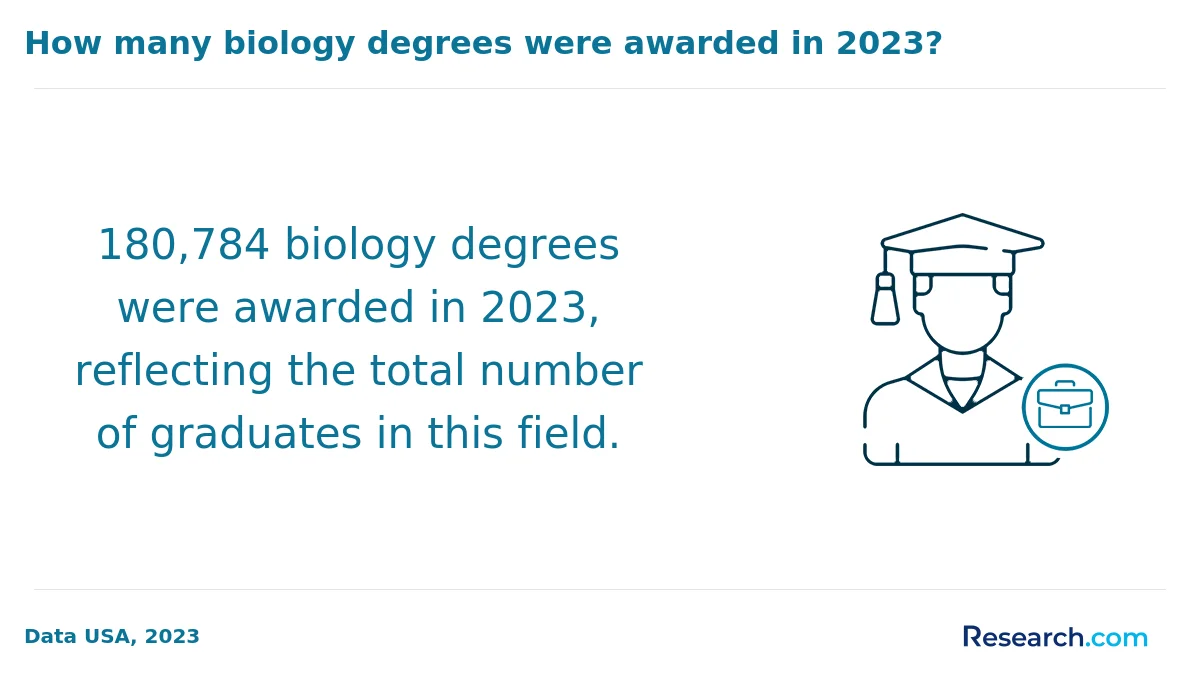
Graduates with an online biology degree in the Midwest discover a wealth of career paths that align with their passions and strengths. Many step confidently into healthcare roles as laboratory technicians or clinical research coordinators, benefiting from growing demand in states with strong medical communities. Those drawn to environmental impact find themselves working in conservation biology or environmental consulting, often collaborating with local agencies in Minnesota or Wisconsin. Experience from popular Midwest universities equips them with hands-on skills to thrive in these roles.
Others leverage their degrees to enter the vibrant biotech and pharmaceutical sectors in Illinois and Indiana, starting careers in quality control or product development with competitive salaries. Many graduates also tap into teaching opportunities, inspired by increases in STEM education funding at community colleges. This diversity of options makes an online biology degree a wise investment. Students curious about affordability can explore programs offering tuition between $10,000 and $15,000 annually, with many opting for an affordable biology online bachelor degree to jumpstart their future in these Midwest biology degree job opportunities online.
The job market for graduates with an online biology degree in the Midwest is robust, offering real chances to apply your skills meaningfully. Many graduates from well-known institutions like the University of Illinois or Ohio State University find themselves employed in thriving biotech hubs such as Chicago and Columbus. These cities are fertile grounds for roles in healthcare research, environmental agencies, and innovative agricultural companies. The combination of solid biology knowledge and additional skills like data analysis or biotechnology techniques makes graduates highly competitive.
Graduates often share how internships linked with their online biology programs gave them hands-on experience, opening doors to roles in clinical research or pharmaceutical development. Those focusing on Midwestern schools appreciate the moderate cost of education that complements the region's steady salary range, typically between $65,000 and $75,000 for experienced professionals. If you wonder how much do biologists make in this area, consider these figures promising for starting your career without overwhelming debt.
Exploring Midwest biology degree employment opportunities means entering a welcoming market where your passion for biology is valued, especially when combined with practical training and internships that boost your resume.
2027 Most Valuable Online Biology Degree Programs Ranking in the Midwest
Investing in your education is a significant decision that can profoundly impact your future, and the Research.com team recognizes the importance of providing trustworthy guidance. To support prospective students exploring biology degree options in the Midwest, we have carefully developed the "2027 Most Valuable Online Biology Degree Programs Ranking in the Midwest." Our dedication to quality, credibility, and accuracy is evident in the rigorous research and analysis conducted to create this ranking.
We utilized the following reputable data sources to ensure a comprehensive evaluation of online biology degree programs:
By consulting this ranking, readers will gain essential insights to make informed, confident decisions about their educational journey in biology. For additional details on how this ranking was developed, please visit our Research.com methodology page.





Frequently Asked Questions About biology
Online biology degree students in the Midwest can maximize their learning by actively engaging in virtual labs and simulations, which are increasingly incorporated in programs to compensate for limited in-person access. The Midwest hosts several accredited universities offering robust online curricula backed by regional science research, such as those at the University of Illinois and Michigan State University.
Students should take advantage of faculty office hours and peer collaboration tools to deepen understanding. Networking with local science organizations, like the Midwest Biology Association, can provide practical experience and career insights. According to the National Center for Education Statistics, students who supplement online classes with such activities tend to achieve higher retention and graduation rates.
Emerging niches within the biology field reflect growing scientific and technological advancements, particularly relevant to students pursuing online biology degrees in the Midwest. Areas like bioinformatics, which combines biology and computer science, are rapidly expanding due to increased demand for data analysis in genetics and pharmaceuticals. Environmental biology is another key niche, supported by the Midwest's strong emphasis on agricultural sustainability and ecosystem management. Additionally, biotechnology, including genetic engineering and agricultural biotech, is gaining traction given the region's prominent farming economy.
According to the National Science Foundation, Midwest universities reported a 15% rise in graduates trained in these specialties between 2018 and 2022. This trend indicates promising career opportunities for students focusing on these fields.
After completing an online biology degree in the Midwest, preparing for the job market involves a combination of practical experience, networking, and further skill development. Many employers in the region value candidates with hands-on laboratory or research experience, which can be gained through internships or volunteer opportunities at local universities, hospitals, or environmental agencies.
Building connections by joining professional organizations like the Midwest Biology Alumni Network or the American Society for Cell Biology helps students stay informed about job openings and industry trends. Additionally, coursework in data analysis and bioinformatics can improve job prospects, as these skills are increasingly in demand.
According to the Bureau of Labor Statistics, biology-related jobs in the Midwest have a projected growth rate of 7% through 2031, making timely preparation crucial. Utilizing university career services for resume building and interview practice can further improve employment outcomes.
Employers in the Midwest highly value biology graduates who demonstrate strong analytical and laboratory skills. According to the National Association of Colleges and Employers (NACE), proficiency in data analysis and experience with modern laboratory equipment are among the top attributes sought. Technical expertise in molecular biology, genetics, and bioinformatics is particularly important due to the region's growing biotech and agricultural sectors.
Communication skills also rank highly, as graduates must explain complex scientific concepts clearly to diverse audiences. Critical thinking and problem-solving abilities are essential to address challenges in research and applied biology roles.
Familiarity with regulatory standards and environmental compliance is a bonus, given the Midwest's emphasis on sustainable practices across its industries.
Finding internships relevant to a biology degree in the Midwest involves actively leveraging university resources and regional opportunities. Many Midwestern universities with online biology programs offer career services that connect students with local research labs, healthcare facilities, and environmental organizations. These institutions often maintain partnerships with state agencies and private companies for internships.
Students should also explore listings on sites like the Midwestern Higher Education Compact and regional job boards. According to the U.S. Bureau of Labor Statistics, biology-related internships in states such as Illinois and Ohio are frequently available in biotechnology and conservation sectors.
Networking through professional groups like the Midwest Ecology and Evolution Conference or local chapters of the American Society for Microbiology can also uncover hidden internship opportunities. Engaging faculty advisors early helps tailor internship searches to specific biological fields of interest.
Online biology degrees in the Midwest offer flexible pathways for career mobility and advancement. According to the U.S. Bureau of Labor Statistics, biology-related occupations in states like Illinois, Ohio, and Michigan are projected to grow by 7% through 2031, higher than the average for all occupations.
Completing an online biology degree can help midwestern professionals qualify for roles in healthcare, environmental science, and biotechnology. The ability to study remotely allows them to maintain current jobs while gaining relevant credentials.
Employers in the Midwest increasingly recognize accredited online biology programs, particularly from public universities like the University of Illinois and Ohio State University. This acceptance broadens job prospects and supports promotions within scientific fields.
Overall, an online biology degree contributes to enhanced career flexibility, higher earning potential, and access to emerging job markets typical for the region's economy.
Studying for a biology degree in the Midwest offers unique preparation for interdisciplinary roles by integrating regional ecological and agricultural expertise with modern scientific training. Many Midwest universities emphasize collaborations between biology and fields such as environmental science, data analytics, and biotechnology, reflecting local economic priorities. For example, interdisciplinary coursework often combines biological principles with soil science and bioinformatics.
Midwestern institutions also feature partnerships with leading agricultural and health research centers, providing students with practical experiences that enhance teamwork across disciplines. According to the National Center for Education Statistics, over 30% of biology graduates from Midwest programs report working in interdisciplinary settings within five years of graduation. This regional focus equips students with versatile skills for varied scientific careers.
When choosing between a thesis and a non-thesis biology degree program in the Midwest, consider your career goals and learning preferences. Thesis programs emphasize original research, ideal for students aiming for doctoral studies or research careers. Non-thesis options focus on coursework and practical skills, fitting for those targeting industry roles or immediate employment.
Midwestern universities, like the University of Illinois and Michigan State, often offer both types. Data from the National Center for Education Statistics show over 40% of science master's graduates in the Midwest choose non-thesis tracks, highlighting demand for applied expertise.
Thesis programs typically require more time and strong advisor involvement. Non-thesis programs can be completed faster and include internships or capstone projects.
Students based in the Midwest seeking to study biology abroad have several options facilitated by U.S. universities and exchange programs. Many Midwest institutions with online biology degrees, such as the University of Illinois or Michigan State University, offer study abroad components or partnerships with foreign universities. These programs often allow credits earned overseas to count toward degree completion. According to NAFSA, around 20% of U.S. study abroad participants in STEM fields are biology students, reflecting strong interest in international experience.
Popular destinations include the United Kingdom, Australia, and Germany, where students can engage in field research or lab work. Exchange programs can last from a summer to a full academic year.
Students pursuing online biology degrees in the Midwest have access to various part-time jobs that enhance their education. Laboratory assistant roles in universities and research centers provide hands-on experience with biological techniques. According to the U.S. Bureau of Labor Statistics, such positions typically pay between $12 and $18 per hour in the region.
Wildlife surveyors and environmental technicians also offer practical exposure, especially in states like Michigan and Wisconsin, where conservation efforts are strong. Internships at local hospitals or biotech firms can deepen understanding of human biology and medical research.
These jobs improve technical skills and build professional networks vital for future employment in biology fields.
Online biology students in the Midwest have several networking opportunities despite studying remotely. Many universities offer virtual events, webinars, and guest lectures that connect students with faculty and professionals in the field. For example, the University of Minnesota hosts online career fairs and research symposiums accessible to remote learners.
Midwestern biology students can also engage with local chapters of national organizations such as the American Institute of Biological Sciences (AIBS) or the Midwest Ecology and Evolution Conference. These groups often provide online forums, mentorship, and regional meetups.
Furthermore, internships and cooperative programs with local research institutions or biotechnology firms in states like Illinois and Ohio help build professional networks. According to the National Center for Education Statistics, online students benefit greatly from these structured interactions, which improve employment outcomes by up to 20%.
Alumni networks offer significant advantages to online biology degree students in the Midwest. These networks provide access to a broad community of graduates who can share industry insights, job leads, and mentorship opportunities. For example, Midwestern universities like the University of Illinois and Michigan State University maintain active alumni groups that connect students with local biotech firms and research institutions.
Statistics show that 70% of jobs in life sciences are found through networking, highlighting alumni value in career advancement. Alumni often participate in webinars and local events, which help online students build professional relationships despite physical distance.
Additionally, many alumni networks facilitate internships and research collaborations specific to the Midwest's strong agricultural and environmental biology sectors. This localized support helps online students gain practical experience relevant to regional employers and scientific trends.
Many online biology degree programs in the Midwest offer customizable options that allow students to align their studies with career goals. You can choose concentrations such as molecular biology, environmental science, or biotechnology, which are popular fields due to growing job markets in states like Illinois and Ohio. Some universities provide elective courses, independent research projects, or internships with local agencies, enabling practical experience alongside coursework. According to the National Center for Education Statistics, flexibility in course selection increases student satisfaction and career readiness. Online programs also often feature academic advising to help tailor your curriculum to industry demands in the Midwest life sciences sector.
Online biology students in the Midwest often encounter several unique challenges. A primary issue involves limited access to hands-on laboratory experiences, crucial in biology education. Many programs try to balance this with virtual labs, but the absence of physical lab work may affect skill development. Connectivity problems are significant too, especially in rural Midwestern areas where broadband access remains below the national average, according to the Federal Communications Commission.
Another challenge is the need for strong self-motivation and time management. Online formats require students to manage coursework independently, making persistence essential. Additionally, some students report difficulties in networking and accessing research opportunities, which are vital for career advancement in biology.
With an online biology degree from the Midwest, students can pursue several professional certifications that boost career prospects. Common certifications include the Certified Biological Safety Professional (CBSP), which validates expertise in laboratory safety and compliance. Another option is the Registered Biological Technician (RBT) credential offered by the National Registry of Biological Technicians.
For those interested in environmental biology, certifications like the Certified Ecologist from the Ecological Society of America may be relevant. Many employers in states like Illinois and Ohio value these certifications, alongside hands-on experience.
Online biology graduates can also consider certifications in related fields such as laboratory technology or clinical research coordination, further enhancing job opportunities.
Writing a winning application for an online biology program in the Midwest requires clarity and preparation. Begin by highlighting your academic background, especially coursework in biology and related sciences. Many Midwestern schools value a solid GPA; aim for at least 3.0 for competitive programs.
Next, clearly articulate your motivation for studying biology online. Explain how this degree fits your career goals and why a Midwest school is your choice. Mention any relevant work or research experience, such as internships or lab work, to strengthen your profile.
Letters of recommendation should come from professors or professionals familiar with your scientific abilities. According to the National Center for Education Statistics, Midwestern states enroll over 40% of US biology undergraduates; showing distinct regional interest can be advantageous.
Finally, proofread carefully and meet all deadlines. Demonstrating professionalism and attention to detail reflects well on your readiness for online study.
A biology career offers diverse opportunities shaped by global challenges such as climate change, health, and biodiversity. In the United States, including the Midwest, biologists contribute to critical research in agriculture, medicine, and environmental science. According to the U.S. Bureau of Labor Statistics, biological scientists' employment is expected to grow 8% from 2022 to 2032, faster than average for all occupations.
The Midwest hosts key research institutions and biotechnology companies, supporting practical applications of biology worldwide. Students pursuing online biology degrees in this region gain skills that address global health crises and sustainable development.
Understanding global ecological systems and human impact is central to modern biology careers, making the field both impactful and relevant internationally.
Gaining practical experience while studying for an online biology degree in the Midwest is achievable through several approaches. Many Midwestern universities partner with local research institutions, healthcare providers, and environmental organizations to offer internships and volunteer opportunities.
Students can also use virtual labs and simulation software, which are increasingly integrated into online biology programs to mimic real-life experiments. These tools help develop critical laboratory skills remotely.
Additionally, some programs require or encourage students to complete in-person fieldwork or lab hours at nearby facilities. According to the National Center for Education Statistics, about 40% of biology programs nationwide incorporate these hybrid practical experiences to enhance learning outcomes.
Joining regional biology societies or clubs can further expand hands-on opportunities, connecting students with networking and mentorship options relevant to the Midwest's ecosystem and research landscape.
Choosing the right concentration within an online biology degree program in the Midwest involves evaluating both your career goals and the region's industry trends. Common concentrations include molecular biology, ecology, and biotechnology, each aligning with diverse job markets.
According to data from the Bureau of Labor Statistics and Midwest economic reports, biotechnology roles are growing rapidly in states like Indiana and Illinois, driven by pharmaceutical and agricultural innovation. Ecology and environmental biology also remain important due to the region's vast natural resources and conservation efforts.
Students should consider program curriculum, faculty expertise, and internship opportunities to ensure practical experience.
- Remote Teaching Science Biology Job Midwest https://www.virtualvocations.com/q-remote-teaching-science-biology-job-midwest.html
- Financial Aid and Grants https://mccollege.edu/financial-aid/
- Fast Way to Get an Online Biology Degree | Straighterline https://www.straighterline.com/blog/how-to-earn-an-online-biology-degree
- Online Bachelor's Degree Completion Financial Aid https://www.hamline.edu/admission-aid/financial-aid/online-bachelors
- PROBLEMS AND SOLUTIONS IN BIOLOGY EDUCATION ... https://uniconflix.com/index.php/ICLT/en/article/download/2740/1493/3000
- Biology https://www.lincolnu.edu/department-of-science-technology-and-mathematics/undergraduate-programs/science/biology.html
- How a Strong Alumni Network Can Benefit Students https://www.pacificu.edu/blog/how-strong-alumni-network-can-benefit-students
- Online Biology Degrees https://mycollegeguide.org/online-biology-degrees/
- PROBLEMS AND CHALLENGES IN 21ST CENTURY ... https://journal.lppmunindra.ac.id/index.php/RDJE/article/download/26534/7915
- Careers in Biological Sciences: Opportunities, Skills, and the Future of Work https://www.hyperec.com/blog/careers-in-biological-sciences-opportunities-skills-and-the-future-of-work/