2027 Easiest Online Master's in Biology Degree Programs Ranking in the USA

Co-Founder and Chief Data Scientist
Choosing the right online master's program in biology can be overwhelming. To make this easier, the Research.com team of data scientists has created the 2027 Easiest Online Master's in Biology Degree Programs Ranking in the USA.
This ranking helps prospective students identify programs that balance quality and flexibility. With a biology degree, you open doors to exciting career paths in healthcare, research, and environmental work.
Reading this article will empower you to make an informed decision that fits your goals and lifestyle. Exploring these programs can bring you closer to a rewarding future.
Key benefits of getting online biology degree in America
- Biology graduates often pursue roles in healthcare, environmental science, or research, with typical salaries ranging broadly - for example, biological technicians earn about $49,000 per year, reflecting solid earning potential in related fields.
- Graduates from popular universities like the University of California enjoy diverse career paths including lab research, education, and biotech industries, offering many opportunities to grow and specialize.
- Online biology degrees from schools like Arizona State University provide flexible learning schedules, allowing students to balance work and study while gaining the same quality education as traditional programs.
- 2027 Easiest Online Master's in Biology Degree Programs Ranking in the USA
- What can I expect from online biology degree in America?
- Where can I work with online biology degree in America?
What can I expect from online biology degree in America?
The average cost of an online biology degree in America usually falls around $15,000 to $30,000 for a full master's program, but it can vary depending on the school and residency status. For example, students at popular universities like Oregon State University or the University of Florida often share how the tuition felt totally worth it given the flexibility and quality of online learning they experienced. They appreciated not having to worry about commuting or housing, which saved both money and stress.
Many grads highlight that the tuition covers access to virtual labs, research projects, and helpful career services, making it feel like you're getting a full campus experience from your couch. Some even mention brief on-site sessions that helped them gain hands-on skills without throwing off their schedules. It's that blend of convenience and solid academics that made the investment feel manageable and valuable for their future in biology.
Where can I work with online biology degree in America?
If you're wondering where you can work with an online biology degree in America, the possibilities are pretty exciting. Graduates from schools like Arizona State University or Oregon State University often find themselves in roles like laboratory technicians or clinical research coordinators at hospitals or healthcare companies. Imagine being part of a team that tests new vaccines or helps track public health data-pretty fulfilling, right?
Then there's research, especially for those who studied from well-known programs. Many grads land jobs with government agencies like the NIH or private biotech firms, working on cool projects like drug development or medical devices. It's a chance to contribute directly to breakthroughs that impact real lives.
Environmental roles are popular, too, with graduates joining places like the EPA or conservation groups. Picture yourself out in nature as a wildlife biologist or analyzing environmental data to protect endangered species-sounds pretty rewarding!
Plus, some take their degree further and move into teaching or pharmaceuticals, where having an online biology degree from a reputable U.S. school opens doors every day.
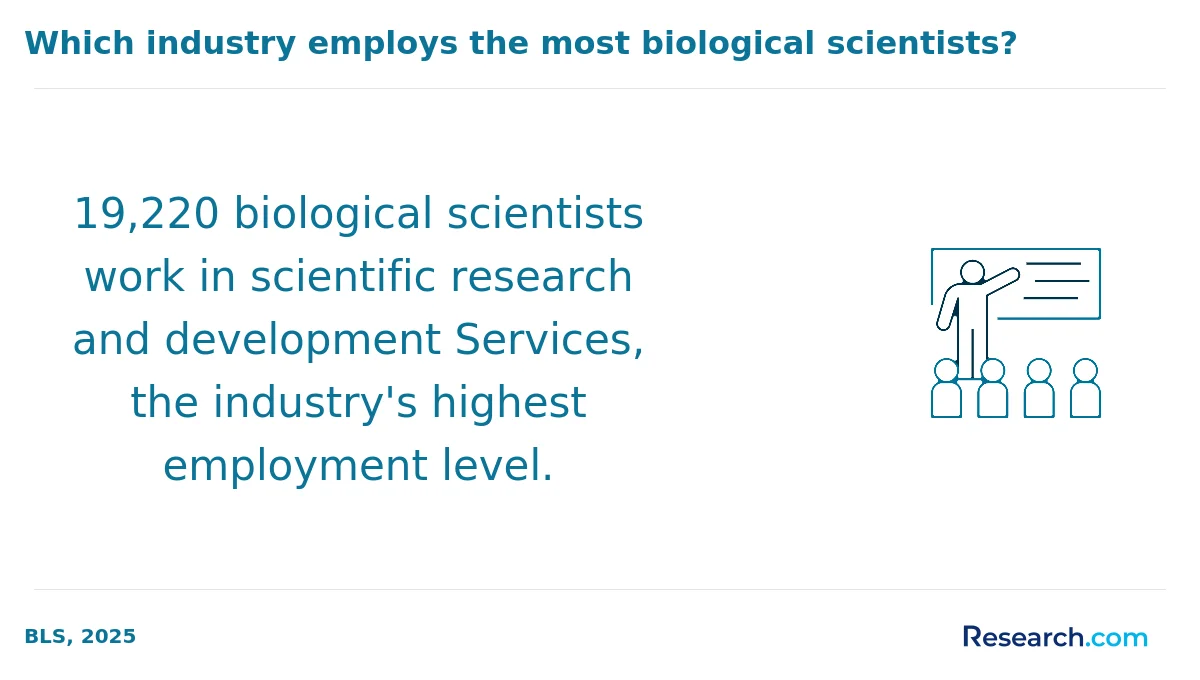
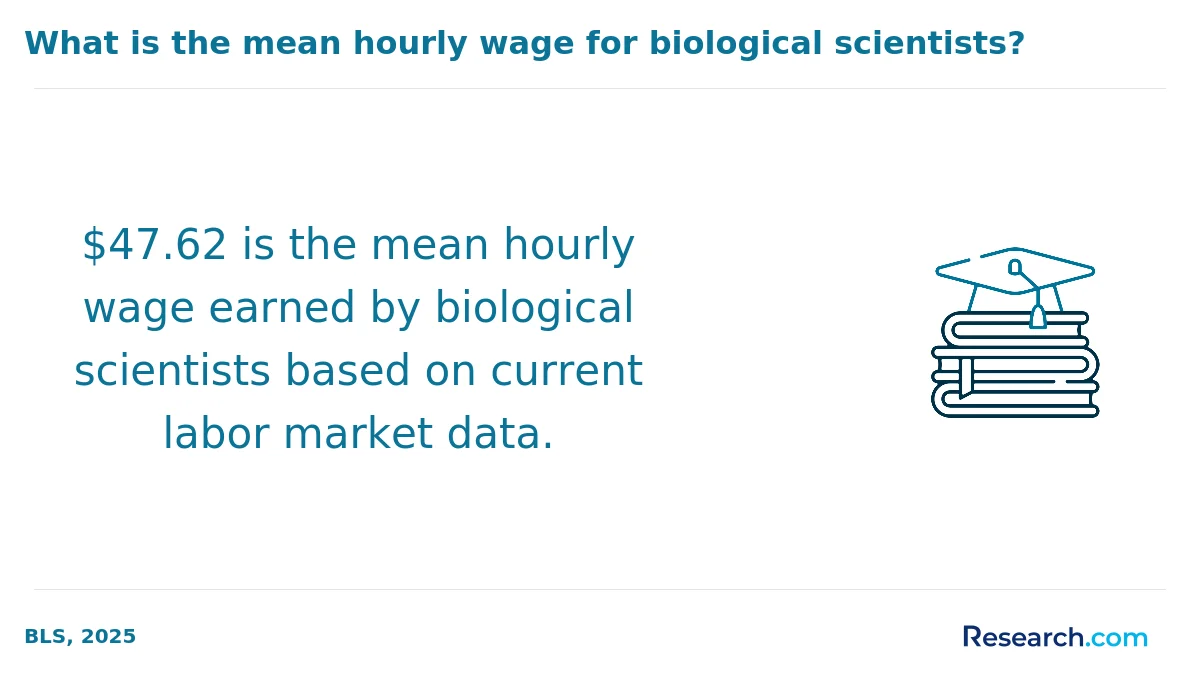
If you've earned an online biology degree in America, you're probably wondering what kind of paycheck you can expect. Graduates from well-known programs at schools like the University of Florida or Arizona State University often start around $50,000 to $60,000 a year. This is pretty common for entry-level roles like lab technicians or research assistants, where hands-on skills really matter.
Those who push further and grab a master's degree usually see their salaries jump, often landing between $65,000 and $90,000. For instance, grads specializing in fields like molecular biology or environmental science tend to snag offers on the higher side, especially if they work in biotech hotspots like California or Massachusetts.
And if you're aiming for research positions in academia or government, PhD holders report median salaries around $100,000. So, whether you're prepping samples in a lab or diving deep into data, biology degrees earned online in America open doors to some solid financial rewards. The key? Building experience and niche skills to stand out.
- Annual tuition for online biology degrees ranges from $15,000 to $30,000 at public universities, with private institutions usually charging more.
- The average starting salary for biology graduates in the U.S. is about $50,000 per year, increasing to $75,000-$90,000 within five to ten years.
- Job growth for biological scientists is projected at 5% to 7% over the next decade, matching the average for all occupations.
- Online biology programs include virtual or limited in-person labs to meet accreditation requirements for hands-on experience.
- Most online biology bachelor's degrees take four years, with part-time and accelerated options available; master's programs generally take two to three years.
If you're thinking about completing an online biology degree in America, most students find it takes about four years for a Bachelor's if you're going full-time. This is pretty much what you'd expect at popular schools like the University of Florida or the University of Arizona, where many grads chat about juggling lab work and online classes. For part-timers balancing jobs or family, it's common to stretch that out to five or six years. Some students love the flexibility, taking fewer courses each term so they don't get overwhelmed.
Master's degrees in biology usually take around two years full-time at places like Oregon State University or Arizona State University, but going part-time can double that. A few ambitious folks speed things up by taking summer classes, though biology's hands-on labs make that a bit tricky. Lots of graduates mention working with local labs to complete practicals, making the timeline feel a bit longer but totally worth it.
If you're juggling a job or family in America, an online biology degree offers sweet flexibility. Graduates from schools like Arizona State University love being able to watch lectures on their own time without missing out on quality content. You can study in your pajamas at midnight if that's when you're most focused!
On the flip side, on-campus programs-like those at University of California, Berkeley-give you that hands-on lab vibe. Students there often rave about the thrill of working side-by-side with professors and peers, using top-notch equipment right on site. It's all about that real-time interaction and immediate feedback when you're dissecting specimens or running experiments.
Tuition-wise, online programs generally cost less-think around 20% to 30% savings compared to traditional routes. But remember, you might still need to budget for occasional lab visits or tech gear. Networking feels different, too; online learners connect through virtual chats and webinars, while on-campus students build friendships over coffee or study groups.
When you think about the average cost of online biology degree in USA, it helps to consider some real examples. Many students at well-known universities report that total tuition usually lands around $24,448 for the full degree. Out-of-state students might see costs a bit higher, roughly around $25,376, while in-state learners have a more affordable rate near $12,540. So if you're joining a popular college known for biology, you can expect this kind of range.
One graduate shared how choosing an in-state public university made their biology degree achievable without drowning in debt. They appreciated the clear tuition numbers and manageable fees, which kept their focus on learning rather than finances. Others who went for private or out-of-state options found the experience worthwhile because of specialized programs, even if it meant a bigger price tag.
That said, affordable online master's biology programs USA highlight that there are plenty of flexible options for advanced studies that fit different budgets. Some schools offer flat-rate online tuition or reduced fees for digital learning, making it easier to pursue a master's degree without breaking the bank.
Of course, it's smart to explore scholarships and financial aid too, as these can dramatically lower costs. Plus, if you're curious about careers after your degree, checking out the highest paying jobs with biology degree can motivate you to see the value in investing wisely in your education.
When you're diving into an online biology degree in America, figuring out financial aid can feel like a big puzzle-but there's actually a bunch of help out there. For starters, many students tap into federal aid like Direct Unsubsidized Loans, which can cover up to $20,500 a year. This often covers most of the tuition at schools like Arizona State University or Oregon State, both known for solid online bio programs. Graduate students especially find this support a lifesaver.
State scholarships and tuition waivers also offer big breaks, especially if you're studying in your home state. For example, public universities in Texas and California often have special STEM scholarships that biology students swear by. Then, you've got university-based aid-merit scholarships or assistantships where you might help out with research or teaching and earn money while gaining experience.
Some grads remember how private scholarships from groups like the American Society for Microbiology turned out to be game changers. Plus, if you're working, don't forget to ask about employer tuition reimbursement-they can help you pay while you boost your career!
If you're thinking about jumping into an online biology degree in America, you'll usually need to have your high school diploma or something like a GED. Most schools want to see that you've got a good grip on math and science, so classes like algebra, chemistry, and physics are super helpful. For example, many students from popular places like the University of Florida or Arizona State University found that having a solid background in these subjects made the transition smoother and less stressful.
When you move up to graduate programs, things get a bit more specific. You'll generally need a bachelor's degree in biology or a related field, plus some coursework in things like genetics and molecular biology. Many graduates mention that their experience writing personal statements and securing recommendations really boosted their chances, especially for schools known for strong online biology programs like Oregon State University.
Also, while tests like the GRE may not always be required anymore, it's smart to double-check. And since it's all online, being comfy with tech and having reliable internet really takes the pressure off, letting you focus on the exciting stuff like learning about ecosystems or cell functions.
Mastering an online biology program requires proactive strategies and smart use of resources:
- Establish a consistent study routine with dedicated time blocks each week.
- Create a distraction-free workspace that supports virtual labs and research tasks.
- Engage actively in discussion boards and group projects to reinforce key concepts.
- Reach out early to instructors and academic advisors for feedback and mentorship.
- Take advantage of university support services like online tutoring, digital libraries, and career centers.
- Build professional connections through virtual study groups, webinars, and LinkedIn networking.
- Explore complementary credentials like a pharmd degree to diversify your expertise and career options.
If you're diving into an online biology degree in America, expect to tackle some classic courses that cover the essentials of life sciences. Graduates from schools like the University of Florida or Arizona State often mention how courses like General Biology really set the stage, breaking down topics like genetics and evolution into easy-to-grasp concepts. It's like getting a backstage pass to how living things work!
Chemistry shows up too-think general and organic chemistry-because understanding how molecules interact is key to biology. You might remember hearing from grads at Ohio State how microbiology classes made them appreciate the tiny organisms that affect health and the environment every day.
Other favorites are genetics and ecology, where students explore everything from gene editing to saving endangered species. Plus, anatomy and physiology courses are often included, especially if you're eyeing healthcare careers. Many find it exciting how these classes connect directly to real-world jobs, making studying feel relevant and inspiring.
When exploring online biology degree specializations USA offers, you'll find plenty of fascinating options that fit different interests and career goals. For example, many students at popular schools like University of Florida or Arizona State University dive into Molecular and Cellular Biology, where they get to understand the nuts and bolts of life at a microscopic level-think genetics and cell processes. Others might be drawn to Ecology and Environmental Biology, perfect if you're passionate about protecting nature or working in conservation.
Graduates often share how studying Microbiology opened doors in healthcare and public health jobs, especially with the rise of biotech industries. Some choose Biomedical Sciences, which bridges biology and medicine, giving them a leg up in research or drug development fields. Those who love hands-on work with animals or plants often lean towards Wildlife Biology or Botany, which are just as popular across online programs in America.
You can even mix things up with interdisciplinary classes blending bioinformatics or data analysis, enhancing your skills and job prospects. If you're curious about the full scope, check out the online biological science degree programs available, and see what fits your vibe best!
When choosing the best online biology degree in America, one of the first things you want to check is whether the school is properly accredited. Graduates from well-known colleges often share how having a degree from an accredited program opened doors to grad schools and good jobs. You don't want to end up with a certificate that employers or other universities won't recognize.
Another big factor is what the classes actually cover. The easiest online biology degree programs USA offer solid foundations like genetics and ecology but also let you dive into specialized areas like biotechnology. Students from popular universities love how current faculty who research actively bring fresh, exciting perspectives that keep them motivated and connected to real science.
Cost really matters too. With public biology programs averaging around $10,740 a year and private ones much higher, finding affordable accredited online biology degrees in America that fit your budget is key. Some programs cut costs by having fewer on-campus fees while still delivering quality education. If you want speed and flexibility, you might want to check out the fastest online biology degree options out there.
Flexibility with class times and strong student support can make a huge difference, especially if you're juggling work or family. And don't forget career services-internships and networking connections at labs or biotech companies can turn your degree into a real career boost, which is why so many graduates recommend looking for those perks before signing up.
If you're thinking about where an online biology degree in America can take you, the options are pretty exciting. Graduates from popular schools like the University of Florida or Arizona State University often find themselves stepping into careers as medical laboratory technicians, helping hospitals run vital tests behind the scenes. Others dive into biotech or pharmaceutical research, working as scientists developing new treatments or quality control analysts ensuring product safety. Many love the idea of becoming environmental consultants or wildlife biologists, especially with growing concerns about the planet's future.
Some grads take their people skills into genetic counseling or science education roles, sharing complex info in ways anyone can understand. Lots of biology students from well-known colleges also see their degree as a launchpad for further study in medicine or veterinary fields, boosting their career options even more. If you want a sense of which programs offer the cheapest online biology degrees, research.com is a great place to start exploring.
There's really something for everyone within biological science jobs for master's graduates America-wide, so you can find a path that fits your vibe and goals perfectly.
The job market for an online biology degree in America looks pretty solid, especially if you're aiming to work in fields like research, biotech, or environmental science. Graduates from well-known programs at colleges such as the University of Florida or Arizona State University often find themselves landing roles in genetic testing labs or with environmental agencies right after finishing their degrees. The flexibility of online courses helps many who are working adults or switching careers to get their foot in the door without sacrificing their current jobs.
Many who choose this path appreciate how the programs focus on real-world lab skills, which definitely boosts confidence when applying for jobs. If you're wondering about the kind of education needed, there's a helpful breakdown on what education do you need to become a biologist that offers clear insights. Exploring online biology degree job opportunities USA shows that while salaries vary, there's good potential, especially if you pair the degree with internships or certifications.
Biology grads from online programs in states across the country share stories of quickly securing positions in public health or pharmaceutical sales, thanks to a solid foundation that balances theory and hands-on practice. The job market outlook for biology graduates America-wide suggests steady growth, making it an encouraging choice for those passionate about science and eager to contribute to healthcare or conservation efforts.
2027 Easiest Online Master's in Biology Degree Programs Ranking in the USA
Investing in your education is a significant decision that can shape your future, and the Research.com team recognizes the importance of providing trustworthy guidance for prospective students. To assist those interested in pursuing an online master's in biology, we have carefully developed the "2027 Easiest Online Master's in Biology Degree Programs Ranking in the USA." Our dedication to quality, credibility, and accuracy is reflected in the thorough research and rigorous analysis behind this ranking.
We utilized the following reputable data sources to ensure a comprehensive evaluation of biology programs:
By exploring this ranking, readers will gain valuable insights into the most accessible and high-quality online master's in biology degrees available nationwide, enabling them to make well-informed decisions about their educational journey. For further information on how this ranking was created, please visit our Research.com methodology page.
# 1 position
University of Maryland Global Campus
Master of Biotechnology: Bioinformatics



# 7 position
University of Florida
Master of Microbiology and Cell Science: Medical Microbiology and Biochemistry


Frequently Asked Questions About biology
Online biology degree students in America can maximize their learning by actively engaging with their course materials and instructors. Participating in virtual labs and simulations, which many accredited programs offer, helps bridge the gap between theory and practical skills. According to the National Center for Education Statistics, interactive content improves retention rates by up to 60% compared to traditional methods.
Networking through virtual study groups and professional organizations such as the American Institute of Biological Sciences can provide valuable connections. Additionally, staying updated on research via trusted databases like PubMed enhances understanding of current scientific advances in biology. Time management and setting a consistent study schedule are also critical for successfully balancing coursework with other responsibilities.
The biology field in America is rapidly expanding into several emerging niches driven by advances in technology and environmental challenges. One notable area is synthetic biology, which combines engineering principles with biology to design new biological parts and systems. According to the National Science Foundation, funding in synthetic biology research has grown by over 20% annually in the past five years.
Another growing niche is bioinformatics, essential for managing large biological datasets. The U.S. Bureau of Labor Statistics projects a 15% job growth for bioinformatics specialists between 2020 and 2030.
Additionally, conservation biology is gaining importance as climate change impacts ecosystems across the country. Online biology degrees often include specialized courses preparing students for these dynamic fields.
After completing an online biology degree in America, preparing for the job market requires practical steps beyond coursework. Gaining hands-on experience through internships or research assistantships is essential. According to the American Institute of Biological Sciences, internships increase job placement rates by nearly 20% for biology graduates.
Networking is another key factor. Joining professional organizations like the American Society for Biochemistry and Molecular Biology can connect graduates with opportunities. Additionally, developing skills in data analysis and laboratory techniques is valuable, as the U.S. Bureau of Labor Statistics projects a 5% growth in biological science jobs through 2032.
Certifications and continuing education can also enhance employability, helping graduates adapt to emerging scientific tools and methods.
Employers in America highly value certain skills in biology degree graduates, especially those who completed their studies online. Critical thinking and problem-solving are essential, as biologists must analyze complex data and design experiments. Effective communication, both written and verbal, ranks highly, since professionals often present findings to diverse audiences.
Technical proficiency with laboratory equipment and software is increasingly important. According to the National Science Foundation's 2022 report, over 70% of biology-related jobs require some level of data analysis skills, including familiarity with bioinformatics tools.
Attention to detail and teamwork are also frequently cited by employers. Graduates who can collaborate effectively while maintaining rigorous standards tend to succeed in research and applied biology roles.
Finding internships in America relevant to a biology degree involves leveraging multiple resources. Start by exploring your university's career center, which often has partnerships with local labs, hospitals, and research institutions. Many online biology programs provide virtual internship opportunities suited for remote students.
Federal websites like USAJOBS.gov list internships in agencies such as the National Institutes of Health (NIH) and the Environmental Protection Agency (EPA), both of which offer biology-related positions. According to the National Science Foundation, biology and biomedical fields saw over 60,000 internship placements in 2022, showing strong market availability.
Professional organizations like the American Society for Microbiology and the Society for Conservation Biology also offer internship listings and networking opportunities. Lastly, using platforms like LinkedIn for internships in biotech companies provides additional avenues for practical experience.
An online biology degree in America significantly enhances career mobility by providing flexible access to education without geographic constraints. According to the U.S. Bureau of Labor Statistics, employment in biological science occupations is projected to grow 7% from 2021 to 2031, faster than the average for all occupations, indicating expanding opportunities.
Graduates with online biology degrees can advance in diverse fields like biotechnology, environmental science, and healthcare. Many employers recognize accredited online degrees equally with traditional ones, especially when obtained from regionally accredited institutions.
Online programs often integrate practical research skills and current biological technologies, preparing students for leadership and specialized positions that require innovation and adaptability. This preparation supports upward career trajectories and potential salary increases.
Additionally, with growing demand for professionals skilled in genetics, molecular biology, and ecology, holding a master's degree obtained online can serve as a differentiator in competitive job markets across the U.S.
Studying for a biology degree in America equips students with knowledge that spans multiple scientific fields. Biology programs often integrate coursework from chemistry, physics, and environmental science, fostering interdisciplinary skills. According to the National Center for Education Statistics, nearly 60% of biology graduates pursue roles bridging biology with technology, healthcare, or data analysis.
Online biology degrees emphasize critical thinking and research techniques applicable in various industries. Students learn to analyze biological data using computational tools, preparing them for biotechnology, public health, and environmental policy careers. This broad academic foundation supports collaborative work across sectors, a growing trend in American science and industry.
Choosing between a thesis and a non-thesis biology degree program in America depends on your career goals and learning preferences. Thesis programs typically require original research and writing, ideal for those aiming for doctoral studies or research-intensive jobs. According to the National Center for Education Statistics, about 60% of biology master's degrees in the US include a thesis option, reflecting its importance in academic careers.
Non-thesis programs focus more on coursework and practical skills, suiting professionals targeting immediate work in industry, education, or government roles. These programs often require a final project or comprehensive exam instead of a research thesis. The American Institute of Biological Sciences emphasizes this pathway for applied biology careers.
It's essential to weigh factors like faculty mentorship, program flexibility, and your interest in conducting original research before deciding. Many online biology master's programs offer both options to accommodate diverse student needs.
Students in America interested in studying biology abroad through online degrees have several options. Many US universities partner with international institutions, allowing students to enroll in dual-degree or exchange programs that offer global perspectives without relocating. According to the Institute of International Education, over 300,000 American students studied abroad in 2022, but biology-specific online programs remain limited compared to in-person options.
Some accredited programs offer coursework focusing on global biodiversity, ecology, and environmental science through virtual study abroad experiences. These programs often include internships or research projects with international labs, providing practical exposure.
The National Center for Education Statistics reports increasing online biology enrollments in the US, reflecting growing interest in flexible, global education models.
Part-time jobs that complement a biology degree in America often include laboratory technician roles, research assistant positions, and wildlife rehabilitation aides. According to the U.S. Bureau of Labor Statistics (BLS), lab technicians employed in clinical and research settings can gain hands-on experience while earning an average hourly wage of $18. These roles help biology students apply theoretical knowledge to practical situations.
Other opportunities include working in environmental consulting firms or assisting in university biology departments with data collection and analysis. Such jobs provide real-world skills relevant for advanced biology careers and graduate studies.
Additionally, part-time roles in healthcare support, such as phlebotomy or medical scribing, allow biology students to understand human biology in practice. The integration of such jobs with academic learning enhances employability after graduation.
Online biology programs in America increasingly offer diverse networking opportunities to students. Virtual platforms enable interaction with peers, faculty, and professionals during live lectures, group projects, and discussion forums. Many universities also organize online career fairs and guest speaker events featuring leaders from the biology field.
Students can join national organizations like the American Institute of Biological Sciences (AIBS) and local biology clubs that offer virtual workshops and webinars. According to the National Center for Education Statistics, nearly 65% of online biology students report improved access to professional networks compared to traditional settings.
Internship and research collaboration options are also expanding through partnerships between online programs and research institutions, providing real-world experience.
Alumni networks provide valuable support to online biology degree students in America by fostering professional connections. These networks often connect current students with graduates working in research, healthcare, and environmental sectors. According to the National Science Foundation, professional networking increases job placement rates by up to 15% for STEM graduates. Additionally, alumni can offer mentorship, internship opportunities, and career advice tailored to biology fields.
Many universities host virtual events and maintain online communities, making it easier for remote students to engage. Such access helps build credibility and opens doors to industry collaborations nationwide.
Customizing an online biology degree program in America involves selecting courses and concentrations that align with your career goals. Many universities offer specialized tracks, such as molecular biology, ecology, or biotechnology, allowing students to deepen expertise in specific fields. Elective courses enable flexibility in tailoring the curriculum to fit research interests or industry demands.
Some programs incorporate internships or research projects that provide practical experience, enhancing employability. According to the National Center for Education Statistics, over 30% of biology master's students in the US choose such applied learning options. Additionally, students can pursue certificates alongside their degree to build skills in areas like data analysis or bioinformatics.
Advisors at accredited institutions help craft a personalized study plan, ensuring coursework meets professional and graduate school requirements. This flexibility helps students prepare for careers in healthcare, pharmaceuticals, environmental science, or education, reflecting diverse paths within biology.
Online biology students in America commonly face challenges related to the practical nature of the subject. Biology relies heavily on laboratory work, which many online programs struggle to replicate effectively. Students often must arrange in-person labs or use virtual simulations, which may limit hands-on experience.
Another challenge is time management. According to the National Center for Education Statistics, 38% of online students cite balancing coursework with work and personal obligations as difficult. This is significant for biology students who must dedicate considerable hours to complex topics.
Access to quality academic support and networking opportunities can also be limited, affecting student engagement and mentoring possibilities. These factors can impact learning outcomes and career networking.
With an online biology degree in America, graduates can pursue several professional certifications to enhance their careers. One common certification is the Certified Biological Safety Professional (CBSP), which focuses on laboratory safety and containment protocols. The American Society for Clinical Pathology also offers certifications relevant to biology graduates entering clinical lab work.
For those interested in environmental biology, the Wildlife Society provides a Certified Wildlife Biologist® credential, recognized across the U.S. Additionally, the American Society for Microbiology offers certifications in clinical microbiology and laboratory management.
These certifications strengthen professional credibility and can improve job prospects in research, healthcare, or conservation fields.
To write a winning application for an online biology program in America, start by thoroughly researching the schools you wish to apply to. Emphasize your academic background, especially in biology and related sciences, highlighting relevant coursework and any research experience. According to the National Center for Education Statistics, biology degrees are among the most popular STEM fields in the U.S., so standing out is essential.
Clearly articulate your career goals and how the program aligns with them. Include a strong personal statement that reflects your passion for biology and online learning. Finally, request recommendation letters from professors or professionals familiar with your work in science.
The global demand for biology professionals remains strong, driven by advances in healthcare, environmental science, and biotechnology. In the United States, biology careers are projected to grow 7% from 2021 to 2031, according to the U.S. Bureau of Labor Statistics. This growth is faster than the average for all occupations, reflecting the importance of biological research and innovation worldwide.
American biology programs emphasize skills applicable internationally, such as genetics, ecology, and molecular biology. Graduates are sought after in global pharmaceutical companies, conservation projects, and academic research, highlighting the cross-border relevance of this field.
Furthermore, online biology degrees in the US often meet international accreditation standards, providing graduates with competitive advantages abroad.
Gaining practical experience while pursuing an online biology degree in America is essential for career readiness. Many programs incorporate virtual labs that simulate real biological experiments, helping students develop technical skills remotely. Additionally, students can seek internships or research assistant positions at local universities, hospitals, or biotechnology companies. The National Science Foundation reports that internships increase job placement rates by 20% among STEM graduates, highlighting their importance.
Volunteer opportunities in conservation or public health organizations also provide hands-on experience. Some online programs collaborate with nearby institutions to arrange fieldwork or lab access. Networking through professional societies like the American Institute of Biological Sciences can further open doors to practical training.
Choosing the right concentration within an online biology degree program in America requires understanding your career goals and interests. Popular concentrations include molecular biology, ecology, biotechnology, and microbiology. According to the National Center for Education Statistics, programs that emphasize biotechnology and molecular biology often align with growing job markets.
It is important to review each program's curriculum and faculty expertise, especially since online programs can vary widely in focus. Look for concentrations that offer relevant lab simulations or research opportunities, even virtually.
Consider also job placement rates for graduates in your desired field, as reported by U.S. Department of Labor statistics.
Finally, check if the program is accredited by recognized bodies like the Southern Association of Colleges and Schools or the Higher Learning Commission to ensure quality education.
- Careers in Biological Sciences: Opportunities, Skills, and the Future of Work https://www.hyperec.com/blog/careers-in-biological-sciences-opportunities-skills-and-the-future-of-work/
- write a letter of application for the position of teacher biology - Brainly.in https://brainly.in/question/57038693
- Best Online Biology Degrees https://www.affordablecollegesonline.org/biology-programs/
- Remote Biology Jobs: Work From Home Guide https://outlier.ai/blog/work-remotely-with-biology-degree
- How a Strong Alumni Network Can Benefit Students https://www.pacificu.edu/blog/how-strong-alumni-network-can-benefit-students
- How to Create a Biology Course Plan for Accelerated Degree Completion https://www.straighterline.com/blog/how-to-create-an-efficient-biology-course-plan-for-accelerated-degree-completion
- How To Become A Biologist | Biology Degrees And Careers https://www.learnhowtobecome.org/science-technology-careers/biology/
- Biology Bachelor's Degree | Salem University Career Paths & Flexible Programs https://www.salemu.edu/biology-bachelor-degree-career-paths-salem-university/
- Biology/Biomedical Placements/Internships | Gradcracker - Careers for STEM Students https://www.gradcracker.com/search/science/biology-biomedical-work-placements-internships
- Turn Your Passion for Science Into a Rewarding Career With a Biology Degree - UNCF https://uncf.org/the-latest/a-biology-degree-can-open-the-door-to-life-and-living